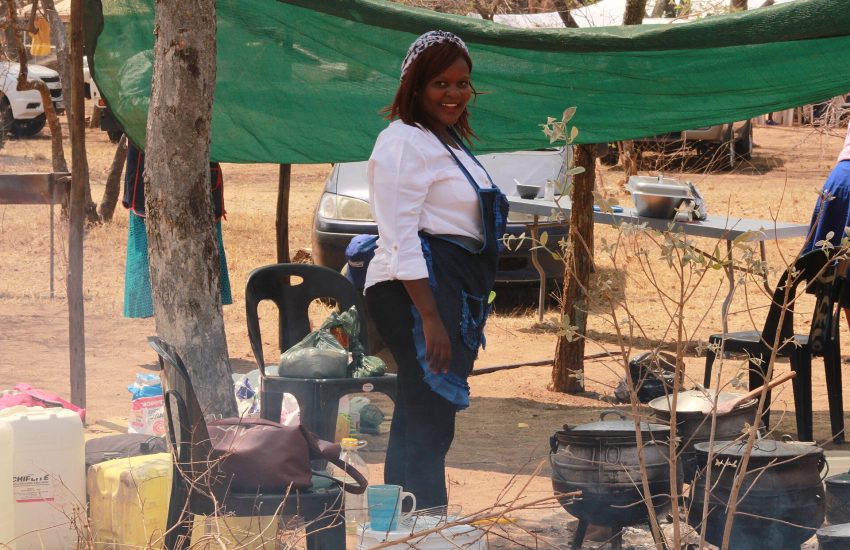
The Luhya, known in their own languages as the Abaluhya, are a large cluster of Bantu-speaking peoples in western Kenya and one of the biggest ethnic communities in the country. They are made up of some eighteen closely related subgroups, among them the Bukusu, Maragoli, Isukha, Tiriki and Wanga, spread across the green and densely settled counties of Kakamega, Bungoma, Busia and Vihiga.United by a common Bantu heritage yet proud of their many distinct identities, the Luhya are famous throughout Kenya for the thunderous isukuti drum dance, for elaborate circumcision rites and bull-fighting, and for a deep tradition of farming in one of the most fertile corners of East Africa. This article traces their origins, language, homeland and the customs that continue to define them.
The Luhya on Film
Contents
- Origins
- The Name
- The Language
- The Homeland
- The Old Way of Life
- Society and Community
- Religion and Belief
- Traditions
- Crafts
- Food
- Festivals
- History
- Today
Origins
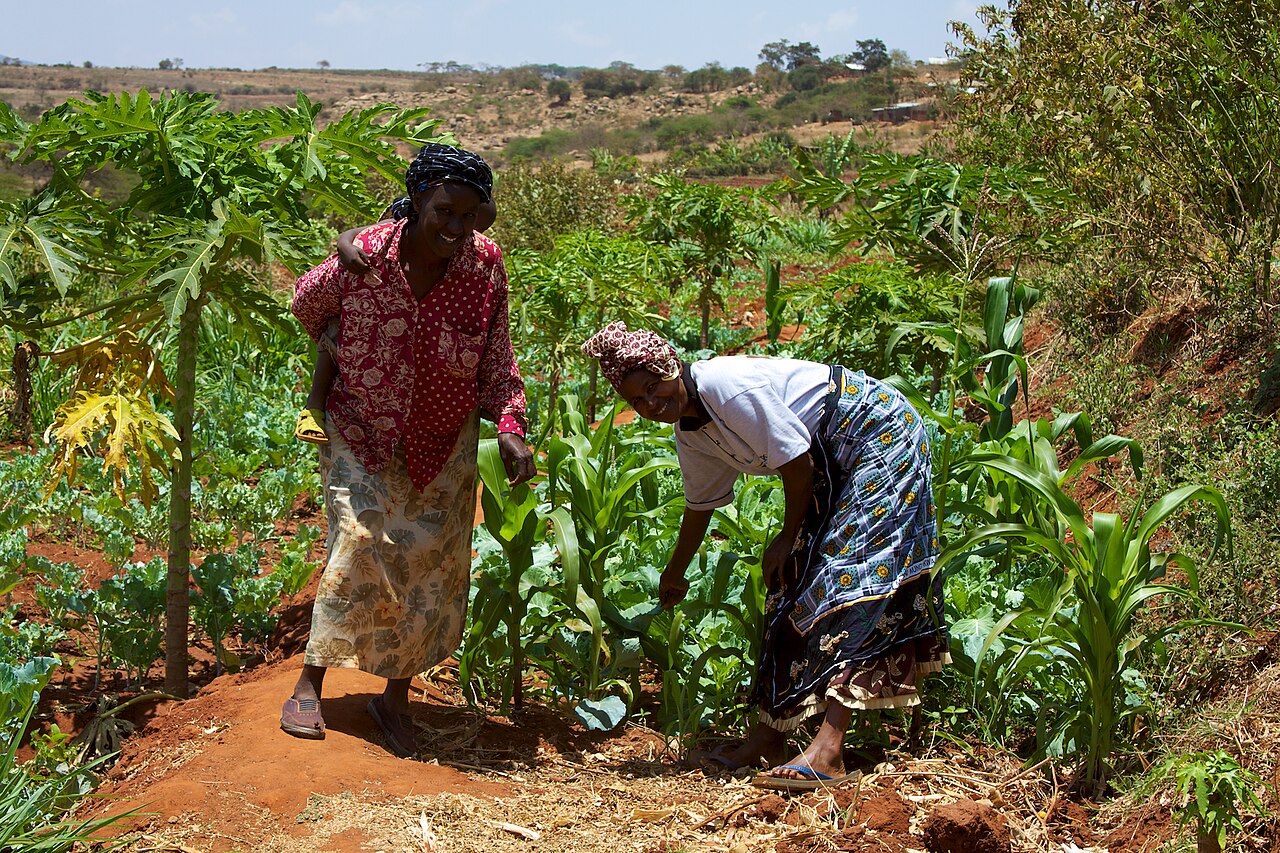
The Luhya, known in their own languages as the Abaluhya or Luyia, are a large cluster of closely related Bantu-speaking peoples in western Kenya. They are not a single tribe but a grouping of some eighteen subgroups, including the Bukusu, Maragoli, Isukha, Idakho, Tiriki, Wanga, Samia and Banyala, who came together over centuries of settlement in the fertile lands north of Lake Victoria.
Their ancestors are thought to have arrived as part of the wider Bantu migrations, absorbing and mingling with earlier communities as they spread across the western highlands. The result is a people bound by common language and custom yet proud of the distinct identities of its many constituent groups.
The Name
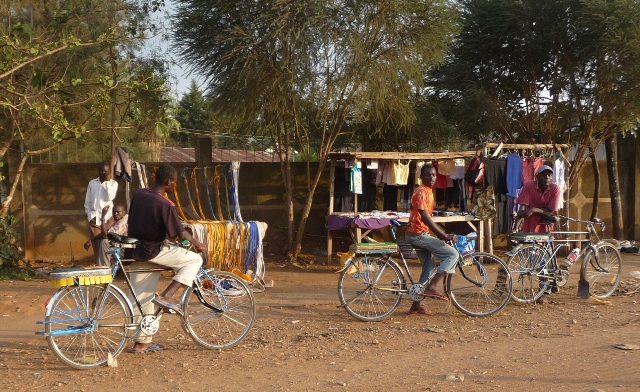
The name Luhya, sometimes written Luyia or Abaluyia, came into general use only in the twentieth century as the various related communities of western Kenya recognised their shared heritage and organised together. Before that, people identified chiefly with their particular subgroup, such as the Bukusu or the Maragoli.
The prefix aba- marks the people and omu- an individual, following the regular Bantu pattern, while the many dialects are named after their speakers. The adoption of a single collective name reflected both a growing cultural self-awareness and the practical politics of the colonial and early independence eras.
The Language
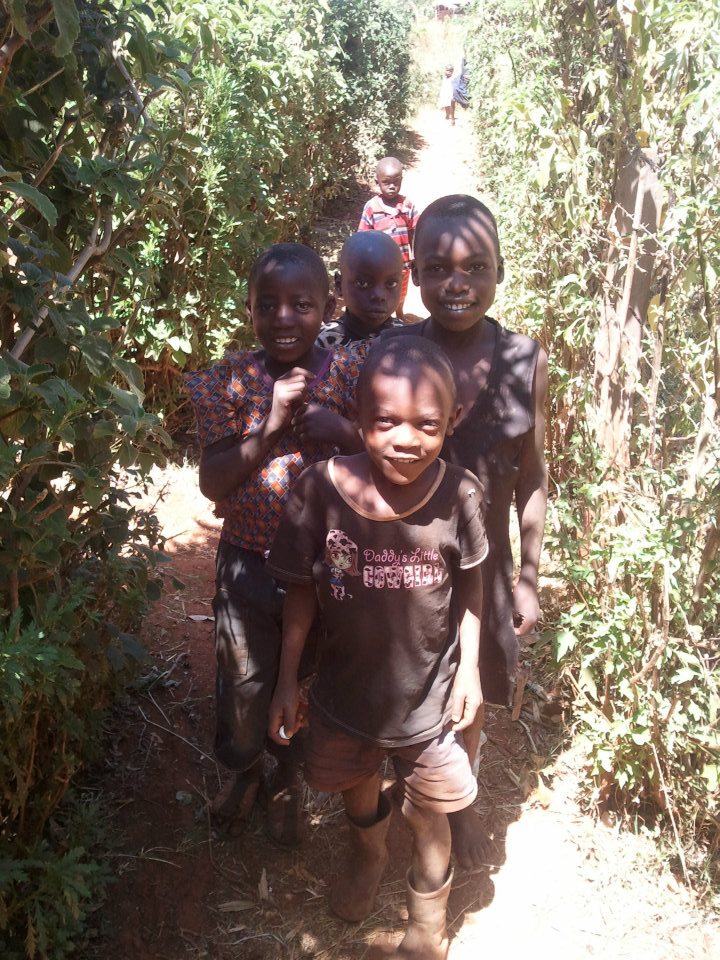
The Luhya speak a range of closely related Bantu dialects, collectively called Luhya or Oluluyia, which form a dialect continuum rather than one uniform tongue. Speakers of neighbouring dialects such as Lubukusu, Lulogooli and Lwisukha understand one another with varying ease, and together they make up one of the larger language communities in Kenya.
Rich in proverbs, songs and oral history, the language remains strong in homes, markets and churches across the region. Swahili and English serve for wider communication, but Luhya speech continues to carry the identity and memory of the people.
The Homeland
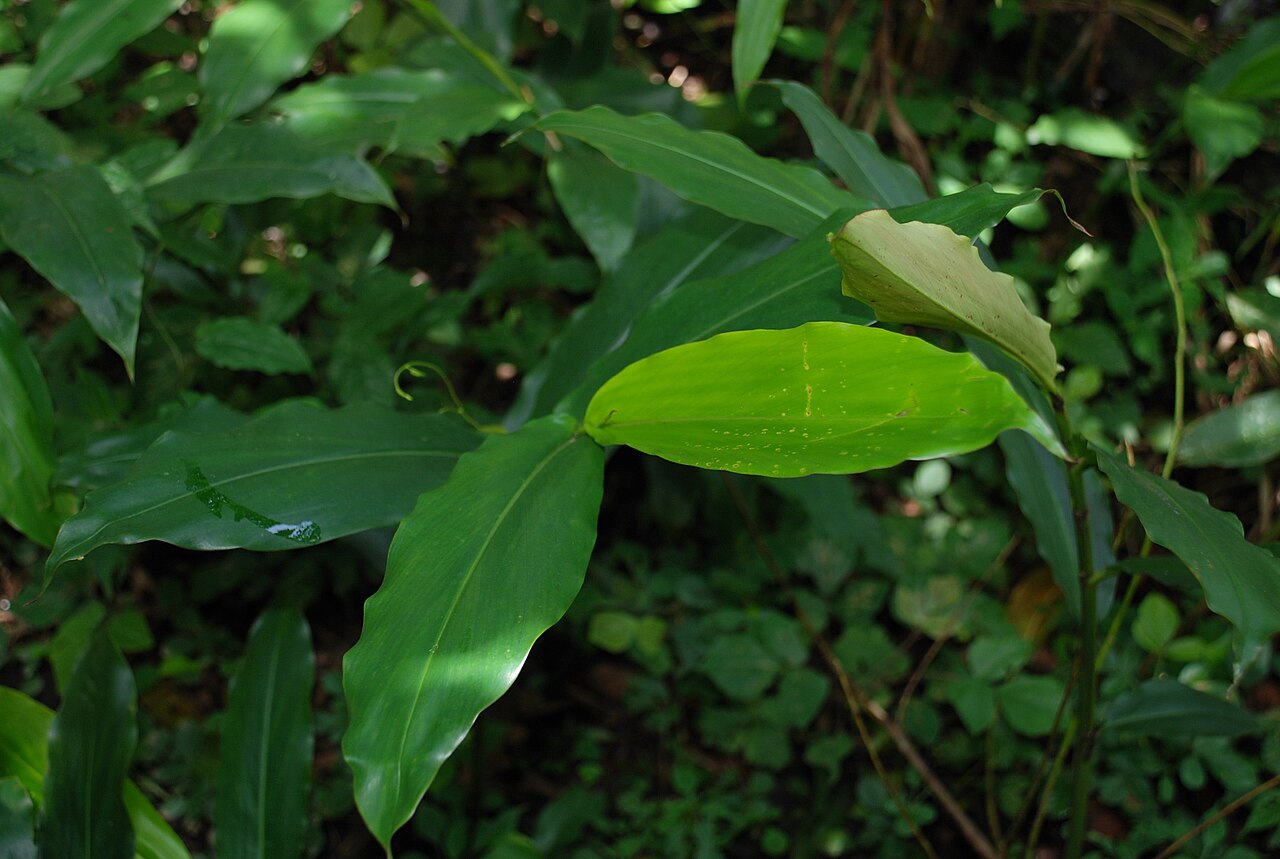
The Luhya homeland lies in the well-watered highlands of western Kenya, centred on the counties of Kakamega, Bungoma, Busia and Vihiga. It is one of the greenest and most densely populated parts of the country, blessed with reliable rainfall, fertile soils and the remnant tropical rainforest of Kakamega, the easternmost outlier of the great forests of the Congo basin.
This generous environment made the region a stronghold of farming and one of the most crowded rural areas in East Africa. The pressure of population on land has long shaped Luhya life, encouraging intensive cultivation and, in modern times, wide migration in search of work.
The Old Way of Life
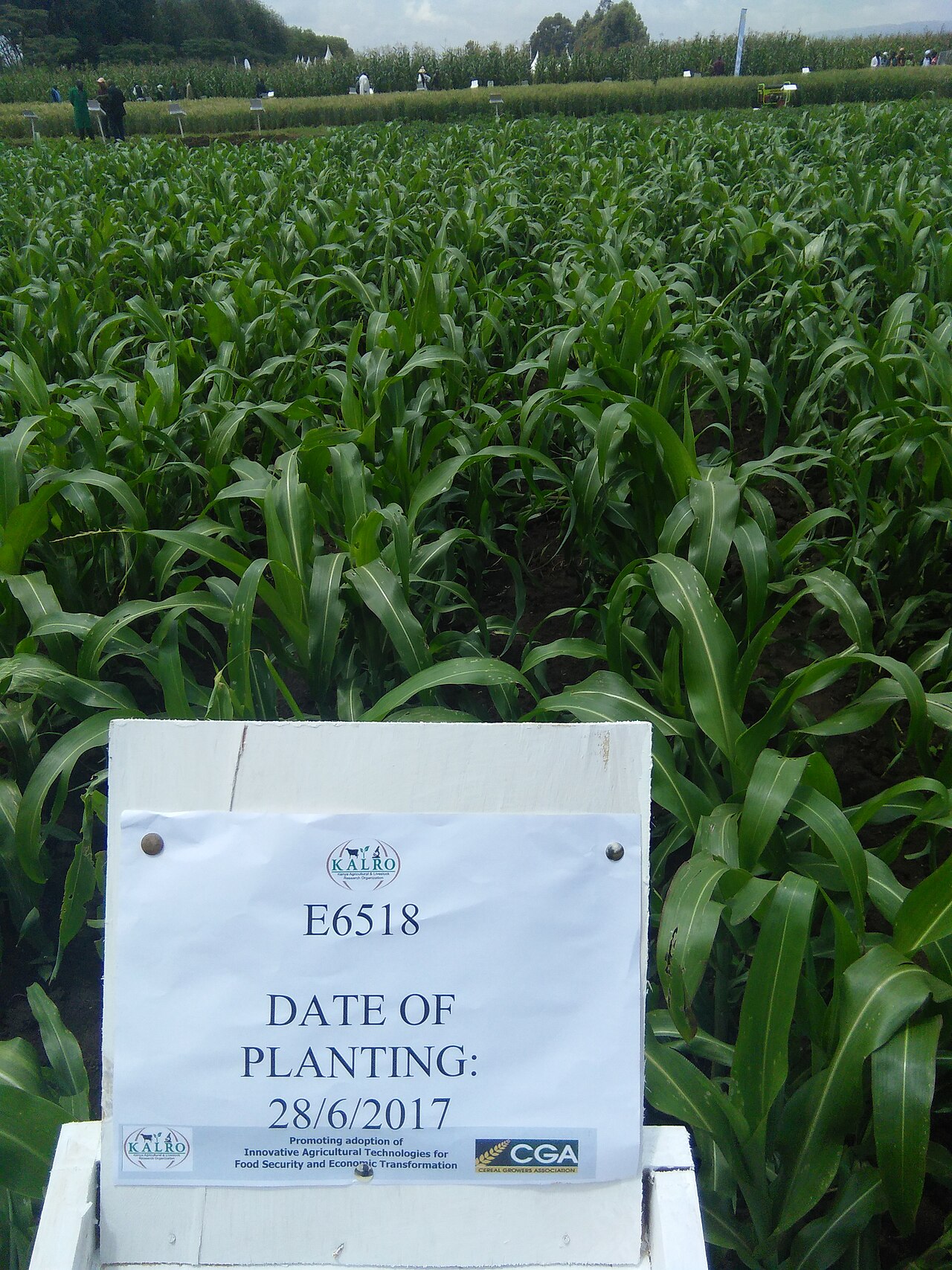
Traditionally the Luhya were settled farmers, and agriculture has always been the foundation of their way of life. They cultivated finger millet, sorghum, bananas and, later, maize, and kept cattle, goats and sheep, with livestock playing an important part in marriage payments and status.
The fertility of their land allowed for permanent homesteads and dense settlement rather than the mobile herding of drier regions. Farming was organised around the extended family, and land, passed down through the male line, was the most valued of all possessions, a pattern that persists in the smallholdings of western Kenya today.
Society and Community
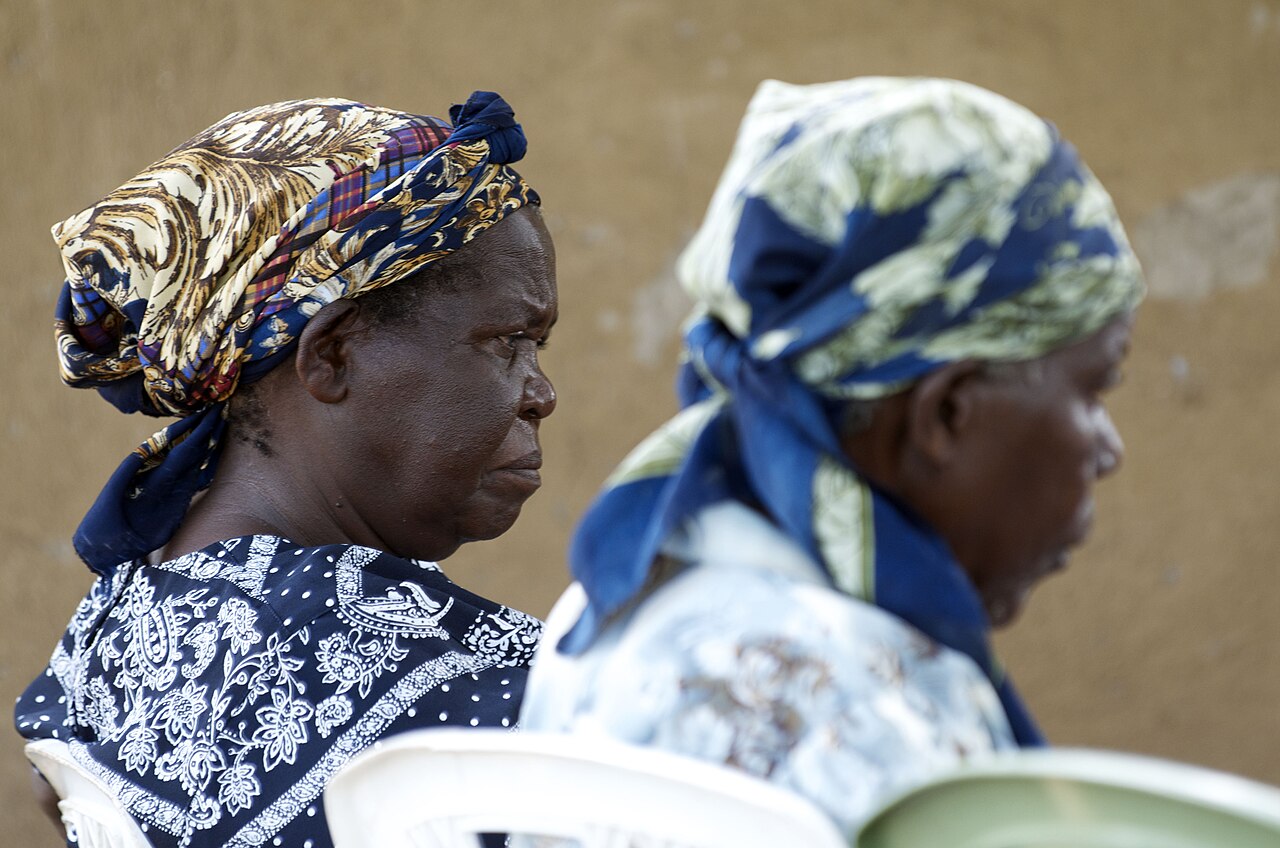
Luhya society was built on the clan, a group tracing descent from a common ancestor, with the extended family homestead as its living core. Elders held authority, settling disputes and guarding custom, and among some subgroups, most notably the Wanga, a more centralised institution of kingship emerged under a ruler called the Nabongo.
Among the Bukusu and others, age-sets and the great ceremony of male circumcision organised the passage from youth to adulthood, binding men of the same generation together. Marriage linked clans through the exchange of bridewealth, and community life turned on cooperation among neighbours in farming, building and ritual.
Religion and Belief

Traditional Luhya religion recognised a supreme creator god, known as Were or Nyasaye, the source of life and giver of rain and harvest. Alongside this high god stood the spirits of the ancestors, who remained close to the living and had to be honoured and remembered, and whose displeasure was thought to bring sickness and misfortune.
Diviners and healers mediated with these unseen powers and treated affliction. From the late nineteenth century Christian missions spread rapidly through western Kenya, and today the great majority of Luhya are Christian, though older ideas about ancestors, blessing and witchcraft still colour everyday belief.
Traditions

The Luhya are famous throughout Kenya for the isukuti, a vigorous drum dance driven by a set of tuned drums whose pounding rhythm accompanies births, weddings, funerals and celebrations of every kind. Recognised internationally as a treasured cultural heritage, the isukuti is among the most distinctive traditions of western Kenya.
Circumcision ceremonies, especially the elaborate rites of the Bukusu, are another great tradition, marking a boy’s entry into manhood with public ritual, song and instruction. Among some groups, bull-fighting, in which specially reared bulls are matched against one another before cheering crowds, remains a popular and dramatic spectacle.
Crafts

Luhya material culture reflects a settled farming people. Households traditionally made baskets, mats and pots, and worked iron into hoes, knives and spears, skills that supported both farming and warfare in earlier times. Granaries, stools and the fittings of the homestead were fashioned from local wood and reed.
Weaving and pottery remain living crafts, produced both for household use and for sale in local markets. As in much of the region, older handmade goods now stand alongside manufactured wares, but the practical arts of the homestead retain a place in rural Luhya life.
Food

The staple food of the Luhya is ugali, a stiff porridge made from maize flour, eaten with a stew or with vegetables. It is accompanied by a variety of relishes, among which chicken, known as ingokho, holds pride of place as the dish reserved for honoured guests and special occasions.
Leafy greens such as the traditional vegetables collectively called tsimboga, along with beans, bananas and, in the past, millet and sorghum, round out the diet. Food is central to Luhya hospitality, and the sharing of a well-prepared meal, above all a chicken feast, is a mark of respect and welcome.
Festivals

Festive life among the Luhya was tied to the farming calendar and to the great events of the life cycle: births, initiations, weddings and funerals. Harvest times and communal work parties brought neighbours together for feasting, and the circumcision seasons of the Bukusu were, and remain, occasions of large public celebration.
At the centre of every gathering is music and dance, above all the isukuti drumming that gives Luhya festivity its unmistakable sound. Today cultural festivals and competitions keep these traditions alive, showcasing the drumming, dancing and song for which the region is renowned.
History

Before colonial times the peoples who became the Luhya lived in a patchwork of clans and small polities, the most powerful being the Wanga kingdom under its Nabongo. In the late nineteenth century the celebrated ruler Nabongo Mumia allied with the incoming British, and his kingdom briefly became a centre of colonial administration in the region.
Under British rule western Kenya was drawn into the colonial economy, and the many related communities gradually came to see themselves as one Luhya people. They took an active part in the labour, education and politics of the colony, and after independence in 1963 emerged as one of Kenya’s major ethnic groups.
Today

Today the Luhya are among the largest communities in Kenya, prominent in farming, trade, education, sport and national politics. Their densely settled homeland in the western counties remains a stronghold of smallholder agriculture, producing maize, sugarcane and dairy, even as land shortage pushes many to seek work in the towns and cities.
Across Kenya the Luhya are known for their music, their cooking and their strong communal traditions, and the isukuti drum still sounds at their celebrations. Balancing the crowded green hills of home with life in the wider nation, the Luhya carry a heritage of farming, festivity and enterprise into the present day.
Related Peoples of the Region
- The Dancing Deer and the Jewelled Valley, the Story of the Meitei People of Manipur
- A Small Mountain Nation That Paid Everything for Freedom, the Story of the Chechens
- Long Before the Arabs Came, North Africa Belonged to the Amazigh
- The Fon, Heirs of the Kingdom of Dahomey
- The Dinka, Cattle-Keepers of the Nile
- The Nuer, the Free Cattle-Keepers of the Nile
- The Kalenjin, the Running People of the Rift Valley
- The Kamba, the Traders and Carvers of Ukambani
More Peoples of the World
- A Fifth of Humanity, the Story of the Han Chinese
- How the Maori Sailed Across the Pacific to Reach New Zealand
- Zulu of the Green Hills and Their Kingdom Forged by Shaka
- The People Who Never Vanished, the Story of the Maya
- Long Before the Arabs Came, North Africa Belonged to the Amazigh
- The People Who Emerged Into This World, the Story of the Navajo
- Meet the Ainu, an Indigenous People at Japan’s Northern Edge
You May Like
The Damara, an Ancient People of Namibia