In the savannas and along the coast of southern Benin live the Fon, the principal people of the country and heirs to the great kingdom of Dahomey, one of the most powerful and organised states of pre-colonial West Africa. Famed for their martial history and their corps of women warriors, for the splendid royal art of Abomey, and above all for the Vodun religion that gave the world its voodoo, they are a people of remarkable historical and cultural importance.
From the palaces of Abomey and the appliqué banners of the kings to the great Vodun festivals of Ouidah, whose faith crossed the Atlantic with the enslaved to become the vodou of the Americas, the Fon carry one of Africa’s richest heritages. This article traces their origins, language, homeland, society, religion, and traditions, and the story of the kingdom of Dahomey and its people.
Benin and the Fon on Film
Contents
- Origins
- The Name
- The Language
- The Homeland
- The Old Way of Life
- Society and Community
- Religion and Belief
- Traditions
- Crafts
- Food
- Festivals
- History
- Today
Origins
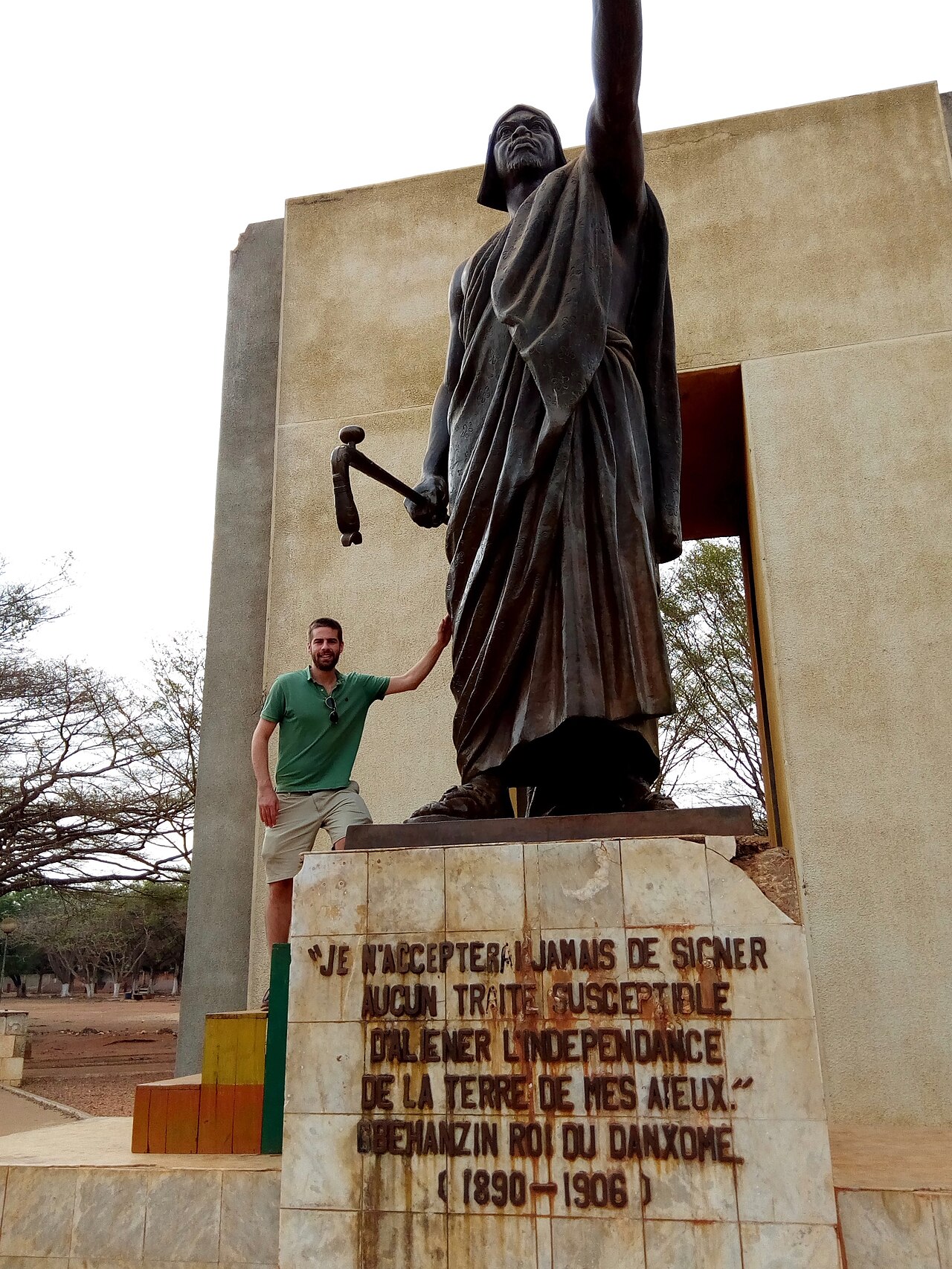
The Fon are one of the principal peoples of the Republic of Benin in West Africa, forming the majority of the population of the southern and central parts of the country, with communities in neighbouring Togo and Nigeria. Speakers of the Fon language and heirs to the great kingdom of Dahomey, one of the most powerful and organised states of pre-colonial West Africa, they are famed for their martial history, their remarkable royal art, and their traditional religion of Vodun, the source of the voodoo of the wider Atlantic world.
The Fon emerged in the seventeenth century when related Aja and Gbe-speaking groups on the Abomey plateau founded the kingdom of Dahomey, which over the following centuries grew into a formidable and centralised state, feared for its army, including the famous corps of women warriors known to Europeans as the Dahomey Amazons, and deeply involved in the Atlantic trade through the port of Ouidah. Out of this kingdom and its rich culture emerged the Fon people, whose Vodun religion, carried across the ocean by the enslaved, gave rise to the vodou and related faiths of the Americas.
The Name
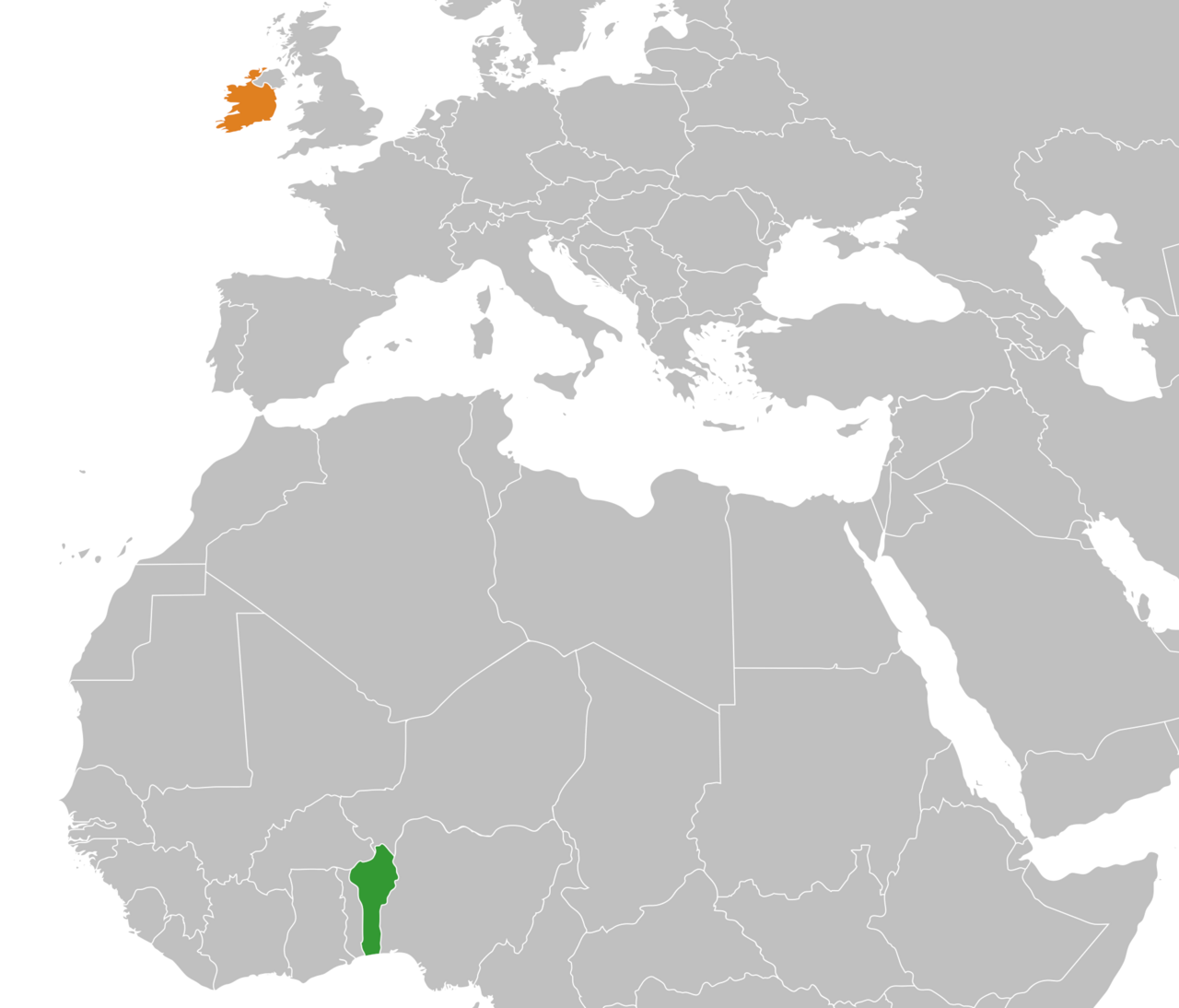
The name Fon denotes this Gbe-speaking people of southern Benin, and the kingdom they founded, Dahomey, gave its name to the whole colony and the country until it was renamed Benin in 1975. The Fon are closely related to the neighbouring Aja, Ewe, and other Gbe-speaking peoples of the region, with whom they share a common linguistic and cultural heritage.
As an identity, Fon denotes the people of the old kingdom of Dahomey and their descendants, defined by the Fon language, by the heritage of the kingdom, and by the Vodun religion, and distinct from the neighbouring Yoruba, Bariba, and other peoples of Benin. The Fon are intensely conscious of their history as the people of Dahomey, of their royal traditions centred on Abomey, and of their religion, and this identity, rooted in the kingdom, the language, and the faith, binds the community together as the leading people of Benin.
The Language

The Fon language, also called Fongbe, belongs to the Gbe group of the Niger-Congo family, closely related to Ewe, Aja, and the other Gbe languages of Benin, Togo, and Ghana, and is spoken by millions as the principal language of southern Benin. It is a tonal language rich in proverb, praise-poetry, and the oral traditions of the kingdom, and serves as a lingua franca across much of the country.
Traditionally an unwritten language whose vast heritage was carried in the spoken word, in the praise-songs of the kings, the liturgies of Vodun, and the proverbs and tales of the people, Fon is today written in the Latin script and used in education, media, and literature, alongside French, the official language of Benin. The rich oral literature of the Fon, including the histories of the Dahomey kings and the sacred texts of the Vodun religion, is a treasury of the community’s culture. The Fon language remains a central marker of identity and the vehicle of a great oral tradition.
The Homeland
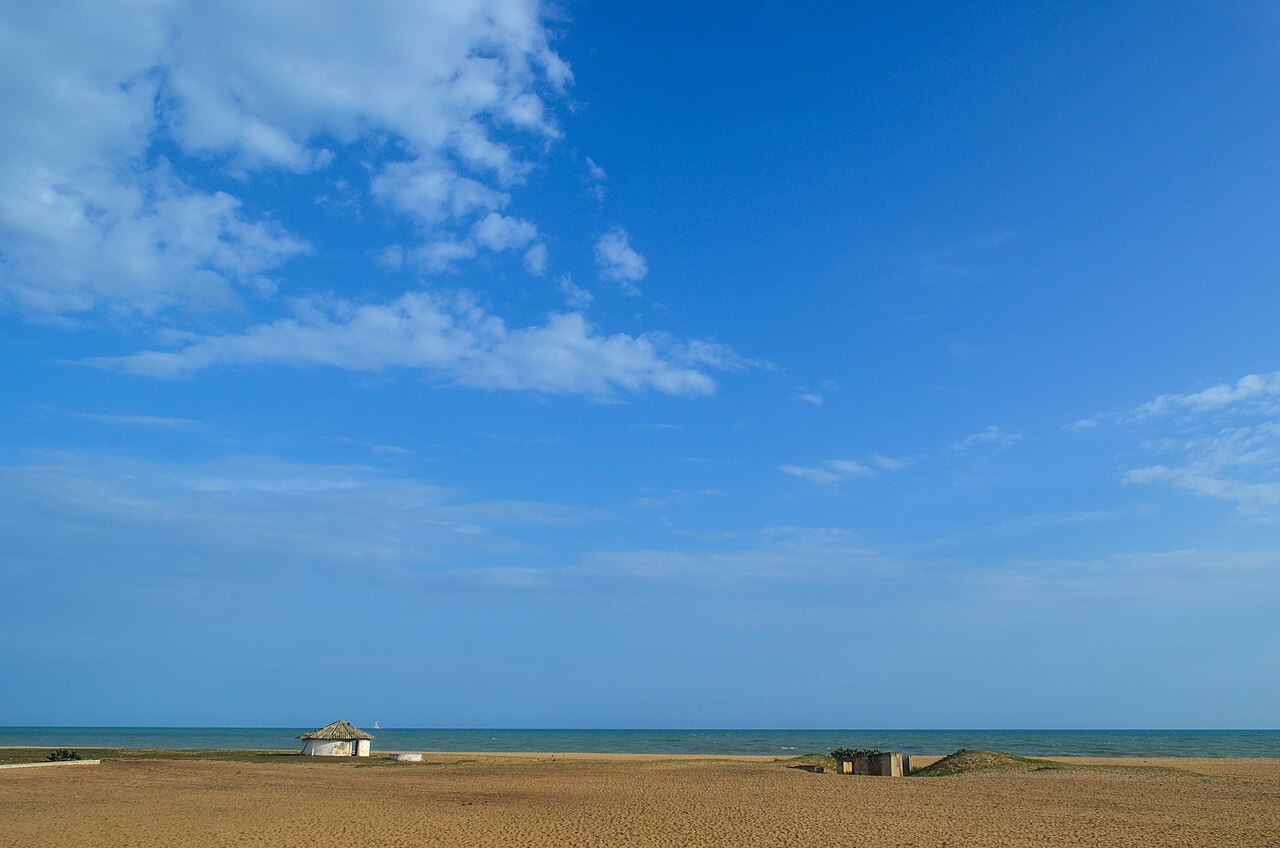
The homeland of the Fon is southern and central Benin, above all the Abomey plateau where the kingdom of Dahomey arose, and the coastal plain reaching down to the Atlantic at Ouidah and Cotonou, a land of savanna, palm groves, lagoons, and a low, humid coast. The plateau of Abomey, the seat of the kings, and the historic port of Ouidah, gateway of the Atlantic trade and a great centre of Vodun, are the heartlands of the Fon.
This land of savanna and coast, watered by seasonal rains, supported the agriculture, above all of yams, maize, cassava, and oil palm, on which the kingdom rested, and its position on the coast drew the Fon into the Atlantic world, for good and for ill, through the port of Ouidah. The lagoons and the coast, the palm groves, and the towns of Abomey, Ouidah, and Cotonou define the Fon homeland. This southern Benin country, cradle of Dahomey and a heartland of Vodun, is the enduring home of the Fon people.
The Old Way of Life

The traditional life of the Fon combined intensive agriculture with the organised institutions of a powerful kingdom. The Fon were farmers, cultivating yams, maize, cassava, beans, and the oil palm on the savanna and coastal plain, and their surplus and their labour sustained the kingdom of Dahomey, one of the most centralised and organised states of West Africa, with its royal administration, its taxes, and its great annual ceremonies.
The kingdom was famous above all for its military organisation, including the standing army and the celebrated corps of women soldiers, the Mino or Dahomey Amazons, and for its deep involvement in the Atlantic trade through Ouidah, which brought wealth, firearms, and, in a tragic chapter, the export of captives. The royal court at Abomey, with its palaces, its officials, and its artisans, was the centre of a rich cultural and economic life. This combination of intensive farming with the powerful institutions, army, and trade of the kingdom of Dahomey shaped the traditional world of the Fon.
Society and Community
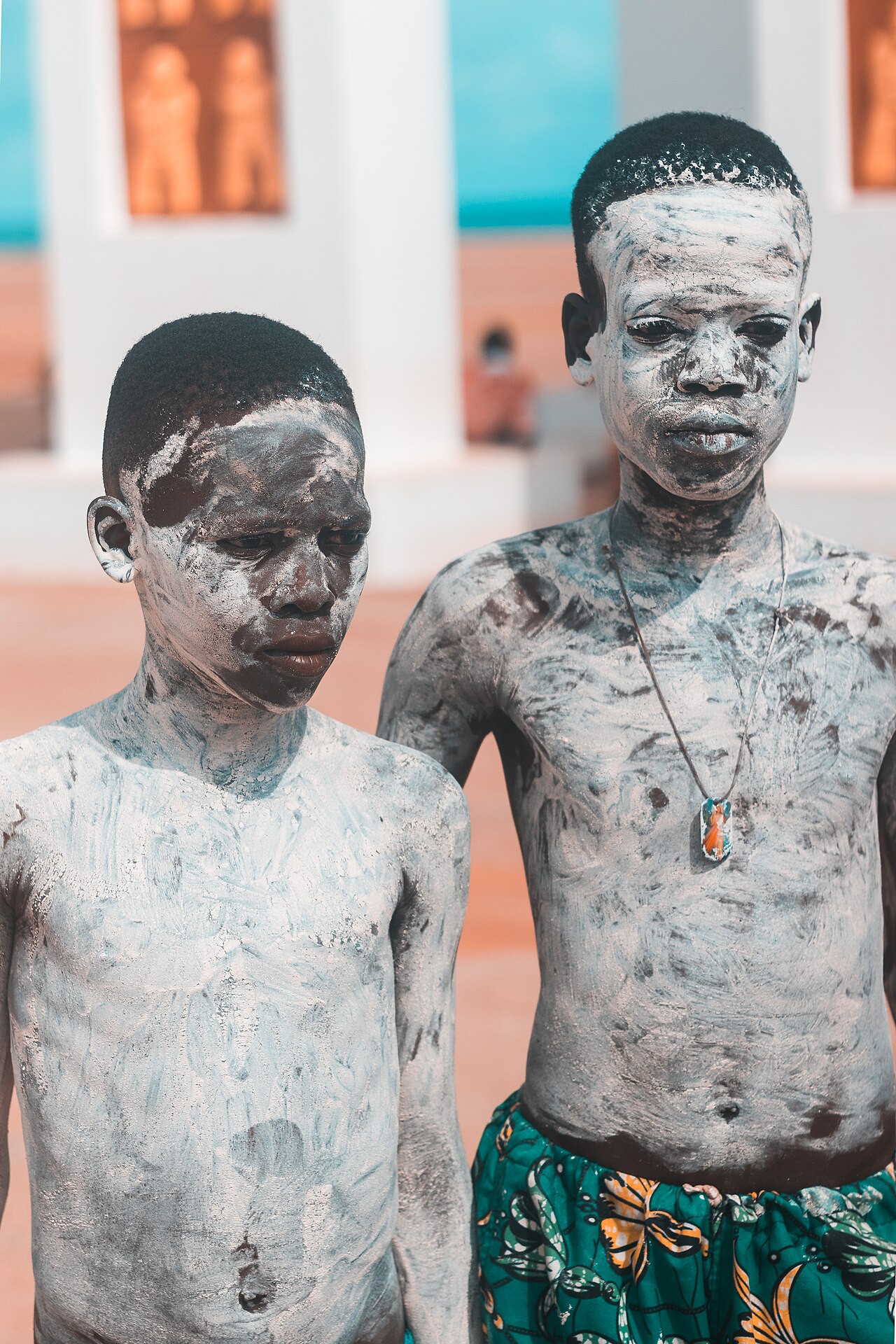
Fon society was traditionally organised as a highly structured kingdom, with the king, the Ahosu, at its apex, revered as a near-sacred figure, beneath whom stood a hierarchy of princes, officials, chiefs, and commoners, and a court of remarkable complexity and ceremony centred on the palaces of Abomey. Below the royal and official classes stood the mass of the farming population, organised in extended families and lineages tied to the land and to the cults of their ancestors.
The extended family and the lineage, with their ancestral cults, were the foundations of social life, and the collective work-group and the associations of the villages bound the community together. Women held important positions, both in the royal court, where the queen mother and the women soldiers were powerful, and in trade, where Fon market-women were, and remain, a formidable force. This society, combining the elaborate hierarchy and ceremony of the kingdom with the lineage-based life of the farming villages, was the distinctive social order of the Fon.
Religion and Belief

The traditional religion of the Fon is Vodun, one of the great religious systems of West Africa and the source, carried across the Atlantic by enslaved Africans, of the vodou of Haiti and related faiths throughout the Americas. Vodun centres on the worship of a host of deities, the vodun, spirits governing the forces of nature, the destinies of human beings, and the affairs of the world, served through elaborate ritual, sacrifice, drumming, dance, and possession, and mediated by an initiated priesthood.
Above the vodun stands a distant creator, while the vodun themselves, including great deities of the sky, the earth, the sea, iron, and the python, along with the deified ancestors and the powers of divination through the Fa (Ifa) oracle, fill the religious world of the Fon. Ouidah is a great centre of the faith, and Vodun remains vital in Benin, officially recognised and openly celebrated, even as many Fon are also Christian or Muslim. This religion, with its many deities, its rich ritual, and its worldwide offspring, is central to Fon identity and the community’s most famous cultural export.
Traditions
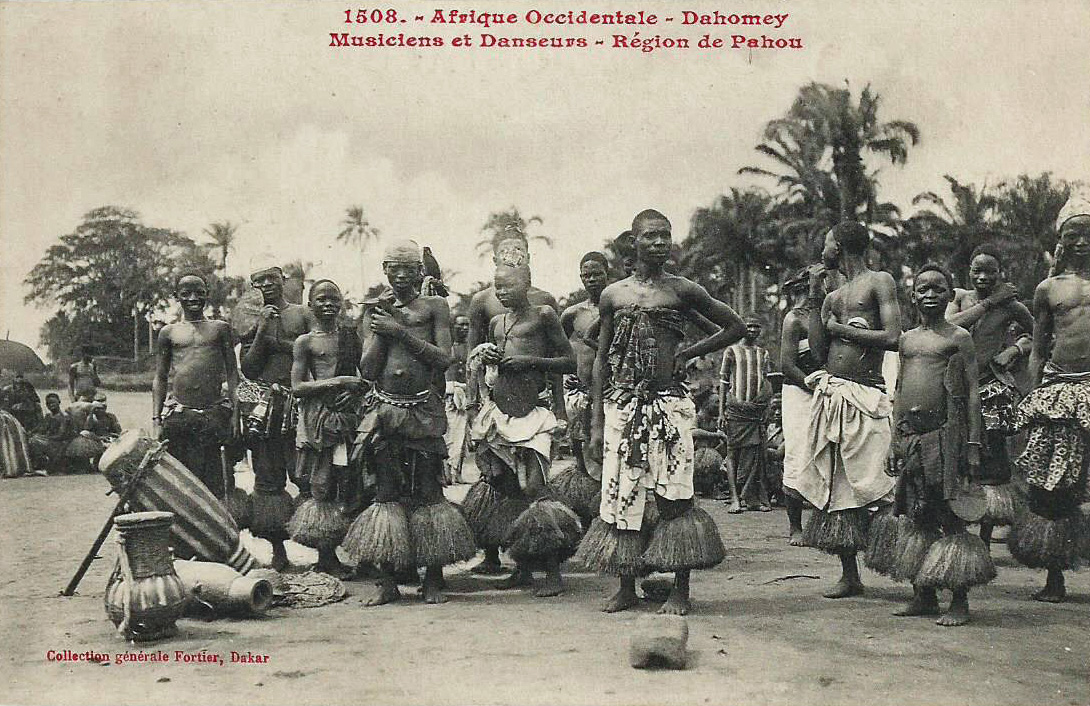
The traditions of the Fon are expressed in the ceremonies of the kingdom and the Vodun religion, in music, dance, and a rich royal and popular art. The great annual ceremonies of the kingdom, the honouring of the royal ancestors, and the rituals of the Vodun cults, with their drumming, dancing, and possession, were and remain the high points of Fon tradition, occasions of splendour, devotion, and communal solidarity.
The Fon are famous for their arts, above all the appliqué cloths of Abomey, in which the deeds and symbols of the kings are worked in coloured fabric, the brass and silver work, the carved staffs and thrones, and the bocio power-figures of the Vodun religion. Music and dance, tied to the court and to the cults, and a rich tradition of proverb, praise-poetry, and oral history, accompany the ceremonies and daily life. Through these traditions of royal ceremony, Vodun ritual, art, and music, the Fon express their distinctive heritage.
Crafts

The crafts of the Fon are among the most celebrated of West Africa, above all the royal arts of the kingdom of Dahomey. The most famous are the appliqué cloths of Abomey, brilliant hangings and banners in which the emblems, deeds, and praise-names of the kings are worked in cut-out coloured fabric sewn onto a ground, an art created by the royal appliqué guilds and continued to this day as a signature craft of the Fon.
The Fon are also skilled in metalwork, producing brass and silver figures, the asen memorial altars for the ancestors, and the recades or royal staffs that were the emblems of the kings and their messengers, and in wood-carving, above all the bocio power-figures and the thrones and staffs of the court and the cults. Weaving, pottery, and the other crafts of a settled and courtly society complete their material culture. These crafts, above all the appliqué cloths and the royal metalwork of Abomey, reflect the artistry and the courtly heritage of the Fon people.
Food
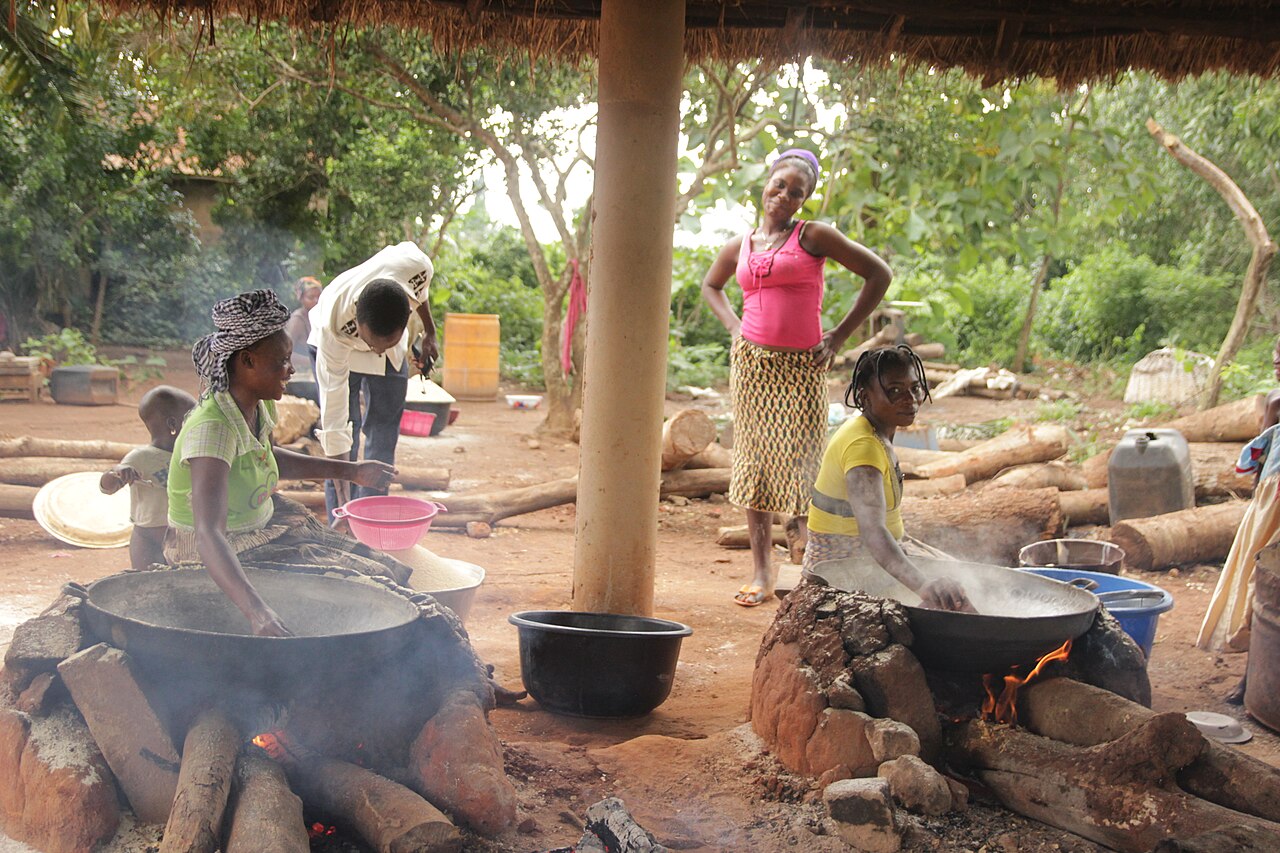
Fon cuisine is a West African food culture built on the starchy staples of the region, above all cassava, maize, and yams, prepared as doughs, porridges, and the ubiquitous gari, the toasted cassava granules that are a staple across Benin. These are eaten with rich, spicy sauces and stews of vegetables, fish, and meat, in the manner of the West African coast.
Characteristic dishes include the maize dough akassa, eaten with sauces, the pâtes and porridges of cassava and maize, and stews and sauces of palm oil, tomatoes, peppers, okra, and the leaves and vegetables of the region, enriched with fish from the coast and lagoons and with meat and poultry. Peppery sauces, palm oil, and the produce of the gardens and the sea give the cuisine its character. This food, rooted in the cassava, maize, and yams of southern Benin and the rich sauces of the coast, reflects the environment and traditions of the Fon people.
Festivals

Festivals fill the Fon year, centred on the Vodun religion and, historically, on the great ceremonies of the kingdom. The most famous today is the annual Vodun festival, above all at Ouidah, where on the national Vodun day in January the deities are honoured with drumming, dancing, possession, sacrifice, and processions, drawing devotees and visitors from Benin and the wider world in a spectacular celebration of the faith.
The many individual Vodun cults hold their own ceremonies through the year, honouring their particular deities, and the traditional royal ceremonies at Abomey, honouring the ancestral kings, are revived and maintained. Alongside these, the Fon who are Christian or Muslim observe the festivals of those faiths, and the harvest and seasonal celebrations mark the agricultural year. Through this calendar of festival, above all the great Vodun celebrations at Ouidah, the Fon express their religion, their history, and their communal identity, and share their most famous tradition with the world.
History

The history of the Fon is dominated by the kingdom of Dahomey, one of the most remarkable states of pre-colonial Africa. Founded in the seventeenth century on the Abomey plateau, Dahomey grew under a line of powerful kings into a centralised and militarised kingdom, conquering its neighbours, including the coastal state of Ouidah, and building a wealthy and organised realm famous for its army, its women soldiers, and its royal ceremonies. The kingdom was deeply enmeshed in the Atlantic trade, and its involvement in the export of captives is a painful part of its history.
In the late nineteenth century Dahomey resisted French colonial expansion in a series of wars, and under its last independent king, Behanzin, fought fiercely before the kingdom was conquered and annexed by France in the 1890s. Under French rule the country became the colony of Dahomey, and at independence in 1960 it took that name, changed to Benin in 1975. In the modern era the Fon have remained the leading people of Benin, prominent in its politics, economy, and culture. This history, of the great kingdom of Dahomey, its resistance, and its legacy, is central to Fon identity.
Today
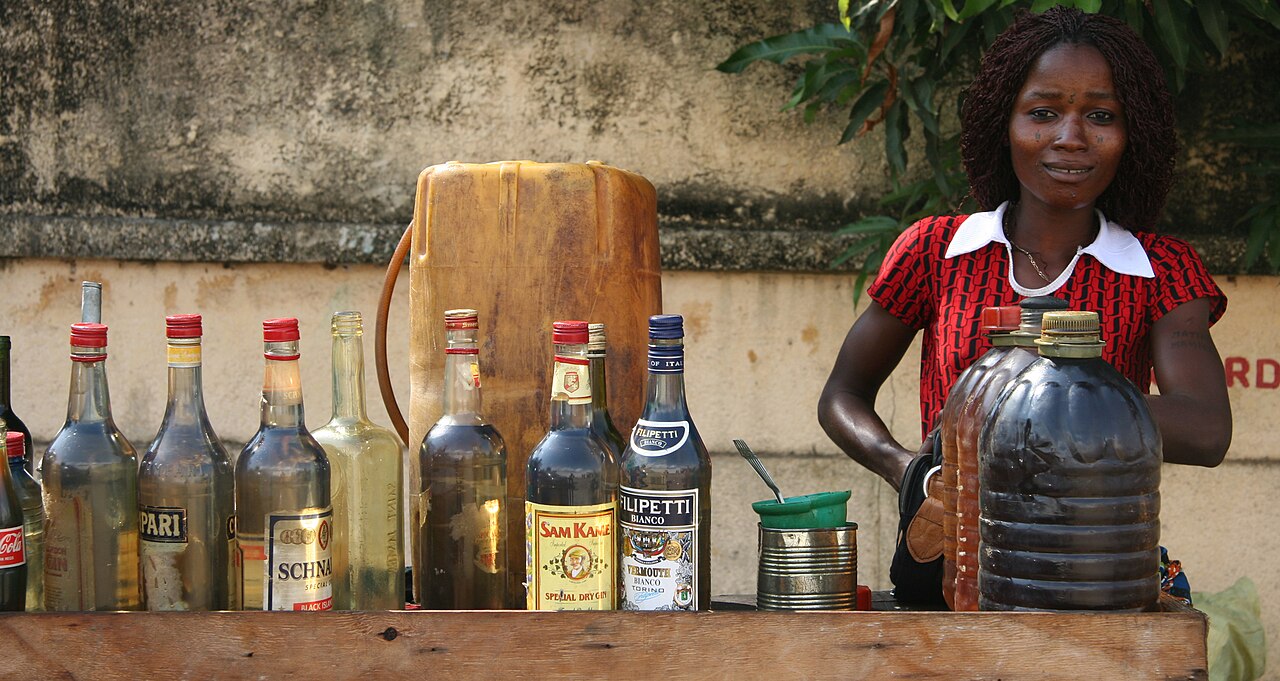
Today the Fon are the largest people of the Republic of Benin, prominent in the nation’s politics, economy, and cultural life, and concentrated in the south and centre of the country, above all around Abomey, Ouidah, Cotonou, and the capital Porto-Novo. The heritage of the kingdom of Dahomey, the fame of its history and its women soldiers, and above all the Vodun religion, officially recognised and celebrated in Benin, are sources of great pride and of growing international attention.
The Fon face the challenges of a developing West African nation, including poverty, the pressures of urbanisation, and the balance between tradition and modern life, while their religion and heritage have become a focus of cultural revival and of a growing diaspora tourism, above all from the Americas, where the descendants of enslaved Africans seek their roots in Ouidah and the Vodun tradition. The royal palaces of Abomey, a UNESCO World Heritage Site, the appliqué art, and the living Vodun faith sustain the community’s identity. Heirs to the great kingdom of Dahomey and to a religion that spans the Atlantic, the Fon carry their distinctive heritage into the modern age.
Related Peoples of the Region
- Copts of the Nile Valley and Their Unbroken Line from the Pharaohs
- Tuareg of the Central Sahara and Their Veiled Nation of the Free
- Kanak People of New Caledonia and Their Three Thousand Years on the Great Land
- Kaqchikel Maya, Guatemala’s Highland Rivals Who Reclaimed Their Freedom
- The Horsemen Who Conquered the World, the Story of the Mongols
- The Dancing Deer and the Jewelled Valley, the Story of the Meitei People of Manipur
- A Small Mountain Nation That Paid Everything for Freedom, the Story of the Chechens
- Long Before the Arabs Came, North Africa Belonged to the Amazigh
More Peoples of the World
- A Fifth of Humanity, the Story of the Han Chinese
- How the Maori Sailed Across the Pacific to Reach New Zealand
- Zulu of the Green Hills and Their Kingdom Forged by Shaka
- The People Who Never Vanished, the Story of the Maya
- Long Before the Arabs Came, North Africa Belonged to the Amazigh
- The People Who Emerged Into This World, the Story of the Navajo
- Meet the Ainu, an Indigenous People at Japan’s Northern Edge
You May Like

The Herero, the Cattle Herders of Namibia


