In the high mountains and green valleys of the North Caucasus, where the great range divides Europe from Asia and Russia from the Middle East, lives one of the most fiercely independent peoples on earth. The Chechens are a small nation, numbering only around a million and a half, yet their name is known across the world, for they have fought two of the most brutal wars of the modern era against one of the most powerful states on the planet, and they have refused, again and again and at terrible cost, to surrender their identity or their dream of freedom. Theirs is a story of mountains and clans, of an unbreakable warrior ethos, of devastating tragedy, and of a people who have paid an almost unimaginable price for the simple wish to govern themselves.
In This Article
- A People of the Mountains
- The Code of Honor
- The Roots of the Chechen Language
- Faith in the Mountains
- The Long War With the Empire
- The Deportation
- The Wars for Independence
- An Honest Reckoning With the Violence
- Chechnya Today
- The Chechens Abroad
- A Culture of Honor and Endurance
- Family, Women, and the Bonds of Society
- The Towers of the Ancestors
- Brothers Among the Mountain Peoples
- The Price of Freedom
A People of the Mountains
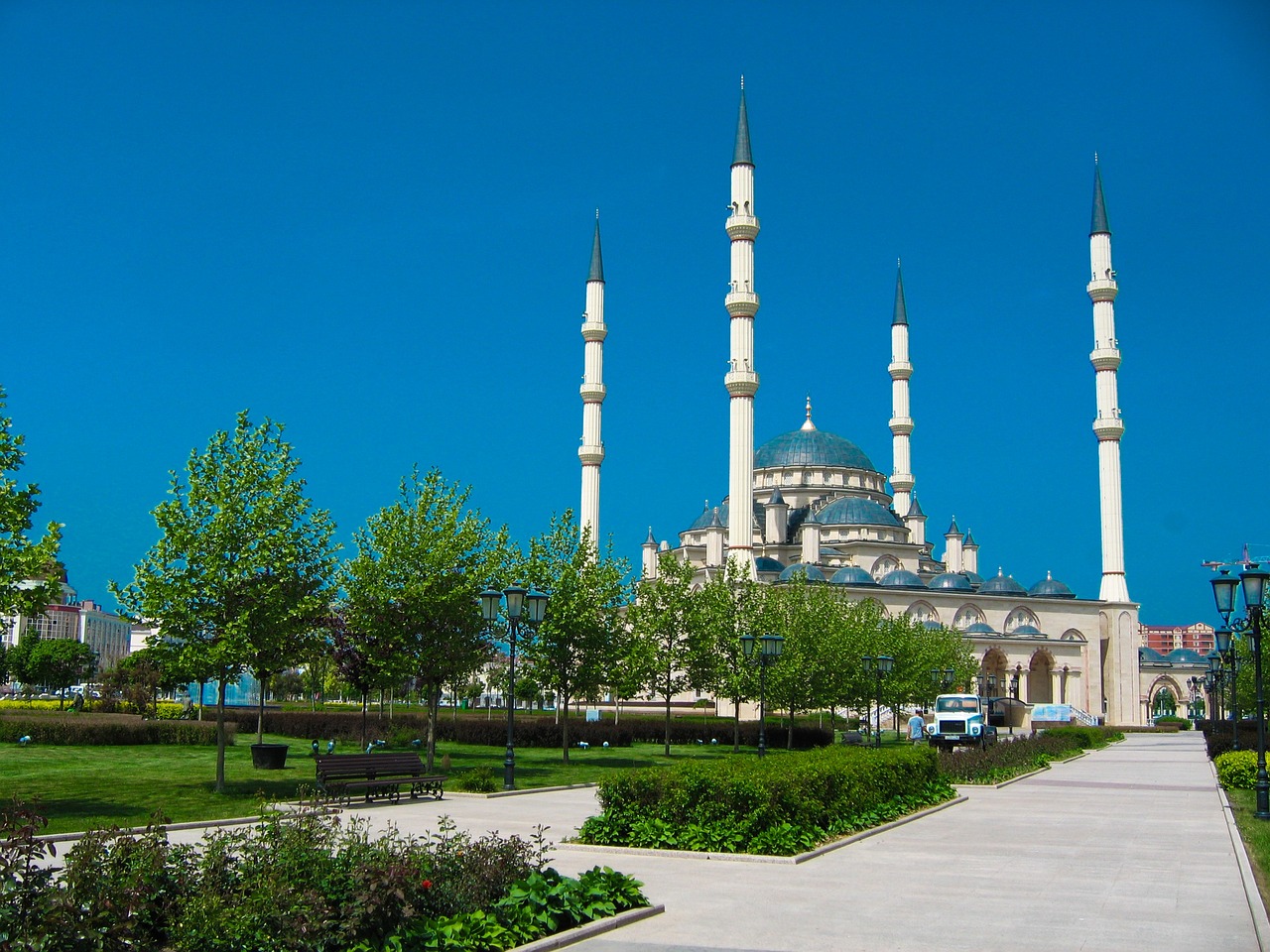
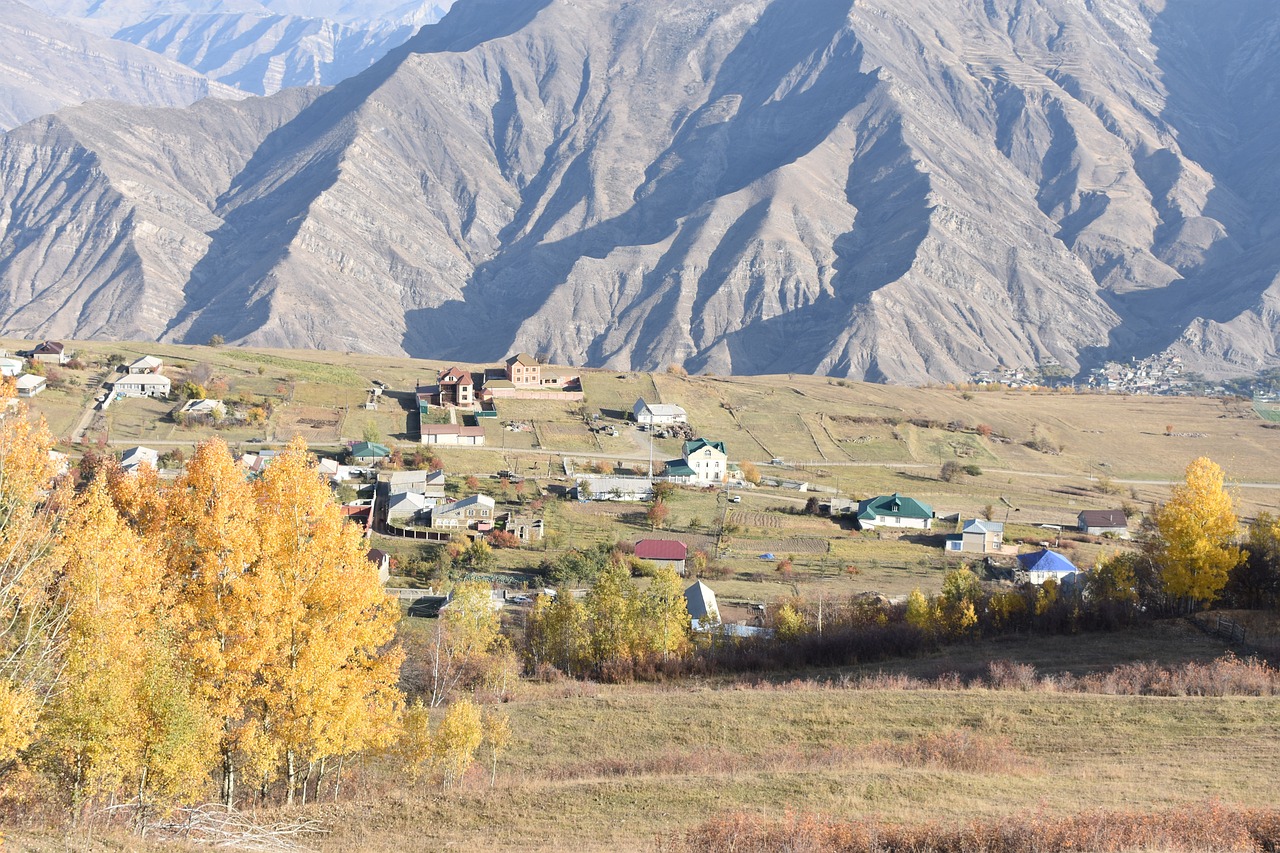
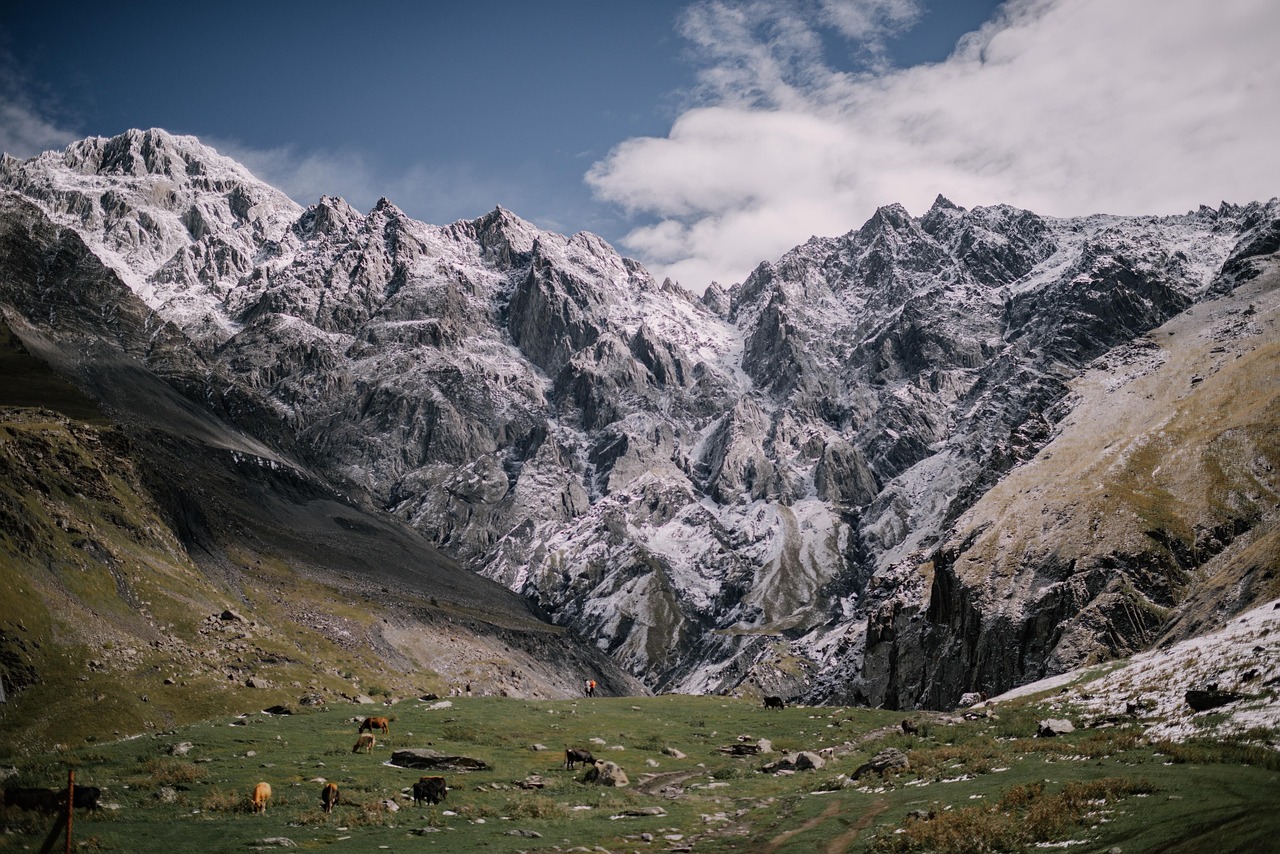
The Chechens, who call themselves the Nokhchii, are an ancient people indigenous to the North Caucasus, with roots in the region that reach back thousands of years. Their homeland, Chechnya, is a land of dramatic contrasts, from the lowland plains in the north to the towering, forested mountains of the south, where ancient stone watchtowers still stand as silent witnesses to a history of conflict and survival. Like other mountain peoples, the Chechens were shaped by their rugged environment, which bred a hardy, self-reliant, and intensely freedom-loving character.
Traditional Chechen society was organized not around kings or princes but around clans, known as teips, networks of extended families bound by kinship and a shared code of honor. This was a remarkably egalitarian and decentralized society, with no hereditary aristocracy and a deep suspicion of any authority that sought to rule over the free mountain communities. Decisions were made by councils of elders, and the highest values were personal honor, loyalty to kin, courage, and the fierce defense of freedom and the homeland. This clan-based social structure, with its absence of a centralized state and its powerful warrior ethos, would prove both a source of extraordinary resilience and a complicating factor in the Chechens’ long struggle.

The Code of Honor
At the heart of Chechen culture lies an unwritten code of conduct and honor that governs behavior and binds the society together. This code emphasizes hospitality, respect for elders, the protection of guests, restraint and dignity in conduct, and above all the defense of personal and family honor. A guest in a Chechen home is sacred and must be protected even at the cost of one’s life, and the obligations of hospitality and mutual aid run deep through the culture. Alongside these values runs a strong tradition of resilience and a refusal to show weakness, qualities forged over centuries of hardship and conflict.
This code also included, historically, the institution of the blood feud, the obligation to avenge the killing of a kinsman, which could bind families in cycles of retribution across generations. Such customs, common to many mountain societies, reflected the absence of a central authority to enforce justice and placed the responsibility for protection and vengeance on the clan itself. The combination of fierce egalitarianism, a powerful honor code, deep clan loyalty, and a warrior tradition created a people extraordinarily difficult to conquer or to rule from outside.
The Roots of the Chechen Language
The Chechen language is one of the deepest markers of the people’s distinct and ancient identity. It belongs to the Nakh group of the Northeast Caucasian language family, a family found only in the Caucasus and unrelated to any other language family in the world. It is not Indo-European like Russian, not Turkic, not Semitic; like Georgian, though belonging to a different Caucasian family from that of the Georgians, it stands among a group of ancient indigenous tongues of the mountains that have no relatives beyond their own small circle. Its closest relative is the language of the neighboring Ingush people, with whom the Chechens share deep historical and cultural ties.
Chechen is famous among linguists for its formidable complexity, including a rich system of noun classes and a daunting array of consonants and sounds that are extremely difficult for outsiders to master. This very difficulty, and the fact that the language is unrelated to the tongues of the surrounding powers, has helped the Chechens preserve a distinct identity through centuries of pressure. The language was written at various times in Arabic, then Latin, and then Cyrillic script under Russian and Soviet rule, the changing alphabets themselves a reflection of the political forces that have swept over the Chechen homeland.
Faith in the Mountains
The Chechens are Muslims, having gradually adopted Islam over several centuries, with the faith taking firm hold especially from the seventeenth and eighteenth centuries onward. Chechen Islam has been deeply shaped by Sufism, the mystical tradition within the faith, organized around brotherhoods and the veneration of holy figures, and blended with the older customs and honor code of the mountains. This Sufi-influenced Islam became a powerful force binding the Chechen people together and, crucially, a banner around which resistance to outside conquest could rally.
Religion and the struggle for freedom became intertwined in Chechen history to a remarkable degree. In times of invasion, religious leaders often emerged as the unifiers of the fractious, clan-based society, calling the people to a holy struggle in defense of their faith and their land. This fusion of faith, freedom, and resistance would echo through the centuries, from the wars against the Russian Empire to the conflicts of the modern era, giving the Chechen struggle a religious as well as a national dimension.
The Long War With the Empire
The defining theme of modern Chechen history is the long and bitter struggle against Russian power, which began more than two centuries ago. As the Empire of the Russians expanded southward into the Caucasus in the eighteenth and nineteenth centuries, it met ferocious resistance from the mountain peoples, and none resisted more tenaciously than the Chechens. The great Caucasian War of the nineteenth century saw the mountain peoples, united under the legendary leader Imam Shamil, wage a decades-long guerrilla struggle against the vastly more powerful Russian army.
The eventual Russian victory was achieved only through enormous brutality, including the destruction of forests, villages, and crops and the displacement of populations. The conquest left a deep and lasting wound, and the memory of resistance to the empire became central to Chechen identity. Even after their lands were absorbed into the Russian Empire, the Chechens never fully accepted foreign rule, and the cycle of rebellion and repression would continue, with terrible consequences, into the Soviet era and beyond.
The Deportation
One of the most terrible chapters in Chechen history unfolded during the Second World War. In 1944, the Soviet dictator Stalin, accusing the entire Chechen people of collaboration with the enemy, ordered the deportation of the whole nation. In a matter of days, virtually the entire Chechen population, along with the neighboring Ingush, was rounded up and transported in cattle cars thousands of kilometers to Central Asia and Siberia. Tens of thousands, perhaps a quarter or more of the entire people, died during the deportation and in the harsh years of exile that followed, from cold, hunger, and disease.
This deportation was an act of collective punishment against an entire nation, and it is widely regarded as an act of genocide. The Chechen homeland was emptied, its place names changed, its mosques and cemeteries destroyed, its very existence as a distinct republic abolished. The survivors were not permitted to return home until years later, after Stalin’s death. The trauma of the deportation, the near-destruction of the entire people in a single act of state violence, seared itself into the Chechen national consciousness and deepened still further the gulf between the Chechens and the state that ruled them. It is impossible to understand the ferocity of later Chechen resistance without understanding this catastrophe.
The Wars for Independence
When the Soviet Union collapsed in 1991, the Chechens, alone among the peoples of the Russian Federation, declared full independence. Russia, unwilling to permit the secession and fearful of the example it might set, eventually responded with military force. The first Chechen war, which began in 1994, was a catastrophe of immense proportions. The Chechen capital, Grozny, was subjected to a devastating bombardment that reduced much of the city to ruins, and tens of thousands of people, many of them civilians, were killed. Against all odds, the badly outgunned Chechen fighters, drawing on their warrior tradition and intimate knowledge of the terrain, fought the Russian army to a standstill, and the war ended with a humiliating Russian withdrawal and de facto Chechen independence.
That independence proved short-lived and troubled. The shattered, war-torn territory descended into instability, and radical armed factions gained influence, some of them embracing a militant religious ideology far removed from the traditional Sufi Islam of the Chechen mountains. A second war erupted in 1999, and this time Russia, under a determined new leadership, pursued the conflict to its end with overwhelming force. Grozny was again devastated, the independence movement was crushed, and Chechnya was brought back under Russian control. The human cost of the two wars was staggering, with estimates of the dead ranging into the many tens of thousands and a vast number of people displaced.
An Honest Reckoning With the Violence
An honest account of these wars must acknowledge atrocities and suffering on all sides. The Russian campaigns involved indiscriminate bombardment of civilian areas, mass detentions, disappearances, torture, and abuses that human rights organizations documented in grim detail, inflicting horrific suffering on the Chechen population. At the same time, the Chechen side, particularly as the conflict radicalized, saw the rise of factions that carried out their own grave crimes, including hostage-takings and terrorist attacks against civilians far from the battlefield, atrocities that killed many innocent people and that brought further devastation upon the Chechen cause and reputation. The tragedy of Chechnya is a tragedy of immense suffering and of violence that consumed combatants and civilians alike.
Chechnya Today
In the years since the second war, Chechnya has been rebuilt physically under a local ruler installed by and loyal to Moscow, who governs the republic with a tight and often brutal grip. Grozny has risen again from its ruins as a city of new buildings and grand mosques, and an outward calm has replaced the open warfare of the past. But this stability has come at a steep price. The republic is governed in an authoritarian manner, and human rights organizations have documented serious and ongoing abuses, including the suppression of dissent and persecution of various groups. The fierce independence that once defined Chechen political life has been forced underground or into exile.
The relationship between the Chechen people and their current situation is complex and cannot be reduced to a simple formula. Decades of war left a population exhausted and traumatized, and for many the end of open conflict and the rebuilding of their shattered homeland brought a measure of relief, whatever the political cost. Others, particularly among the large diaspora, continue to nurse the dream of genuine freedom and to oppose the current order. The wounds of the wars and the deportation remain raw, and the question of Chechnya’s ultimate destiny is far from settled in the hearts of its people.
The Chechens Abroad
The wars and repression drove a substantial Chechen diaspora out of the homeland and into Europe and the Middle East, where Chechen communities have settled in countries from Turkey and Jordan, where descendants of nineteenth-century refugees already lived, to Austria, France, Germany, and beyond. These communities have preserved the Chechen language, the honor code, and the fierce sense of national identity, and they have become centers of Chechen cultural and political life beyond the reach of the authorities at home.
For the diaspora, as for many at home, the memory of the struggle for freedom and the trauma of war and deportation remain powerful forces, passed down to children born far from the mountains of the Caucasus. The Chechen capacity to maintain their identity in exile, as they maintained it through deportation and war, testifies to the extraordinary strength of a national consciousness forged in centuries of hardship.
A Culture of Honor and Endurance
Through all the suffering, the Chechens have preserved a rich and distinctive culture rooted in their mountain heritage. Their traditional music, with its driving rhythms, and above all their spectacular folk dances, performed with fierce energy and pride, are powerful expressions of the national spirit. The lezginka, the dynamic dance of the Caucasus performed at weddings and celebrations, captures something essential about the Chechen character, its energy, pride, and intensity. Traditional dress, epic songs and legends, and the ancient stone architecture of the mountain towers all speak to a deep cultural heritage.
Above all, Chechen culture is defined by its values: the sacred duty of hospitality, the deep respect for elders, the importance of family and clan, the emphasis on personal dignity and honor, and an almost unyielding endurance in the face of hardship. These values, forged over centuries in a harsh and dangerous environment, have allowed the Chechens to survive catastrophes that might have destroyed a less resilient people. The Chechen reputation for toughness and martial prowess is real, but it sits alongside an equally real tradition of warmth, generosity, and devotion to family and community.
Family, Women, and the Bonds of Society
At the foundation of Chechen life lies the family and the clan, and the bonds of kinship remain extraordinarily strong even in the modern world and in exile. Chechen families are typically large and close-knit, with powerful obligations of mutual support running between relatives, and the extended family network has served as a vital source of security and identity through every catastrophe the nation has faced. Respect for parents and elders is absolute, and the wisdom of the old is sought in matters great and small.
Within this traditional and patriarchal society, the roles of men and women are clearly defined, and customs of modesty and conduct are taken seriously. Yet Chechen women have also been pillars of the nation’s endurance, holding families together through wars and deportations, preserving traditions and the language, and bearing an immense share of the burden of survival. The strength of the Chechen family, with its deep loyalties and its capacity to endure, has been one of the great secrets of how this small people has weathered storms that would have scattered and dissolved a less tightly bound society.
The Towers of the Ancestors
Scattered across the high mountains of southern Chechnya stand the remnants of one of the most striking achievements of Chechen civilization: the ancient stone towers. These tall, tapering structures, some built for defense and some as dwellings or for ceremonial purposes, were raised by skilled builders over many centuries, and their ruins still crown ridges and cluster in remote valleys. The towers speak of a sophisticated mountain society with its own architectural tradition, its own engineering knowledge, and a deep attachment to particular places passed down through the generations of a clan.
For modern Chechens, these towers have become powerful symbols of national identity and continuity, tangible links to an ancestral past that predates the wars and deportations and Russian rule. They embody the antiquity of the Chechen presence in the mountains and the resilience of a culture that built to last in a harsh and dangerous land. The image of the lone stone tower against the backdrop of snow-capped peaks has become one of the enduring emblems of the Chechen homeland and of a heritage that no amount of destruction has been able to erase.
Brothers Among the Mountain Peoples
The Chechens are not alone in the North Caucasus but belong to a remarkable mosaic of mountain peoples, each with its own language and traditions, packed into one of the most linguistically diverse regions on the planet. Their closest kin are the Ingush, who speak a closely related language and share the same Nakh heritage, honor code, and history, including the shared trauma of the 1944 deportation. Beyond them live the many peoples of neighboring Dagestan and the wider Caucasus, a bewildering variety of nations crowded into the valleys of the great range.
This extraordinary diversity, the product of the mountains’ ability to shelter and isolate small communities over thousands of years, has made the North Caucasus a region of immense cultural richness and, too often, of conflict, as outside powers sought to control its strategic passes and its proud, independent peoples resisted. The Chechens stand as perhaps the most famous of these mountain nations, but their story is part of a larger tapestry of Caucasian peoples who have clung to their distinct identities through every empire that has tried to absorb them.
The Price of Freedom
No people in the modern Caucasus has paid a higher price for the dream of self-rule than the Chechens. Across two centuries they have fought the Russian Empire, endured a genocidal deportation that nearly destroyed them as a people, and waged two devastating wars that left their homeland in ruins and killed a horrifying proportion of their population. Through all of it they have clung to their language, their faith, their honor code, and their identity, refusing to be assimilated or erased even when the cost of resistance was almost unbearable.
The story of the Chechens is a hard one, without the consolation of a happy ending, for their dream of genuine freedom remains unrealized and their homeland is governed by a harsh order imposed from outside. Yet their survival itself is a kind of victory, the persistence of a small mountain nation that the most powerful empires of two centuries could batter and deport and bombard but could not make cease to be Chechen. To understand them is to understand both the terrible cost of the wars of the Caucasus and the depth of the human attachment to homeland, freedom, and identity. The Chechens remain what their mountains made them, a people of fierce pride and unbreakable endurance, carrying the scars of their history and the memory of their long struggle into an uncertain future.
You May Like
The Damara, an Ancient People of Namibia