High in the Caucasus mountains, where Europe and Asia blur into one another and snow-capped peaks tower over green valleys, lives a people who have spent more than two thousand years insisting, against every pressure, on being exactly themselves. The Georgians are one of the most distinctive nations on earth, a people with a language unrelated to any of their neighbors, an alphabet of their own found nowhere else, an ancient Christian faith, and a culture of feasting, song, and hospitality so rich that visitors often struggle to describe it. They do not call themselves Georgians, a name given by others, but Kartvelebi, and their country Sakartvelo, the land of the Kartvelians. To understand them is to discover one of the hidden jewels of world culture, a small nation that has guarded a great civilization in the shadow of the mountains.
In This Article
- A Land Between the Seas and the Mountains
- The Birth of a Nation
- An Early Christian People
- The Roots of the Georgian Language
- The Golden Age
- Centuries of Darkness
- Under the Russian Eagle
- The Soviet Century and Its Most Infamous Son
- Independence and Its Trials
- The Feast, the Song, and the Wine
- Guests Are a Gift From God
- Georgia Looking Outward
- One Nation of Many Regions
- The Keepers of Sakartvelo
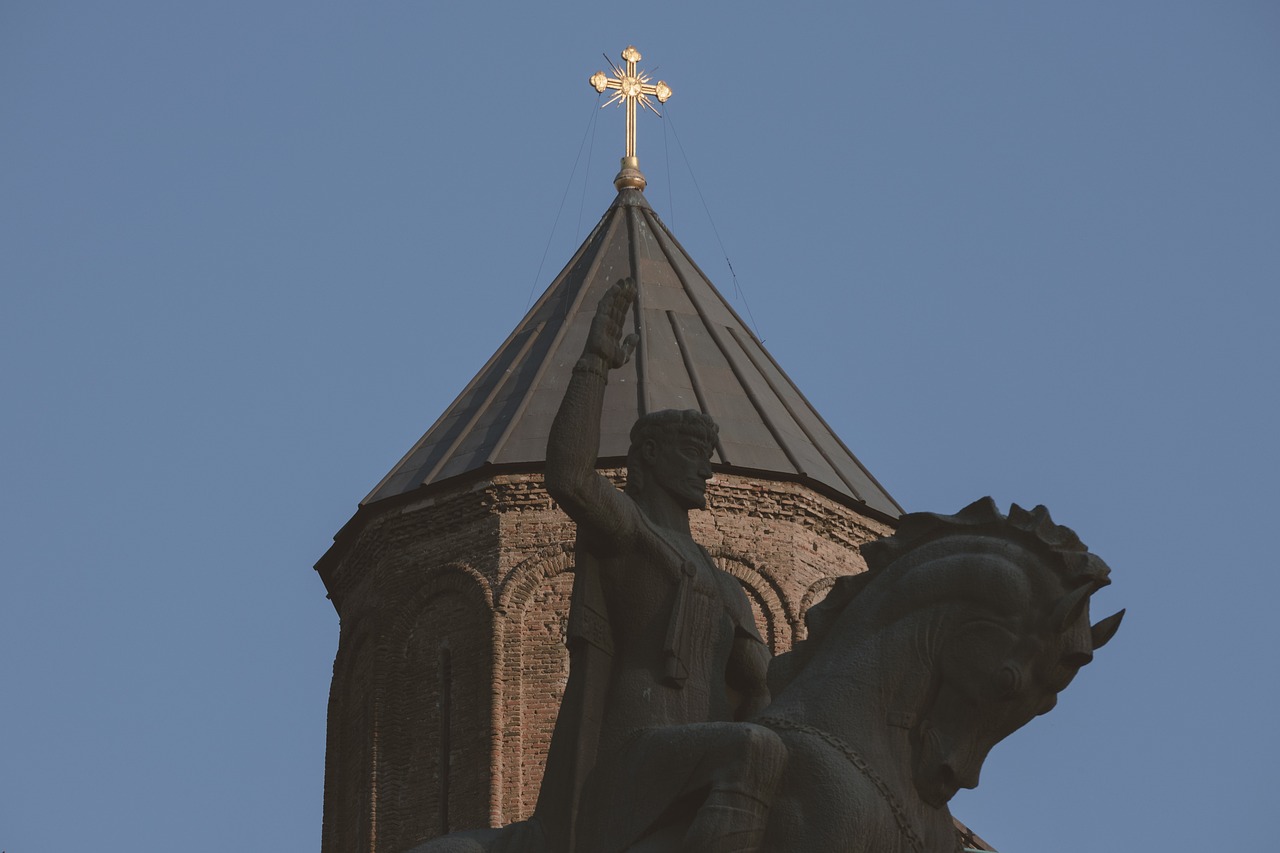
A Land Between the Seas and the Mountains
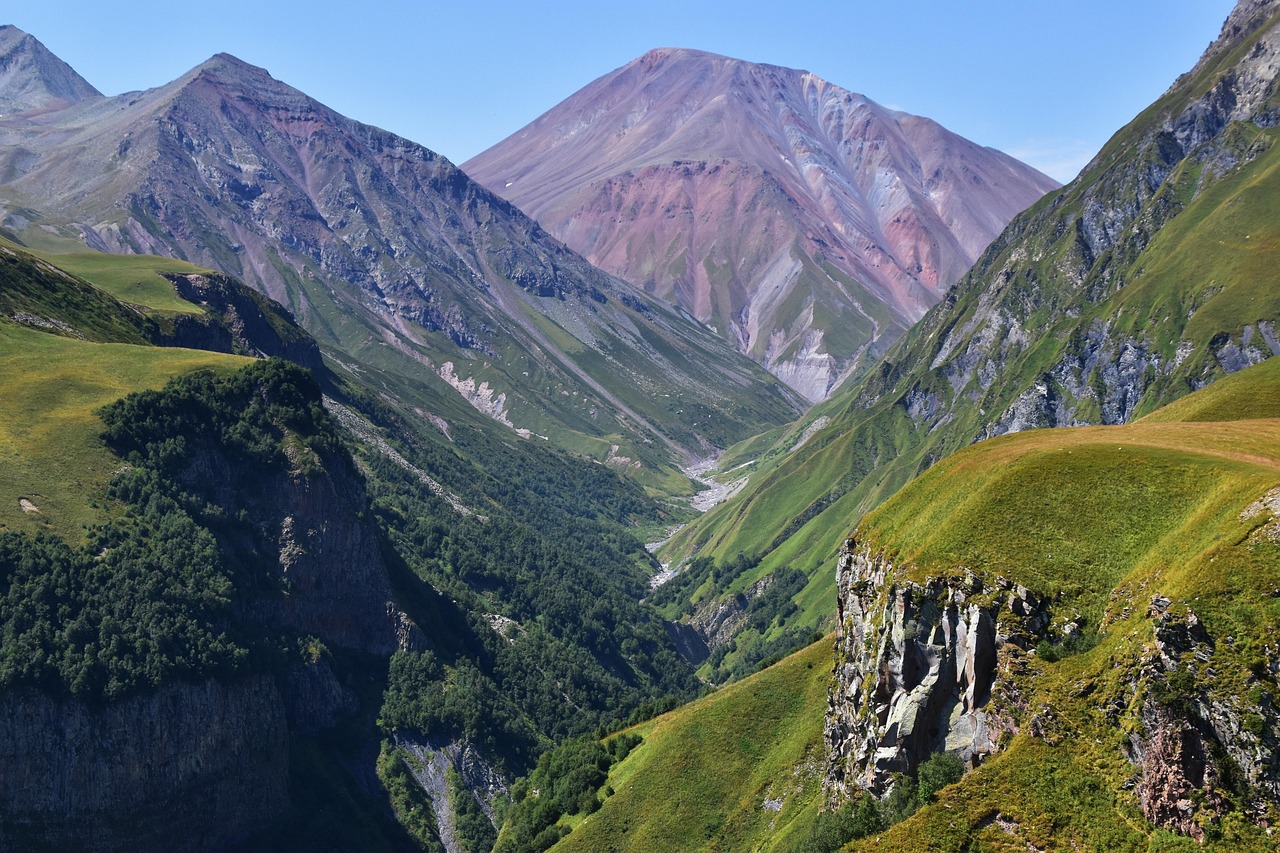
Georgia occupies a spectacular and strategic position, stretching from the shores of the Black Sea eastward into the heart of the Caucasus. To the north rise the towering peaks of the Greater Caucasus, a natural wall that has both protected Georgia and isolated it; to the south lie the highlands that connect it to Armenia, Turkey, and the wider Middle East. Within this compact territory the landscape changes dramatically, from subtropical coastlines and lush lowlands to alpine valleys and glaciers, giving Georgia an extraordinary natural diversity.
This position, at the crossroads between Europe and Asia, between the Black Sea and the Caspian, between the great empires of the north and the south, has been the defining circumstance of Georgian history. It made Georgia a prize fought over by Romans, Persians, Byzantines, Arabs, Mongols, Turks, and Russians, and it forced the Georgians to become masters of survival, holding onto their identity through wave after wave of conquest. The mountains, in particular, served as a refuge where Georgian culture, language, and faith could endure even when the lowlands fell under foreign control.

The Birth of a Nation
The Georgians are an ancient people, indigenous to the Caucasus, and their roots in the region reach back into the depths of prehistory. Early Georgian kingdoms arose more than two thousand years ago, and over the centuries these coalesced into a Georgian civilization with its own distinct character. The land was known to the ancient Greeks, who set some of their most famous myths here, including the tale of Jason and the Argonauts sailing to the kingdom of Colchis, on the Black Sea coast of what is now western Georgia, in search of the Golden Fleece, a legend that may preserve a distant memory of the region’s ancient wealth in gold.
The Georgians built a society organized around mountain valleys and fertile plains, around fortified towns and great noble families, and around a fierce attachment to their land and their independence. Though often divided into rival kingdoms and principalities, and frequently subject to foreign overlords, they maintained across the centuries a powerful sense of being a single people, bound together by language, faith, and a shared culture that set them apart from all their neighbors.
An Early Christian People
Like their Armenian neighbors, the Georgians embraced Christianity remarkably early, adopting it as the state religion in the early fourth century, making Georgia one of the oldest Christian nations in the world. According to cherished tradition, the country was converted through the preaching of a holy woman, Saint Nino, who is venerated to this day, and the cross she is said to have fashioned from vine branches and her own hair has become a national symbol. The Georgian Orthodox Church became, and remains, one of the central pillars of Georgian identity.
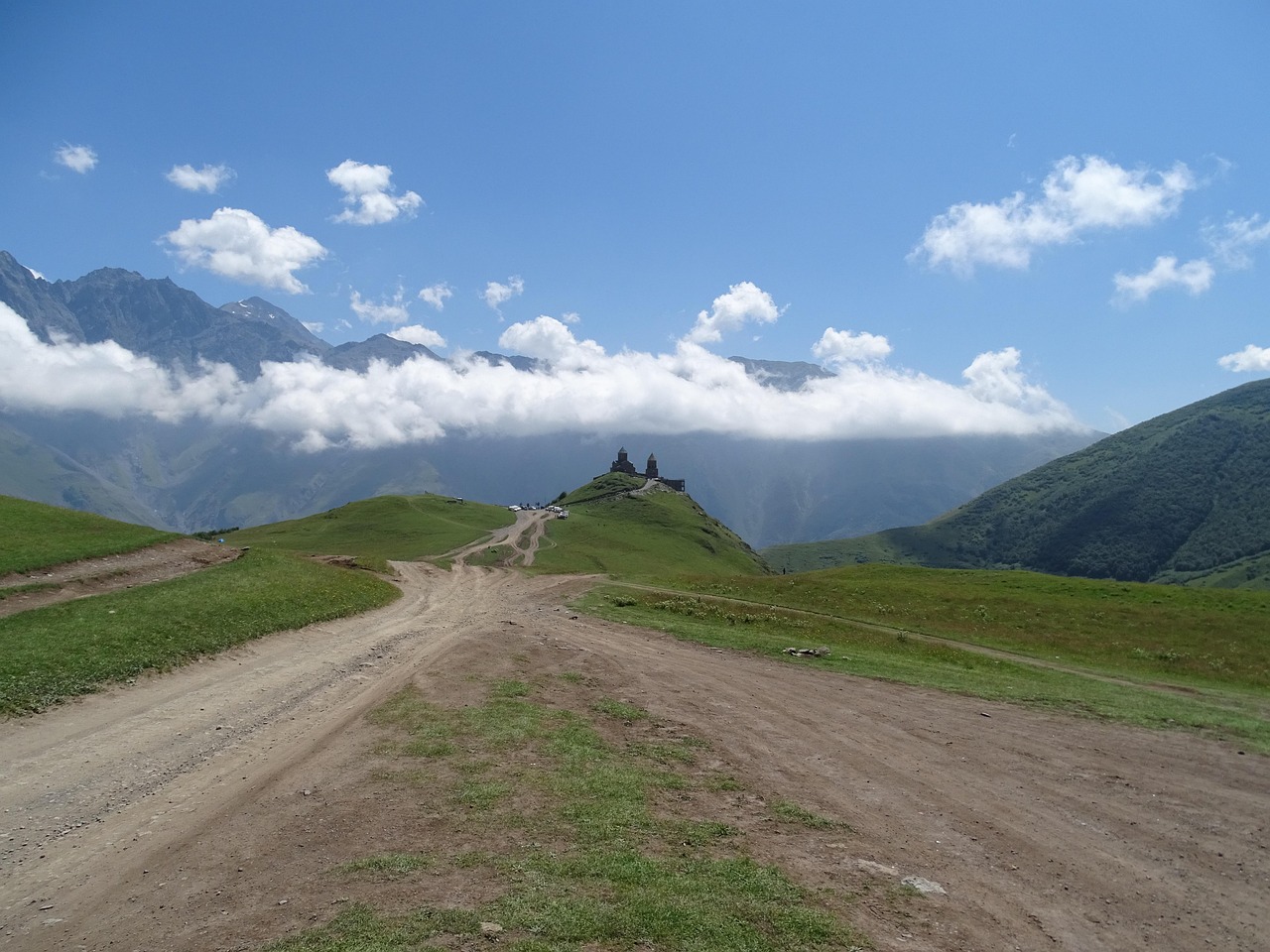
Through the long centuries of foreign domination, when Georgia was ruled or threatened by Muslim Persians, Arabs, and Turks, the Christian faith was the heart of Georgian resistance and survival. Churches and monasteries, built in a distinctive and beautiful Georgian style and often perched in dramatic mountain settings, were the strongholds of the national culture, the places where the language was written, the history recorded, and the identity preserved. To be Georgian was, and for many still is, inseparable from belonging to the Georgian Church, and the faith has been woven into every aspect of the national life, from its art and architecture to its festivals and its sense of itself.

The Roots of the Georgian Language
Perhaps nothing sets the Georgians apart more sharply than their language. Georgian belongs to the Kartvelian language family, a small and ancient family found only in the Caucasus and unrelated to any other language family on earth. It is not Indo-European like Armenian, Persian, or Russian; it is not Turkic like Azerbaijani or Turkish; it is not Semitic like Arabic. It stands entirely alone, together with a handful of closely related minority tongues spoken by smaller Kartvelian peoples within Georgia. This linguistic isolation, the fact that the Georgians speak a language with no relatives outside their own small family, is one of the deepest markers of their distinct and ancient identity.
Georgian is famous for its formidable clusters of consonants, which can string together in ways that seem almost impossible to outsiders, and for a complex and subtle grammar. And like the Armenians, the Georgians possess their own unique alphabet, in fact a series of related scripts developed over the centuries, written in a flowing, rounded form that is one of only a handful of fully original alphabets in the world. The Georgian script, recognized as a treasure of cultural heritage, is a source of immense national pride and another visible sign of a people utterly distinct from those around them.
This combination, a language related to no other major tongue and an alphabet shared with no other people, has acted as a kind of protective shell around Georgian identity. It is very difficult to assimilate a people whose very language and writing set them apart so completely, and this distinctiveness helps explain how the Georgians managed to remain themselves through two thousand years of pressure from far larger and more powerful neighbors.
The Golden Age
For all the centuries of struggle, the Georgians experienced periods of greatness, and none shines brighter in the national memory than the golden age of the eleventh through thirteenth centuries. Under a series of able rulers, a united Georgian kingdom rose to become one of the most powerful and cultured states in the region, its influence reaching across the Caucasus and beyond. This high point is associated above all with Queen Tamar, who ruled at the turn of the thirteenth century and under whom Georgia reached the peak of its power, prosperity, and cultural brilliance. So beloved is she in the national memory that Georgians traditionally called her King Tamar, a mark of the highest respect.
This was the age that produced the masterpiece of Georgian literature, a great epic poem of chivalry, love, and friendship that Georgians treasure as the supreme expression of their national spirit, and whose verses many can still recite. It was an age of soaring church architecture, of flourishing monasteries and learning, and of a confident, outward-looking civilization. The memory of this golden age, when Georgia stood tall among the nations, has nourished the Georgian sense of identity through all the hard centuries that followed.
Centuries of Darkness
The golden age was shattered, like so much else in the region, by the catastrophe of the Mongol invasions in the thirteenth century, which devastated Georgia and ended its period of greatness. Worse was to follow with the campaigns of the conqueror Tamerlane, whose repeated invasions in the late fourteenth and early fifteenth centuries inflicted terrible destruction. Georgia fragmented once more into rival kingdoms and principalities, weakened and vulnerable.
The following centuries were among the darkest in Georgian history. Squeezed between the two great Muslim empires of the age, Ottoman Turkey and Safavid Persia, the divided Georgian states were repeatedly invaded, their lands ravaged, their people killed or carried off into slavery. At times the very survival of the Georgian nation hung in the balance. One of the most searing episodes in the national memory is the destruction of Tbilisi by a Persian army at the end of the eighteenth century, when the city was sacked and its population massacred or enslaved, a calamity that convinced many Georgians that they could not survive without a powerful protector.
Under the Russian Eagle
That search for protection led Georgia into the arms of the Russian Empire. Seeking a fellow Orthodox Christian power to shield them from their Muslim neighbors, Georgian rulers turned to Russia, and at the very start of the nineteenth century the Russians annexed the Georgian kingdoms, abolishing their monarchy and absorbing the country into the empire. The protection came at a heavy price: the loss of independence, the subordination of the Georgian Church to Russian control, and policies of Russification that pressured the Georgian language and culture.
Yet Russian rule also brought Georgia into closer contact with European ideas, and the nineteenth century saw a flowering of Georgian national consciousness, as writers, poets, and intellectuals worked to revive and celebrate the national language, history, and culture. This national awakening laid the groundwork for the modern Georgian nation, and when the Russian Empire collapsed in revolution, the Georgians seized the chance to reclaim their independence, establishing a democratic republic in 1918 that, though short-lived, remains a cherished memory.
The Soviet Century and Its Most Infamous Son
The independent Georgian republic lasted only three years before the Red Army invaded in 1921 and absorbed Georgia into the Soviet Union. For seven decades Georgia was a Soviet republic, and the experience was as contradictory there as elsewhere: industrialization, education, and modernization on the one hand, and repression, the crushing of religion, and the terror of the Stalinist purges on the other. Georgia held a peculiar and painful place in the Soviet story, for the most powerful and terrible figure of the entire Soviet era, Joseph Stalin, was himself a Georgian, born in the town of Gori.
It is an uncomfortable fact that must be faced honestly: the dictator responsible for the deaths of millions across the Soviet Union, including many Georgians, came from this small nation. Georgians have wrestled with this legacy ever since, and attitudes toward Stalin remain complicated and divided, with some still regarding him with a perverse local pride as a Georgian who ruled an empire, and others condemning him for the suffering he inflicted, including on his own homeland. The truth is that Stalin’s regime brought terror and death to Georgia as it did everywhere, and the figure of the Gori-born tyrant remains one of the most difficult elements of the national story.
Independence and Its Trials
When the Soviet Union collapsed in 1991, Georgia once again became independent, but the early years of freedom were chaotic and painful. The country was wracked by civil conflict, economic collapse, and separatist wars in two regions, Abkhazia and South Ossetia, where local populations, backed by Russia, fought to break away from Georgian control. These conflicts displaced hundreds of thousands of people and left the regions outside the control of the Georgian state, festering wounds that have never healed.
In 2003 a peaceful popular uprising known as the Rose Revolution swept away the old post-Soviet leadership and brought to power a government determined to reform the country, root out corruption, and turn Georgia decisively toward the West, seeking membership in Western institutions. This pro-Western turn brought Georgia into sharp conflict with Russia, which regarded the Caucasus as its own backyard. In 2008 tensions exploded into a brief but bitter war between Georgia and Russia over the separatist regions, a conflict Georgia lost and which left Russian forces effectively controlling the breakaway territories. The struggle between Georgia’s Western aspirations and Russia’s determination to keep it within its orbit remains the central drama of the country’s modern politics.

The Feast, the Song, and the Wine
For all the hardship of their history, the Georgians are famous, above all, for their extraordinary culture of celebration, and at its heart lies the supra, the traditional Georgian feast. The supra is far more than a meal; it is a sacred social ritual, a long banquet presided over by a chosen toastmaster, the tamada, who guides the gathering through a series of eloquent, often poetic toasts to God, to peace, to the homeland, to the departed, to the guests, to love and friendship. To share a supra is to be drawn into the very soul of Georgian culture, where the table groans with food, the wine flows, and the gathering becomes an expression of community, hospitality, and the joy of life.
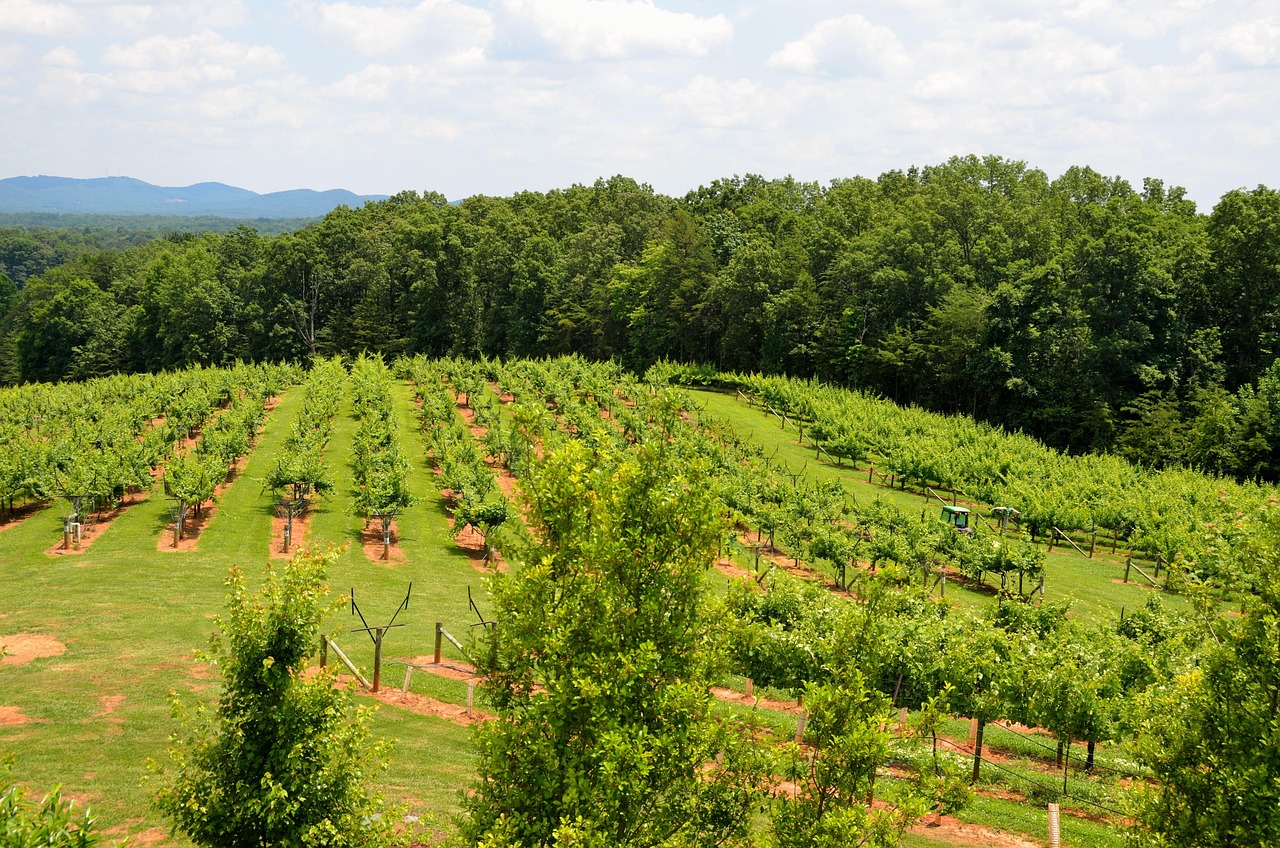
And then there is the wine itself. Georgia has a powerful claim to being the very birthplace of wine, with archaeological evidence of winemaking on its soil reaching back some eight thousand years, making it perhaps the oldest wine-producing region on earth. The Georgians ferment their wine in great clay vessels buried in the ground, a unique and ancient method recognized as cultural heritage, and wine is woven into every aspect of their religious, social, and national life. To this is joined a tradition of polyphonic singing, in which multiple independent vocal lines intertwine in rich and haunting harmony, a style so distinctive and beautiful that it too has been recognized as a treasure of world heritage.
Guests Are a Gift From God
If there is one quality for which the Georgians are universally celebrated, it is their hospitality, which they regard not merely as a custom but as something close to a sacred duty. There is a Georgian saying that a guest is a gift from God, and visitors to Georgia routinely come away astonished at the warmth, generosity, and sheer insistence of the welcome they receive. To be a guest in a Georgian home is to be treated as an honored figure, plied with food and wine, and embraced with a generosity that can be overwhelming to those from more reserved cultures.
This hospitality flows from a deeper national character marked by warmth, pride, passion, and a powerful attachment to family, tradition, and homeland. Georgians are known for their strong sense of honor and dignity, their love of music and celebration, their fierce loyalty to kin and country, and an irrepressible spirit that has carried them through a history of almost unrelenting hardship. The combination of this joyful, life-affirming culture with such a tragic history is one of the most striking things about the Georgian people, a refusal to let suffering extinguish their capacity for joy.
Georgia Looking Outward
Today Georgia is a small nation of fewer than four million people, but one with outsized ambitions and a clear sense of where it wishes to go. Much of the country has set its sights firmly on integration with Europe and the West, seeing in that direction the best hope for security, prosperity, and the preservation of its hard-won independence. This aspiration, however, continues to collide with the reality of Russian power and the unresolved status of the breakaway regions, and it places Georgia at the center of the broader struggle over the future of the lands between Russia and the West.
A Georgian diaspora, swelled by the economic difficulties of the post-Soviet years, has spread across Russia, Europe, and beyond, while at home the country has worked to build a modern economy, attract visitors to its spectacular landscapes and ancient culture, and reform its institutions. Georgia’s tourism has flourished as travelers discover the wonders of its mountains, its wine, its food, and its warmth, and the country has increasingly taken its place as a bridge between worlds, drawing on its unique position at the crossroads of continents.
One Nation of Many Regions
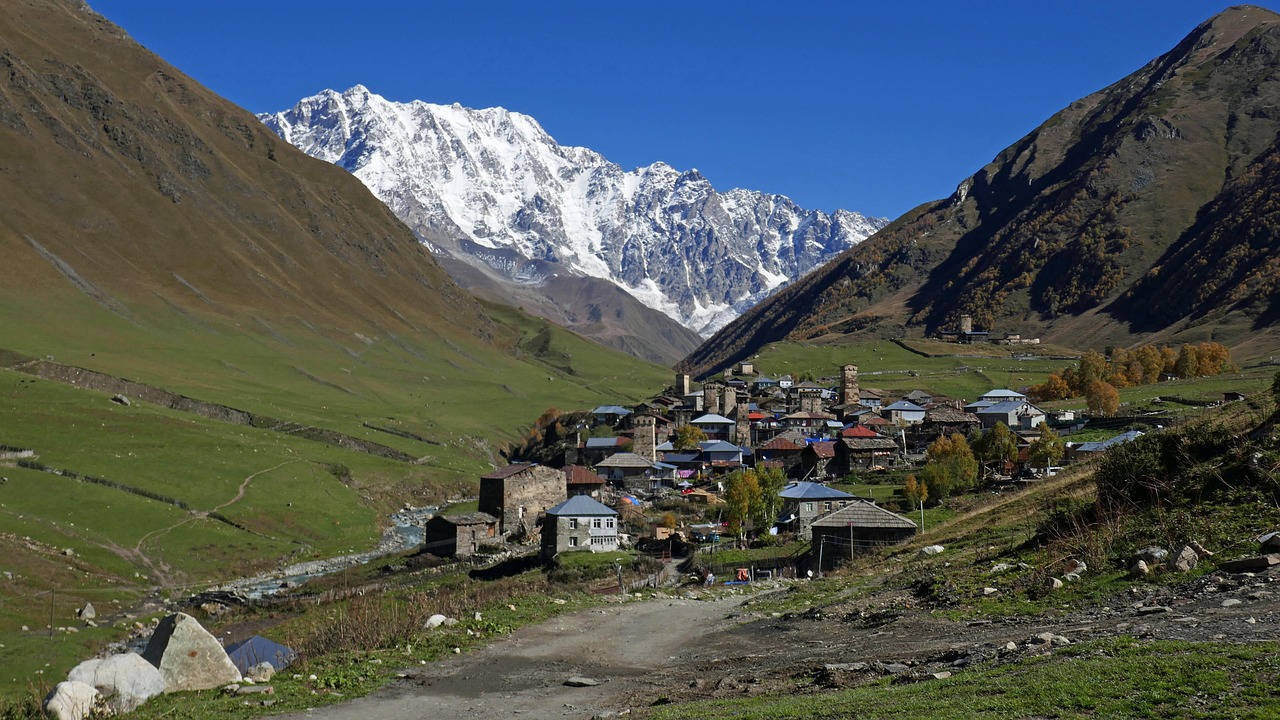
Though they form a single people bound by language and faith, the Georgians are also a nation of strong regional identities, each with its own dialect, customs, music, and character. In the high mountains of the northeast and northwest live the proud highland communities of regions like Svaneti and Khevsureti, whose isolated valleys preserved especially ancient traditions, including the famous stone defensive towers that still rise above their villages and that sheltered families from invaders and blood feuds alike. These mountain Georgians are renowned for their fierce independence and their role as guardians of the most archaic layers of Georgian culture.
Elsewhere, the wine country of Kakheti in the east, the Black Sea region with its subtropical climate, and the western lands that were the ancient Colchis of Greek legend each contribute their own flavor to the national whole. The Kartvelian family itself includes smaller related peoples, the Mingrelians and the Svans, who speak their own Kartvelian tongues distinct from standard Georgian yet who are deeply woven into the Georgian nation. This internal diversity, far from weakening Georgian identity, enriches it, giving the small country a remarkable cultural variety while the shared language, faith, alphabet, and history bind it firmly together as one people.
The Keepers of Sakartvelo
The Georgians are, in the end, the keepers of one of the world’s most remarkable and least known civilizations. They have guarded a language unrelated to any other, an alphabet of their own, an ancient Christian faith, and a culture of feasting, song, and hospitality of extraordinary richness, holding fast to all of it through two thousand years of invasion, conquest, and foreign rule that would have erased a less determined people. They have produced golden ages and endured centuries of darkness, given the world both a beloved national poet and one of history’s most fearsome tyrants, and emerged from the wreckage of empires still unmistakably, defiantly themselves.
To raise a glass of Georgian wine at a supra, beneath the gaze of the Caucasus peaks, is to taste something very old and very precious, the spirit of a people who have turned survival into an art and hospitality into a faith. Sakartvelo, the land of the Kartvelians, remains what it has always been, a small nation with a great soul, perched at the meeting place of continents, keeping alive a civilization that belongs to all of humanity even as it belongs, fiercely and forever, to the Georgians alone.
You May Like
The Damara, an Ancient People of Namibia


One thought on “A Language Like No Other and a Feast Like No Other, the Story of the Georgians”