When Egypt’s majority changed languages and faiths, one community simply kept the country’s own name. The Copts, direct heirs of the ancient Egyptians, adopted Christianity in Saint Mark’s Alexandria, invented monasticism in their deserts, preserved the pharaohs’ language in their liturgy, and endured fourteen centuries as the Nile valley’s oldest thread, tattooing the cross at their wrists as an identity no ruler could revoke.
This portrait follows the people whose name means Egypt: the descent from the pharaonic valley, Coptic as ancient Egyptian’s last voice, the desert monasteries that taught the world to be monks, a calendar of two hundred fasts and January’s Christmas, the icon writers and tapestry weavers, the mulid tent cities of the sa’id, and the modern ordeals and global cathedrals of the Middle East’s largest Christian people.
Contents
- Children of the Pharaohs by Direct Descent
- Aigyptos, Qibt, Copt, One Word for Egypt Itself
- Coptic, the Last Voice of Ancient Egyptian
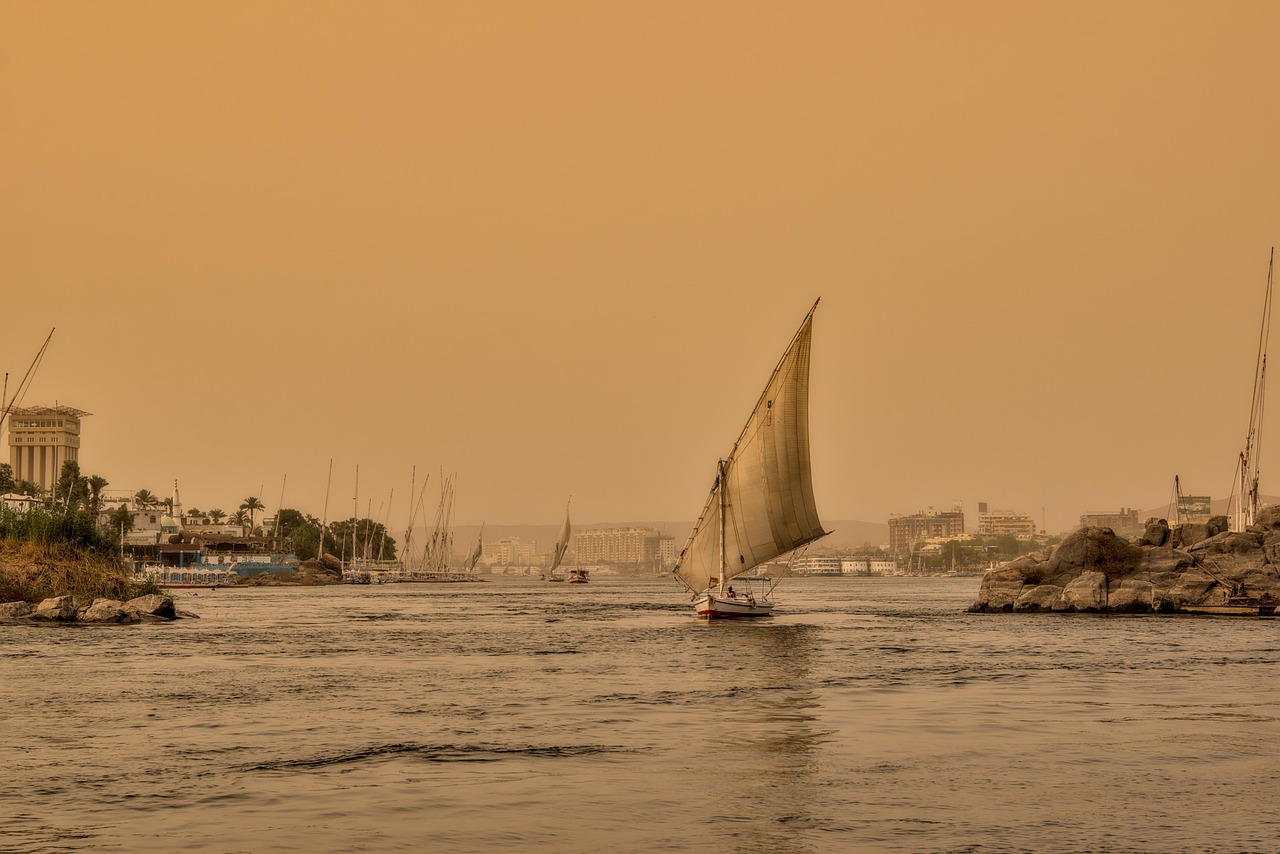
- The Nile Valley from Alexandria to Aswan
- Valley Rhythms and the Birth of Monasticism
- Parish, Family, and the Mulid Web
- The Church of Saint Mark and Its Popes
- Fasts, Tattooed Crosses, and Baptisms in the Nile
- Icon Writers, Weavers, and the Monastery Arts
- Fasting Cuisine and the Feast That Follows
- Christmas in January and the Mulid Seasons
- From Rome’s Persecutions to the Modern Ordeals
- The Middle East’s Largest Christian People
Children of the Pharaohs by Direct Descent
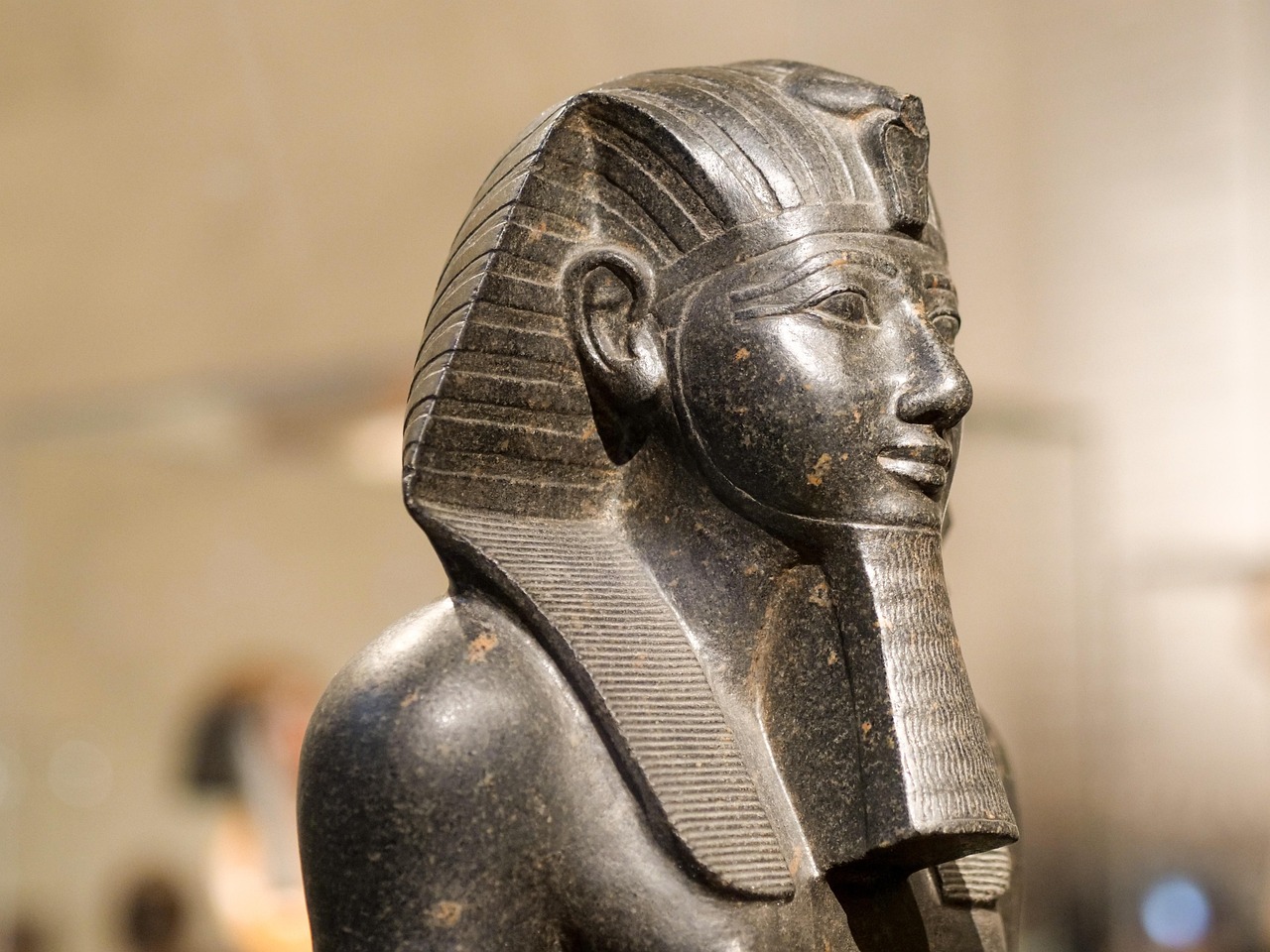
The Copts are, by the plainest reading of history and genetics, the continuation of the ancient Egyptians: the peasantry and townsfolk of the Nile valley who, having outlived the pharaohs, Ptolemies, and Romans, adopted Christianity in the first centuries and kept it when the country’s majority later moved to Islam.
Their church dates its founding to Saint Mark the Evangelist at Alexandria around 42 AD, and Egypt took to the new faith early and fiercely: the theology schools of Alexandria shaped Christian doctrine for the whole Mediterranean, and Egypt’s deserts invented the monk.
Population studies confirm what the liturgy implies: Copts and Muslim Egyptians are largely one people by descent, the difference being which conquests’ religions their ancestors accepted; the Copts are thus not a minority who arrived but the strand that stayed.
The name of the pharaohs’ land survives in their self-understanding: remnant of Egypt, the church calls itself, and the claim, made in Coptic in liturgies each week, is the oldest continuous national identity on earth still worshipping in its own ancient tongue.
The continuity shows in the details scholars love: Coptic personal names carrying pharaonic theophorics, church lamps burning castor oil as temple lamps did, the moulid processions’ echoes of festival barques, and the farmers’ calendar unchanged since the flood was a god; Egypt converted twice and discarded nothing.
Aigyptos, Qibt, Copt, One Word for Egypt Itself
Copt is simply the word Egypt worn down by history: Greek Aigyptos, itself from the ancient name of Memphis’s temple, Hut-ka-Ptah, became Arabic Qibt after the conquest, and Qibt became Copt in European mouths; the name of the people is the name of the country, and for centuries the two were synonyms.
When Arabic writers of the early Islamic era said Copt, they meant Egyptian; only as conversion shifted the majority did the word narrow to mean Egypt’s Christians, the people for whom no new name was needed because they had kept the old one.
The Copts call themselves in their own language niremnkimi, the people of Egypt, and their church the Coptic Orthodox Church of Alexandria, its pope the successor of Saint Mark on a throne older than most nations.
The name’s arithmetic is the identity’s: to be Coptic is to claim Egypt entire, pharaonic, Christian, and modern, as one unbroken account.
Coptic, the Last Voice of Ancient Egyptian
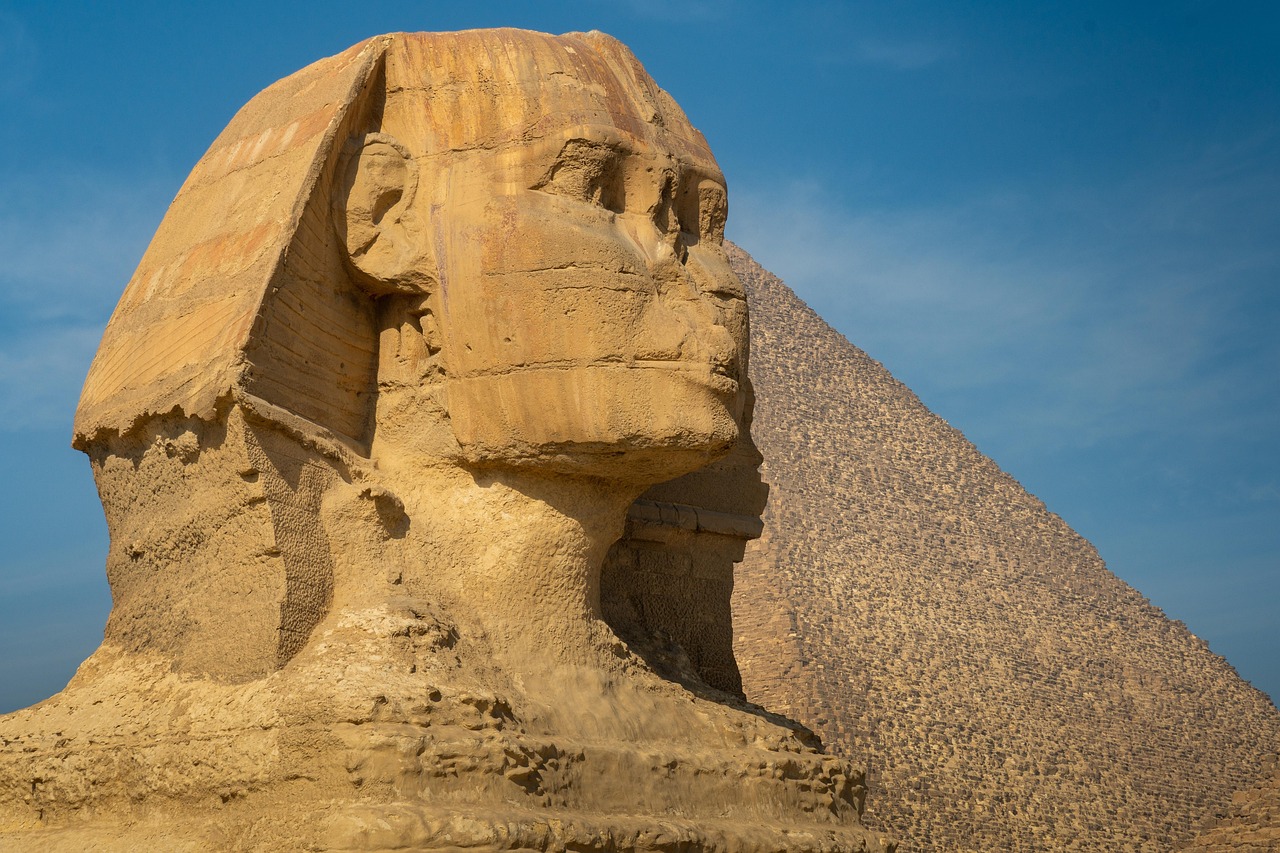
Coptic is ancient Egyptian’s final chapter: the same language the hieroglyphs wrote, in its last natural stage, dressed in Greek letters with six extra characters kept from demotic script. Whoever hears the liturgy chanted hears, at several removes, the speech of the pyramid builders.
It was the tongue of Egypt’s Christian golden age, of the desert fathers’ sayings and the Nag Hammadi library, and it remained the valley’s daily speech for centuries after the Arab conquest before Arabic slowly displaced it, village by village, between the ninth and seventeenth centuries.
It never died; it moved into church: the liturgy, hymns whose melodies some scholars trace toward pharaonic temple music, and the education of clergy kept Coptic alive as a sacred language, and it was Coptic that gave Champollion the key to the hieroglyphs, the living descendant unlocking its own ancestors.
Today deacons learn it in church schools, apps and institutes teach revivalist courses, and a few families famously attempt it at home; Egypt’s Arabic itself carries a Coptic substrate in its sounds, months, and farming vocabulary, the old language persisting inside the new like the valley under its fields.
The Coptic dialects, Sahidic of the sa’id, Bohairic of the delta that became the liturgical standard, map the valley’s old regionalism, and the language’s Greek loan layer records Alexandria’s centuries the way Tamasheq’s purity records the desert’s.
The Nile Valley from Alexandria to Aswan
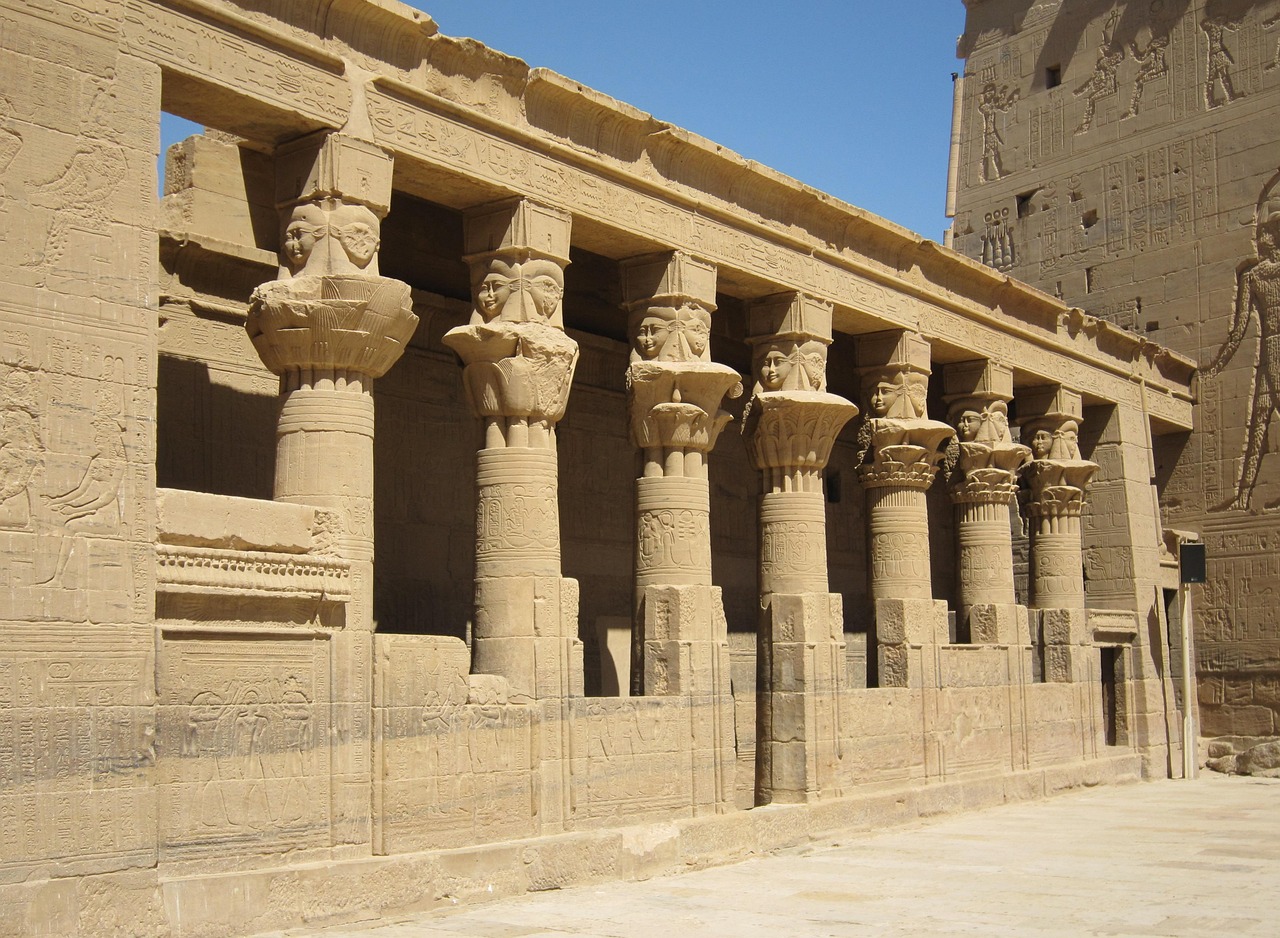
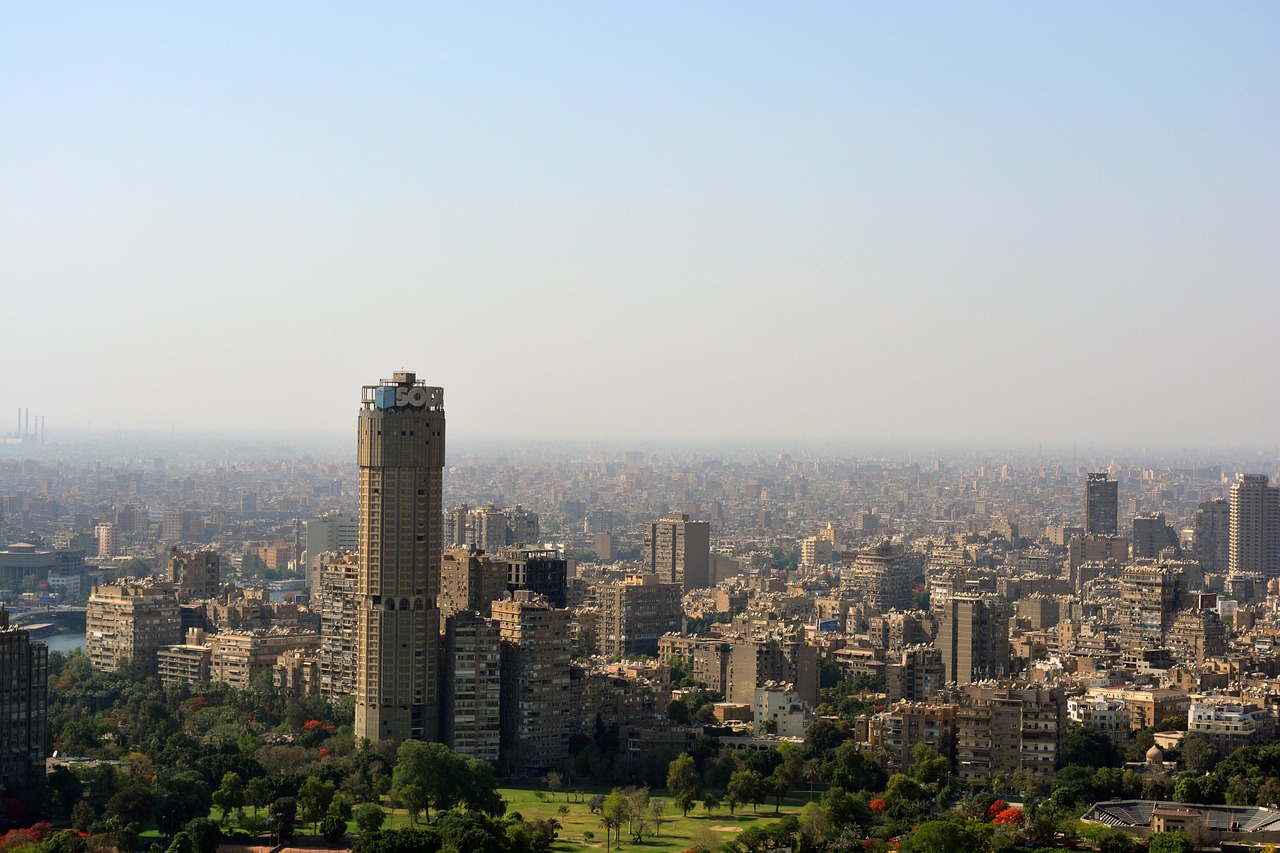
The Coptic homeland is Egypt entire: the delta and Alexandria where the church was born, Cairo with its Coptic quarter of ancient churches stacked on Roman foundations, and above all Upper Egypt, the sa’id, where towns like Asyut, Sohag, and Minya remain the heartland with the highest Christian shares in the country.
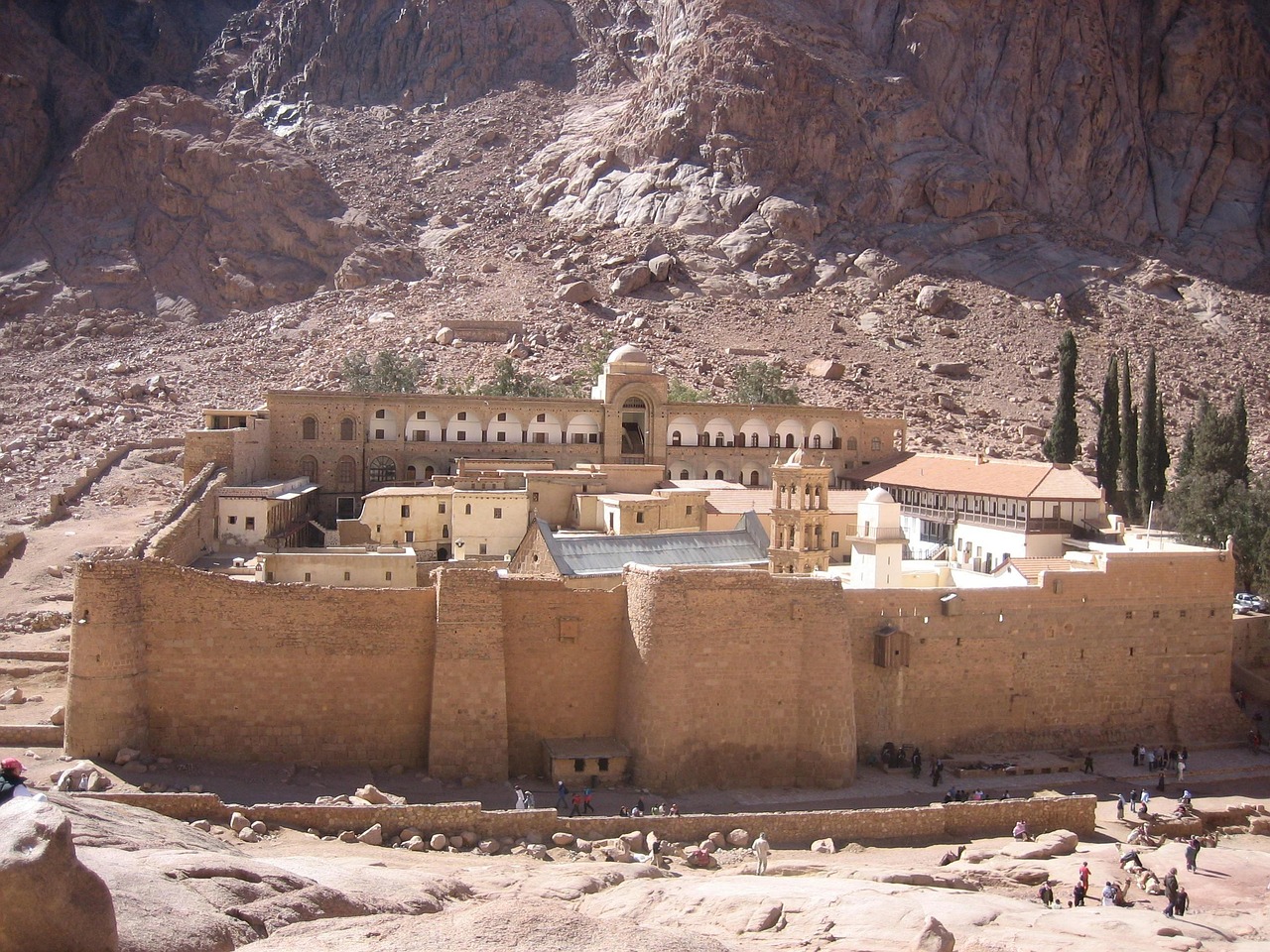
The desert edges hold the second homeland: Wadi Natrun’s monasteries between Cairo and Alexandria, Saint Anthony’s and Saint Paul’s by the Red Sea mountains, fortresses of prayer inhabited continuously for seventeen centuries.
Coptic geography is also a map of the Holy Family’s flight: the tradition of Christ’s infancy sheltering along the Nile consecrates a route of churches and wells from Sinai to the deep sa’id, walked by pilgrims and now marketed as a national trail.
Emigration has added a global valley: Copts in the United States, Canada, and Australia now number in the high hundreds of thousands, their cathedral suburbs from New Jersey to Sydney keeping the liturgy in Coptic, Arabic, and English side by side.
The monasteries’ geography was strategic from the start: near enough the valley to be fed, far enough to be free, and their modern highways now bring Cairo’s weekend pilgrims by the busload, the desert’s silence retailed in day trips without quite being spent.
Valley Rhythms and the Birth of Monasticism
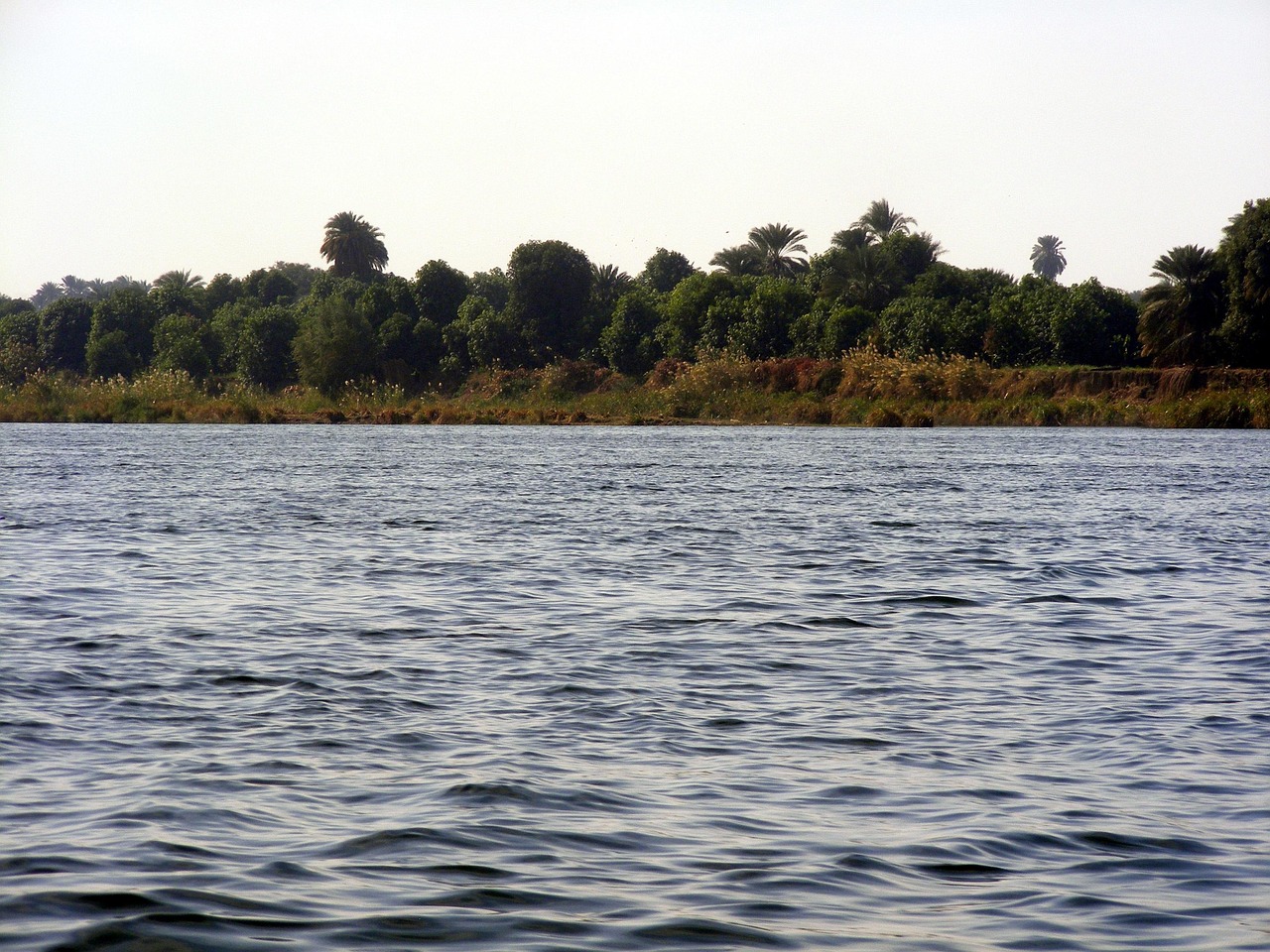
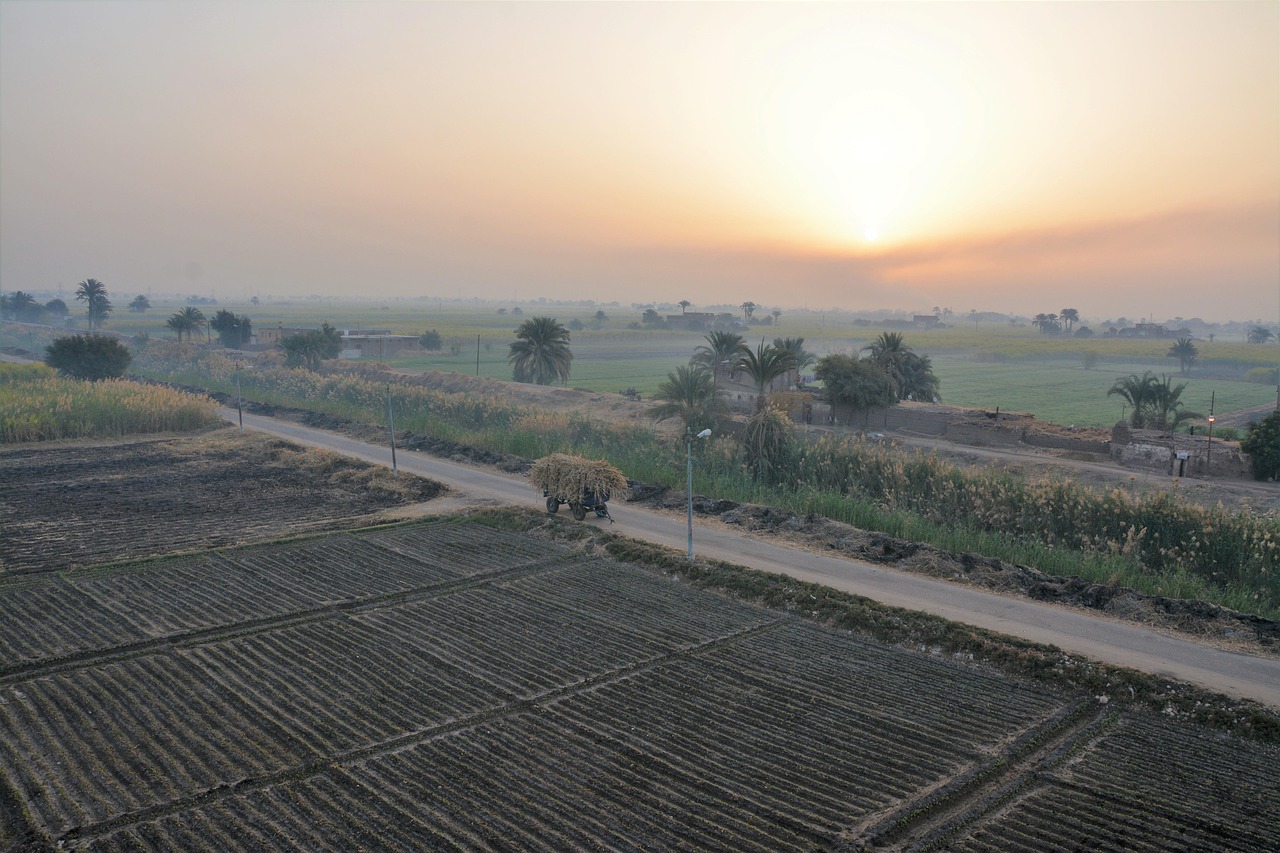
For most of their history the Copts were Egypt’s farmers and scribes: the valley’s flood calendar, preserved in the Coptic months every Egyptian farmer still names, ordered plowing, sowing, and harvest exactly as it had under the pharaohs, and the tax registers of every ruler from Byzantium to the Ottomans ran on Coptic clerks.
Their great invention was the monastery: Anthony walked into the desert around 270 AD and Pachomius organized the first communal monasteries a generation later, and from Egypt the monastic idea conquered Christendom, Ireland’s monks and Athos’s alike tracing their rule to the Nile’s deserts.
The monasteries were the old way’s universities and banks: manuscript scriptoria, schools, granaries, and refuges through persecution and plague, ringed by walls against Bedouin raids, their keeps entered by drawbridge.
Craft guilds filled the towns: Coptic weavers, goldsmiths, accountants, and physicians served the whole society, and the community’s survival strategy, indispensable skill plus institutional church, was set early and held for fourteen centuries.
The clerking tradition had consequences: through every dynasty the land registers, irrigation accounts, and treasury of Egypt ran through Coptic hands, a monopoly of competence that bought survival and bred resentment in alternating centuries, the community’s oldest bargain with power.
Parish, Family, and the Mulid Web
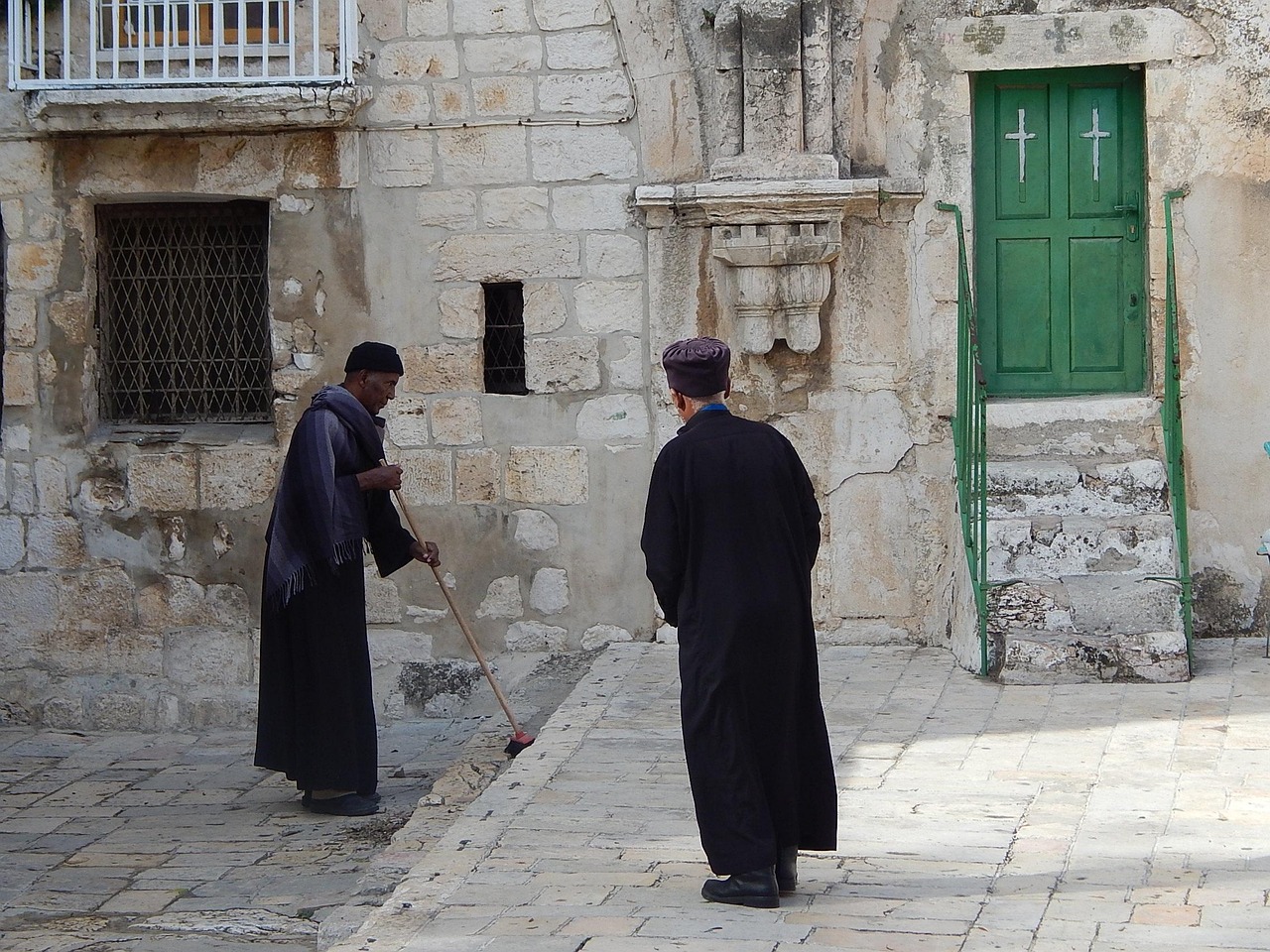
Coptic society organizes around the parish and the extended family: baptisms, engagements, and funerals fill the church courtyard weekly, the priest is counselor and registrar of the community’s whole life, and Sunday schools, the great lay movement of the twentieth century, formed generations of educated believers and future bishops.
Deacons chant in white by the hundred, women run the charities and pilgrim buses, and the mulids, saints’ festivals at monasteries and shrines, gather hundreds of thousands in tent cities of prayer, tattooing, and family reunion.
The community’s councils, the maglis milli, and its papal elections, by lot among shortlisted candidates after nationwide voting, give the church a participatory politics older than most republics.
Class runs the valley’s range, from Cairo’s business dynasties and a global professional diaspora to Upper Egypt’s farmers and the zabbalin, Cairo’s Coptic garbage collectors whose recycling economy and cave cathedral in the Muqattam cliffs are one of the city’s astonishments.
The Sunday School movement of the 1940s deserves its own line: laymen like the future Shenouda III built a parallel education system that re-catechized the whole community, staffed the monastic revival, and produced the educated activist laity the church now spans the globe with.
The Church of Saint Mark and Its Popes
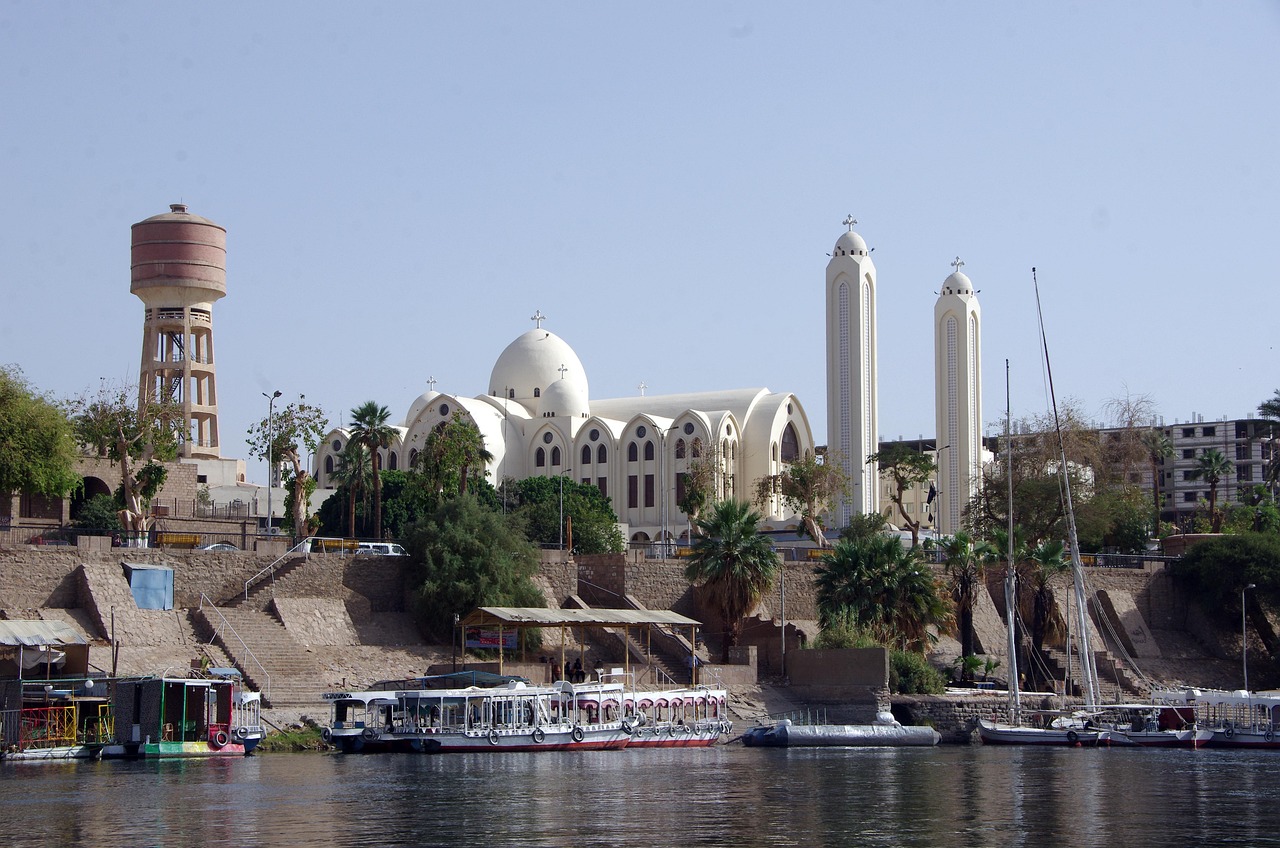
The Coptic Orthodox Church is one of Christianity’s founding institutions: seat of the Alexandrian school that gave the faith Athanasius and the creed’s defense, home of the desert fathers, and, after the Council of Chalcedon in 451, head of the miaphysite family of churches alongside the Armenians and Ethiopians, a communion that chose its own path fifteen centuries ago and kept it.
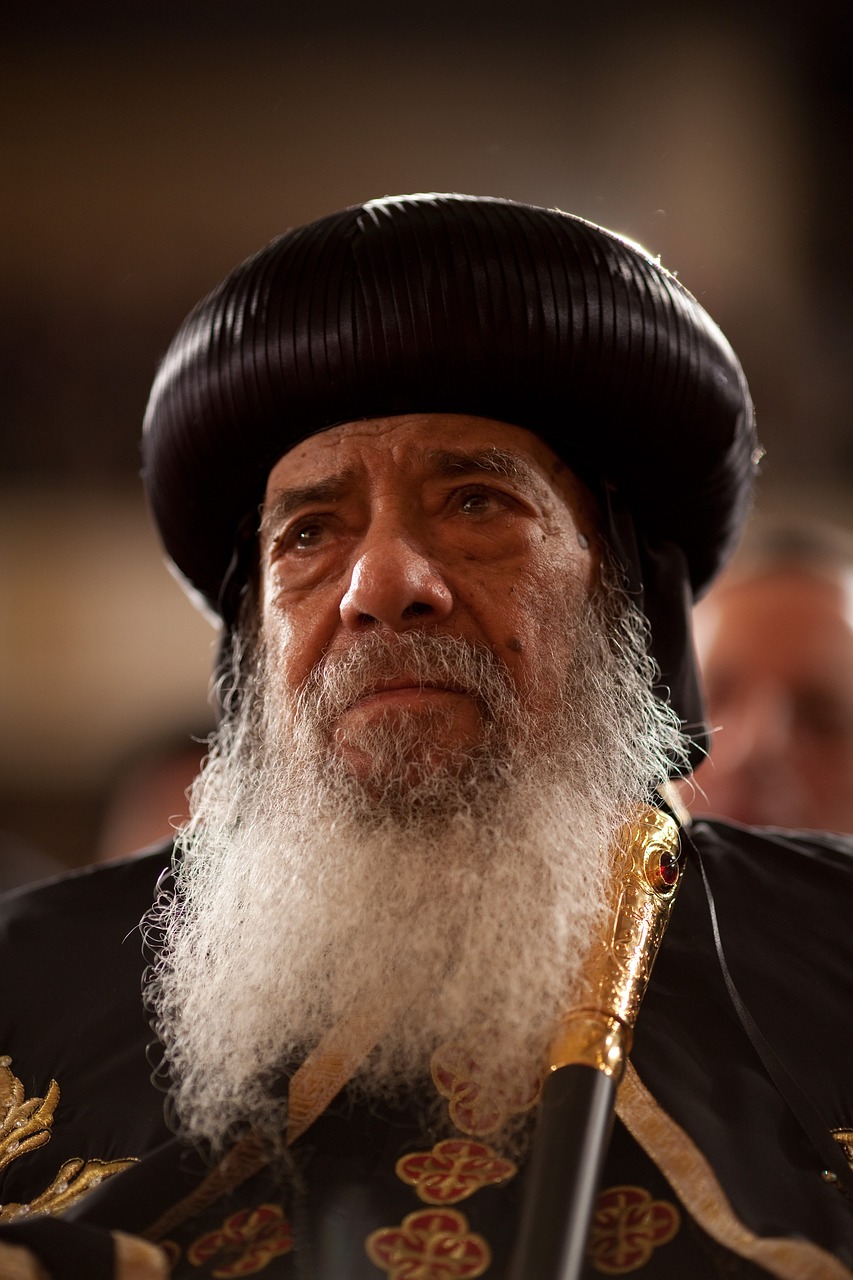
Its pope, the Patriarch of Alexandria on the throne of Saint Mark, is elected by a process ending with a blindfolded child drawing the name at the altar; Shenouda III led the church for four decades of revival and constraint, and Tawadros II leads its global expansion today.
The monastic revival since the 1950s refilled the ancient desert houses with university-educated monks, and the church’s calendar of fasts, over two hundred days a year, keeps the whole community on the monks’ rhythm.
Coptic devotion is sensory and local: incense, icon processions, relics of the martyrs, apparitions like Zeitoun’s rooftop Virgin in 1968 witnessed by crowds of all faiths, and the moulid seasons where popular religion overflows the liturgy’s banks.
The relationship with Ethiopia ran through this church for sixteen centuries: Alexandria consecrated Ethiopia’s bishops until 1959, and the two ancient communions remain sister churches, Africa’s oldest institutional bond.
Fasts, Tattooed Crosses, and Baptisms in the Nile
The most visible Coptic tradition is inked at the wrist: the small cross tattoo, given often in childhood at monastery gates, an indelible baptism card carried through fourteen centuries of minority life and shown at church doors in troubled times.
The calendar structures the year: the Coptic months still name Egypt’s agricultural seasons, the Nayrouz new year in September opens with red dates for the martyrs’ blood, and the fasts, Advent’s, Lent’s, the Apostles’, the Virgin’s, make Coptic kitchens the world’s oldest vegan tradition.
Life passages keep their forms: the sebou’ week-blessing of newborns with its candles and salt, church engagements sealed with crowning-like rites, weddings with the bridal procession’s zaghareet trills, and the third, seventh, and fortieth day memorials that pace mourning.
Pilgrimage is the family holiday: buses to Wadi Natrun and Saint Anthony’s, the Holy Family route’s shrines, and the great mulids of the Virgin at Assiut and Saint George at Mit Damsis, tent cities where the sa’id camps for a week around its saints.
The tattoo needles at Saint George’s mulid work through the night, a pound or two per cross, and the tattooists’ pattern boards, saints, crowns, Mar Girgis on his horse, constitute a folk iconography catalogued by scholars and worn by millions.
Icon Writers, Weavers, and the Monastery Arts
Coptic textiles are among antiquity’s most admired cloth: the tapestry-woven tunics and hangings of late antique Egypt, dense with vines, dancers, and crosses, fill museum halls worldwide, dry-sand survivors that made Coptic a byword for early textile art.
Icon writing is the living line: the Coptic school’s wide-eyed saints, revived in the twentieth century by Isaac Fanous’s neo-Coptic style, now covers cathedral walls from Cairo to Melbourne, theology in flat color and gold.
The monasteries kept the book arts, parchment, binding, and illumination, and Cairo’s church quarter still supports woodworkers of inlaid iconostasis screens, silversmiths of censers and crowns, and the bone-and-mother-of-pearl inlay the tourist bazaars sell as Egypt’s signature.
The zabbalin add a modern craft chapter: rag-rug weaving and recycled-paper workshops in Muqattam turn Cairo’s waste into export goods, community craft as survival economics in the oldest Coptic manner.
Museum Copts and living Copts meet awkwardly and fruitfully: the Coptic Museum in Old Cairo holds the world’s finest collection of the community’s own past, and its conservators, icon restorers, and textile scholars are largely the community’s own children.
Fasting Cuisine and the Feast That Follows
Coptic cuisine is Egyptian cuisine on a liturgical clock: ful and ta’meya, molokhia and stuffed vegetables, feteer pastry and the valley’s breads, with the fasting calendar deciding when butter, eggs, meat, and even fish leave the table.
Two hundred fasting days made the community masters of the vegan pot: oil-cooked versions of every dish, koshari’s lentils and pasta, tahini salads, and the sa’id’s bissara bean mash, cuisine born of discipline and perfected by centuries.
The feasts answer the fasts: fattah of bread, rice, and garlicked meat broth breaks the great fasts, kahk cookies dusted with sugar mark the Eids of the Coptic calendar as they do the Muslim ones, and Nayrouz’s dates and guavas open the year.
Food is intercommunal glue: neighbors exchange feast plates across the religious line, Muslim Egypt eats koshari beside its Christians, and the shared table remains, in ordinary times, the country’s real constitution.
The fasting economy is commercial fact: Egyptian food industry labels products siyami, fast-friendly, groceries stock by the church calendar, and Cairo’s restaurants flip menus for Lent, ten million observant customers being an argument no market ignores.
Christmas in January and the Mulid Seasons
Coptic Christmas falls on January 7 by the old calendar and is now an official Egyptian holiday: the midnight liturgy at the cathedral, attended by ministers and broadcast nationally, ends in fattah feasts at dawn, and the state’s presence at the service is annually read like a barometer.
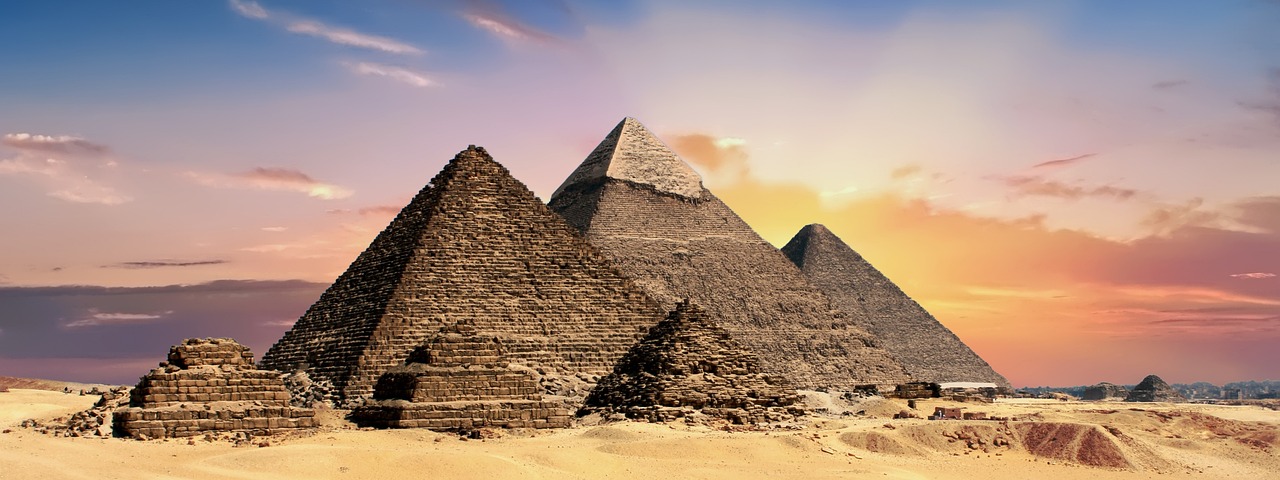
Easter, the feast of feasts, closes the great fast with white vestments and city-wide visiting, and its Monday, Sham el-Nessim, is pharaonic Egypt’s spring festival kept by the whole nation, Muslims and Christians picnicking on salted fish and onions as their ancestors did under the pyramids’ builders.
Nayrouz in September opens the Coptic year and the martyrs’ commemoration, Epiphany blesses the waters in January, and Palm Sunday fills the churches with plaited fronds that become the year’s crosses.
The mulids crown the folk calendar: the Virgin’s August feast at Assiut’s mountain monastery draws up to a million, Saint George’s at Mit Damsis fills the delta with vow-keepers, and the tattooists, vendors, and night liturgies of the mulid grounds are Coptic Egypt at its most ancient and least official.
Sham el-Nessim’s pedigree is the festivals’ summary: a spring feast the pharaohs kept, the Copts calendared, and all Egypt celebrates, five thousand years of continuity smelling faintly of salted mullet.
From Rome’s Persecutions to the Modern Ordeals
Coptic history opens in blood and brilliance: Rome’s persecutions, fiercest under Diocletian, from whose accession in 284 the church still dates its Era of the Martyrs, alternated with Alexandria’s centuries as Christianity’s intellectual capital, until Chalcedon’s schism in 451 set the Copts against the empire’s church a bare two centuries before the Arab conquest.
Under Islam the Copts became the protected, taxed dhimmi majority that slowly became a minority: centuries of clerking for every dynasty, punctuated by persecutions and church demolitions under rulers like al-Hakim, with mass conversion accelerating in the Mamluk fourteenth century.
Modern Egypt raised and frustrated them by turns: Coptic notables helped write the 1919 revolution’s crescent-and-cross flag, the community produced prime ministers and business dynasties, then met the Islamist decades’ church burnings, the Maspero massacre of 2011, and ISIS’s Libyan beheadings and church bombings of 2015-17, martyrs the church canonized within years.
Through it all the strategy has not changed since Diocletian: endure, educate, build churches faster than they burn, and keep the liturgy running; the Era of the Martyrs is not a memory but the calendar’s name for now.
The 1919 moment remains the community’s civic touchstone: priests preaching in mosques and sheikhs in churches under the crescent-and-cross flag, the national unity Egypt’s revolutions keep promising and its hard years keep testing.
The Middle East’s Largest Christian People
The Copts number perhaps ten million in Egypt, the estimates themselves are politics, plus a diaspora approaching two million, making them by far the Middle East’s largest Christian people and the region’s test case for whether its oldest communities have a future in it.
The Sisi era has brought grand gestures and hard ground: presidential Christmas visits, the vast Nativity cathedral in the new capital, a church-building law easing permits, alongside continuing sectarian flashpoints in Upper Egypt’s villages, where a rumor can still cost a street its homes.
The diaspora has become the community’s second lung: dioceses across five continents, monasteries in California and New South Wales, Coptic satellite channels, and a generation of hyphenated Copts funding the sa’id’s schools and lobbying its causes.
Seventeen centuries after Anthony walked into the desert, the monasteries are full, the liturgy still prays in the pharaohs’ language, and the little cross at the wrist keeps being inked into new skin; Egypt’s oldest thread shows no sign of ending its account.
The community’s demographic center is quietly shifting: Upper Egypt’s villages still fill the martyrologies, but the future’s Coptic is as likely to be spoken with a New Jersey or Sydney accent, and the church’s canonical question of the century is how to remain Egyptian everywhere.
Related Peoples of the Region
- Long Before the Arabs Came, North Africa Belonged to the Amazigh
- Tuareg of the Central Sahara and Their Veiled Nation of the Free
More Peoples of the World
You May Like
The Zaza, a Mountain People of Eastern Anatolia


One thought on “Copts of the Nile Valley and Their Unbroken Line from the Pharaohs”