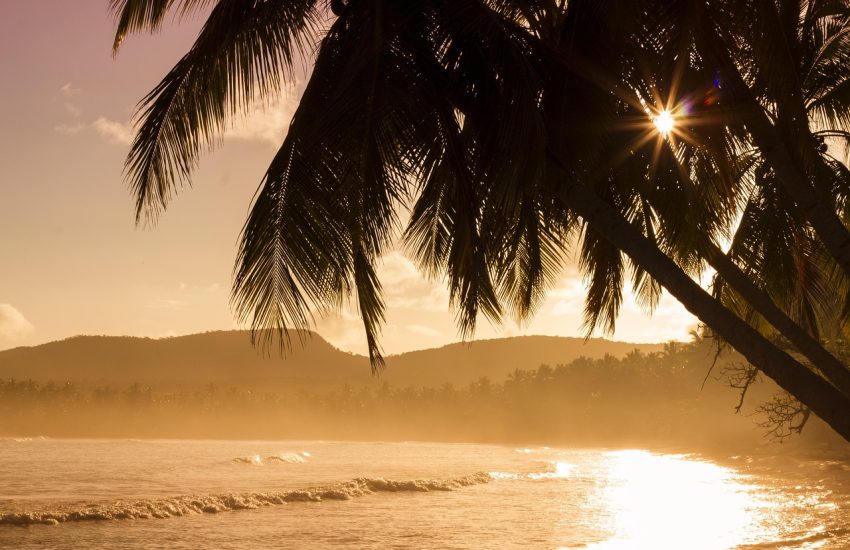
Just south of the equator, three hundred kilometers from its nearest neighbor, lies a single raised island whose people have twice been counted nearly out of existence and twice recovered. The Nauruans, speakers of a language with no close relatives, tamed frigatebirds, farmed fish on a rock without rivers, became briefly among the richest people on earth when their island’s interior proved to be phosphate, and remained a nation after the money and most of the interior were gone.
This portrait follows the people of Naoero: the twelve tribes counted on the flag’s star, a language that defeated the classifiers, the reef and pond economy of the old island, Angam Day and the arithmetic of survival, the mining century that hollowed Topside, and a republic of ten thousand that keeps making the world answer questions far larger than itself.
Contents
- Alone in the Ocean for Three Thousand Years
- Pleasant Island and the Name Naoero
- Nauruan, a Language Without Close Kin
- Twenty-One Square Kilometers and a Ring Road
- Twelve Tribes, Fish Ponds, and the Frigatebird Perch
- Matrilineal Tribes on a One-Road Island
- Eijebong’s Heaven and the Mission Harvest
- Bird Taming, String Figures, and Angam’s Meaning
- Fiber, Shell, and the Skills of a Bare Rock
- Ibija Fish Farms, Pandanus, and the Imported Plate
- Angam Day and the Calendar of Survival
- A Century Mined Hollow and a Nation’s Rebound
- After the Phosphate, a People Still at Home
Alone in the Ocean for Three Thousand Years
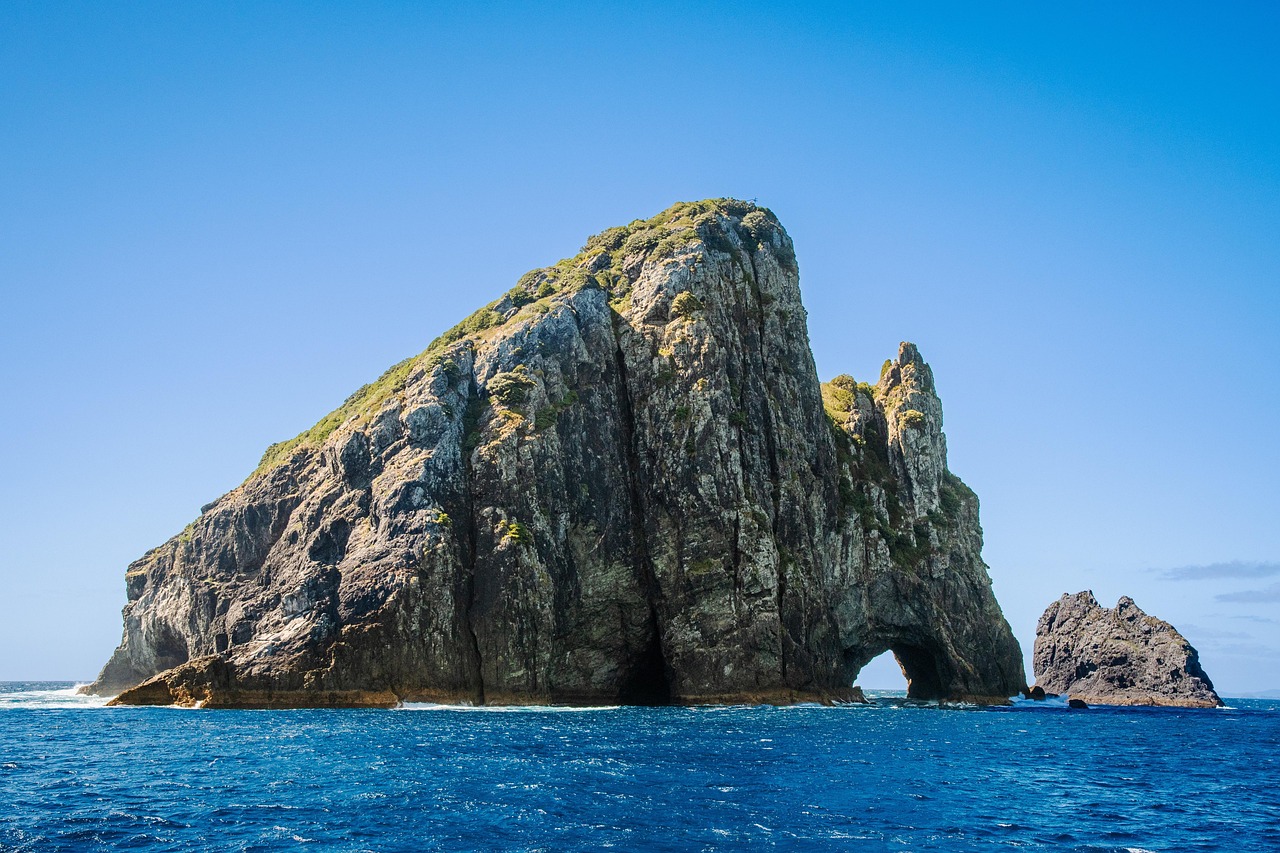
Nauru is one of the loneliest inhabited places on earth: a single raised coral island of twenty-one square kilometers, its nearest neighbor Banaba three hundred kilometers away. Its people settled it perhaps three thousand years ago and developed in a deep isolation unusual even by Pacific standards, their language drifting so far from its relatives that linguists still argue where to attach it.
Tradition organizes the deep past into twelve tribes descended from ancestral founders, a duodecimal order so fundamental that the twelve-pointed star on the national flag counts them; the tribes, reckoned through mothers, predate every recorded event on the island.
The islanders’ physical inheritance, Micronesian at base with Polynesian and Melanesian strands, records ancient arrivals absorbed one canoe at a time; castaways and drifters were adopted into the tribes, and the island’s isolation did the rest.
With no lagoon and no archipelago to voyage, Nauruans turned inward and downward: to the reef, to the brackish Buada lagoon’s fish ponds, and to the frigatebirds that connected their rock to the wide ocean’s news.
Archaeology on Nauru is thin, mining destroyed most of the interior’s record before anyone dug it properly, which makes the living evidence weigh more: the tribes’ genealogies, the aquaculture terminology with no borrowed words, and a language whose distance from its cousins argues for millennia of separate development on this one rock.
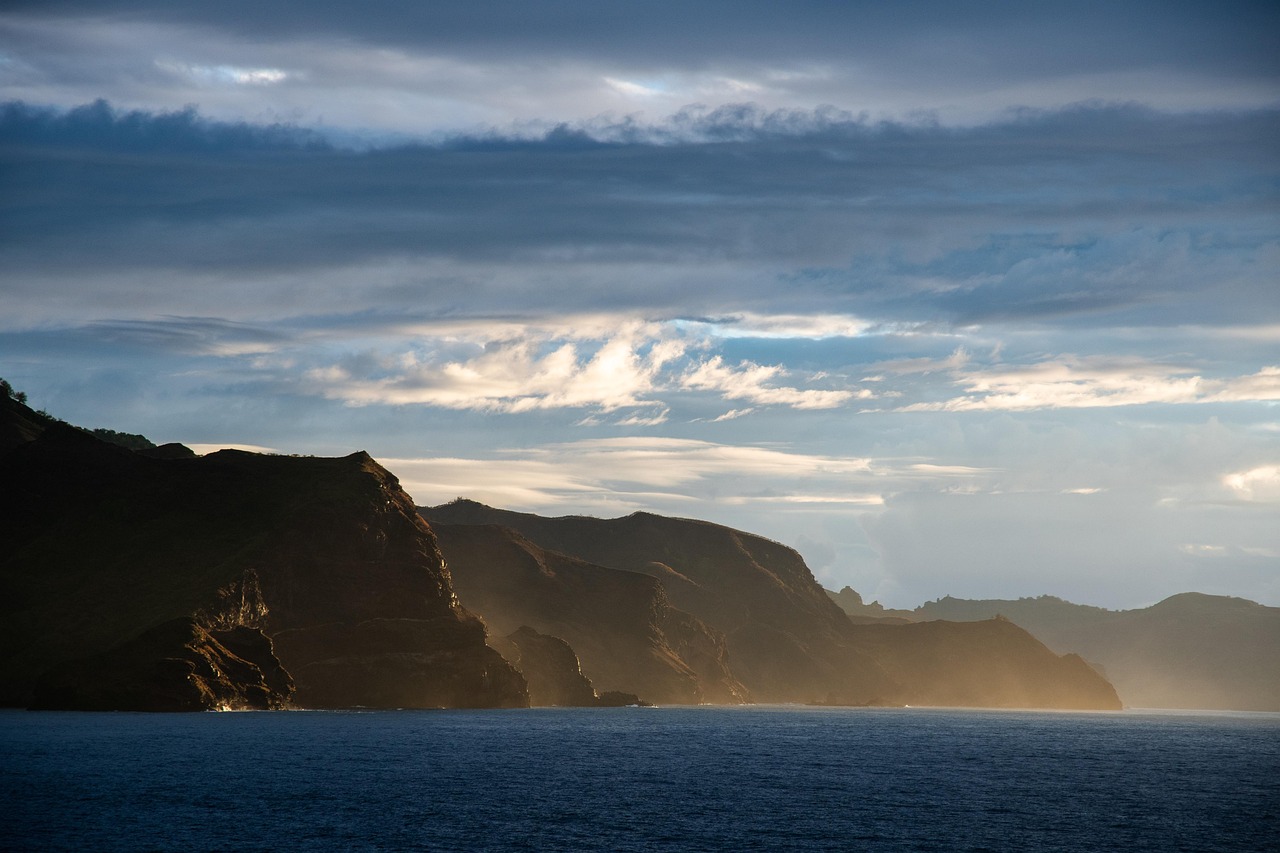
Pleasant Island and the Name Naoero
The islanders’ own name is Naoero, of debated meaning, one reading derives it from a phrase meaning I go to the beach, which suits an island that is mostly rim. Nauru is the name’s international dress.
The British whaler John Fearn, first European caller in 1798, named it Pleasant Island for its green look from the sea, and the label lasted a century on charts while beachcombers, guns, and a civil war made the pleasantry ironic.
Independence in 1968 restored the indigenous name to the front of the world’s shortest constitutionally-named republic, the Republic of Nauru, for decades the smallest independent state on earth after the Vatican and Monaco.
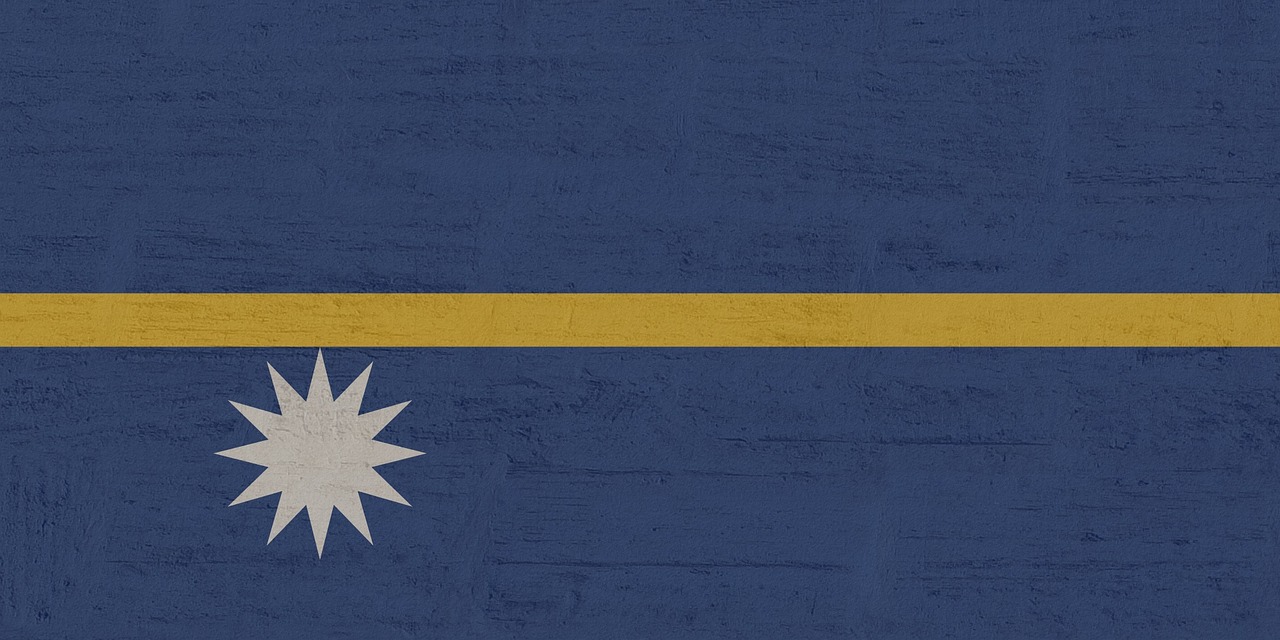
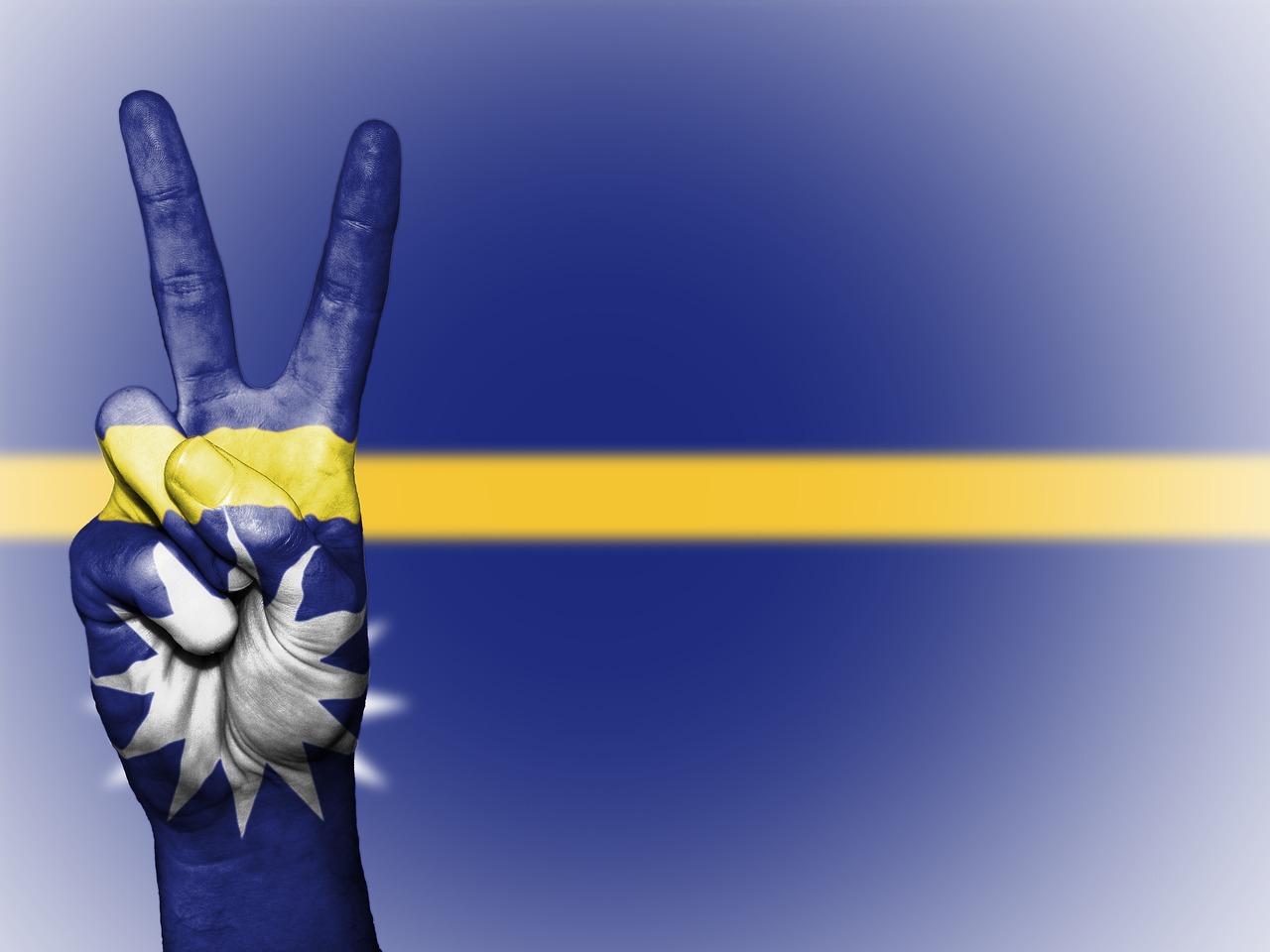
The flag tells the location like a sentence: a gold line for the equator across deep blue, and below it the twelve-pointed white star, the island’s tribes sitting just south of the line in the ocean’s largest emptiness.
Nauruan, a Language Without Close Kin
Nauruan is an Austronesian language of the Micronesian group, but a peculiar one: it shares regular sound correspondences with no single neighbor closely, sits on its own branch in most classifications, and its complex phonology exhausted the early missionary alphabet-makers, whose compromises the spelling still carries.
The isolation that shaped it also protected it: Nauruan remains the daily language of the island’s homes and parliament, spoken by nearly all ethnic Nauruans, with English as the written partner of government and school.
The German-era missionary Philip Delaporte’s Bible translation and dictionary anchored the written language, and the hymnody built on it remains the deepest reservoir of formal Nauruan.
Its small speaker base, around ten thousand, keeps it formally vulnerable, and the language commission’s orthography debates are a national sport; but a language that survived the mining century, the war deportation, and the money years has proved its stubbornness.
Nauruan’s history includes a curiosity: the island’s early polyglot press, German mission, Chinese laborers’ pidgin, Gilbertese workers, made it a Babel out of proportion to its size, and Nauruan absorbed loanwords from all of them while keeping its impenetrable core, a small language with a port city’s vocabulary.
Twenty-One Square Kilometers and a Ring Road
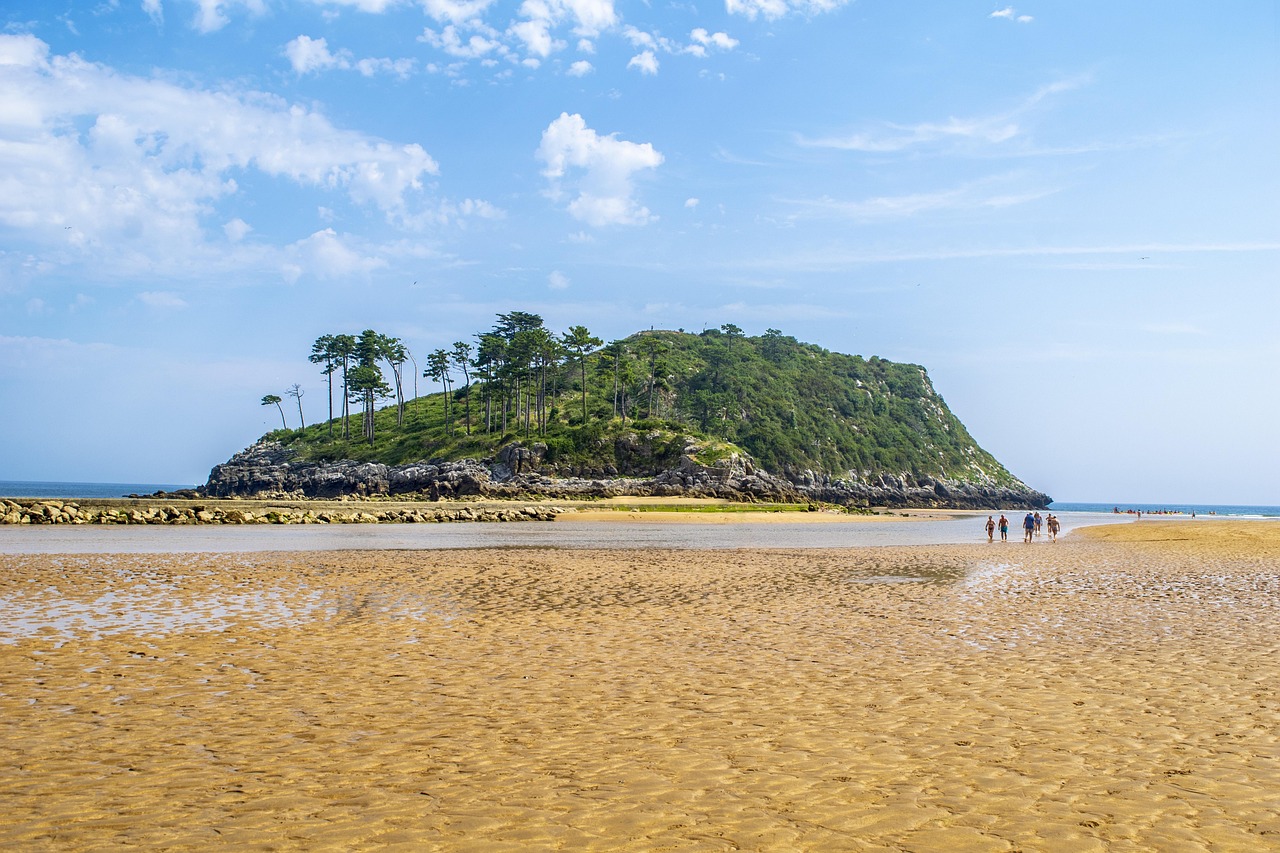
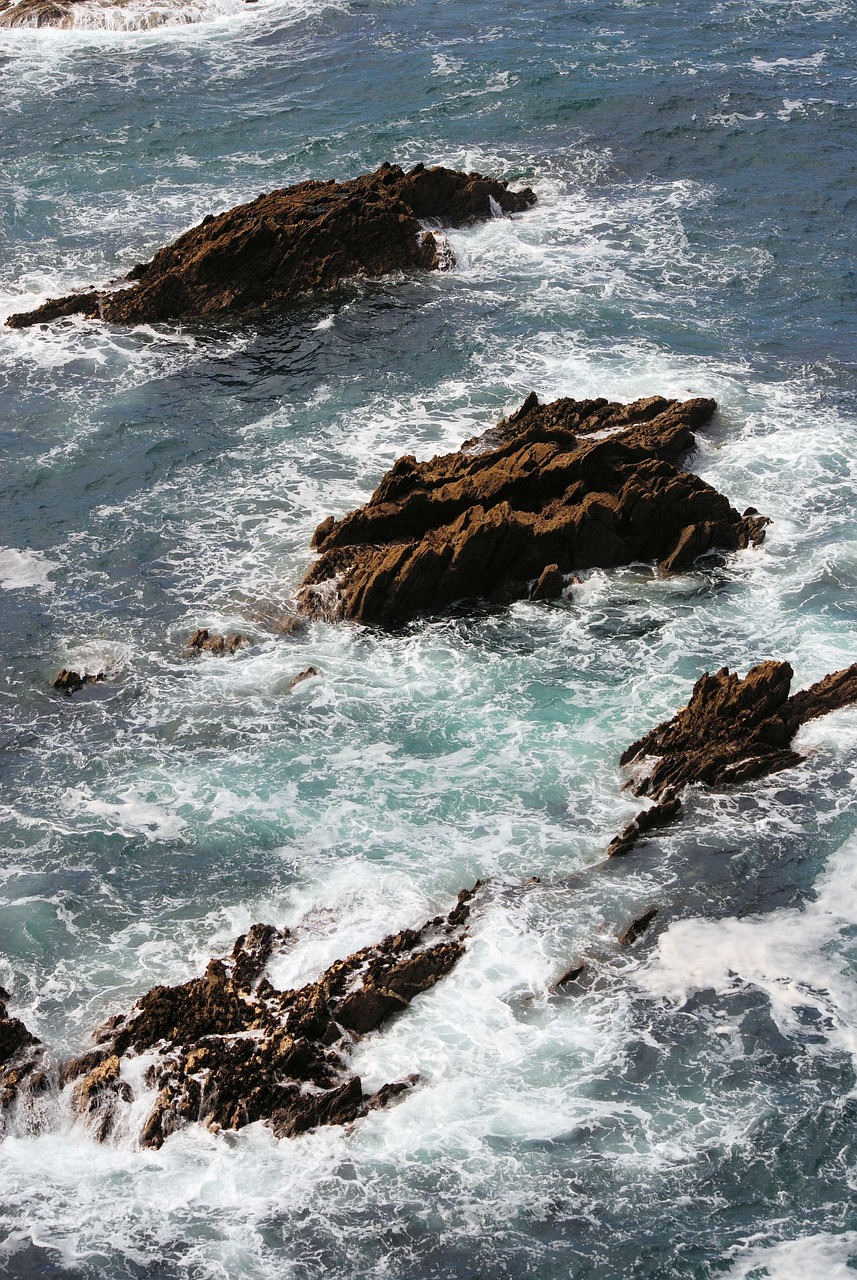
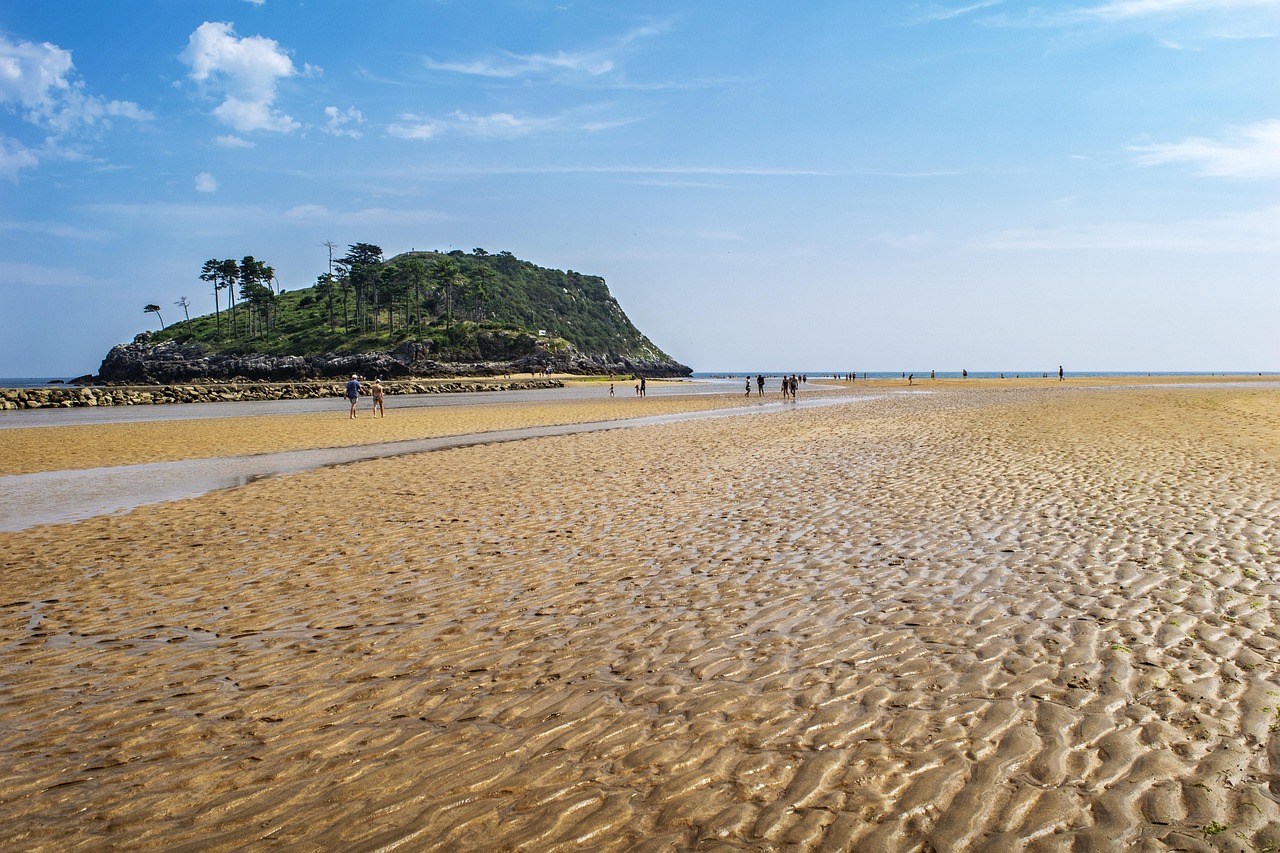
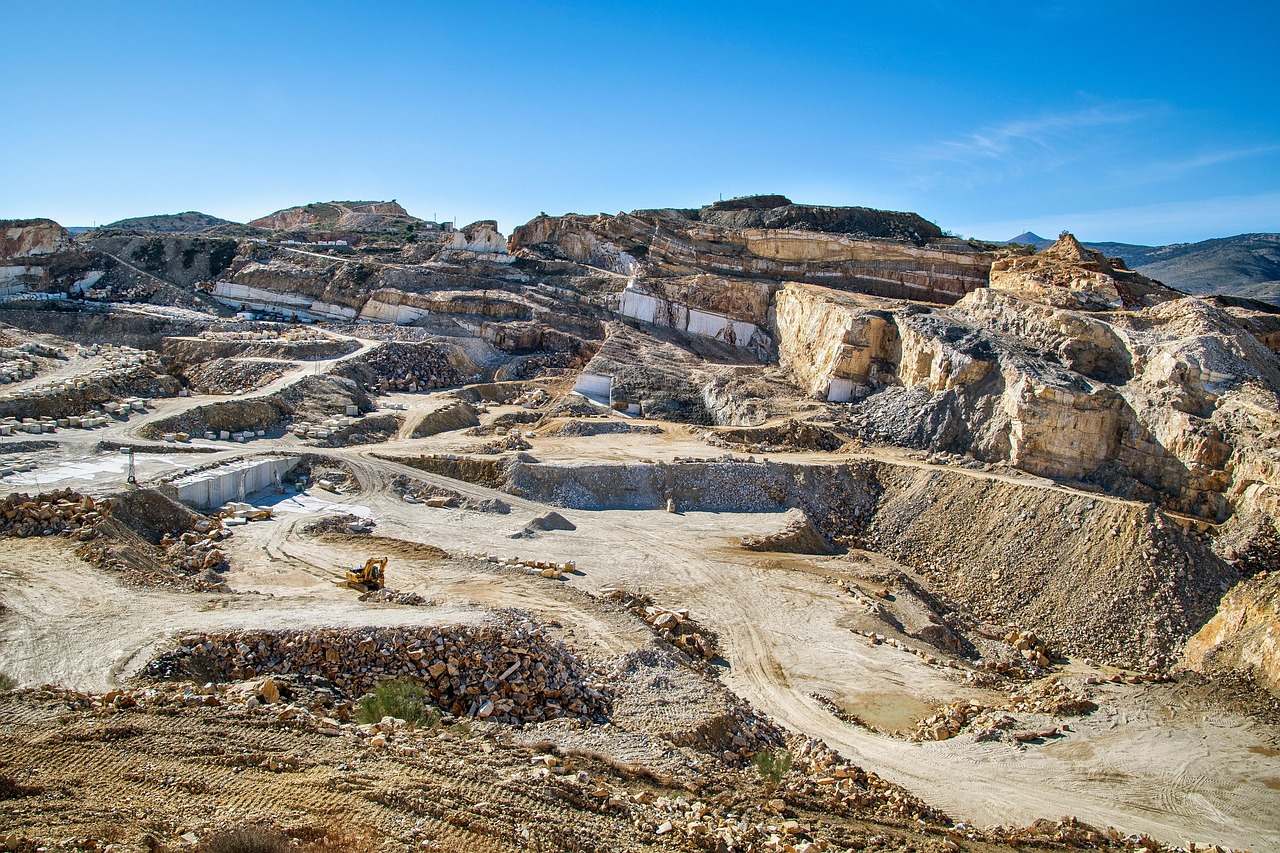
The island is a single raised atoll: a fringing reef with no harbor, a fertile coastal belt a few hundred meters wide where every village and the ring road run, the brackish Buada lagoon in its bowl, and the raised interior plateau, Topside, whose ancient forest floor lay over the phosphate.
A century of strip mining turned Topside into a moonscape of grey limestone pinnacles, four fifths of the island rendered uninhabitable karst, so that the nation lives on its rim like paint on a coin’s edge.
With no rivers and thin rain catchment, water has always been the island’s arithmetic, met now by desalination; the reef and a sea territory of over three hundred thousand square kilometers complete a homeland that is small ashore and vast offshore.
Rehabilitation is the standing national project: crushing pinnacles, replacing soil, and replanting Topside hectare by hectare, an attempt, unique in the world, to rebuild the physical interior of an entire country.
Distance defines the practical life: one airline, one weekly-ish freighter, and a hospital list that flies serious cases to Fiji or Australia; the republic’s diplomats joke that their capital is wherever the plane is, and the joke is a logistics report.
Twelve Tribes, Fish Ponds, and the Frigatebird Perch
Old Nauru fed itself with an ingenuity its bare geology demanded: the reef flat worked at every tide, flying fish chased by torchlight beyond it, coconut and pandanus on the belt, and, most remarkably, aquaculture, milkfish fry caught at the shore and raised in the Buada lagoon’s brackish ponds, a farmed protein reserve on an island without rivers.
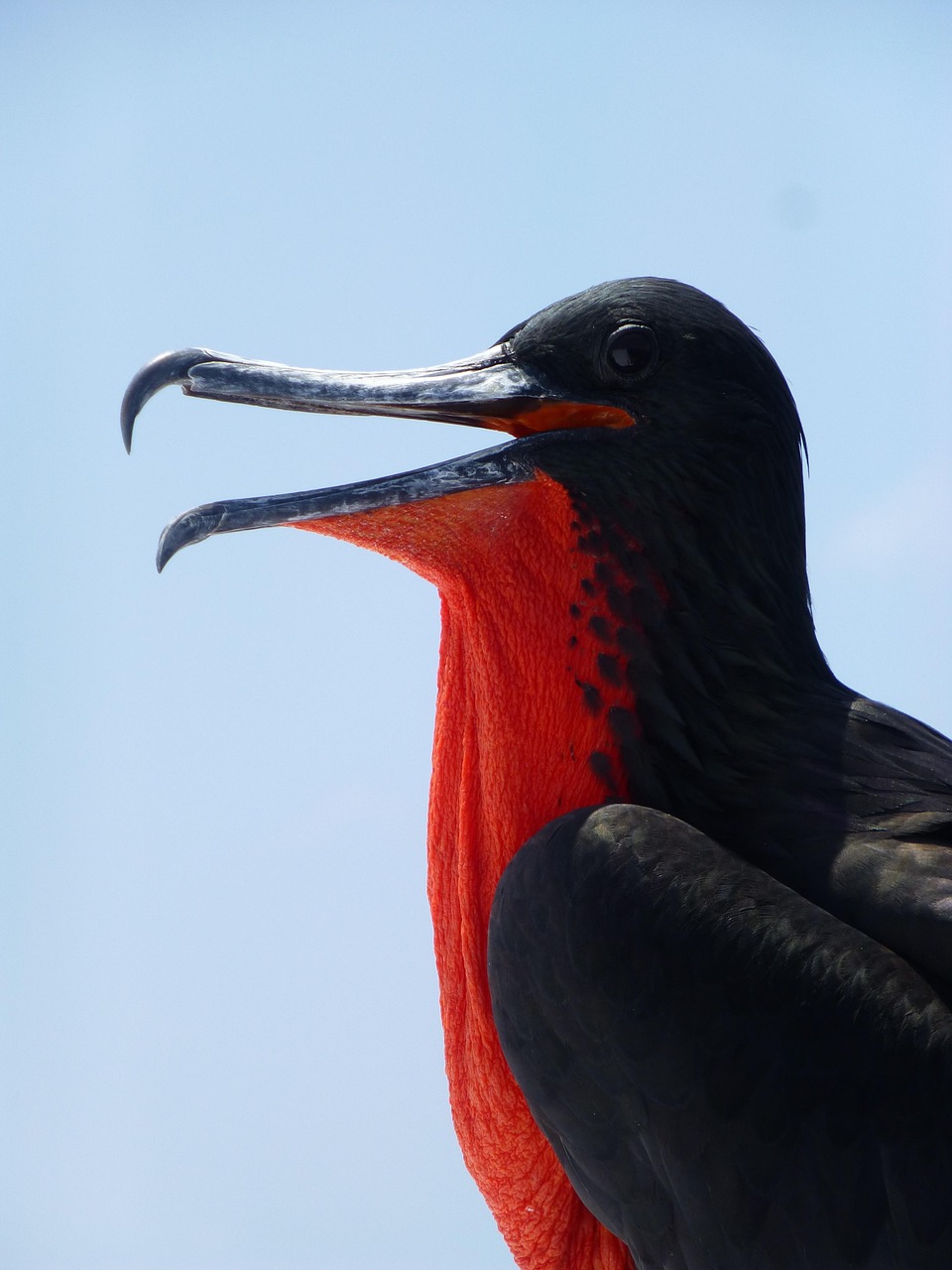
The frigatebird was the island’s other genius: young birds were lured to roost poles, tamed, fed, and flown like falcons, prestige animals and message-bearers whose keeping was an art of patient months and whose theft was a serious offense.
The twelve tribes divided the land into named plots whose boundaries every family memorized, and coconut palms themselves were owned individually, wealth counted frond by frond.
Life clustered in district villages under chiefs of the senior lineages, with disputes settled by compensation and the island’s one chronic vice, the musket feuds of the beachcomber era, showing what happened when the outside world’s tools met inside grievances.
The milkfish ponds deserve their fame: fry carried by hand from the shore, acclimatized through brackish stages, and raised for years to feast size, a husbandry documented nowhere else in quite this form, and the first thing modern food-security programs set about restoring.
Matrilineal Tribes on a One-Road Island
Nauruan society descends through mothers: tribe and land rights come from the maternal line, and the twelve tribes remain the frame of identity, recorded at every birth, invoked at every land case.
Land is the national obsession and consolation: almost every Nauruan owns shares in named plots, phosphate royalties were distributed by landowner lists, and the Lands Committee’s genealogical hearings are the island’s longest-running institution.
The districts, fourteen around the ring road, elect the parliament of nineteen in a system so intimate that a handful of family votes can turn a government; politics is kinship arithmetic conducted in public.
Beneath the modern state the courtesies hold: elders precede, church and district committees organize daily life, and the island’s smallness enforces the oldest rule of atoll societies everywhere, that no one can afford a permanent enemy at one road’s distance.
The phosphate royalty rolls froze the land system in paper: every plot’s owners listed to the fraction, inheritances subdivided across generations, so that a single palm’s revenue might be split among dozens of cousins, the old memorized boundaries turned into the republic’s largest accounting exercise.
Eijebong’s Heaven and the Mission Harvest
The old religion told of the first beings weaving the world, of Areop-Enap the ancient spider, kin to Kiribati’s Nareau, working creation from darkness, and of an afterlife island for the worthy dead; household spirits and the tamed frigatebirds’ omens filled daily practice.
The Gilbertese castaway-turned-prophet era and the beachcomber decades scrambled much, and when the missionaries landed in the 1880s, Protestant from the German mission and Catholic soon after, conversion moved with island speed.
The Congregational and Catholic churches divided the districts between them and remain the island’s two great social engines, their women’s groups, choirs, and youth halls carrying most of communal life; Nauru today is among the most church-attending states in the Pacific.
The old cosmology survives as story, in the spider’s name recognized across the sea in Kiribati, and in the frigatebird’s continuing place of honor, a sacred creature that outlived its priests.
Delaporte’s mission press printed Nauruan hymnals over a century ago that congregations still sing from memory, and the island’s two-steeple skyline, Congregational and Catholic within sight of each other on the belt, maps the gentlest of its many divisions.
Bird Taming, String Figures, and Angam’s Meaning
The frigatebird art survives as the island’s signature tradition: catchers still lure and tame the great soaring birds at shoreline perches, judged in competitions, and the bird’s silhouette brands the airline’s tail and the nation’s crest.
String figures, ekaerere, reached extraordinary sophistication on Nauru, hundreds of named figures with chants, collected by early ethnographers as among the world’s richest repertoires, and revived now in schools and Angam Day contests.
Nauruan dance and the island’s own ball game, and the fierce local passion for Australian rules football, played barefoot on the phosphate-dust oval, fill the sporting register; weightlifting, the national sport, has carried Nauruans to Commonwealth gold and the Olympic stage.
The word angam, the tradition that names the national day, means homecoming or fulfillment: the marking of the moments when the Nauruan people, twice nearly extinguished, counted their 1,500th living member and knew they would continue.
The bird catchers’ knowledge, lure calls, feeding schedules, the reading of a bird’s temper, passes informally from uncles to boys at the shoreline perches, one of the Pacific’s least documented and most alive falconry traditions.
Fiber, Shell, and the Skills of a Bare Rock
Nauru’s crafts were the atoll toolkit adapted to a rock: pandanus and coconut-frond weaving for mats, fans, and baskets, sennit cordage, and the shell and feather ornaments of dance dress, with the frigatebird perch and the fish-pond weir as the island’s distinctive engineering.
Canoes were reef craft rather than voyagers, light outriggers for the flying-fish runs, and their building, lapsed in the money years, is taught again in cultural programs.
The mining century added its own material culture, cantilever and conveyor, and the rusting arms over the boat harbor are now half industrial ruin, half national monument, photographed like the old marae other islands keep.
Contemporary craftwork, woven goods, shellwork, and dance costume for Angam Day, runs through the women’s committees, and the national museum’s recovered pieces, many returned from German collections, anchor the register of what the island’s hands once made.
Ethnographers of the German decade, Hambruch first among them, filled Berlin’s cabinets with Nauruan weaving, armor, and string-figure diagrams; those publications, digitized, now serve island teachers as pattern books, the colonial archive turned classroom supply.
Ibija Fish Farms, Pandanus, and the Imported Plate
The old table was reef fish, milkfish from the ponds, coconut, and pandanus, the fruit chewed, pressed, and dried into storage cakes; breadfruit and papaya joined on the coastal belt, and everything else was ocean luck.
The phosphate decades rebuilt the diet around imports, rice, tinned meat, sugar, and the health consequences made Nauru a textbook case, with diabetes rates among the highest recorded anywhere; the kitchen has become the island’s frontline clinic.
The response reaches back deliberately: fish-first campaigns, household gardens coaxed from coral soil, the Buada ponds restocked, and school programs that treat the old menu, fish, coconut, pandanus, as recovered technology.
Celebrations still cook at island scale, earth ovens and barbecue lines for Angam Day and Independence, the whole district assessed and fed, the Pacific feast logic intact on the smallest stage that ever hosted it.
Toddy never took root here as in Kiribati, the island’s palms were counted for nuts and land shares instead, and the pandanus cake, dried in pressed sheets, was the voyager’s and the lean season’s ration, a recipe the museum now teaches on demonstration days.
Angam Day and the Calendar of Survival
Angam Day, October 26, is the Pacific’s most existential holiday: it marks the days, in 1932 and again in 1949 after the wartime deportation, when the birth of a child returned the Nauruan people to 1,500, the number the administration reckoned survival required. The baby who crossed the line each time is a national figure, and the day is kept with church, feast, games, and string-figure and dance contests.
Independence Day, January 31, remembers 1968 with parades and the frigatebirds’ silhouettes on every banner; Constitution Day in May completes the civic set.
The churches’ calendar, Christmas at full island scale, White Sunday’s children’s services, denominational anniversaries, fills the rest of the year, and district fair days rotate the feasting around the ring road.
Sport is festival’s fourth pillar: the football grand final and the weightlifting nationals stop the island as completely as any holy day.
Angam’s contests keep the register practical: string figures judged by elders, frigatebird displays at the shore, dance teams by district, and the day closing with the whole population, a town’s worth of nation, at one shared table.
A Century Mined Hollow and a Nation’s Rebound
Germany annexed Nauru in 1888, ending the musket feuds, and in 1900 a prospector recognized the island’s rock: some of the richest phosphate on earth. For sixty-eight years Britain, Australia, and New Zealand mined it through their joint commissioners, paying the landowners fractions of pennies while Topside left by ship to fertilize other nations’ farms.
The war deported the people themselves: Japan occupied the island in 1942 and shipped twelve hundred Nauruans to Chuuk as labor, where a third died; the survivors’ return in 1946, and the birth that restored the 1,500 three years later, is the second Angam.
Independence in 1968 came with the mines: Nauru bought out the phosphate consortium, and for two decades royalty income made its people, on paper, among the richest per head alive, wealth managed into trust funds, an airline, and investments that corruption and misfortune then burned through in a generation.
The bust left the island a creditor’s case study and led it into hosting Australia’s offshore detention centers, a revenue lifeline and a moral controversy the republic has worn since; in 1993 Australia settled Nauru’s rehabilitation lawsuit, a rare admission in international law that a trustee had mined its ward.
The Chuuk deportation binds Nauru to the lagoon state this project covered earlier: Nauruan graves remain on those islands, survivor families keep the connection, and the two peoples’ shared wartime file is quietly one of Micronesia’s deepest bonds.
After the Phosphate, a People Still at Home
Some 12,000 people live on Nauru, about 10,000 of them Nauruan; there is no large diaspora by Pacific standards, which makes the island unusual twice over, its people stayed, and their entire nation fits in one town’s population.
The economy now runs on fishing licenses, the detention-center contracts’ remainder, Australian support, and the new frontier the republic has chosen to champion, seabed mining, sponsoring the first deep-sea permit applications and forcing the international rules question the way small Nauru has forced questions before.
Secondary phosphate mining scratches at the old fields while rehabilitation pilots green their corners; the republic banks its fishing revenues into a rebuilt trust fund with rules learned the hard way.
The people, meanwhile, keep their long habit of outlasting projections: the language holds the homes, the twelve tribes still name every child, the frigatebirds still ride the updrafts over the pinnacles, and a nation once counted down to 1,499 keeps its own count now, and keeps it rising.
Climate adds its pressure to the rim-bound nation, king tides across the ring road, the desalination plant as lifeline, and Topside rehabilitation doubles as the plan for higher ground, the moonscape the mines left now surveyed as the country’s future floor.
Related Peoples of the Region
- Tahitians of Ma’ohi Nui and Their Islands at the Center of the Eastern Sea
- Rapa Nui People of Easter Island and Their Ancestors Carved in Stone
- Marshallese Wave Pilots of the Coral Atolls and Their Two Meters Above the Sea
- I-Kiribati of the Equatorial Atolls and Their Republic of the Maneaba
- Palauans of the Rock Islands and Their Republic Ruled by Clans and the Sea
- Chuukese People of the Great Lagoon and Their World of Breadfruit and Ghost Ships
- Tuvaluans of the Nine Atolls and Their Nation That Refuses to Sink
- Cook Islands Maori of Rarotonga and the Fifteen Islands That Launched Aotearoa