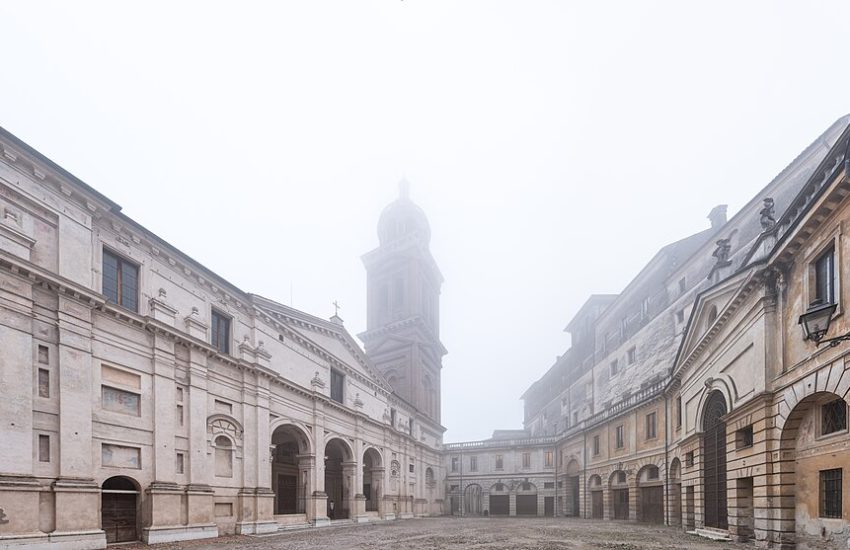
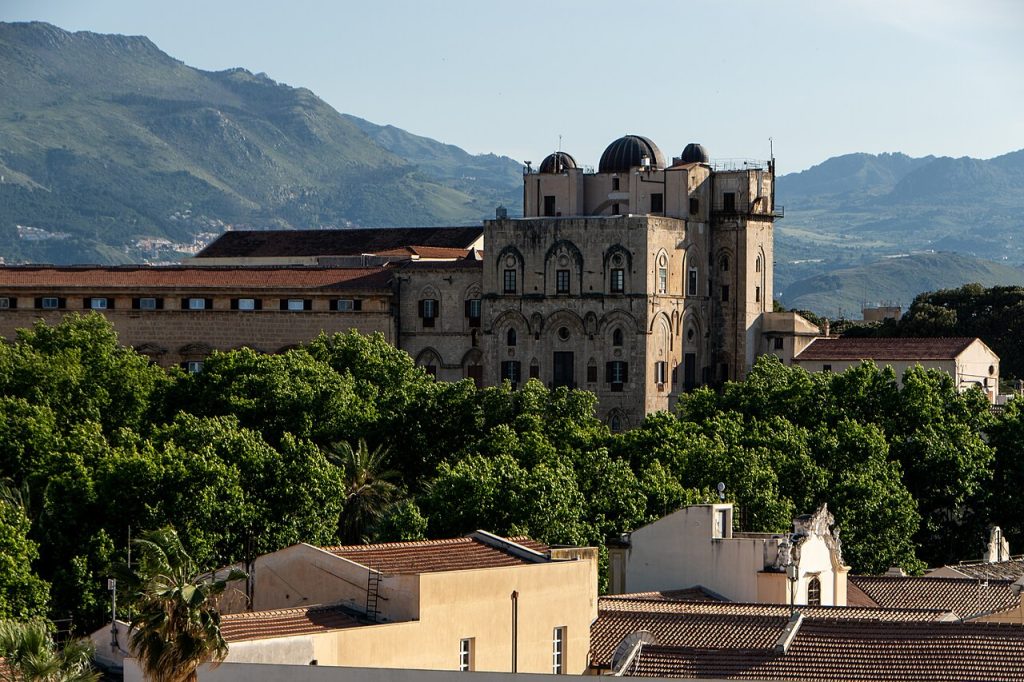
At the highest point of old Palermo, where the city’s main street, the Cassaro, climbs from the harbour to the Porta Nuova, stands a palace that is a thousand years old and still a seat of government: a long block of grey and gold stone with a Norman tower at one end, a Renaissance facade on the square, a Baroque courtyard inside and, on its first floor, a chapel whose walls and vaults are covered in gold mosaic beneath a wooden ceiling painted by Arab craftsmen with dancers, musicians and the pleasures of paradise. It is the Palazzo dei Normanni, the Palace of the Normans, built by the Arab emirs of Sicily in the ninth century, made the royal palace of the Norman kings in the twelfth, the seat of the Spanish viceroys and the Bourbon kings and, since 1947, of the Sicilian Regional Assembly, which makes it the oldest royal residence in Europe still used for government.
The palace’s heart is the Cappella Palatina, the Palatine Chapel that Roger II, the first king of Sicily, built between 1132 and 1143 as his court chapel, with Byzantine mosaics of Christ, the saints and the Bible by Greek craftsmen, Islamic muqarnas ceilings painted by Fatimid artists and Latin architecture, the three cultures of Norman Sicily in one room and the most complete expression of the kingdom’s genius. Around it are the Hall of Roger with its mosaics of hunting and gardens, the Norman towers, the royal apartments of the Bourbons and the Sala d’Ercole where the Sicilian parliament sits. The palace is the second of the three Italian houses in this series, between the Royal Palace of Naples and the Ducal Palace of Urbino.
Climb the Cassaro with me to the Porta Nuova, through the courtyard and up to the chapel, the Hall of Roger and the parliament, with the emirs, the Normans, the Spaniards and the Sicilians in order. The contents are below.
In This Article
- The Top of the Cassaro
- The Emirs’ Palace of the Ninth Century
- 1072: The Normans Take Palermo
- Roger II and the Kingdom of Three Cultures
- The Cappella Palatina
- The Mosaics and the Painted Ceiling
- The Hall of Roger and the Pisan Tower
- Frederick II and the Sicilian School
- The Viceroys and the Renaissance Facade
- 1947: The Sicilian Parliament Moves In
- The Maqueda Courtyard and the Royal Apartments
- The Observatory and the Discovery of Ceres
- Arab-Norman Palermo and the World Heritage List
- Palermo on Video
- Visiting the Palazzo dei Normanni Today
- Palaces Nearby
The Top of the Cassaro
The Cassaro, from the Arabic qasr, the castle, is Palermo’s oldest street, running straight from the harbour up through the old city past the cathedral to the Porta Nuova, the gate built in 1583 to celebrate Charles V’s return from Tunis, and the palace stands beside the gate on the city’s highest ground, where the Phoenicians, the Romans and the Arabs all had their citadel. Its facade on Piazza del Parlamento is Renaissance and Baroque, a long front of two storeys with a central portal, and behind it rise the Norman towers, the Pisan tower at the north and the chapel’s apse, and the gardens of the Villa Bonanno with their palms fall away toward the sea.
Now, stop here in the square and look at the palace. The facade is sixteenth-century Spanish, the tower behind it is eleventh-century Norman on ninth-century Arab foundations and the flag on the roof is the Sicilian Region’s; nothing in the building belongs to one century, and that is Palermo.
The Emirs’ Palace of the Ninth Century
The Arabs took Palermo in 831 and made it the capital of Muslim Sicily, a city of three hundred mosques and a quarter of a million people that the geographers compared with Córdoba and Cairo, and on the highest point of the old Punic citadel they built the emir’s palace, the Qasr, a fortified residence with towers, gardens and a mosque, of which the foundations and some walls survive in the palace’s basements and in the Pisan tower. The emirs ruled Sicily for two centuries, planting oranges, lemons, sugar and cotton, building irrigation and mosques and leaving a language, a cuisine and a way of building that the Normans would inherit rather than destroy.
The palace’s lowest rooms, the Sala dei Venti and the old treasury, are the emirs’, and the Arabic inscriptions found in the walls are shown in the museum.
1072: The Normans Take Palermo
In January 1072, after a siege of five months, the Norman brothers Robert Guiscard and Roger de Hauteville, sons of a minor lord of the Cotentin who had come to southern Italy as mercenaries forty years before, took Palermo from the Arabs and made it the capital of their Sicilian county. They took the emirs’ palace as their own, fortified it with the towers, the Pisan, the Greek, the Joaria and the Kirimbi, of which two survive, and governed from it a population of Muslims, Greeks and Latins with a tolerance born of necessity: the Normans were a few thousand soldiers ruling a million people, and they kept the Arab administration, the Greek clergy and the Latin Church all in their service.
Roger I, Great Count of Sicily, died in 1101, and his son would make the palace a king’s.
Roger II and the Kingdom of Three Cultures
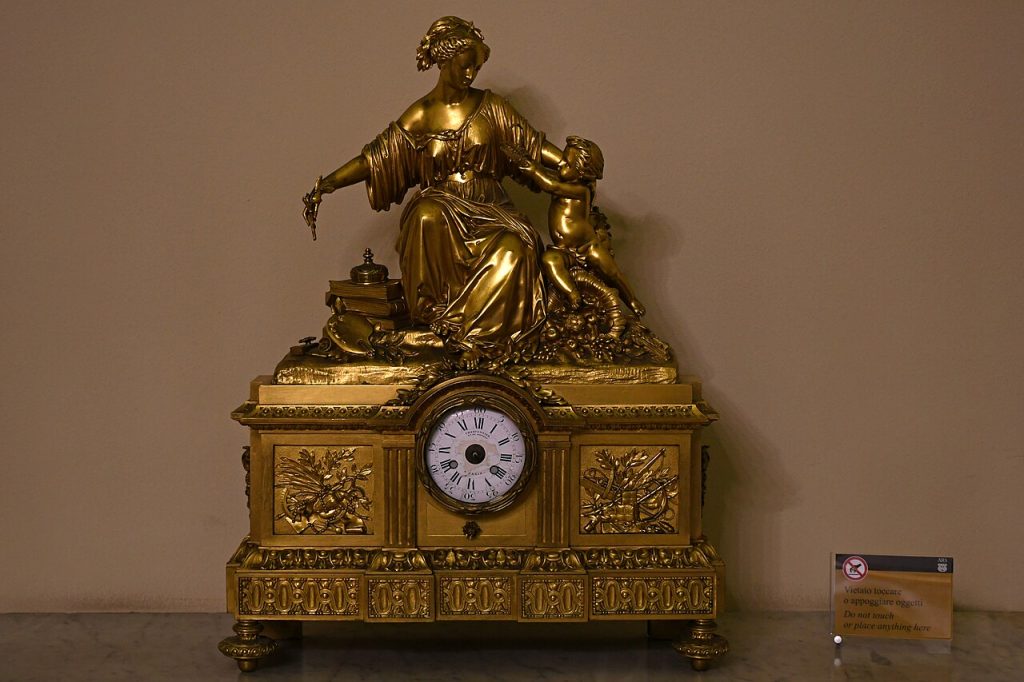
Roger II, Great Count from 1105 and King of Sicily from his coronation in Palermo cathedral on Christmas Day 1130, united Sicily and southern Italy into a kingdom that was the richest and best governed in Europe, with an Arab-staffed treasury, a Greek chancery, a Latin Church, a navy that raided Africa and Greece and a court that spoke four languages and dressed in Byzantine silks. He was the half-Norman, Sicilian-born son of a Norman count and an Italian countess, raised among Arabs and Greeks, and his palace was the expression of his kingdom: Norman towers, Arab gardens and workshops, Greek mosaicists and a chapel that united all three.
The Arab geographer Idrisi wrote his great description of the world at Roger’s court, the royal silk workshop, the tiraz, made the coronation mantle now in Vienna, and the palace’s gardens had pavilions and pools in the Fatimid manner. Now, stop here in the courtyard and remember that this was, in 1140, the most sophisticated court in Christendom.
The Cappella Palatina
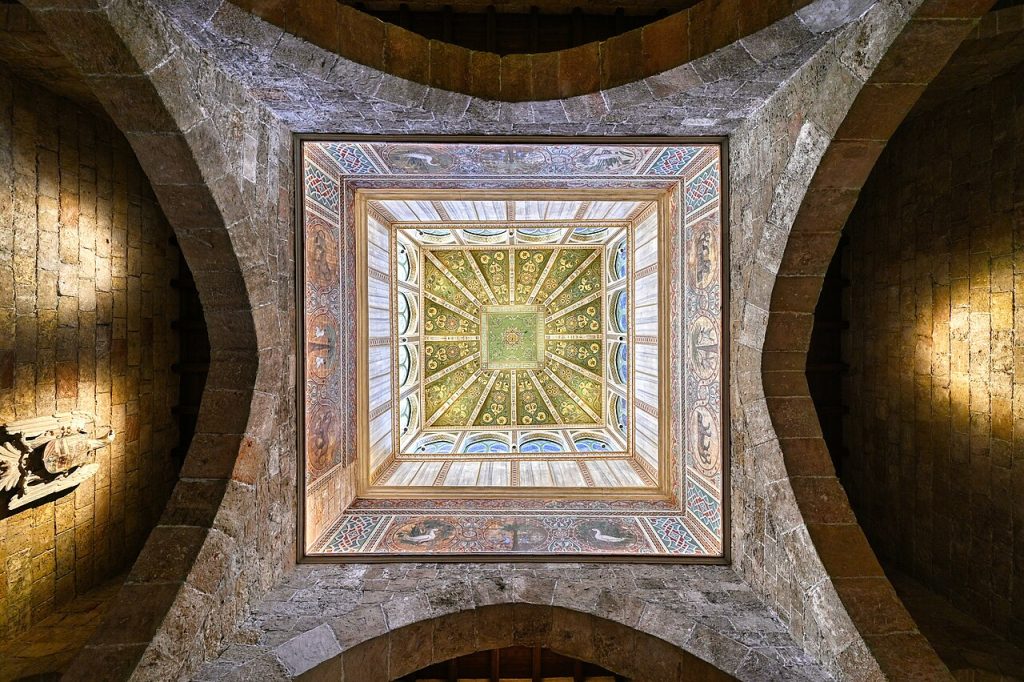
The Cappella Palatina, on the first floor of the palace above the courtyard, was begun by Roger in 1132 and consecrated in 1140, with the mosaics completed over the following decades. It is a small Latin basilica of three aisles on granite columns with a raised sanctuary under a cupola, a plan Norman and Western, and every surface above the marble floor and the inlaid lower walls is covered in gold mosaic: Christ Pantocrator in the cupola and the apse, the angels, the prophets, the Old Testament in the nave, the lives of Peter and Paul in the aisles, the saints everywhere, by craftsmen from Constantinople and their Sicilian pupils. The royal throne stands at the west end on a platform under a mosaic of Christ between Peter and Paul, where Roger sat facing his altar.
The chapel is the most perfect room of the Middle Ages, and the Norman kings knew it: William II built Monreale to outdo it and failed.
The Mosaics and the Painted Ceiling
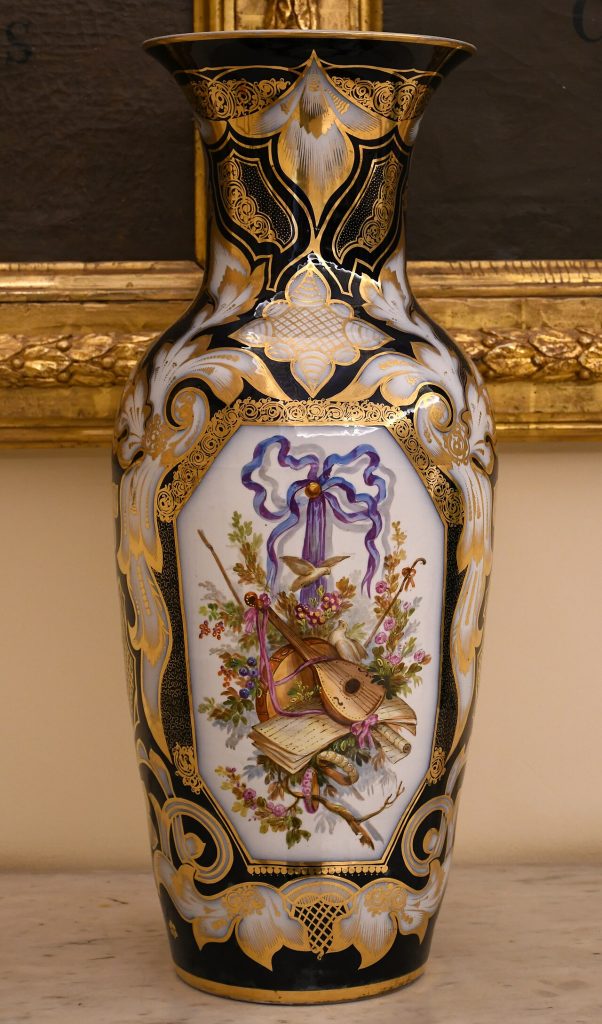
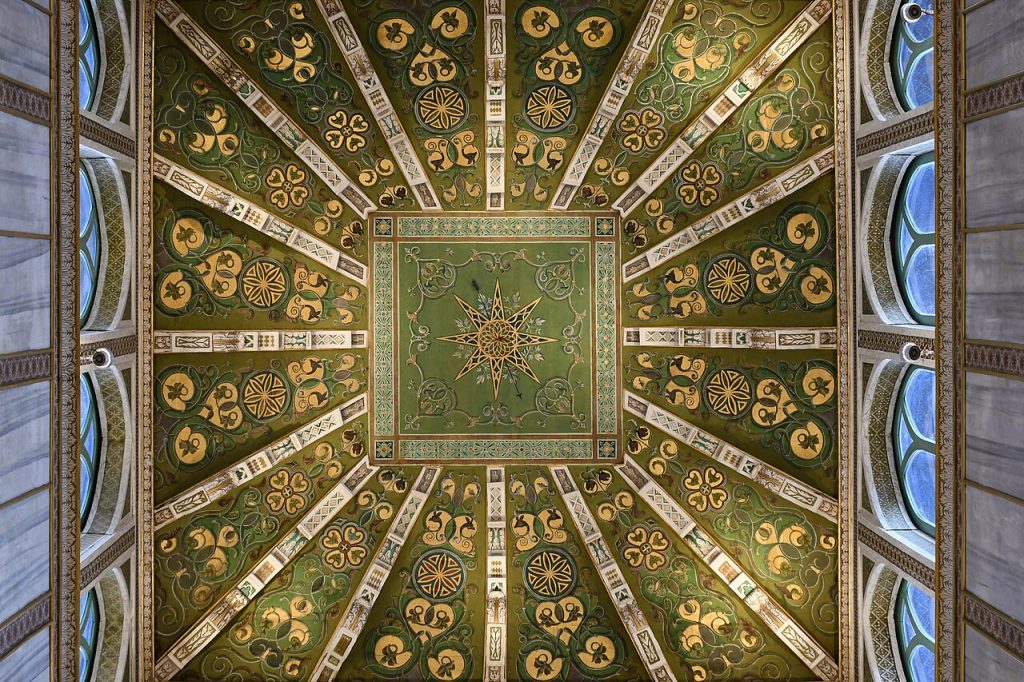
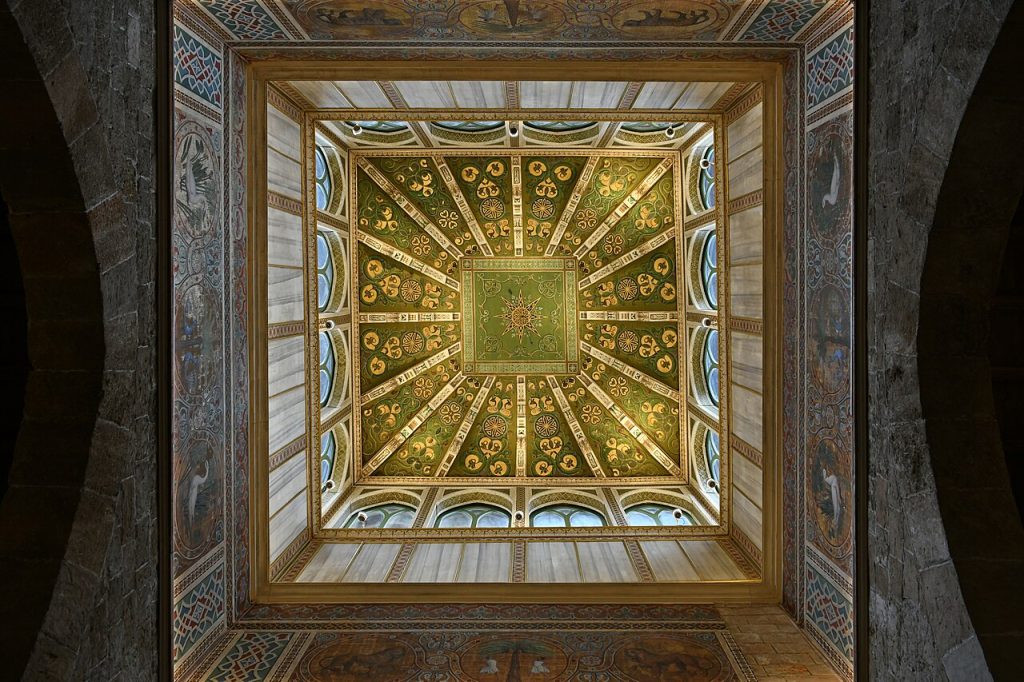
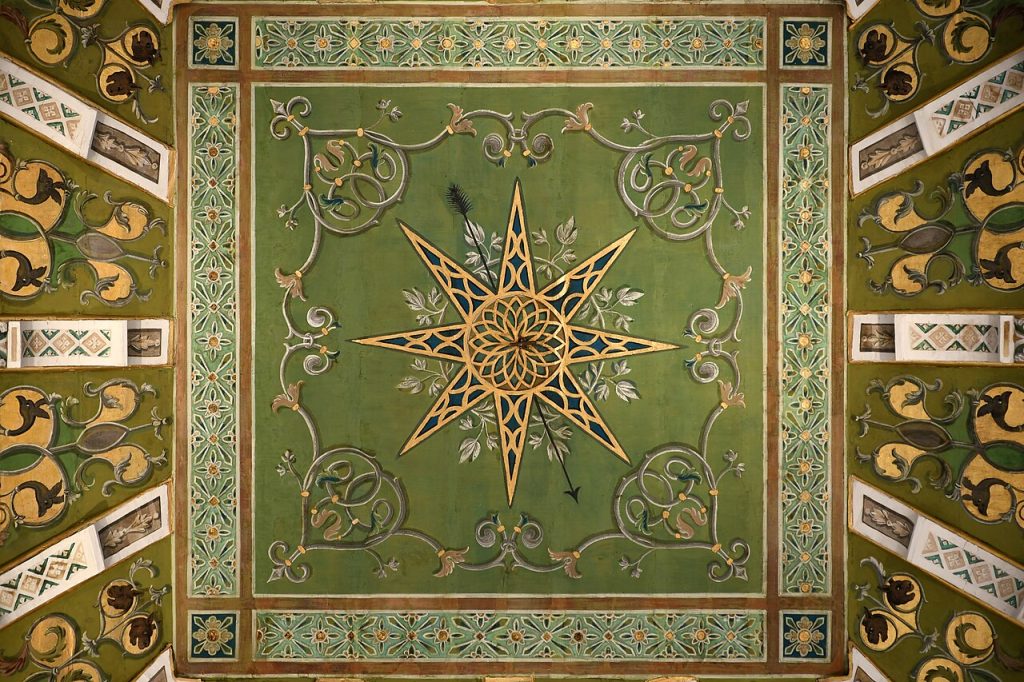
Above the nave’s mosaics the chapel’s ceiling is Islamic: a wooden muqarnas, a honeycomb of stalactite vaults in the manner of Cairo, carved and painted around 1140 by Fatimid craftsmen with hundreds of small scenes of courtly life, dancers, musicians, drinkers, hunters, chess players, animals, birds and Kufic inscriptions wishing the king good fortune, the largest surviving cycle of Islamic painting of its period anywhere and a vision of paradise that is entirely secular. Below it the mosaics are Byzantine, around it the architecture is Latin, and the floor is inlaid in the Cosmatesque manner with Arab geometric patterns; the three cultures do not blend, they coexist, each in its own register, and the room holds them together.
Now, stop here in the middle of the nave and look up from the mosaics of Genesis to the painted ceiling. A Christian king built this, Greek monks designed the pictures and Muslim carpenters the roof, and nobody saw a contradiction.
The Hall of Roger and the Pisan Tower
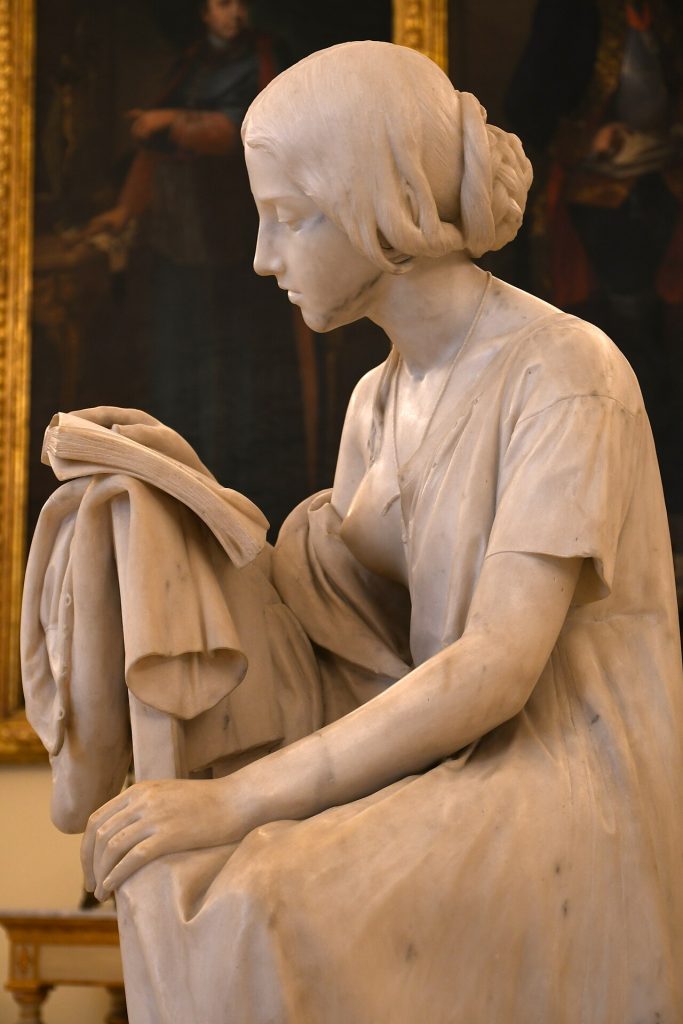
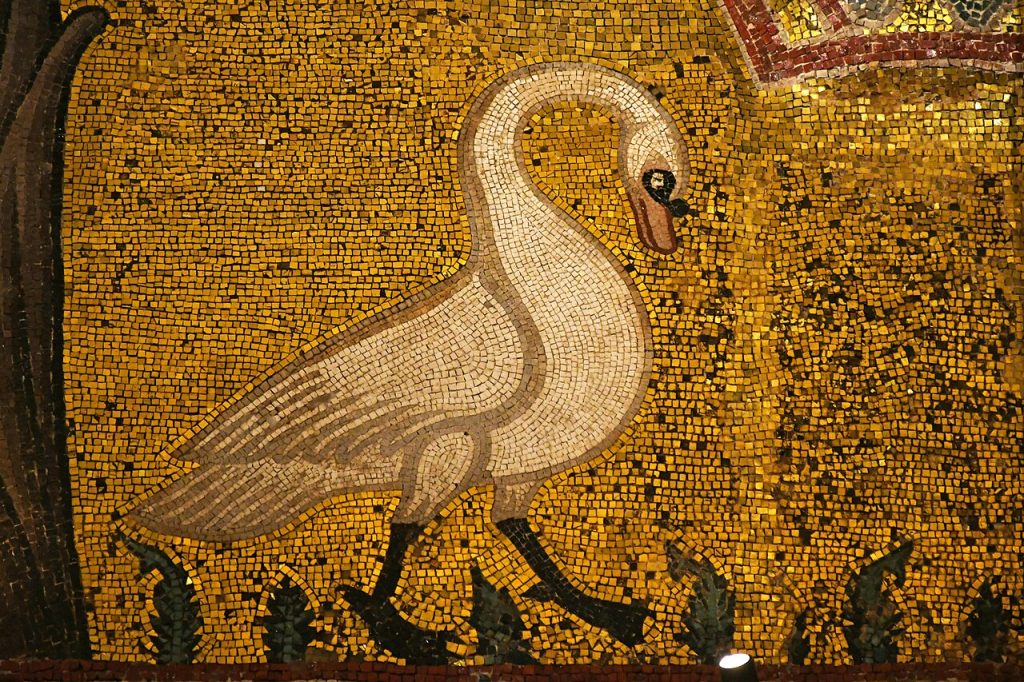
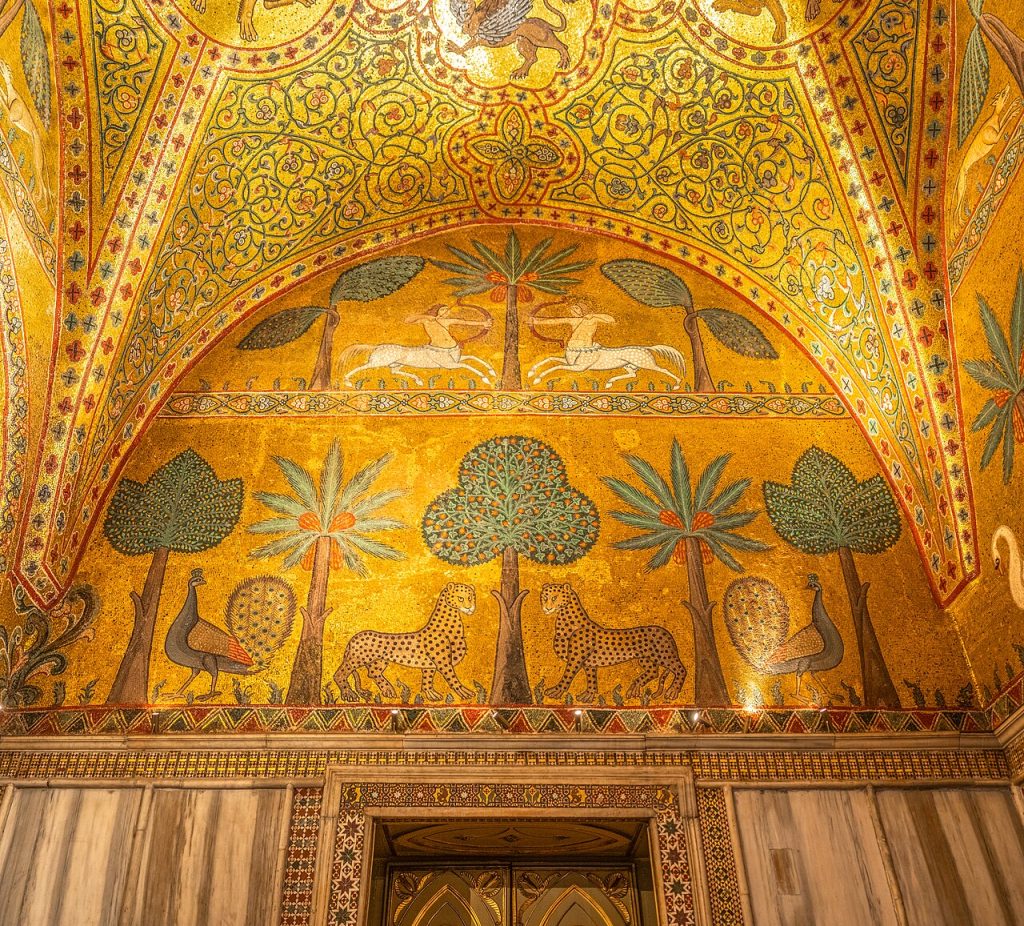
On the second floor, in the Pisan tower, the Sala di Ruggero, the Hall of Roger, is the only surviving secular room of the Norman palace, a small chamber whose walls and vault are covered in mosaics of about 1160 on a gold ground: centaurs, leopards, lions, peacocks, swans, archers hunting deer, palm trees and orange trees in a stylised paradise garden, in the manner of the Fatimid and Byzantine palaces of the age, with no religious subject anywhere. The room was the kings’ private chamber or reception room, and its mosaics are the best evidence of what the rest of the palace’s lost halls looked like. Beside it the Pisan tower’s upper rooms were the royal treasury, and the Sala dei Venti below was the Norman observatory.
The Hall of Roger is now within the parliamentary precinct and is visited only when the assembly is not sitting, which makes it the rarest room on the tour.
Frederick II and the Sicilian School
The Norman line ended in 1194 and the kingdom passed through Roger’s granddaughter Constance to her husband Henry VI of Hohenstaufen and their son Frederick II, born at Jesi, crowned King of Sicily at three in Palermo cathedral and raised in the palace among Arab tutors and Greek clerks, who became Holy Roman Emperor and the wonder of the world. Frederick kept Palermo as his favourite residence, gathered at the palace the poets of the Sicilian School, who wrote the first lyric poetry in an Italian vernacular, his court of astrologers, mathematicians and translators, his menagerie and his falconers, and wrote here his treatise on falconry. He died in 1250 and lies in the cathedral, and the kingdom fell to the Angevins and then, after the revolt of 1282, to the Aragonese.
The Aragonese kings and their viceroys ruled Sicily for five centuries, and the Norman palace, after a long neglect when the court lived elsewhere, became the viceroys’ seat in the sixteenth century.
The Viceroys and the Renaissance Facade
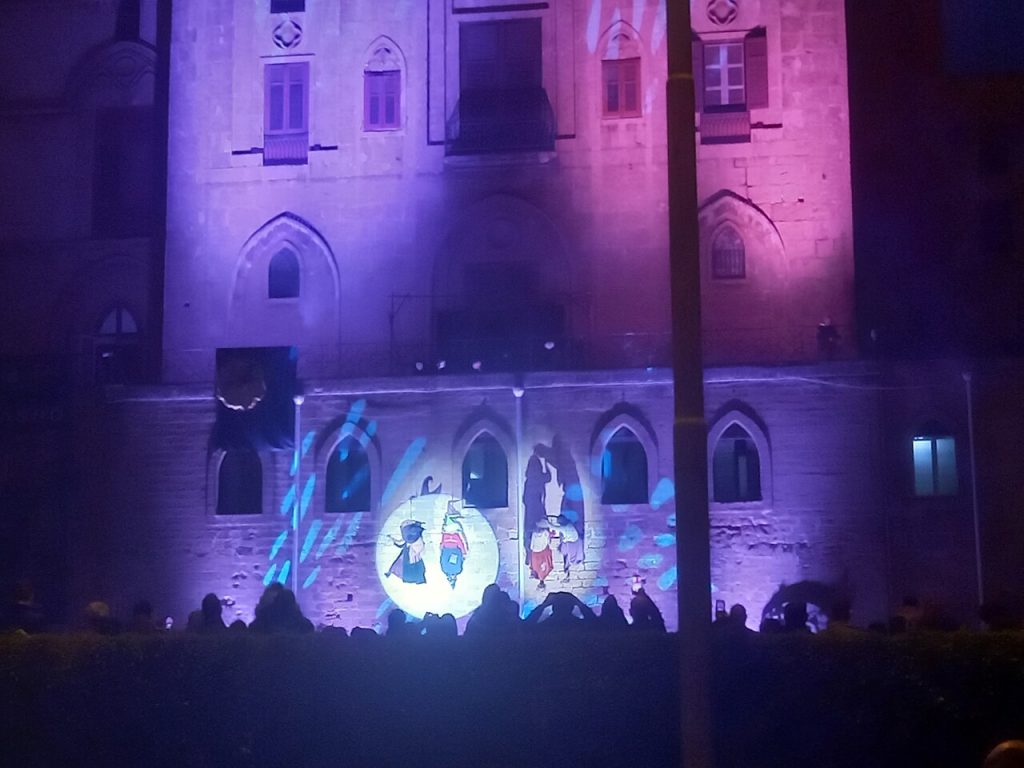
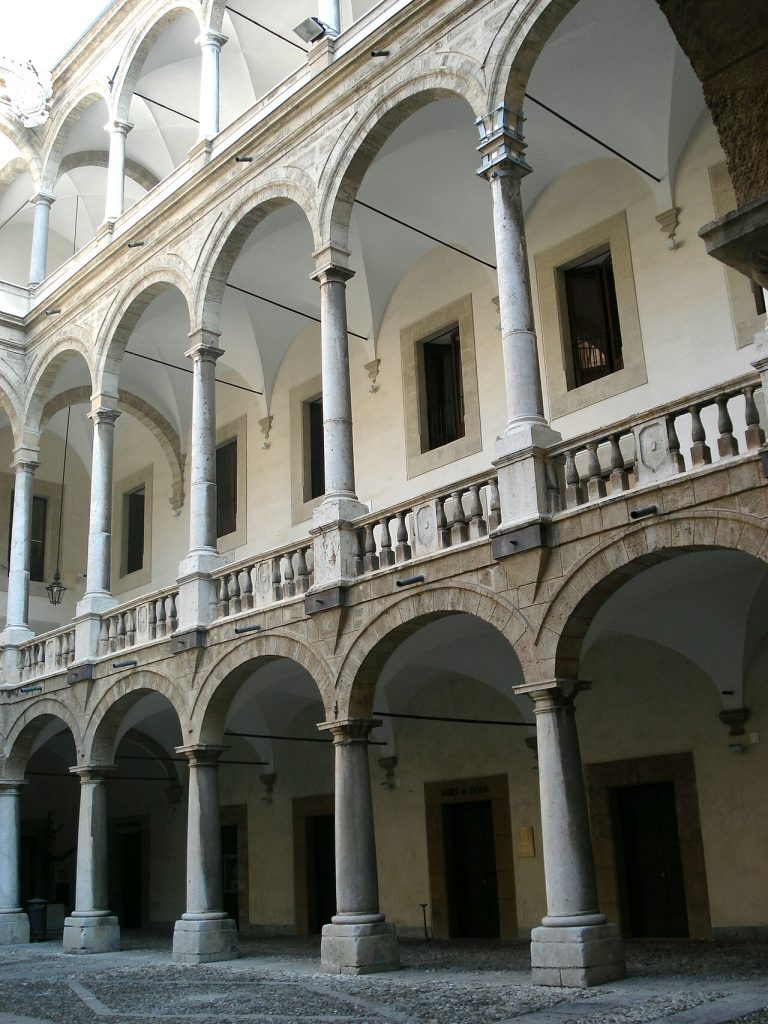
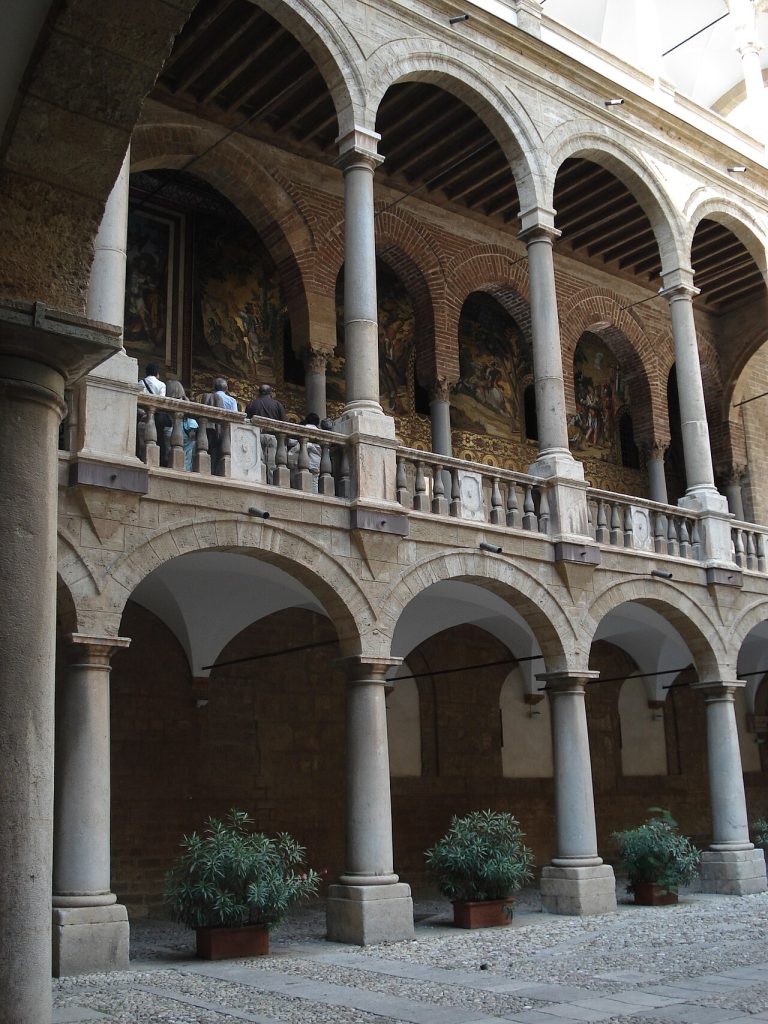
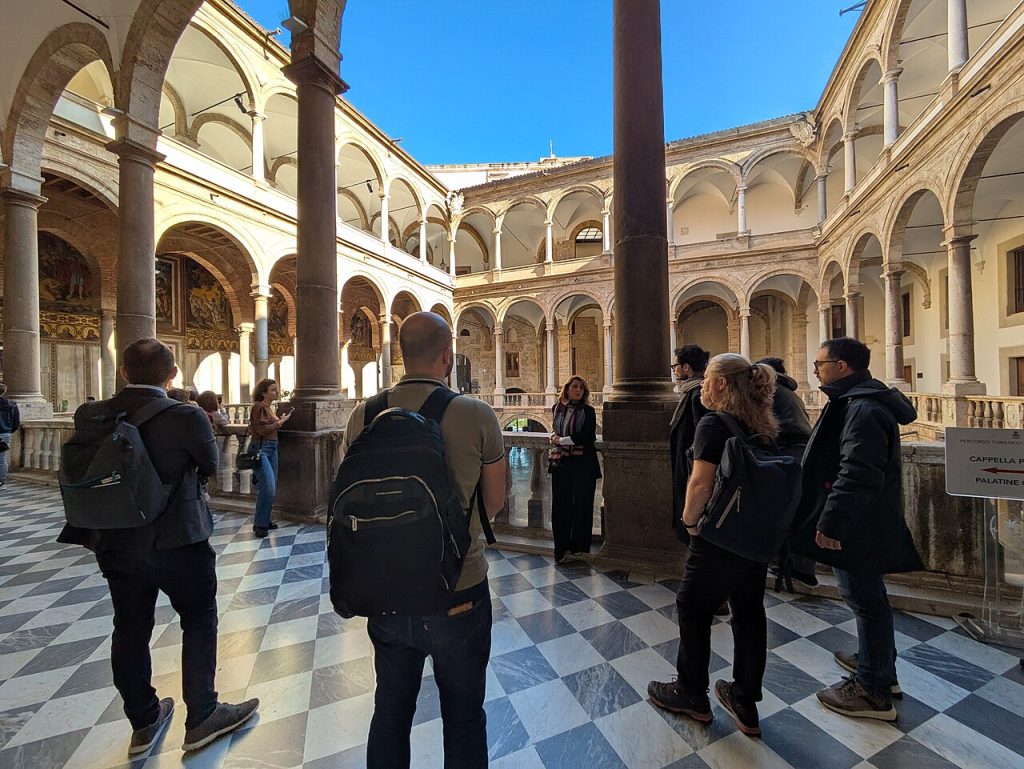
The Spanish viceroys of Sicily moved into the palace in the 1550s and rebuilt it over the next century: the facade on the square, the Maqueda courtyard of 1600 with its three storeys of arcades named for the viceroy who built it, the grand staircase, the viceregal apartments and the Sala d’Ercole, the great hall painted in 1799 with the labours of Hercules, were all Spanish and Bourbon work, and the Norman towers were partly demolished and the chapel enclosed within the new wings. The Bourbons of Naples, who ruled Sicily from 1734, used the palace when they fled the French in 1799 and 1806, and Ferdinand III lived here for years under British protection while Nelson’s fleet lay in the harbour.
The result is a palace of two faces: Spanish Renaissance outside and in the courtyard, Norman in the chapel and the towers, and the visit moves between the two in a few steps.
1947: The Sicilian Parliament Moves In
In 1946 Sicily became an autonomous region of the new Italian Republic, with its own parliament, the Assemblea Regionale Siciliana, the oldest in Italy, and in 1947 the assembly took the palace as its seat and the Sala d’Ercole, with Giuseppe Velasco’s frescoes of Hercules, as its chamber. The ninety deputies sit beneath the Bourbon ceiling, the president of the region has his office in the royal apartments and the palace is, as it has been for eleven hundred years, the place where Sicily is governed. The chapel and the Hall of Roger are open to visitors, but the parliamentary wing closes when the assembly sits, which is why the tour’s content changes from day to day.
The assembly’s presence has kept the palace alive and well maintained, and it has also made it the most political building in Sicily, with all that implies on an island whose politics are never quiet.
The Maqueda Courtyard and the Royal Apartments
The visit enters through the Maqueda courtyard, a Renaissance court of three storeys of arcades built in 1600 by the viceroy Duke of Maqueda, with the chapel’s entrance on the first floor loggia and the staircase to the royal apartments: the Sala dei Viceré with the portraits of the viceroys, the Sala Gialla, the Sala Rossa, the Sala Pompeiana painted in the 1830s in the Pompeian manner for the Bourbons, the Sala Cinese with chinoiserie and the Sala d’Ercole, the apartments of the Bourbon kings and now of the Sicilian presidency, with furniture and paintings from the royal collections. The rooms are shown when the assembly is not sitting, and they are the Bourbon and Spanish layer of a palace whose Norman layer is downstairs.
Look for the portraits of the viceroys, two centuries of Spanish grandees in black, and for the Pompeian room, the Bourbons’ response to the excavations they had sponsored at Naples.
The Observatory and the Discovery of Ceres
On top of the Pisan tower, in a small dome built in 1790 by Ferdinand III’s government, is the Palermo Astronomical Observatory, where on the night of 1 January 1801 the Theatine priest and astronomer Giuseppe Piazzi, searching the sky for a star catalogue, found a moving point of light in Taurus that he tracked for weeks and that proved to be Ceres, the first asteroid ever discovered and now classed as a dwarf planet, which he named for the goddess of Sicily. The observatory, with Piazzi’s instruments and the Ramsden circle he used, is still a research institute and a museum, and its dome, on the Norman tower above the Arab foundations, is the palace’s last layer.
The observatory is visited on separate tours, and from its terrace the view takes in the whole of Palermo, the Conca d’Oro and the sea.
Arab-Norman Palermo and the World Heritage List
In 2015 UNESCO listed Arab-Norman Palermo and the cathedrals of Cefalù and Monreale as a World Heritage site, nine monuments of the Norman kingdom’s twelfth century with the palace and the Palatine Chapel at their head, as the finest example of a culture that united Western, Byzantine and Islamic traditions. The listing brought restoration, a new visitor route and a surge of visitors to a palace that had been, for decades, a working parliament with a chapel attached; the chapel’s mosaics were cleaned between 2005 and 2008, the Hall of Roger restored and the royal apartments opened more regularly. The palace is run by a foundation of the regional assembly, and it receives about half a million visitors a year.
Now, stop here at the chapel door at the end of the visit and look back down the nave to the throne. An Arab emir’s citadel, a Norman king’s chapel, a Spanish viceroy’s palace and a Sicilian parliament’s chamber are one building, and the building has been the seat of whoever ruled this island for eleven hundred years; it is the oldest address of power in Europe, and it is still in use.
Palermo on Video
Visiting the Palazzo dei Normanni Today
The Palazzo dei Normanni and the Cappella Palatina are open daily, with a ticket covering the chapel and the courtyard every day and, from Friday to Monday when the regional assembly is not sitting, the royal apartments and the Hall of Roger as well, so check the calendar and come on those days; timed tickets can be booked online and the chapel is crowded from mid-morning, so arrive at opening. Allow ninety minutes, or two hours with the apartments, and add the observatory tour if it is running. Combine the palace with the cathedral five minutes down the Cassaro, with San Giovanni degli Eremiti and its red domes behind the palace and with Monreale, twenty minutes away by bus, for the Normans’ other great chapel.
The palace is at the top of the Cassaro beside the Porta Nuova, fifteen minutes’ walk from the Quattro Canti or a short bus ride from the station; Palermo is an hour’s flight or an overnight ferry from Naples. Here is the exact spot: Palazzo dei Normanni on Google Maps.
Palaces Nearby
You May Like
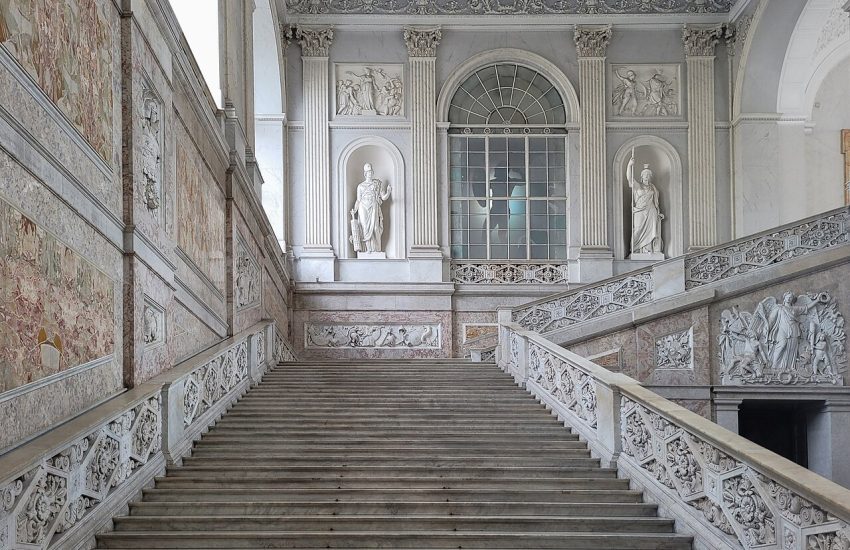
The Royal Palace of Naples and the Eight Kings on the Facade