Between the Nile and the Red Sea runs a country of arid hills whose people have watched empires pass for four thousand years. The Beja, camel breeders the pharaohs hired as scouts and Rome knew as raiders, broke a British square at Tamai, kept their Cushitic tongue against Arabic’s tide, and still settle their affairs by customary law at the coffee hearth, the oldest continuous inhabitants of Africa’s oldest trade road.
This portrait follows the people of the Red Sea Hills: the Medjay and Blemmyes of the ancient files, To Bedawie and its herding precision, the clan confederations and their salif law, Sufi Islam over older springs, the sword dance and the jabana hour, Suakin’s coral houses, and the modern east’s long petition to Khartoum for its share.
Contents
- Four Thousand Years Between Nile and Sea
- Blemmyes, Fuzzy-Wuzzy, Beja, the Names Others Gave
- To Bedawie, a Cushitic Tongue of the Hills
- The Red Sea Hills and Their Hidden Wells
- Camel Breeders of the Ancient Roads
- Clans, Councils, and the Law of the Hills
- Sufi Islam over Older Springs
- Swords, Shields, and the Camel Dance
- Leather, Silver, and the Herder’s Toolkit
- Milk, Sorghum, and the Jabana Hour
- Mulids, Markets, and Racing Seasons
- From Rome’s Frontier to Omdurman’s Squares
- Marginal No Longer by Consent
Four Thousand Years Between Nile and Sea
The Beja have herded the hills between the Nile and the Red Sea for at least four thousand years: Egyptian records fought and traded with them as the Medjay, prized desert police of the pharaohs, and classical authors knew their ancestors as the Blemmyes, raiders formidable enough to trouble Rome’s Egyptian frontier for centuries.
They are Cushites, speakers of an Afro-Asiatic lineage distinct from both Egypt’s and Nubia’s, and their continuity in place matches their neighbors’: the same wells, the same wadis, the same camel roads, held through every empire that claimed the map around them.
The medieval Beja ran the gold and emerald mines of the desert and taxed the pilgrim roads to the Red Sea ports, their chiefdoms treating with Christian Nubia and Islamic Egypt as the terrain’s acknowledged owners.
Arab lineages married in from the ninth century, bringing Islam and genealogies, and the Beja absorbed them as they absorbed everything, into the clans, the language, and the hills’ unhurried arithmetic.
Archaeology backs the deep file: pan-grave cemeteries of the Medjay era line the desert edge with their leather kilts and cattle skulls, and the medieval accounts of Aydhab’s boom years show the Beja running the port services of a Red Sea trade that reached Canton, middlemen of a globalization before the word.

Blemmyes, Fuzzy-Wuzzy, Beja, the Names Others Gave
Beja is the name history settled on, used by Arab geographers for a thousand years; the people speak of themselves by their great confederations, Hadendowa, Amarar, Bisharin, Ababda, and the Beni Amer along the Eritrean marches.
Antiquity called them Blemmyes and drew them fabulous; the pharaohs’ scribes wrote Medjay until the word came to mean policeman itself, the ethnic name becoming a job title across Egypt, a curious immortality.
Empire gave them their most backhanded honorific: Kipling’s Fuzzy-Wuzzy, for the tiffa crown of hair, saluted the Hadendowa as the only foe to break a British square, praise the Beja accept with the dry note that they had not sought the compliment.
The names’ common thread is other people’s fear or need; in To Bedawie the self-description is simpler, the people of the hills, and the hills have never required them to elaborate.
To Bedawie, a Cushitic Tongue of the Hills
To Bedawie, the Beja language, is the northernmost Cushitic tongue and by most classifications a branch of its own within that family, as distinct from its Cushitic cousins in the Horn as it is from Arabic and Nubian beside it, the linguistic signature of the hills’ long separateness.
It is a language of herding precision, camel colors, gaits, and ages each with their word, wells and wadis named in chains a guide can recite for a week’s journey, and a poetic tradition of compressed, allusive verse judged at the coffee hearth.
Most Beja men carry Arabic as the market’s second language, and Tigre serves the Beni Amer south; To Bedawie itself remains overwhelmingly oral, written only in scholars’ transcriptions and recent alphabet projects, its transmission resting on the tent and the herding camp.
Radio Port Sudan’s Beja hours, cassette poets, and the diaspora’s channels now carry the language beyond the hills, and the community’s teachers press for it in schools, the oldest voice on the Red Sea road asking, politely, for a desk.
Linguists count To Bedawie precious twice over, for its own archaisms and for its testimony to the Cushitic family’s northern reach, and the language’s oral poetry archives, some now recorded across three generations of the same hearths, are among the fullest for any African pastoral tradition.

The Red Sea Hills and Their Hidden Wells
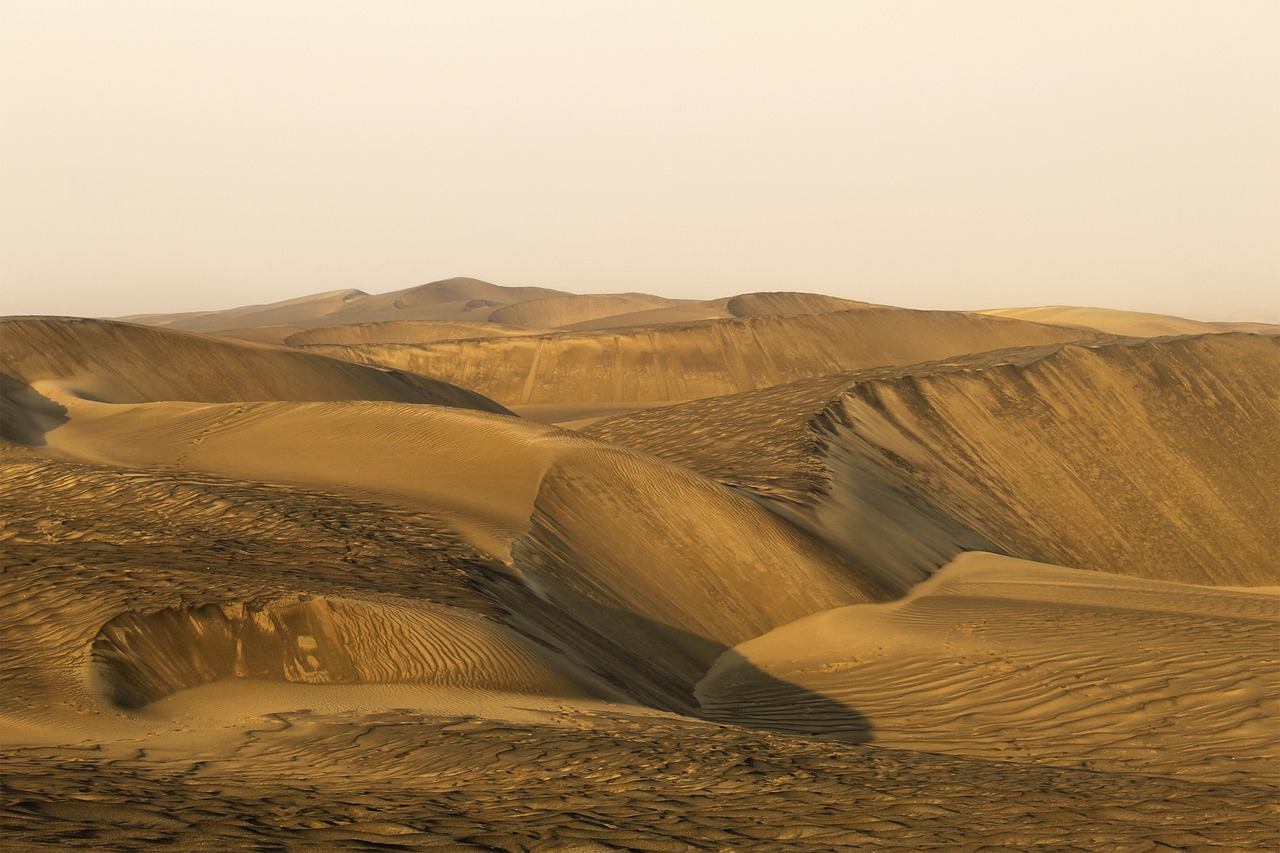
The Beja country is the Red Sea Hills: a spine of arid mountains and wadis running from Egypt’s south through Sudan to Eritrea’s border, between the Nile valley’s green and the coral coast, crossed by the roads that carried Egypt’s gold, Mecca’s pilgrims, and Sudan’s trade.
Rain comes in brief winter showers on the coast and summer bursts inland, and the homeland’s true map is of water: named wells, hand-dug and clan-owned, rock pools in the granite, and the wadi beds where grass follows a storm within days.
The port cities stud the coast, ancient Aydhab and Suakin of the coral houses, then Port Sudan, built by the British and now the Beja world’s urban center, its dockworkers and market men the hills’ cash economy.
Drought and famine punctuate the country’s ledger, the 1980s crisis drove whole clans to the towns’ edges, and the Tokar delta’s flood farms and the coastal fisheries mark the homeland’s softer margins, insurance against the hills’ hard years.
Suakin’s decline is the coast’s parable: the coral city that shipped pilgrims for six centuries lost its trade to Port Sudan’s cranes in a generation, and its carved balconies fell into the lagoon; the restoration now underway employs Beja hands on their own monument, history hired back.

Camel Breeders of the Ancient Roads
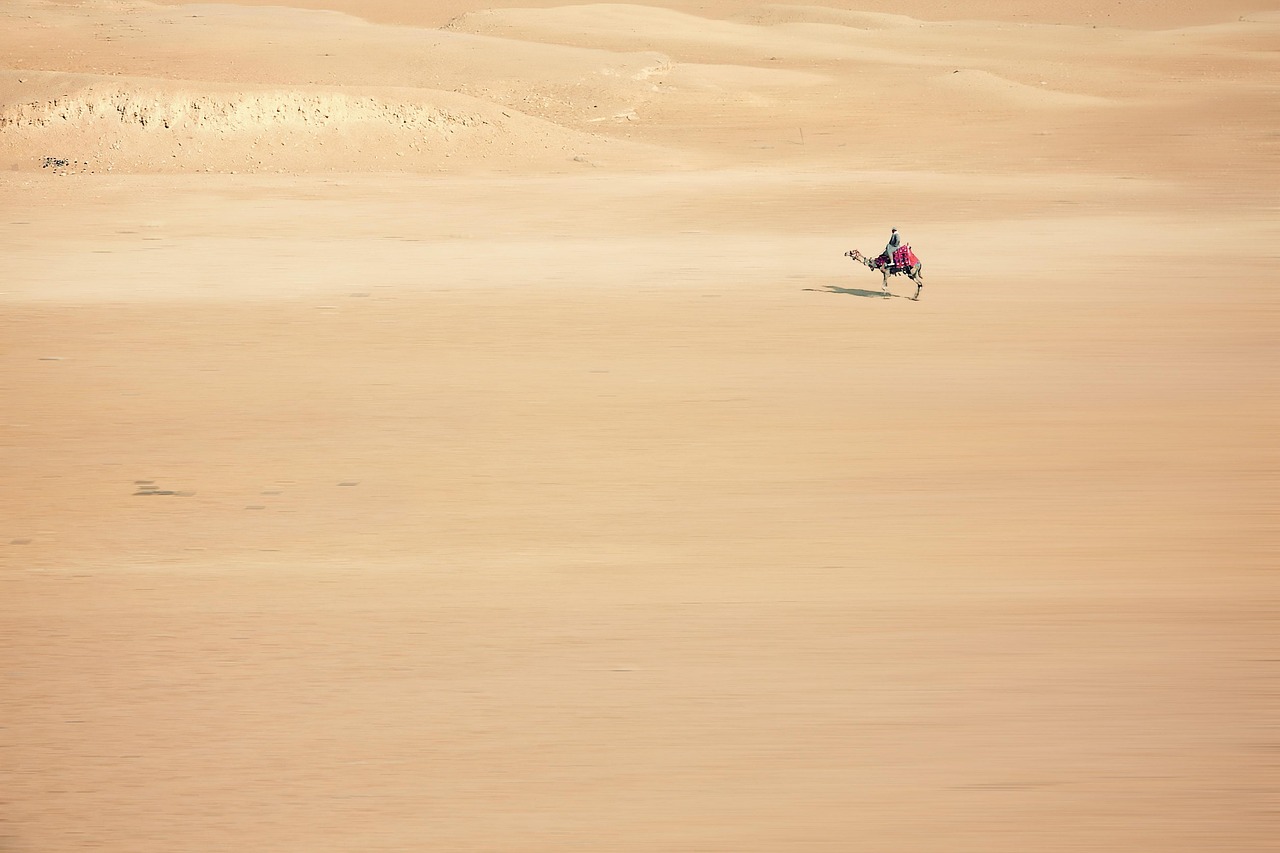
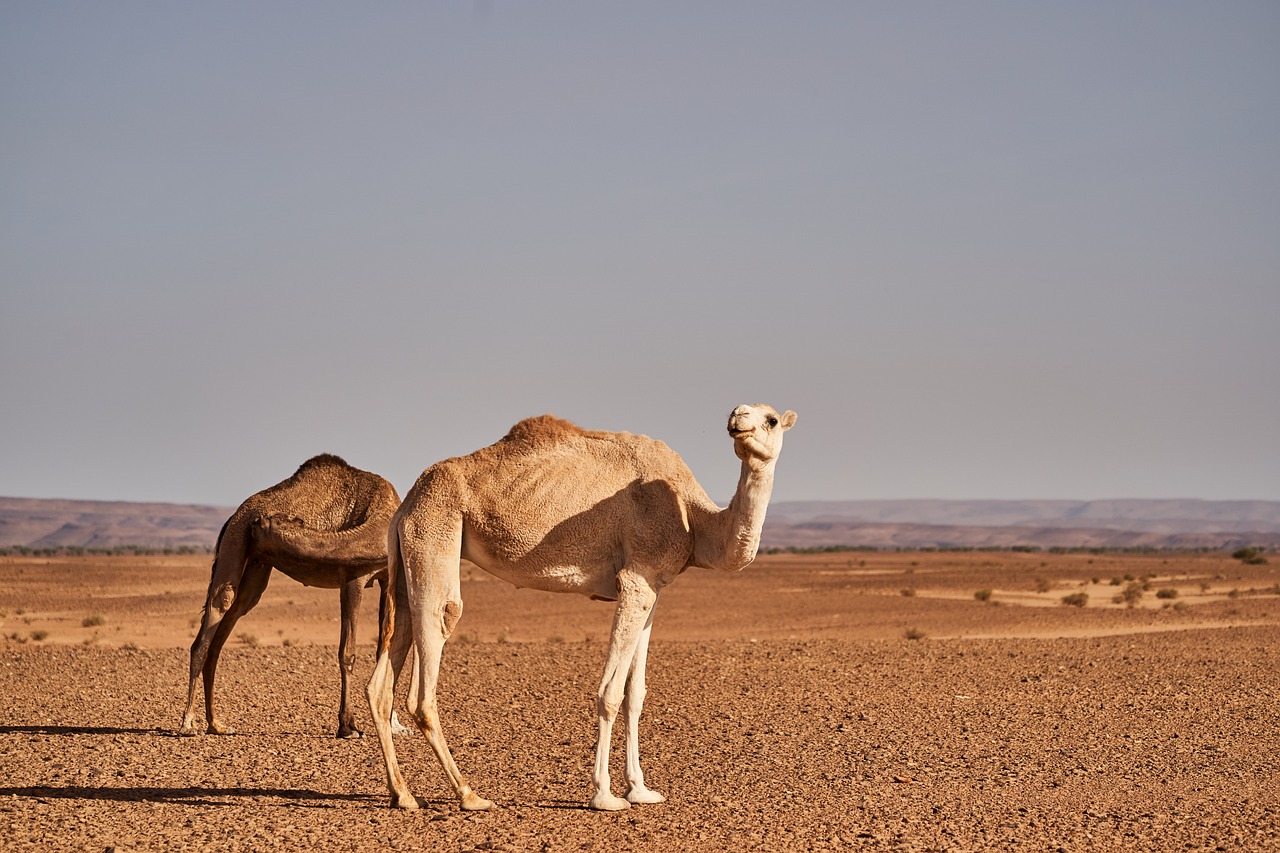
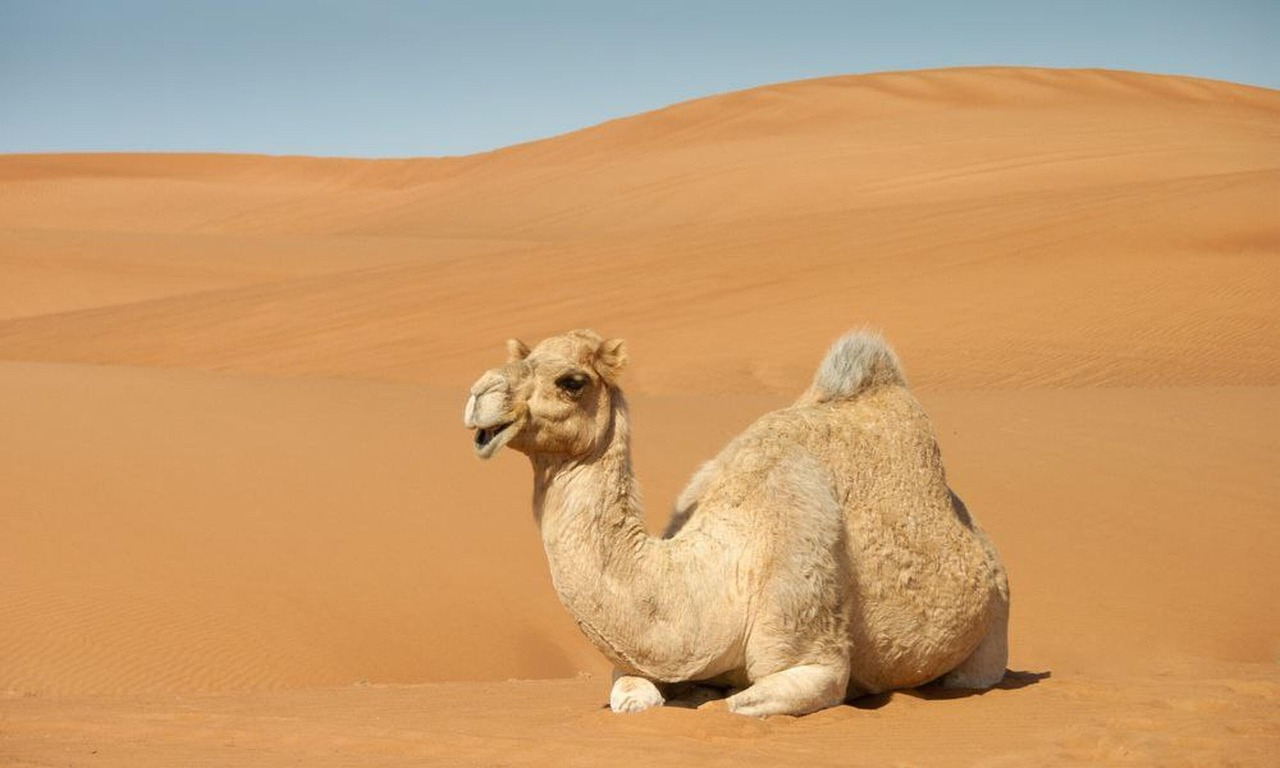
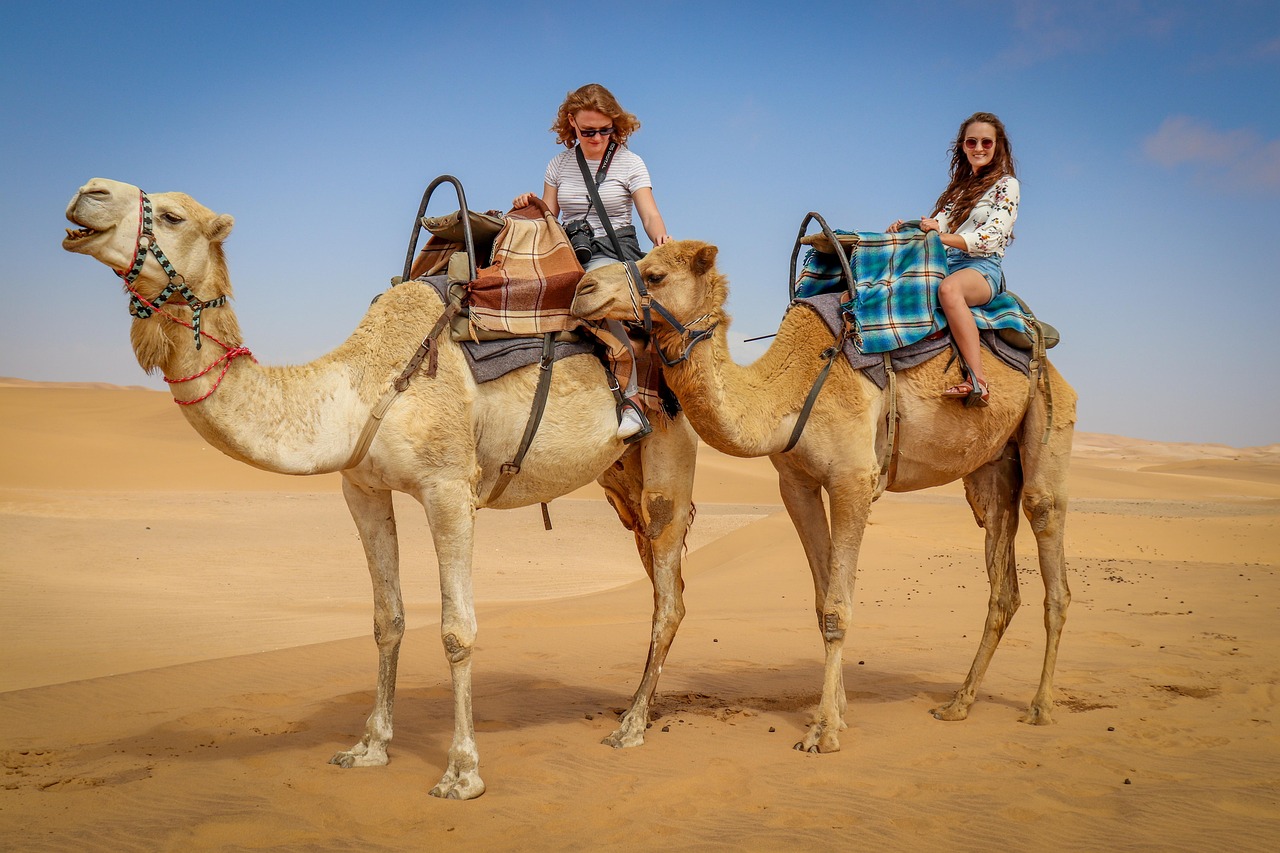
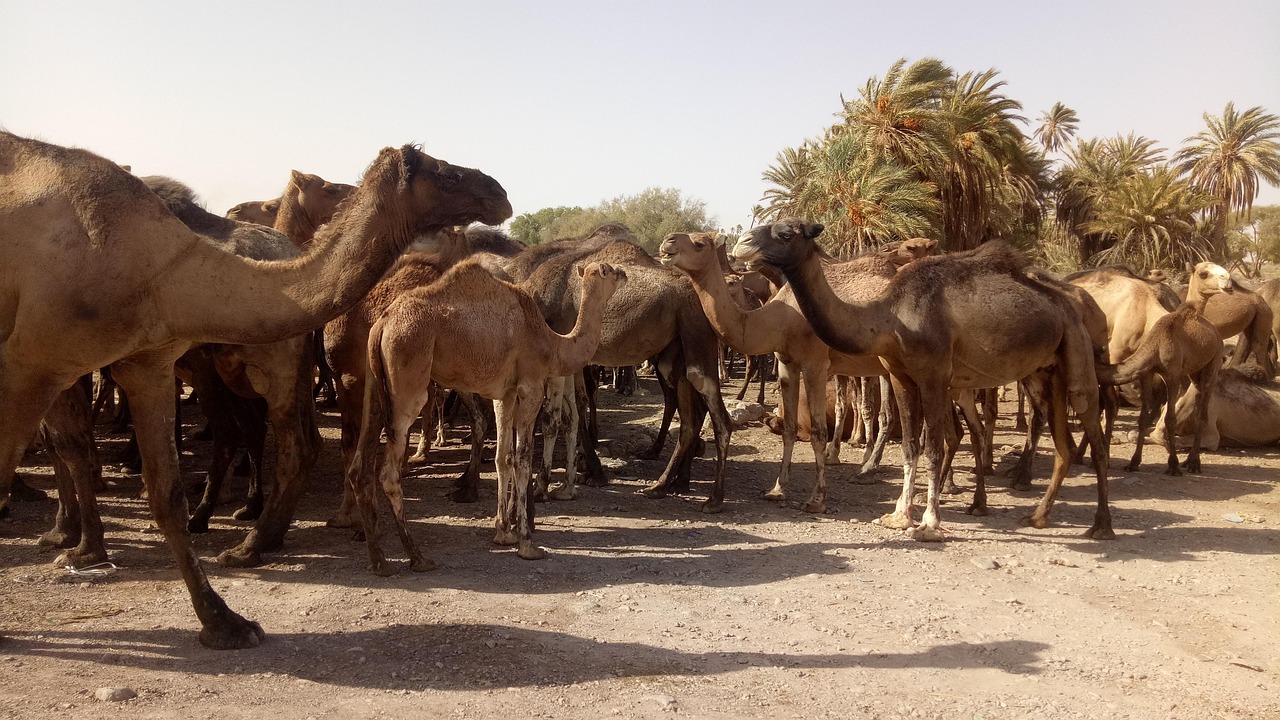
The Beja bred the finest riding camels of the eastern deserts, the Bisharin mount a byword from Cairo to Mecca, and their old economy ran on the herds’ cycle: camels for wealth, transport, and bridewealth, goats and sheep for the pot, moved between the hills’ pastures on a calendar written in rainfall.
The caravan roads paid tribute: Beja guides and guards moved the gold of the medieval mines, the pilgrims from the Nile to Aydhab and Suakin, and the coffee and cloth of the Red Sea trade, the hills’ toll system older than any customs house.
Camps followed the wells, houses of matting and crooked acacia beams packed on camels, and the tent’s right side was the wife’s with her loom and grinding stone, the household’s mobile architecture divided by ancient rule.
Raid and feud were the old politics, settled by council and blood-price, and the sword and hide shield hung by every tent, the martial habit that Rome’s frontier and Britain’s squares would each discover in turn.
The wells were the old law’s deepest schools: digging rights, watering orders, and drought-year shares codified in precedent recited like case law, and a well dispute could convene councils from three confederations, the hills’ supreme court sitting under thorn trees.
Clans, Councils, and the Law of the Hills
Beja society is the clan pyramid: households in herding camps, camps in lineages, lineages in the great confederations, Hadendowa, Amarar, Bisharin, Beni Amer, each with its nazir and its recognized range, a political geography the modern state adopted more than replaced.
Salif, the customary law, governs the essentials: wells and pasture rights, blood compensation counted in camels, marriage exchanges, and the honor code, and its councils of elders under the thorn trees settle what the courts in Port Sudan never hear.
Honor’s grammar is reserve: the Beja are famously sparing of speech, slow to ask and slower to beg, and the etiquette of the coffee hearth, who is served, who speaks, what may not be asked, carries the society’s constitution in miniature.
Women hold the tent and its wealth, milk rights and the loom, and move the household’s opinion through channels the councils formally lack; the veil sits lighter in the hills than on the river, the distances doing the chaperoning.
The confederations’ history of absorbing newcomers, Arab lineages, Nubian traders, Tigre-speaking clans, without losing shape is the society’s quiet skill; the pyramid’s stones change and the pyramid does not, which is how a people outlasts its empires.
Sufi Islam over Older Springs
The Beja are Sunni Muslims of Sufi temper: the Khatmiyya order, seated at Kassala’s mountain-foot mosque, holds the hills’ oldest allegiance, its Mirghani sheikhs consulted like weather, and the smaller orders’ domed tombs stud the wadis as pilgrimage points.
Islam arrived with the Arab miners and traders of the ninth century and settled slowly; the hills took the faith and kept their counsel, and the old strata show at the edges, spirits of wells and trees given wide berth, the zar’s drums at the towns’ fringe, and rain prayers whose choreography predates their vocabulary.
The mulids of the sheikhs are the religious calendar’s peaks, camps converging for recitation, markets, and racing, devotion and economy sharing the same dust.
The Mahdi’s revolution swept the hills into its armies in the 1880s, Osman Digna’s Hadendowa fighting the faith’s war at Suakin and Tofrek; the memory sits in the confederations’ ledgers beside every other campaign the hills have outlasted.
Khatmiyya allegiance has politics folded in: the order’s Mirghani family led one of Sudan’s great parties, and the hills’ votes have moved with the sheikhs’ nod for a century, the tomb and the ballot box sharing a constituency.

Swords, Shields, and the Camel Dance
The Beja man’s regalia is edged: the straight cross-hilted sword, the curved dagger at the elbow, and the hide shield, worn at weddings and dances as dress, not costume, and the tiffa hair crown dressed with mutton fat remains the look Kipling’s soldiers wrote home about.
The sword dance answers the drums at every celebration, blades flashed in leaps the elders grade severely, and the camel dance parades the best mounts caparisoned while the poets improvise their pedigrees.
Marriage runs by exchange and residence: bridewealth in camels, the groom’s year beside his in-laws, and the new tent raised by the women in a day of song, the household’s founding recorded in matting and rope.
Poetry is the portable art, praise, elegy, and the barbed couplet that settles arguments; a Beja gathering ends with verse the way others end with applause, and the best lines ride the cassette decks from Port Sudan to the Gulf.
The camel races have professionalized at the margins, Gulf buyers scouting the Bisharin lines, prize money in the mulid programs, and the confederations debate the trade’s ethics at the hearths: the herd as heritage against the herd as export.
Leather, Silver, and the Herder’s Toolkit
Beja craft is the herder’s kit perfected: saddles and saddlebags of tooled leather, milk vessels of woven fiber waterproofed with smoke, rope and matting from palm and grass, the tent itself a woven architecture struck and raised in hours.
The swordsmiths and silverworkers of Suakin and Kassala supplied the regalia, cross-hilted blades on medieval patterns, silver-bound daggers, and the women’s jewelry of coins and crescents that banks a household’s surplus on its wrists.
Women’s looms produce the tent’s striped panels and the rugs of the coffee circle, and the basketry of the Tokar delta, tight enough for grain and milk, fills the market stalls beside the leather.
The old ports left their mark: Suakin’s coral-block houses with carved teak balconies, the Red Sea’s Ottoman-Indian style, are the region’s architectural treasure, ruined and now under slow restoration, Beja masons relearning their grandfathers’ joints.
Museum ethnographers collected the swords and silver a century ago; the smiths’ descendants now fill commissions from collectors and film sets, and a Kassala workshop’s order book runs from wedding daggers to museum replicas, the craft solvent if no longer sovereign.
Milk, Sorghum, and the Jabana Hour
The hills eat from the herd and the grain sack: camel and goat milk fresh, soured, or churned, sorghum as porridge and the thin kisra crepes, and meat at feasts, slaughtered by the rules and divided by the clan lists.
The signature dish is gurasa with mulah stews and the coast’s fish grilled on coral hearths; dates, honey from the wadi hives, and the ubiquitous red tea carry the sweet register.
The jabana coffee ceremony is the culture’s parliament hour: green beans roasted on charcoal, pounded, brewed with ginger in the round clay pot, and poured in thimble cups through three rounds of talk, no business concluded before the second.
Famine years taught the cuisine its reserves, milk dried, meat jerked, grain pitted, and the modern town table of bread and beans keeps the hills’ austerity even where the wells are taps.
The jabana’s etiquette carries into the cities intact: Port Sudan’s dock crews keep the charcoal and pots at the wharf edge, and a foreman who skips the second round before assignments is understood to be making a statement.

Mulids, Markets, and Racing Seasons
The mulid seasons gather the hills: the Khatmiyya’s commemorations at Kassala and the sheikhs’ days across the wadis bring the camps in for recitation, markets, and the races, the year’s social clearing-house under the banners.
The Eids are kept camp and city both, prayer grounds on the open gravel, camels slaughtered by the shares, and the visiting circuits driven between Port Sudan’s districts and the hill wells.
Weddings run days and kilometers, sword dances, camel parades, and the poets in relay, and the racing that attends every gathering is the confederations’ sport and stock exchange at once, a winning camel’s price and pedigree discussed for a season.
The towns added their dates, independence days and harvest fairs at Tokar and Gash, and the Beja attend on their own terms, swords worn, coffee pots packed, the hills’ etiquette portable to any calendar.
The races’ finish lines double as the marriage market’s opening bell, families noting form in mounts and riders alike, and the poets’ after-race sessions grade the day’s performances in couplets remembered longer than the results.
From Rome’s Frontier to Omdurman’s Squares
The Beja file in the world’s archives is long and armed: Medjay scouts in pharaoh’s deserts, Blemmyes raiding Roman Egypt and treating with its prefects, the medieval chiefdoms taxing gold and pilgrims, and the Ottoman centuries watching from Suakin’s coral walls.
The 1880s made them briefly world-famous: Osman Digna’s Hadendowa spearmen broke a British square at Tamai in 1884, held the Suakin campaigns to a costly draw, and entered imperial verse as the honored enemy; the confederations paid in famine and herds for the Mahdiyya’s wars.
The twentieth century marginalized what it could not conquer: railways and cotton schemes took the best-watered land, Port Sudan’s docks hired the clans as labor, and the independence-era Beja Congress, founded in 1958, began the long petition for the east’s share of Sudan’s accounts.
Armed fronts joined the petitions in the 1990s and 2000s, the Eastern Front’s peace deal in 2006 promising development funds the hills say never fully arrived; the file remains open, and the Beja remain, as ever, patient and armed with better memory than their negotiating partners.
Osman Digna himself is the file’s emblem: Suakin merchant turned Mahdist emir, undefeated in the hills for fifteen years, captured at last in 1900 and imprisoned till old age, his name still given to boys and to Port Sudan’s streets, the state honoring the man the state fought.
Marginal No Longer by Consent
The Beja number perhaps two to three million, most in Sudan’s Red Sea, Kassala, and Gedaref states, with the Ababda in Egypt’s south and the Beni Amer across the Eritrean line; Port Sudan is their metropolis, and the Gulf’s docks and camel stables employ a working diaspora.
Sudan’s convulsions run through the hills: Beja sit-ins closed Port Sudan’s harbor in 2021 over the east’s neglected share, and the civil war since 2023 has made the city Sudan’s fallback capital and the region a refuge and a pressure point at once, the confederations’ councils again negotiating with a state in pieces.
Drought, mechanized farming on the wadis, and the ports’ hunger for land press the herding base, and Beja associations answer with schools, To Bedawie literacy drives, and a young generation arguing the hills’ case online in three languages.
Four millennia after the Medjay took pharaoh’s wages, the Beja still hold the country between the river and the sea: the coffee still pounds at dusk, the swords still come out at weddings, and the hills’ people still answer history’s couriers as they always have, in their own time.
Egypt’s Ababda meanwhile ride a small tourism economy of desert safaris and jabana camps along the Marsa Alam coast, the herding knowledge retailed as experience, and the border’s clans visit across a line their camels have never once acknowledged.
Related Peoples of the Region
- Long Before the Arabs Came, North Africa Belonged to the Amazigh
- Tuareg of the Central Sahara and Their Veiled Nation of the Free
- Copts of the Nile Valley and Their Unbroken Line from the Pharaohs
- Nubians of the Middle Nile and Their Kingdoms Older Than the Lake