In the central highlands of Guatemala, within sight of the volcanoes that ring Lake Atitlán and close to the valley where the Spanish would build their first colonial capital, lives a Maya people whose history turns on a fateful choice. The Kaqchikel, rivals of the K’iche’ and rulers of their own mountain kingdom, allied themselves with the invaders against their old enemies, only to rebel when the true cost of that alliance became clear. Their story is one of ambition, betrayal, and endurance, told partly in their own words.
Closely related to the K’iche’ yet fiercely distinct, the Kaqchikel governed from the fortified city of Iximche and left behind one of the great Indigenous chronicles of the conquest. This is an account of who they are: their rise as a highland nation, their language and homeland, the shape of their old society, their beliefs and festivals, the upheavals of colonial rule, and the prominent place they hold in the life of modern Guatemala.
Contents
- Rise of a Highland Maya Nation
- The Story Held in the Name
- A Language Close to Its Rivals
- Valleys, Volcanoes, and a Sacred Lake
- The Kingdom Ruled from Iximche
- Towns, Lineages, and Shared Duty
- Saints, Mountains, and the Old Calendar
- Woven Cloth and Living Custom
- Skilled Work in the Highland Towns
- Maize and the Highland Table
- Fiestas, Marimba, and the Ritual Year
- Alliance, Betrayal, and the Long Colonial Night
- The Kaqchikel in a Changing Country
Rise of a Highland Maya Nation
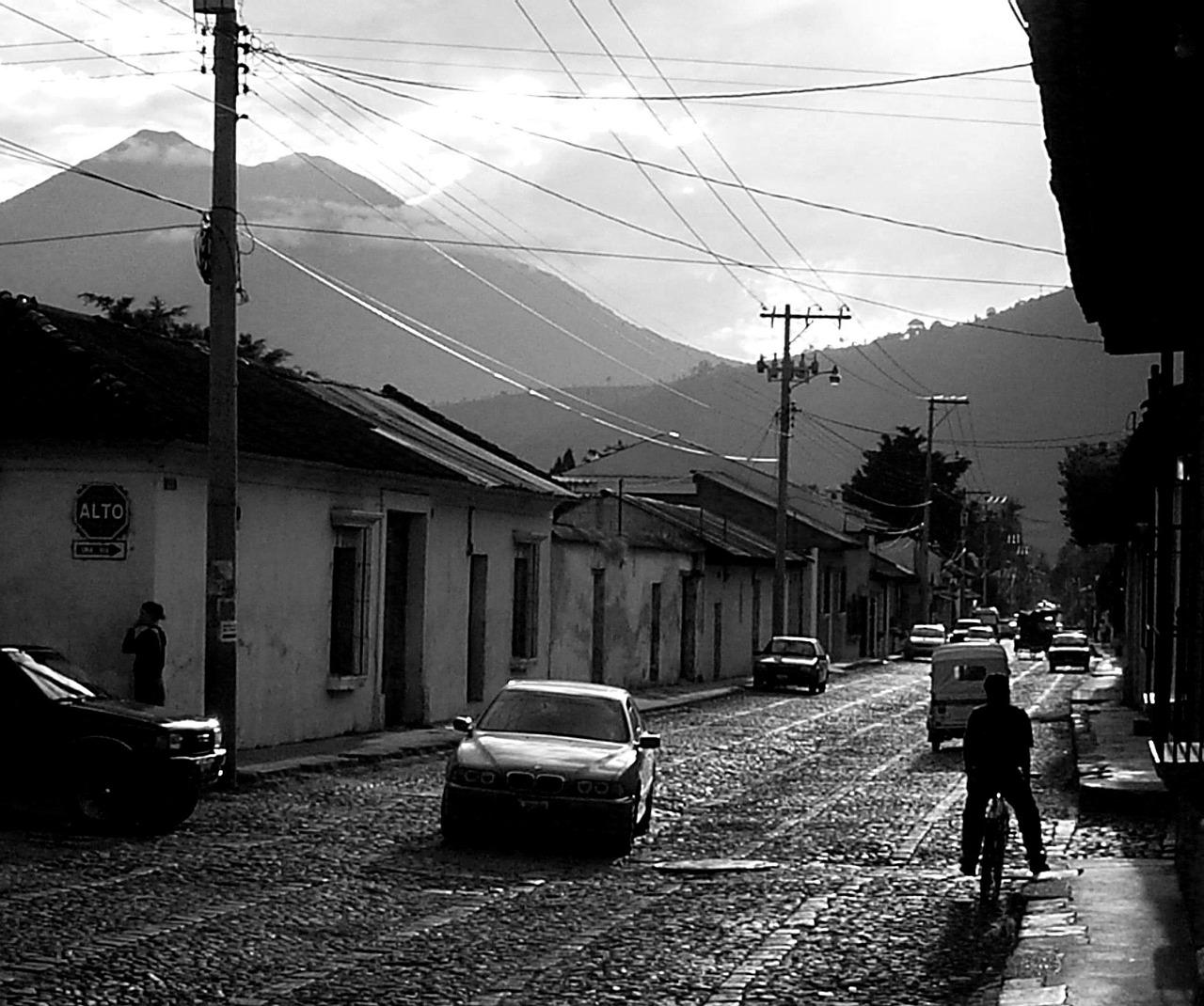
The Kaqchikel are one of the major Maya peoples of Guatemala, long settled in the central highlands to the east of Lake Atitlán and around the fertile valleys where the colonial city of Antigua would later rise. Their country of pine-covered ridges, volcanic slopes, and temperate valleys sits at the heart of the Guatemalan highlands, a landscape well suited to farming and to the dense network of towns that has always characterized Kaqchikel life.
Their emergence as a distinct nation belongs to the same turbulent Postclassic centuries that produced their neighbors and rivals. According to traditions the Kaqchikel themselves recorded, their ancestors migrated into the highlands and for a time lived under the sway of the powerful K’iche’ state, serving as warriors and allies before breaking away to found a kingdom of their own. That act of separation, remembered with pride, marks the beginning of the Kaqchikel as an independent people.
Freed from K’iche’ domination, the Kaqchikel built a formidable state centered on a fortified capital and expanded their influence across the surrounding highlands. Their rivalry with the K’iche’ would become one of the defining features of highland politics on the eve of the Spanish arrival, a bitter competition between closely related peoples that shaped alliances, wars, and ultimately the fate of the entire region.
That the Kaqchikel remember their own founding as an act of rebellion against a former master says much about how they see themselves. Independence was not given but seized, in a break with the K’iche’ that set the two peoples on a collision course. This origin story of self-liberation, preserved in their traditions, gave Kaqchikel rulers a powerful claim to legitimacy and helps explain the pride with which they guarded their separate identity in the crowded political world of the highlands.

The Story Held in the Name
The name Kaqchikel has appeared in older sources in many spellings, most commonly “Cakchiquel” in colonial and early modern writing. The modern orthography, shaped with the help of Maya linguists, better represents the sounds of the language and forms part of the broader effort by Guatemala’s Indigenous peoples to write their languages accurately and to reclaim them from the distortions of foreign spelling.
Various explanations have been offered for what the name means, several of them linking it to a red tree or to fire, images that appear in the people’s own accounts of their origins. As with other Maya groups, the name of the nation and the name of the language are effectively one, so that to be Kaqchikel is above all to belong to the community of Kaqchikel speakers, wherever they may live.
Distinguishing the Kaqchikel by name matters because they are so easily blurred together with their K’iche’ neighbors, to whom they are closely related in language and history. Yet the two peoples fought long and bitterly, kept separate capitals and traditions, and remember distinct pasts. Recovering the specific name is part of honoring that distinctiveness rather than folding the Kaqchikel into a single undifferentiated image of highland Maya.
A Language Close to Its Rivals
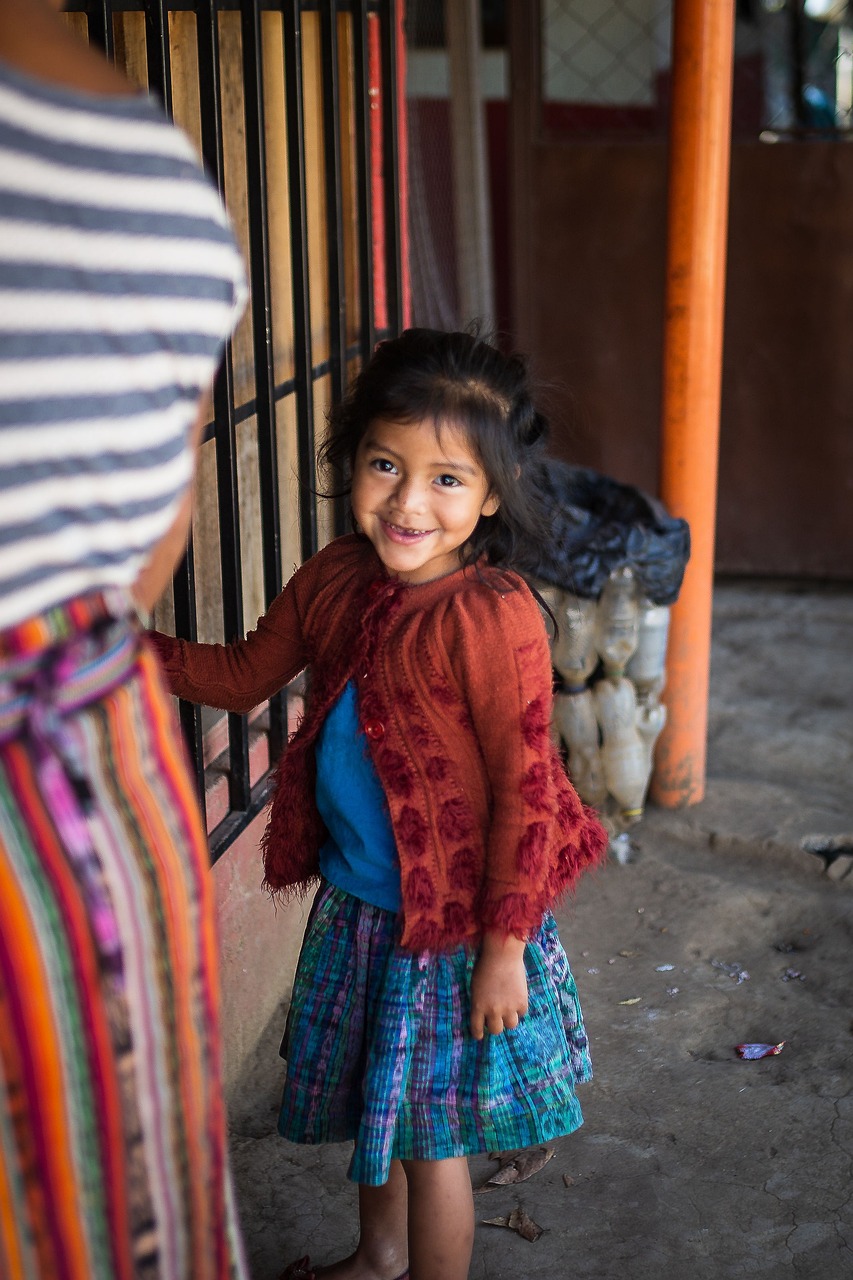
Kaqchikel belongs to the K’ichean branch of the Mayan language family, making it a near relative of both K’iche’ and Tz’utujil, the tongue of another people who share the shores of Lake Atitlán. The three languages are so closely related that they share much vocabulary and structure, yet they remain distinct, and their speakers form separate nations with their own identities. The closeness of the languages mirrors the intertwined and often hostile history of the peoples who speak them.
Spoken today by roughly half a million people, Kaqchikel is one of the more widely used Maya languages of Guatemala. It carries the characteristic features of its branch, including glottalized consonants and a vigesimal counting system built on twenties, and it has a written heritage of real importance. Its speakers are concentrated in a cluster of highland departments near the country’s political and economic center, which has exposed the language to particularly strong pressure from Spanish.
That proximity to the capital cuts both ways. On one hand it accelerates the shift toward Spanish among younger people who work and study in the city; on the other it has placed Kaqchikel communities at the forefront of efforts to standardize, teach, and promote Maya languages. Kaqchikel has featured prominently in projects to develop a unified alphabet and to produce educational materials, giving it a visible role in the wider movement to sustain Indigenous languages in Guatemala.
The very closeness of Kaqchikel to K’iche’ and Tz’utujil offers a striking lesson in how peoples define themselves. Mutual intelligibility might have made a single nation of them, yet history pulled them apart into rivals, each guarding its own speech as a badge of belonging. The small differences between the languages came to carry large meanings, marking the boundaries between communities that shared almost everything except the will to be one.
Valleys, Volcanoes, and a Sacred Lake
The Kaqchikel homeland lies in the central highlands of Guatemala, a region of high valleys and volcanic peaks stretching from the eastern shores of Lake Atitlán toward the valley where Antigua and later the modern capital would be built. The land is temperate and fertile, with rich volcanic soils that have supported dense farming populations for many centuries. Towns cluster on ridges and in valley floors at elevations where the climate is mild and the growing season generous.
Lake Atitlán, ringed by volcanoes and shared with the Tz’utujil and K’iche’, forms one edge of the Kaqchikel world and holds deep significance as a sacred body of water. Elsewhere the volcanoes that dominate the horizon are understood as powerful presences, and the whole landscape is dotted with places of ritual importance where offerings are made to the guardians of the hills. As throughout the Maya highlands, geography and the sacred are inseparable here.
Because their territory sits so close to the centers of colonial and modern power, the Kaqchikel have long lived at the meeting point of Indigenous and national worlds. Their homeland became the site of the first Spanish capital in the region and remains adjacent to Guatemala City, so that Kaqchikel towns have felt the pressures of the wider society more directly than more remote Maya communities. This central position has shaped their history in ways both painful and, at times, empowering.

The Kingdom Ruled from Iximche
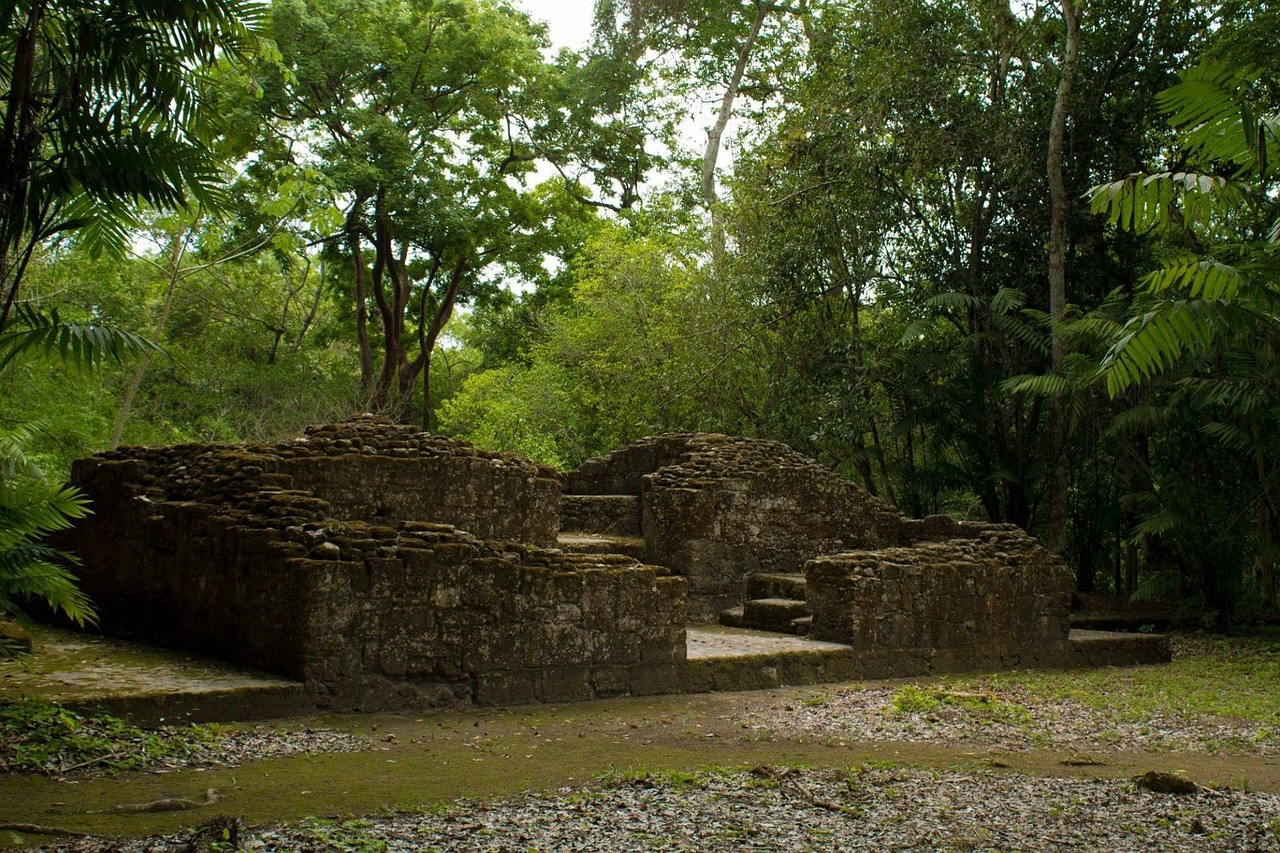
At the height of their power, the Kaqchikel governed from a fortified capital set on a defensible plateau ringed by ravines, a city remembered as Iximche. Founded after the Kaqchikel broke free from K’iche’ overlordship, it became the seat of their rulers and the ceremonial heart of their kingdom, filled with temples, palaces, and ball courts arranged around plazas where the life of the state was displayed. Its natural defenses made it a stronghold in an age of frequent war.
Kaqchikel society, like that of other highland Maya, was ruled by noble lineages who claimed descent from legendary founders and shared power among a small number of great houses. Warriors, priests, merchants, and skilled artisans supported a structure resting on the labor of commoner farmers. Success in war brought prestige and tribute, and the Kaqchikel proved formidable rivals to the K’iche’, whose expansion they had helped resist and eventually turned against.
The bitter rivalry between these two related nations dominated highland politics in the generations before the Spanish arrived. Wars, shifting alliances, and mutual suspicion divided peoples who spoke nearly the same language and shared a common heritage. This deep-seated antagonism would prove fateful, for when foreign soldiers appeared, the Kaqchikel saw in them a potential weapon against their old enemies, a calculation that would carry enormous and unforeseen consequences.
Iximche itself was more than a fortress and a capital; it was a statement of the new kingdom’s ambitions, built to impress and to endure. Its plazas and temples proclaimed the power of the ruling lineages, and its defensible position announced that the Kaqchikel intended to hold what they had won. To walk its ruins today is to stand at the place where a people declared their independence and where, a few generations later, that independence would be gambled away and then bitterly reclaimed in revolt.
Towns, Lineages, and Shared Duty
The foundation of Kaqchikel society has always been the local community, organized around extended families and bound together by ties of kinship, marriage, and mutual obligation. Within each town, networks of shared labor and reciprocal aid link households, so that neighbors help one another in farming, building, and the sponsorship of festivals. This dense social fabric has proved remarkably durable through centuries of upheaval.
Authority traditionally combined civil and religious roles, with respected elders and those who had served the community through cycles of ceremonial duty holding influence in collective decisions. To take on the burdens of organizing a festival or caring for the images of the saints earned standing and honor, creating a ladder of service that ordered social life and rewarded contribution to the common good rather than wealth alone.
The Kaqchikel also possess an extraordinary historical document: a chronicle written after the conquest by members of a leading lineage, recording their origins, their kings, their wars with the K’iche’, and the catastrophe of the Spanish invasion in their own words. This annal is one of the great sources for highland Maya history, a rare account of the conquest and its aftermath told from the perspective of the conquered themselves, and it preserves the voice of a people determined that their story would not be forgotten.

Saints, Mountains, and the Old Calendar
Kaqchikel religious life blends the Catholicism introduced in the colonial period with older Maya beliefs that have never entirely disappeared. In many communities, worship of the saints coexists with reverence for the sacred hills, the volcanoes, and the guardians of the land, and offerings of candles, incense, and prayer accompany the farming year as they have for centuries. The two traditions have long since grown intertwined in local practice.
Ritual specialists and calendar keepers continue to work in some Kaqchikel towns, tracking the ancient count of days and guiding ceremonies tied to planting, healing, and the resolution of misfortune. Their knowledge links the present community to the deep Mesoamerican science of time, and their quiet persistence alongside the church testifies to how much of the older worldview has survived beneath a Christian surface.
In recent decades the religious landscape has grown more varied, as Protestant and evangelical churches have gained ground across the highlands, adding new strands to a once uniformly Catholic society. Yet across these divisions, the sense that the land is alive and must be treated with respect endures. Whether expressed through the saints, through offerings to the mountains, or through both at once, Kaqchikel spirituality keeps alive a bond between people and place that reaches back to before the conquest.
Woven Cloth and Living Custom
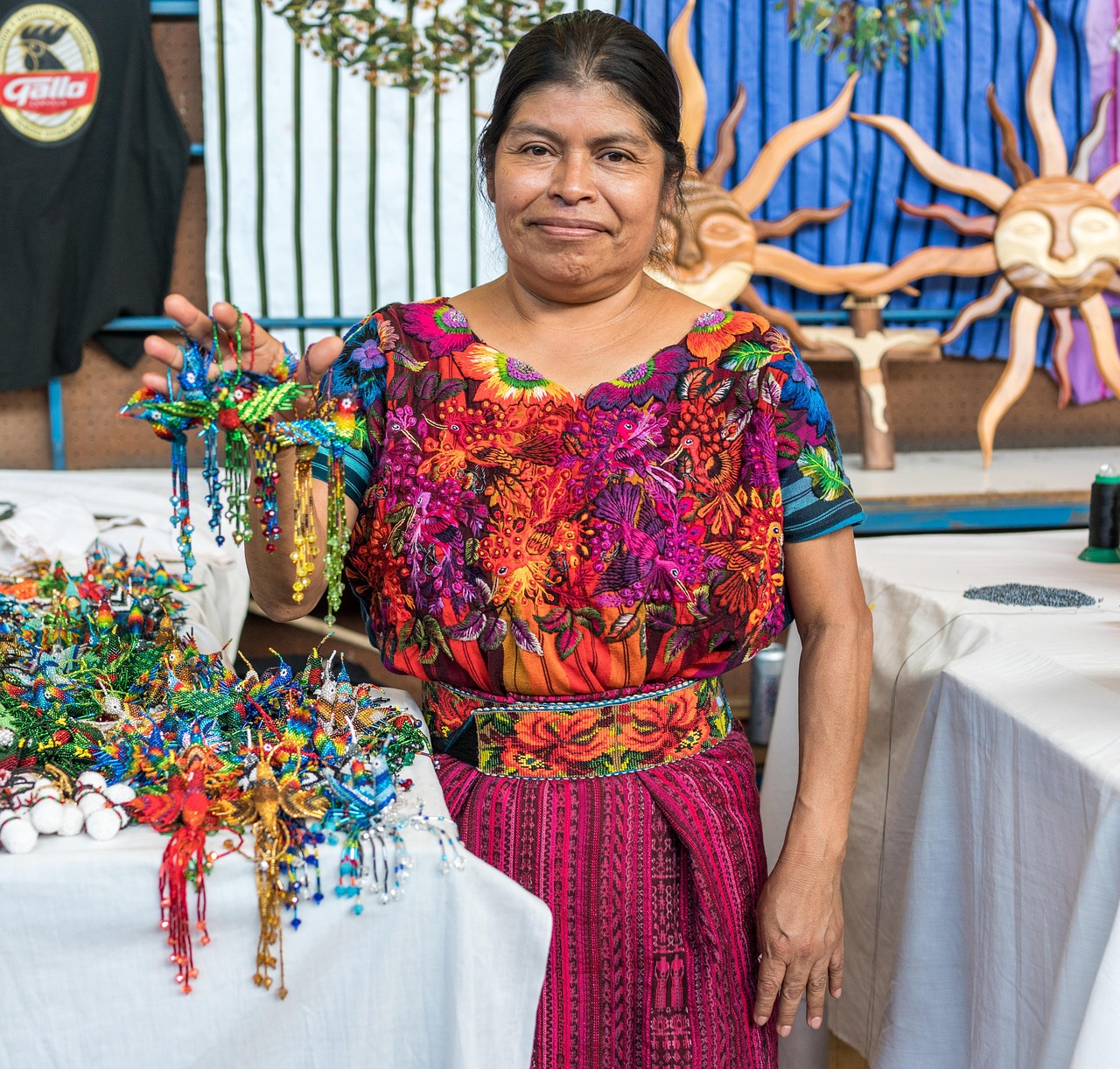
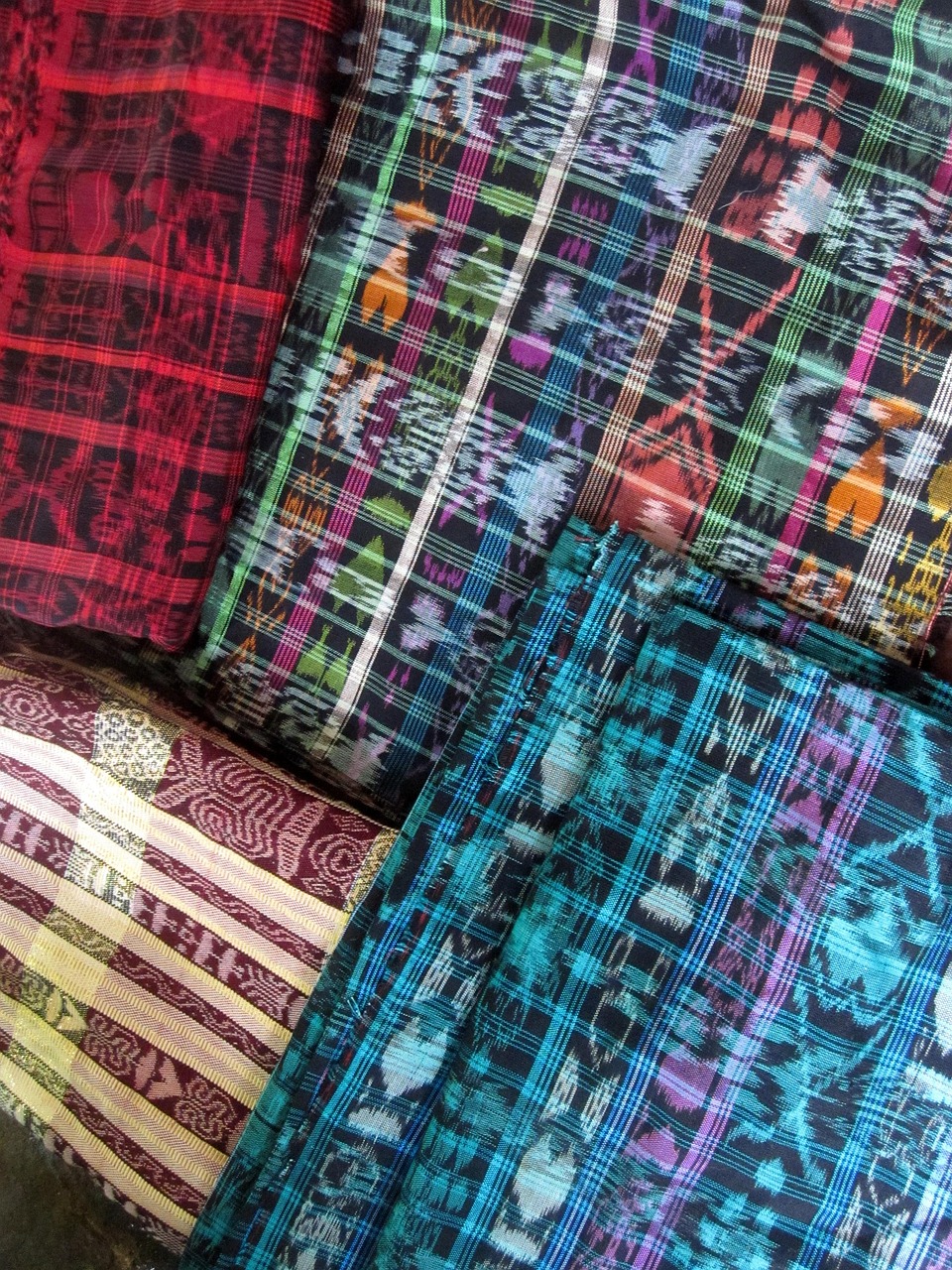
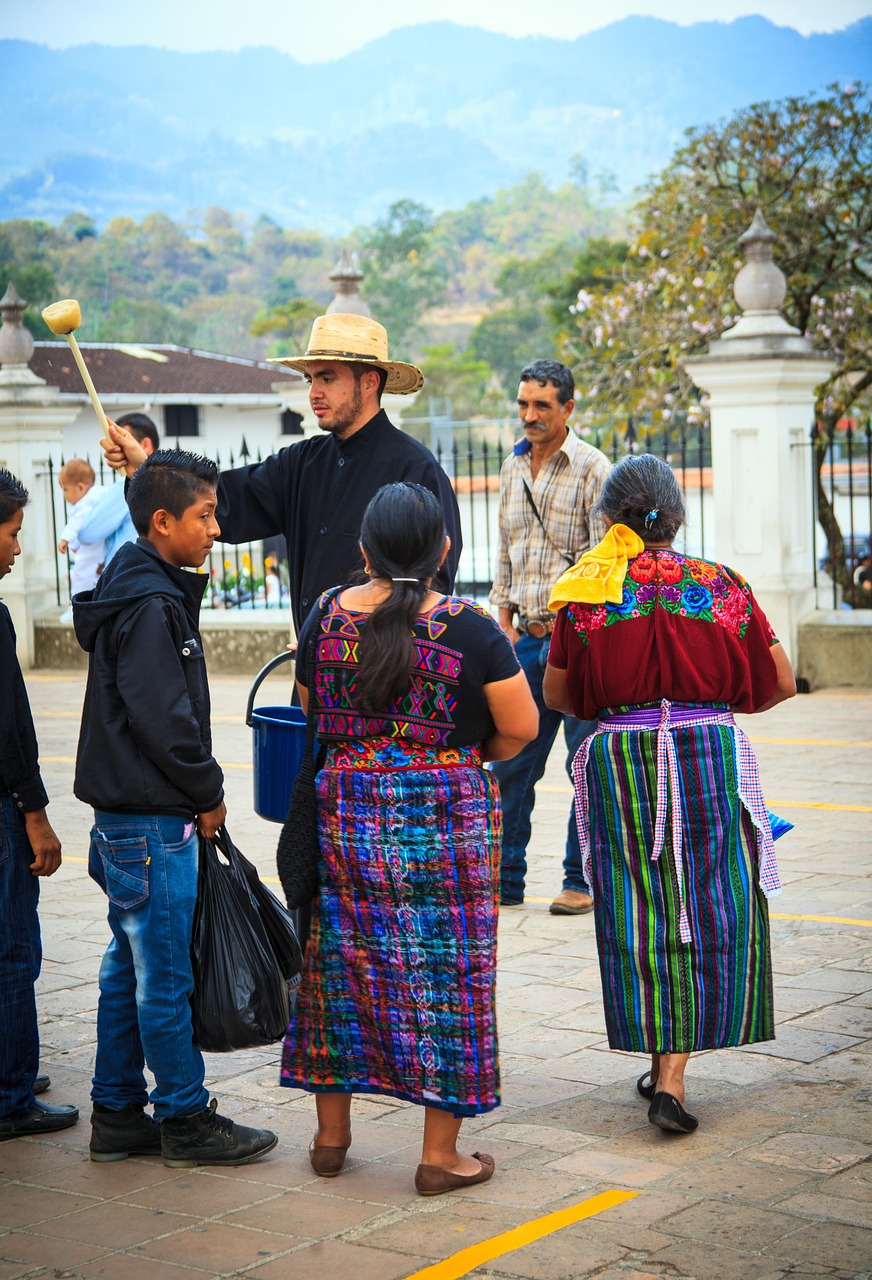
As with other Maya peoples, handwoven clothing is among the most visible expressions of Kaqchikel identity. Women in particular still wear traje, the traditional dress whose colors, patterns, and motifs vary from town to town, so that a knowledgeable eye can often read a person’s home community from the design of a blouse or the weave of a sash. These textiles are made on the backstrap loom, an ancient technology in which the weaver tensions the threads with her own body.
The designs woven into Kaqchikel cloth carry meaning drawn from nature, cosmology, and local history, and mastering them is a source of both income and prestige. The knowledge passes from mother to daughter, and a finely made garment represents weeks of patient work as well as a statement of who one is. In a country where Indigenous dress can mark a person for discrimination, choosing to wear traje is also an act of quiet pride.
Beyond dress, Kaqchikel custom lives in the etiquette of respect, the ceremonies that mark birth, marriage, and death, and the music and dance that fill community celebrations. Forms of courteous speech, the careful asking of permission, and the honoring of elders structure daily interaction. These transmitted habits, more than any single visible symbol, give Kaqchikel communities their distinctive character and reinforce a shared understanding of how to live well among others.
Skilled Work in the Highland Towns
Craft has long been central to Kaqchikel life, both as a source of livelihood and as a form of expression. Weaving is the most celebrated of these skills, but Kaqchikel artisans also work in pottery, woodcarving, and the making of the countless practical objects that a farming community requires. Certain towns have become known across the region for particular products, a specialization that ties craft to place and reputation.
The backstrap loom remains the emblem of Kaqchikel artistry. Working without a mechanical frame, weavers build up intricate brocaded patterns thread by thread, memorizing designs of great complexity and completing garments over the course of weeks. This demanding art, transmitted across generations of women, produces cloth that is at once useful, beautiful, and dense with meaning, and it continues despite the flood of cheap manufactured textiles.
Their proximity to Guatemala City and to major tourist routes has connected Kaqchikel craftspeople to wider markets, bringing both opportunity and challenge. Cooperatives help weavers and other artisans reach buyers and negotiate fairer prices, while the demand generated by tourism supports many families. At the same time it raises persistent questions about fair payment and the preservation of authentic technique, questions that Kaqchikel artisans navigate as they adapt their skills to a changing economy.
Maize and the Highland Table
Maize stands at the center of Kaqchikel food and belief, as it does throughout the Maya world. Tortillas and tamales made from lime-treated corn accompany nearly every meal, joined by beans, chiles, squash, and the vegetables that thrive in the fertile volcanic soils of the central highlands. The agricultural year, with its planting and harvest, governs both diet and ceremony, and maize retains a sacred dimension as the substance from which humanity was believed to be made.
The temperate climate and rich land of the Kaqchikel region support a wide variety of crops, and highland markets brim with produce. Around the foundation of maize, the cuisine builds a repertoire of stews, tamales wrapped in leaves, and thick maize-based drinks that provide warmth in the cool highland air. Beans and greens round out meals that are simple, nourishing, and deeply rooted in local farming.
Food carries social and spiritual weight as well as nourishment. Special dishes mark weddings, funerals, and religious festivals, and preparing them is often shared labor among the women of an extended family. Offering food to guests, to the dead, and to the sacred powers of the land expresses respect and reciprocity. To share maize, in this worldview, is to share the very stuff of which people are believed to be formed, an act rich with meaning beyond mere hospitality.
Fiestas, Marimba, and the Ritual Year
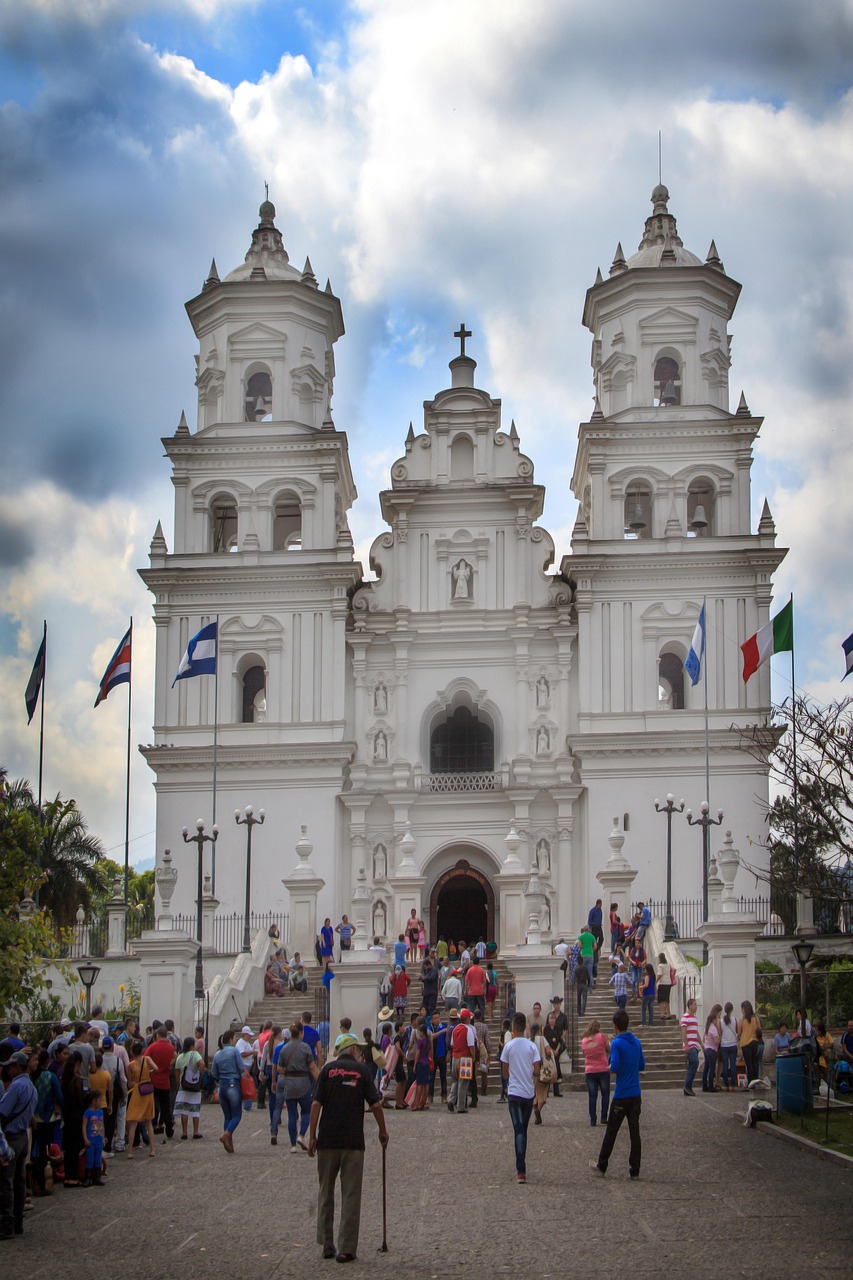
The Kaqchikel festival calendar interweaves Catholic feast days with older cycles of observance, and each town celebrates its patron saint with an annual fiesta that can last for days. These celebrations fill the streets with marimba music, dance, processions, fireworks, and shared meals, drawing home those who have moved away and renewing the bonds that hold the community together. They are the high points of the year and among the strongest expressions of local identity.
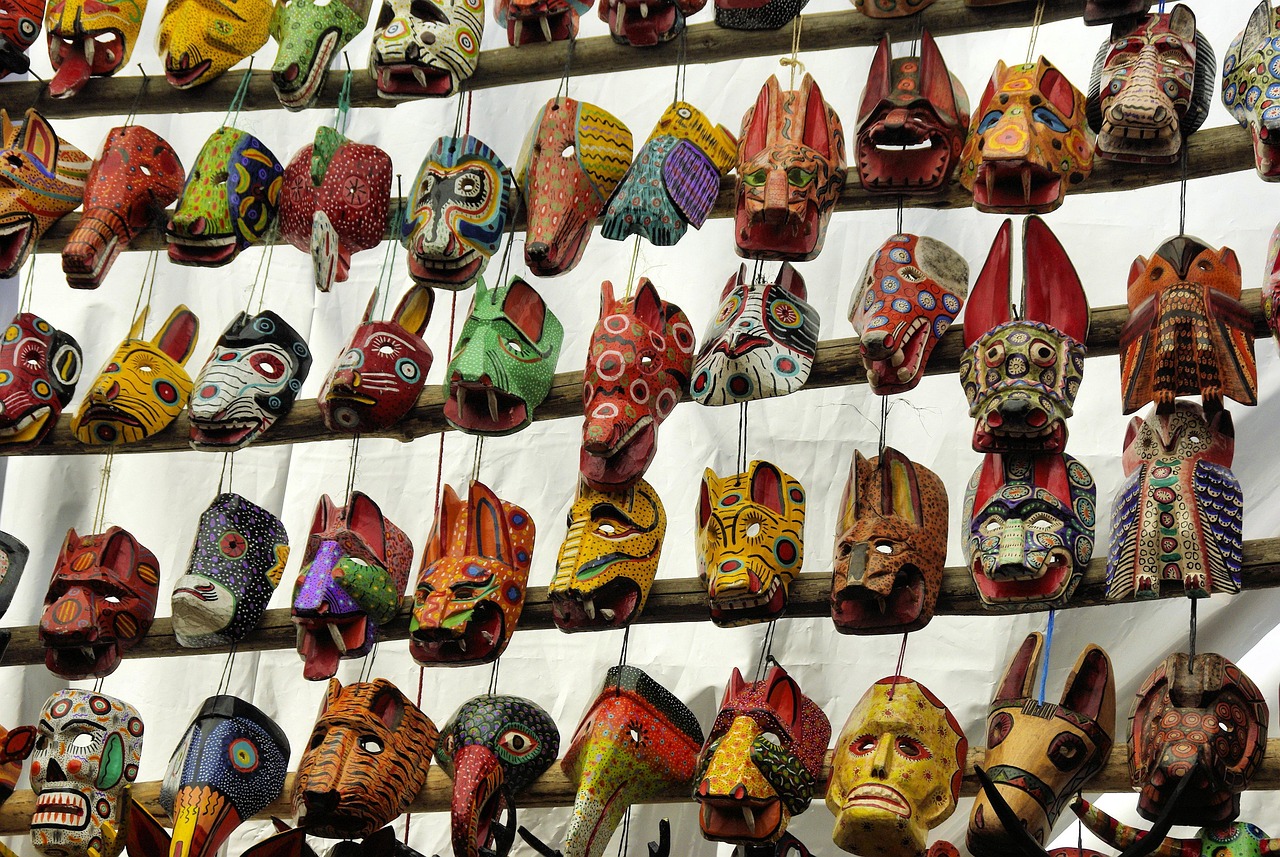
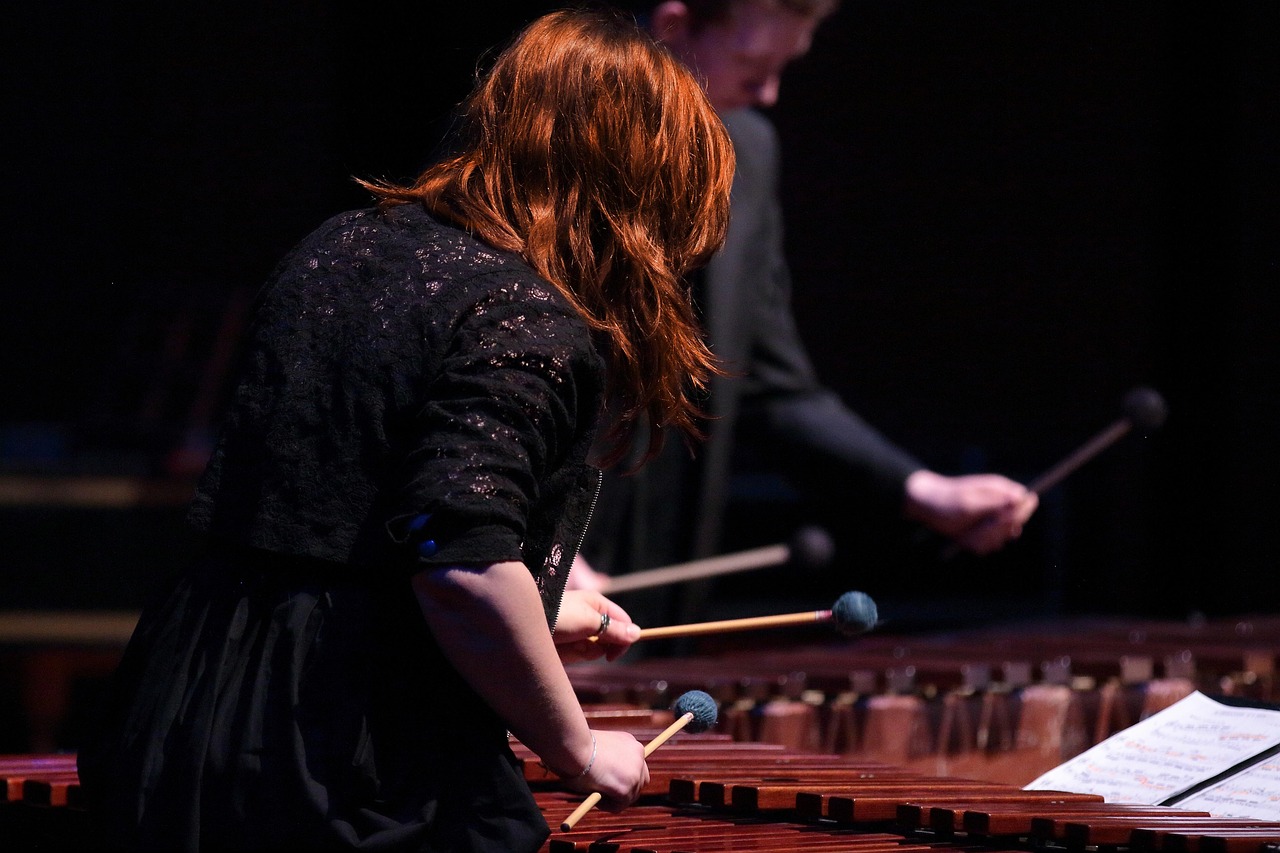
The marimba, the great wooden xylophone played by several musicians at once, provides the characteristic sound of Kaqchikel celebration. Its rippling melodies accompany festivals, weddings, and gatherings across the region, and particular tunes and dances are tied to specific ceremonies. Masked dances that recall the encounter between Maya and Spanish worlds, or that enact older mythic themes, add drama to the festivities and keep historical memory alive.
Religious brotherhoods and community elders organize much of this ceremonial life, taking on the honor and the cost of sponsoring festivities. Processions carry sacred images through the town along routes sometimes marked by carpets of colored sawdust and flowers, blending solemn devotion with festive joy. Through the round of fiestas, the Kaqchikel keep time by both the Christian calendar and the older reckoning of sacred days, renewing faith and community year after year.
Alliance, Betrayal, and the Long Colonial Night
The Kaqchikel entered recorded conquest history through a fateful gamble. When Spanish forces arrived in the highlands in the 1520s, the Kaqchikel, seeing a chance to strike at their old K’iche’ rivals, allied themselves with the newcomers and even welcomed them into their capital. For a brief period they cooperated with the invaders, providing warriors and support in campaigns against neighboring peoples.
The alliance soon soured. As Spanish demands for gold, labor, and tribute grew unbearable, the Kaqchikel rose in revolt, abandoning their capital and waging a long guerrilla resistance from the surrounding country. Their rebellion was eventually crushed, and the people were subjected to the full weight of colonial rule, but the memory of both the alliance and the uprising was recorded in their own chronicle, a document that preserves this painful history in Kaqchikel words.
The colonial centuries brought epidemics, forced labor, resettlement into controlled towns, and the reorganization of society for the benefit of Spanish landowners and the Church. The first colonial capital of the region was established in the heart of Kaqchikel territory, placing them under especially close supervision. Yet through dispossession and disease, the Kaqchikel adapted and endured, preserving language and community even as the political world of Iximche receded into memory and ruin.
The Kaqchikel experience captures in miniature the tragedy of the conquest across the highlands. Divisions among closely related peoples, sharpened by generations of rivalry, allowed a small band of outsiders to turn one nation against another and to master them all in turn. The alliance that seemed a clever stroke against the K’iche’ became the opening through which colonial domination entered, a lesson the Kaqchikel recorded with clear-eyed bitterness in their own annal.
The Kaqchikel in a Changing Country
Today the Kaqchikel number around half a million and remain concentrated in the central highlands, in a cluster of towns near Lake Atitlán and the corridor leading toward the capital. Their central location places them at the intersection of Indigenous and national life, and many Kaqchikel move regularly between their home communities and the jobs, schools, and markets of nearby cities. Some have migrated farther afield, including abroad, joining the wider Guatemalan diaspora.
This closeness to the centers of power has made the Kaqchikel prominent in movements for Indigenous rights, education, and cultural revival. Kaqchikel intellectuals, teachers, and activists have played leading roles in efforts to standardize and teach Maya languages, to document their history, and to demand fuller recognition for Guatemala’s Maya majority. Their region has been a laboratory for bilingual education and for projects aimed at keeping the language alive among the young.
The challenges are real, from land pressure and poverty to the steady pull of Spanish among children raised near the capital. Yet there are also strong signs of vitality: published literature, revived ceremonies, active cultural organizations, and a growing pride in an identity that colonial rule and later discrimination sought to suppress. The people who once ruled from Iximche and recorded their own conquest continue to adapt, carrying an ancient highland heritage into a rapidly changing Guatemala.
Living so near the capital has given the Kaqchikel both burdens and advantages that more remote Maya peoples do not share. The pull of the city threatens the language and draws young people away, yet it also places Kaqchikel voices close to the centers where national decisions are made and cultural movements take shape. Few Maya peoples are so directly exposed to the currents of modern Guatemala, and few have responded with such visible energy in defending and renewing their heritage.
Related Peoples of the Region
- Meꞌphaa Speakers of the Guerrero Mountains and a Language That Stands Alone
- Garifuna Drummers and Cassava Bakers of the Central American Caribbean Coast
- Lenca Potters and River Defenders of the Honduran and Salvadoran Highlands
- K’icheʼ Maya, Guatemala’s Highland Nation of Maize and Memory
- Q’eqchiʼ Maya, a Rainforest People of Guatemala’s Land of True Peace
You May Like
The Damara, an Ancient People of Namibia


2 thoughts on “Kaqchikel Maya, Guatemala’s Highland Rivals Who Reclaimed Their Freedom”