In the far west of Guatemala, where the land rises to the highest mountains in Central America and the border with Mexico cuts across ancient territory, lives a Maya people whose roots run especially deep. The Mam speak a language that branched away from its Maya relatives thousands of years ago, and they have made their home in a cold, thin-aired country of volcanoes and windswept plateaus that few other peoples could master. Theirs is a story of the heights, the frontier, and endurance.
Distinct from the K’iche’ and Kaqchikel not only in geography but in the very branch of the Maya family to which their language belongs, the Mam defended a mountain kingdom, survived a bitter conquest, and have become in modern times a people defined by movement across borders. This is an account of who they are: their homeland among the peaks, their ancient language, their beliefs and famous festivals, the ordeals of their history, and the migrations that carry them far from the mountains today.
Contents
- A People of the Far Western Peaks
- What Lies Within the Name Mam
- A Separate Branch of the Maya Family
- Among the Highest Mountains of Central America
- The Kingdom Centered on Zaculeu
- Community, Kinship, and the Cold Country
- Sacred Mountains and the Christian Overlay
- Dress, Cloth, and the Custom of the Highlands
- Wool, Thread, and Highland Skill
- Maize, Potatoes, and Cold-Country Cooking
- The Ride of Todos Santos and the Festival Year
- Conquest, Estates, and the Long Ordeal
- A Border People in the Modern World
A People of the Far Western Peaks
The Mam are one of the largest Maya peoples of Guatemala, and their homeland lies in the country’s rugged far west, in the departments that climb toward the Mexican border and rise to the highest mountains in all of Central America. This is a land of towering volcanoes, cold plateaus, and deep valleys, where farming villages perch at altitudes that leave the air thin and the nights bitter. The Mam have lived in this demanding country for a very long time, adapting their whole way of life to the heights.
Unlike some of their eastern neighbors, the Mam are set apart within the Maya world by more than geography. Their language belongs to a different and older branch of the Maya family than the tongues of the K’iche’ and Kaqchikel, marking a divergence that reaches back thousands of years. This deep linguistic distinctiveness makes the Mam not simply another highland group but the representatives of a separate current within the long history of the Maya.
Their ancestors built settlements and small kingdoms across the western highlands, trading and sometimes warring with the peoples to the east. Positioned on the frontier between the Guatemalan highlands and the lands that are now southern Mexico, the Mam occupied a borderland long before modern nations drew their lines, and that frontier character has shaped their history down to the present, when the border remains central to the movement of Mam people and goods.

What Lies Within the Name Mam
The name Mam is short and old, and it carries a meaning tied to ideas of grandfather, ancestor, or elder in the Maya languages. This sense of the venerable and the ancestral fits a people whose branch of the Maya family is among the most anciently distinct, and the word has long served to mark both the nation and its language as a single identity. To be Mam is, above all, to speak Mam and to descend from those who spoke it before.
In older Spanish sources the name appears simply as “Mam” or in various local forms, and unlike some Maya peoples the spelling has stayed relatively stable. The language and the people who speak it are found not only in Guatemala but also across the border in the Mexican state of Chiapas, where communities of Mam speakers live, a reminder that the nation predates and straddles the modern international boundary.
Because they are sometimes overshadowed in popular accounts by the more famous K’iche’, the Mam are occasionally folded into a vague image of highland Maya. Yet they are a distinct nation with their own language branch, their own ancient capital, and their own customs and history. Recognizing the Mam by their own name is part of appreciating the true diversity of the Maya world, which was never a single people but a family of many.

A Separate Branch of the Maya Family
The Mam language is the most prominent member of the Mamean group, a branch of the Maya family quite distinct from the K’ichean languages spoken by the peoples to the east. Linguists estimate that Mamean split from its relatives thousands of years ago, which means that Mam and K’iche’, though both Maya, are no more mutually intelligible than distantly related languages elsewhere in the world. This deep divergence is one of the clearest markers of Mam distinctiveness.
Spoken by well over half a million people, Mam is one of the most widely used Maya languages in Guatemala. It is known among linguists for a rich and complex sound system, including sounds that are unusual and difficult for outsiders to master, as well as for the elaborate ways its verbs encode information. The language varies noticeably from one district to another across the broad Mam region, reflecting the isolating effect of the mountainous terrain.
Mam remains a strong first language in many highland communities, where children grow up speaking it at home and learn Spanish only later. At the same time, migration and schooling in Spanish put pressure on the language, especially among the young and among those who have left for the cities or crossed borders in search of work. Efforts to teach Mam in schools, to standardize its writing, and to use it in media all form part of the wider struggle to keep Guatemala’s Maya languages alive.
The antiquity of the Mamean split is worth dwelling on, because it undermines any notion of the Maya as a single, uniform people. When Mam and K’iche’ speakers meet, they cannot understand one another without a shared second language, a fact that reveals just how ancient and real the divisions within the Maya world are. The Mam are thus not a variant of their eastern neighbors but the bearers of a separate and equally venerable Maya tradition.

Among the Highest Mountains of Central America
The Mam homeland spreads across the western highlands of Guatemala, a region dominated by the Cuchumatanes mountains and by the great volcanoes that mark the highest ground in all of Central America. Communities live at extraordinary altitudes, in a cold, often misty country where frost is a real danger and where the crops and animals must be suited to the heights. The sheer verticality of the land has shaped a way of life adapted to thin air and steep slopes.
This is a landscape of extremes and of great beauty, where cloud forest gives way to windswept plateaus and where the peaks are wrapped in mist for much of the year. The mountains are not merely scenery but sacred presences in Mam thought, understood as powerful beings and dwelling places of the forces that govern rain, fertility, and fortune. Shrines on their slopes receive offerings, and the highest summits hold special reverence.
Because the terrain is so broken and the altitude so forbidding, the Mam region was never easy to govern from outside, and its isolation helped preserve distinct local customs from one valley to the next. It also placed the Mam on the frontier with Mexico, so that their homeland has long been a zone of crossing and exchange. Today that same border shapes the region’s economy and the lives of the many Mam who move across it in search of work.
Life at such heights breeds a particular toughness and a particular knowledge. Mam farmers read the threat of frost, the movement of cloud around the peaks, and the narrow windows in which crops can be sown and gathered at altitude. This hard-won familiarity with an unforgiving environment is bound up with the sense that the mountains are watchful presences, owed respect and offerings in return for the meager but vital bounty they allow.

The Kingdom Centered on Zaculeu
Before the Spanish conquest, the Mam were organized into kingdoms and chiefdoms across the western highlands, the most important of which was centered on a fortified city known as Zaculeu. Set on a defensible site surrounded by ravines, Zaculeu served as the ceremonial and political heart of a Mam state, with temples and plazas arranged in the monumental style shared across the highland Maya world. Its strong position reflected an age of frequent warfare among the highland nations.
Mam society, like that of its neighbors, was led by noble lineages who claimed descent from founding ancestors and who ruled over commoner farmers, warriors, and artisans. The Mam had once controlled a wide territory but had been pushed back over time by the expanding K’iche’, losing ground in the generations before the Spanish arrived. This long pressure from the east shaped the Mam experience and left them defending a reduced but still substantial mountain domain.
Religion, warfare, and farming structured life as they did throughout the region, with offerings to the powers of the mountains and the sky accompanying the agricultural year. The cold, high country demanded particular skill from its farmers, who cultivated crops suited to the altitude and managed the risks of frost and thin soil. This inheritance of highland agricultural knowledge, tied to the sacred landscape, would survive the conquest and persist among the Mam long after their kingdoms had fallen.

Community, Kinship, and the Cold Country
Mam social life is built on the local community, organized around extended families bound by kinship, marriage, and mutual obligation. In the scattered highland towns and hamlets, networks of shared labor and reciprocal aid link households, so that neighbors assist one another in farming, building, and the sponsorship of festivals. This web of cooperation has been essential to survival in a harsh, high-altitude environment where isolation and hardship are constant realities.
Leadership traditionally united civil and religious authority, with respected elders and those who had served the community through cycles of ceremonial and civic duty earning influence and standing. To take on the burdens of organizing a festival or caring for the images of the saints was to gain honor, creating a ladder of service that ordered social life and rewarded contribution to the common good. This system gave communities a shared moral framework independent of wealth.
The scattered, vertical geography of the Mam country encouraged strong attachment to particular places and produced marked local variation in dress, dialect, and custom from one town to the next. Land, worked at great effort in a difficult climate, lies at the center of community life and identity, and defending access to it against outside pressures has long been a shared concern. In the Mam highlands, to belong to a community is to belong to its land and its round of collective duties.

Sacred Mountains and the Christian Overlay
Mam religious life preserves a strong current of older Maya belief beneath its Catholic surface. The mountains and volcanoes that dominate the homeland are understood as living, powerful presences, and offerings are made at shrines on their slopes to seek rain, fertility, health, and protection. The sense that the land itself must be honored and reciprocated runs through Mam spirituality, giving it a deeply place-based and ecological character.
Ritual specialists and calendar keepers continue to work in many Mam communities, tracking the ancient count of days and guiding ceremonies tied to planting, healing, and the resolution of misfortune. Their knowledge connects the present community to the deep Mesoamerican science of time, and their persistence alongside the church shows how much of the older worldview has endured. Offerings of candles, incense, and prayer accompany the turning of the agricultural and ceremonial year.
Over this ancient foundation lies the Catholicism introduced in the colonial period, and in many towns people move easily between veneration of the saints and reverence for the mountains. In recent decades evangelical and Protestant churches have grown rapidly across the western highlands, adding new divisions and forms to the religious landscape. Yet through these changes, the bond between the Mam and their sacred mountains has proved remarkably resilient, an inheritance carried quietly across the generations.

Dress, Cloth, and the Custom of the Highlands
Handwoven clothing remains one of the clearest markers of Mam identity, though the cold of the high country gives Mam dress its own character. Heavier fabrics, including wool, suit the frigid climate, and in some famous towns men as well as women wear distinctive traditional garments, a rarer sight elsewhere in Guatemala. Colors, patterns, and the cut of clothing vary from one community to another, so that dress announces a person’s home town at a glance.
The most celebrated of these traditions belongs to a town high in the Cuchumatanes, where men wear striking red-and-white striped trousers and richly worked jackets and hats. Such garments, made by hand and worn with pride, have become emblems of Mam identity and a focus of the community’s sense of itself. The persistence of male traje in particular sets these towns apart in a country where men’s traditional dress has largely faded.
Beyond clothing, Mam custom lives in the etiquette of respect, the ceremonies marking birth, marriage, and death, and the music and dance that fill community celebrations. Forms of courteous speech, the careful asking of permission, and the honoring of elders structure daily life. These transmitted habits, more than any single visible symbol, give Mam communities their distinctive texture and carry forward a shared understanding of how to live rightly in the demanding world of the heights.

Wool, Thread, and Highland Skill
Craft among the Mam reflects the materials and needs of a cold mountain country. Weaving is the most celebrated skill, and in the high Mam towns wool joins cotton as a raw material, producing the heavier cloth that the climate demands. Working on the backstrap loom and, in some places, on larger frame looms introduced in the colonial period, Mam weavers build up patterns of great intricacy that carry local meaning and mark belonging to a particular community.
The processing of wool adds distinctive steps to the Mam craft repertoire, from the shearing of highland sheep to the spinning of yarn and its weaving into blankets, jackets, and the thick garments that ward off the mountain cold. These skills, transmitted across generations, form part of a largely self-sufficient way of life in which families produce much of what they wear. A well-made garment represents both practical necessity and a statement of identity.
Beyond textiles, Mam artisans work with the materials their environment provides, making the tools, containers, and household goods that farming life requires. In modern times, craft has also become a link to wider markets, with cooperatives helping weavers sell their work and secure better prices. This engagement with outside buyers brings income to families in a poor region, while raising the familiar questions of fair payment and the preservation of authentic technique that face Indigenous artisans across Guatemala.

Maize, Potatoes, and Cold-Country Cooking
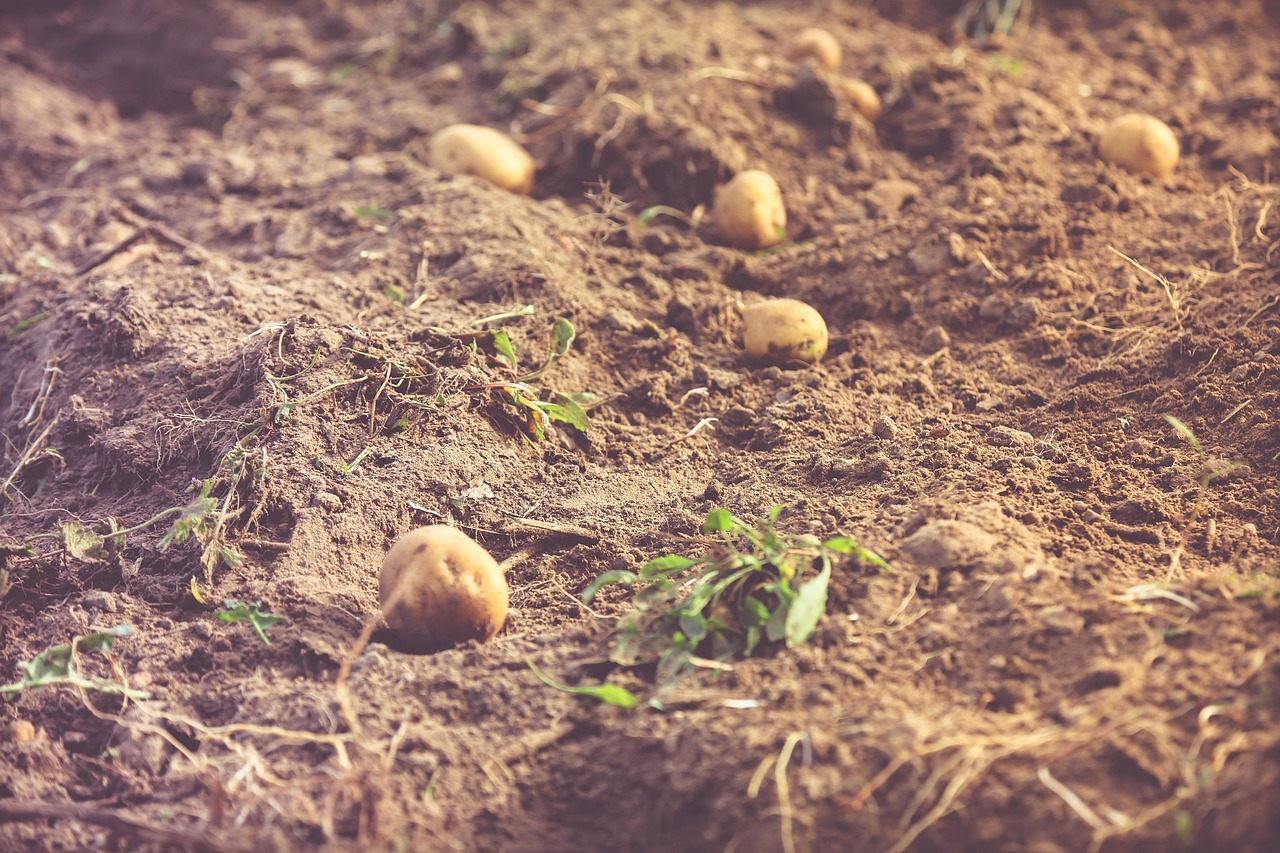
Maize lies at the foundation of the Mam diet, as it does across the Maya world, and tortillas and tamales made from lime-treated corn accompany nearly every meal. Yet the extreme altitude of the Mam homeland also gives their cuisine a distinctive character, for the cold high country supports crops that thrive where lowland staples cannot. Potatoes, wheat, fava beans, and other cool-climate plants join maize on the Mam table, reflecting an agriculture adapted to the heights.
The demands of high-altitude farming shape both diet and the rhythm of the year. Fields must be worked at great effort on steep slopes, and the risk of frost hangs over the harvest, making food a matter of constant care. Hearty stews, warming maize-based drinks, and dishes built around beans and highland vegetables provide the sustenance needed in a climate where warmth is precious and the growing season short.
As throughout the region, food carries social and spiritual weight beyond mere nourishment. Special dishes mark weddings, funerals, and religious festivals, and preparing them is often shared labor among the women of an extended family. Offering food to guests, to the dead, and to the sacred powers of the mountains expresses respect and reciprocity, and the sharing of maize in particular retains the sacred resonance it holds throughout the Maya world.
The Ride of Todos Santos and the Festival Year
The Mam festival calendar interweaves Catholic feast days with older cycles of observance, and each town honors its patron saint with an annual celebration filled with music, dance, processions, and shared meals. These fiestas are the high points of the year, drawing home those who have moved away and renewing the bonds that hold communities together across the scattered highland country.
The most famous of all Mam celebrations belongs to the town of Todos Santos Cuchumatán, high in the mountains, where the feast of All Saints is marked by a wild and celebrated horse race. Riders in flowing costumes gallop back and forth through the day in a spectacle that is at once festive, competitive, and charged with older meanings about endurance, honor, and the community’s spirit. The event has become emblematic of Mam identity and draws visitors from far beyond the region.
Religious brotherhoods and community elders organize much of this ceremonial life, taking on the honor and the cost of sponsoring festivities. Masked dances that recall the conquest or older mythic themes add drama to the celebrations, and offerings to the saints blend with gestures of respect toward the sacred mountains. Through the round of fiestas, the Mam keep time by both the Christian calendar and the ancient reckoning of days, renewing faith and community year after year.
The Todos Santos horse race has come to stand, for outsiders and for the Mam alike, as a concentrated image of the whole culture: daring, endurance, colour, and the fusion of solemn observance with exuberant celebration. Yet it is only the most visible of countless local festivals through which Mam communities across the highlands mark the year, each town keeping its own saint, its own customs, and its own quiet round of devotion and feasting.

Conquest, Estates, and the Long Ordeal
The Spanish reached the Mam highlands in the 1520s, and the defenders of Zaculeu withstood a long and bitter siege before hunger forced their surrender. The fall of the Mam capital brought the region under colonial control, and with it came epidemics, forced labor, tribute demands, and the resettlement of scattered families into controlled towns. The high, remote country did not spare the Mam the catastrophes that fell upon Indigenous peoples across the Americas.
Colonial rule reshaped Mam life while never entirely erasing it. Communities absorbed new crops, tools, and religious forms, including the sheep and wool that would become central to highland craft, while preserving language, kinship, and much of their ritual life. The very towns created to control them became strongholds of a reshaped Mam identity, and local leaders learned to defend land and rights within the colonial order.
The centuries after independence brought new hardships, as coffee estates expanded and demanded labor from highland communities, drawing Mam workers into seasonal migration to distant plantations. The twentieth-century armed conflict fell with particular cruelty on the western highlands, bringing violence and displacement to many Mam villages. Through dispossession, forced labor, and war, the Mam endured, carrying their language and traditions through one ordeal after another into the modern age.

A Border People in the Modern World
Today the Mam number well over half a million and remain concentrated in the western highlands of Guatemala, with substantial communities across the border in Chiapas, Mexico. Their homeland’s position on the frontier has made migration central to modern Mam life: for generations, Mam workers have crossed into Mexico for seasonal labor, and in recent decades many have traveled much farther, joining the flow of Central American migrants toward the United States in search of work and safety.
This migration has transformed Mam communities. Remittances sent home reshape local economies, and Mam speakers now form significant diaspora populations in North American cities, where their language is heard far from the mountains that gave it birth. The experience of crossing borders, of living between worlds, and of sustaining identity at a distance has become a defining feature of what it means to be Mam in the present century.
The challenges are severe, from poverty and land pressure in the highlands to the dangers of migration and the loss of the language among children raised abroad or in Spanish-speaking cities. Yet the Mam also show real resilience: their language endures and is taught, their ceremonies to the sacred mountains continue, and a growing pride in Mam identity finds expression in cultural organizations and in the famous festivals of the highlands. A people of the highest peaks and the farthest frontier, the Mam carry an ancient heritage into an age of movement and change.
Related Peoples of the Region
- Meꞌphaa Speakers of the Guerrero Mountains and a Language That Stands Alone
- Garifuna Drummers and Cassava Bakers of the Central American Caribbean Coast
- Lenca Potters and River Defenders of the Honduran and Salvadoran Highlands
- K’icheʼ Maya, Guatemala’s Highland Nation of Maize and Memory
- Q’eqchiʼ Maya, a Rainforest People of Guatemala’s Land of True Peace
- Kaqchikel Maya, Guatemala’s Highland Rivals Who Reclaimed Their Freedom
You May Like
The Damara, an Ancient People of Namibia