In the pine-clad highlands where Honduras meets El Salvador lives one of Central America’s largest Indigenous peoples, and one of its most quietly remarkable. The Lenca have farmed these mountains for centuries, shaped a culture of famed pottery and communal ceremony, and rallied against the Spanish under a leader whose name still stands for resistance. Yet within living memory they lost the one thing that most defines a nation: their own language.
This is a portrait of the Lenca: their highland homeland, the tongue that fell silent, the pottery for which they are celebrated, the guancasco ceremonies that bind their villages, and the fierce modern struggle to defend their land and rivers. It is the story of a people who proved that a nation can lose its language and still, defiantly, remain itself.
Contents
- A Highland People of Honduras and El Salvador
- The Question of the Lenca Name
- A Language That Fell Silent
- Mountains, Pines, and Rivers
- Maize, Beans, and the Farming Year
- Community, Mayordomos, and Mutual Aid
- Guancasco and the Blending of Faiths
- Rituals That Bind the Highlands
- The Famed Pottery of the Lenca
- The Highland Table
- Saints’ Days and Communal Celebration
- Resistance, Conquest, and Endurance
- The Lenca in the Modern Struggle
A Highland People of Honduras and El Salvador
In the pine-covered mountains and rolling highlands that stretch across western Honduras and into eastern El Salvador lives one of Central America’s most numerous yet least understood Indigenous peoples. The Lenca have inhabited this rugged country for many centuries, farming its slopes, drawing water from its rivers, and shaping a culture rooted in the land long before the Spanish arrived on the isthmus.
Numbering several hundred thousand, the Lenca are among the largest Indigenous groups in both Honduras and El Salvador. Yet they occupy an unusual place in the story of the Americas, for they are a people who have kept a powerful sense of identity while losing the very thing that most often defines a nation: their own language, which fell silent within living memory.
To understand the Lenca is to grapple with what it means to remain a distinct people when the mother tongue is gone. Their identity rests instead on their land, their crafts, their spiritual practices, and their long history in the highlands, and on a collective consciousness that has, if anything, grown stronger as the community has fought to defend its territory and its dignity in the modern age.
The Question of the Lenca Name
The origin of the name Lenca is not entirely clear, and scholars have debated where it came from and what it once meant. Unlike some peoples who carry a name imposed entirely by outsiders, the Lenca have long been known by this term across their homeland, and it has become the accepted designation both among the people themselves and in the wider world.
What is certain is that the Lenca were never a single unified kingdom under one ruler. Before the conquest they lived in a number of chiefdoms and communities across the highlands, sharing cultural traits and a related way of life but organized into distinct local groups. The sense of being one Lenca people has been shaped as much by shared history and common struggle as by any ancient political unity.
In modern times the name has become a banner of identity and pride. Lenca organizations use it to assert rights, claim territory, and demand recognition from the states of Honduras and El Salvador. To call oneself Lenca today is to lay claim to a heritage and to join a community that has refused to disappear.
The name also carries the memory of resistance, for among the most celebrated figures of Lenca history is a leader who rallied the highland peoples against the Spanish invaders, and whose name has become a symbol of Indigenous defiance across the region.
A Language That Fell Silent
Perhaps the most striking fact about the Lenca is that their ancestral language is no longer spoken. Once the Lenca tongue, which scholars believe formed its own distinct grouping unrelated to the Maya languages or to Nahuatl, was heard across the highlands. Over the colonial centuries and into the modern era, however, Spanish steadily displaced it, until by the twentieth century the last fluent speakers had passed away.
The loss of the language was not a natural fading but the result of pressure, discrimination, and policies that pushed Indigenous peoples toward Spanish. For generations, speaking the native tongue could bring shame or disadvantage, and parents often chose not to pass it on, hoping to spare their children hardship. The result was that a language spoken for many centuries went quiet within a few generations.
Linguists have worked to reconstruct what they can of the Lenca language from old records, word lists, and place names, and some Lenca activists have begun efforts to recover and revitalize elements of the tongue. Whether a language can truly be brought back once its last native speakers are gone remains an open and painful question.
Yet the silence of the language has not meant the end of the people. The Lenca have shown that identity can survive the loss of the mother tongue, carried instead in the land, the crafts, the rituals, and the shared sense of who they are. It is a sobering lesson in both the fragility and the resilience of a culture.
The reconstruction of a lost language is painstaking and imperfect work. Scholars sift through colonial-era word lists, the notes of travelers, and the fragments preserved in place names and in the Spanish spoken by Lenca communities, piecing together grammar and vocabulary from scattered clues. What emerges is a shadow of the living tongue, enough perhaps to teach words and phrases but not to restore the full flow of speech that vanished with the last elders who knew it. The effort matters nonetheless, for even a partial recovery can become a seed of pride and belonging for a new generation.
Mountains, Pines, and Rivers
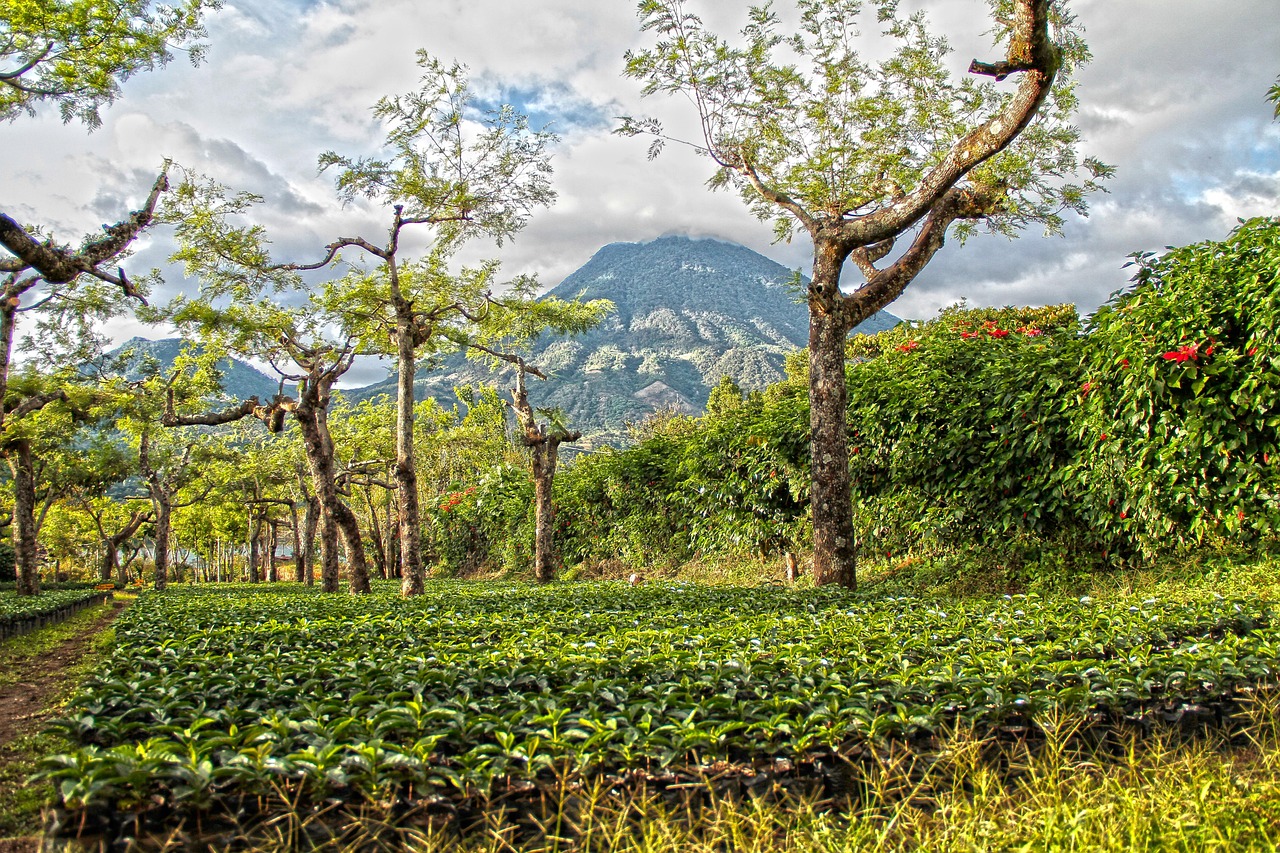
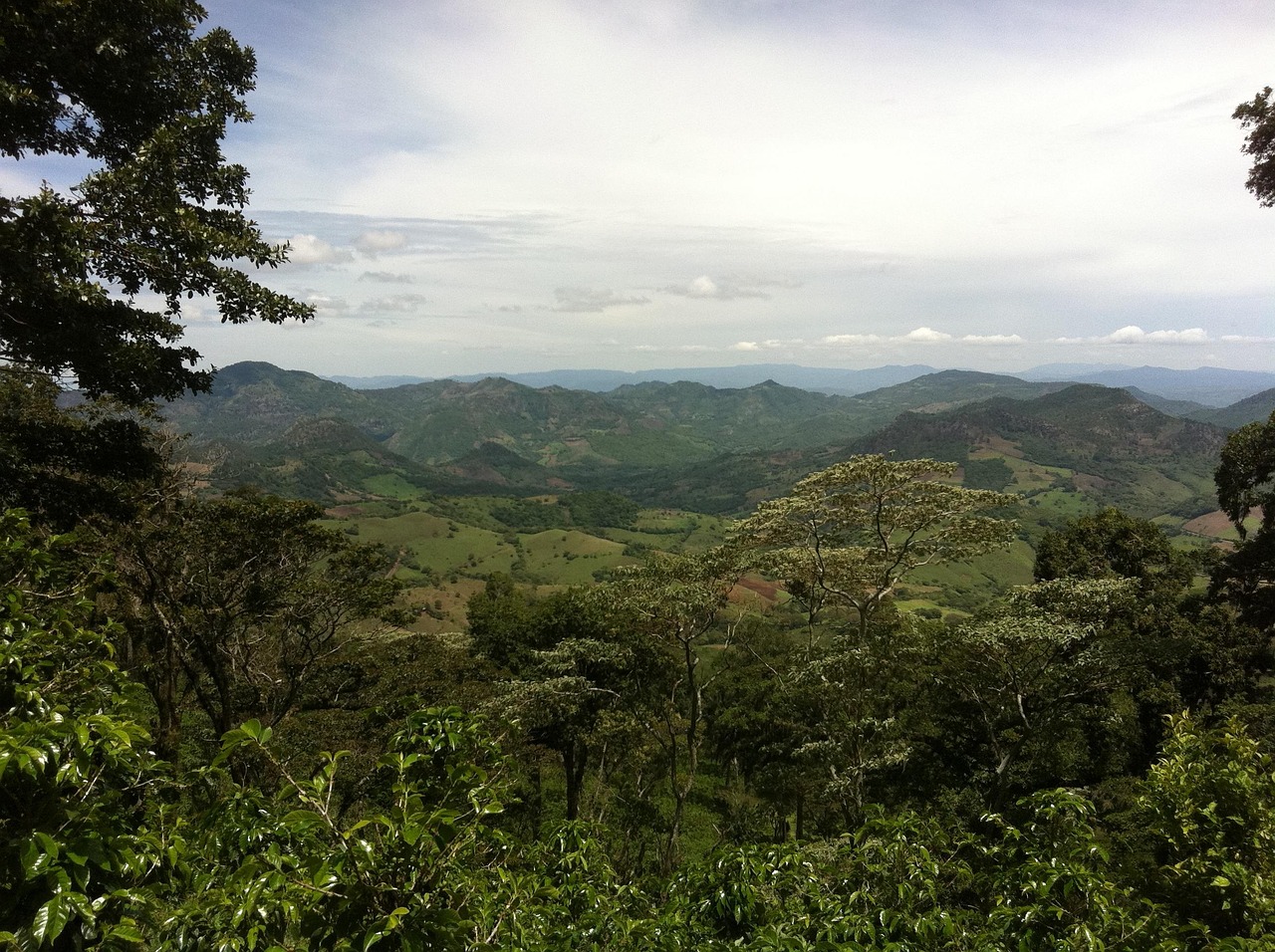
The Lenca homeland is a country of highlands, where mountain ranges covered in pine and oak give way to valleys and rolling farmland. Straddling the border region of western Honduras and eastern El Salvador, it is a temperate land, cooler than the tropical coasts, with a rhythm of rainy and dry seasons that governs the agricultural year.
This is not the lush lowland jungle of the Caribbean coast but a landscape of forested ridges and cultivated slopes, of clear rivers and scattered villages. The Lenca learned to farm this terrain over many generations, working the hillsides for maize and beans and drawing on the forests for wood and other resources.
The rivers of the highlands hold particular importance, both practical and sacred, and in recent times the defense of these waters against dams and development has become a central Lenca cause. The land itself, and the water that runs through it, lie at the heart of what it means to be Lenca.
The relative isolation of the highlands helped preserve Lenca communities through the colonial period and beyond, even as it left the region poor and often neglected by the national governments. The mountains that sheltered the people also kept them on the margins of the states that claimed their land.
The highland environment shaped not only how the Lenca farmed but how they saw the world. The rivers that carve through the mountains were understood as living and sacred, sources of life to be respected rather than merely used. This reverence for water, inherited across generations, helps explain why the modern threat of dams and diversions has struck so deeply at the Lenca sense of themselves, turning the defense of a river into a defense of identity itself.
Maize, Beans, and the Farming Year
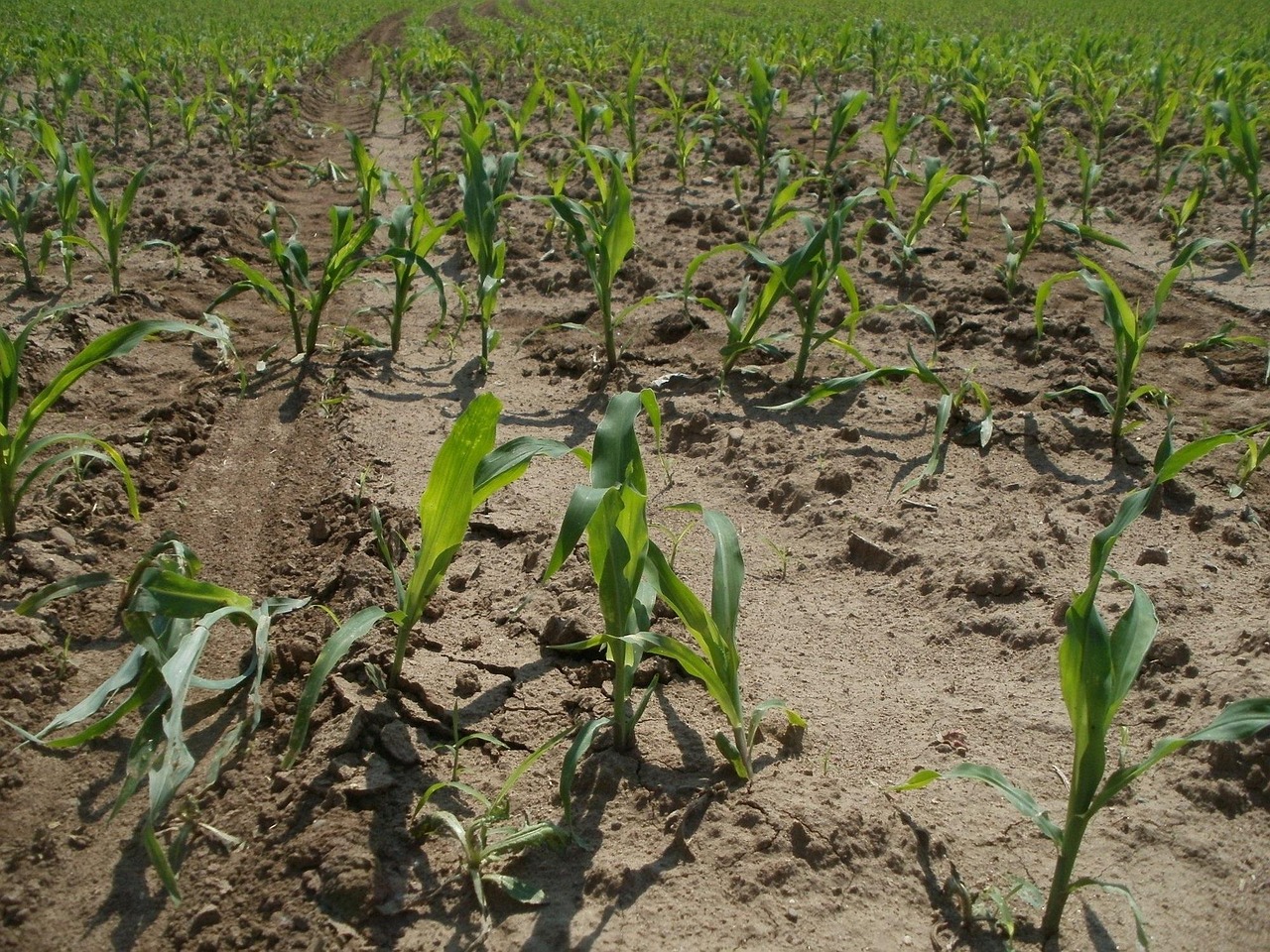
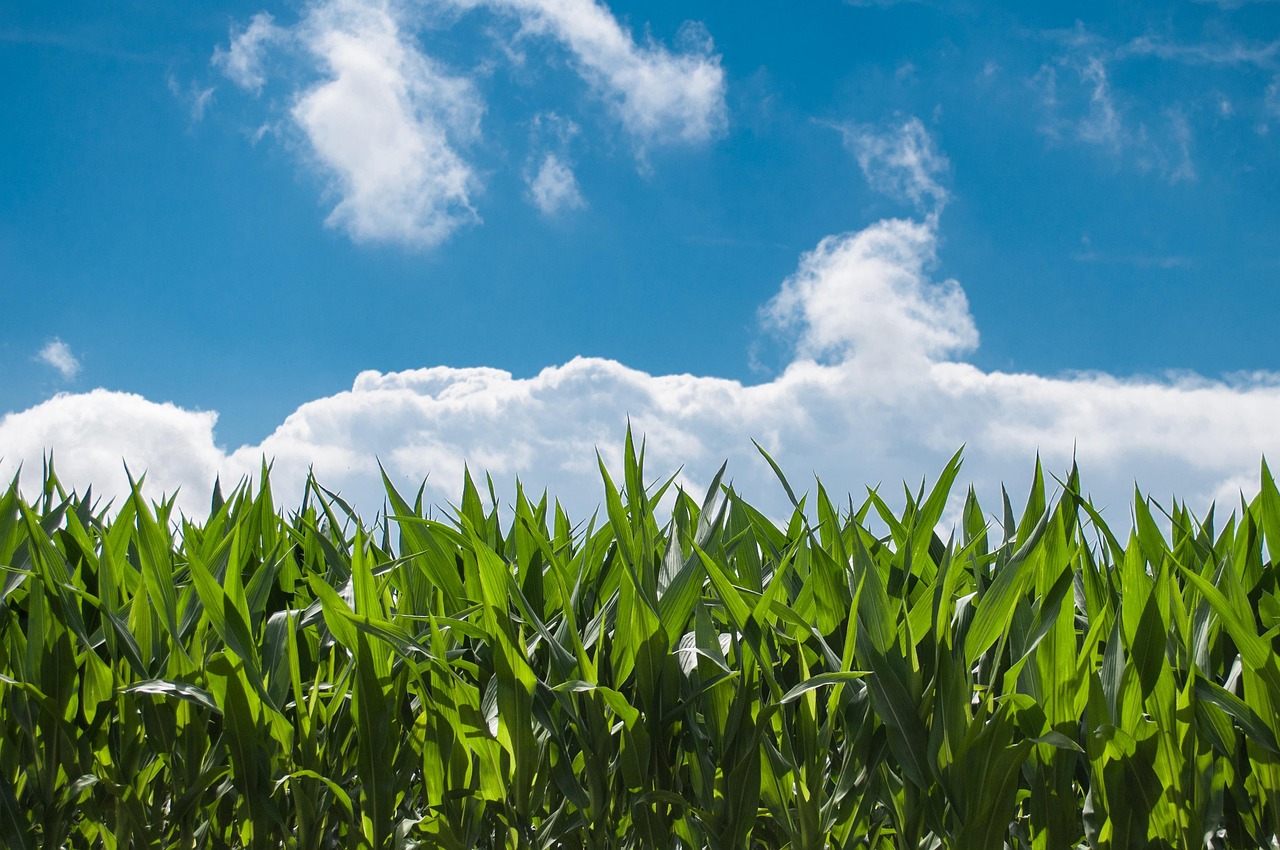
Like their neighbors across Mesoamerica, the Lenca built their livelihood around maize, grown together with beans and squash in the milpa system inherited from deep antiquity. Farming the highland slopes by hand, the Lenca produced the staples that fed their families and structured the rhythm of their year around planting and harvest.
Agriculture among the Lenca was tied closely to ritual and to a sense of reciprocity with the land. The act of farming was not merely economic but bound up with ceremonies meant to ensure good rains and abundant harvests, expressing a relationship with the earth that predated Christianity and survived alongside it.
Beyond the staple crops, the Lenca kept small livestock, gathered from the forests, and in later centuries took up coffee cultivation, which tied the highlands to distant markets. The combination of subsistence farming and cash crops shaped a rural economy that has changed slowly over generations.
This agricultural life demanded cooperation, and Lenca communities developed systems of shared labor and mutual aid to work the land. The bonds forged in the fields reinforced the ties of family and community that held the villages together through hard times.
Community, Mayordomos, and Mutual Aid
Lenca society is organized around the village and the community, with systems of shared responsibility that echo those found among Indigenous peoples throughout the region. Community and religious offices, whose holders take on duties and expenses as a service to the collective, structure social life and confer prestige on those who serve.
Mutual aid runs deep in Lenca villages, where neighbors help one another in farming, building, and the great expenses of festivals and ceremonies. These reciprocal ties form a kind of social safety net in a region where the state has often been distant and public services scarce.
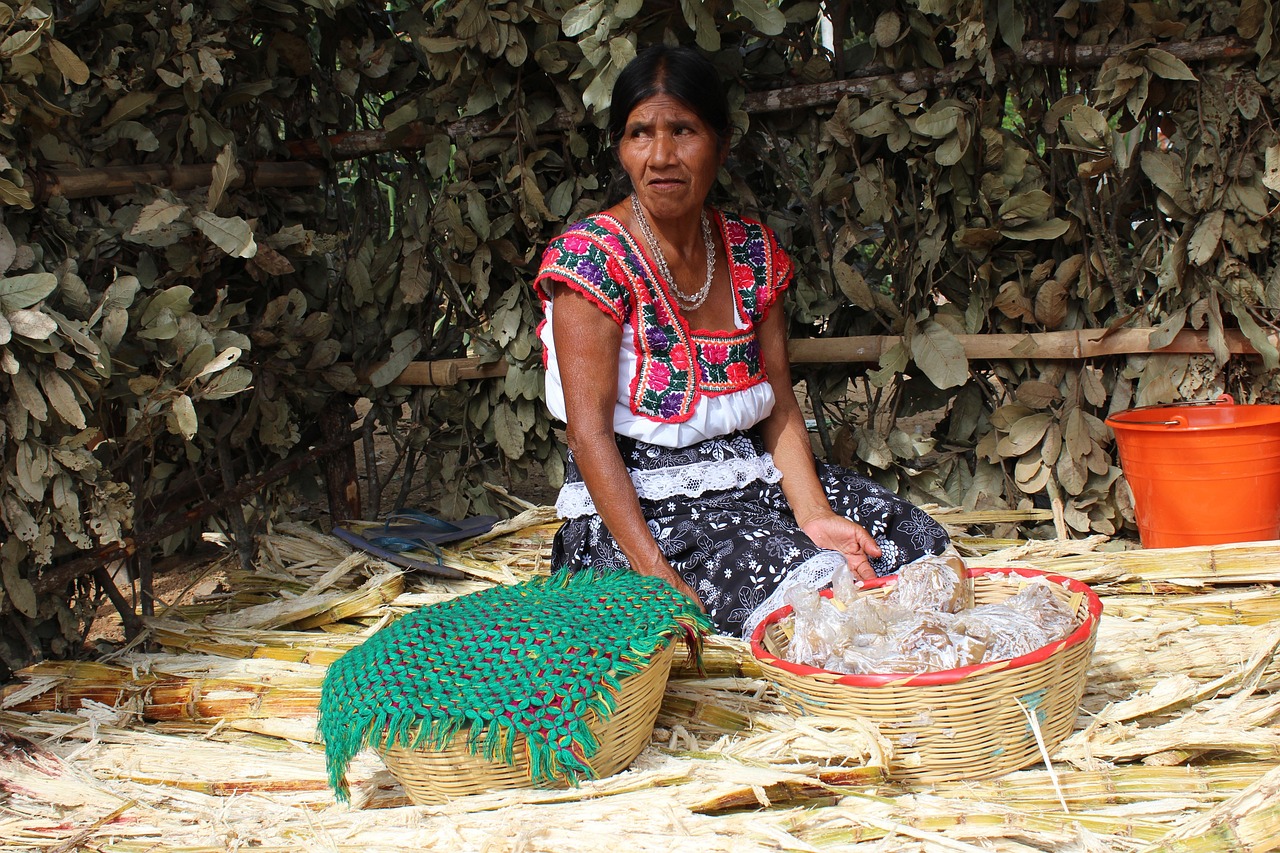
The family, extended through kinship and godparenthood, is the basic unit of Lenca life, and elders command respect as the carriers of knowledge and tradition. Women play essential roles in the household economy, in farming, and above all in the pottery for which the Lenca are renowned.
This communal organization has proven vital to the survival of Lenca identity. In the absence of the language, it is the living fabric of community life, with its offices, its festivals, and its mutual obligations, that has carried the sense of being Lenca from one generation to the next.
The cargo system of rotating community offices asks much of those who serve, binding individual ambition to the welfare of the whole. A person who accepts a post may spend a year in unpaid service, meeting the costs of festivals and ceremonies out of their own pocket, and emerging with a standing in the community that no amount of private wealth could buy. Through this system the Lenca have long produced leaders whose authority rests on sacrifice and service, and have kept the ethic of the collective alive at the center of village life.
Guancasco and the Blending of Faiths
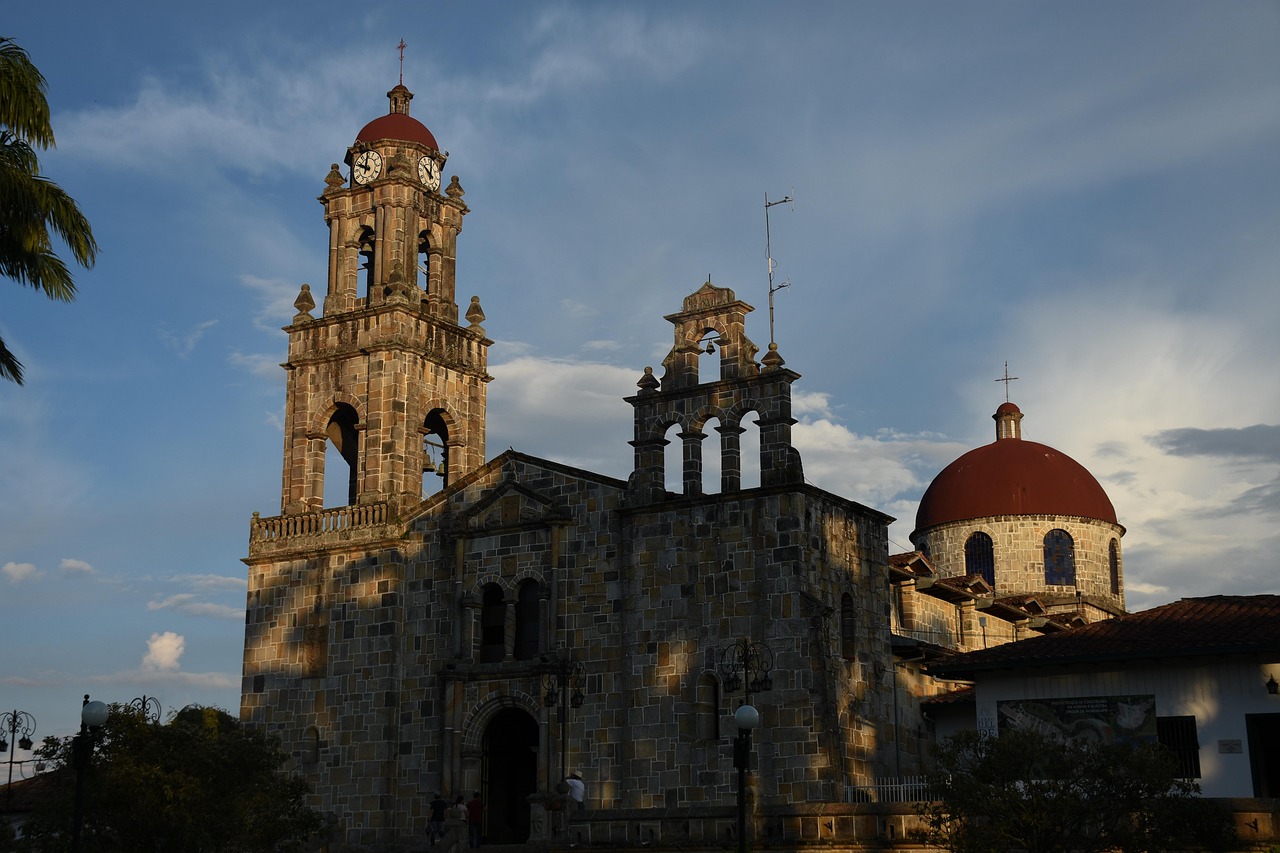
The spiritual life of the Lenca is a rich blend of Catholicism and older Indigenous belief, woven together over the colonial centuries into a distinctive religious tradition. The saints of the church are honored alongside a continuing sense of the sacred in the land, the rivers, and the ancestors, and ritual specialists maintain practices that reach back before the conquest.
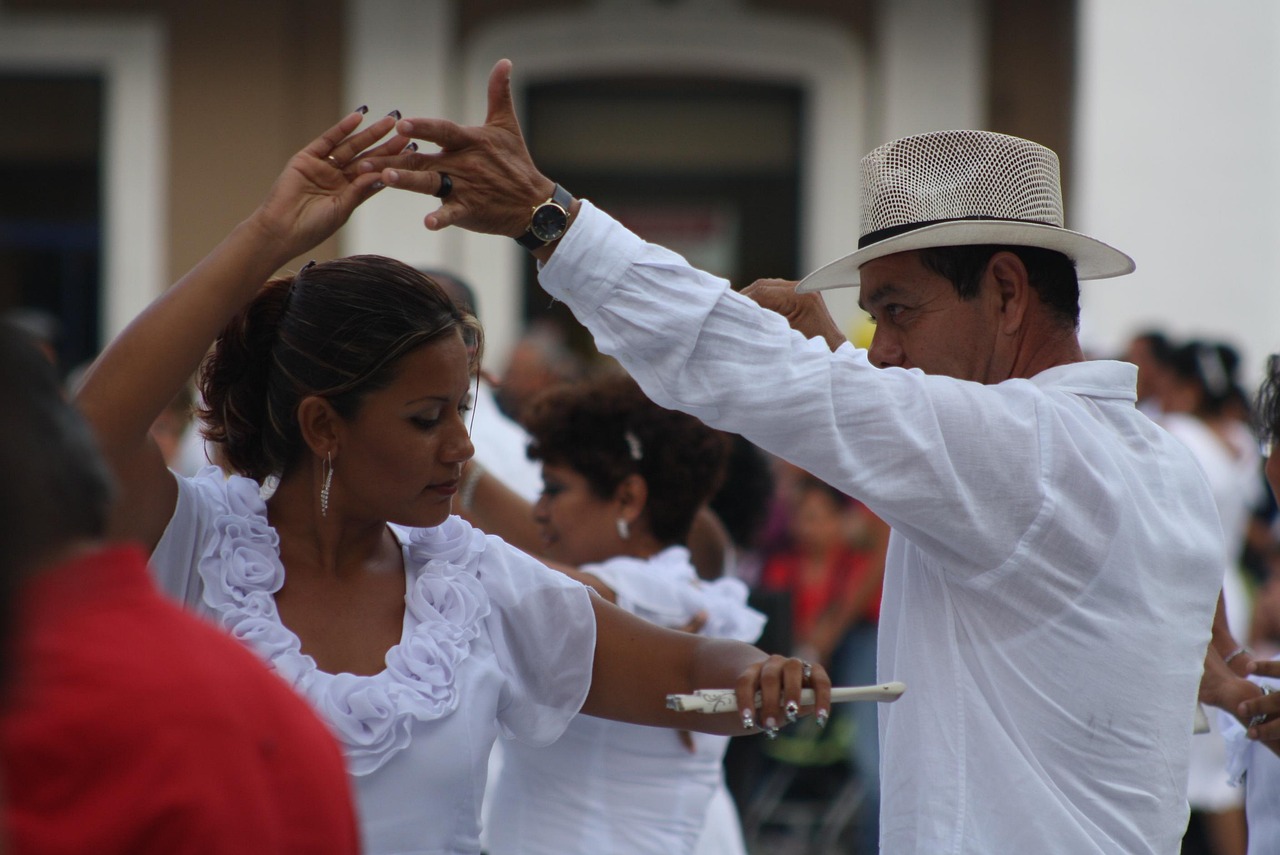
Among the most remarkable Lenca traditions is the guancasco, a ceremony of peace and alliance between neighboring communities. In the guancasco, villages exchange visits, carrying their patron saints to meet one another in a ritual that renews bonds of friendship and mutual respect. It is a striking expression of the Lenca value placed on community and reconciliation.
Offerings and ceremonies tied to the agricultural cycle continue to mark the relationship between the people and the earth, seeking to maintain balance and ensure the fertility of the fields. These practices, often led by community elders and specialists, blend seamlessly with the Catholic calendar in the lived religion of the highlands.
For the Lenca, as for many Indigenous peoples of the region, there is no sharp line between the Catholic and the ancestral. Both belong to a single sacred world in which the church, the saints, the land, and the forebears all have their place, honored together in the rhythms of village life.
The guancasco stands out among Mesoamerican traditions for its emphasis on peace rather than conquest or tribute. When two communities meet to exchange their saints, they enact a bond of friendship that transcends rivalry, and the visiting and hosting rotate over the years so that no village stands permanently above another. In a region marked too often by conflict, this ritual of alliance expresses a deep Lenca conviction that neighboring communities are meant to live in mutual respect, and it renews that conviction each time the saints are carried along the highland paths to meet.
Rituals That Bind the Highlands
Beyond the guancasco, the Lenca keep a range of traditions that mark the passage of the year and the important moments of community life. Ceremonies tied to planting and harvest, to the honoring of saints, and to the maintenance of good relations with the land and the ancestors fill the calendar and give shape to the shared life of the villages.
Compostura, a ceremony of offering and thanksgiving to the earth, is among the practices that express the Lenca relationship with the natural world. Through such rituals the community seeks blessing and balance, giving back to the land that sustains it in a cycle of reciprocity that predates the arrival of Christianity.
Music and dance accompany many of these occasions, performed with instruments and steps that carry local tradition. The rituals are not performances for outsiders but living practices with meaning for the participants, binding individuals to the community and the community to its past.
In an age of change and migration, these traditions serve as anchors of identity. They gather the community, affirm its values, and hand down to the young a sense of what it means to belong to the Lenca people, even where the language that once accompanied these rites has fallen silent.
The Famed Pottery of the Lenca
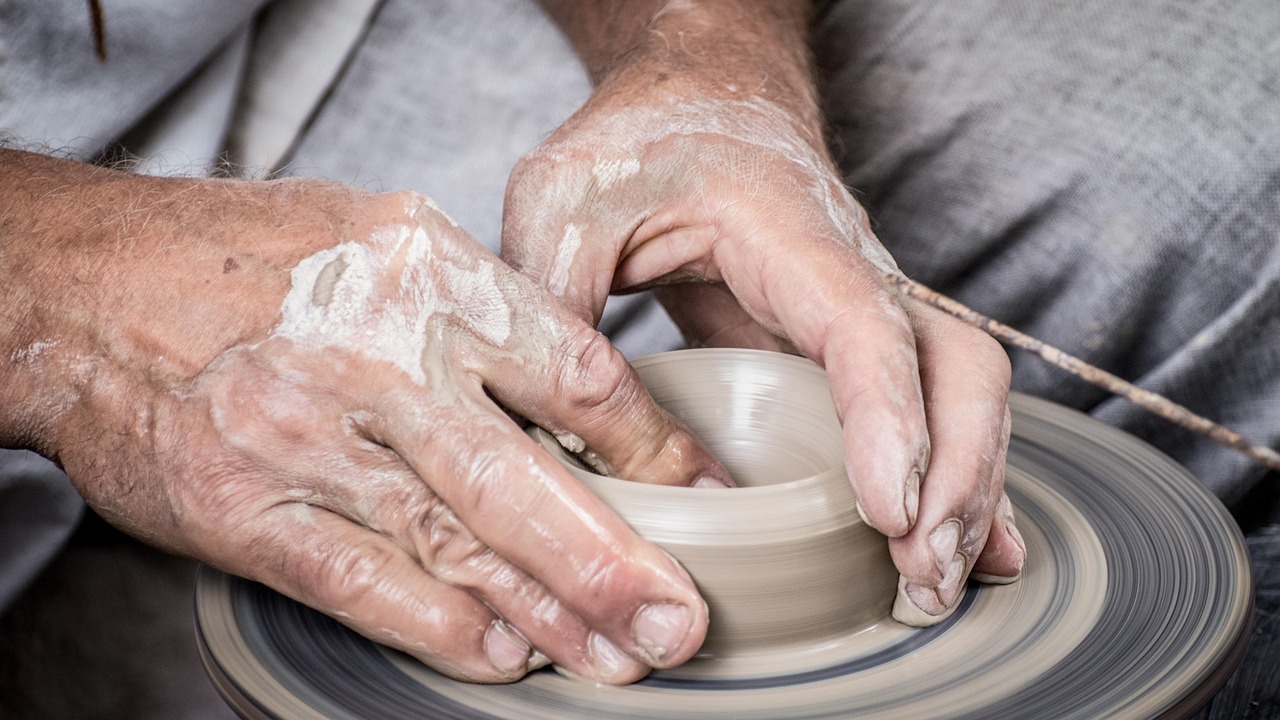
If any craft defines the Lenca in the eyes of the wider world, it is their pottery. For generations Lenca women have shaped clay into vessels of distinctive form and decoration, using techniques passed down through families and firing methods rooted in tradition. Lenca pottery is prized across Honduras and has become an emblem of the people’s cultural heritage.
The making of pottery is women’s work, and it carries both economic and cultural weight. The vessels serve the practical needs of the household and are also sold in markets, providing income for families in a region with few other sources of cash. In the shaping and decorating of the clay, knowledge and identity are reproduced with each generation.
The forms and patterns of Lenca pottery reflect a long tradition, some elements reaching back to pre-Hispanic times. Certain communities have become especially known for their ceramics, and the craft has drawn attention as a living link to the deep past of the highlands.
In recent years Lenca pottery has gained wider recognition and appreciation, celebrated as folk art and cultural patrimony. For the Lenca themselves it remains both a livelihood and a proud expression of who they are, a craft that speaks their identity even in the silence of the lost language.
The clay itself is gathered from particular places known to the potters, prepared and worked by hand without the wheel, and fired in open or simple kilns in the manner passed down through the generations. Each vessel carries the marks of its maker and the traditions of her community, and a knowledgeable eye can often tell where a piece was made from its form and decoration. In this way the pottery is not only a craft but a kind of signature, encoding the identity of the community that produced it.
The Highland Table
Lenca cooking rests on the Mesoamerican foundation of maize and beans, prepared in the ways common across the region and adapted to the ingredients and tastes of the highlands. Tortillas and tamales made from hand-ground corn accompany meals, and beans in various forms provide the everyday protein of the rural diet.
The temperate highland climate shapes what the Lenca grow and eat, from the maize and beans of the milpa to the vegetables, fruits, and herbs suited to the cooler country. Coffee, grown widely in the region, is both a cash crop and a part of daily life, and its cultivation has drawn the highlands into wider markets.
Special dishes mark festivals and ceremonies, prepared in quantity for the gatherings that punctuate the Lenca year. Food, as everywhere, is bound up with hospitality and community, and to share a meal is to affirm the ties that hold village life together.
Though the pressures of the modern economy and changing diets have reached even the highland villages, the core of Lenca cooking remains rooted in maize and the produce of the mountain slopes, a cuisine shaped by the land and the seasons of the highlands.
Saints’ Days and Communal Celebration
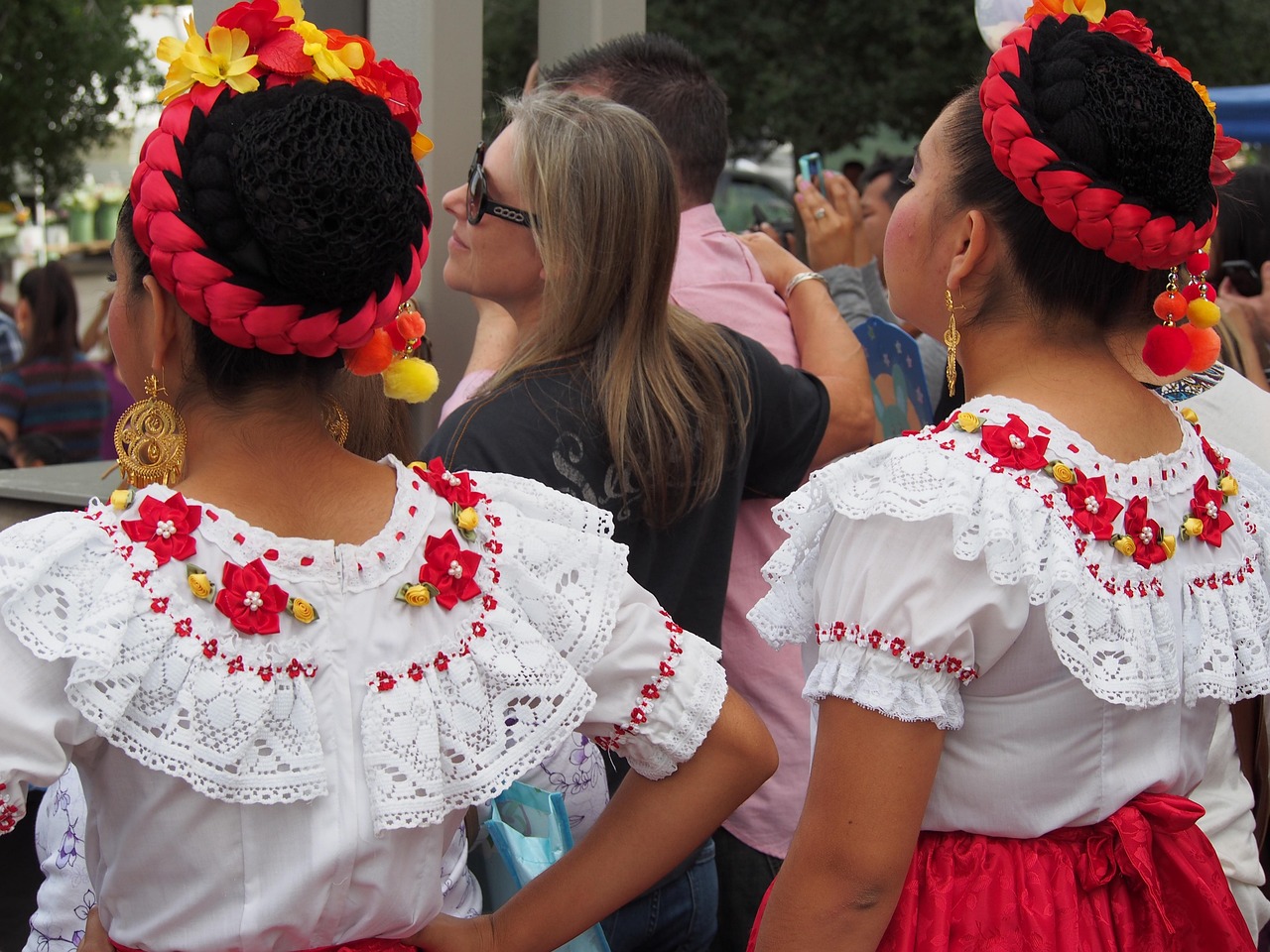
The Lenca festival calendar revolves around the patron saints of the villages, whose feast days bring the community together for celebrations blending Catholic devotion with older tradition. These occasions fill the year with music, dance, processions, and feasting, and draw people home from far away to renew their bonds with family and community.
The guancasco ceremonies, in which neighboring communities exchange visits and carry their saints to meet, are among the most distinctive festival occasions, expressing the Lenca commitment to peace and alliance between villages. Such gatherings reaffirm the wider ties that link the scattered communities of the highlands.
Organizing these celebrations requires communal effort and expense, managed through the systems of shared responsibility that structure Lenca social life. To sponsor or lead a festival is to serve the community and to earn the respect that comes from fulfilling one’s obligations to the collective.
For a people spread across the rural highlands and increasingly touched by migration, the festivals are the great moments of gathering. In them the community becomes visible to itself, its traditions are renewed, and the sense of being Lenca is affirmed for another year, carried on music and celebration rather than on the words of the lost tongue.
Resistance, Conquest, and Endurance
The Lenca have inhabited their highlands for a very long time, and their pre-Hispanic past connects them to the wider world of Mesoamerica, with which they traded and shared cultural currents. Living at the southeastern edge of the Mesoamerican sphere, near the great Maya centers, the Lenca developed their own distinct societies in the mountains.
When the Spanish invaded Central America in the sixteenth century, the Lenca resisted fiercely. Their most celebrated leader rallied the highland communities in a prolonged struggle against the conquerors, a resistance remembered to this day as a symbol of Indigenous defiance. Though the Spanish ultimately prevailed, the memory of that fight became central to Lenca identity.
The colonial centuries brought the familiar burdens of forced labor, tribute, disease, and the pressure to abandon Indigenous ways, including the language. Yet the Lenca endured in their highland villages, adapting and blending traditions while holding onto a core sense of who they were through generations of hardship.
In the modern era the Lenca have continued to face marginalization, poverty, and threats to their land, and their history has become one of ongoing struggle for rights and recognition. The thread of resistance that runs from the conquest to the present remains a defining feature of the Lenca story.
The Lenca in the Modern Struggle
Today the Lenca stand as a people determined to defend their land, their rights, and their identity in the face of powerful pressures. In both Honduras and El Salvador they have organized to demand recognition, to secure their territories, and to resist projects that threaten their environment and their way of life, becoming a visible force in Indigenous and environmental movements.
The defense of the highland rivers against dams and development has become an especially prominent Lenca cause, drawing international attention and, at times, tragic cost. The struggle to protect water and land reflects a relationship with the natural world that lies at the heart of Lenca identity, and it has made the community a symbol of Indigenous resistance in Central America.
At the same time the Lenca work to sustain and recover their cultural heritage, from the celebrated pottery to the guancasco ceremonies, and some have begun efforts to revive elements of the lost language. Poverty and migration continue to challenge the communities, drawing many away in search of work, yet the sense of Lenca identity endures and even grows stronger.
To know the Lenca is to see a people who lost their language but not themselves. In their crafts, their ceremonies, their defense of the land, and their long memory of resistance, the Lenca continue to assert their place in the highlands of Central America, insisting, generation after generation, on remaining who they are.
Related Peoples of Mexico and Central America
- Totonac Builders of El Tajin and the Dance of the Flyers
- Why the Rarámuri of Copper Canyon Never Stopped Running
- How the Wixárika of Mexico Keep Walking to the Birthplace of the Sun
- Nahua, the People Behind Mexico’s Name
- Otomi, the Original Neighbors of the Aztec Capital
- Purépecha, the People Who Kept the Aztec Empire Out of Michoacán
- Mixtec, the Cloud People Who Wrote Their Own History
- Zapotec, a People Older Than the Aztec Empire
- The People Who Never Vanished, the Story of the Maya
- Yaqui Deer Dancers and the Eight Towns of Sonora
- Seri Comcaac Sea Hunters and Ironwood Carvers of the Sonoran Coast
- Mixe Ayuujk Speakers and the Mountain They Never Surrendered
- Huave Fishers of the Isthmus Lagoons and the Language Called Ombeayiuts
- Chontal of Oaxaca and Their Tequistlatecan Tongue Between Mountain and Sea
- Huastec Teenek Music, Embroidery, and the Rivers of the Green Huasteca
- Meꞌphaa Speakers of the Guerrero Mountains and a Language That Stands Alone
- Garifuna Drummers and Cassava Bakers of the Central American Caribbean Coast
You May Like
The Damara, an Ancient People of Namibia