On a windswept strip of sandbar between a chain of shallow lagoons and the open Pacific, at the narrowest point of Mexico, live a small people who turned their backs on the land and built their entire way of life on the water. The Huave, who call themselves Ikoots, the people of the sea, are fishers of the lagoons of the Isthmus of Tehuantepec, and they speak a language, Ombeayiüts, that has no known relatives anywhere on earth.
This is the story of the Huave, from their home on the great lagoons and their singular language to their mastery of net and trap, their trade in dried shrimp, their fine woven textiles, their devotion to the powers of wind and water, and their endurance as a distinct people of the sea among the powerful nations of the isthmus.
Contents
- Origins on the Lagoons
- A People of the Sea
- The Ombeayiüts Language
- The Lagoons of the Isthmus
- Fishers of the Shallow Waters
- Community on the Sandbar
- Wind, Water, and the Powers of the Sea
- The Rhythms of a Fishing Life
- Weaving and the Backstrap Loom
- From the Lagoon to the Table
- Celebrations on the Water
- A Small People Among Great Neighbors
- The Huave Today
Origins on the Lagoons
On a narrow strip of land between a chain of shallow coastal lagoons and the open Pacific, in the far south of Oaxaca where Mexico pinches to its narrowest point, live a people who built their whole way of life around water. The Huave, who call themselves Ikoots or Kunajts, meaning us or our people, are fishers of the lagoons, and outsiders have long known them simply as the people of the sea.
Their homeland lies on the Isthmus of Tehuantepec, the slender neck of land where the Gulf of Mexico and the Pacific draw close together. Here a chain of great lagoons, cut off from the ocean by long sandbars, spread across a flat and often windswept coast, and it is on the shores and waters of these lagoons that the Huave have made their living for many centuries.
Unlike most of their neighbors in Oaxaca, who are farmers of maize on hills and valleys, the Huave turned to the water. The shallow, brackish lagoons teem with fish and shrimp, and the Huave became expert at harvesting this abundance, developing a fishing culture unlike anything in the surrounding highlands and building their communities on the edge of the water.
How the Huave came to this coast is not entirely clear, and their own traditions and the theories of scholars offer different possibilities. What is certain is that they settled on the lagoons long ago and made this watery world entirely their own, a people apart from the farming nations around them, defined by the sea, the wind, and the shallow silver waters of the isthmus.

A People of the Sea
The Huave are known by several names, and each tells part of their story. The name Huave was given by outsiders, probably by their Zapotec neighbors, and it is the label under which they appear in most records. Among themselves, however, they use names such as Ikoots, and their language they call Ombeayiüts, the true speech or our word.
Spanish speakers often called them the mareños, the people of the sea or the tide, a fitting name for a nation whose life was bound to the lagoons and the ocean beyond. This identity as sea people set them sharply apart in a region where nearly everyone else looked to the land, and it shaped how their neighbors saw them and how they saw themselves.
The Huave live in a small cluster of communities on the lagoons, the largest and best known of which is San Mateo del Mar, a town whose very name marks it as a place of the sea. These communities, tucked onto the sandbars and shores of the isthmus, form the heartland of a small but distinct people surrounded by the much larger Zapotec nation.
Small in number and hemmed in by powerful neighbors, the Huave held onto their identity through their language, their fishing life, and their sense of themselves as a people of the water. To be Ikoots was to belong to the lagoons, to know the ways of the fish and the tides, and to speak a language that no neighbor could understand.

The Ombeayiüts Language
The Huave language, Ombeayiüts, is one of the great puzzles of Mexican linguistics, for it is a language isolate, with no proven relationship to any other language in the world. Despite living for centuries among Zapotec and other peoples, the Huave kept a tongue entirely their own, unconnected to the great language families that surround them.
Scholars have tried at various times to link Ombeayiüts to other languages, near and far, but none of these proposals has won acceptance. The language stands alone, a survivor from an older linguistic world, and this isolation makes it precious both to the Huave and to the study of human language, for every isolate is a unique window into what language can be.
Ombeayiüts carries within it the detailed knowledge of the lagoon world, the names of the fish and the birds, the winds and the waters, the tools and techniques of a fishing life. To speak the language is to hold this knowledge, and the vocabulary of the Huave reflects a mind shaped by the tides and the shallow silver lagoons of the isthmus.
Today Ombeayiüts is considered endangered, spoken by a few thousand people and under pressure from Spanish, yet it remains alive in the lagoon communities, especially in San Mateo del Mar. Efforts to document and teach it treat the language as the irreplaceable core of Huave identity, a unique thread in the human story that exists nowhere else.
The persistence of an isolate in such crowded linguistic country is itself remarkable, for the Huave lived for centuries in close contact with Zapotec, Zoque, and other tongues without their own being absorbed. That endurance speaks to the strength of Huave identity and to the tight bonds of the lagoon communities, which kept the true word alive against every outside pressure.
The Lagoons of the Isthmus
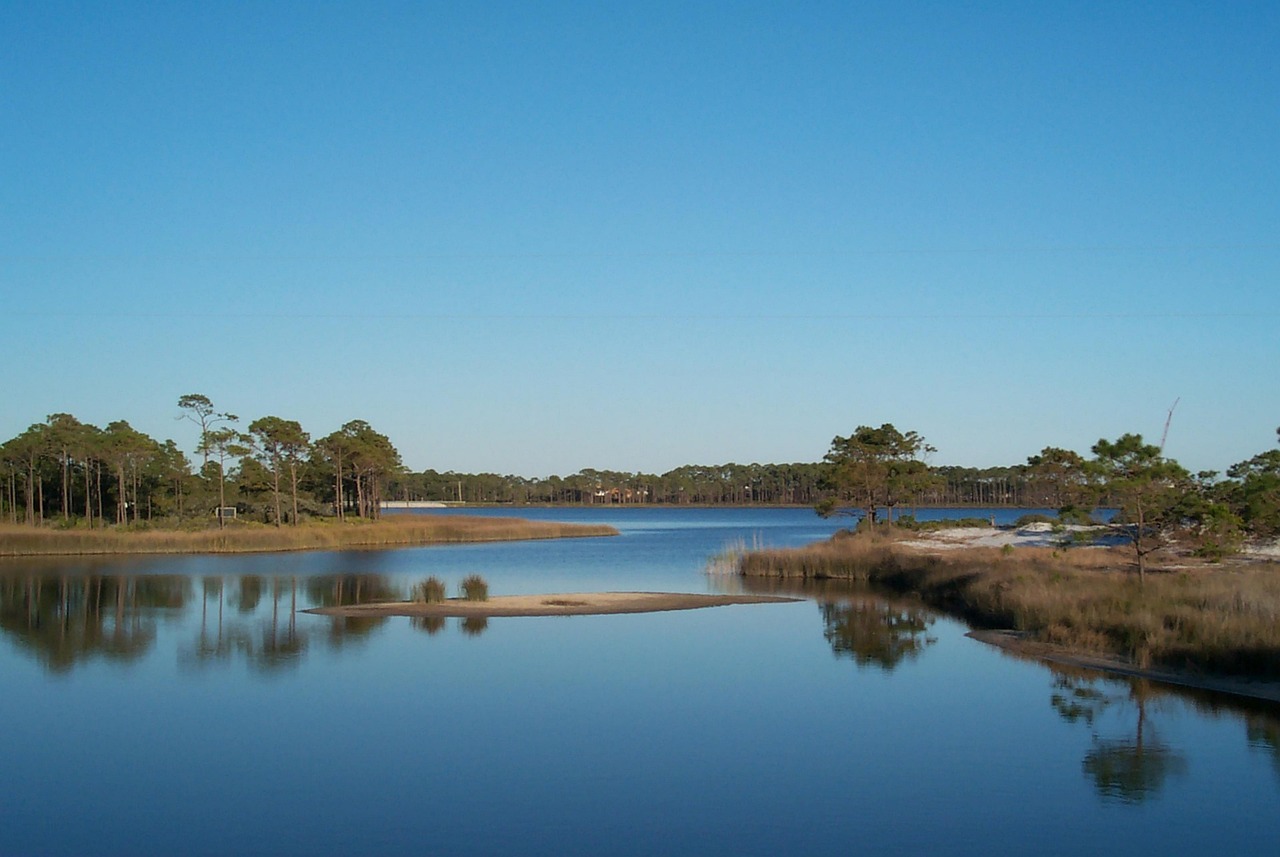
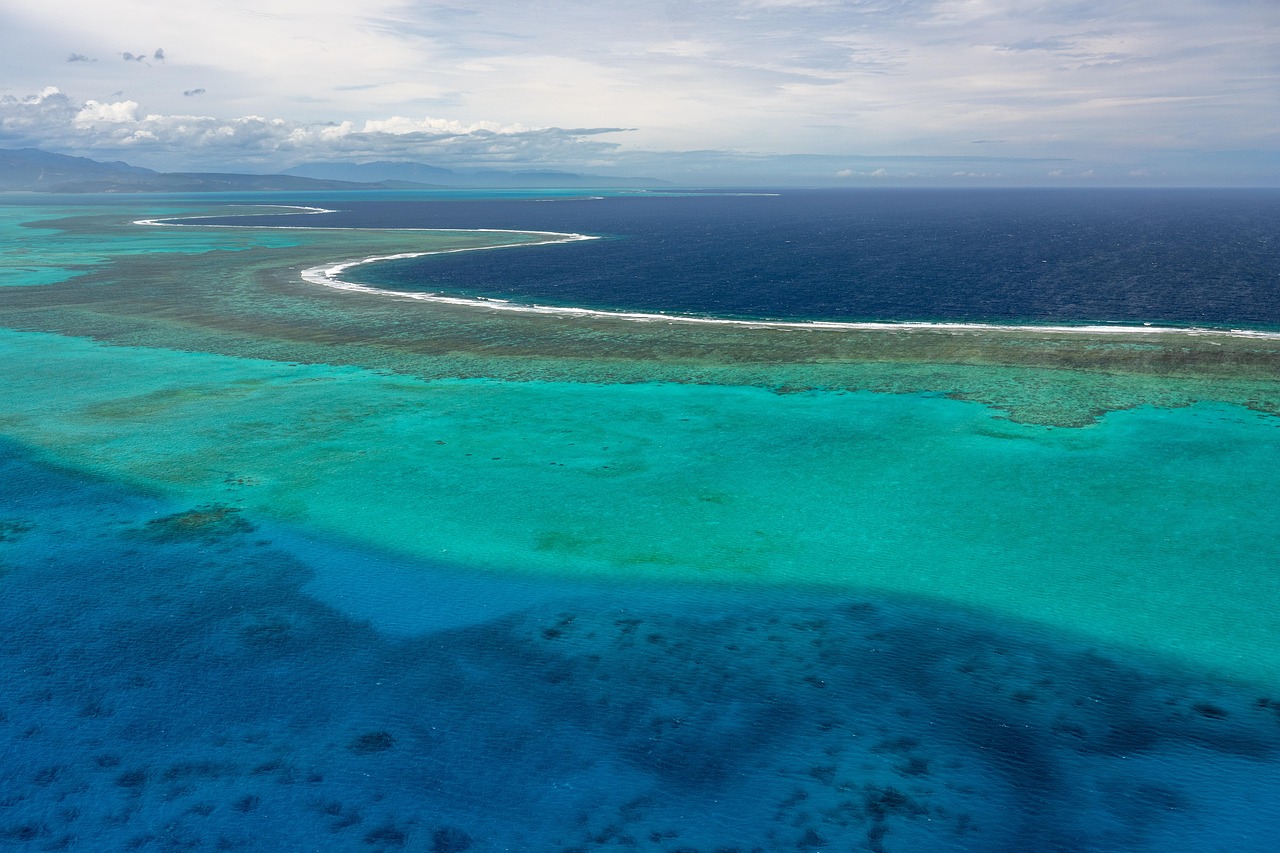
The Huave homeland is a world of water and wind on the Pacific side of the Isthmus of Tehuantepec. A chain of large lagoons, known by names such as the Laguna Superior and the Laguna Inferior, stretches along the coast, separated from the open ocean by long sandbars on which the Huave built their towns. Between the fresh water of rivers and the salt of the sea, these lagoons are brackish, shallow, and rich with life.
The isthmus is famous for its winds, and the Huave coast is one of the windiest places in Mexico, swept by powerful gusts that howl across the flat land and the open water. These winds shaped the environment and the culture alike, and in recent times they have drawn great wind farms to the region, a modern presence on an ancient landscape.
The lagoons themselves are the heart of the Huave world, their waters full of fish and shrimp and their shores home to birds and other creatures that the Huave know intimately. The rhythm of the tides, the movement of the fish, and the changing of the seasons governed the life of the people, who read the lagoon as closely as a farmer reads the soil.
Beyond the lagoons lies the open Pacific, and behind them the flat coastal plain that rises eventually toward the mountains of Oaxaca. But it is the water that defines the Huave homeland, the shallow silver expanse of the lagoons, ringed by sandbars and swept by wind, on which a small people built a way of life found nowhere else in Mexico.
Fishers of the Shallow Waters
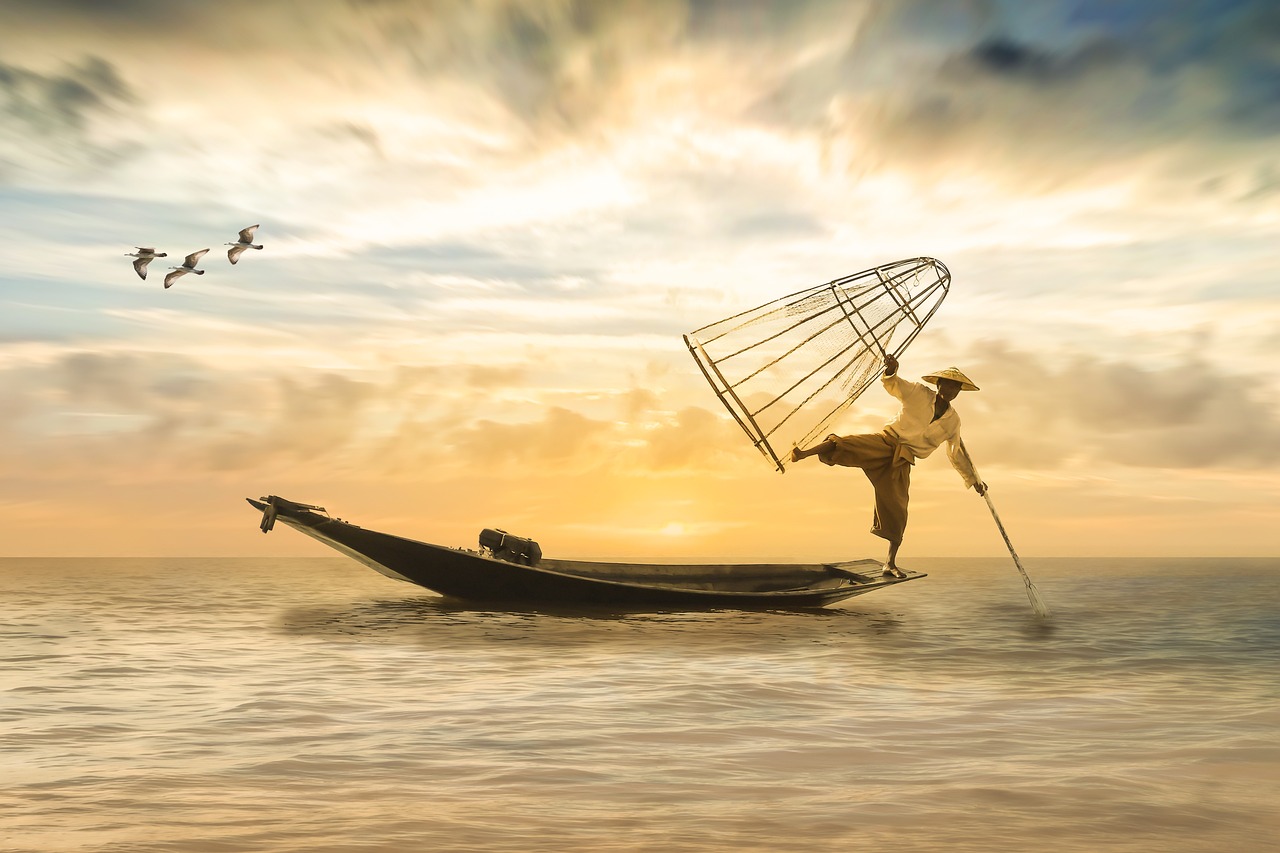
The traditional life of the Huave was built almost entirely on fishing. In the shallow waters of the lagoons the men set nets and traps to catch the fish and shrimp that were the foundation of the diet and the economy, wading and poling small craft through waters they knew in every detail. Few peoples in Mexico depended so completely on the harvest of the water.
Huave fishing techniques were finely adapted to the lagoon environment, using nets cast by hand, traps set in the channels, and knowledge of where and when the fish gathered. The shrimp of the lagoons were especially important, both as food and as a trade good, dried and carried to the markets of the region where they were exchanged for the maize and other goods the Huave did not grow.
Because the Huave were not primarily farmers, they depended on trade with their neighbors for many of the staples that other peoples grew themselves. The dried fish and shrimp of the lagoons were their great export, and through this exchange the Huave linked their watery world to the wider economy of the isthmus and beyond.
This life demanded deep knowledge and constant labor, but it also gave the Huave a distinct identity and a measure of independence. The lagoons were theirs, their harvest was their own, and their mastery of the water marked them as a people unlike any of the farming nations around them, sea people in a land of farmers.
This dependence on trade tied the Huave into a wider regional network centered on the great markets of the isthmus, where the dried harvest of the lagoons was exchanged for the produce of the highlands. Far from isolating them, the fishing life placed the Huave at the meeting point of land and sea, brokers of the water’s bounty to a region that prized their catch.

Community on the Sandbar
Huave society centered on the community, the town on the sandbar or the lagoon shore, bound together by kinship, by the shared work of fishing, and by a common identity as people of the water. San Mateo del Mar and the other Huave towns were tight knit places where families were linked by marriage and by the cooperative labor that fishing often required.
Community life was governed through local institutions that blended Indigenous tradition with forms introduced during the colonial era, with civil and religious offices carrying the responsibilities of leadership and service. As in many Mesoamerican communities, taking on these offices was a duty and an honor, and service to the town earned respect and standing.
The work of fishing, while often done by individuals or small groups, was set within a web of community relationships that governed access to the lagoons and the sharing of knowledge and catch. Belonging to the town meant belonging to this web, with its obligations and its support, and the community as a whole was the framework within which Huave life unfolded.
Surrounded by the far more numerous Zapotec, the Huave communities held tightly to their distinct identity, and that cohesion was part of how they survived as a small people among larger neighbors. Bound by language, by the fishing life, and by the shared world of the lagoons, the Huave towns preserved a way of life all their own.
Wind, Water, and the Powers of the Sea
Huave spiritual life grew from the world of the lagoons, the sea, and the wind, and it centered on the forces that governed this watery environment. Like other Indigenous peoples of Mexico, the Huave understood their world as alive with power, and their ceremonies sought to maintain right relations with the beings who controlled the rains, the winds, the fish, and the fortunes of the community.
The sea and the sky, the sources of both bounty and danger, held a central place in this spiritual world. The powers associated with the water and the weather were petitioned for good fishing and calm seas and appeased in times of storm and scarcity, and the Huave developed rituals and specialists to mediate between the human community and these forces.
As elsewhere in Mexico, Catholicism came to the Huave and took root, and the saints and the church calendar became part of community life. But the older devotion to the powers of the lagoon and the sea did not vanish, and the two traditions blended into a religious life in which Christian and pre-Christian elements existed side by side.
This blended spirituality was expressed above all in the ceremonies and festivals of the community, where the concerns of a fishing people, good catches, calm waters, the turning of the seasons, were woven together with the observances of the church. In these rituals the Huave affirmed their bond with the living world of the lagoons on which their whole existence depended.
The Rhythms of a Fishing Life
The traditions of the Huave grow from the water and the work of the fishing life. The knowledge of the lagoons, of where and when to fish, of how to set nets and read the tides and the winds, is itself a tradition, passed carefully from elders to the young and forming the practical heart of what it means to be Huave.
Around this working life gathered the customs that marked the passages of the year and of individual lives. Weddings, saints’ days, and the observances tied to the fishing seasons brought the community together in celebration, and the ceremonies of the town carried the meanings and memories that held the people together across the generations.
Music and dance accompanied these celebrations, as they do across Mexico, giving voice to the joys and devotions of the community. The Huave, like their neighbors, marked their festivals with sound and movement, and these performances tied the small lagoon towns into the wider ceremonial world of the isthmus while keeping their own distinct flavor.
Underlying all these traditions was the sense of being a people of the water, different from the farming nations around them. Every custom, every celebration, every piece of inherited knowledge reflected a life lived on the edge of the lagoons, and to take part in them was to affirm one’s belonging to the Ikoots, the people of the sea.

Weaving and the Backstrap Loom
Among the Huave, as among many peoples of Oaxaca, weaving is the great craft, and Huave women are celebrated for the textiles they produce on the backstrap loom. Their woven cloth, marked by distinctive designs and often incorporating figures drawn from the natural world of the lagoons, is among the finest expressions of Huave art and identity.
The backstrap loom, an ancient tool of Mesoamerica, allows the weaver to control the tension of the threads with her own body, and on it Huave women create garments and cloths of great skill and beauty. The patterns woven into these textiles carry meaning and mark identity, and the traditional dress of Huave women is a visible sign of their distinct culture.
Alongside weaving, the Huave practice the crafts of a fishing people, above all the making of the nets, traps, and small craft on which their livelihood depended. These tools, fashioned with skill and knowledge, were as essential to Huave life as any textile, and their making was a craft in its own right, tied directly to the harvest of the lagoons.
The everyday crafts of basketry and household goods rounded out the material culture of the Huave, drawing on the plants and materials of the coast. Whether in the fine woven cloth of the women or the practical gear of the fishers, Huave craft reflected a people who turned the resources of their watery homeland into the objects of a distinctive way of life.

From the Lagoon to the Table
Huave food comes above all from the water, a direct reflection of their life as fishers of the lagoons. Fish and shrimp are the foundation of the diet, prepared fresh and also dried for storage and trade, and the flavors of the sea run through Huave cooking as maize runs through the cooking of their farming neighbors.
Dried shrimp in particular hold a special place, both as a staple food and as the great trade good of the Huave, and they appear in many dishes of the region. The abundance of the lagoons gave the Huave a rich source of protein that set their cuisine apart from the maize based cooking of the highlands and tied it firmly to the water.
What the Huave could not gather from the lagoons they obtained through trade, above all the maize that is the staff of life across Mexico. Ground into tortillas and prepared in the many ways common to the region, maize joined the fish and shrimp of the lagoons to form the basis of the Huave table, a blend of the water’s harvest and the land’s staple.
Festival foods and shared meals held the same social importance among the Huave as elsewhere in Mexico, occasions for hospitality and community. To share the harvest of the lagoons, to feed guests and neighbors at a celebration, was part of the fabric of Huave life, an expression of the bonds that held the fishing communities of the isthmus together.

Celebrations on the Water
The festivals of the Huave, like those of their neighbors, blend the Catholic calendar with the older concerns of a fishing people. The feast days of patron saints are the great celebrations of the year, filling the lagoon towns with processions, music, dance, and shared food, and drawing the scattered energies of the community into moments of shared devotion and joy.
For a people whose lives depended on the water, these celebrations often carried a special concern for the sea, the winds, and the fish, the forces that governed their fortunes. The blessing of good catches and calm waters was woven into the observances, so that the festivals served both the church and the ancient needs of a fishing community.
The great celebrations were organized through the community’s own institutions, with individuals taking on the honor and burden of sponsoring and arranging the festivities. This system tied devotion to community service, and to carry out these duties well brought standing and respect within the town, knitting the celebration into the social fabric.
In these festivals the whole identity of the Huave found expression, their Catholic faith, their ancient bond with the lagoons and the sea, their music and dance, and their sense of themselves as a distinct people of the water. To celebrate together was to affirm what it meant to be Ikoots, the people of the sea, on the windswept coast of the isthmus.

A Small People Among Great Neighbors
The history of the Huave is the story of a small people holding onto a distinct identity among far larger and more powerful neighbors. Long before the Spanish came, the Huave lived on the lagoons under the shadow of the Zapotec, who dominated the isthmus, and Huave tradition remembers being pushed toward the coast and the water by these stronger neighbors.
When the Aztec empire extended its reach into the isthmus and later when the Spanish arrived, the Huave, like the other peoples of the region, came under outside pressure. Yet their remote, watery homeland and their marginal position, of little interest to powers seeking farmland and labor, helped them preserve their communities and their way of life through these upheavals.
Under Spanish rule and in independent Mexico the Huave remained a small, distinct people on the lagoons, tied into the regional economy through their trade in dried fish and shrimp but keeping their language and their fishing life. The great Zapotec towns of the isthmus loomed large in the region, and the Huave navigated their existence in the spaces between these more powerful neighbors.
Through all of this the Huave held onto the two things that most defined them, their unique language and their life on the water. Neither empire nor republic nor powerful neighbor erased the Ikoots, who endured on the sandbars and lagoon shores of the isthmus as they had for centuries, a small people who remained unmistakably themselves.

The Huave Today
Today the Huave number in the tens of thousands, living mainly in their communities on the lagoons of the Isthmus of Tehuantepec, with San Mateo del Mar remaining the great center of Huave life and language. They continue to fish the lagoons, weave their distinctive textiles, and celebrate the festivals that mark their year, holding onto an identity shaped by the water.
The Ombeayiüts language, as a threatened isolate spoken by only a few thousand people, is the focus of real concern and real effort. Community members, teachers, and scholars work to document and teach it, and its survival is tied to the survival of the Huave as a distinct people, for the language holds a whole way of knowing the lagoon world.
Modern life brings both opportunities and pressures to the Huave coast. The great winds of the isthmus have drawn large wind energy projects to the region, which have brought change and sometimes conflict over land and the environment, while migration and economic hardship draw people away from the fishing towns. The health of the lagoons themselves, on which everything depends, is a constant concern.
Yet the Huave endure, as they have for centuries, a small people of the water holding onto their language, their fishing life, and their identity as the Ikoots. On the windswept sandbars between the lagoons and the Pacific, the people of the sea carry their unique heritage into the present, still speaking the true word of Ombeayiüts and living from the shallow silver waters that have always been their home.

Related Peoples of Mexico and Mesoamerica
- Totonac Builders of El Tajin and the Dance of the Flyers
- Why the Rarámuri of Copper Canyon Never Stopped Running
- How the Wixárika of Mexico Keep Walking to the Birthplace of the Sun
- Nahua, the People Behind Mexico’s Name
- Otomi, the Original Neighbors of the Aztec Capital
- Purépecha, the People Who Kept the Aztec Empire Out of Michoacán
- Mixtec, the Cloud People Who Wrote Their Own History
- Zapotec, a People Older Than the Aztec Empire
- The People Who Never Vanished, the Story of the Maya
- Yaqui Deer Dancers and the Eight Towns of Sonora
- Seri Comcaac Sea Hunters and Ironwood Carvers of the Sonoran Coast
- Mixe Ayuujk Speakers and the Mountain They Never Surrendered
You May Like
The Damara, an Ancient People of Namibia


One thought on “Huave Fishers of the Isthmus Lagoons and the Language Called Ombeayiuts”