On the desert coast of Sonora, where the Sonoran Desert meets the warm waters of the Gulf of California, live one of the smallest and most singular nations in all of Mexico. The Seri, who call themselves Comcaac, survived for centuries not by farming but by hunting the sea, and they hold onto a language that has no known relatives anywhere on earth, a true linguistic isolate that stands entirely alone.
This is the story of the Comcaac, from their life as hunters of sea turtles and gatherers of desert plants to their extraordinary basketry and ironwood carvings, their reverence for the turtle, their long resistance to conquest, and their survival, against overwhelming odds, as a distinct people on the shores of the gulf.
Contents
- Origins on the Desert Coast
- A People and Their Name
- A Language Like No Other
- The Gulf and the Islands
- Hunters of the Sea
- Bands, Kin, and Coast
- The Sea Turtle and the Spirit World
- Songs, the Turtle Festival, and the Round of Life
- Baskets and Ironwood Carvings
- From the Gulf and the Desert
- Gatherings on the Coast
- Centuries of Independence and Struggle
- The Comcaac Today
Origins on the Desert Coast
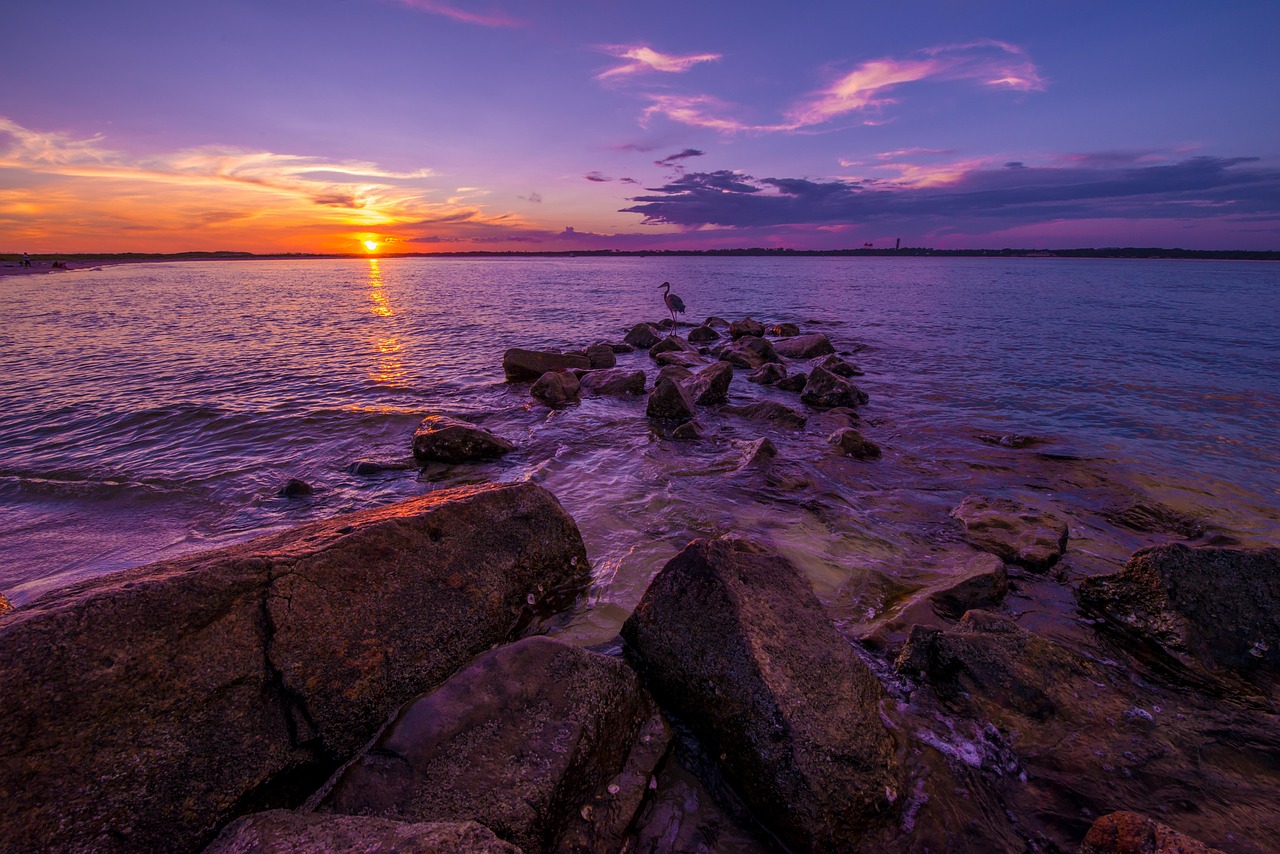
Along the eastern shore of the Gulf of California, where the Sonoran Desert runs straight down to a warm and shimmering sea, live one of the smallest and most distinctive Indigenous nations of Mexico. The Seri, who call themselves Comcaac, meaning the people, built a way of life in a landscape that most outsiders saw as barren, and they did it not by farming the desert but by reading the sea and the shore with extraordinary skill.
Their homeland is a narrow band of coast and a scatter of islands in the gulf, a place of blistering heat, almost no rainfall, and a wealth of marine life just offshore. Where other desert peoples looked inward to river valleys and fields, the Comcaac faced the water, and the fish, sea turtles, and shellfish of the gulf became the foundation of their existence.
For most of their history the Comcaac were not farmers at all but hunters, fishers, and gatherers who moved through their territory in small bands, following the seasons and the movements of the animals they depended on. This mobile life left few of the monuments that draw tourists to central Mexico, yet it produced a deep and precise knowledge of a difficult environment that few peoples anywhere could match.
The desert and the sea together shaped a culture unlike any other in Mexico. To be Comcaac was to know where the turtles gathered, when the fish ran, which plants gave water and which gave poison, and how to survive in a land that offered little to those who did not understand it. That hard won mastery is the root of everything else in their story.
A People and Their Name
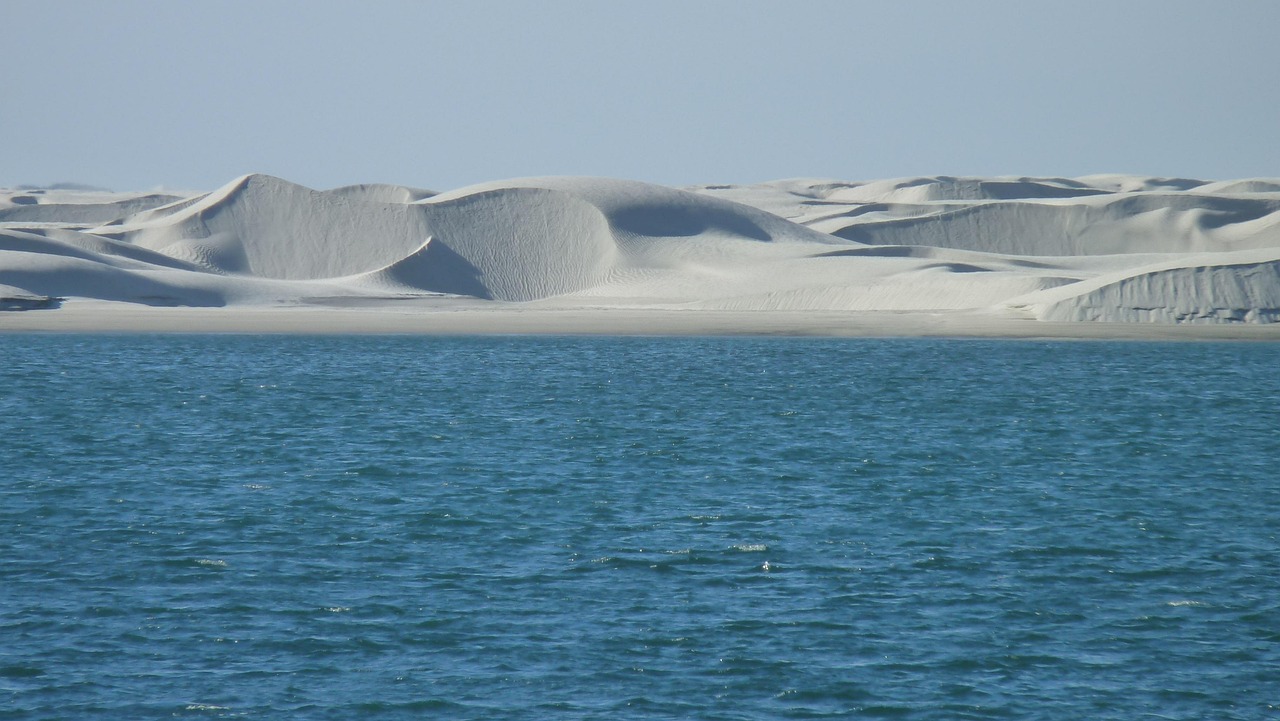
The name Seri was given by outsiders, likely borrowed long ago from a neighboring people, and its exact meaning has been lost. Like so many Indigenous nations, the Comcaac carried through history under a label that was not their own, while among themselves they kept the name that mattered, Comcaac, the people, and its singular form, Cmiique.
Small in number even at the height of their independence, the Comcaac never built the large towns or dense populations of their farming neighbors. They lived instead in a set of bands, each associated with a stretch of coast or an island, that came together and separated as the seasons and the food supply demanded. This flexibility was a strength in a land that could not support large permanent settlements.
To the wider world the Comcaac long had a reputation as fierce and unconquerable, a people who kept to their harsh coast and resisted every attempt to gather them into missions or subject them to outside rule. That reputation, part fear and part respect, followed them for centuries and helped keep their territory their own long after many larger nations had been absorbed.
What truly set the Comcaac apart, though, was not their numbers or their reputation but their sheer distinctiveness. In language, in economy, and in worldview they stood apart from every neighbor, a people who had adapted so completely to their unique coast that they resembled no one else in Mexico.
A Language Like No Other
The single most remarkable fact about the Comcaac is their language, called Cmiique Iitom, which is a language isolate. This means it has no proven relatives anywhere in the world, no family of sister tongues, no parent from which it clearly descends. It stands entirely alone, a survivor of an ancient linguistic landscape that has otherwise vanished.
Language isolates are rare and precious. Most of the world’s languages belong to families whose members share a common ancestor, but a handful, scattered across the globe, cannot be linked to any other. Cmiique Iitom is one of these, which makes it a subject of intense interest to linguists and a source of deep pride to the Comcaac themselves.
The language carries within it an encyclopedic knowledge of the desert and the sea. Comcaac speakers have names and detailed vocabulary for hundreds of plants and animals, for the winds and the tides, for the subtle features of a coastline that an outsider would never notice. To lose the language would be to lose a whole way of understanding the natural world.
Because the Comcaac are so few, their language is considered endangered, yet it remains very much alive, spoken daily in their communities and taught to children. Efforts to record and strengthen it, including dictionaries and school programs, treat Cmiique Iitom as what it truly is, an irreplaceable thread in the fabric of human language that exists nowhere else on earth.
Linguists who have studied Cmiique Iitom describe a grammar of great subtlety, rich in ways of marking how an action unfolds and how the speaker knows what they are describing. Every such feature that has no parallel in a neighboring language deepens the mystery of where this isolate came from, and makes its preservation all the more urgent for the study of human language as a whole.
The Gulf and the Islands
The Comcaac homeland centers on the desert coast of Sonora and on the islands of the Gulf of California, above all the large island the Comcaac call Tahejöc, known in Spanish as Isla Tiburón. This island, the biggest in Mexico, was a heartland of Comcaac life, a place of refuge, resources, and deep spiritual meaning.
The gulf itself is one of the richest seas on the planet, a narrow body of water crowded with fish, sea turtles, dolphins, and shellfish, fed by nutrients that support an astonishing abundance of life. For a people who lived from the sea, this made the coast far more generous than its parched appearance suggested, and the Comcaac learned to harvest its bounty with great skill.
On land the territory is true desert, with saguaro and cardon cactus, thornscrub, and long dry stretches where fresh water is scarce and precious. The Comcaac knew every spring and seep, every plant that stored moisture, every trick for surviving where water was the limiting factor. Their command of this knowledge let them live where others could not.
Between the desert and the sea lay a world of beaches, estuaries, and rocky shores, each with its own resources and its own place in the seasonal round. The Combcaac moved among these zones as the year turned, and the rhythm of that movement, from island to mainland, from shore to desert, structured their lives and their calendar.

Hunters of the Sea
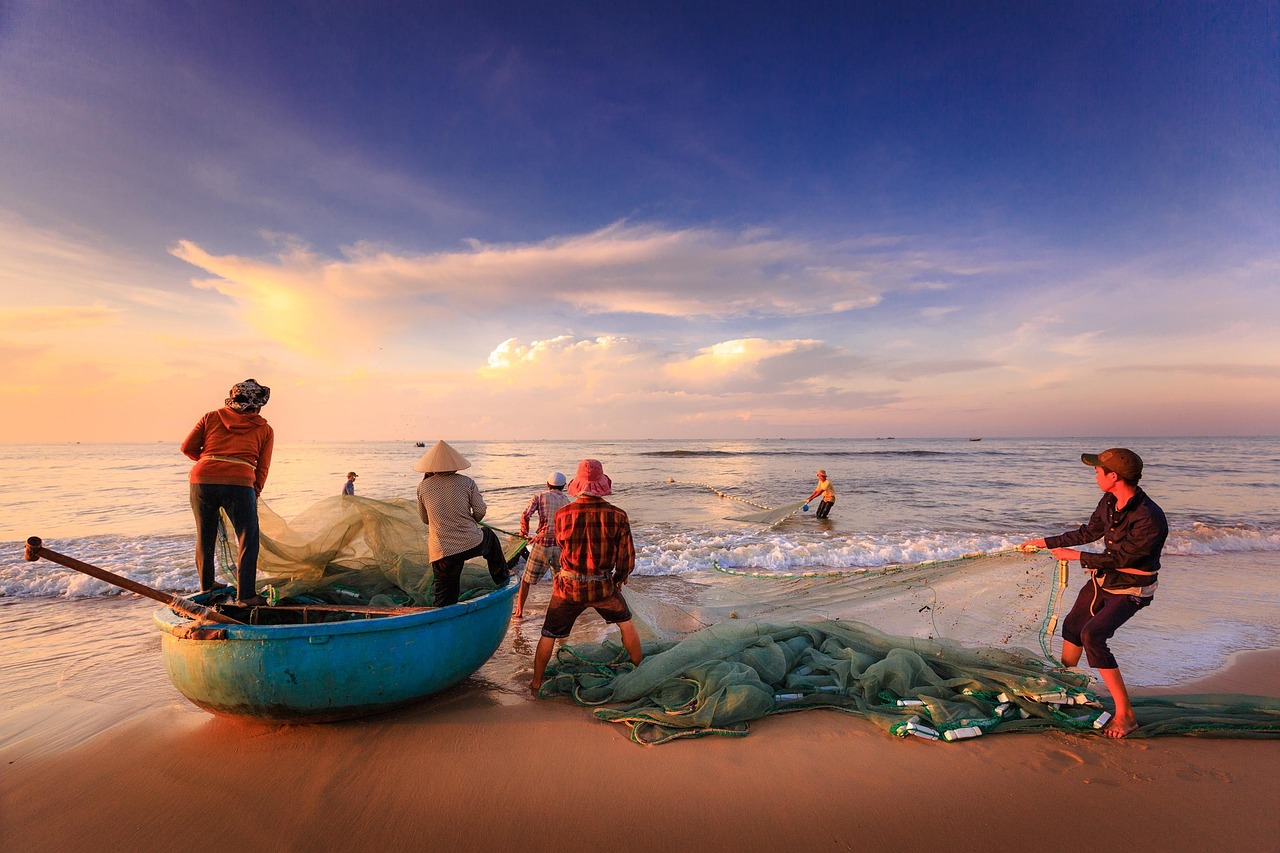
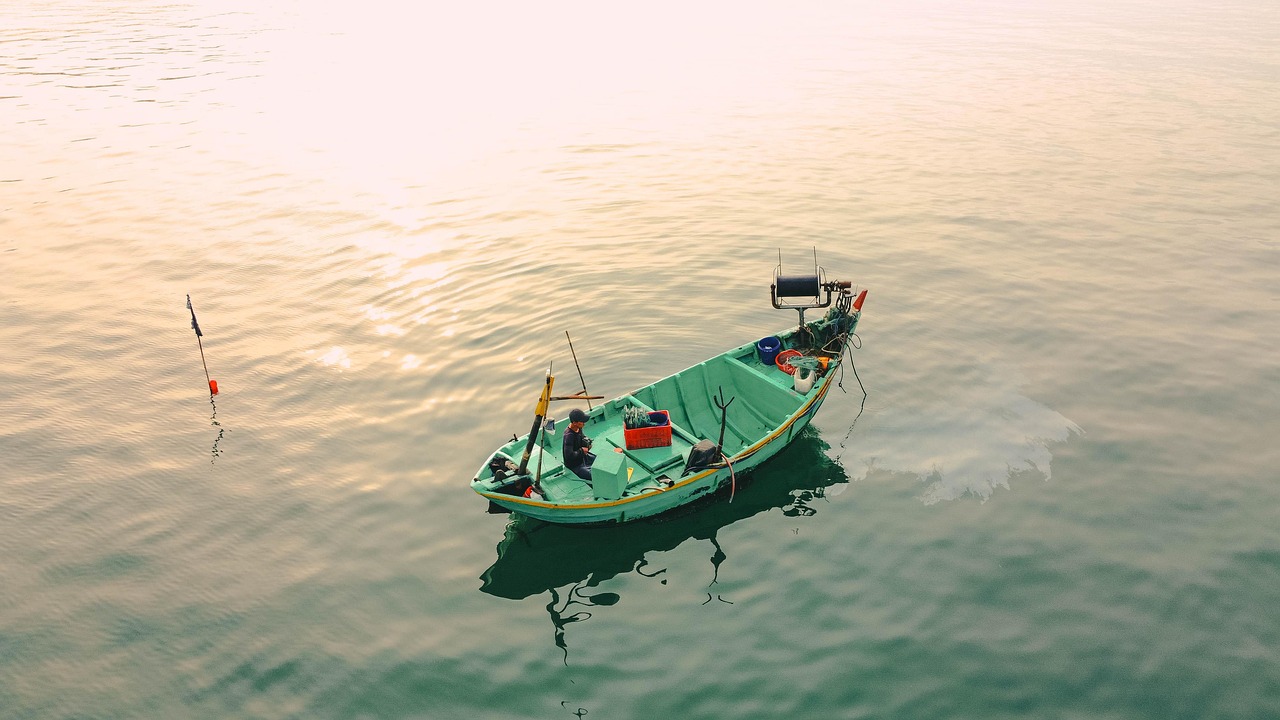
The traditional Comcaac economy was built on the sea to a degree unusual among the peoples of Mexico. Fishing, the hunting of sea turtles, and the gathering of shellfish provided the bulk of the diet, and men went out onto the gulf in search of the large game of the water much as hunters elsewhere pursued deer or bison on land.
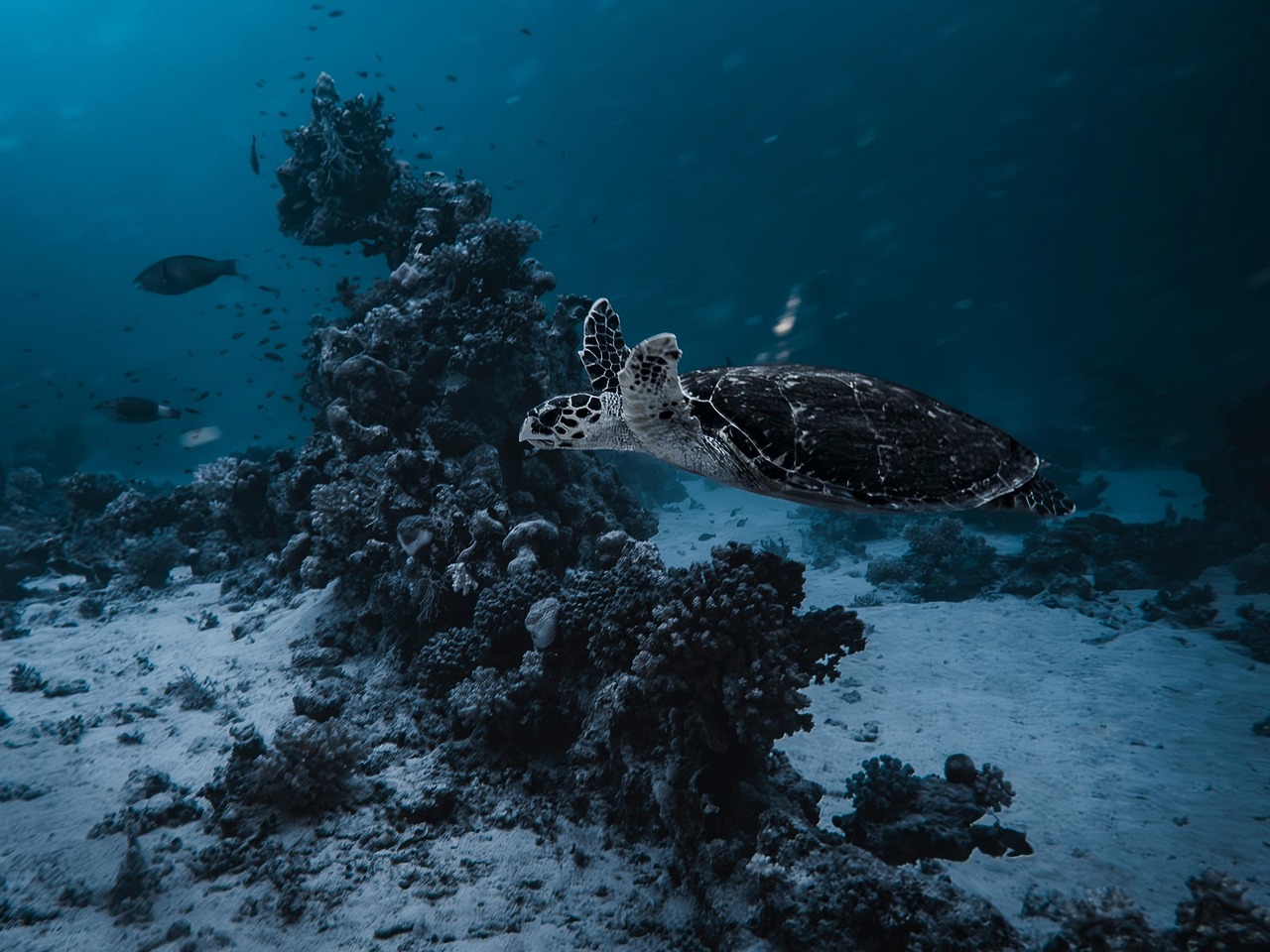
The green sea turtle held a place of special importance, both as food and as a being of deep cultural significance. Hunting turtles required knowledge, patience, and courage, and the successful hunter brought back not merely meat but an animal wrapped in ceremony and meaning. The relationship between the Comcaac and the sea turtle runs through their whole culture.
On land the Comcaac gathered the fruits, seeds, and roots of desert plants, harvesting the pods of mesquite, the fruit of cactus, and above all the seed of eelgrass, a marine plant whose grain the Comcaac collected from the shallows in a practice found almost nowhere else in the world. This unusual food shows how completely they had turned the resources of their coast to use.
This life demanded constant movement and constant attention, but it also gave the Comcaac a freedom and self sufficiency that they guarded fiercely. They did not depend on outsiders for their food, and that independence was the material foundation of their long resistance to being absorbed by mission, colony, or state.
This orientation toward the water made the Comcaac unusual among the Indigenous peoples of Mexico, most of whom built their lives around maize agriculture. Where farming peoples measured the year by planting and harvest, the Comcaac measured it by the runs of fish and the movements of turtles, a calendar written in the tides and the sea rather than in the soil.
Bands, Kin, and Coast
Comcaac society was organized not around towns or chiefs but around kinship and the small band. Historically the people were divided into several groups, each linked to a particular part of the coast or to Tahejöc, and each moving through its own territory in the seasonal search for food. Bonds of family and marriage tied these bands into a single people.
Leadership was informal and based on respect rather than inherited authority. Skilled hunters, knowledgeable elders, and those with a gift for guiding others carried influence, but no one ruled in the manner of the kings and lords of central Mexico. Decisions grew out of consensus and the standing of individuals within the web of kin.
This loose and flexible structure suited a life of movement in a demanding land. Bands could split when resources were thin and gather when they were plentiful, adjusting their size to what the coast could support at any given moment. The absence of rigid hierarchy made the Comcaac adaptable in ways that helped them endure.
Family was the heart of it all. A person’s place in the world was defined by relatives, by the band, and by the shared identity of the Comcaac as a whole, a people bound together by language, by a common way of life, and by the knowledge that they were unlike anyone around them. That sense of distinct peoplehood held the scattered bands together across the generations.
The Sea Turtle and the Spirit World
Comcaac spiritual life grew directly out of the desert and the sea, filled with the animals, plants, and forces of their homeland. The world as they understood it was alive with power, and the boundary between the everyday and the sacred was thin, crossed in dreams, in songs, and in the careful rituals that accompanied the great events of life.
The sea turtle stood at the center of much of this spiritual world. Beyond its value as food, the turtle was surrounded by ceremony, and the greatest of the traditional festivals honored it. To the Comcaac the turtle was not simply an animal but a being worthy of celebration, and its treatment reflected a whole way of relating to the living world with respect.
Songs were the great vehicle of Comcaac spirituality, sung for hunting, for healing, for the turtle, for the events of the seasonal round. This body of song, passed down through the generations, encoded the people’s relationship with their environment and their sense of the powers that moved through it. To sing was to take part in the sacred order of things.
Like their neighbors the Comcaac eventually encountered Christianity, but far later and far less completely than the farming peoples to the east. Their remoteness and their resistance meant that the old spiritual world, centered on the animals and forces of the coast, survived with unusual strength, and much of it lives on in memory and practice today.
Songs, the Turtle Festival, and the Round of Life
The richest traditions of the Comcaac gather around the sea turtle and the songs that fill their culture. The great turtle celebration, held when a leatherback was taken, was the highest expression of Comcaac ceremony, a gathering marked by singing, dancing, painting, and feasting that could last for days and drew the community together in joy and reverence.
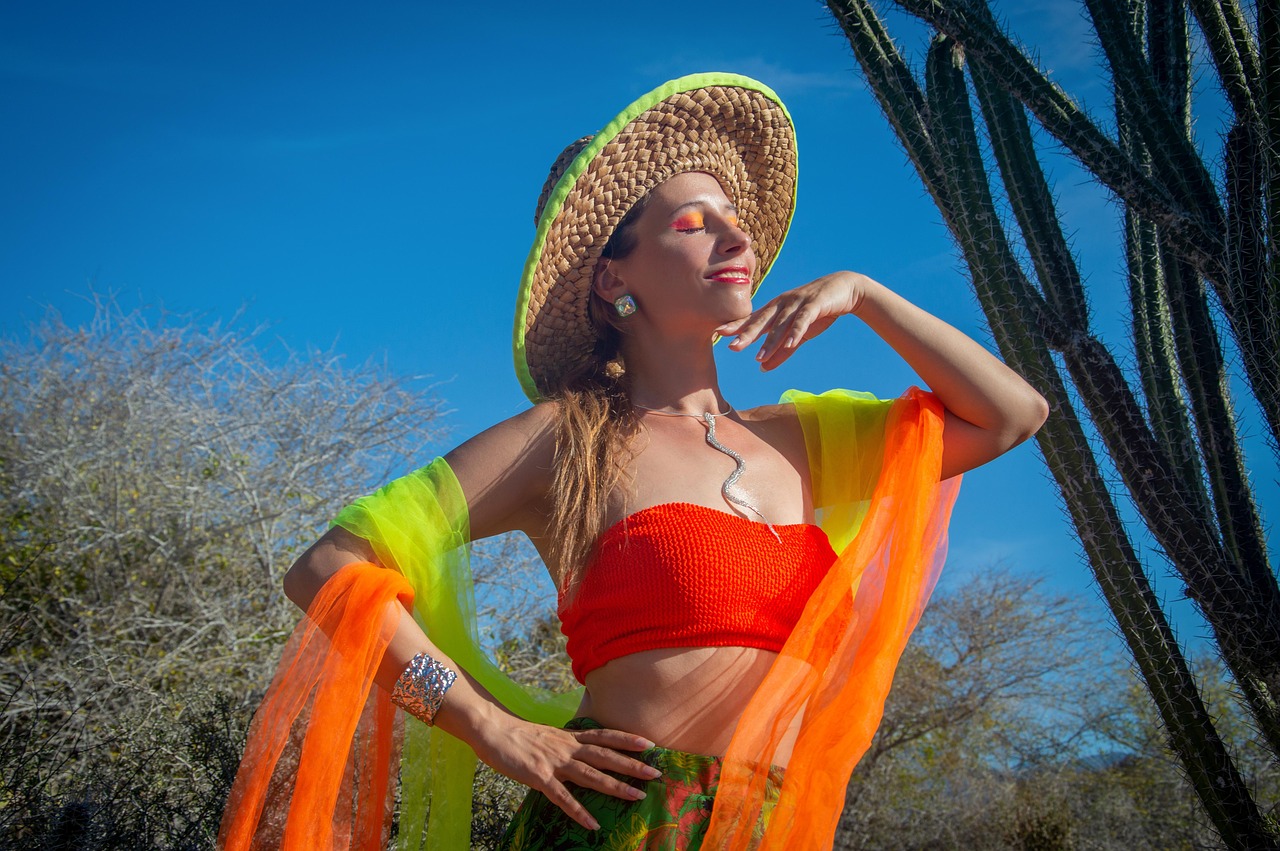
Face painting is among the most visible of Comcaac traditions, especially for women, who paint delicate geometric designs on their faces using natural pigments. These patterns are beautiful in themselves and carry meaning tied to identity, occasion, and the natural world, an art form worn on the body and renewed with each application.
The passages of life, from birth through the coming of age to marriage and death, were each marked by their own observances, and a girl’s transition to womanhood in particular called for celebration. These rites tied the individual into the community and into the long chain of Comcaac generations, giving structure and meaning to the course of a human life.
Underlying all of it was song, the thread that ran through hunting, healing, celebration, and mourning alike. The Comcaac song tradition is one of the treasures of Indigenous Mexico, a vast repertoire that holds the people’s knowledge and feeling, and its survival is central to the survival of Comcaac culture as a whole.
Baskets and Ironwood Carvings
Comcaac craft is famous out of all proportion to the smallness of the nation, above all for two things, the coiled baskets woven by Comcaac women and the ironwood carvings that have become the signature art of the people. Both draw directly on the plants of the desert coast, turning the raw material of a harsh land into objects of great beauty.
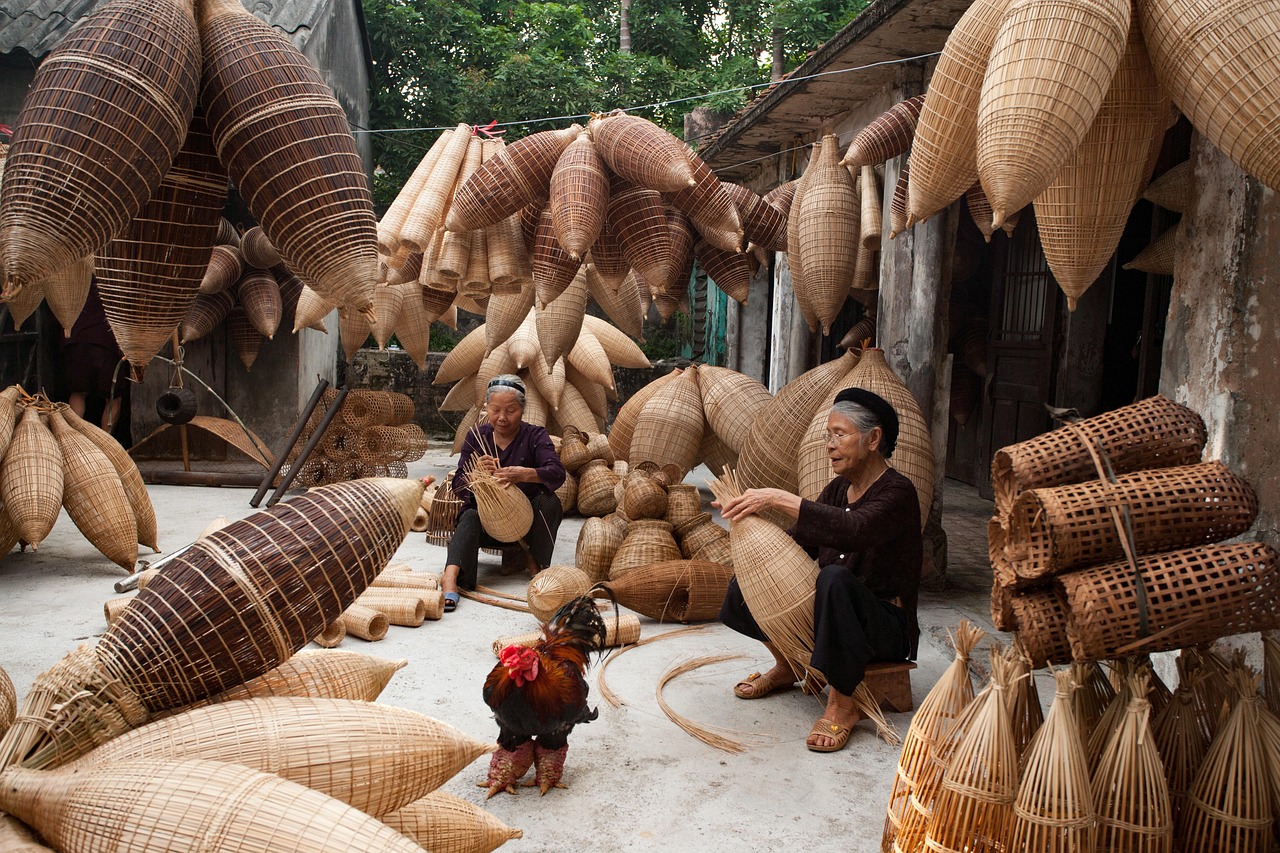
The baskets, made from the fibers of desert plants and coiled with astonishing fineness, range from small pieces to great vessels that can take many months to complete. Woven by hand with deep skill and patience, they are among the finest basketry produced anywhere in the Americas, and the largest examples are treated as objects of real ceremony and value.
Ironwood carving is a more recent tradition but one that has brought the Comcaac wide recognition. Using the extremely hard, dense wood of the desert ironwood tree, Comcaac artists carve smooth, flowing sculptures of the animals of their world, the sea turtles, dolphins, pelicans, and other creatures of the gulf and desert. These carvings have become sought after far beyond Sonora.
Both crafts are more than a source of income, though they matter greatly to Comcaac livelihoods. They are expressions of the people’s intimate bond with their homeland, made from its plants and shaped into images of its animals, and each basket and carving carries something of the Comcaac relationship with the desert and the sea.
Collectors and museums now prize both the baskets and the carvings, and a fine Comcaac basket can represent a year or more of a weaver’s patient work. Yet for the Comcaac themselves these objects remain rooted in the desert coast that supplies their materials, a living link between the artist’s hands and the plants and animals of the homeland.
From the Gulf and the Desert
Comcaac food comes overwhelmingly from the sea, a reflection of their long life as hunters and fishers of the gulf. Fish of many kinds, sea turtles, and shellfish were the mainstays of the traditional diet, supplemented by the plants and seeds that the desert and shore could yield. Few peoples in Mexico ate so fully from the water.
The green sea turtle was once the centerpiece of Comcaac cuisine, prepared and shared according to custom, though modern conservation of endangered turtles has ended most traditional hunting. Fish and shellfish remain central, and the Comcaac knowledge of the gulf’s abundance still shapes how the community eats and works today.
From the desert and the shallows came a range of gathered foods, including the remarkable eelgrass seed, mesquite flour, cactus fruit, and other wild plants that a Comcaac gatherer knew how to find and prepare. This blend of marine and desert foods gave the diet a character found nowhere else in the country.
Sharing food, especially at the great celebrations, was a social and spiritual act as much as a practical one. To feast on turtle at the turtle festival, to share the catch of a successful hunt, was to affirm the bonds of the community and its relationship with the animals that sustained it, weaving the everyday act of eating into the wider fabric of Comcaac life.
Gatherings on the Coast
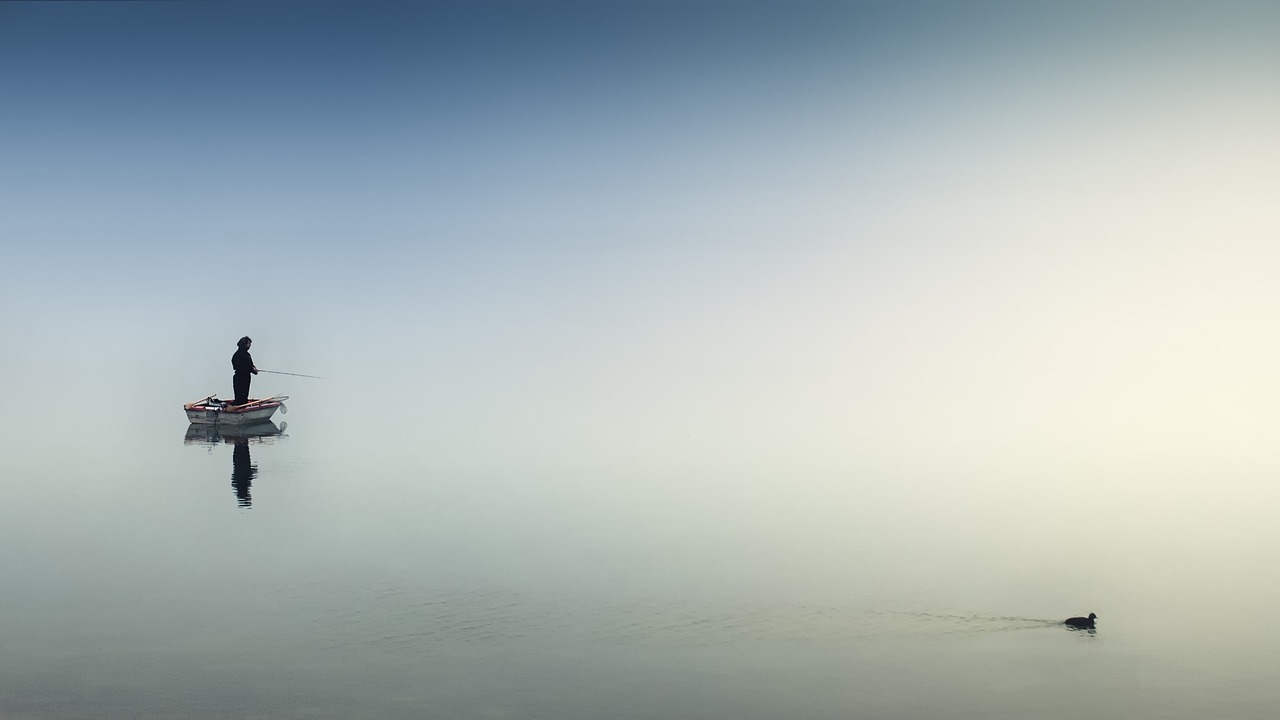
The ceremonial life of the Comcaac reaches its height in celebrations that bring the scattered bands together on the coast, above all the great turtle festival that honored the leatherback. These gatherings, filled with song, dance, painting, and shared food, were the moments when the whole community came together and renewed its bonds.
A festival among the Comcaac was a total event, engaging song and dance, the painting of faces, the sharing of food, and the retelling of the knowledge and stories that held the people together. In a mobile society whose bands spent much of the year apart, these gatherings were vital occasions for renewing kinship, teaching the young, and affirming shared identity.
The rites marking the passages of individual lives, especially a girl’s coming of age, were also occasions for celebration, drawing the community into the joy of the moment and tying the individual into the collective. These personal milestones and the great seasonal festivals together made up a ceremonial calendar rooted in the land and the sea.
Today many of these celebrations continue, adapted to changed circumstances but still recognizably Comcaac, and they remain among the strongest expressions of a living culture. In the songs sung and the faces painted at a modern gathering, the deep traditions of the desert coast endure into the present.

Centuries of Independence and Struggle
The history of the Comcaac since contact is a story of remarkable independence bought at a heavy price. When the Spanish pushed into Sonora, they found the Comcaac unwilling to enter missions or submit to colonial rule, and repeated attempts to gather and control them met with fierce resistance across the seventeenth and eighteenth centuries.
The harshness of their homeland was the Comcaac’s great ally. Few outsiders wished to pursue them across the waterless desert or onto their islands, and the very poverty of the land in European eyes helped keep it in Comcaac hands long after richer territories had been seized. Their reputation as fierce and unyielding did the rest.
Yet independence came at a terrible cost in blood. Colonial and later Mexican authorities launched campaigns against the Comcaac, and violence, disease, and dispossession drove their numbers down until, by the early twentieth century, the people were reduced to a few hundred. That they survived at all, as a distinct nation with their language intact, is one of the more remarkable stories of endurance in the Americas.
Through the twentieth century the Comcaac gradually secured recognition of a portion of their homeland, including rights to Tahejöc and to a stretch of the mainland coast. From the brink of disappearance the nation slowly recovered, holding onto the land, the language, and the traditions that had carried them through centuries of pressure.

The Comcaac Today
Today the Comcaac number in the low thousands and live mainly in two towns on the Sonoran coast, Punta Chueca and El Desemboque, facing the gulf that has always sustained them. Small as they are, they remain a distinct and self aware nation, holders of a unique language and a culture found nowhere else in the world.
Fishing remains the economic backbone of the community, and the Comcaac have taken an active role in managing the marine resources of their coast, drawing on their deep traditional knowledge to protect the very environment that feeds them. Their carvings and baskets bring in income and carry their art to the wider world, and their reputation as artists continues to grow.
The language, Cmiique Iitom, is the great treasure and the great concern. As a language isolate spoken by only a few thousand people, it is vulnerable, and its loss would be a loss to all humanity. Comcaac communities and their allies work to keep it strong through schools, dictionaries, and the simple daily choice to speak it, and children still grow up hearing the language of their ancestors.
The story of the Comcaac is one of survival against enormous odds, of a tiny people who held onto a harsh and beautiful homeland, an unmatched language, and a culture shaped entirely by the desert and the sea. From the edge of extinction they have endured, and they carry into the future the knowledge, the songs, and the identity of the people, the Comcaac.
Visitors now come to the Comcaac towns to buy carvings, to hire guides for the gulf and its islands, and to glimpse a culture unlike any other in the country. The Comcaac navigate this attention carefully, welcoming the income and the recognition while guarding the language, the ceremonies, and the knowledge that make them who they are.
Related Peoples of Mexico and Mesoamerica
- Totonac Builders of El Tajin and the Dance of the Flyers
- Why the Rarámuri of Copper Canyon Never Stopped Running
- How the Wixárika of Mexico Keep Walking to the Birthplace of the Sun
- Nahua, the People Behind Mexico’s Name
- Otomi, the Original Neighbors of the Aztec Capital
- Purépecha, the People Who Kept the Aztec Empire Out of Michoacán
- Mixtec, the Cloud People Who Wrote Their Own History
- Zapotec, a People Older Than the Aztec Empire
- The People Who Never Vanished, the Story of the Maya
- Yaqui Deer Dancers and the Eight Towns of Sonora
You May Like
The Zaza, a Mountain People of Eastern Anatolia


One thought on “Seri Comcaac Sea Hunters and Ironwood Carvers of the Sonoran Coast”