In the desert country of northwestern Mexico, where a great river cuts a green line through the thornscrub and cactus, live a people who have spent four centuries refusing to vanish. The Yaqui, who call themselves Yoeme, built a way of life along the Río Yaqui that fused ancient desert spirituality with a faith brought by missionaries, and they defended their homeland against Spanish soldiers, Mexican armies, and mass deportation without ever surrendering who they were.
This is the story of the Yaqui, from their origins in the Sonoran Desert and their distinct Uto-Aztecan language to the Eight Towns that anchored their sovereignty, the Deer Dance that stands at the center of their sacred world, and the long resistance that carried them into the present as a living nation on both sides of the border.
Contents
- Origins in the Sonoran Desert
- A People and Their Name
- A Language of Its Own
- The Valley of the Río Yaqui
- Farmers, Hunters, and Fishers
- The Eight Towns
- Where the Deer and the Cross Meet
- The Deer Dance
- Masks, Rattles, and the Work of the Hands
- Corn, Wheat, and the Desert Larder
- The Great Ceremonies of Holy Week
- Four Centuries of Resistance
- The Yaqui Today
Origins in the Sonoran Desert
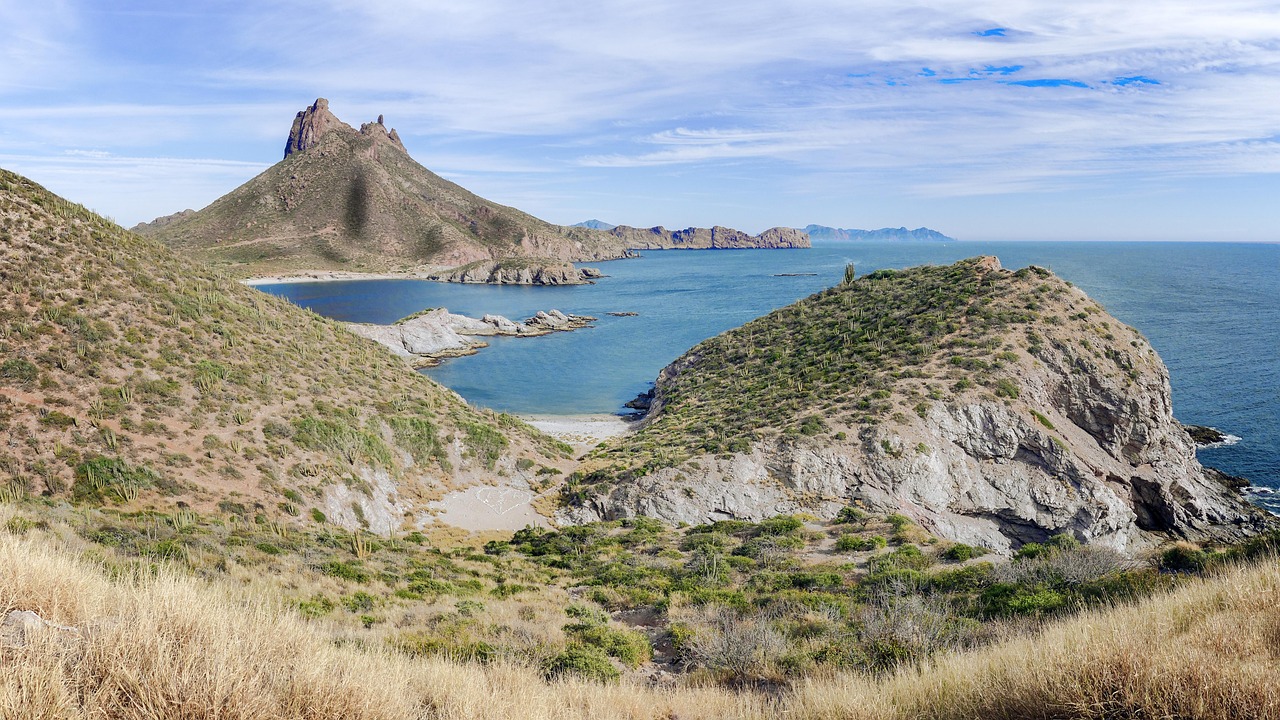
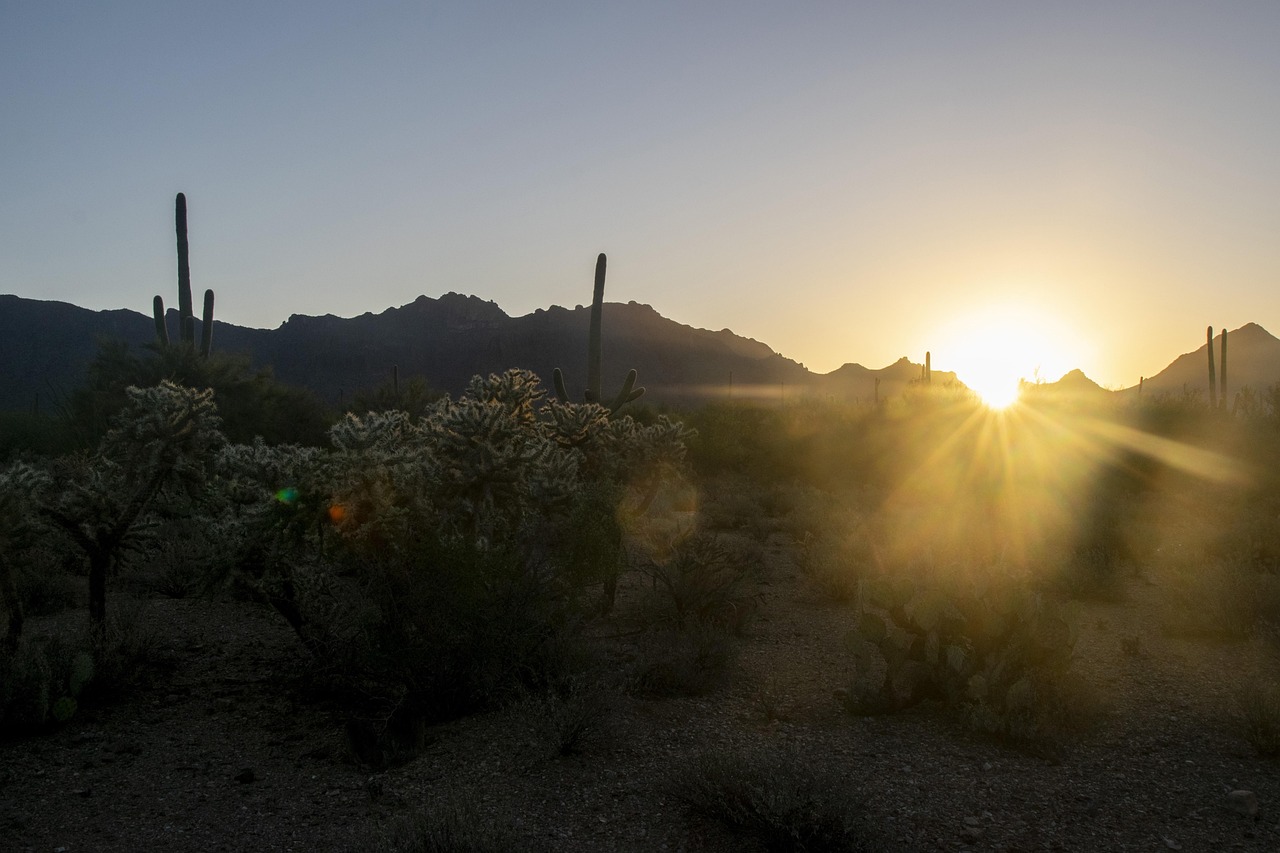
Along the lower valley of a river that carries their name, in the dry northwestern Mexican state of Sonora, the Yaqui built one of the most tenacious Indigenous societies on the continent. Their homeland sits where the Sonoran Desert meets the fertile floodplain, a landscape of saguaro and mesquite broken by a green ribbon of farmland fed by the Río Yaqui. The people call themselves Yoeme, meaning simply the people, and their neighbors and the wider world came to know them as Yaqui.
Long before Europeans arrived, the ancestors of the Yoeme were farmers and gatherers who had learned to read every mood of an unforgiving land. They planted along the river when the water was high and turned to wild desert foods when it was low, moving with the seasons across a territory they understood in intimate detail. Oral tradition remembers a time when prophetic singers called the Surem, small and peaceful ancestors, walked the land and debated whether to remain in the world of change or withdraw into the enchanted wilderness.
That founding story frames a theme that runs through all of Yaqui history, the tension between accommodation and resistance, between living in the ordinary world and guarding a sacred one. When the choice came, some Surem are said to have shrunk away into the sea and the mountains, becoming the ants and the deer and the hidden powers of the desert, while others stayed and grew into the Yaqui who would meet the coming centuries head on.
The desert that surrounds them is not empty in the Yaqui imagination. It is a living country, the huya ania or wilderness world, dense with meaning and populated by beings that the ceremonies still address. To understand the Yaqui is to understand a people who never treated their homeland as mere scenery, but as a partner in a very long conversation.
A People and Their Name
The name Yaqui most likely comes from the river and the region, and over the centuries it hardened into the label the outside world used for a whole nation. Yet within their own communities the word that matters is Yoeme in the singular and Yoemem in the plural, the people, a name that quietly insists on their humanity in the face of every attempt to reduce them to a problem or a labor supply.
Northwestern Mexico was home to several closely related groups who spoke similar tongues and shared many customs, including the Mayo people just to the south along their own river. The Yaqui and Mayo are often discussed together because their languages and ceremonies echo one another, yet each nation kept a firm sense of its own identity, its own towns, and its own history of dealing with outsiders.
What set the Yaqui apart in the colonial record was less any single custom than their reputation. Spanish soldiers, missionaries, and later Mexican officials all learned the same lesson, that this was a people who could be engaged, bargained with, and sometimes allied with, but almost never simply conquered. That reputation became part of the name itself, so that to say Yaqui was to name a people defined by their refusal to disappear.
The arid country of the north shaped this identity. Far from the dense population centers of central Mexico, the Yaqui lived at the edge of empires and republics, close enough to be pressured but far enough to defend themselves. Distance, desert, and determination combined to keep the Yoeme a distinct people across four centuries of upheaval.
A Language of Its Own
The Yaqui language, called Yoem Noki or Hiaki, belongs to the large Uto-Aztecan family, the same broad grouping that includes Nahuatl, Hopi, Comanche, and dozens of other tongues stretching from the American Great Basin deep into Mexico. Within that family Yaqui sits in the Cahitan branch alongside its close relative Mayo, and the two are similar enough that speakers can often understand a good deal of one another.
Sharing a family with Nahuatl does not make Yaqui a dialect of anything. It is a fully distinct language with its own sound system, its own grammar of suffixes and particles, and its own deep vocabulary for the desert, the ceremonies, and the social world. A speaker of central Mexican Nahuatl and a speaker of Yaqui cannot simply converse, any more than an English speaker can follow spoken German on the strength of shared roots.
For generations Yaqui was overwhelmingly a spoken language, carried in song, prayer, and daily talk rather than on the page. The ceremonial speeches and the long sung poetry of the deer songs preserved an especially rich and archaic form of the language, a register that ordinary conversation rarely touched and that elders guarded with care.
Today Yaqui is spoken on both sides of the international border, in the Sonoran towns and in the communities that formed in Arizona, and it has become a focus of determined revitalization. Schools, dictionaries, and language programs now work to pass Yoem Noki to children who might otherwise grow up in Spanish or English, treating the language as the living core of Yaqui identity.
The Valley of the Río Yaqui
The heart of the Yaqui world is the valley of the Río Yaqui, the largest river in Sonora, which gathers in the Sierra Madre and winds down toward the Gulf of California. For the Yaqui the river was everything, the source of the floodwaters that made farming possible in a desert and the axis along which their towns were strung like beads.
Before modern dams reshaped the flow, the river spread each year across a broad floodplain, leaving behind the moist, fertile soil that let the Yaqui grow corn, beans, and squash in country that otherwise offered only the hard bounty of the desert. That annual gift of water made the lower valley one of the richest agricultural zones in the whole northwest, and it is no accident that the Yaqui defended it so fiercely.
Beyond the green corridor of the river lay the huya ania, the wilderness of thornscrub and cactus, of deer and coyote and the powers the ceremonies still invoke. The Yaqui moved between these two worlds, the tamed pueblo world of farming and church and the wild desert world of hunting and enchantment, and their culture drew its energy from the meeting of the two.
To the west the land runs down to the coast and the estuaries of the gulf, where fishing added another layer to the Yaqui economy. Mountains, floodplain, desert, and sea gathered within reach of a single people, and that variety of country gave the Yaqui both the resources to thrive and the refuges to which they could retreat when armies came for their land.

Farmers, Hunters, and Fishers
In the centuries before contact the Yaqui lived by combining several ways of getting food, none of them enough on its own but together forming a reliable whole. Along the river they practiced flood farming, planting as the waters receded and harvesting the corn, beans, squash, and cotton that the enriched soil produced. This farming anchored their settlements and let them live in relatively large, stable communities.
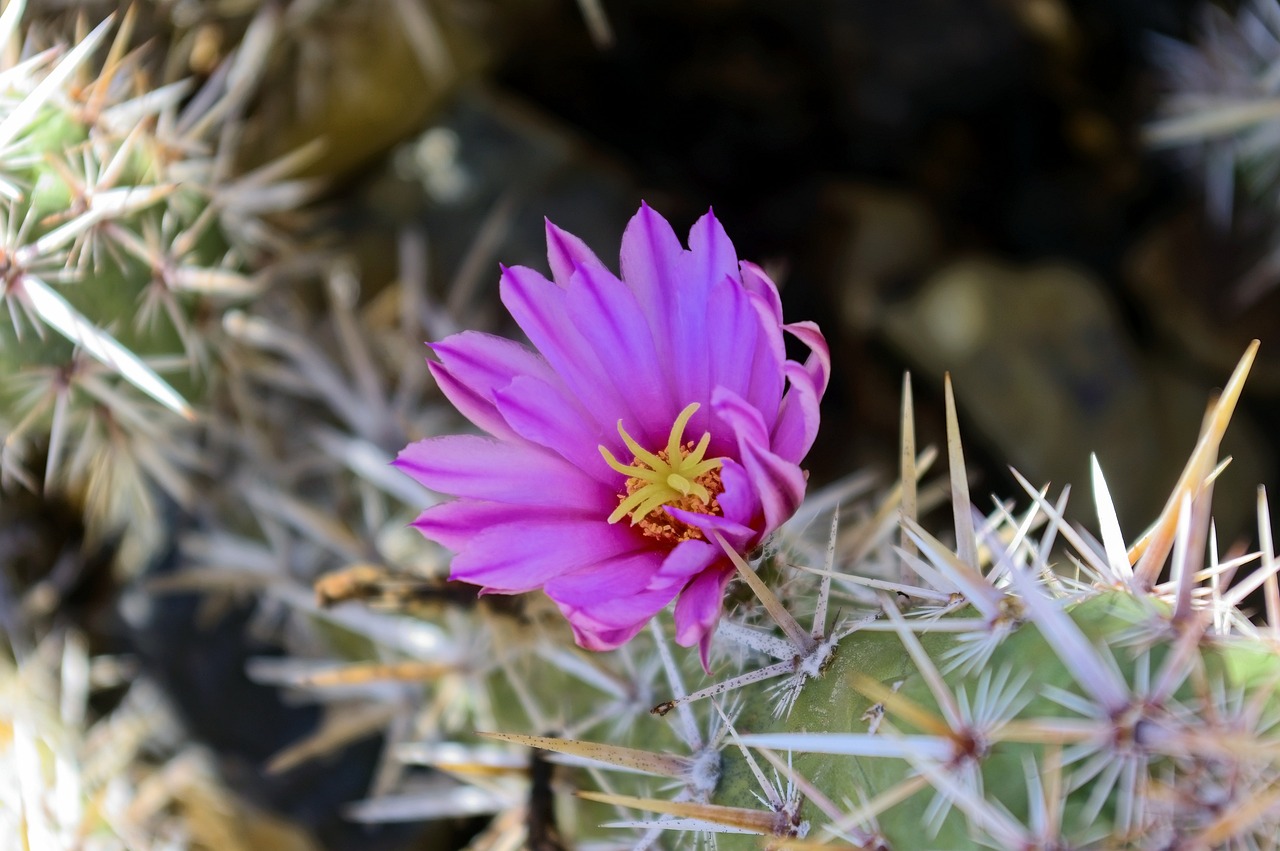
Away from the fields the desert supplied a steady stream of wild foods that the Yaqui knew how to find and prepare. Mesquite pods were ground into flour, the fruit of cactus was gathered in season, and agave hearts were roasted for their sweetness. Hunters pursued deer, rabbits, and smaller game across the thornscrub, and the deer in particular held a place in Yaqui life far beyond its value as meat.
Where the river met the gulf, fishing and shellfish gathering rounded out the diet, and trade carried goods between the coast, the valley, and the mountains. This layered economy gave the Yaqui resilience, so that a poor flood year or a failed hunt did not spell disaster because other sources could take up the slack.
The rhythm of this life was tied closely to the land and the seasons, and that intimacy shaped the ceremonial calendar as much as the working one. Planting, harvest, the movement of game, and the turn of the year all found expression in ritual, so that the practical business of survival and the sacred business of keeping the world in order were woven together into a single fabric.
The Eight Towns
The most distinctive feature of Yaqui political life is the arrangement known as the Eight Towns, the Ocho Pueblos, a set of communities that came to define Yaqui territory and identity. These towns, with names such as Vícam, Pótam, Tórim, Bácum, Cócorit, Huiviris, Ráhum, and Belem, were organized in the colonial period but grew from far older patterns of settlement along the river.
Each town governed itself through a layered system of authorities that blended Indigenous tradition with institutions introduced during the mission era. Civil officials, military leaders, and church officers each held defined responsibilities, and important matters were settled in assemblies where the community as a whole could speak. Authority rested less in any single ruler than in the careful balance of these offices.
This structure gave the Yaqui a remarkable capacity to act together. When threatened, the Eight Towns could coordinate defense across the whole valley, and when negotiating they could speak with a collective voice that outsiders had to reckon with. The towns were not merely places to live but the framework through which the Yaqui exercised their sovereignty.
Membership in a town carried duties as well as belonging. People were expected to take part in the ceremonial and civic work that kept the community alive, serving in the offices, joining the ritual societies, and contributing to the great gatherings of the year. To be Yaqui was to be woven into the obligations of one of these towns, and that dense web of duty is much of what allowed the nation to endure.
Where the Deer and the Cross Meet
Yaqui religious life is one of the great examples of two traditions growing together into something genuinely new. When Jesuit missionaries arrived in the early seventeenth century, they brought Catholicism to a people who already possessed a rich spiritual world centered on the deer, the wilderness, and the flower world called sea ania. Rather than erasing the older faith, the encounter fused the two into a distinctive Yaqui religion.
At its heart lies a vision of a sacred flower world, a place of beauty and power that lies beneath or beyond the ordinary desert and that the ceremonies open a path toward. The deer is the emblem of this world, and the figure of the deer dancer, the maaso, embodies its grace. Alongside these ancient images stand the saints, the churches, and the Christian calendar, all absorbed into a uniquely Yaqui frame.
The ceremonial year is organized around this blended faith, with ritual societies bearing responsibility for particular seasons and rites. Members take on sacred obligations, sometimes for life, promising to serve in the ceremonies as an act of devotion. These vows bind individuals to the community and to the spiritual order in ways that structure much of Yaqui life.
What makes this religion so striking is that neither strand was simply swallowed by the other. The deer songs and the wilderness powers remain vividly alive, while the Christian story is embraced with real depth. The Yaqui did not choose between their ancestors and the newcomers faith but forged a whole in which both could live, and that creative fusion is one of their proudest achievements.
The Deer Dance
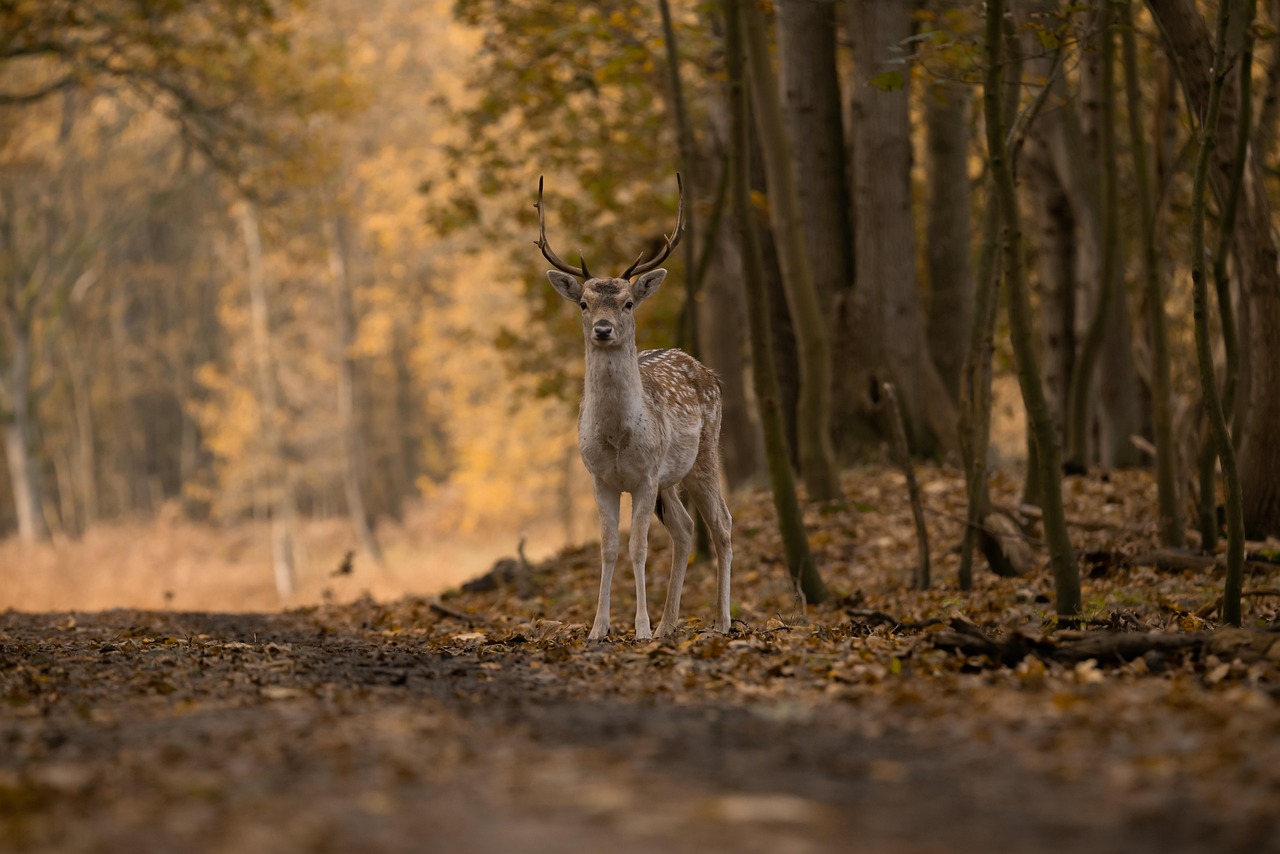
No image is more closely tied to the Yaqui than the Deer Dance, the maaso yiihua, in which a dancer takes on the spirit of the deer moving through the wilderness world. Bare to the waist, wearing a small deer head crowned with real antlers and shaking rattles at his hips and hands, the deer dancer becomes the animal itself, alert and delicate, grazing and starting at unseen dangers.
The dance is inseparable from the deer songs, a body of sung poetry performed by singers who accompany themselves on rasps and a water drum, a gourd floating in a bowl of water that gives a deep, resonant pulse. The songs describe the flower world in tender, allusive language, speaking of the deer, the wilderness, and the beauty that lies at the sacred heart of things. They form one of the oldest and most treasured literary traditions of the Americas.
Alongside the deer dancer perform the pascola dancers, figures who mediate between the human world and the wilderness and who bring both solemnity and humor to the ceremonies. The pascolas joke, mime, and entertain, wearing carved wooden masks and carrying their own musical traditions, and their play balances the intensity of the sacred dance with laughter and human warmth.
Together the deer dancer, the pascolas, and the musicians enact something more than performance. They open a door onto the flower world and let the community glimpse the sacred order that lies behind the visible desert. To watch the Deer Dance is to see the Yaqui vision of the world made briefly, powerfully present.

Masks, Rattles, and the Work of the Hands
Yaqui material culture serves the ceremonies as much as daily life, and its finest expressions are the objects that make the great dances possible. The carved wooden masks of the pascola dancers, often bearded and marked with geometric or animal designs, are made by specialists who understand both the craft and the sacred role the masks will play. Each mask carries meaning far beyond its appearance.
The instruments of the deer singers and dancers are themselves objects of skill and reverence. The gourd rasps, the cocoon rattles wound around the dancer’s legs, the belt of dangling deer hooves, and the water drum all require careful making, and each has its place in the sound world of the ceremony. To prepare these things is itself a form of devotion.
Weaving, beadwork, and the making of ceremonial regalia occupy skilled hands throughout the towns, producing the sashes, cloths, and ornaments that appear at the great gatherings. Everyday crafts such as basketry and pottery drew on the materials of the desert and the river, turning clay and fiber into the vessels and containers of ordinary life.
Much Yaqui craft resists the museum case because it is meant to be used, worn, and eventually worn out in service of the ceremonies. The value lies not in preserving objects but in making them well and using them rightly, so that the work of the hands feeds directly into the work of keeping the sacred year turning.

Corn, Wheat, and the Desert Larder
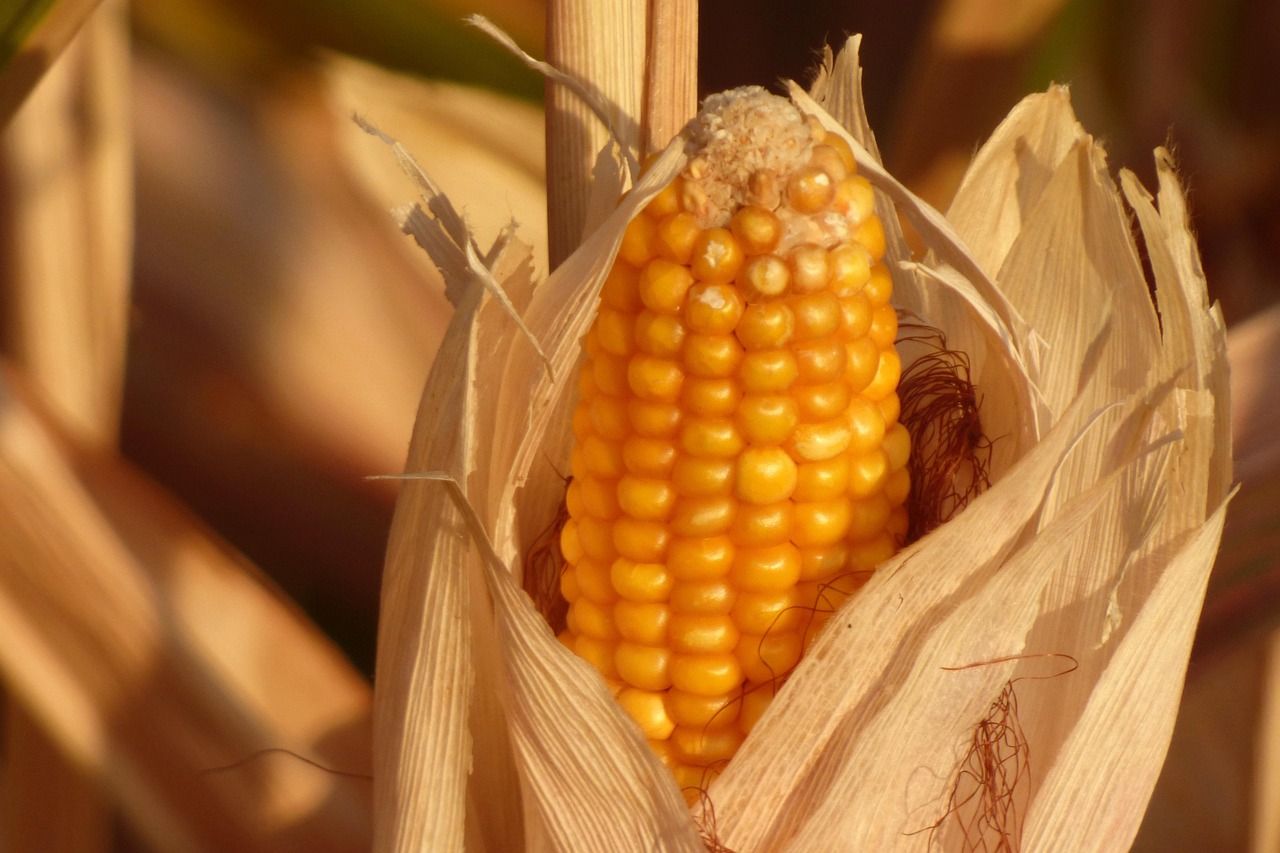
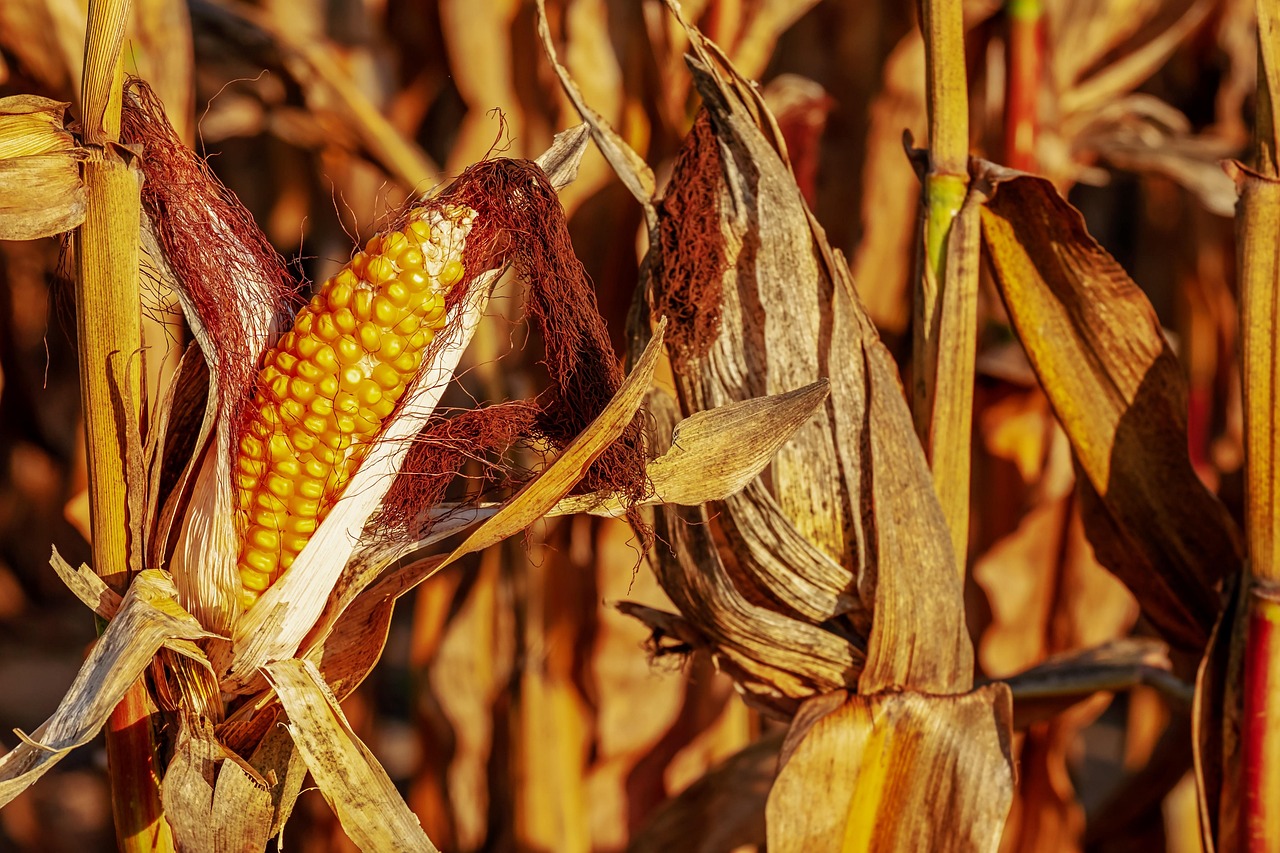
Yaqui cooking grows out of the same layered economy that fed the people for centuries, combining the crops of the river valley with the wild harvest of the desert and the animals of the hunt. Corn remained the foundation, ground and cooked in the many ways common across Mexico, and after the Spanish arrived wheat took a firm place alongside it, especially in the flour tortillas of the north.
Beans and squash completed the ancient trio of farmed staples, while the desert supplied foods that no field could grow. Mesquite pods, cactus fruit, and the roasted hearts of agave added sweetness and substance, and the knowledge of when and how to gather them passed down through generations as carefully as any farming skill.
Meat came from the deer and smaller game of the thornscrub and, along the coast, from the fish and shellfish of the gulf estuaries. These foods appeared at both ordinary meals and the great communal feasts that accompany the ceremonies, where cooking becomes a shared act of hospitality and the whole community is fed.
Food at a Yaqui gathering is never merely nourishment. The feeding of dancers, musicians, guests, and the dead is part of the ceremonial obligation, and the labor of cooking for a large fiesta is itself a form of service. In this way the desert larder and the river harvest are folded into the sacred economy of giving that holds the community together.
The Great Ceremonies of Holy Week
The most powerful expression of the fused Yaqui faith is the long cycle of ceremonies that fills the season of Lent and reaches its climax in Holy Week, known as Waehma. Over many weeks the towns are given over to an elaborate ritual drama that reenacts the passion in a distinctively Yaqui form, drawing the whole community into a sacred performance that unfolds day after day.
Central to Waehma are the masked societies who take on the role of the forces that pursue and threaten the sacred, marching through the town in disciplined ranks. Against them stand the church officers, the deer dancer, the pascolas, and the ordinary faithful, so that the ceremony becomes a vast enacted struggle between the powers of the world and the powers of the flower world.
The drama builds toward a great climax in which the sacred is defended and renewed, and the threatening figures are overcome in a burst of flowers, ritual, and celebration. This resolution is not merely watched but accomplished by the community itself, whose members have vowed to carry out the roles, so that the whole town shares in the work of keeping the world in order.
Beyond Holy Week the ceremonial year holds many other observances, from the feasts of particular saints to the rites for the dead, each with its own dances, songs, and obligations. Taken together these ceremonies are the beating heart of Yaqui life, the great collective labor through which the people renew their bond with the sacred and with one another.

Four Centuries of Resistance
Yaqui history since contact reads as a long record of a people determined to remain themselves against overwhelming pressure. Early Spanish expeditions in the sixteenth century met fierce resistance, and it was only when Jesuit missionaries came in peace in the early seventeenth century that a lasting relationship formed, one in which the Yaqui accepted the new faith and the mission towns while keeping a large measure of self rule.
When the Jesuits were expelled and Mexico won independence, the pressure on Yaqui land grew relentless. Through the nineteenth century the young republic pushed to open the fertile river valley to settlers and speculators, and the Yaqui answered with sustained armed resistance under leaders whose names became legend. The struggle produced heroes and terrible suffering in roughly equal measure.
The late nineteenth and early twentieth centuries brought the darkest chapter, when the Mexican government waged a campaign of deportation, seizing thousands of Yaqui and shipping them far south to forced labor on plantations in Yucatán and Oaxaca. Families were torn apart and communities gutted, yet even this did not break the people, and survivors made their way home across enormous distances or built new Yaqui communities in exile.
Out of that ordeal came the Yaqui settlements north of the border in Arizona, founded by refugees who carried their ceremonies and language with them. Later, in the years after the Mexican Revolution, the Yaqui secured formal recognition of a portion of their homeland along the river, a hard won acknowledgment of the sovereignty they had defended at such cost.
The Yaqui Today
Today the Yaqui remain a living nation on both sides of the international border, with communities in the Sonoran towns of their ancestral valley and in Arizona, where the Pascua Yaqui were recognized as a tribe by the United States in the late twentieth century. Across this divided but connected homeland the people continue to speak their language, hold their ceremonies, and govern their own affairs.
The great ceremonies still fill the ritual calendar, and the Deer Dance and the deer songs are performed with the same care that has carried them across the centuries. Young people take on the sacred obligations of the societies, elders pass down the songs and the language, and the flower world remains a present reality rather than a memory. The continuity is remarkable given all that the Yaqui have endured.
Modern challenges are real and pressing. Water is a constant concern, as upstream dams and diversions on the Río Yaqui have reduced the flow that once made the valley bloom, and disputes over that water have brought the Yaqui once more into confrontation with the state. Economic hardship, migration, and the pressures on the language all test the community.
Yet the story of the Yaqui has always been one of endurance, and that story continues. A people who survived conquest, deportation, and dispossession without surrendering their identity now work to keep their language alive, defend their water and their land, and carry their ceremonies into the future. The Yoeme remain, as they have always insisted on remaining, the people.
Related Peoples of Mexico and Mesoamerica
- Totonac Builders of El Tajin and the Dance of the Flyers
- Why the Rarámuri of Copper Canyon Never Stopped Running
- How the Wixárika of Mexico Keep Walking to the Birthplace of the Sun
- Nahua, the People Behind Mexico’s Name
- Otomi, the Original Neighbors of the Aztec Capital
- Purépecha, the People Who Kept the Aztec Empire Out of Michoacán
- Mixtec, the Cloud People Who Wrote Their Own History
- Zapotec, a People Older Than the Aztec Empire
- The People Who Never Vanished, the Story of the Maya
You May Like
The Zaza, a Mountain People of Eastern Anatolia


3 thoughts on “Yaqui Deer Dancers and the Eight Towns of Sonora”