Deep in Mexico’s Copper Canyon, the Rarámuri, still known to much of the world as the Tarahumara, have built an entire way of life around a single striking talent: the ability to run for hours across canyon trails that stop almost everyone else. That endurance began as a practical answer to impossibly rugged terrain, and it survives today in a ritual kickball race, a global ultramarathon following, and a culture that has kept much of its own religious and social order intact for four centuries.
Contents
- Origins
- Name
- Language
- Homeland
- The Old Way of Life
- Society
- Religion
- Traditions
- Crafts
- Food
- Festivals
- History
- Today
Origins
The Rarámuri trace their place in the world to a time when the creator god Onorúame and his wife Eyerúame set the sun, moon, and the order of the seasons in place, assigning the Rarámuri themselves the job of keeping that order steady through prayer, dance, and correct behavior. Failing to hold up this end of the bargain, in traditional belief, risks throwing the world back into imbalance.
This is a strikingly active view of creation: the world is not a finished project handed down once and for all, but something that has to be tended continuously, much like a field or a fire. Rarámuri ceremonial life, still centered on dance, drumming, and ritual racing, is understood by many practitioners as a direct continuation of that original obligation rather than as folklore performed for its own sake.
Catholic elements introduced after Spanish contact were folded into this framework rather than replacing it, producing a religious life where saints, the cross, and older nature deities coexist without much sense of contradiction for most practitioners.
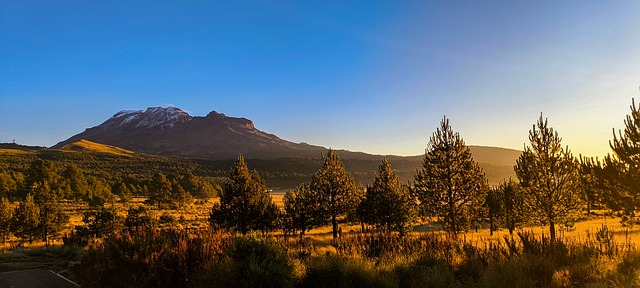
Elders who pass this cosmology on to younger generations often stress that ritual dance and prayer are not symbolic gestures performed for their own sake, but practical maintenance work with real consequences, comparable in seriousness to tending a field or repairing a house. A community that neglects its ceremonial obligations, in this view, is not simply being irreligious but is actively risking drought, illness, or general misfortune, which gives Rarámuri ceremonial life a pragmatic urgency that can be easy for outsiders to underestimate when they see only the festive surface of a dance or race.
Origin narratives are typically shared orally at specific times, often during long nights of dance or communal gathering, rather than recorded in any single canonical text, which means slightly different versions circulate from one settlement to another. Anthropologists who have documented multiple versions generally treat this variation as a normal, expected feature of a living oral tradition rather than a sign of inconsistency or error.
Name
The people call themselves Rarámuri, a name most commonly translated as ‘those who run well’ or ‘the light-footed ones,’ a fitting self-description for a culture famous for covering enormous distances on foot across canyon terrain that defeats most outsiders on horseback, let alone on foot.
The name used far more often in Spanish, English, and most historical records is Tarahumara, a term that appears to derive from a Spanish mishearing or adaptation of the original word, though the exact linguistic path is debated among specialists. Tarahumara remains the name attached to the region, the mountain range, and most tourism and government references.
As with several other indigenous peoples of Mexico, there is a generational and political dimension to which name gets used where: Rarámuri appears more often in community-led publications and activism, while Tarahumara persists in official and popular usage, and most writing today simply uses both interchangeably.
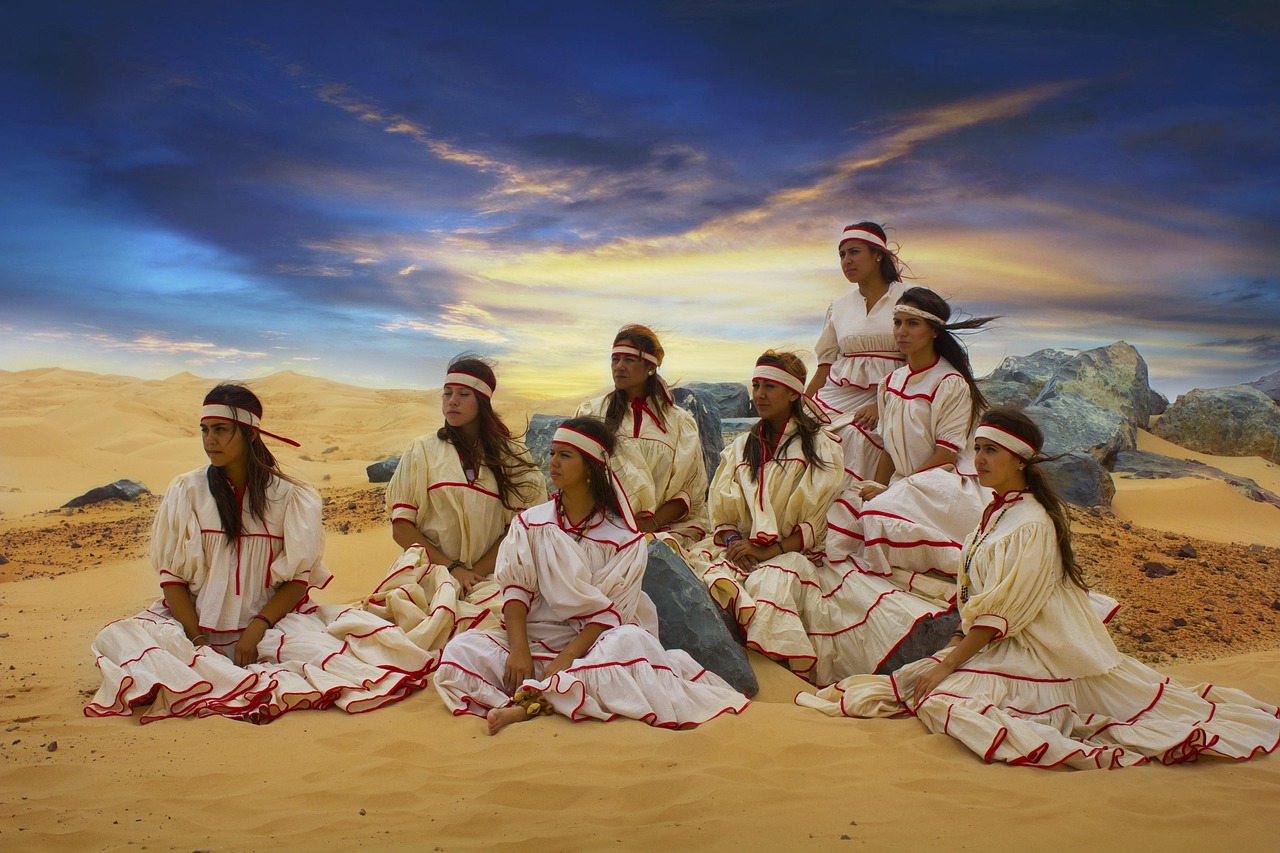
Early Spanish chroniclers recorded a range of spellings and variant names for this people, reflecting the difficulty European ears had with the sounds of the Rarámuri language and the fact that contact happened gradually across many different missions and expeditions rather than through a single encounter. Some of these older spellings still surface occasionally in historical documents and older academic literature, adding another layer to an already complicated naming history.
Museum and archival collections in Mexico and abroad often still use Tarahumara as the primary catalog term for historical Rarámuri objects and photographs, a reminder of how deeply the externally applied name became embedded in institutional record-keeping long before community preference for Rarámuri gained wider traction in public discourse.
Language
Rarámuri belongs to the Uto-Aztecan family, placing it in the same broad linguistic grouping as Wixárika, Nahuatl, and languages spoken as far north as the American Southwest. Several distinct dialects exist across the Sierra Tarahumara, corresponding to different canyon and highland communities that historically had limited contact with one another.
The language remains actively spoken by tens of thousands of people, and unlike many indigenous languages in Mexico, it has not seen the same degree of steep decline, in part because of the region’s continued isolation. Bilingual education programs, developed with input from Rarámuri educators, now teach children literacy in both Rarámuri and Spanish in many mountain schools.
Missionary linguists produced early written descriptions of the language during the colonial and mission periods, and more recent academic and community-led documentation projects continue that work, aiming to support long-term language transmission rather than simply archiving it.
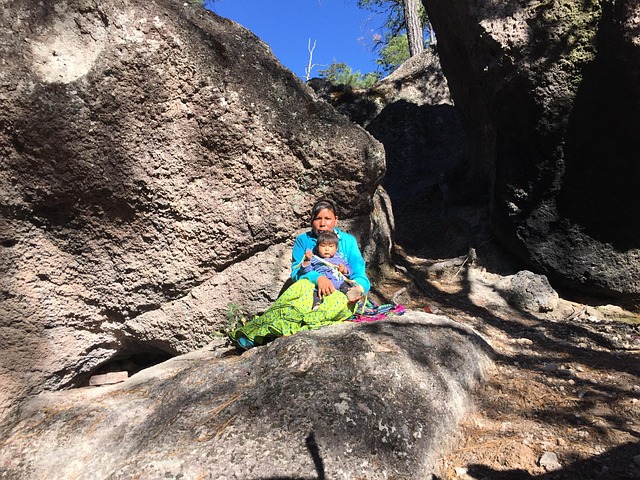
Dialectal variation within Rarámuri is substantial enough that speakers from opposite ends of the Sierra Tarahumara can find one another difficult to understand without some adjustment, a natural result of the canyon terrain limiting regular contact between distant communities for much of their history. Linguists studying the language have used this internal variation to help reconstruct likely historical migration and settlement patterns across the sierra.
Place names throughout Chihuahua, including many towns, rivers, and geographic features still in everyday use, derive from Rarámuri rather than Spanish roots, a linguistic layer that most residents of the state, indigenous or not, encounter constantly without necessarily thinking of it as evidence of the language’s deep historical presence in the region.
Homeland
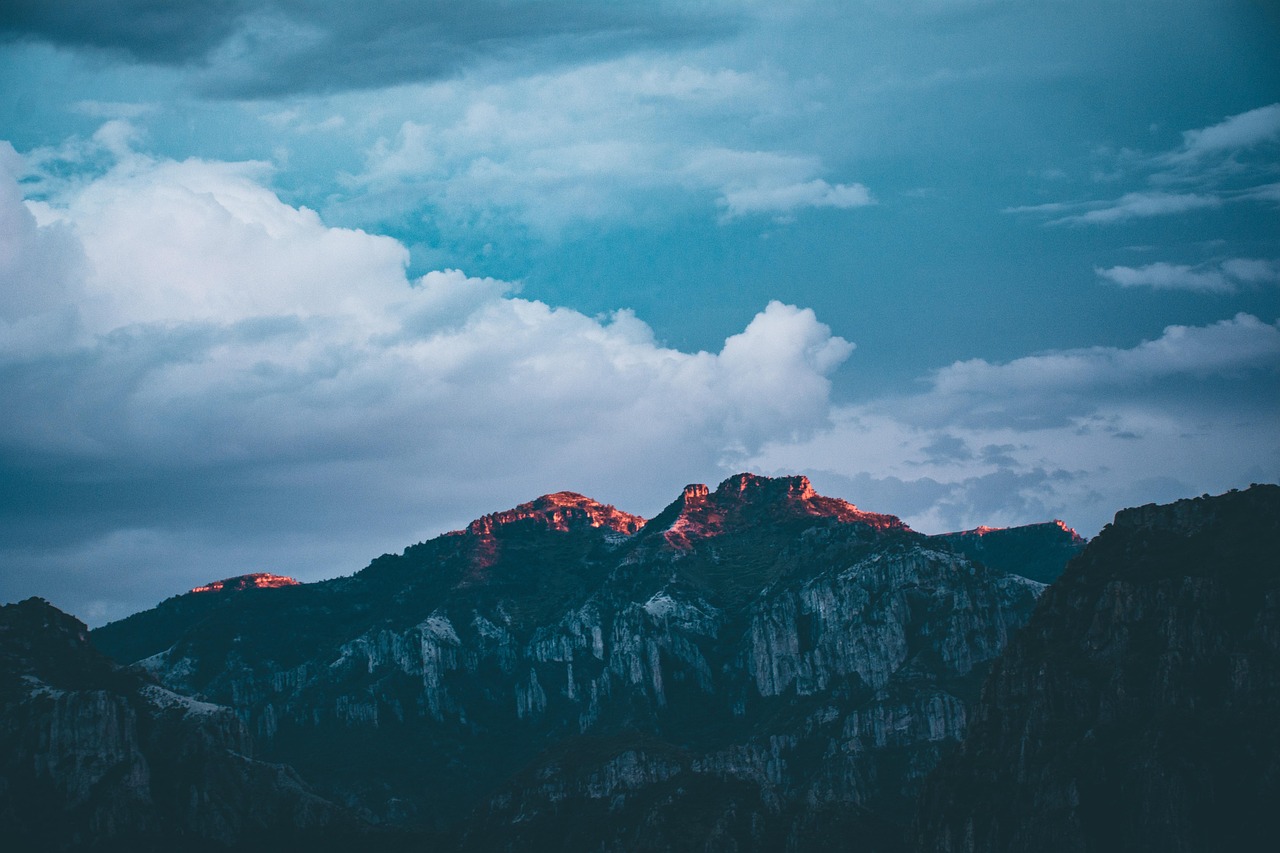
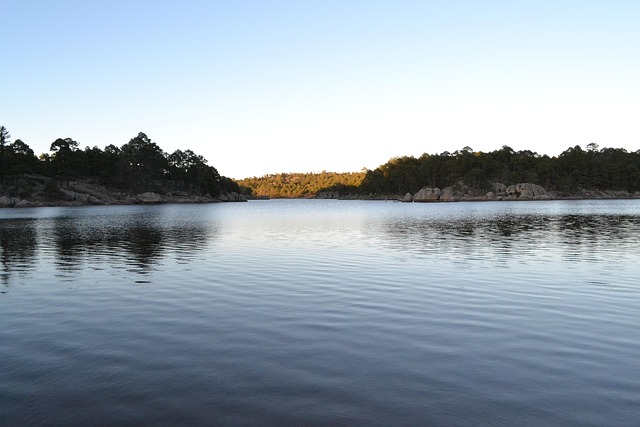
The Rarámuri homeland is the Sierra Tarahumara, part of the larger Sierra Madre Occidental in the Mexican state of Chihuahua, an area cut through by a network of canyons collectively known internationally as Copper Canyon, or Barranca del Cobre. Several of these canyons are deeper than the Grand Canyon in the United States, and the terrain’s sheer ruggedness has historically been the single greatest factor protecting Rarámuri autonomy.
Communities are spread thinly across canyon floors, rims, and highland plateaus at a wide range of elevations, which in turn produces very different microclimates and growing conditions within a fairly compact overall region, from pine-forested highlands that see winter snow to warm, semi-tropical canyon bottoms.
Population estimates for the Rarámuri today range from roughly seventy thousand to over one hundred thousand, though exact figures are difficult to establish given the dispersed settlement pattern and ongoing migration to towns and cities.
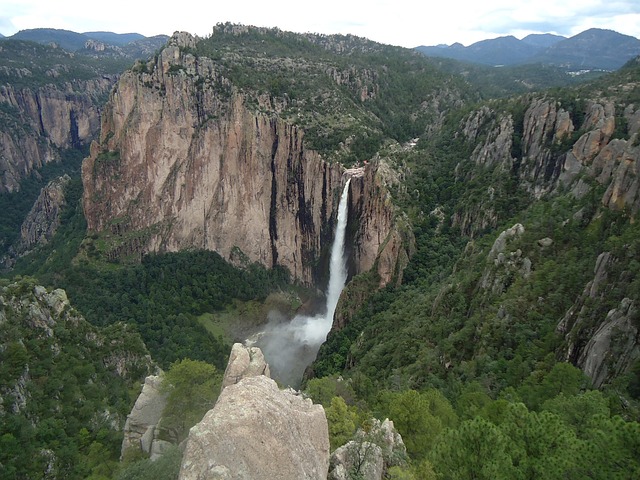
Road access into much of the deep sierra remained extremely limited until well into the twentieth century, and even now many Rarámuri settlements are reachable only by unpaved tracks, mule trail, or on foot, a fact that continues to shape everything from school attendance to emergency medical access. The completion of the Chepe railway line through Copper Canyon in the mid-twentieth century opened the region to outside visitors and trade in a way that changed local economies substantially, for better and for worse, without ever fully erasing the practical isolation of the more remote canyon communities.
Wildlife in the canyons, including mountain lion, deer, and a range of birds of prey, still features in Rarámuri storytelling and everyday observation of the land, reflecting how closely daily life remains tied to the surrounding ecology even as more households gain access to roads, electricity, and other modern conveniences in the more accessible parts of the sierra.
The Old Way of Life
Subsistence farming of maize, beans, and squash on small terraced plots, combined with herding goats and sheep on canyon slopes, has long formed the backbone of Rarámuri livelihood. Families historically moved seasonally between highland summer settlements and warmer canyon-bottom winter settlements, following temperature and available grazing rather than staying fixed in one location year-round.
Long-distance running is woven into this way of life at a level that goes well beyond sport. Historically, running served as the fastest practical way to carry messages or hunt deer across canyon terrain where trails, not roads, connected settlements, and this same running tradition survives today in the ritual kickball race called rarajipari, in which runners kick a wooden ball along courses that can stretch for many hours or even days.
Cave dwellings, rock shelters, and simple wood-plank or log houses have all served as traditional housing depending on the local terrain and available materials, with some families still using seasonal cave shelters in parts of the deepest canyons.
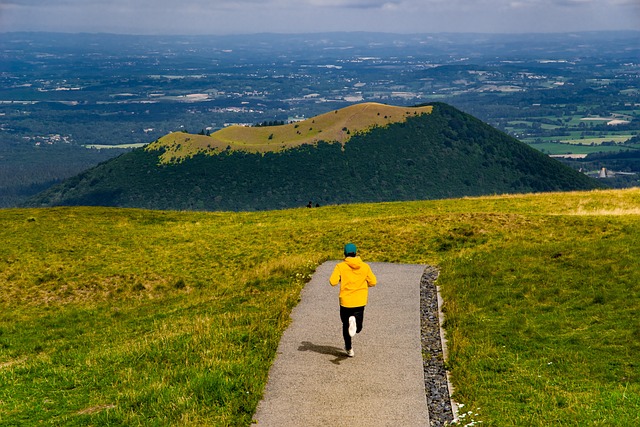
The seasonal movement between highland and canyon-bottom settlements, sometimes called trashumancia locally, could involve a full day or more of travel on foot between a family’s summer and winter homes, carrying tools, seed corn, and household goods along the way. This pattern has weakened somewhat as more families settle permanently in one location for access to schools and clinics, though some households still maintain both a highland and a canyon dwelling and move between them as weather and farming needs dictate.
Livestock herding, particularly of goats introduced after Spanish contact, added a new dimension to a subsistence system that had previously relied almost entirely on farming and gathering, and herding duties, often assigned to children, remain an important part of growing up in many Rarámuri households today. The combination of herding, farming, and seasonal movement produces a demanding but flexible livelihood well suited to the sierra’s difficult and highly variable terrain.
Society
Rarámuri social organization centers on small, dispersed settlements rather than large towns, with extended families as the basic economic and social unit. Formal leadership is provided by a siríame, a respected community figure who mediates disputes, organizes communal labor, and oversees major ceremonies, generally chosen for demonstrated wisdom and fairness rather than inherited status.
Mutual aid labor exchanges, in which neighboring families rotate helping each other with planting, harvesting, or house-building, remain an important economic mechanism, particularly given how spread out individual households are across the canyon terrain.
Because settlements are so dispersed, community-wide events such as races, festivals, and religious ceremonies serve an important secondary function beyond their stated purpose: they are one of relatively few occasions when a scattered community physically gathers in one place at all.
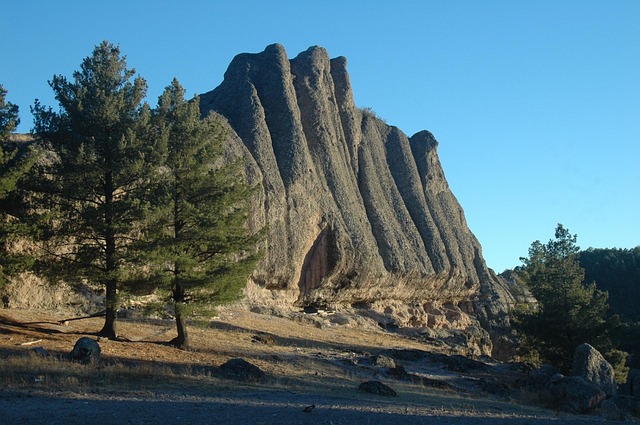
Because a siríame’s authority rests on personal reputation rather than any formal government backing, the office can vary considerably in practical influence from one settlement to another, and disputes that cannot be resolved locally are increasingly likely to be referred instead to Mexican municipal or state authorities, particularly in areas closer to towns and roads.
Godparent relationships, established through baptism and other Catholic rites, have become an important supplementary social network in many communities, creating obligations of mutual support that function alongside, and sometimes reinforce, ties of blood kinship. This layering of Catholic and older kinship institutions is a good small-scale example of the broader pattern of religious blending found throughout Rarámuri society.
Religion
Rarámuri religious life blends Catholic ritual, introduced through Jesuit missions beginning in the seventeenth century, with older beliefs centered on the sun, moon, and a range of spirits associated with the natural world. Rather than existing in tension, the two systems have largely merged into a single coherent practice over centuries of coexistence.
The tesgüinada, a communal gathering built around the drinking of tesgüino, a fermented maize beer, plays a religious as well as social role, often accompanying collective labor, healing rites, or seasonal ceremonies. Far from being a purely recreational drinking session, a properly conducted tesgüinada is understood to carry genuine ritual weight.
Healers, sometimes called owirúame, combine herbal knowledge with ritual practice to treat illness, and their role occupies a respected place alongside, rather than in competition with, whatever access to modern medical care a given community might have.
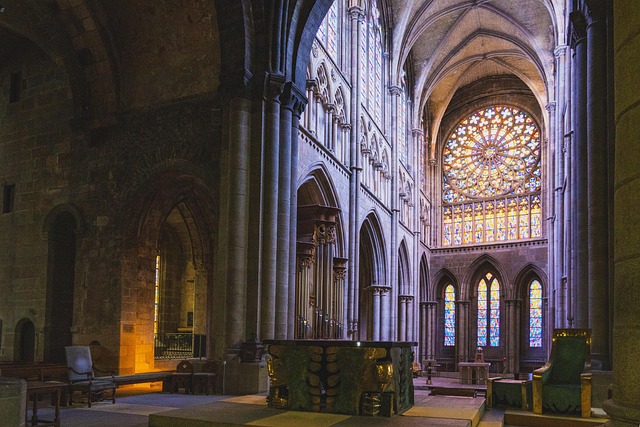
Confession-like practices exist in Rarámuri religious life independent of Catholic influence, with wrongdoing understood to unbalance a person’s relationship to the community and the wider cosmic order alike, requiring a form of ritual correction to set things right again. This concern with balance and correction echoes the same logic found in the creation account itself: the world, and a person’s place within it, has to be actively kept in order rather than simply assumed to stay that way.
Specific mountain peaks, caves, and springs across the sierra are treated as inhabited by particular spirits or ancestral presences, and appropriate behavior near these sites, including offerings or simple respectful silence, is passed down as ordinary practical knowledge rather than formal doctrine. This layer of localized sacred geography means Rarámuri religious practice is always tied concretely to a specific landscape rather than existing as an abstract belief system detachable from place.
Traditions
The rarajipari kickball race stands as the most distinctive Rarámuri tradition, requiring teams of runners to kick a small wooden ball along a marked course through canyon and highland terrain, sometimes continuing through an entire night by torchlight. Women have their own parallel tradition, ariweta, played with a hoop and stick rather than a kicked ball, and both events combine serious athletic effort with betting, feasting, and social gathering.
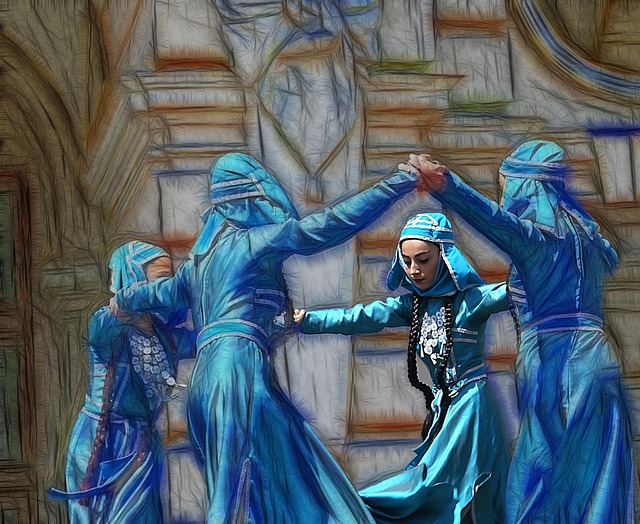
Matachines dance, performed at Christian feast days, blends Spanish-introduced steps and costume with older ritual dance elements, producing a performance that looks recognizably Catholic on the surface while carrying older meanings for many participants and communities.
Skills required for this way of life, from long-distance running technique to farming knowledge tied to specific canyon microclimates, are still transmitted mainly through direct practice within families rather than through formal instruction.
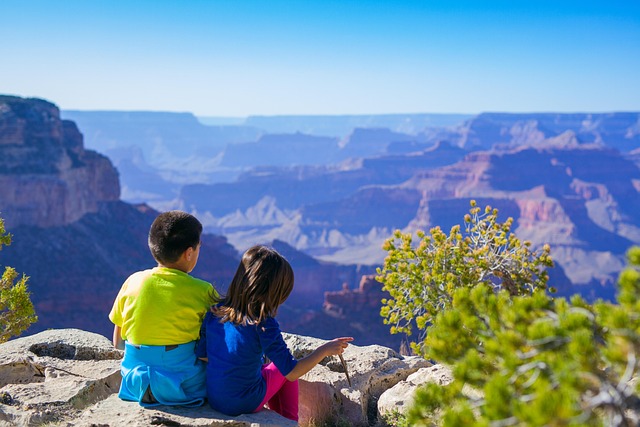
Betting on rarajipari races can involve substantial goods, livestock, or money staked by supporters of each team, turning what might look like a simple children’s game of kickball into a serious economic and social event for the wider community. Runners train for these races through ordinary daily activity, such as herding on steep terrain, rather than through any dedicated athletic program, which is part of what has fascinated outside sports scientists studying Rarámuri endurance running.
Outside anthropologists who have observed rarajipari races note that the event functions simultaneously as sport, gambling venue, social gathering, and quiet display of a family or settlement’s collective stamina and organization, a combination that resists any single simple description imported from outside sporting categories.
Crafts
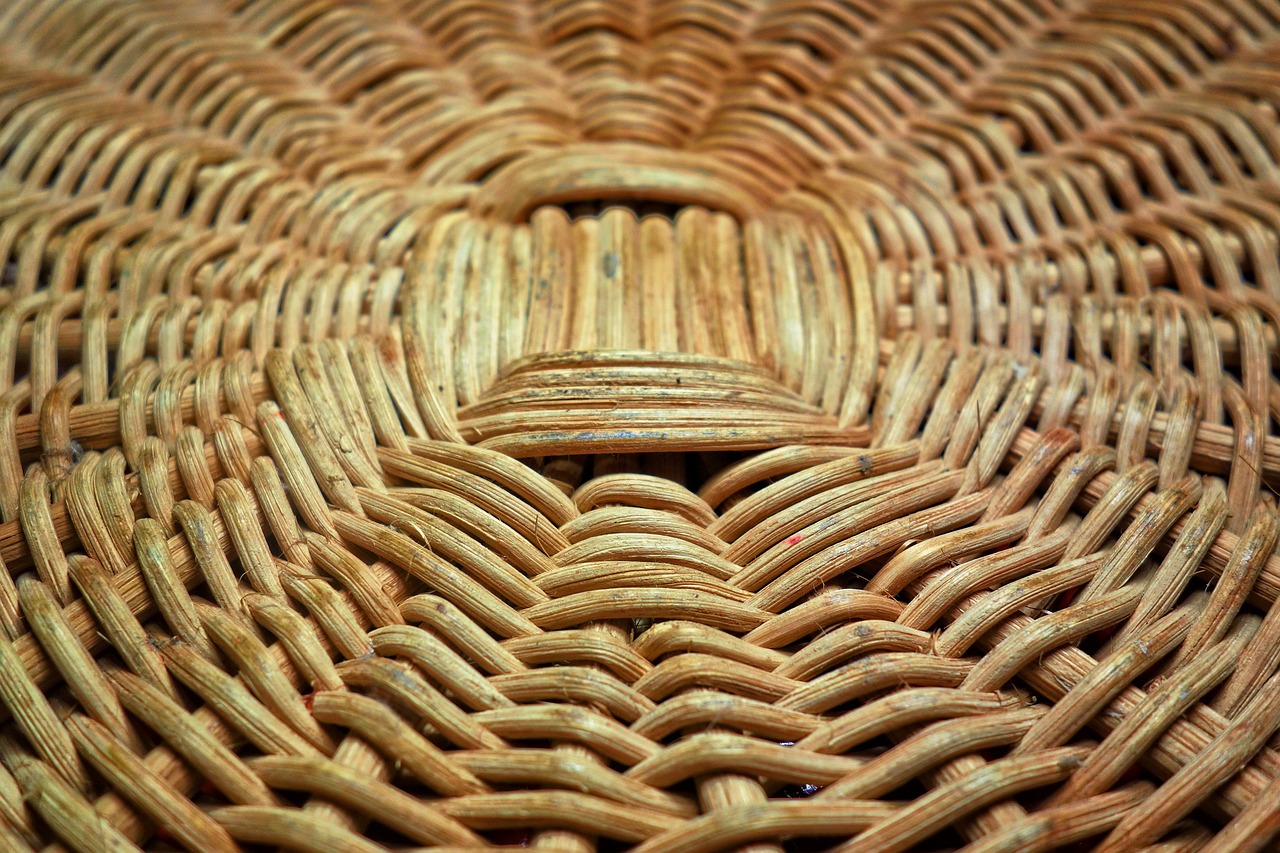
Basket weaving from local plant fibers, particularly pine needles and sotol leaves, is among the most widely practiced Rarámuri crafts, producing durable containers used both at home and sold to visitors passing through towns like Creel, the main tourist gateway to Copper Canyon.
Wood carving, particularly of the wooden balls used in rarajipari racing and of simple figurative sculptures, and pottery made without a wheel using coil-building techniques round out the main craft traditions, generally learned informally within families rather than through any formal apprenticeship system.
Tourism centered on Copper Canyon has created a real market for these crafts, providing supplemental income for many families, though it has also introduced the familiar tension between producing goods for genuine household use and producing simplified versions specifically for outside buyers.
Violin and guitar making, adapted from instruments introduced during the mission period, also persists as a specialized craft in some communities, supplying the instruments used at matachines dances and other ceremonial music. As with basketry, a handful of especially skilled makers often supply instruments or crafts well beyond their own immediate settlement, developing modest reputations that travel along the same trade and kinship networks used for other goods.
Textile weaving, producing simple wool garments and blankets in highland communities where sheep herding is common, adds a further craft tradition distinct from the pine-needle and sotol basketry more typical of lower, warmer settlements, reflecting how much local environment shapes which specific crafts a given community practices. Traders moving between highland and canyon settlements have historically helped circulate these different regional specialties well beyond their point of origin.
Food
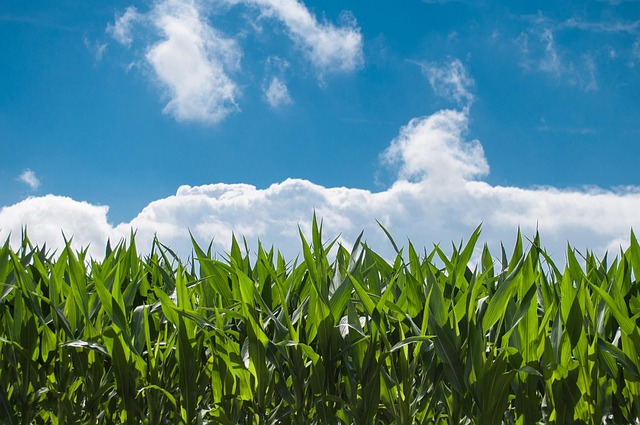
Maize is the staple of the Rarámuri diet, prepared as tortillas, pinole, a toasted and ground corn drink, and tesgüino, the fermented maize beer central to communal gatherings. Beans and squash round out the core of most meals, supplemented by wild greens and, where available, small game.
Goat meat and cheese, tied to the herding traditions common in the sierra, appear at festivals and important family occasions more than in daily meals, given the relative value of a live animal compared to its meat.
Runners preparing for long rarajipari races have traditionally relied on pinole as a portable, energy-dense food that can be carried and consumed on the move, a practical solution to fueling a race that can last many hours without a real break.
Wild plant foods, including various greens, roots, and seasonal fruits gathered from the canyon slopes, have historically served as an important buffer during years when the maize harvest fell short, a recurring risk given the sierra’s unpredictable rainfall. Knowledge of which wild plants are safe and nutritious, passed down primarily from mothers and grandmothers to children, remains a meaningful, if less discussed, part of Rarámuri food culture alongside the more visible staples of corn and beans.
Festivals
Holy Week, or Semana Santa, stands as the single largest annual Rarámuri festival, combining Catholic Easter observance with matachines dancing, ritual foot races, and days of communal gathering that draw families in from scattered settlements across the sierra.
Feast days for local patron saints, assigned to individual villages during the colonial mission period, remain important markers of the yearly calendar, each typically involving a specific combination of mass, dance, and a tesgüinada that can stretch through the night.
International attention has occasionally turned to Rarámuri running culture through ultramarathon events staged in Copper Canyon, which invite Rarámuri runners to compete alongside foreign athletes, bringing outside recognition to a running tradition that long predates any formal race organization.
Smaller local celebrations tied to planting and harvest continue throughout the year at the level of individual settlements, generally without drawing outside visitors the way Holy Week or the larger ultramarathon events sometimes do. These smaller festivals matter enormously to the communities that hold them even though they rarely appear in outside accounts of Rarámuri life, which tend to focus disproportionately on the same handful of high-profile events.
History
Spanish contact reached the Sierra Tarahumara later than central Mexico, arriving mainly through Jesuit missionaries beginning in the early seventeenth century rather than through conquistador armies. Missions established schools, churches, and new agricultural practices, but Rarámuri resistance to forced labor and religious imposition produced several serious uprisings during the colonial period, including major revolts in the mid-1600s.
The expulsion of the Jesuits from Spanish territories in 1767 removed much of the mission infrastructure that had been built up over more than a century, and the following decades saw reduced outside administrative presence in the deep sierra, allowing many Rarámuri communities considerable practical autonomy even as Mexico moved through independence and into the modern era.
Twentieth-century pressures included logging concessions, land disputes with mestizo ranchers, and, more recently, the presence of drug cartels using the remote canyon terrain for cultivation and trafficking, a serious ongoing security concern for many communities that adds a dangerous new dimension to the isolation that once protected Rarámuri autonomy.
The 1980s and 1990s brought severe droughts to the sierra that pushed a number of Rarámuri communities into acute food crises, drawing national and some international humanitarian attention to conditions in the region and prompting new government assistance programs, with decidedly mixed results in terms of long-term self-sufficiency. These crises also accelerated migration toward cities, a trend that has continued for economic and, more recently, security reasons tied to cartel activity in parts of the sierra.
Anthropological interest in the Rarámuri grew substantially over the twentieth century, producing a body of ethnographic literature that documented running culture, religious practice, and social organization in detail, sometimes to the discomfort of communities who felt observed rather than genuinely engaged with. More recent scholarship has increasingly involved Rarámuri collaborators directly, shifting the balance somewhat from outside observation toward genuine partnership in documenting and interpreting the culture’s own history.
Today
An estimated seventy to one hundred thousand Rarámuri live today across the Sierra Tarahumara and in growing numbers in cities such as Chihuahua City and Ciudad Juárez, where some families have relocated for work, education, or safety from cartel-related violence affecting parts of the sierra.
Copper Canyon tourism, including the Chepe railway that carries visitors through the region, has become an important economic factor, providing income through crafts, guiding, and hospitality work, while also raising familiar concerns about how much control local communities retain over how their culture is presented and monetized.
Rarámuri running culture has found an unusual second life on the international ultramarathon circuit, drawing outside attention and occasional sponsorship to individual runners, even as most Rarámuri families continue to rely primarily on subsistence farming and herding, supplemented where possible by wage labor, craft sales, and remittances from relatives living in Mexican cities or the United States.
Cartel-related violence and land pressure tied to illegal logging have made parts of the sierra genuinely dangerous in recent years, with several Rarámuri activists and community leaders killed after opposing illegal timber operations or drug cultivation on community land. Rarámuri organizations have continued to press Mexican authorities for stronger protection of both land rights and basic physical safety, framing the issue as a direct continuation of a much older struggle to keep outside interests from simply taking what they want from the sierra.
International ultramarathon events have brought a modest but real stream of foreign visitors and researchers into direct contact with individual Rarámuri runners over the past two decades, occasionally leading to sponsorship deals or media profiles that bring welcome income but also raise fair questions about whether such arrangements benefit whole communities or mainly a handful of individually prominent athletes.
Nearby Peoples of Mexico
- The People Who Never Vanished, the Story of the Maya
- Zapotec: A People Older Than the Aztec Empire
- Mixtec: The Cloud People Who Wrote Their Own History
- Purépecha: The People Who Kept the Aztec Empire Out of Michoacán
- Otomi: The Original Neighbors of the Aztec Capital
- Nahua: The People Behind Mexico’s Name
- How the Wixárika of Mexico Keep Walking to the Birthplace of the Sun
You May Like
The Damara, an Ancient People of Namibia


One thought on “Why the Rarámuri of Copper Canyon Never Stopped Running”