Atop three mesas in the Arizona high desert, the Hopi have farmed corn without irrigation for over a thousand years, following an emergence story that treats this world as the fourth world their ancestors climbed into, one after another, each time leaving behind a world grown corrupt. Their villages, including one of the oldest continuously inhabited settlements in North America, still keep a ceremonial calendar built around the katsina spirits, a system of matrilineal clans, and a name, Hopi, that describes proper conduct as much as it describes a people.
Contents
- Origins
- Name
- Language
- Homeland
- The Old Way of Life
- Society
- Religion
- Traditions
- Crafts
- Food
- Festivals
- History
- Today
Origins
Hopi tradition holds that the people now living in this world are not the first to have done so. According to the emergence account, earlier peoples lived through three prior worlds, each of which was destroyed or abandoned because of corruption, greed, or disorder, before the ancestors of today’s Hopi climbed through a reed or bamboo shoot into this Fourth World through an opening in the earth known as the sipapu.
On emerging, the people were met by Maasaw, guardian of this world, who gave them corn and instructions for how to live rightly upon the land, along with a warning that the responsibility for keeping the world in balance now rested with them. Different clans are said to have emerged at different points and taken different migratory routes before eventually converging on the mesas of what is now northeastern Arizona.
This emergence story is treated as literal history by many Hopi, tied to specific and still-recognized locations, rather than as an abstract creation myth detached from the physical landscape.

Different Hopi clans trace their own specific migration stories from the point of emergence to their eventual settlement on the mesas, with some accounts describing long journeys through the American Southwest, and even claims of travel as far as Central America, before a clan finally arrived and was accepted into the growing community. These clan-specific accounts are not treated as competing versions of a single fixed history so much as complementary threads within a much larger, shared story, each contributing its own piece to how the Hopi as a whole came to occupy their present homeland.
Maasaw’s role in the emergence account is unusual among creator or guardian figures in that he is described as having already been present, alone, in this Fourth World before the people arrived, tending it and waiting, rather than creating it fresh at the moment of emergence, which gives Hopi cosmology a distinctive layered quality: the world existed, was cared for, and was then entrusted, rather than simply summoned into being for the newly arriving people.
Name
The full self-designation is Hopituh Shi-nu-mu, generally translated as something close to ‘the peaceful people’ or ‘people who behave properly according to the Hopi way.’ Hopi itself is the shortened form used in English and most everyday contexts, both by outsiders and by Hopi people themselves.
The name carries an ethical dimension that goes beyond simple ethnic labeling: living according to Hopivotskwani, often glossed as ‘the Hopi way’ or ‘the peaceful path,’ is treated as an ongoing personal obligation rather than an automatic birthright, meaning a person’s conduct, not just ancestry, is understood to determine how fully they embody being Hopi.
Unlike several neighboring peoples, Hopi has not been significantly displaced by a competing colonial-era name; it has remained the standard term across academic, governmental, and Hopi community usage alike for well over a century.
Because Hopi identity is framed partly around conduct rather than descent alone, questions about who properly counts as living according to the Hopi way occasionally surface within the community itself, particularly regarding members who have moved away permanently or married outside the tribe, debates that mirror similar identity discussions found among many indigenous nations navigating between reservation-based tradition and a much more mobile modern population.
Visitors to Hopi villages are generally expected to observe specific behavioral norms, including restrictions on photography, recording, and sketching, that follow directly from this same conduct-based understanding of what it means to interact properly with the community, extending the concept of Hopivotskwani to outsiders as well as to Hopi people themselves.
Language
Hopi belongs to the Uto-Aztecan language family, connecting it linguistically, though very distantly, to Nahuatl in central Mexico and to Wixárika and other languages of the Sierra Madre Occidental, evidence of a broad and ancient pattern of related peoples spread across a huge stretch of North America.
The language famously became a subject of scholarly debate in the twentieth century over how its grammar treats time, following linguist Benjamin Lee Whorf’s controversial claim that Hopi lacked a simple grammatical tense system comparable to English, encoding event structure differently instead. Later linguists have significantly revised or rejected parts of Whorf’s specific analysis, though the broader case remains a fixture in introductory linguistics courses.
The Hopi Tribe now runs its own language preservation programs, and Hopi is taught in tribal schools alongside English, reflecting concern over declining fluency among younger generations who grow up with much heavier everyday exposure to English.
Hopi vocabulary distinguishes carefully between different categories of knowledge and different levels of certainty, a feature that likely fed into the broader anthropological and linguistic interest the language attracted throughout the twentieth century. Contemporary Hopi linguists and educators have worked to correct popular misconceptions that arose from earlier, sometimes overstated academic claims about the language, while still supporting serious documentation and revitalization efforts grounded in accurate description rather than exoticized theory.
Community radio broadcasts, printed materials, and, more recently, digital language-learning tools have supplemented in-person instruction, giving Hopi language education a wider reach than classroom teaching alone could achieve, particularly for tribal members living away from the mesas who still want their children to have some connection to the language.
Homeland
The Hopi homeland centers on three mesas rising from the high desert of northeastern Arizona, entirely surrounded by the much larger Navajo Nation, a geographic arrangement that has itself been a source of long-running land disputes between the two tribes. Villages perch directly atop the mesas, positioned for defense and to preserve scarce farmland in the valleys below for crops rather than housing.
Old Oraibi, on Third Mesa, is regularly cited as one of the oldest continuously inhabited settlements in North America, with archaeological evidence of habitation stretching back over a thousand years, predating many European towns still standing today.
Elevation and a genuinely arid climate make farming here a demanding undertaking, and the surrounding high desert offers little in the way of easily exploitable natural resources, a fact that has arguably helped the Hopi retain more control over their own land than many other Native American nations whose territory attracted greater outside commercial interest.
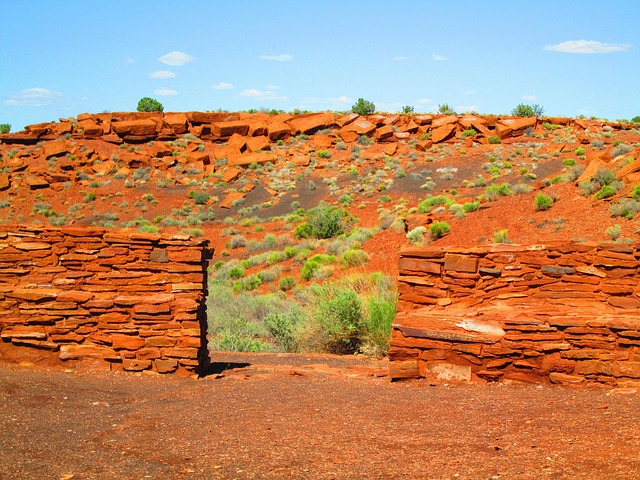
Farmland lies mostly in the valleys below the mesa-top villages, meaning a farmer’s daily commute to their own fields can involve a genuine walk or, more recently, a drive down from the mesa each morning and back up each evening, a physical separation between home and farmland that has shaped village layout and daily routine for centuries. Water sources, including a handful of reliable springs at the base of the mesas, have long been treated as both practically essential and spiritually significant, tied directly into the ceremonies that ask for continued rainfall.
Each of the three mesas developed its own somewhat distinct dialect, ceremonial calendar details, and craft specialization over centuries of relative separation, even though all twelve villages share the same overarching Hopi identity, origin account, and basic social structure, a pattern of unity alongside meaningful local variation that shows up repeatedly across different aspects of Hopi life.
The Old Way of Life
Dry farming, growing corn, beans, and squash without irrigation by taking advantage of specific soil types and planting techniques adapted to unpredictable desert rainfall, has sustained Hopi communities on the mesas for over a millennium. Fields are often planted unusually deep, with seeds placed well below the surface to reach residual soil moisture that would otherwise evaporate quickly in the desert heat.
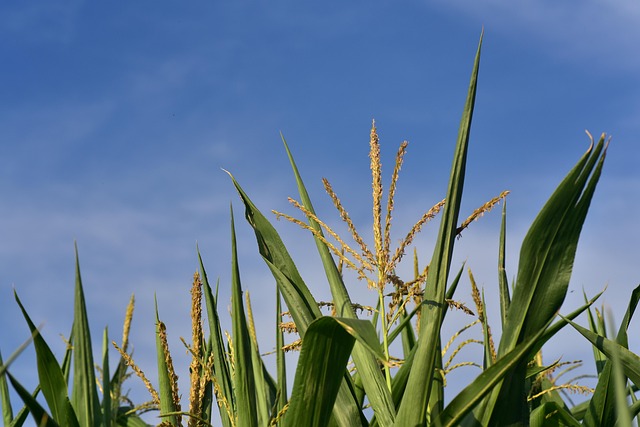
Corn in particular carries significance far beyond its role as food: specific varieties, including the culturally central blue corn, feature directly in origin accounts, naming ceremonies, and religious ritual, making agricultural knowledge and religious knowledge difficult to separate in practice.
Sheep herding, introduced after Spanish contact, and limited hunting supplemented the farming-based diet, though farming has always remained the clear center of Hopi subsistence given the practical difficulty of large-scale herding on such arid, mesa-top terrain.
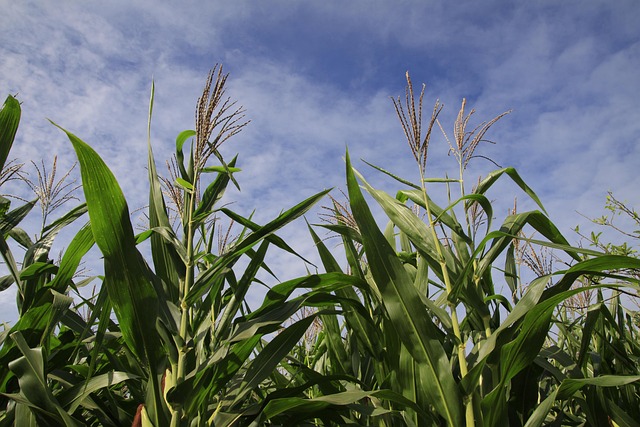
Farmers reading subtle differences in soil color, sand composition, and the specific placement of a field relative to natural runoff channels developed an intricate body of localized agricultural knowledge over many generations, since a technique that works well on one mesa’s soil might fail entirely a short distance away under different conditions. This hard-won, highly local knowledge, rather than any single general technique, is what actually makes dry farming viable at all in a region that receives only a few inches of rain in an average year.
Society
Hopi society is organized around matrilineal clans, meaning descent, clan membership, and rights to specific farmland and ceremonial roles pass through the mother’s line rather than the father’s. A person’s clan identity shapes which ceremonies they may participate in and what responsibilities they carry within the wider village.
Twelve villages across the three mesas each maintain a degree of independent governance, traditionally led by a kikmongwi, or village chief, a hereditary position tied to specific clan lineage rather than an elected office in the conventional sense. This village-level autonomy has historically made unified tribal decision-making genuinely difficult, a pattern that persists in various forms within the modern Hopi Tribal Council.
Extended matrilineal households, often including a woman, her husband, unmarried children, and married daughters with their own families, traditionally shared a single home, a structure well suited to the labor demands of dry farming and the compact, defensible layout of mesa-top villages.
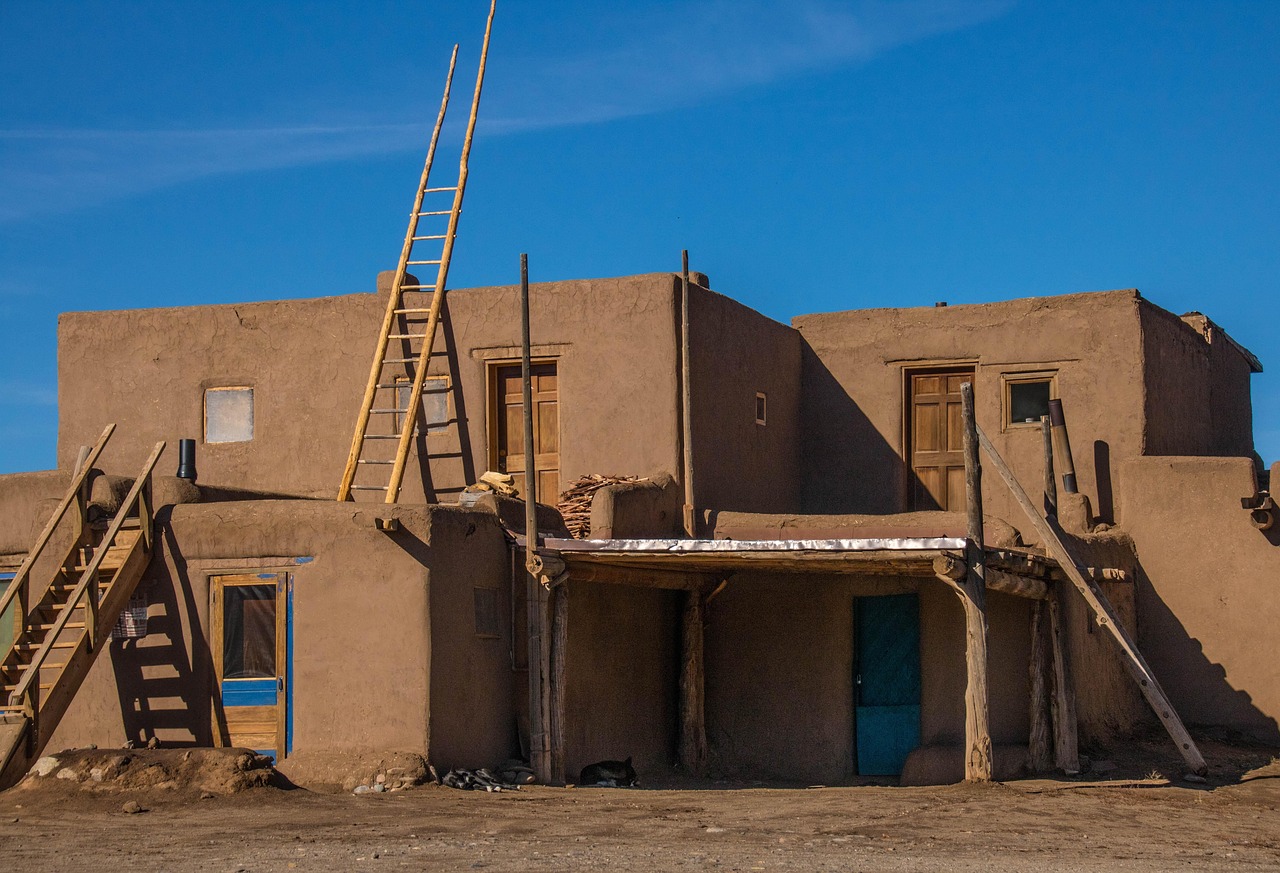
Ceremonial responsibilities are distributed across a system of male-organized religious societies, membership in which is typically gained through initiation at specific stages of life, running alongside and interacting with the matrilineal clan system that governs land rights and everyday kinship. This dual structure, matrilineal descent for land and lineage, religious societies for ceremonial organization, gives Hopi social life a complexity that can be difficult for outside observers to map onto more familiar Western categories of family, religion, and government.
A kikmongwi’s authority, though hereditary within a particular clan lineage, is expected to be exercised with restraint and consultation rather than unilateral command, and a leader seen as behaving arrogantly or selfishly risks losing practical influence even while retaining the formal position, another expression of the broader Hopi emphasis on humility and correct conduct running through both religious and civic life.
Religion
Hopi religious life centers on the katsinam, spirit beings believed to inhabit the San Francisco Peaks for part of the year and to visit Hopi villages during the other part, appearing through masked dancers who are understood, during the ceremony itself, to actually embody rather than merely represent these spirits.
An annual ceremonial calendar organized around the agricultural cycle guides village life, including major ceremonies tied to the winter solstice, spring planting, and the summer Home Dance that marks the katsinam’s seasonal return to the mountains. Participation in these ceremonies is generally restricted to initiated members of the community, and outside observation of the most sacred portions is limited or prohibited entirely.
The Snake Dance, historically among the most widely known Hopi ceremonies to outsiders due to its dramatic use of live snakes in a rain-petitioning ritual, has been closed to outside observers for decades following concerns about disrespectful tourist behavior at earlier public performances.

Kiva chambers, partially underground ceremonial rooms entered by ladder through a roof opening, serve as the primary setting for the most sacred portions of Hopi ceremony, including extended periods of ritual preparation that take place away from public view entirely. Each kiva is typically associated with specific religious societies and villages, and access is generally restricted to initiated members, reinforcing the broader pattern of layered privacy around Hopi religious knowledge.
Not every katsina is associated with rain or growth directly; some serve disciplinary or educational roles within the ceremonial calendar, appearing specifically to correct children’s behavior or reinforce proper conduct, which reflects the broader Hopi view that religious practice and everyday moral instruction are closely intertwined rather than confined to separate spheres of life.
Traditions
Katsina dolls, carved from cottonwood root and painted to represent specific spirit beings, are traditionally given to children, particularly girls, during ceremonies, functioning as teaching tools that help the next generation learn the identities and roles of the many katsinam long before they might see the corresponding masked dancer in person.
Clan-specific songs, stories, and ceremonial responsibilities are passed down within families, with elders serving as the primary teachers of both practical skills, such as dry farming techniques suited to a specific field, and religious knowledge tied to particular ceremonies a clan is responsible for organizing.
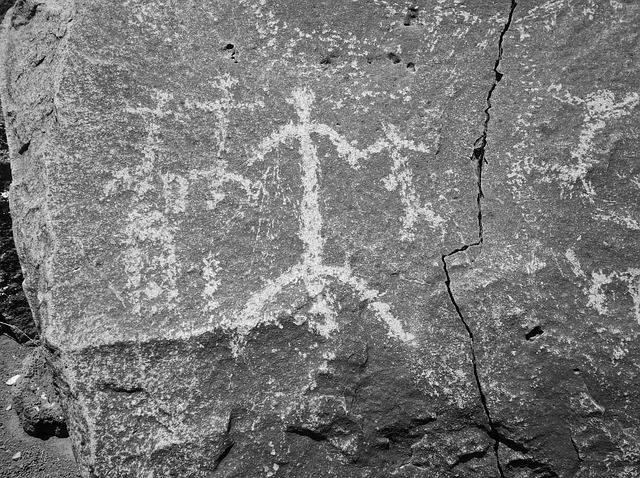
Rock art across the mesas and surrounding canyon country, including petroglyphs recording clan symbols and migration routes, is treated by many Hopi as a form of historical documentation left by specific named ancestors rather than as anonymous ancient art.
A properly made katsina doll is expected to follow specific, recognized conventions for the spirit it represents, since the dolls function partly as an educational reference rather than as free artistic expression, meaning even highly skilled carvers work within a shared visual vocabulary that has been passed down and gradually refined rather than reinvented by each new generation of carvers.
Crafts
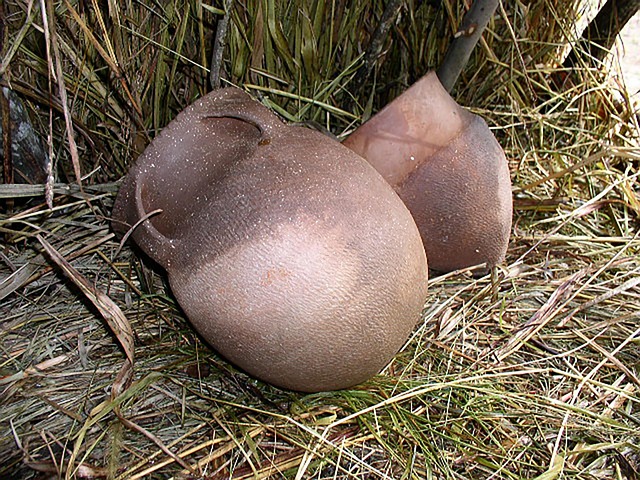
Hopi pottery, particularly the polished, hand-coiled yellow and orange ware associated with First Mesa, has been produced continuously for centuries and gained wider recognition in the early twentieth century through the work of individual named potters whose techniques revived older prehistoric styles found at ancestral sites.
Silverwork using an overlay technique distinctive to the Hopi, in which a cut design is soldered atop a plain silver base and the recessed background oxidized to create contrast, developed more recently, in the mid-twentieth century, and has become one of the most commercially recognized Hopi art forms.
Katsina doll carving, basketry using techniques that vary meaningfully between the different mesas, and weaving round out a craft tradition where nearly every object made for sale has some corresponding ceremonial or everyday counterpart still used within the community itself.
Individual Hopi artists working in pottery, silverwork, and katsina carving have at times achieved significant recognition well beyond the reservation, with some pieces held in major museum collections and others commanding substantial prices in the fine art market, a development that has provided welcome income for some families while also raising the same tension seen among other indigenous craft traditions over how sacred or clan-specific imagery should be handled once it enters a broader commercial art world.
First Mesa pottery techniques, in particular, were substantially revived in the early twentieth century through study of pieces excavated from nearby ancestral sites, meaning the celebrated Hopi pottery seen in galleries and museums today is, in an important sense, a direct continuation of designs first developed by the same ancestral communities the Hopi trace their own history back to.
Food
Corn remains the single most important food, prepared in dozens of forms including the paper-thin, ceremonially significant piki bread made from blue corn meal and cooked on a hot stone in a technique that produces something closer to a rolled sheet than a conventional flatbread.
Beans and squash grown alongside corn round out the traditional diet, supplemented by wild greens, and by mutton after sheep herding became established following Spanish contact. Hominy, made by treating corn kernels with an alkaline solution, appears in stews served at many ceremonial gatherings.
Food preparation itself is frequently tied to specific ceremonies, with particular dishes reserved for particular occasions, so that a Hopi calendar of ceremonies is, among other things, also a calendar of specific traditional foods.
Piki bread preparation is traditionally taught mother to daughter and remains one of the more physically demanding everyday skills in Hopi cooking, requiring quick, even strokes of thin batter across a hot stone slab and split-second timing to peel off a finished sheet before it burns, a skill that takes considerable practice to master properly.
Festivals
The Home Dance, or Niman, held in July, marks the katsinam’s yearly departure back to the San Francisco Peaks after months of ceremonial presence in the villages, and is among the public ceremonies outsiders may sometimes be permitted to observe from designated areas, though photography is generally prohibited.
Winter ceremonies including Soyal, tied to the winter solstice, mark the start of the ceremonial year and involve extended periods of ritual activity, prayer-stick making, and the reopening of the kiva ceremonial chambers used throughout the katsina season.
Social dances open to the wider public occur at various points in the year and provide one of the few contexts where non-Hopi visitors can observe some version of Hopi dance tradition directly, though the most sacred underlying ceremonies remain restricted to initiated community members.
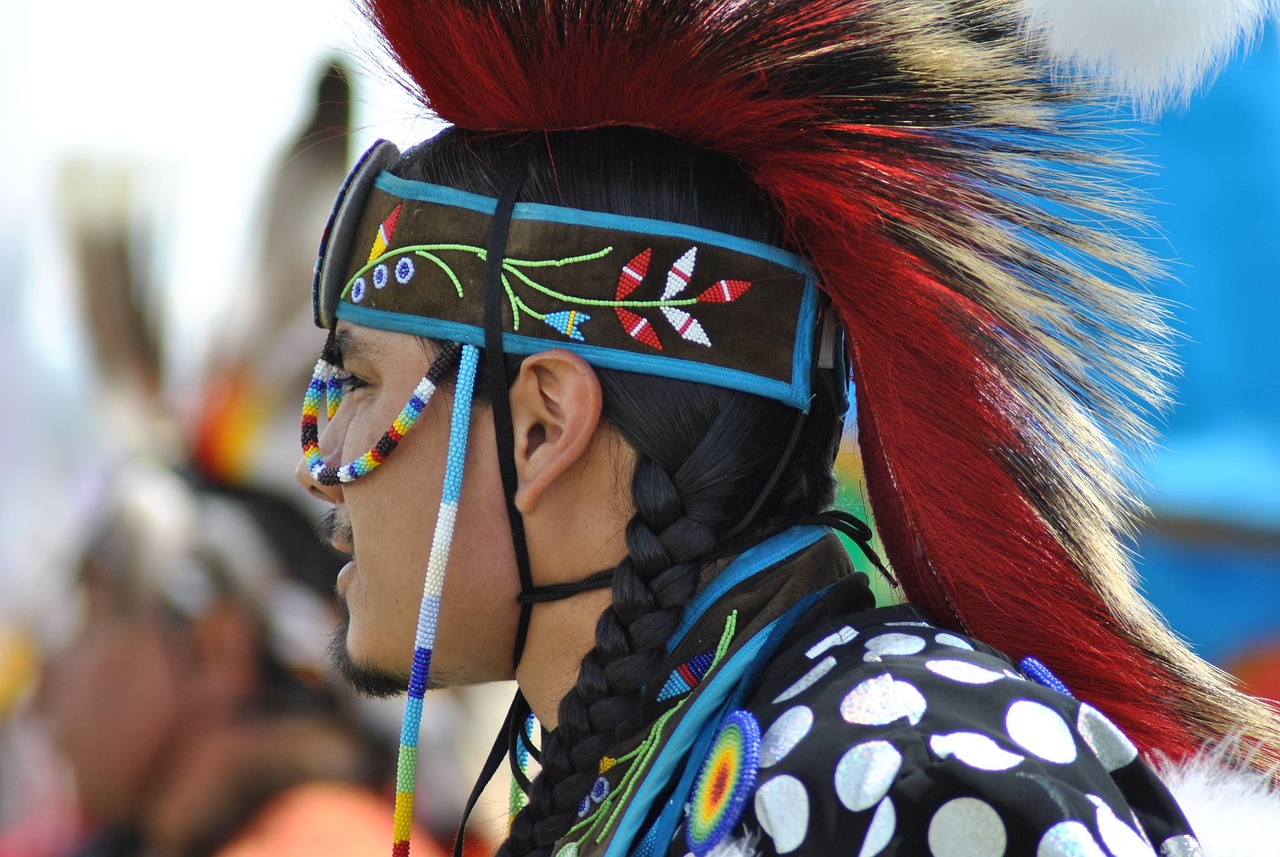
Attendance at social dances open to outsiders has become an occasional but meaningful source of income and cultural exchange for host villages, though Hopi communities have periodically restricted or closed particular dances to outside visitors entirely in response to disrespectful behavior, underscoring that public access to any given ceremony is a privilege extended by the hosting village rather than a fixed entitlement for visitors.
History
Ancestral Puebloan communities, whose cliff dwellings and mesa-top ruins are scattered across Arizona, Colorado, New Mexico, and Utah, are widely regarded by the Hopi as direct ancestors, and Hopi oral history connects specific clans to specific ancient sites through named migration accounts rather than treating these ruins as belonging to an unrelated vanished people.
Spanish contact arrived in 1540 with the Coronado expedition, and Franciscan missions were established at several Hopi villages beginning in the early seventeenth century. Unlike the Pueblo peoples of the Rio Grande valley, the Hopi were not deeply drawn into the 1680 Pueblo Revolt’s aftermath in the same way, and after later reasserting control over their own villages, they successfully kept sustained Spanish colonial presence out of Hopi territory for the remainder of the colonial period.
The nineteenth and twentieth centuries brought new pressure through U.S. government boarding schools intended to assimilate Hopi children, alongside decades of unresolved land disputes with the surrounding Navajo Nation, an issue eventually addressed, with considerable controversy on both sides, through federal legislation partitioning disputed land in the late twentieth century.
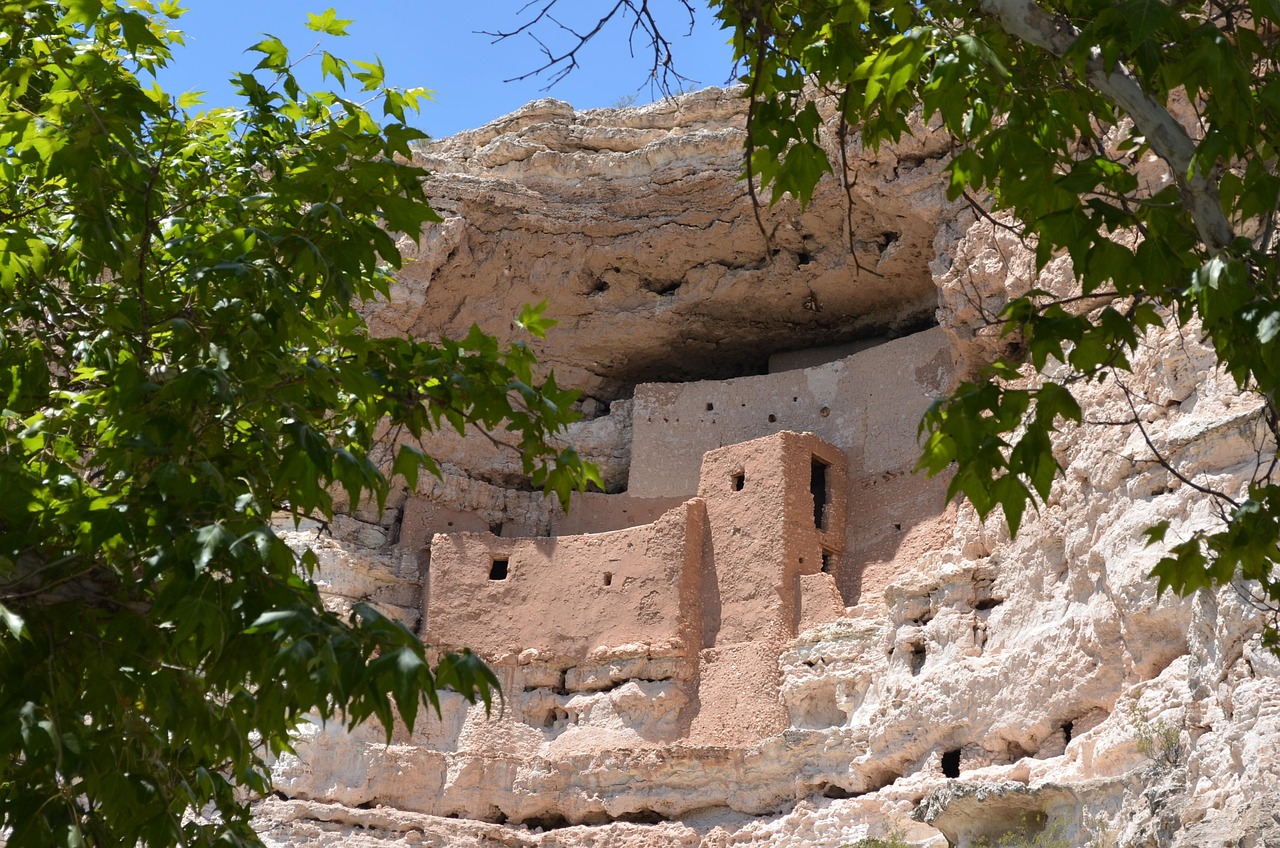
Hopi villages maintained relative isolation from the more intensive ranching, mining, and settlement pressure that reshaped much of the American Southwest during the nineteenth century, in part because the surrounding high desert offered little immediate economic incentive for large-scale non-Hopi settlement. This isolation, similar in effect to the isolation that protected the Rarámuri in Mexico’s Copper Canyon, allowed a substantial share of traditional ceremonial and social structure to persist into the twentieth century relatively intact compared to many other Native American nations that faced heavier and more sustained outside pressure.
Boarding school policies pursued by the United States government from the late nineteenth century through much of the twentieth aimed explicitly at assimilation, discouraging Hopi language and religious practice among children sent away to distant institutions, a policy whose long-term effects on language transmission and family cohesion Hopi communities are still actively working to address through modern language and cultural revitalization programs.
Today
Roughly nineteen thousand enrolled Hopi Tribe members live today, split between the mesa villages and nearby towns such as Flagstaff, Winslow, and Kykotsmovi, the seat of the Hopi Tribal Council, with many others living further afield across the United States for work or education while retaining formal tribal enrollment and family ties to specific villages.
Water rights and land disputes with the surrounding Navajo Nation, along with concerns over groundwater depletion linked to regional mining operations, remain significant ongoing issues, since the mesas’ dry-farming agriculture depends entirely on a fragile balance of rainfall and underground water that outside industrial use can meaningfully disrupt.
The Hopi Tribe has taken an unusually firm public stance against the commercial sale and auction of katsina dolls and other sacred objects internationally, pursuing legal action in several countries to halt auctions of items considered sacred rather than merely decorative, a stance that has drawn both support and controversy in the international art and antiquities market.
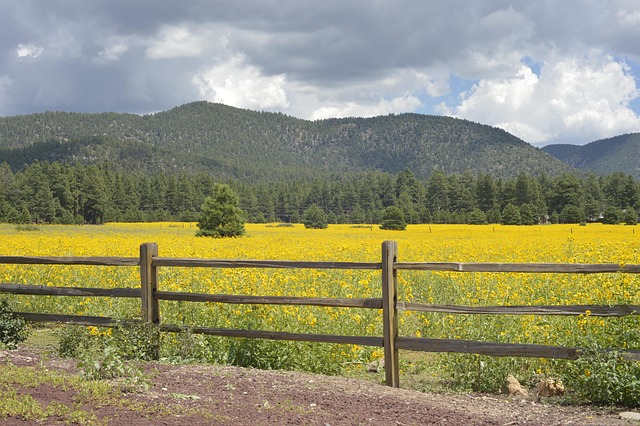
A modest but steady stream of young Hopi attend college and return afterward to work within tribal government, education, healthcare, or natural resource management on the reservation, applying outside professional training directly to challenges facing their own community rather than remaining purely in an academic or urban career track. Others pursue careers away from the mesas permanently, maintaining ties through family visits, clan obligations, and periodic return for major ceremonies that many feel obligated to attend regardless of where they otherwise live.
Renewable energy development and mining proposals near Hopi and Navajo land continue to raise environmental and water-rights concerns for tribal leadership, since any large-scale industrial water use in this already water-scarce region carries direct implications for the dry farming that remains central to Hopi subsistence and cultural identity alike.




4 thoughts on “Four Worlds Up: The Hopi Story of Arriving Where They Now Farm”