Few Indigenous nations reshaped the map of North America as decisively, or as quickly, as the Comanche. Splitting from Shoshone relatives in the Rocky Mountains only a few centuries ago, they rode south onto the southern Plains and built Comancheria, a horse-powered domain that dominated trade, warfare, and diplomacy across present-day Texas, Oklahoma, New Mexico, Kansas, and Colorado for well over a hundred years. This is the story of the Numunuu, the People, from their mountain origins through the height of Comancheria to the federally recognized Comanche Nation of today.
Contents
- Origins
- Name
- Language
- Homeland
- Old Way
- Society
- Religion
- Traditions
- Crafts
- Food
- Festivals
- History
- Today
Origins
Long before they were known as the lords of the southern Plains, the Comanche were a Shoshone-speaking people living in the harsh, high country of what is now Wyoming, part of the broader Shoshone world of the Great Basin and Rocky Mountain foothills. Sometime in the late seventeenth century, a group broke away from their Shoshone relatives and began drifting south and east, a migration that historians and Comanche oral tradition alike connect directly to the arrival of the horse in the northern reaches of the Spanish colonial world.
The horse changed everything. Bands that had once trekked on foot or with dog-drawn travois across difficult mountain terrain suddenly had access to the open grassland stretching from the Arkansas River down into Texas. Within a few generations, this breakaway Shoshone offshoot had transformed itself so completely, culturally, economically, and militarily, that it emerged as an entirely distinct nation, one that would go on to dominate a territory larger than most European countries.
This origin story is unusual among Plains peoples because it is comparatively recent and well documented, both in Spanish colonial records and in the oral histories still carried by Comanche families today. It also explains why Comanche and Shoshone remain close linguistic cousins even though the two peoples ended up living a thousand miles apart, one tied to Rocky Mountain valleys, the other ruling a vast interior grassland empire.
Comanche oral tradition also preserves memory of this separation as a deliberate choice by ambitious younger leaders eager to follow the buffalo herds and test the possibilities of a horse-mounted life, rather than a forced expulsion. Anthropologists studying the migration note that the timing lines up closely with the broader diffusion of Spanish horses northward through Ute and Shoshone middlemen in the late 1600s, meaning the Comanche were among the very first Plains peoples anywhere to fully adopt mounted life, giving them a decisive early advantage over neighbors still hunting on foot when the two groups first came into contact on the open grassland.
Name
The people call themselves Numunuu, most simply and directly translated as ‘the People,’ a name pattern shared by many Uto-Aztecan-speaking nations across North America who used similarly modest, self-referential terms for their own communities long before contact with outsiders required more specific labels.
The name ‘Comanche’ arrived through an entirely different route. It is generally traced to a Ute word, something close to kwohomatsi or komantcia, which Spanish colonists in New Mexico picked up and rendered as Comanche. Its rough meaning leaned toward ‘enemy’ or ‘one who wants to fight me all the time,’ reflecting the tense relationship between the Ute and the newly arrived, horse-rich newcomers pressing into shared hunting grounds.
That an outsider’s word for a rival ended up becoming the internationally recognized name for the nation is not unusual in the history of Indigenous North America, but it is a detail worth pausing on, since it means the very word most people use for this nation was never the Comanche’s own choice, a small but telling reminder of how colonial-era naming so often overwrote self-identification.
Interestingly, some closely related Shoshone communities in Wyoming and Idaho still use recognizably similar words for themselves, a linguistic fingerprint of the shared ancestry that persisted even as the Comanche pushed hundreds of miles south and built an entirely separate political and military identity. Some contemporary tribal members and scholars have pushed for wider public use of Numunuu rather than the externally imposed Comanche, part of a broader movement among Indigenous nations across the Americas to reclaim self-chosen names in official and educational contexts.
Language
Comanche belongs to the Numic branch of the Uto-Aztecan language family, placing it as a close relative of Shoshone, a fact that is unsurprising given the split occurred only a few centuries ago, a relatively short span in linguistic terms. Speakers of the two languages historically retained enough shared vocabulary and grammar that some degree of mutual intelligibility persisted for generations even as the cultures diverged sharply.
For much of the eighteenth and nineteenth centuries, Comanche functioned as something close to a regional trade language across the southern Plains, understood by merchants, captives, and rival nations who dealt regularly with Comanche bands controlling the most important trade corridors between New Mexico, Texas, and the Plains interior. Comanche speakers also developed and refined a sophisticated Plains Indian Sign Language dialect used for cross-nation communication where spoken words failed.
Today the spoken language is critically endangered, with only a small number of fluent first-language elders remaining. The Comanche Nation has invested significant resources into language documentation, immersion classes, and mobile apps aimed at younger generations, treating linguistic survival as inseparable from cultural survival itself.
Comanche sign language deserves particular attention because it functioned as a shared communication system across dozens of Plains nations speaking mutually unintelligible spoken languages, allowing complex trade negotiations, storytelling, and diplomacy to occur between groups who had no common spoken tongue. Comanche speakers were widely regarded by nineteenth-century observers, both Native and non-Native, as especially skilled practitioners of this sign system, and some of the earliest detailed ethnographic recordings of Plains sign language were made by linguists working directly with Comanche elders in the early twentieth century, preserving a communication tradition that might otherwise have been lost entirely.
Homeland
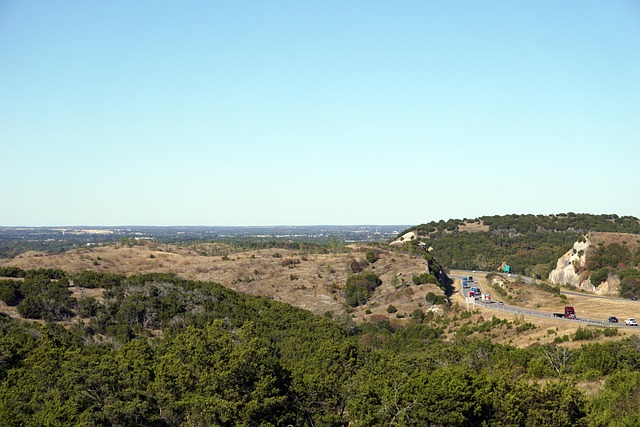
At the height of their power, Comanche bands controlled a territory so vast it earned its own name in Spanish, Mexican, and later American records: Comancheria. This domain stretched across the Texas Panhandle and much of west and central Texas, into eastern New Mexico, western Oklahoma, southern Kansas, and parts of southeastern Colorado, an area larger than many present-day nations.
Comancheria was not a single continuous settlement in the European sense but a shifting network of band territories, seasonal camps, and contested buffer zones that Comanche riders patrolled, defended, and expanded through mounted warfare and trade diplomacy alike. For well over a century, from roughly the 1700s through the 1860s, this made the Comanche arguably the most powerful indigenous polity in North America, capable of halting Spanish, Mexican, and eventually Texan expansion for generations.
Present-day Comanche Nation trust lands and tribal jurisdiction are concentrated in southwestern Oklahoma, a small fraction of the historic Comancheria, but tribal citizens and cultural memory remain connected to the far larger homeland their ancestors once commanded from horseback.
Control over Comancheria was never passive occupation but active, continuous defense and negotiation, involving shifting alliances with some neighboring nations, open conflict with others, and a sophisticated understanding of which colonial powers to trade with, raid, or simply avoid at any given moment. Spanish and later Mexican authorities frequently found it more practical to pay tribute or maintain trade relationships with powerful Comanche bands than to risk open war, an arrangement that effectively made parts of the northern Mexican frontier dependent on Comanche goodwill for generations, a remarkable reversal of the typical colonial power dynamic often assumed in accounts of this period.
Modern maps of the historic Comancheria are still used in tribal education materials to help younger citizens visualize just how far their ancestors’ influence once extended, from the Arkansas River valley down toward the Rio Grande, a scale of territorial control matched by very few Indigenous nations in North American history and one that continues to inform how the Comanche Nation frames its own historical identity today.
Old Way
If any single technology defines traditional Comanche life, it is the horse. Comanche bands acquired horses earlier and more thoroughly than almost any other Plains nation, drawing on herds that filtered north from Spanish New Mexico, and they quickly became the premier horse breeders, trainers, and traders of the entire Plains region, supplying mounts to rival nations and colonial markets alike.
Mounted life reorganized nearly everything: buffalo hunting became dramatically more efficient and mobile, war parties could strike and vanish across enormous distances, and entire camps could relocate with the seasons in pursuit of bison herds and fresh grazing. Wealth and status within a band were measured heavily in horses, and a skilled young man could rise quickly through successful raids that expanded a family’s herd.
This equestrian, buffalo-centered economy supported comparatively large, mobile populations that lived light on the land, moving camp every few weeks and relying on portable housing and belongings, a lifestyle that stood in sharp contrast to the settled farming towns of many neighboring nations.
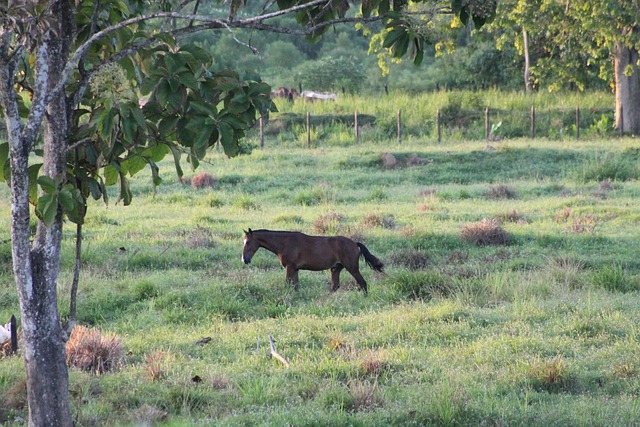
Comanche horsemanship became so renowned that captured or purchased Comanche-trained mounts commanded premium prices across colonial and later American markets, and young Comanche men often trained horses specifically for trade rather than personal use, treating horse breeding almost as a specialized craft in its own right. Buffalo hunts themselves were organized with considerable discipline, coordinated by experienced hunt leaders who set the timing and formation of a mounted charge into a herd to maximize the kill while minimizing danger to riders, a skill set that required years of practice beginning in early adolescence.
Raiding parties, often composed of young men seeking both material wealth and personal prestige, could travel remarkable distances deep into Mexican territory and back, sometimes covering hundreds of miles in a single expedition, a logistical feat made possible only by the exceptional stamina of Comanche horses and the riders’ intimate knowledge of water sources and terrain across the arid borderlands.
Society
Comanche society was never centralized under one supreme authority in the way European powers often assumed or wished. Instead, the nation was organized into a shifting number of autonomous bands, among them the Kwahadi, Penateka, Yamparika, Nokoni, and Kotsoteka, each operating largely independently with its own leadership, territory, and diplomatic relationships.
Within each band, authority rested with peace chiefs, who handled negotiation and camp governance, and war chiefs, who led raiding and military expeditions and whose influence rose and fell with their record of success. Neither position was hereditary in a strict sense; leadership had to be continually earned through demonstrated skill, generosity, and good judgment, and a band might follow different leaders for different purposes simultaneously.
This decentralized structure gave Comanche society remarkable flexibility and resilience, allowing individual bands to pursue peace, war, or trade with different neighbors at the same time, but it also frustrated colonial and later American officials who repeatedly tried and failed to negotiate binding treaties with a single Comanche representative claiming authority over the whole nation.
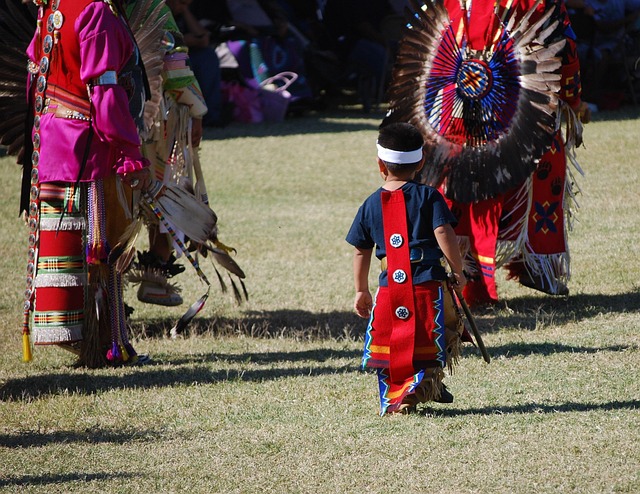
Kinship obligations cut across band lines as well, meaning individuals often had relatives and reciprocal responsibilities in multiple bands simultaneously, which helped bind the loosely organized nation together even without centralized political authority. Councils of respected elders and successful warriors met periodically within each band to discuss major decisions, but even these councils operated more through consensus-building and persuasion than command, reflecting a broader Plains cultural emphasis on individual autonomy balanced against communal responsibility.
Marriage alliances between prominent families across different bands also served an important diplomatic function, creating personal ties that could smooth trade negotiations or joint military action even between bands that otherwise operated with considerable independence from one another, effectively functioning as an informal but powerful web of political connection across the whole nation.
Religion
Traditional Comanche spirituality centered on an intensely personal relationship with supernatural power, often called puha, which an individual might acquire through solitary vision quests, dreams, or encounters with animal spirits in remote places. Unlike some neighboring nations, Comanche religious life had no single centralized priesthood or fixed set of temple structures; spiritual authority was distributed and earned individually.
In the later nineteenth and twentieth centuries, the Peyote religion, which eventually formalized into the Native American Church, took deep root among Comanche communities, offering both spiritual comfort and a framework for cultural survival during the devastating reservation era. Comanche leader Quanah Parker became one of the most influential early promoters and organizers of peyote ceremony practice across multiple Plains nations, helping the movement spread far beyond its origins.
This blend of older visionary tradition and newer syncretic peyote practice illustrates a pattern common across Indigenous North America: spiritual life did not simply vanish under pressure but adapted, absorbing new elements while still carrying forward the older emphasis on direct personal encounter with sacred power.
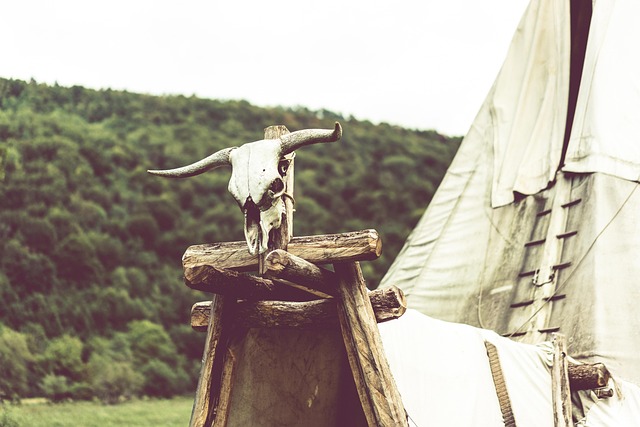
Vision quests typically involved a period of solitary fasting in an isolated location, often a hilltop or remote canyon considered spiritually significant, during which a young person hoped to receive guidance, protection, or power from an animal spirit or other supernatural presence. The specific power received, whether tied to healing, warfare, or hunting success, often shaped an individual’s role and reputation within the band for the rest of their life, and songs or personal medicine objects associated with that vision were treated with great care and rarely discussed openly with outsiders.
Traditions
Extended family camps formed the basic unit of daily Comanche life, with grandparents, parents, children, and cousins often sharing adjoining lodges and cooperating closely in childcare, food preparation, and defense. Naming ceremonies, storytelling around evening fires, and the passing down of family and band histories through oral narrative all reinforced identity across generations in a society without written records.
Horses were woven into social custom well beyond their practical uses; gifting horses marked marriages, sealed alliances, and demonstrated generosity, one of the most highly prized personal virtues. Warrior societies provided young men with structured paths toward status, discipline, and mutual obligation, while accomplished raiders and hunters earned prestige that translated directly into influence within band councils.
Many of these customs persisted in adapted form well into the reservation period and continue today through family gatherings, veteran honoring ceremonies, and the Comanche Nation’s own cultural programming, which actively works to keep these older social patterns alive alongside contemporary tribal governance.
Children learned practical and spiritual knowledge simultaneously, often through direct participation rather than formal instruction, accompanying adults on hunts, helping break camp, and absorbing behavioral expectations through observation and gentle correction rather than harsh discipline. Elders held particular authority as keepers of band history and genealogy, and their oral accounts of past leaders, battles, and migrations served as the primary historical record long before written documentation, a responsibility that many Comanche families still take seriously in preserving family stories today.
Crafts
Comanche material culture reflected the priorities of a highly mobile, horse-centered society: durability, portability, and practical beauty. Tanned and smoked hide was worked into moccasins, clothing, and tipi covers, while rawhide was cut and folded into parfleche cases, painted with bold geometric designs, used to store and transport food, clothing, and ceremonial items across long seasonal migrations.
Horse gear itself became an art form, with saddles, quirts, and bridles often decorated elaborately to display a rider’s status and skill. Later, as trade networks brought glass beads westward, Comanche artisans incorporated intricate beadwork into clothing and accessories, blending older quillwork traditions with these new materials in strikingly original patterns.
Contemporary Comanche artists continue many of these crafts, from moccasin-making to beadwork and horsehair jewelry, both as living cultural practice and as a means of economic support, with pieces frequently featured at tribal fairs, powwows, and regional Native art markets across Oklahoma and Texas.
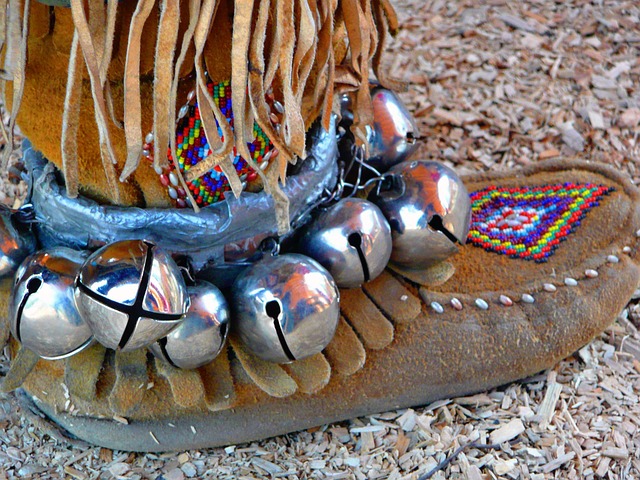
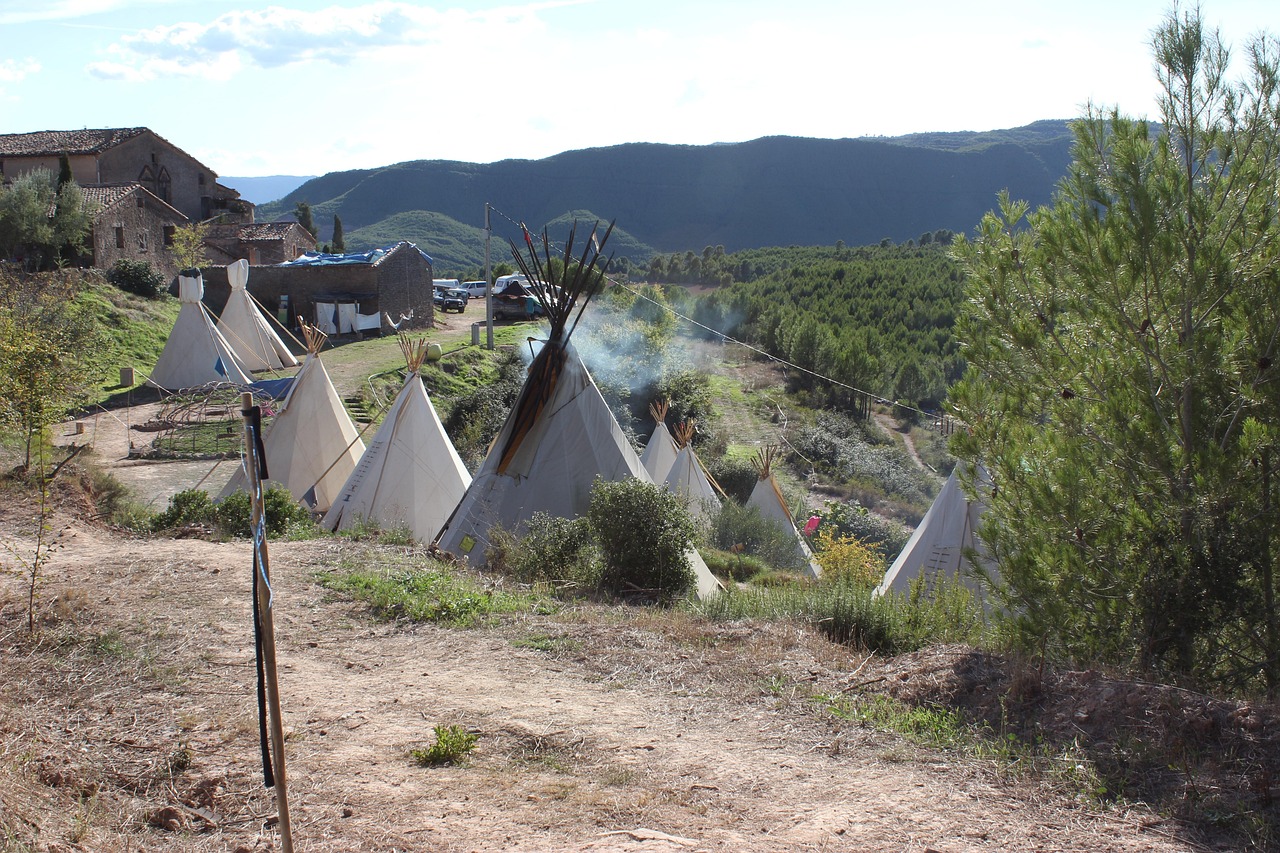
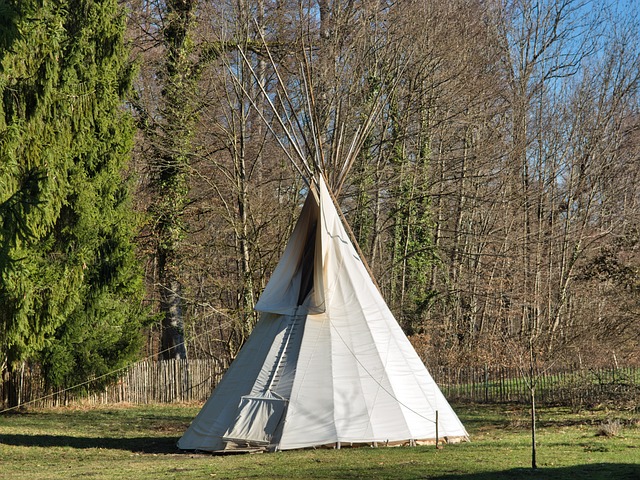
Tipi covers themselves required an enormous amount of tanned hide, often a dozen or more buffalo skins sewn together by skilled women who held recognized expertise in this demanding craft, and the construction and transport of these portable homes was almost entirely managed by women within a band, giving them substantial practical authority over domestic life even in a society often stereotyped externally as purely warrior-focused. Painted parfleche designs frequently carried personal or family significance rather than purely decorative purpose, encoding information that could be read by those familiar with a particular family’s visual conventions.
Silverwork and later commercial fabric ribbon shirts entered Comanche material culture through extensive trade contact, absorbed alongside older hide and quill traditions rather than replacing them outright, illustrating a broader pattern in which Comanche artisans consistently adapted new materials to existing aesthetic and cultural frameworks rather than abandoning older craft knowledge.
Food
The American bison sat at the absolute center of the traditional Comanche diet, providing not only fresh meat but dried and pounded pemmican that could sustain riders and families through lean winters and long journeys. Nearly every part of the animal found use, from hide and sinew to bone and horn, making successful buffalo hunts a matter of survival for the entire band, not just individual households.
This diet was supplemented by wild plants, roots, and berries gathered seasonally, along with goods obtained through extensive trade networks that connected Comanche camps to Puebloan farmers, Spanish colonial markets, and later Anglo-American traders, exchanging horses and hides for corn, metal goods, and other provisions.
The near-total collapse of southern Plains bison herds in the 1870s, driven by commercial hide hunting, struck at the very foundation of this food system and played a direct role in forcing Comanche bands onto reservation lands, where government rations replaced buffalo as the primary food source almost overnight.
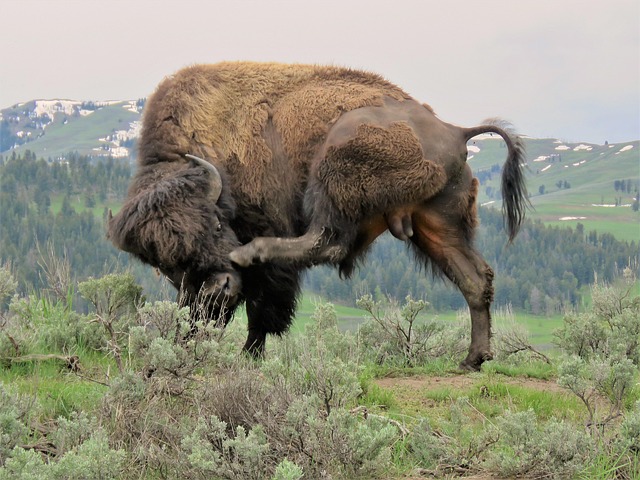
Beyond bison, Comanche families also relied on pecans, wild plums, mesquite beans, and prairie turnips gathered in season, along with fish from the region’s rivers when available, giving the traditional diet more variety than outside observers sometimes assumed. Trade for agricultural products, particularly corn and dried squash from Puebloan and later Wichita farming communities, supplemented the diet further, especially during winter months when hunting became more difficult and camps needed reliable stored provisions to survive until spring.
Cooking methods varied by season and circumstance, from simple roasting over open fires during travel to more elaborate preparation of pemmican, which combined pounded dried meat with rendered fat and sometimes crushed berries into a dense, long-lasting food that could sustain a rider for days without spoiling, a practical solution well suited to a highly mobile society that rarely stayed in one place for long.
Festivals
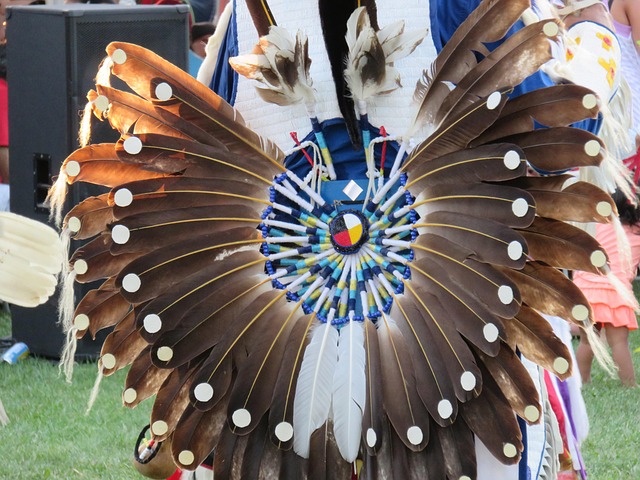
Modern Comanche community life still centers around large seasonal gatherings, most visibly the annual Comanche Nation Fair, which draws citizens from across the country back to southwestern Oklahoma for days of dancing, singing, rodeo events, and family reunion. Powwows held throughout the year, whether hosted by the Comanche Nation or neighboring tribes, provide regular occasions for regalia, drum groups, and competitive dance categories that keep performance traditions active and evolving.
Native American Church ceremonies, rooted in the peyote tradition Comanche leaders helped spread more than a century ago, continue as deeply important, though more private, spiritual gatherings for many families, held to mark life passages, healing needs, and seasonal observances rather than public entertainment.
Veteran honoring ceremonies hold particular weight in Comanche communities, reflecting a long warrior tradition and unusually high rates of military service among Comanche citizens across multiple generations, with color guards and gourd dance societies specifically dedicated to recognizing that service at nearly every major gathering.
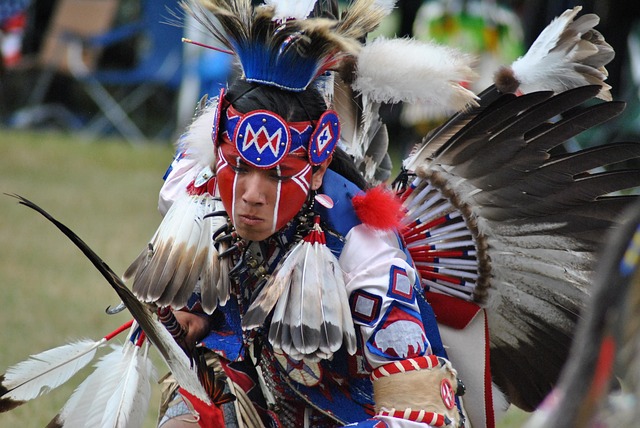
Gourd dance ceremonies, closely associated with warrior societies and veteran honoring, typically open major Comanche gatherings and are treated with particular solemnity and respect, distinct from the more general social dancing that follows later in a powwow program. Family giveaways, in which hosting families distribute blankets, shawls, and other gifts to honor a relative’s achievement or memory, remain a deeply important economic and social custom at these events, redistributing wealth and reinforcing extended kinship obligations in a very public, communal setting.
History
Spanish colonial records first documented Comanche bands pressing south onto the Plains in the early 1700s, and within decades the nation had established itself as the dominant power across a vast stretch of the southern interior, controlling trade routes, exacting tribute, and repeatedly checking Spanish and later Mexican efforts at northward expansion into Texas and New Mexico.
The mid-nineteenth century brought escalating conflict with the Republic of Texas and then the United States, as settler expansion collided directly with Comanche territory and mobility. Quanah Parker, son of a Comanche chief and a captured Anglo-American woman, emerged as the last major Comanche war leader, resisting for years before eventually leading his Kwahadi band into surrender following the destructive Red River War of 1874 and 1875.
Confined afterward to a reservation around Fort Sill in Indian Territory, present-day Oklahoma, the Comanche endured the further pressures of the federal allotment era, which broke up communal landholding into individual parcels and opened supposedly surplus reservation land to non-Native settlement, dramatically shrinking the tribal land base within a single generation.
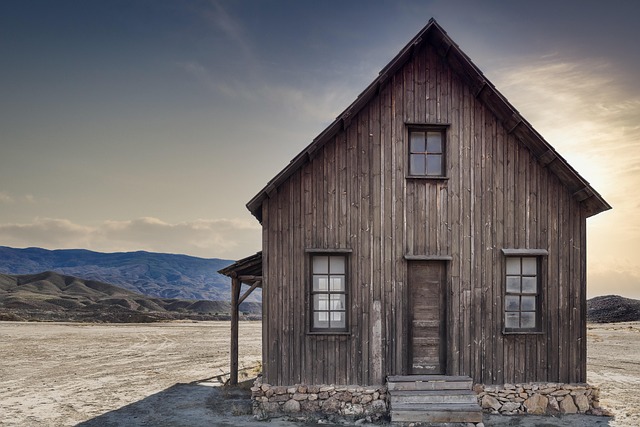
Quanah Parker’s own biography captures the wrenching transition many Comanche families experienced firsthand: his mother, Cynthia Ann Parker, had been captured as a child from a Texas settler family and fully assimilated into Comanche life, later recaptured by Texas Rangers as an adult and never able to return to the son she left behind on the Plains. Quanah went on to become both a respected reservation-era leader and a successful rancher and businessman, straddling two worlds in a way that later generations of Comanche leaders have continued to navigate in different forms.
The Medicine Lodge Treaty of 1867 attempted to formally confine Comanche bands to a defined reservation, but continued resistance from bands like the Kwahadi, who refused to sign, meant that meaningful federal control over Comanche territory was not fully achieved until nearly a decade later, following the harsher military campaigns of the mid-1870s that finally broke sustained large-scale resistance on the southern Plains.
Today
The federally recognized Comanche Nation is headquartered near Lawton, Oklahoma, governing tribal affairs through an elected chairman and business committee while overseeing programs in health, housing, education, and cultural preservation for its many thousands of enrolled citizens, many of whom live across Oklahoma, Texas, and beyond.
Language revitalization remains a central priority, with the Comanche Language and Cultural Preservation Committee running classes, producing recordings, and developing digital tools intended to pass at least foundational fluency to younger generations before the last first-language elder speakers are gone. Tribal enterprises, including gaming and other economic development ventures, fund much of this cultural and social investment.
Quanah Parker’s legacy looms especially large in how the Comanche Nation presents its own history today, remembered not simply as the leader of the last free-roaming band but as a figure who helped his people navigate the transition from Comancheria’s open Plains to a modern, federally recognized nation without losing a distinct sense of Numunuu identity.
Cultural centers and museums operated by the Comanche Nation now serve both tribal citizens and outside visitors, presenting Comanche history directly rather than through the often distorted lens of old Western films and popular fiction that long shaped outside perceptions of the nation. Partnerships with regional universities support ongoing language documentation and historical research, while younger tribal members increasingly use social media and digital platforms to share cultural knowledge and connect with Comanche communities scattered far from Oklahoma, ensuring that Numunuu identity continues to travel well beyond the boundaries of the old Comancheria.
Economic development on Comanche Nation trust lands today extends well beyond gaming into agriculture, small business support, and housing programs designed to serve citizens both on and off tribal land, reflecting a governance approach that treats cultural preservation and economic self-sufficiency as closely linked rather than separate goals.
Nearby Peoples of the Great Plains
Other Plains nations profiled on this site:
You May Like
The Damara, an Ancient People of Namibia


4 thoughts on “Riding Out of the Rockies: How the Comanche Remade the Southern Plains”