In the cloud wrapped mountains of northeastern Oaxaca, where a great sacred peak rises above a maze of ridges and forests, live a people famous throughout Mexico for a single proud claim, that they were never conquered. The Mixe, who call themselves Ayuukjä’äy, the people of the mountain language, held their high sierra against the armies of the Aztec empire and the soldiers of Spain alike, and they speak a language whose roots may reach back to the Olmec, the oldest civilization of Mesoamerica.
This is the story of the Mixe, from their homeland on the slopes of Zempoaltépetl and their distinct Ayuujk language to the communal labor that binds their towns, the celebrated wind bands that fill their festivals, their devotion to the sacred mountain, and the long independence that earned them their proudest name.
Contents
- Origins in the Sierra
- A People of the Mountain Language
- The Ayuujk Language
- The Sierra Mixe and Zempoaltépetl
- Farmers of the Highlands
- Community and Shared Labor
- The Sacred Mountain and the Old Powers
- Music, Dance, and the Wind Instruments
- Weaving and the Work of the Hands
- Maize, Beans, and the Mountain Table
- The Great Festivals of the Sierra
- The People Who Were Never Conquered
- The Mixe Today
Origins in the Sierra
High in the rugged mountains of northeastern Oaxaca, in a land of steep slopes, deep valleys, and clouds that cling to the peaks, live a people who take great pride in a single, remarkable claim, that they were never conquered. The Mixe, who call themselves Ayuukjä’äy, meaning the people of the mountain language, built a homeland in country so difficult that Aztec armies and Spanish soldiers alike failed to bring it fully under their control.
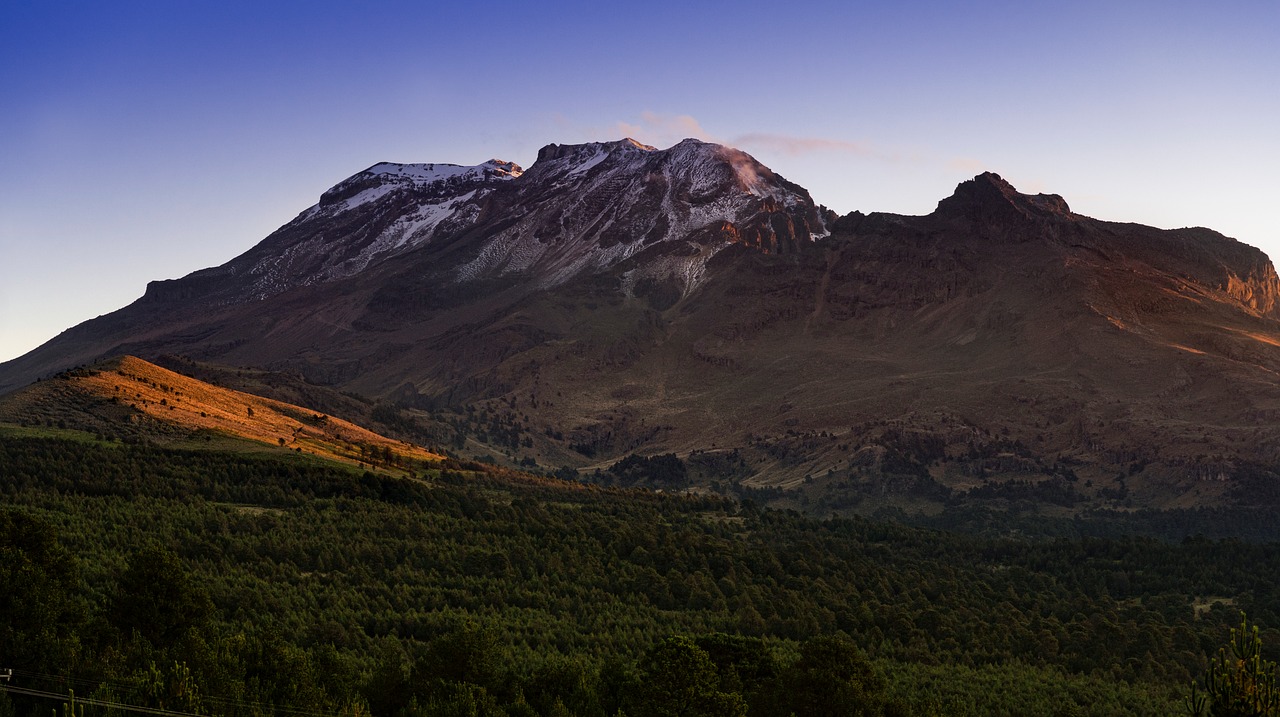
The Mixe region rises toward Zempoaltépetl, a great mountain that dominates the landscape and stands at the spiritual center of the Mixe world. From its heights the land falls away into a maze of ridges and ravines, watered by heavy rains and cloaked in forest, a country that shaped a people as tough and independent as the terrain itself.
The ancestors of the Mixe have lived in these mountains for a very long time, and their language points to deep roots in the wider region. They were farmers of the highlands, growing maize on the mountain slopes and drawing on the forests and rivers of their homeland, living in scattered communities bound together by a shared language and a fierce sense of independence.
To understand the Mixe is to understand a people defined by their mountains. The difficulty of the land was their shield, the height of Zempoaltépetl was their altar, and the isolation of the sierra let them preserve a language, a religion, and a way of life that outside powers tried and failed to erase. Their story is one of endurance rooted in the earth of Oaxaca.
A People of the Mountain Language
The name Mixe was given by outsiders and comes down through Spanish, but the people’s own name for themselves is far more telling. They call themselves Ayuukjä’äy, which can be understood as the people of the refined or mountain word, a name that places language itself at the heart of their identity and marks them as the speakers of a particular tongue.
That language, and the identity built around it, sets the Mixe apart from their many neighbors in the crowded ethnic landscape of Oaxaca, one of the most linguistically diverse regions in all the Americas. Surrounded by Zapotec, Mixtec, and other peoples, the Mixe held firmly to their own speech and their own name, refusing to be absorbed into the larger nations around them.
The Mixe are closely related to the Zoque and the Popoluca, peoples who live scattered across southern Mexico and who share with the Mixe a common linguistic ancestry. Together these peoples form a distinct thread in the fabric of Mexican cultures, one whose origins reach back to some of the oldest civilizations of the region.
Above all, the Mixe are known for what they did not become. They did not become subjects of the Aztec empire, and they were never fully subdued by Spain. That reputation, captured in the proud phrase that they are the people who were never conquered, is central to how the Mixe see themselves and to how their neighbors have long regarded them.
The Ayuujk Language
The Mixe language, called Ayuujk by its speakers, belongs to the Mixe-Zoque family, a grouping distinct from all the other major language families of Mexico. This family is small today, spoken by the Mixe, the Zoque, and the Popoluca in pockets of southern Mexico, but it carries an importance far greater than its present size suggests.
Many scholars believe that the Mixe-Zoque family holds a special place in Mesoamerican history, for it may be connected to the Olmec, the earliest of the region’s great civilizations. If that link holds, then the ancestors of the Mixe spoke a language related to the tongue of the people who first raised monuments and shaped the culture from which so much of later Mesoamerica descended.
Ayuujk is a tonal language, in which the pitch of a syllable can change its meaning, and it possesses a grammar and sound system quite unlike the Spanish that surrounds it. Rich in vocabulary for the mountains, the maize, and the ceremonies that structure Mixe life, it carries the knowledge and worldview of the people within its very words.
Today Ayuujk remains strongly spoken across the Mixe region, one of the more vigorous Indigenous languages of Mexico, though like all such tongues it faces pressure from Spanish. Mixe communities and writers work to strengthen it, producing literature and teaching materials in Ayuujk, treating the language not as a relic but as a living inheritance to be carried forward.
The possible link to the Olmec gives the Mixe-Zoque family an outsized importance in the study of Mesoamerica. Words that scholars believe were borrowed from an early Mixe-Zoque tongue into other languages of the region, including terms tied to farming and ritual, hint at a time when the ancestors of the Mixe stood near the cultural heart of the ancient world.
The Sierra Mixe and Zempoaltépetl
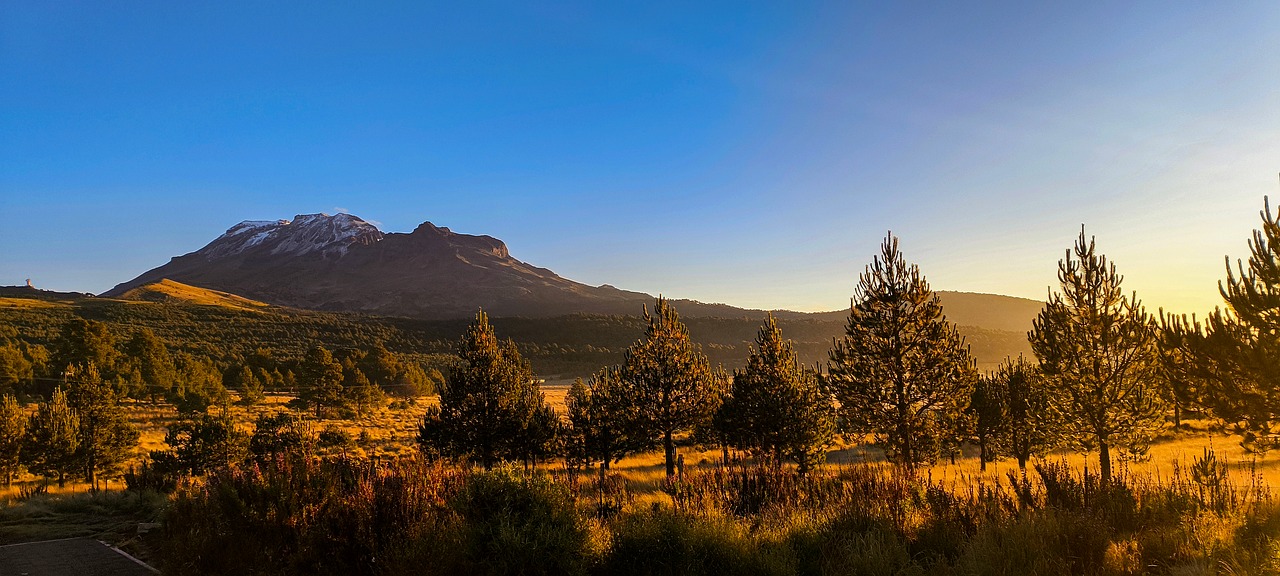
The Mixe homeland, known as the Sierra Mixe, occupies a stretch of the mountains of northeastern Oaxaca where the land climbs from warm lowlands to cool, cloud wrapped heights. It is a region of dramatic contrasts, of hot country and cold, of dense forest and open slope, all folded into a landscape of steep ridges and deep barrancas.
At its heart rises Zempoaltépetl, the highest peak in the region and the sacred mountain of the Mixe. This great summit is far more than a landmark, for it is the dwelling of powerful beings and the focus of Mixe devotion, a place of pilgrimage and offering where the people have long gone to petition the forces that govern their world.
The varied altitudes of the sierra gave the Mixe access to many different environments within a small area, from the maize fields of the middle slopes to the forests above and the warmer croplands below. This vertical world let them grow a wide range of crops and gather a wealth of wild resources, supporting communities in country that looked forbidding to outsiders.
The rains that sweep in from the gulf make the Sierra Mixe one of the wetter parts of Oaxaca, feeding rivers and cloaking the heights in mist. This abundance of water nourished the forests and fields but also deepened the isolation of the region, for the rugged, rain soaked terrain was hard to cross and harder to conquer, which is exactly how the Mixe preferred it.

Farmers of the Highlands
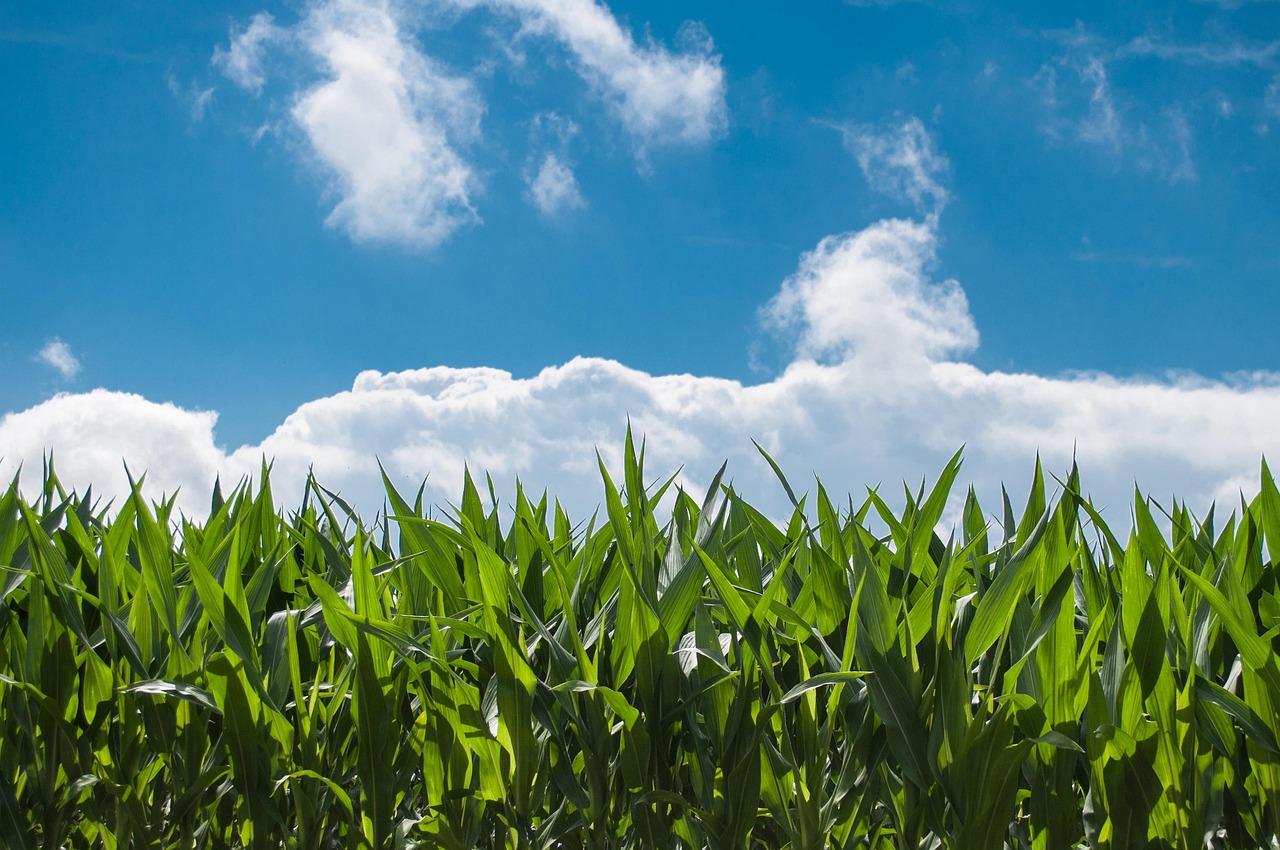
The traditional life of the Mixe was built on the cultivation of maize, grown on the slopes of the sierra using methods suited to steep and often difficult ground. Alongside maize the Mixe raised the beans and squash that complete the ancient Mesoamerican triad, together forming the foundation of the highland diet and the rhythm of the agricultural year.
Farming in the mountains demanded hard work and careful knowledge. Fields had to be cleared on slopes, planted according to the pattern of the rains, and tended through a season shaped by altitude and weather. The Mixe knew their land in fine detail, understanding which slopes suited which crops and how to coax a harvest from demanding terrain.
Beyond the fields the forests and rivers of the sierra supplied a wealth of additional resources, from wild plants and game to the timber and materials of daily life. In the warmer lowlands at the edge of their territory the Mixe could grow crops that would not thrive in the heights, adding further variety to what their homeland provided.
This life tied the Mixe closely to the land and to one another, for mountain farming rewarded cooperation. The work of clearing, planting, and harvesting, and of building and maintaining the paths and structures of community life, drew on shared labor, and that habit of working together became one of the defining features of Mixe society.
Community and Shared Labor
Mixe society is organized around the community, and its most distinctive institution is the tradition of shared labor and collective service that binds each person to the whole. Through the system often called tequio, community members contribute their work to projects that benefit everyone, from building and maintaining paths and public buildings to the many tasks that keep a mountain town functioning.
Alongside this shared labor runs a ladder of community service, in which individuals take on a succession of civic and religious offices over the course of their lives. To serve in these positions is both a duty and an honor, and a person who has fulfilled them earns standing and respect within the community. Authority grows out of service rather than wealth or birth.
Decisions of importance are made collectively, in assemblies where the community gathers to deliberate and reach agreement. This tradition of communal governance, rooted in the villages of the sierra, gives ordinary Mixe people a direct voice in the affairs of their towns and reflects a deep conviction that the community, not the individual, is the foundation of life.
These institutions did more than organize daily life, for they were also the framework through which the Mixe defended their independence. A people bound together by shared labor, common service, and collective decision could act with unity and resolve, and that cohesion helped them resist the outside powers that sought to divide and rule them.
The Sacred Mountain and the Old Powers
Mixe religious life centers on the mountains and the powers that dwell within them, above all on Zempoaltépetl, the great sacred peak. The Mixe understand their world as alive with spiritual forces, beings tied to the mountains, the wind, the rain, and the earth, and much of Mixe ceremony is devoted to maintaining right relations with these powers.
Offerings and pilgrimages to Zempoaltépetl and other sacred places are central to this devotion. At the proper times the Mixe carry offerings to the heights, petitioning the beings who govern the rains, the harvest, and the fortunes of the community. These acts express a bond with the living landscape that Christianity, arriving late in these mountains, never wholly displaced.
The Mixe developed their own ritual specialists, keepers of a sacred calendar and of the knowledge needed to divine, heal, and maintain the balance between the human world and the world of the spirits. This body of ceremonial knowledge, deeply rooted in the pre-Christian past, survived in the isolation of the sierra with unusual strength.
As elsewhere in Mexico, Catholicism eventually took root among the Mixe, but it settled onto a foundation of older belief that it could not erase. The result is a religious life in which the saints and the church share space with the sacred mountain and the old powers, a blend in which the ancient devotion to Zempoaltépetl remains vividly alive.
Music, Dance, and the Wind Instruments
If there is one tradition for which the Mixe are famous across Mexico, it is music. The Mixe are renowned as a people of the wind band, and the brass and woodwind ensembles of the sierra towns are celebrated far beyond Oaxaca. In town after town, bands of players fill the ceremonies and festivals with powerful, soaring music that has become a hallmark of Mixe identity.
This love of music is woven into the life of the community. Children learn instruments from an early age, town bands rehearse and perform as a matter of civic pride, and skilled Mixe musicians go on to play in ensembles across the country and beyond. The wind band is at once entertainment, devotion, and a badge of belonging to a musical people.
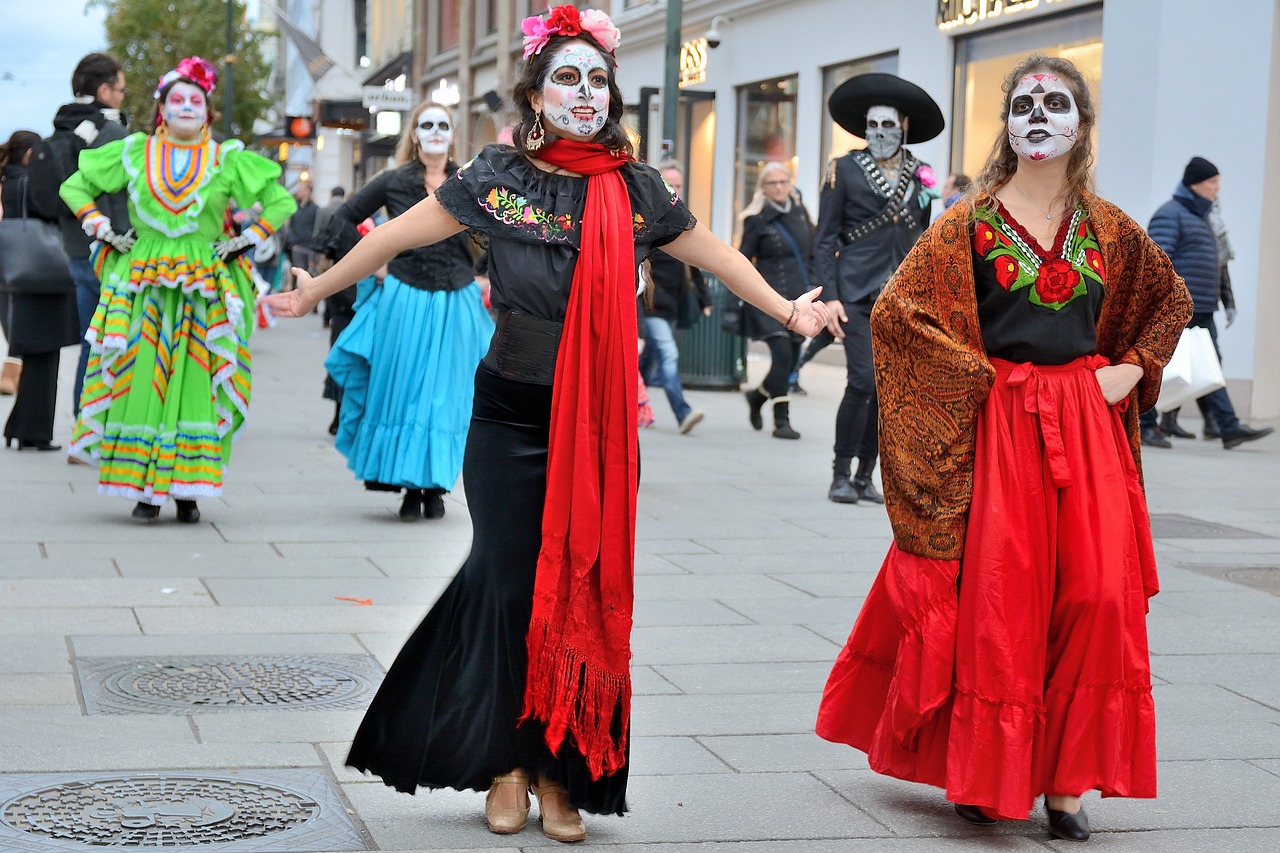
Alongside the music runs a rich tradition of dance, performed at the great festivals and tied to the ceremonial calendar. Costumed dancers enact stories and celebrations that carry meaning drawn from both the Christian and the older Mixe worlds, and the sound of the band and the movement of the dancers together create the heart of a Mixe fiesta.
These traditions bind the generations and the communities together. To play in the band, to dance at the festival, to share in the music that fills the mountain towns is to take part in something quintessentially Mixe, an art form that expresses the spirit of a people as powerfully as their language or their sacred mountain.
So strong is the Mixe reputation for music that their players are sought after in orchestras and bands across Oaxaca and beyond, and the mountain towns have produced generations of gifted musicians. Yet the music never loses its roots in the community, for even the most accomplished players return to fill the festivals of their home towns with the sound that first shaped them.
Weaving and the Work of the Hands
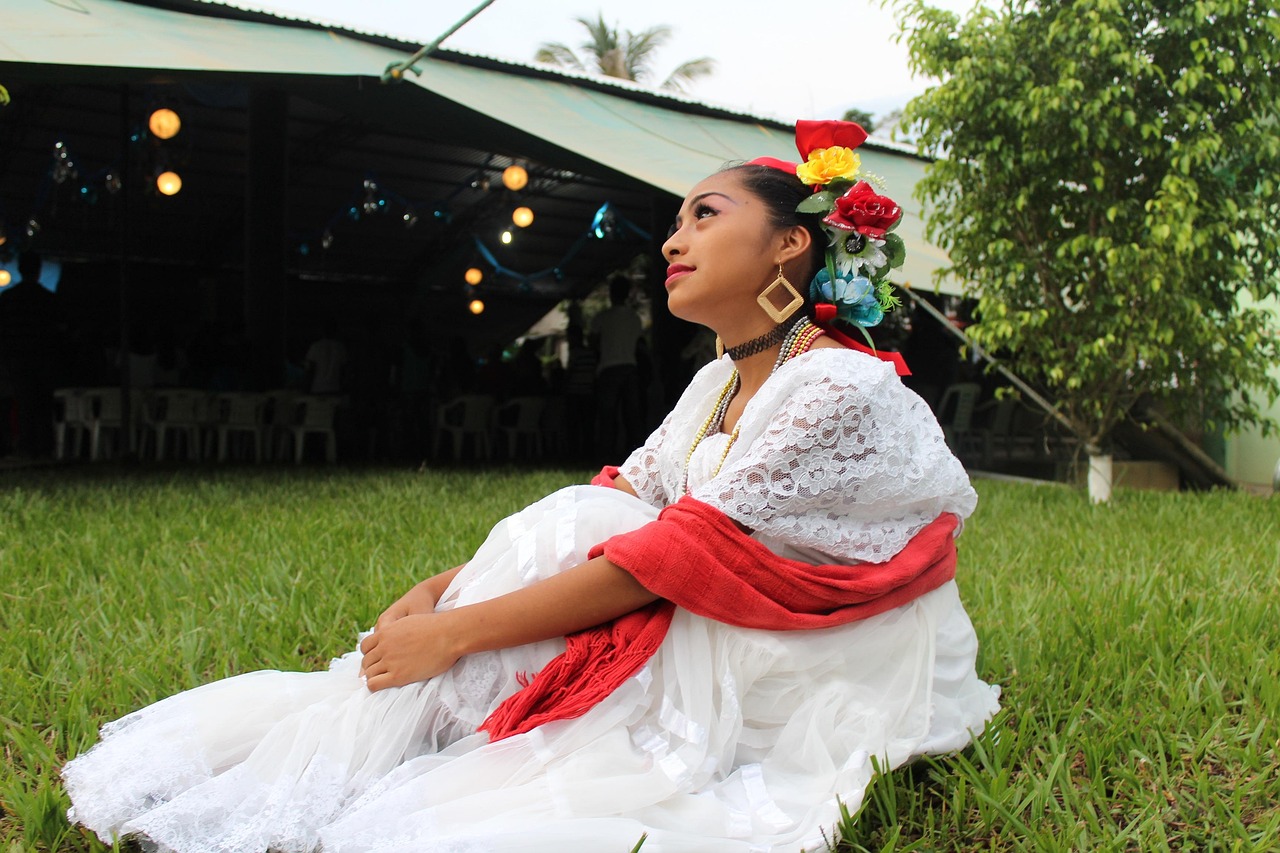
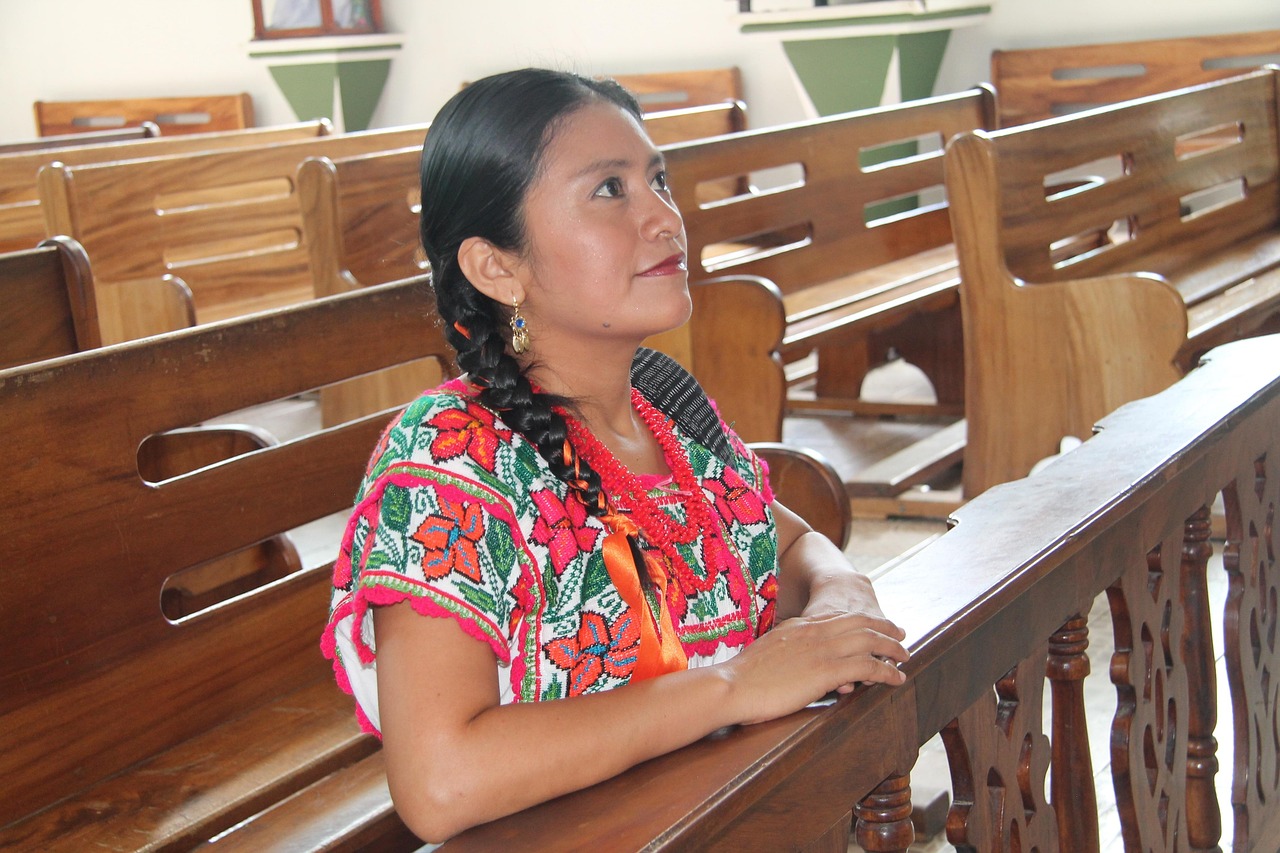
Mixe craft, like that of their neighbors across Oaxaca, finds its finest expression in textiles. Mixe weavers, working on the backstrap loom, produce cloth and garments marked by distinctive designs and colors, and the traditional dress of Mixe women, rich with woven and embroidered patterns, is among the visible signs of Mixe identity in the markets and festivals of the region.
The backstrap loom, an ancient tool used across Mesoamerica for thousands of years, ties one end to a fixed point and the other around the weaver’s body, so that the tension of the threads is controlled by the weaver’s own movement. On this simple device Mixe women create textiles of great skill, each community keeping its own recognizable patterns and styles.
Beyond weaving, the Mixe practice the everyday crafts of a mountain farming people, from the making of tools and household goods to the pottery and basketry that furnish daily life. These crafts draw on the materials of the sierra and pass their skills from one generation to the next, part of the practical knowledge that keeps a community self reliant.
As with music, craft among the Mixe is bound up with identity and community. The clothing a person wears, the textiles that appear at a wedding or a festival, the objects made and used in daily life, all carry the mark of Mixe tradition, expressions of a culture rooted in the mountains and passed down through the hands of its people.

Maize, Beans, and the Mountain Table
Mixe food grows directly from the highland fields, and maize stands at its center, as it does across Mesoamerica. Ground and prepared in countless ways, from tortillas to tamales to the drinks and dishes of festival days, maize is the foundation of the Mixe table and the crop around which the whole agricultural year turns.
Beans and squash complete the ancient trio of staples, and to them the Mixe add the chilies, herbs, and greens that give their cooking its character. The varied altitudes of the sierra allow a wide range of ingredients, from the crops of the cool heights to those of the warmer lowlands, giving the Mixe a fuller larder than their rugged homeland might suggest.
Festival foods hold a special place in Mixe life, prepared in quantity for the great communal celebrations and shared among the gathered community. To cook and share food at a fiesta is part of the collective spirit that runs through Mixe society, an act of hospitality and belonging as much as of nourishment.
The mountain table reflects the same values that shape the rest of Mixe life, a reliance on the maize of their own fields, a knowledge of the plants of their own sierra, and a habit of sharing that turns eating into a communal act. In the food of the Mixe, as in their music and their labor, the community is always present.

The Great Festivals of the Sierra
The festivals of the Mixe are the high points of the communal year, drawing whole towns into celebrations that blend the Catholic calendar with the older rhythms of the sierra. The feast days of patron saints are the greatest of these, filling the mountain towns with music, dance, processions, and shared food over several days of intense communal life.
At the center of every festival stands the wind band, whose music carries the celebration from the church to the plaza and back, accompanying processions, dances, and the many rituals that fill the days. The sound of the band is inseparable from the Mixe fiesta, and the reputation of a town’s musicians is a matter of real local pride.
These celebrations are organized through the same system of community service that structures the rest of Mixe life, with individuals taking on the honor and the burden of sponsoring and arranging the festivities. To carry out this duty well brings great standing, and the festivals thus knit together devotion, community service, and the bonds of the town.
Beyond the saints’ feasts, the Mixe mark the turning points of the agricultural year and the observances tied to the sacred mountain and the old powers. In these ceremonies the two strands of Mixe religious life, the Christian and the ancient, come together, and the festivals become a full expression of who the Mixe are, a musical, communal, mountain people.
The People Who Were Never Conquered
The proudest thread in Mixe history is their long record of independence. When the Aztec empire extended its power across much of Mexico, its armies pressed into Oaxaca but failed to bring the Mixe of the high sierra under their control. The mountains, the rain, and the fierce resistance of the Mixe kept them beyond the reach of imperial rule.
When the Spanish arrived and toppled the Aztec order, they too found the Sierra Mixe hard to hold. The rugged terrain that had defeated the Aztecs frustrated the conquistadors as well, and though the Spanish established a presence and brought the church into the region, they never subdued the Mixe as fully as they did the peoples of the lowlands and valleys.
Through the colonial centuries and into the era of independent Mexico, the Mixe held onto their language, their communal institutions, and their devotion to the sacred mountain. Remote and self reliant, the sierra towns governed much of their own affairs and preserved a culture that outside authorities could pressure but never dissolve.
That history of resistance became a foundation of Mixe pride and identity. The phrase that names them the people who were never conquered is more than a boast, for it captures a real historical achievement, the survival of a distinct nation, with its language and traditions intact, in the face of two great empires that conquered nearly everyone else around them.
This independence was never merely military, for it rested on the cohesion of the communities themselves. A people who governed their own towns, worked their own fields in common, and answered to their own assemblies presented no easy handle for an outside power to grasp, and that self reliance proved as important as the mountains in keeping the Mixe free.
The Mixe Today
Today the Mixe number in the low hundreds of thousands, living mainly in their mountain homeland in northeastern Oaxaca, where the towns of the sierra continue to speak Ayuujk, practice communal governance, and celebrate the festivals that fill the ceremonial year. They remain one of the more numerous and culturally vigorous Indigenous peoples of Mexico.
The Ayuujk language stands strong compared with many Indigenous tongues, spoken by children as well as elders and increasingly written down in literature, education, and public life. Mixe intellectuals and writers have become prominent voices in the wider movement to defend and celebrate Indigenous languages across Mexico, drawing national attention to the value of Ayuujk.
The communal traditions of shared labor and community service still shape life in the sierra towns, and the great festivals, with their wind bands and dances, continue to draw the communities together. Migration, economic pressure, and the pull of the cities pose real challenges, as young people leave the mountains for work, yet the bonds of community and the pride of identity remain strong.
The story of the Mixe is one of a mountain people who turned their rugged homeland into a fortress of identity, holding onto their language, their music, their communal life, and their sacred mountain across centuries when nearly everyone around them was conquered. As the people who were never conquered, the Ayuukjä’äy carry that hard won independence into the present, still speaking the mountain language of their ancestors.
Related Peoples of Mexico and Mesoamerica
- Totonac Builders of El Tajin and the Dance of the Flyers
- Why the Rarámuri of Copper Canyon Never Stopped Running
- How the Wixárika of Mexico Keep Walking to the Birthplace of the Sun
- Nahua, the People Behind Mexico’s Name
- Otomi, the Original Neighbors of the Aztec Capital
- Purépecha, the People Who Kept the Aztec Empire Out of Michoacán
- Mixtec, the Cloud People Who Wrote Their Own History
- Zapotec, a People Older Than the Aztec Empire
- The People Who Never Vanished, the Story of the Maya
- Yaqui Deer Dancers and the Eight Towns of Sonora
- Seri Comcaac Sea Hunters and Ironwood Carvers of the Sonoran Coast
You May Like
The Zaza, a Mountain People of Eastern Anatolia