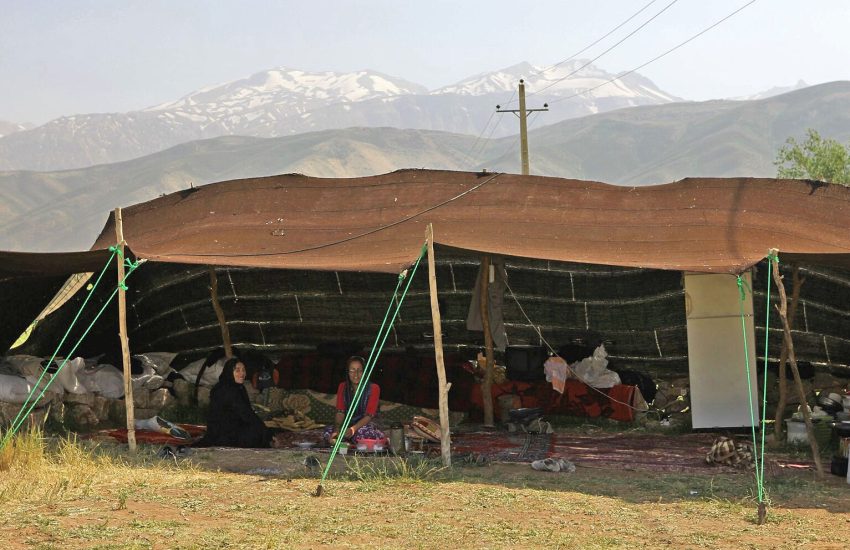
In the green, rain soaked lowlands of northeastern Mexico, where turquoise rivers tumble over dramatic falls and tropical forest crowds the banks, lives a people whose language carries a startling secret. The Huastec, who call themselves Téenek, speak a distant branch of the Maya family, yet they live hundreds of miles north of the Maya world, separated from their linguistic cousins by thousands of years and a gulf of unintelligible speech.
This is the story of the Téenek, from their ancient civilization in the fertile Huasteca and their singular northern Maya language to their farming of a generous land, their world famous huapango music, their spectacular embroidered dress, and their endurance as heirs of a deep past on the edge of the Gulf of Mexico.
Contents
- Origins in the Huasteca
- The Téenek and Their Region
- A Northern Branch of the Maya Family
- Rivers, Rain, and the Gulf Lowlands
- Farmers of a Fertile Land
- Community in the Green Country
- Ancient Gods and the Coming of the Church
- The Huapango and the Music of the Huasteca
- Embroidery and the Weaver Arts
- Maize and the Bounty of the Huasteca
- Celebrations in the Huasteca
- From Ancient Cities to the Present
- The Téenek Today
Origins in the Huasteca
In the lush, green country of northeastern Mexico, where warm rivers wind through tropical forest toward the Gulf coast, lives a people whose deepest roots reach back to one of the great civilizations of the ancient Americas. The Huastec, who call themselves Téenek, built a homeland in the region that bears their name, La Huasteca, a land of abundant rain, rushing rivers, and fertile soil far from the heartlands of central Mexico.
The Téenek hold a special and somewhat puzzling place among the peoples of Mexico, for their language is a distant branch of the great Maya family, yet they live hundreds of miles from the Maya world of the south. Long ago the ancestors of the Téenek separated from the other Maya peoples and settled in the north, and over thousands of years their language and culture developed along their own distinct path.
So great is the distance, in geography and in time, that the Téenek and the Maya of the south cannot understand one another’s speech, and their cultures, while sharing an ancient common origin, grew apart into separate worlds. The Téenek became a northern people, shaped by the tropical lowlands of the Gulf coast rather than the jungles and highlands of the Maya south.
The Huasteca that the Téenek call home is a region of remarkable natural wealth, watered by heavy rains and threaded by rivers famous for their turquoise waters and dramatic falls. In this generous land the Téenek raised maize and built a society whose ancient achievements, preserved in ruins and remembered in tradition, mark them as heirs to a very deep past.
The Téenek and Their Region
The name Huastec comes down through Nahuatl and Spanish, derived from the term the Aztecs used for the people and their region, while the people’s own name for themselves is Téenek, an expression tied to their language and identity. Both names are in use today, with Huastec the more familiar to outsiders and Téenek the name the people themselves prefer.
The region called La Huasteca is larger than the Téenek homeland alone, a broad cultural area spanning parts of several modern Mexican states along the Gulf coast, including Veracruz, San Luis Potosí, Hidalgo, and Tamaulipas. Within this region the Téenek live alongside Nahua and other peoples, sharing a common regional culture while keeping their own distinct language and identity.
To the Aztecs and their neighbors the Huasteca was a land of both fascination and unease, a distant, tropical country whose people they regarded as exotic and whose customs they sometimes viewed with a mixture of admiration and disdain. The Téenek appeared in Aztec accounts as a people apart, tied to the fertile Gulf lowlands and to their own ancient ways.
For the Téenek themselves, identity rested on their language, their homeland, and their long history in the Huasteca. Heirs to an ancient culture and speakers of a tongue found nowhere else in the north, they held onto a distinct sense of themselves as the Téenek, the people of the green and river laced country of the Gulf coast.
A Northern Branch of the Maya Family
The Huastec language, called Téenek by its speakers, is one of the great curiosities of Mexican linguistics, for it belongs to the Maya family yet is spoken far to the north of all the other Maya languages. It represents an early branch that split from the rest of the family thousands of years ago, developing in isolation into a tongue quite distinct from its southern relatives.
Because of this ancient separation, Téenek is not mutually intelligible with the Maya languages of the south, such as Yucatec or the highland Maya tongues of Guatemala and Chiapas. A Téenek speaker and a speaker of southern Maya cannot converse, for the long centuries of separate development have made the languages as different as distant cousins who share only a remote ancestor.
This makes Téenek a language and a people entirely their own, connected to the wider Maya world only by a deep and ancient root. The language carries the accumulated knowledge of the Huasteca within it, the names of its plants and animals, its rivers and its ways, and it stands as the clearest marker of the distinct Téenek identity.
Today Téenek is spoken by a substantial number of people in the Huasteca, one of the more vigorous Indigenous languages of Mexico, though like all such tongues it faces pressure from Spanish. Efforts to teach and strengthen it, in schools and in daily life, treat the language as the living heart of Téenek identity and as a unique branch of the great Maya family.
Linguists study Téenek closely precisely because of this deep split, for a language that broke away so early can reveal much about the ancient shape of the Maya family before its southern members diverged. Every feature that Téenek shares with distant Maya tongues, and every feature it alone preserves, becomes a clue to a past that written records never reached.
Rivers, Rain, and the Gulf Lowlands
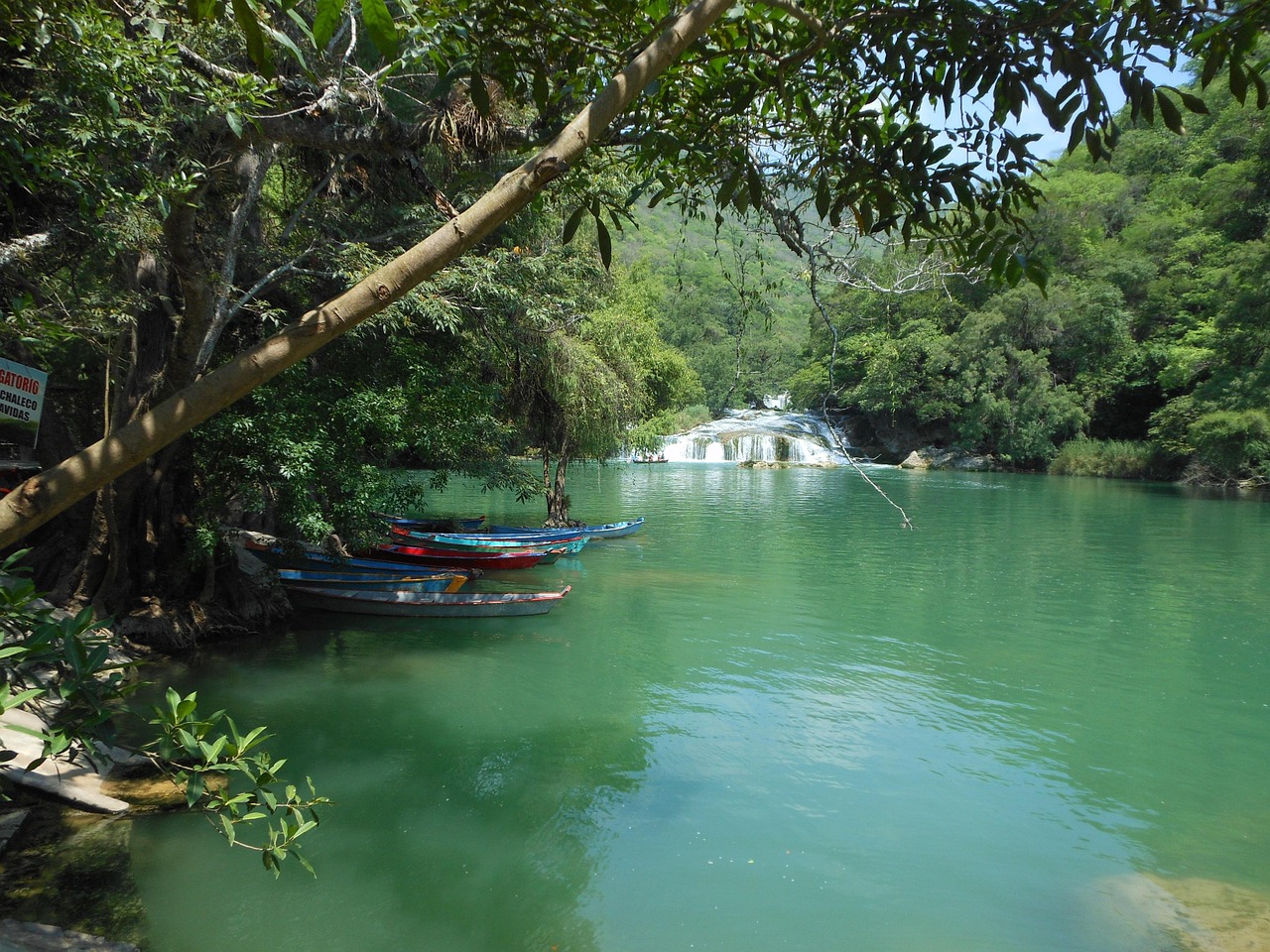
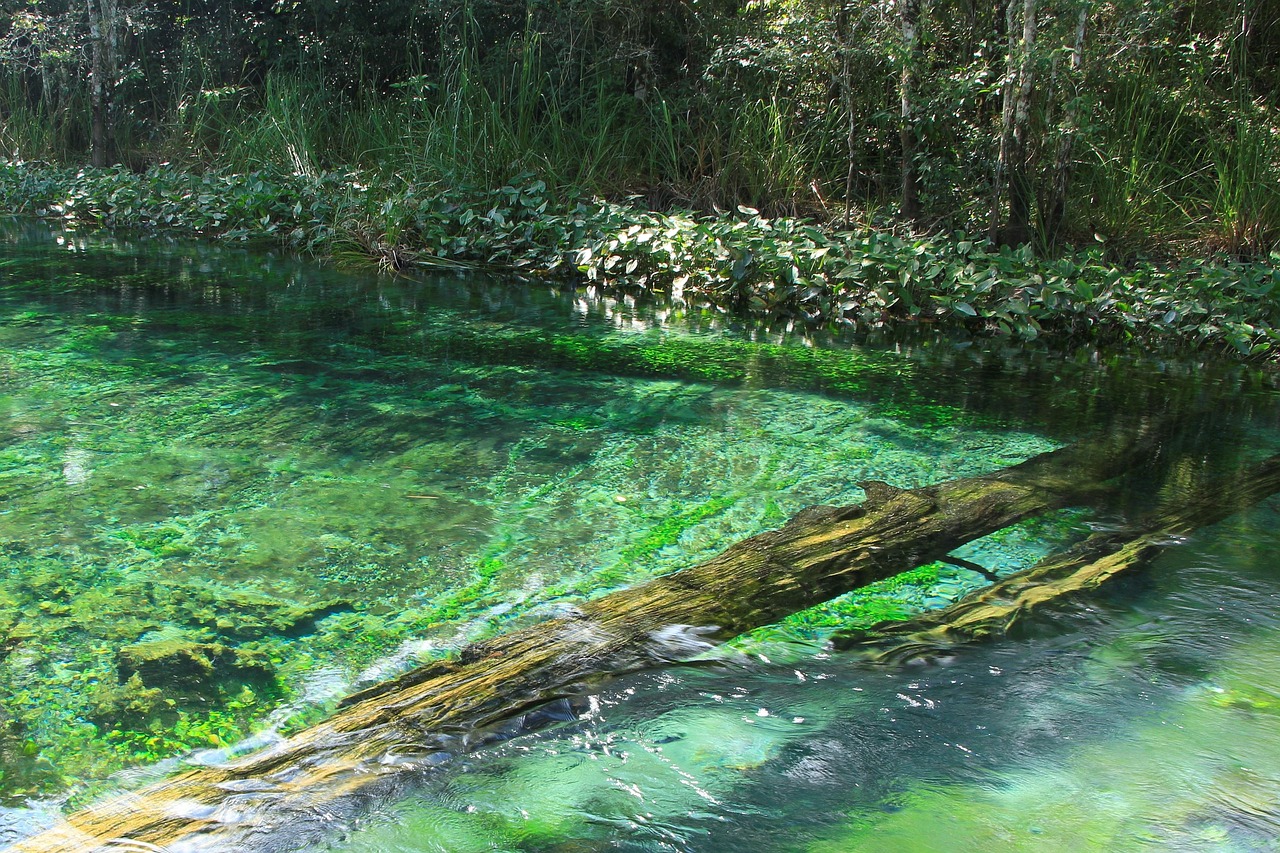
The Téenek homeland lies in the lowlands and foothills of the Huasteca, a region of tropical warmth, heavy rainfall, and lush vegetation that stands in sharp contrast to the dry country of much of northern Mexico. Watered by abundant rains, the land is green and fertile, threaded by rivers that gather in the Sierra Madre and wind down toward the Gulf of Mexico.
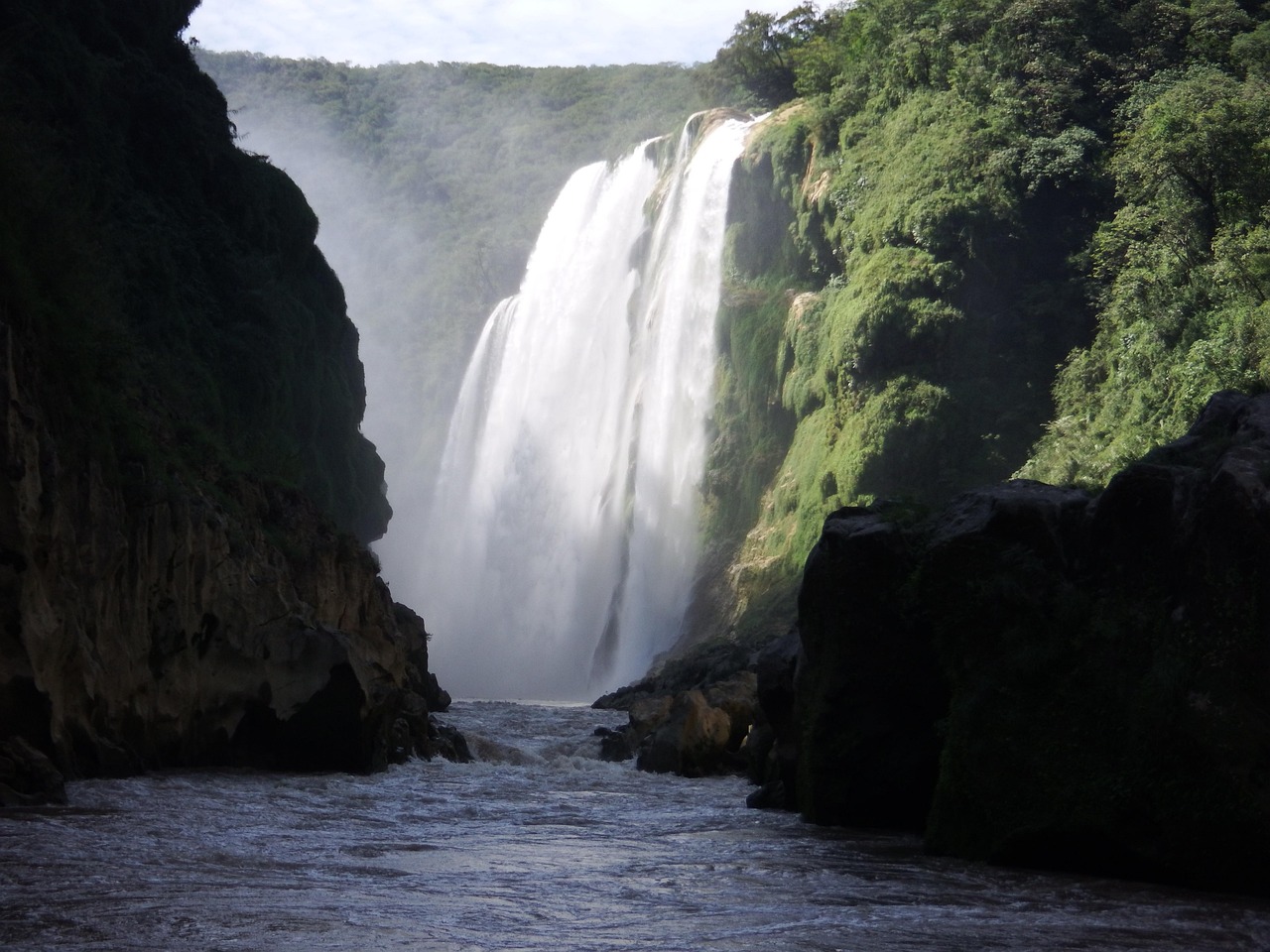
These rivers are among the glories of the Huasteca, famous for their striking turquoise waters, their pools and springs, and their dramatic waterfalls, of which the great falls at Tamul are the most celebrated. The abundance of water shaped the whole character of the region, feeding the forests and fields and giving the Huasteca a natural wealth that few other parts of Mexico could match.
The warmth and rain of the lowlands allowed the Téenek to grow a rich variety of crops, above all maize, in a land where the growing season was long and the soil generous. This agricultural abundance supported a substantial population in ancient times and remains the foundation of Téenek life, tying the people to the fertile earth of their green homeland.
Beyond the fields, the forests, rivers, and wetlands of the Huasteca offered a wealth of wild resources, from fish and game to fruits and useful plants. This generous environment, so different from the deserts and highlands of much of Mexico, gave the Téenek a homeland of remarkable richness, a green and watered country on the edge of the Gulf.
Farmers of a Fertile Land
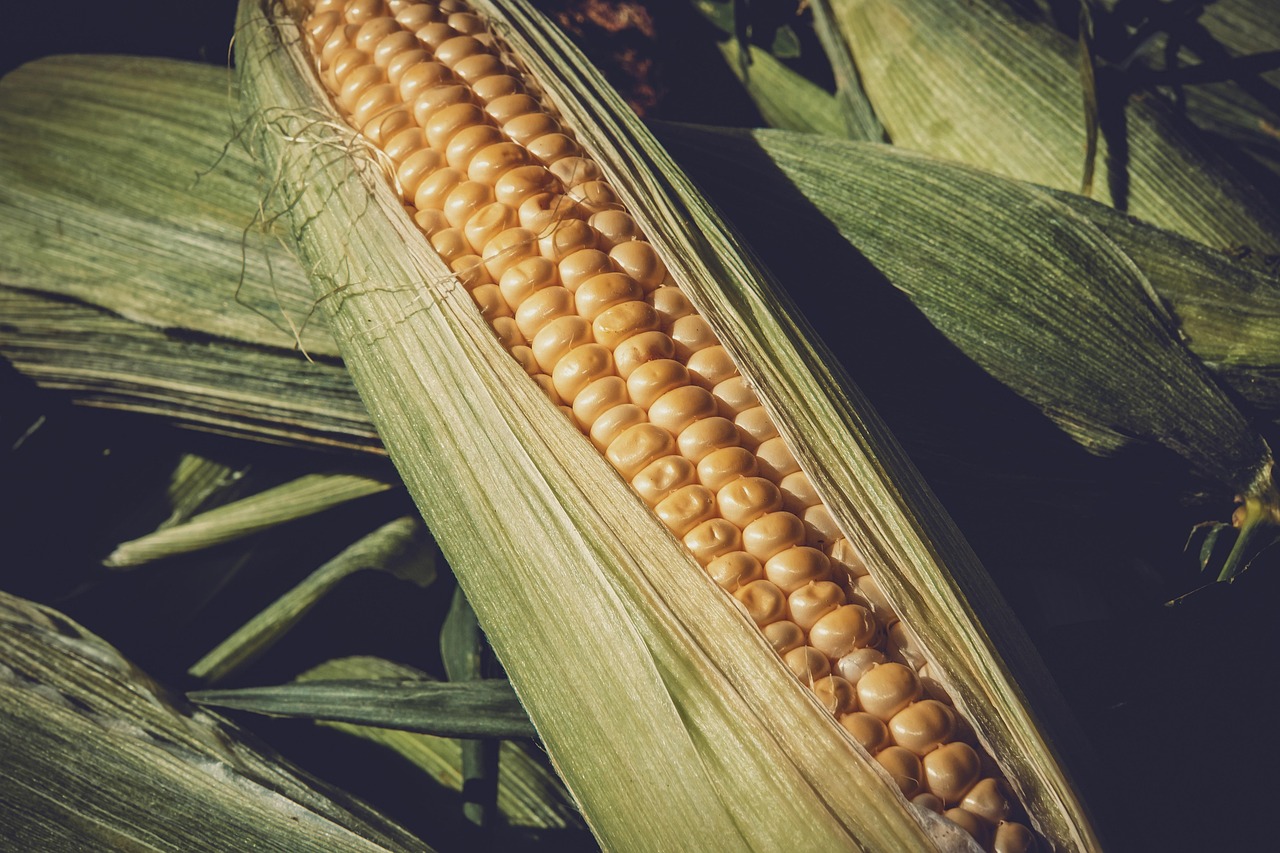
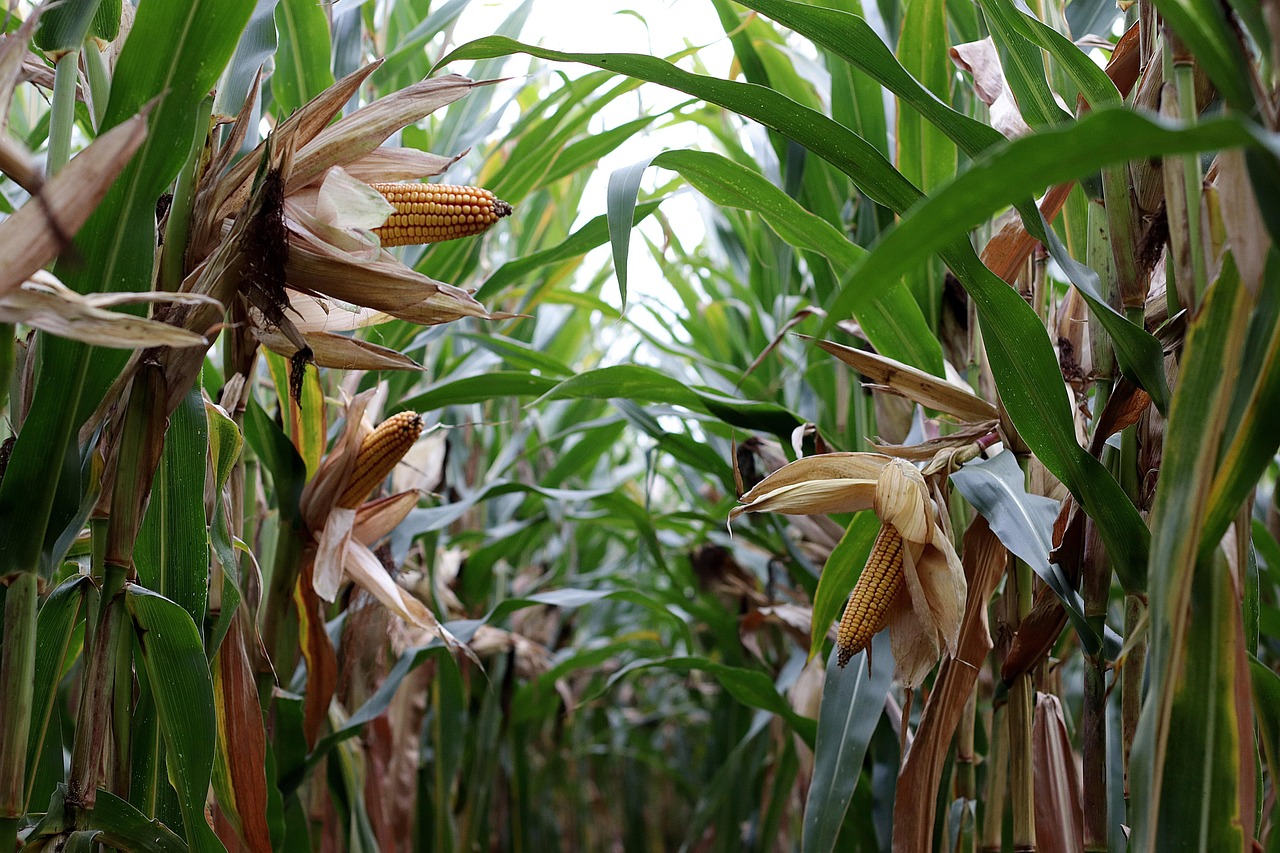
The traditional life of the Téenek was built on the cultivation of maize in the fertile, well watered soil of the Huasteca, a land so generous that farming could support a dense population. Alongside maize came the beans and squash of the Mesoamerican triad, together with the many other crops that thrived in the warm, rainy lowlands of the Gulf coast.
The abundance of the Huasteca allowed a rich and varied agriculture, and the Téenek grew a wide range of foods in a landscape where water was plentiful and the growing season long. This agricultural wealth stood behind the achievements of the ancient Huastec, whose cities and monuments rose from the surplus that the fertile land made possible.
The forests, rivers, and wetlands of the homeland supplemented the harvest of the fields, providing fish, game, fruits, and materials for daily life. The Téenek knew their green country in intimate detail, drawing on its many resources and reading its seasons of rain and growth as closely as any farming people read their land.
This life of farming in a fertile land gave the Téenek both abundance and stability, allowing them to build a settled society with deep roots in the soil of the Huasteca. The rhythm of planting and harvest, set by the generous rains of the Gulf lowlands, structured Téenek life and tied the people to the green and watered homeland that had sustained them for thousands of years.
Community in the Green Country
Téenek society, in the era after the great ancient civilization, centered on the community and the village, bound together by kinship, shared labor, and a common identity as people of the Huasteca. As across much of Indigenous Mexico, the communities governed themselves through local institutions blending older tradition with forms introduced in the colonial era.
Service to the community, through civil and religious offices held in turn over a lifetime, carried both duty and honor, and those who fulfilled these roles well earned standing among their neighbors. This system of shared responsibility, common across Mesoamerica, tied individuals to the collective and gave the villages of the Huasteca their cohesion and their leadership.
The work of farming in the fertile lowlands, while often done by families, was set within a web of community relationships and cooperation, and the bonds of kinship and mutual aid ran through Téenek life. Belonging to the village meant belonging to this web of obligation and support, the framework within which life in the green country unfolded.
In ancient times, before the coming of the Aztecs and the Spanish, the Huastec had built a far more complex society, with cities, monuments, and a sophisticated culture. The village society of later centuries was in part a legacy of upheaval and conquest, yet it preserved the deep identity of the Téenek and carried their language and traditions forward through difficult times.
Ancient Gods and the Coming of the Church
The ancient Huastec possessed a rich religious world, and their culture was famous across Mesoamerica for its association with certain great deities, above all with the worship connected to fertility, the wind, and the life giving powers of the earth. The Huasteca was regarded by the peoples of central Mexico as a source of powerful and ancient spiritual traditions.
Among the deities linked in the Mesoamerican imagination to the Huasteca was the great wind and creator god known widely across Mexico, whose worship and imagery carried associations with the Gulf lowlands and their peoples. This connection marked the Huastec, in the eyes of their neighbors, as a people close to some of the deepest and most potent forces of the sacred world.
When the Spanish arrived and imposed Catholicism, the older religious world of the Téenek was suppressed and transformed, yet it did not vanish entirely. As across Mexico, the new faith settled onto a foundation of older belief, and elements of the ancient devotion to the powers of the earth, the rain, and the fertile land persisted within the forms of the church.
Today Téenek religious life blends Catholicism with older traditions in the manner common across Indigenous Mexico, expressed above all in the festivals and ceremonies of the community. In these observances the concerns of a farming people, the rains, the harvest, the fertility of the land, are woven together with the saints and the calendar of the church into a living whole.

The Huapango and the Music of the Huasteca
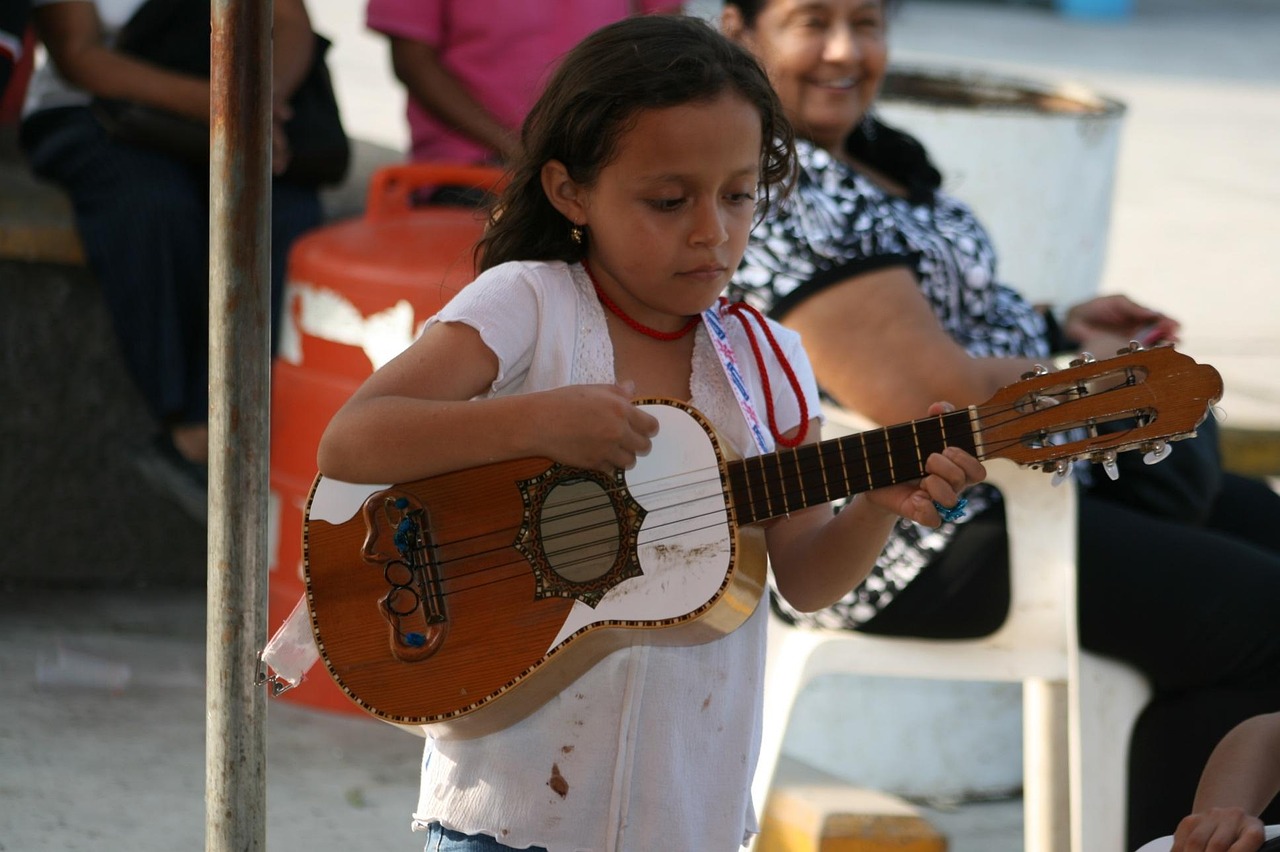
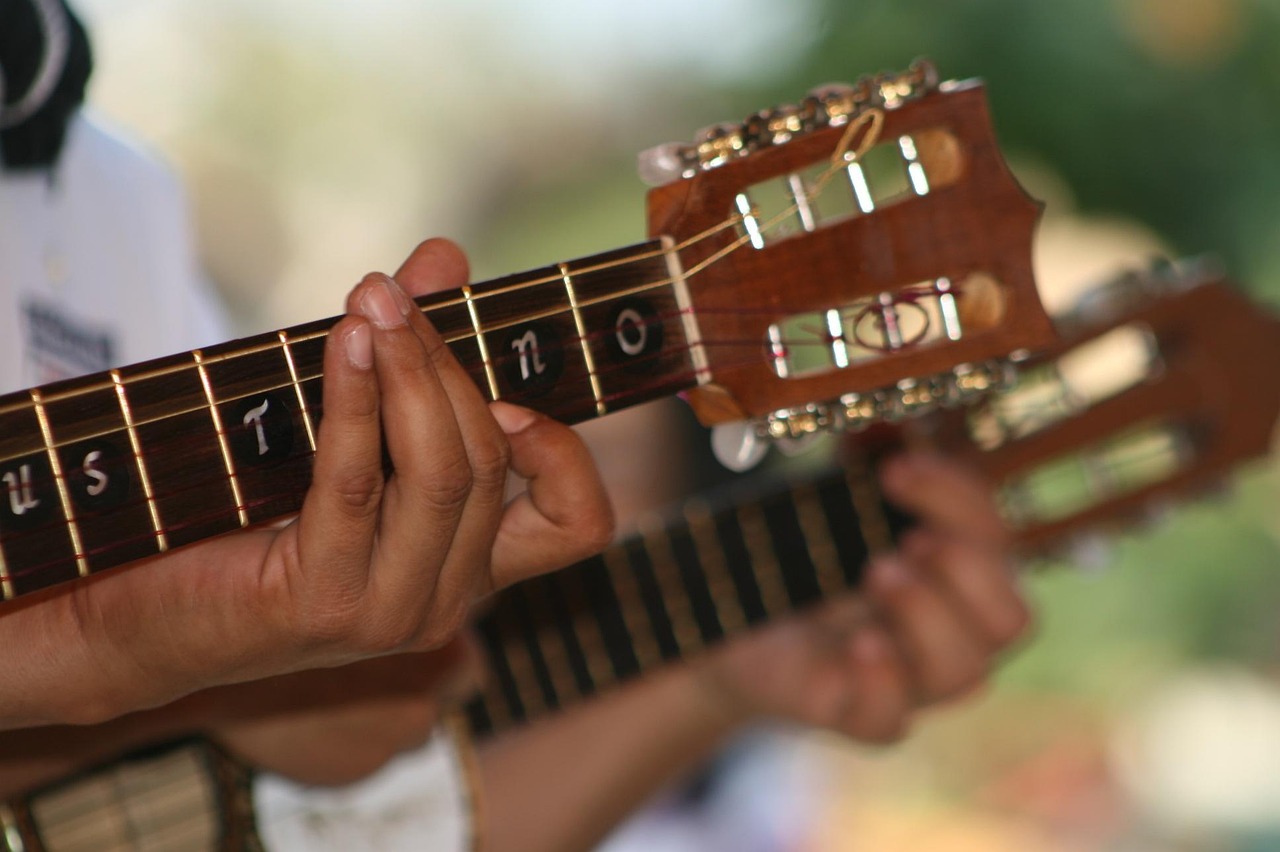
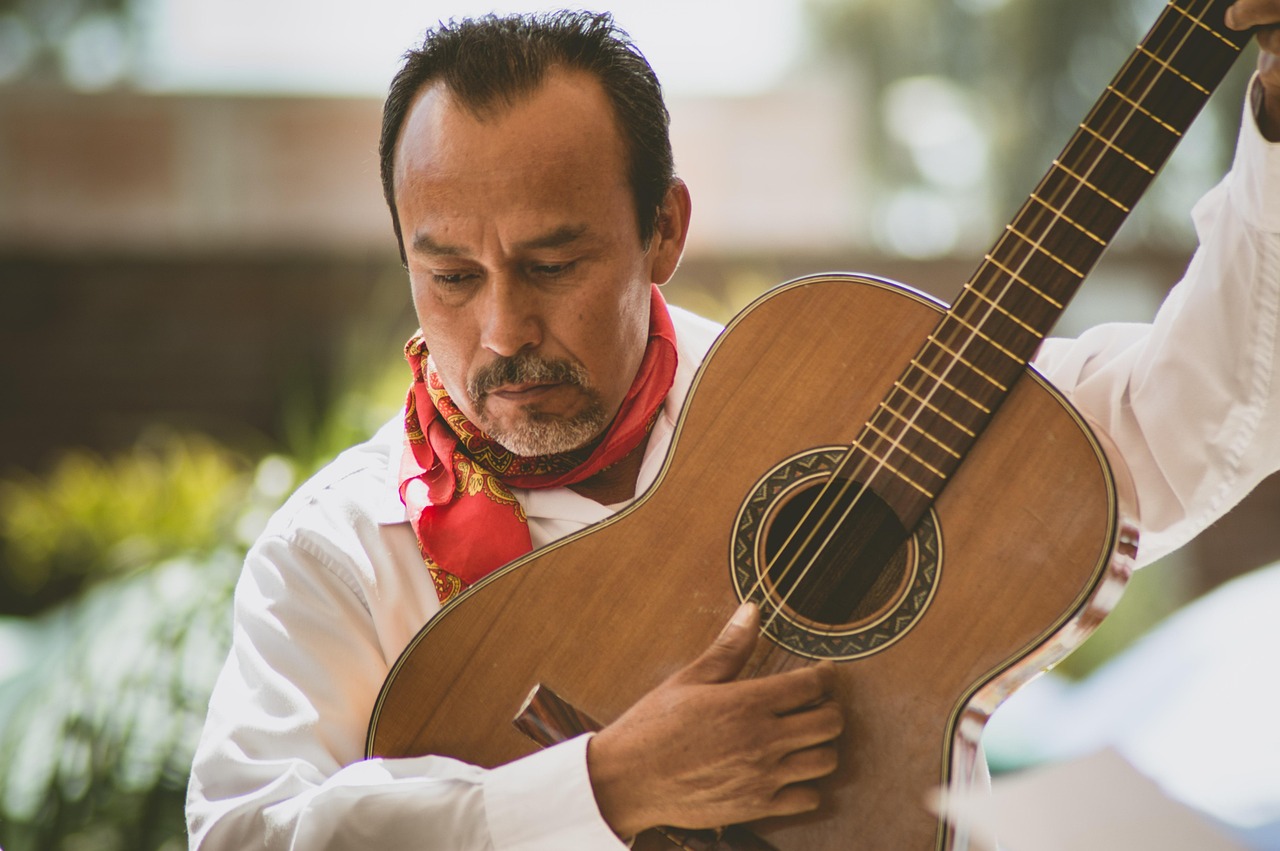
If there is one tradition for which the Huasteca is famous throughout Mexico, it is its music, the huapango, a lively and distinctive style performed by small ensembles and often accompanied by an energetic footwork dance. The son huasteco, played on violin and small guitars and crowned by high, soaring falsetto singing, is one of the great regional musical traditions of the country.
The huapango is danced on a raised wooden platform, the tarima, whose boards resound under the rapid, rhythmic stamping of the dancers’ feet, turning the dance itself into a kind of percussion. Couples face one another in intricate footwork while the musicians play and the singer trades verses, often improvised, in the high, piercing style that marks the son huasteco.
This music is a shared tradition of the whole Huasteca, of Téenek and Nahua and mestizo alike, yet it is deeply woven into Téenek life and celebration. At festivals and gatherings the huapango fills the air, and the tradition of playing, singing, and dancing it passes from one generation to the next as a treasured part of the culture of the region.
Alongside the huapango, the Téenek keep a rich tradition of ceremonial dances tied to the festivals and the agricultural year, performed in costume and carrying meanings drawn from both the Christian and the older worlds. In this music and dance, the spirit of the Huasteca, exuberant, rhythmic, and deeply rooted, finds its fullest and most joyful expression.
The improvised verses of the son huasteco are a prized art in their own right, and skilled singers trade witty, poetic lines that draw on love, nature, and the life of the region. A great huapango gathering can last through the night, the tarima never falling silent, as one pair of dancers replaces another and the musicians play on.
Embroidery and the Weaver Arts
Téenek craft finds its most celebrated expression in textiles, above all in the fine embroidery and weaving of Téenek women. The traditional dress of Téenek women is among the most distinctive in Mexico, marked by richly embroidered garments and, most famously, by an elaborate headdress of wound yarn and cloth that crowns the wearer in a striking display of color and skill.
This headdress, the petob, is a signature of Téenek identity, a great circular arrangement of wool and ribbon worn wound about the head, unlike anything among neighboring peoples. Together with the embroidered blouse and skirt, it makes the dress of a Téenek woman an unmistakable statement of who she is and where she comes from, a wearable emblem of her people.
The embroidery itself, worked in bright threads into designs drawn from the natural and symbolic world, requires great skill and patience, and the finest pieces are treasured expressions of Téenek art. Weaving on the backstrap loom, the ancient tool of Mesoamerica, produced the cloth that formed the foundation of this clothing and carried the patterns that marked identity.
Beyond textiles, the Téenek practice the crafts of a farming people, including pottery, basketry, and the making of tools and household goods from the abundant materials of their green homeland. Yet it is in the embroidered dress and the great headdress of their women that Téenek craft speaks most powerfully, an art that turns thread and cloth into identity itself.

Maize and the Bounty of the Huasteca
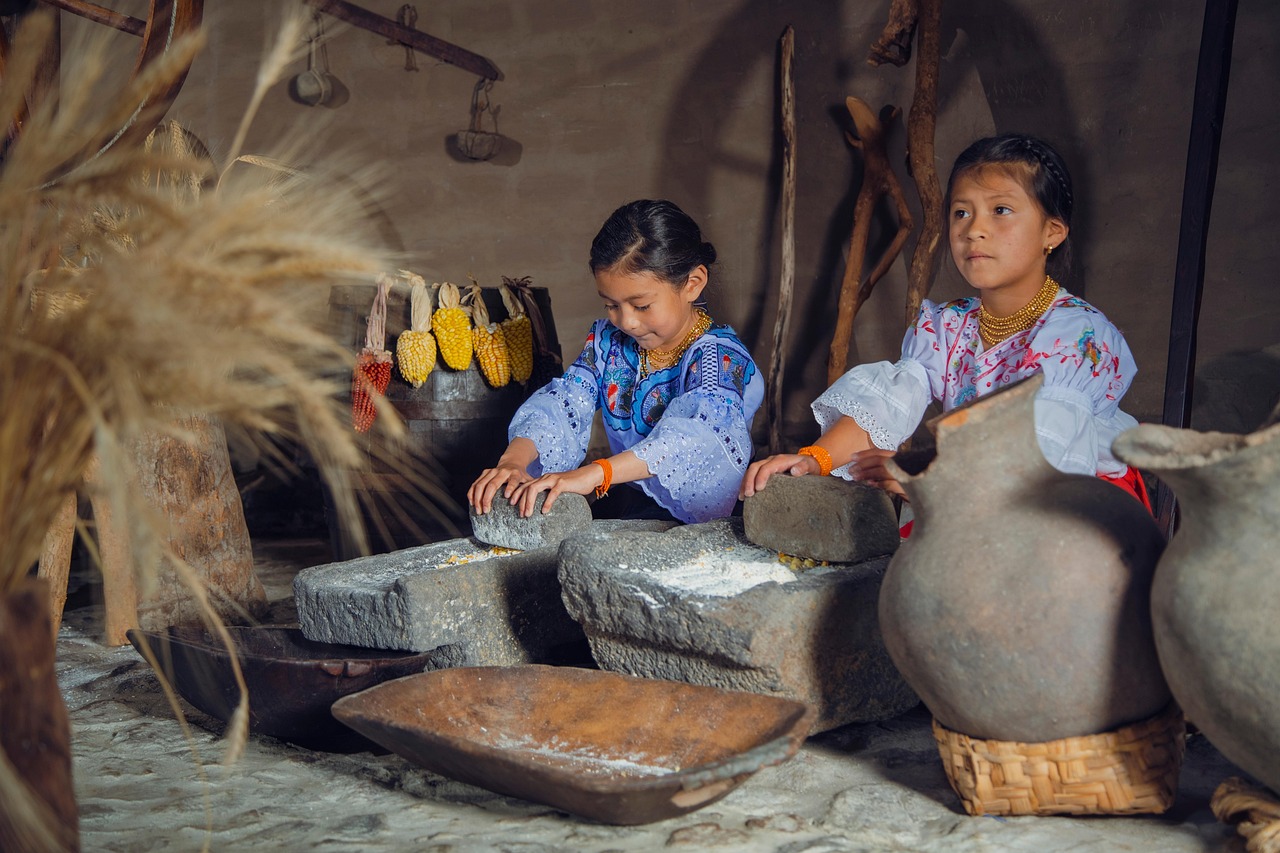
Téenek food grows from the fertile fields of the Huasteca, with maize at its center as it is across Mesoamerica. Ground and prepared in countless ways, from tortillas to tamales to the many dishes of festival days, maize is the foundation of the Téenek table and the crop around which the agricultural year and much of daily life revolve.
The abundance of the Huasteca gives Téenek cooking a rich variety, for the warm, well watered lowlands produce a wealth of crops, fruits, and other foods. Beans, squash, chilies, and the many products of the tropical land join maize on the table, and the generous environment of the Gulf lowlands offers a fuller larder than the drier regions of Mexico.
The region is known for distinctive dishes that reflect its tropical abundance and its blend of Indigenous and later influences, and the large tamales and hearty preparations of the Huasteca are celebrated across the region. Food drawn from the fertile land and the rivers of the homeland gives Téenek cuisine its character, rooted in the green and watered country of the Gulf.
As across Mexico, the sharing of food at festivals and communal gatherings carries deep social meaning, an act of hospitality and belonging. To prepare and share the bounty of the Huasteca at a celebration is part of the communal life of the Téenek, weaving the everyday business of eating into the wider fabric of a people rooted in a generous land.
Celebrations in the Huasteca
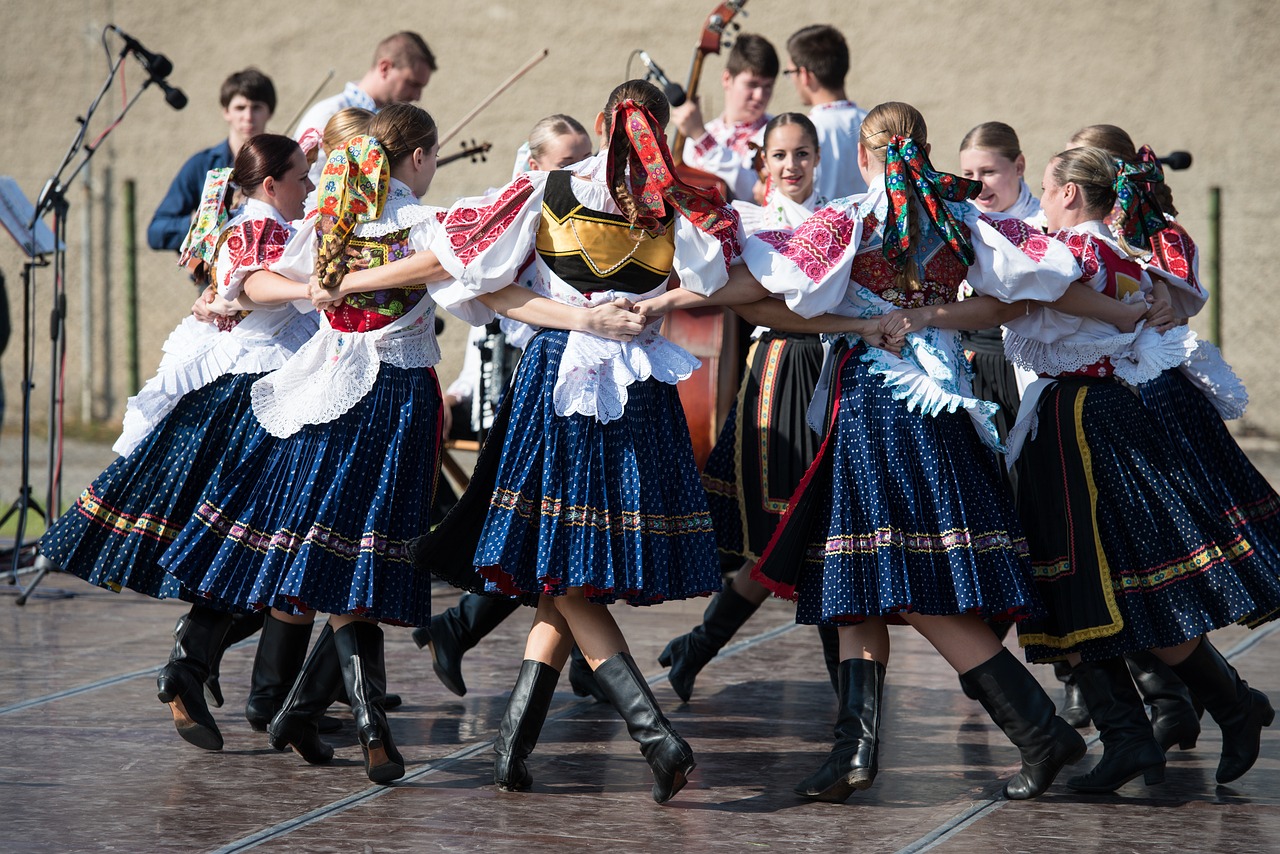
The festivals of the Téenek, like those across the Huasteca, blend the Catholic calendar with the older rhythms of the land, and they are filled above all with music and dance. The feast days of patron saints are the great celebrations of the year, drawing the community together in processions, ceremonial dances, and the ever present sound of the huapango.
Among the most important observances is the great festival of the dead, marked across Mexico but celebrated in the Huasteca with a special richness and its own local character, a time when the living honor and welcome back the spirits of their ancestors. In the Huasteca this celebration carries deep meaning, blending Indigenous and Catholic understandings of death and remembrance.
The celebrations are organized through the community’s own institutions of service and sponsorship, with individuals taking on the honor and burden of arranging the festivities. This ties devotion to community service, so that the festivals knit together faith, music, and the bonds of the village into a single joyful whole.
In these celebrations the whole identity of the Téenek finds expression, their Catholic faith, their older bond with the fertile land and its powers, their music and dance, and their sense of themselves as a people of the Huasteca. To celebrate together, amid the sound of the huapango and the stamping of the dance, is to affirm what it means to be Téenek.
From Ancient Cities to the Present
The history of the Huastec reaches back thousands of years to an ancient civilization that flourished in the fertile Gulf lowlands, building cities, raising monuments, and producing sculpture and art admired across Mesoamerica. Sites such as Tamtoc bear witness to the achievements of the ancient Huastec, a people whose culture was old and sophisticated long before the rise of the Aztecs.
In the centuries before the Spanish came, the Huastec faced the expanding power of the Aztec empire, which campaigned into the Huasteca and brought parts of the region under its control. The relationship was often violent, and the Aztecs regarded the Huastec with a mixture of fascination and hostility, drawing them into the wider world of central Mexican power and conflict.
The Spanish conquest brought catastrophe to the Huasteca, as it did across Mexico, with violence, disease, and the imposition of colonial rule devastating the population and dismantling the old society. The great ancient culture was broken, its cities abandoned, and the Téenek were reduced to village communities under the power of the church and the crown.
Yet the Téenek endured. Through the colonial centuries and into independent Mexico they held onto their language, their homeland, and their identity, preserving their traditions in the villages of the Huasteca. From the heirs of an ancient civilization to a people surviving conquest and upheaval, the Téenek carried their deep heritage forward into the modern age.
The sculpture of the ancient Huastec, including finely carved stone figures and ornaments, is admired in museums today for its distinctive style, evidence of an artistic tradition as accomplished as any in ancient Mexico. These works are a reminder that the villages of the modern Huasteca rest upon the foundations of a civilization of real depth and sophistication.
The Téenek Today
Today the Téenek number in the hundreds of thousands, living in their communities across the Huasteca in the states of San Luis Potosí, Veracruz, and Hidalgo, where they continue to farm the fertile land, wear their distinctive dress, and celebrate the festivals filled with the music of the huapango. They remain one of the more numerous Indigenous peoples of Mexico.
The Téenek language stands relatively strong compared with many Indigenous tongues, spoken by a substantial community and taught to children, though it faces the same pressures from Spanish that all such languages confront. As a unique northern branch of the Maya family, its survival matters not only to the Téenek but to the understanding of the deep history of the Americas.
The traditions of the Huasteca, above all its music and its distinctive crafts, remain vibrant, and the huapango continues to fill festivals across the region. The great headdress and embroidered dress of Téenek women still mark identity in the markets and celebrations, and the deep culture of the Huasteca endures in daily life even as migration and economic change press upon it.
The story of the Téenek is one of remarkable endurance and deep roots, a people descended from an ancient civilization, speaking a language carried north from the Maya world thousands of years ago, and holding onto a green and fertile homeland through conquest and upheaval. In the rivers and forests of the Huasteca, amid the music of the huapango, the Téenek carry their long heritage into the present.
Related Peoples of Mexico and Mesoamerica
- Totonac Builders of El Tajin and the Dance of the Flyers
- Why the Rarámuri of Copper Canyon Never Stopped Running
- How the Wixárika of Mexico Keep Walking to the Birthplace of the Sun
- Nahua, the People Behind Mexico’s Name
- Otomi, the Original Neighbors of the Aztec Capital
- Purépecha, the People Who Kept the Aztec Empire Out of Michoacán
- Mixtec, the Cloud People Who Wrote Their Own History
- Zapotec, a People Older Than the Aztec Empire
- The People Who Never Vanished, the Story of the Maya
- Yaqui Deer Dancers and the Eight Towns of Sonora
- Seri Comcaac Sea Hunters and Ironwood Carvers of the Sonoran Coast
- Mixe Ayuujk Speakers and the Mountain They Never Surrendered
- Huave Fishers of the Isthmus Lagoons and the Language Called Ombeayiuts
- Chontal of Oaxaca and Their Tequistlatecan Tongue Between Mountain and Sea
You May Like
The Zaza, a Mountain People of Eastern Anatolia