In a rugged corner of southeastern Oaxaca, where the pine forests of the Sierra Sur fall away through steep canyons toward the hot Pacific coast, live a small people whose language belongs to no great family and whose very name, given by their conquerors, means stranger. The Chontal of Oaxaca held onto a singular tongue and a demanding homeland in one of the most diverse regions of the Americas, a people apart among the powerful nations that surrounded them.
This is the story of the Chontal of Oaxaca, from their two worlds of mountain and coast and their distinct Tequistlatecan language to their farming of the slopes, their mezcal drawn from the agave, their communal life, their blended faith, and their long endurance as a small nation that empire and neighbor alike failed to absorb.
Contents
- Origins in the Sierra Sur
- A People Called Strangers
- The Tequistlatecan Language
- From the Mountains to the Sea
- Farmers of the Slopes
- Community in the Highlands
- Old Powers and the Coming of the Church
- Mezcal and the Traditions of the Mountains
- Pottery and the Work of the Hands
- Maize, Agave, and the Mountain Table
- The Festivals of the Sierra
- A People Apart Through the Centuries
- The Chontal Today
Origins in the Sierra Sur
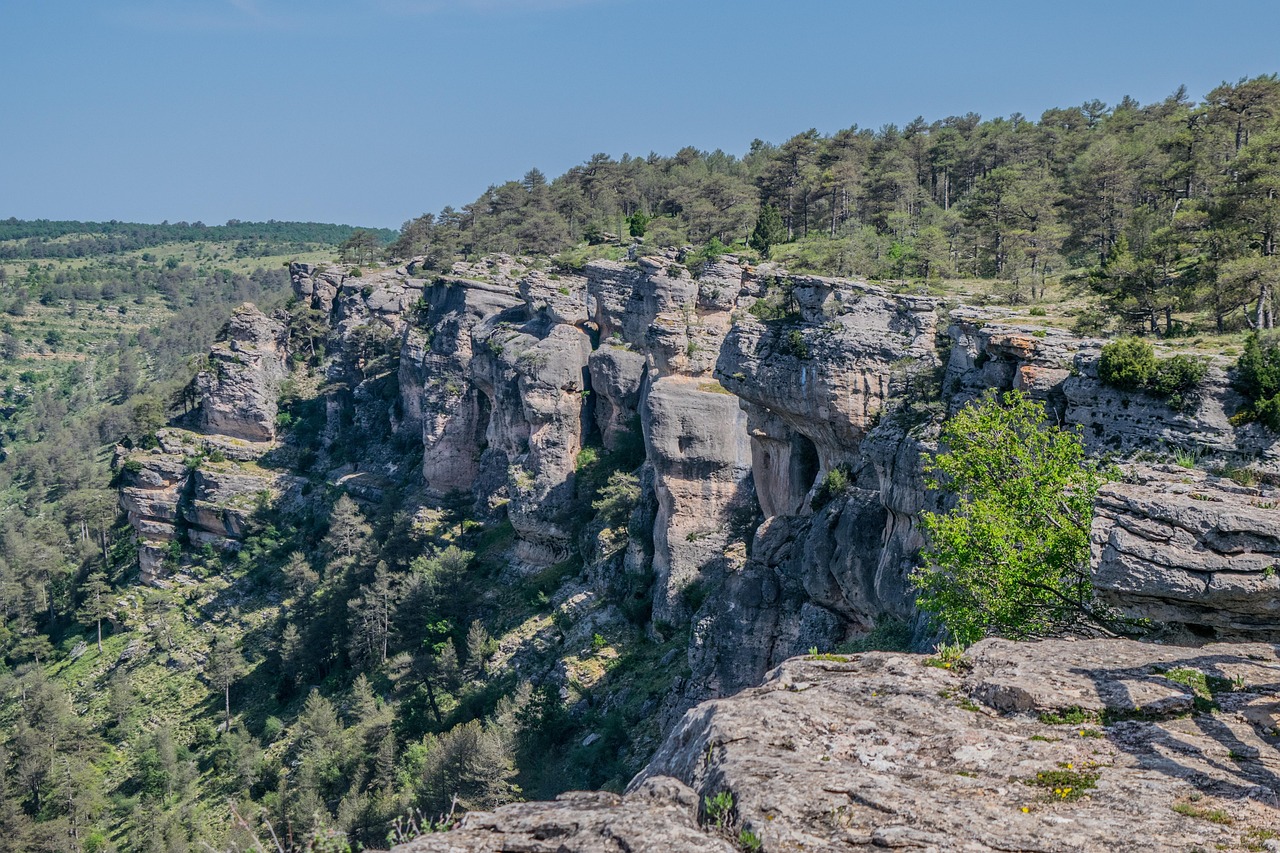
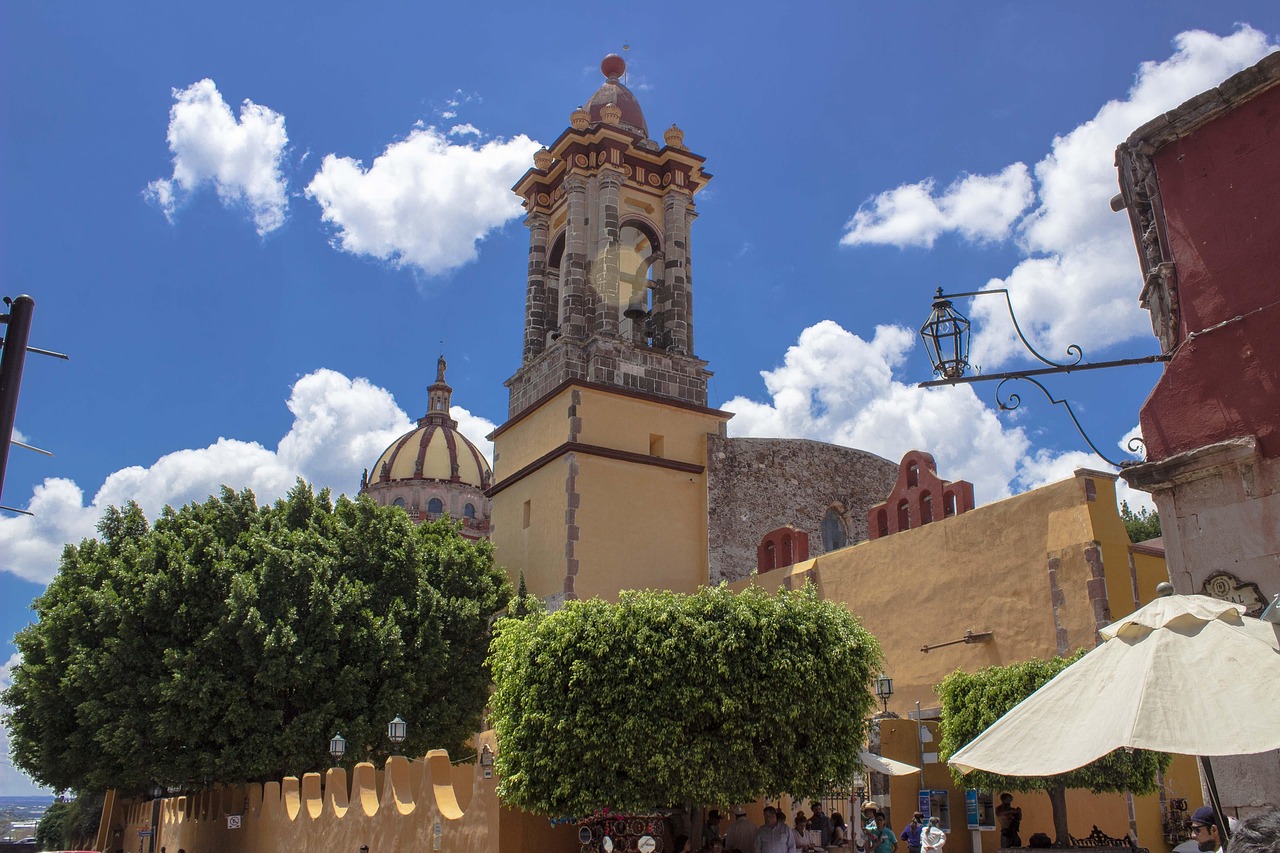
In the rugged mountains and along the warm Pacific coast of southeastern Oaxaca, in a region of steep ridges, deep canyons, and thornscrub falling toward the sea, live a people whose language sets them apart from nearly everyone around them. The Chontal of Oaxaca, who call themselves in their own tongue by names tied to their mountains and their speech, are one of the more distinctive and less known Indigenous nations of southern Mexico.
The very name Chontal is a source of confusion, for it comes from a Nahuatl word meaning stranger or foreigner, a label the Aztecs applied to several unrelated peoples across Mexico. The Chontal of Oaxaca have no connection to the Chontal of Tabasco, who are a Maya people far to the east, and the shared name is an accident of Aztec usage rather than any real kinship.
The Chontal of Oaxaca fall into two groups shaped by their landscape, the highland Chontal of the cool Sierra Sur and the lowland Chontal of the hot coastal country that runs down to the Pacific. Between the mountains and the sea, this people made a homeland in some of the more remote and difficult terrain of an already rugged state, country that helped keep them apart.
Farmers of maize on the mountain slopes and gatherers of the resources of forest and coast, the Chontal built a way of life adapted to their vertical world. Their story is one of a people holding onto a singular language and identity in the crowded ethnic landscape of Oaxaca, one of the most diverse regions in all of the Americas.
A People Called Strangers
The name by which the world knows the Chontal was never their own. It comes from the Nahuatl chontalli, meaning stranger or outsider, a term the Aztecs used for peoples they regarded as foreign, and the Spanish took it up and applied it to this nation of the Oaxacan mountains. Like so many Indigenous peoples, the Chontal carried through history under a name imposed from outside.
Among themselves the Chontal use their own names, tied to their language and their land, and scholars sometimes call them the Tequistlatecos or Chontales after their place and speech. The distinction matters, for it separates a people with a rich identity of their own from the dismissive label their conquerors gave them, the strangers of the mountains.
The confusion between the Chontal of Oaxaca and the Chontal of Tabasco has long muddied their story. The two peoples share nothing but the borrowed name, for the Tabasco Chontal speak a Maya language and live in the lowland tropics far to the east, while the Oaxaca Chontal speak a wholly unrelated tongue in the mountains and coast of the south.
What truly defines the Chontal of Oaxaca is their language and their homeland. Surrounded by Zapotec and other peoples, hemmed into the Sierra Sur and the adjacent coast, they held onto a way of life and a speech entirely their own, a people who were strangers only in the eyes of the empire that named them.
The Tequistlatecan Language
The Chontal of Oaxaca speak a language that belongs to its own small family, called Tequistlatecan or Chontalan, unrelated to the great language groups that dominate Mexico. This family stands apart from Otomanguean, the family of the Zapotec and Mixtec who surround the Chontal, and from every other major grouping in the country, marking the Chontal as a truly distinct people.
Within this small family there are two main varieties, corresponding to the highland and lowland Chontal, each with its own character and each shaped by the different worlds of mountain and coast. Speakers call their language by names such as Slijuala xanuc, an expression tied to their identity, and it carries the accumulated knowledge of their homeland within its words.
The isolation of the Tequistlatecan family makes it valuable to the study of language and precious to the Chontal themselves. Scholars have proposed distant connections to other languages, but none has been firmly established, and the family remains a small, distinct branch of the human linguistic tree, clinging to existence in the mountains and coast of southeastern Oaxaca.
Today the Chontal language is seriously endangered, spoken by a declining number of people, many of them older, as Spanish spreads through the communities. This decline is a source of real concern, for the language holds a unique way of seeing the world, and efforts to document and revive it treat it as an irreplaceable part of the Chontal heritage and of Mexico’s linguistic wealth.
The presence of such a small, self contained family in the midst of Otomanguean country is a reminder of how deep and varied the linguistic past of Oaxaca truly is. Long before the rise of the states and empires whose names are remembered, peoples speaking many unrelated tongues settled these mountains and valleys, and the survival of Tequistlatecan is a living trace of that ancient diversity.
From the Mountains to the Sea
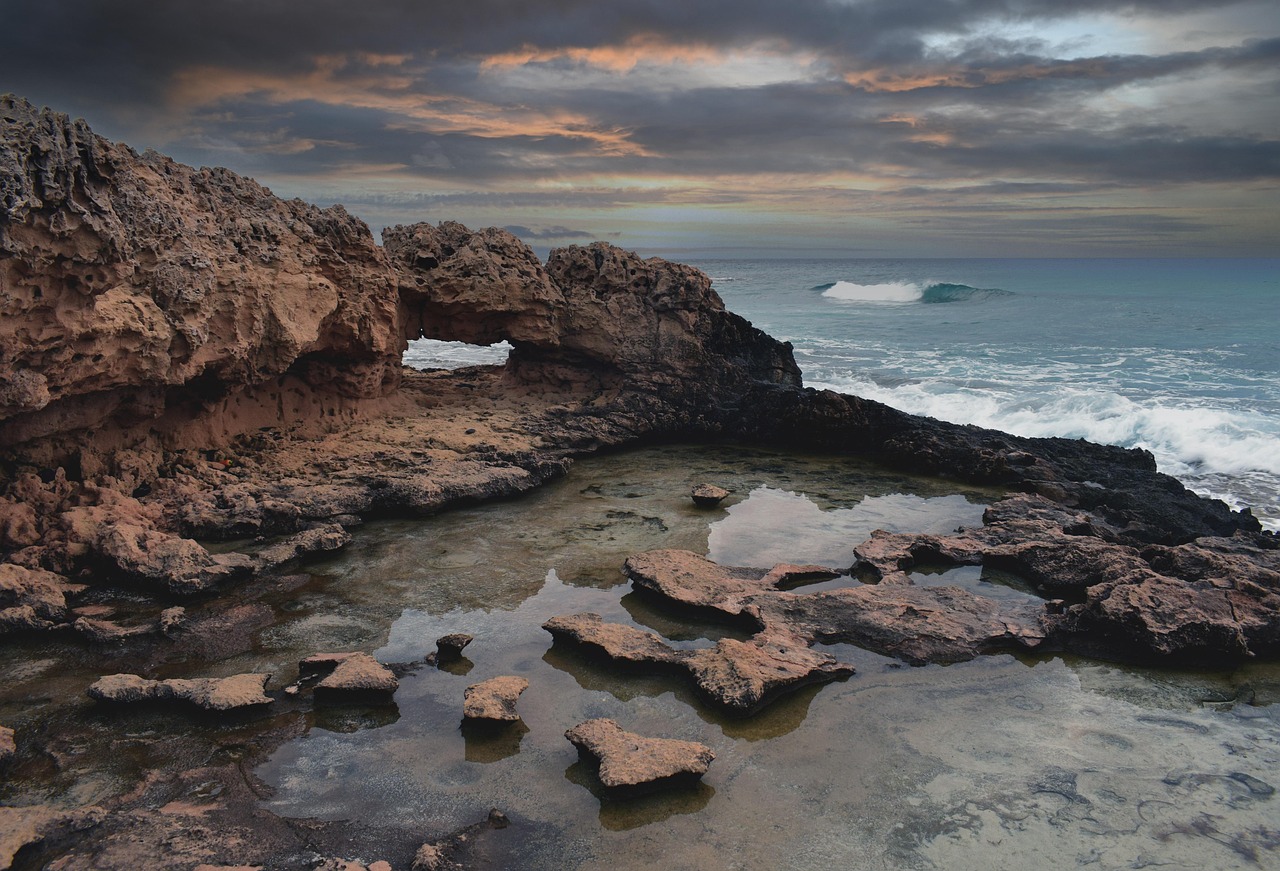
The Chontal homeland stretches across a dramatic slice of southeastern Oaxaca, from the cool heights of the Sierra Sur down through rugged canyons to the hot coastal plain and the shores of the Pacific. This vertical geography, rising from sea level to high mountains within a relatively short distance, gave the Chontal a homeland of great variety and considerable difficulty.
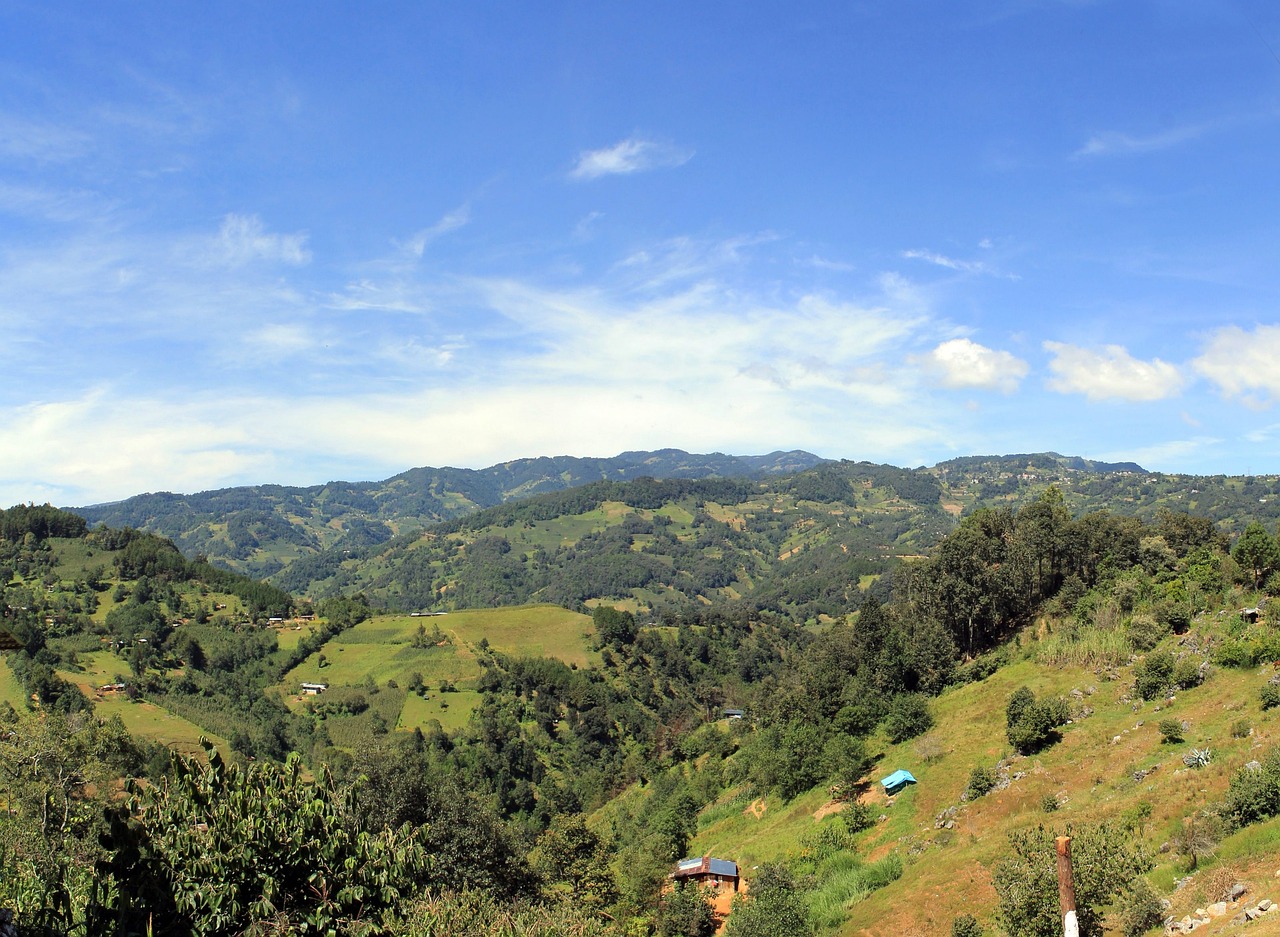
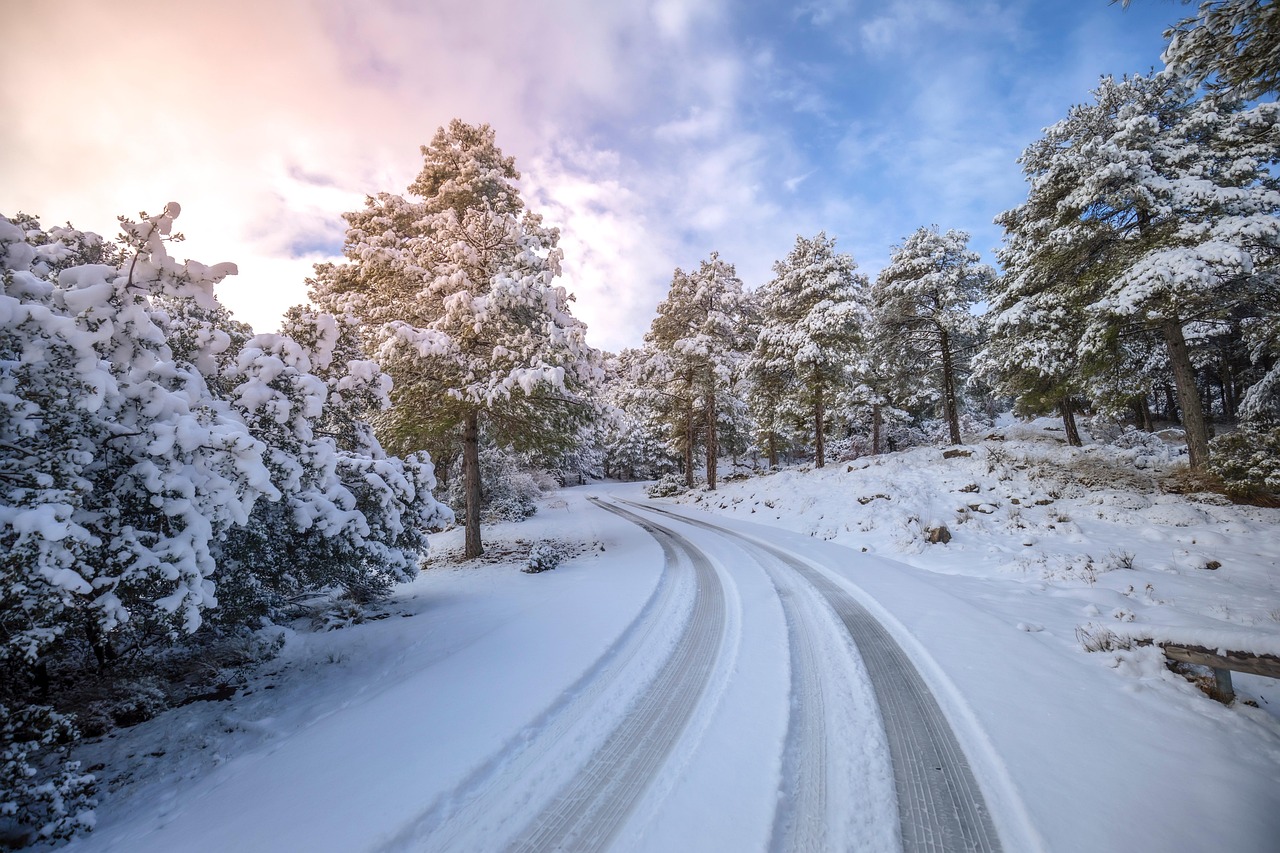
The highland Chontal live in the mountains, a country of pine and oak forest, steep slopes, and cool air, where maize is grown on the hillsides and the rhythm of life is set by the altitude and the rains. The lowland Chontal occupy the warmer country toward the coast, a land of thornscrub and heat where different crops and resources sustain the communities.
This range of environments within a single people’s territory gave the Chontal access to many different resources, from the timber and cool weather crops of the heights to the coastal produce and marine life of the lowlands. Trade and movement between the zones tied the two groups together, even as their differing landscapes gave each its own flavor of Chontal life.
The ruggedness of the terrain, so much of it steep, remote, and hard to reach, shaped the whole history of the Chontal. It made their country difficult for outsiders to penetrate and control, and it fostered the isolation in which their distinct language and culture survived, a homeland that was at once demanding and protective.
Few peoples in Mexico command such a sweep of country in so short a distance, from cool pine heights to sweltering coast, and this range gave the Chontal a resilience that a single environment could not. When the harvest failed in one zone, the resources of another could take up the slack, and movement between mountain and sea kept the two halves of the nation bound together.
Farmers of the Slopes
The traditional life of the Chontal was built on the cultivation of maize, grown on the slopes of the sierra and the coastal country using methods suited to difficult ground. Alongside maize came the beans and squash of the ancient Mesoamerican triad, together forming the foundation of the diet and the anchor of the agricultural year.
Farming in this vertical landscape demanded knowledge and hard work, with fields cleared on slopes and planted according to the pattern of the rains and the character of each altitude. The Chontal understood their land in fine detail, knowing which slopes and seasons suited which crops, coaxing harvests from terrain that gave up its bounty only to those who knew it well.
The agave, or maguey, held a special place in Chontal life, as it does across much of Oaxaca. From its heart the Chontal and their neighbors produced mezcal, the distilled spirit that has become one of the signature products of the region, and the cultivation and processing of agave added another layer to the economy of the mountains.
Beyond their fields the Chontal drew on the forests, rivers, and coast of their varied homeland, gathering wild plants, hunting game, and, in the lowlands, taking the resources of the Pacific shore. This mix of farming and gathering, adapted to mountain and coast alike, gave the Chontal the means to live in a homeland that looked forbidding to outsiders.

Community in the Highlands
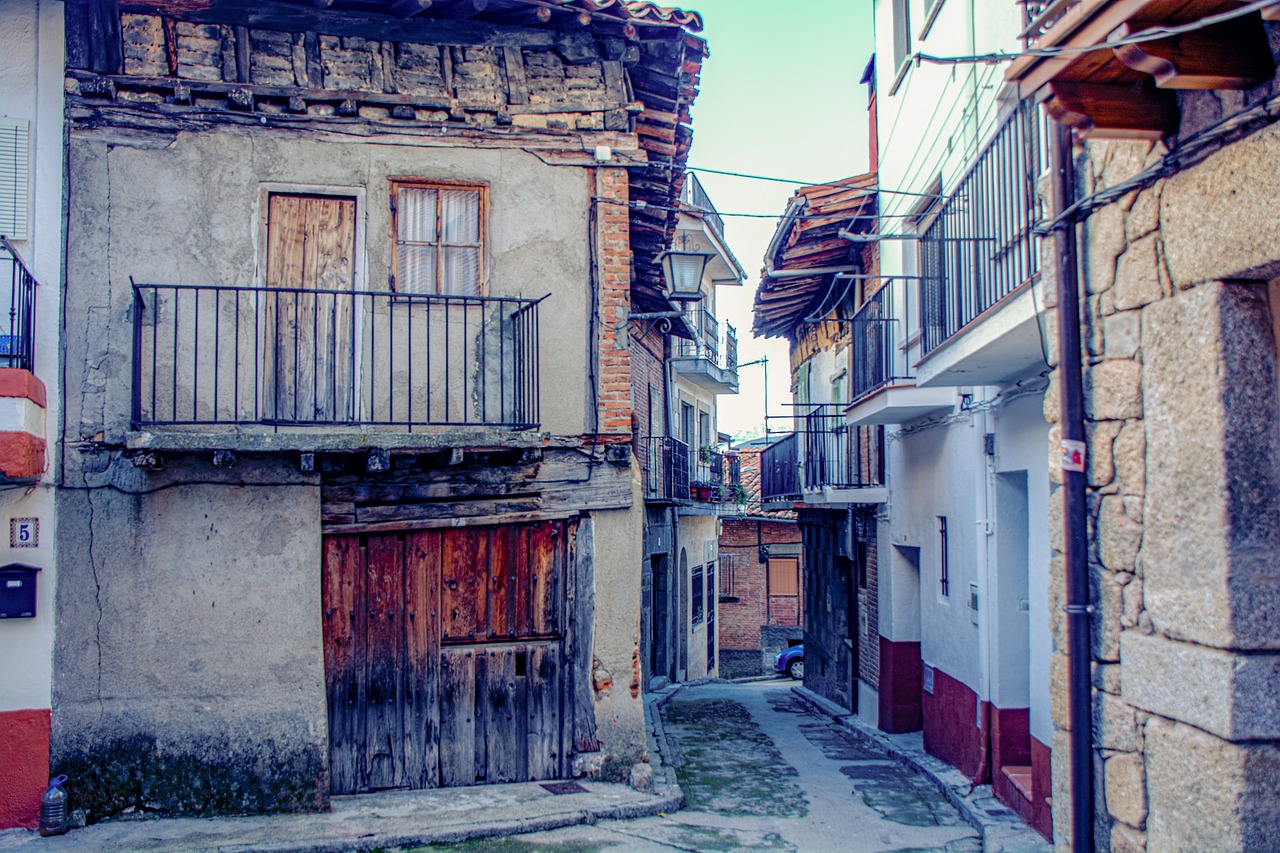
Chontal society centered on the community, the mountain or coastal town bound together by kinship, shared labor, and a common identity. As in much of Indigenous Oaxaca, the communities governed themselves through local institutions that combined older traditions with forms introduced in the colonial era, with civil and religious offices carrying the duties of leadership.
Service to the community was both an obligation and a path to respect. Individuals took on a succession of offices over their lives, contributing their labor and their leadership to the town, and those who fulfilled these duties well earned standing among their neighbors. Authority grew from service and age rather than wealth, reflecting values common across the region.
The work of mountain farming, like that of the neighboring peoples, often drew on cooperation, and shared labor for the good of the community was woven into Chontal life. Building and maintaining the paths, buildings, and works that a town required called on the contributions of all, binding the community together through common effort.
Surrounded by the far more numerous Zapotec and other peoples, the Chontal communities held onto their distinct identity through their language and their shared way of life. That cohesion, rooted in the town and the bonds of kinship and labor, helped a small people preserve itself in the crowded and competitive landscape of Oaxaca.
Old Powers and the Coming of the Church
Chontal religious life, like that of their neighbors, grew from a deep relationship with the land, the mountains, and the forces of the natural world, later interwoven with the Catholicism that the Spanish brought. In the world as the Chontal understood it, the hills, springs, and weather were charged with power, and ceremony sought to keep right relations with the beings who governed them.
Sacred places in the landscape, high peaks, caves, and springs, held special importance, sites where the Chontal made offerings and petitions to the powers that controlled the rains, the harvest, and the fortunes of the community. This devotion to the living landscape long predated Christianity and survived, in altered form, well into the era of the church.
When Catholicism came to the Chontal mountains, it settled onto this older foundation rather than erasing it. The saints, the church calendar, and the rituals of the faith took their place alongside the older observances, and the two traditions blended into a religious life in which Christian and pre-Christian elements existed side by side, as across much of Mexico.
This blended spirituality found its fullest expression in the festivals and ceremonies of the community, where the concerns of a farming people and the observances of the church came together. In these rituals the Chontal maintained their bond with the powers of their homeland while taking part in the wider Catholic world of which they had become a part.
Mezcal and the Traditions of the Mountains
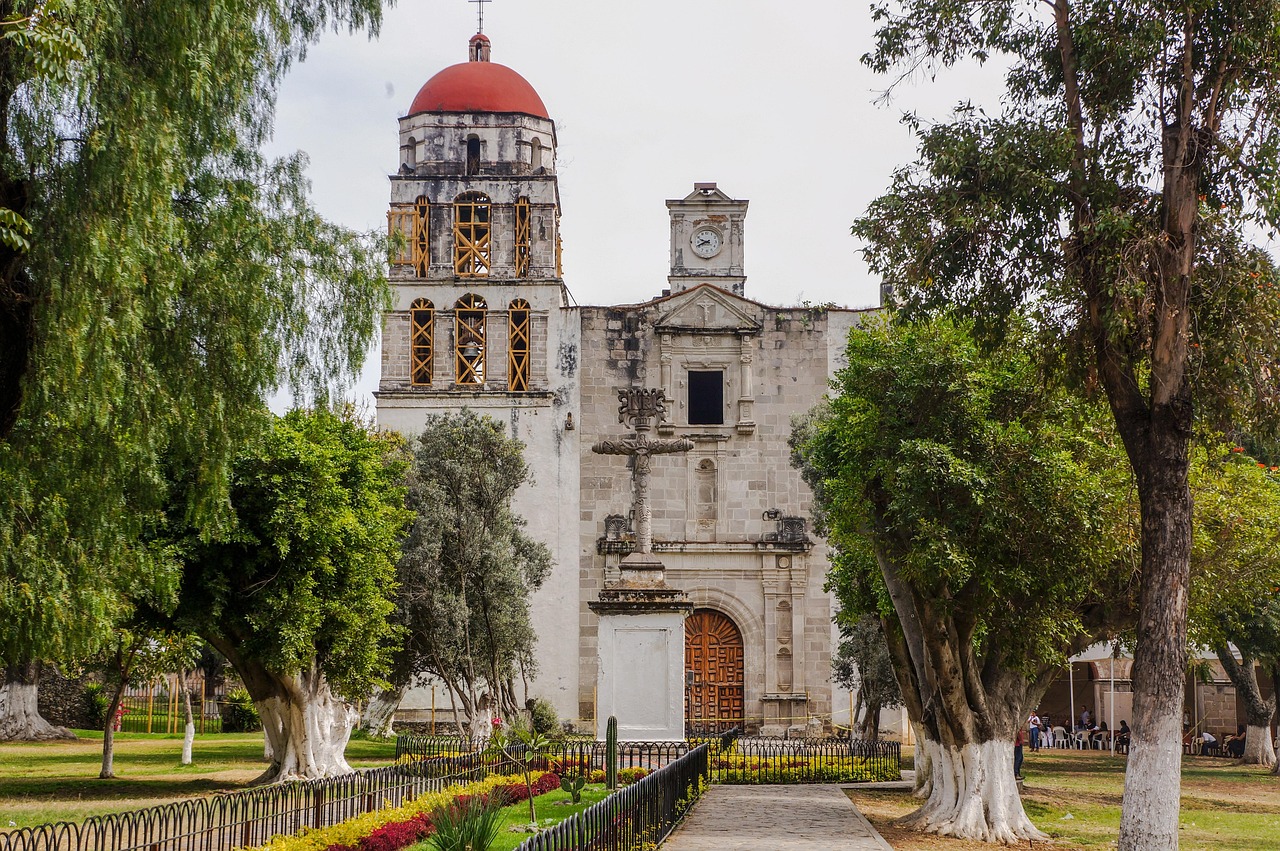
Among the traditions of the Chontal, few are as bound up with their homeland as the making of mezcal from the agave that grows on their slopes. The cultivation of the maguey, the roasting of its hearts, and the distilling of the spirit form a craft and a tradition that ties the Chontal to the wider culture of Oaxaca, famous throughout Mexico as the land of mezcal.
The knowledge of the land itself is a tradition, passed from elders to the young, of which slopes suit which crops, of when to plant and harvest, of the wild plants and their uses. This inherited understanding of a difficult homeland is as much a part of Chontal tradition as any ceremony, the practical wisdom that let a people thrive in demanding country.
The passages of life, from birth through marriage to death, were marked by their own customs and observances, tying the individual into the community and into the long chain of Chontal generations. These rites, blending older practice with Catholic forms, gave shape and meaning to the course of a life within the mountain towns.
Music, dance, and the gathering of the community at festivals carried the joys and devotions of the Chontal, as they do across Oaxaca. In these celebrations, in the making of mezcal, and in the daily knowledge of the land, the traditions of the Chontal expressed a way of life rooted in the mountains and the coast of their singular homeland.
Pottery and the Work of the Hands
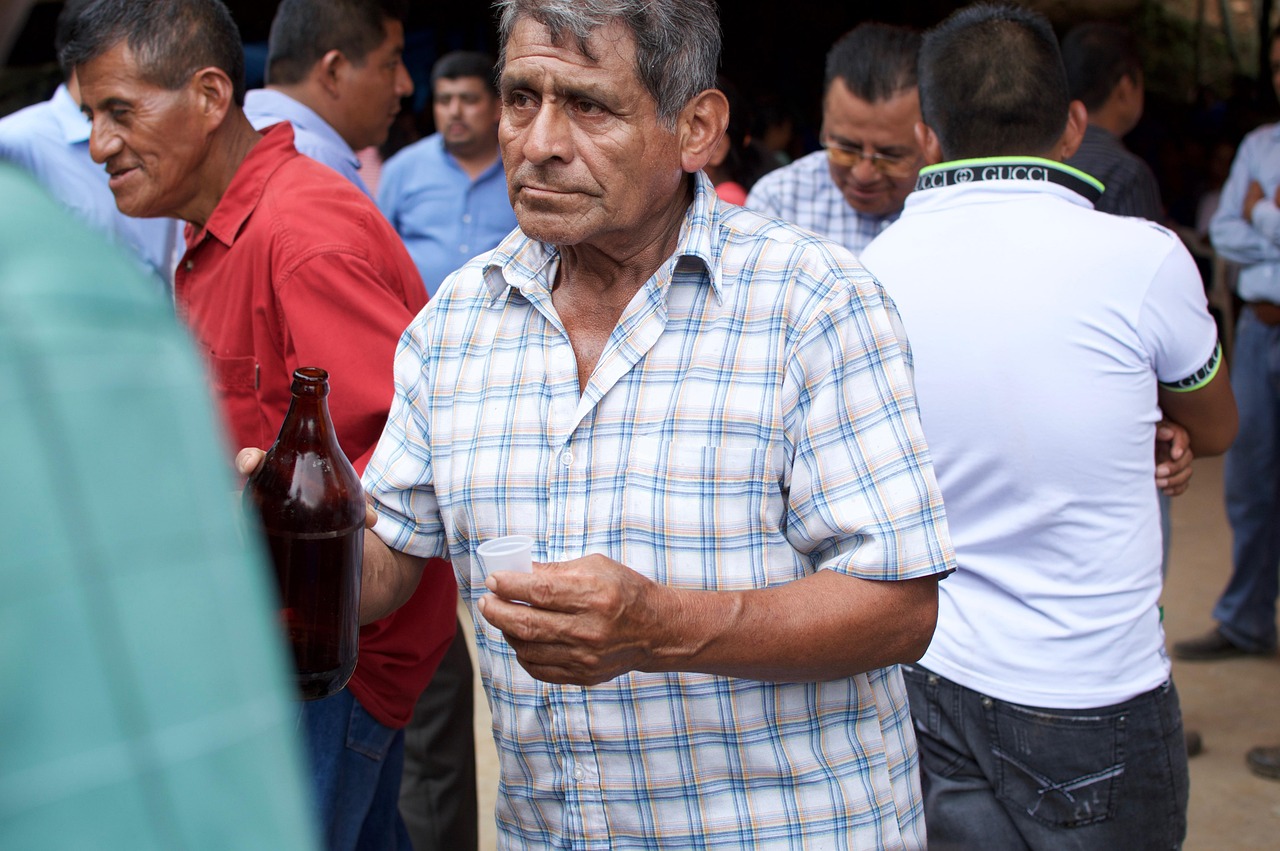
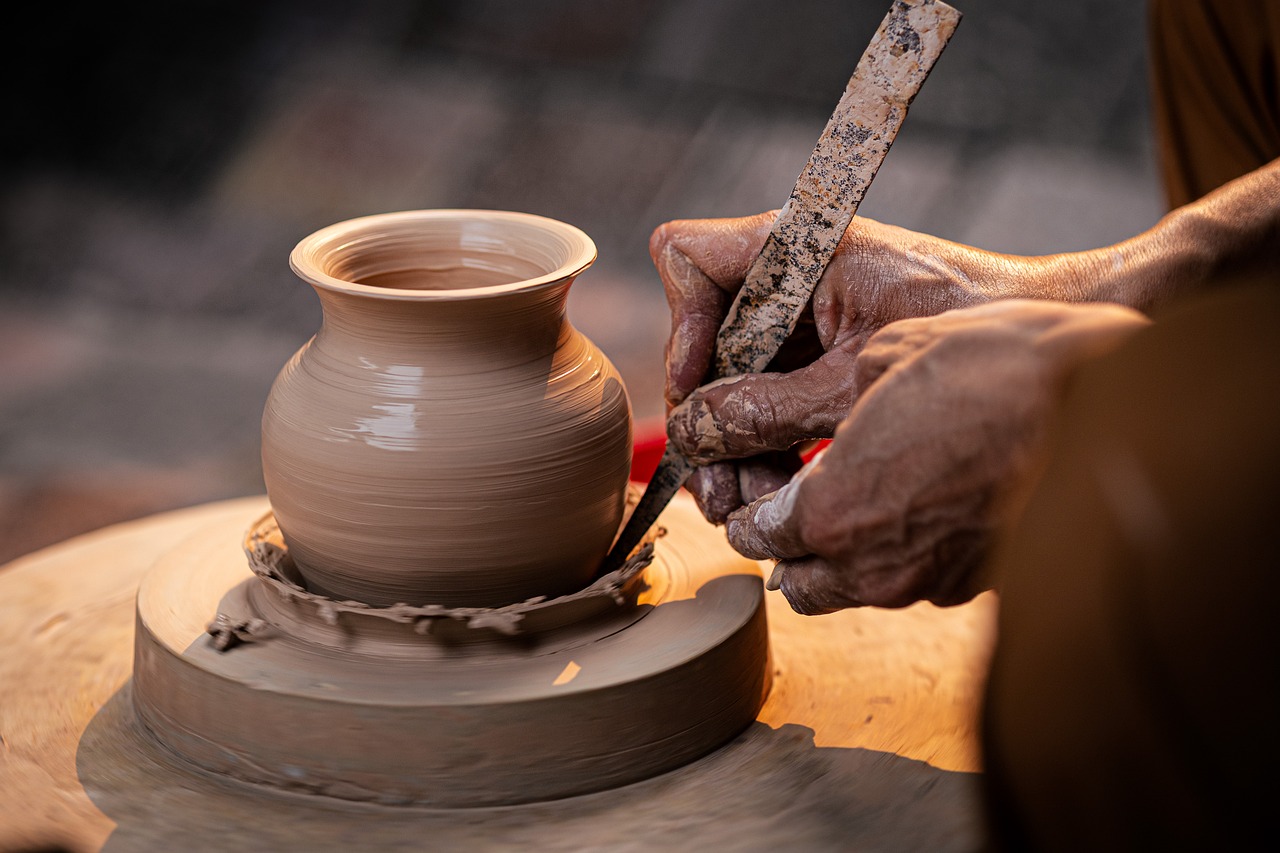
Chontal craft reflects the practical life of a mountain farming people, centered on the objects of everyday use made from the materials of their homeland. Pottery, shaped from local clay and fired for use in cooking, storage, and daily life, was among the essential crafts, its forms and techniques passed down through the generations of the communities.
Weaving and the making of cloth, using both the ancient backstrap loom and simpler techniques, provided the garments and textiles of Chontal life, and traditional dress carried the marks of identity as it does across Indigenous Oaxaca. The work of spinning, weaving, and sewing occupied skilled hands and produced the clothing that distinguished the communities.
The processing of the agave for mezcal was itself a craft, requiring knowledge and skill at every stage, from the tending of the plants to the roasting of the hearts and the distilling of the spirit. This work, tied to one of the signature products of Oaxaca, drew on inherited technique and turned the plants of the mountains into a valued good.
Basketry, the making of tools and household goods, and the other crafts of a self reliant farming people rounded out the material culture of the Chontal. Drawing on the plants, clay, and fibers of their varied homeland, these crafts furnished the objects of daily life and expressed the practical genius of a people who made what they needed from the resources at hand.
Maize, Agave, and the Mountain Table
Chontal food grows from the fields and slopes of their homeland, with maize at its center as it is across Mesoamerica. Ground and prepared in the many ways common to the region, from tortillas to tamales, maize is the foundation of the Chontal table and the crop around which the agricultural year and much of daily life revolve.
Beans and squash complete the ancient trio of staples, and to them the Chontal add the chilies, herbs, and wild greens that give their cooking its character. The varied altitudes of their homeland, from cool sierra to hot coast, allowed a range of ingredients, giving the Chontal a fuller larder than their rugged country might at first suggest.
The agave, beyond its role in mezcal, contributed to the diet as it does across Oaxaca, its hearts and products adding to the resources of the mountains. In the lowlands the foods of the warmer country and the coast added further variety, so that the Chontal table drew on the full range of their vertical homeland.
As across Mexico, the sharing of food at festivals and communal gatherings held deep social meaning, an act of hospitality and belonging. To prepare and share the harvest of the fields and the products of the agave was part of the communal life of the Chontal towns, weaving the everyday business of eating into the wider fabric of community.

The Festivals of the Sierra
The festivals of the Chontal, like those of their neighbors, blend the Catholic calendar with the older rhythms of the mountains, and the feast days of patron saints are the great celebrations of the year. These occasions fill the towns with processions, music, dance, and shared food, drawing the community together in devotion and celebration over several days.
Music and dance stand at the heart of these festivals, giving voice to the joys and faith of the community, and the celebrations are organized through the town’s own institutions of service and sponsorship. To take on the honor and burden of sponsoring a festival brings standing and respect, knitting devotion and community service together.
Beyond the saints’ feasts, the Chontal mark the turning points of the agricultural year and the observances tied to the powers of the land, the rains, the harvest, and the sacred places of the homeland. In these ceremonies the two strands of Chontal religious life, the Christian and the older, come together in a single celebration.
These festivals are among the strongest expressions of Chontal identity, occasions when the scattered energies of the community gather into moments of shared devotion and joy. In the music, the dance, and the shared food of a Chontal fiesta, the culture of a small mountain people finds vivid and living form.

A People Apart Through the Centuries
The history of the Chontal is the story of a small, distinct people holding onto their identity in a corner of Oaxaca dominated by larger nations. Before the Spanish came, the Chontal lived in their mountains and coast in the shadow of the powerful Zapotec, with whom they had a long and sometimes contentious relationship, and Chontal tradition remembers struggles to hold their ground.
Chontal memory preserves the figure of a great leader who is said to have united and defended the people in the face of outside threats, a hero whose story embodies the Chontal determination to remain themselves. Such traditions, whatever their precise history, express a real and enduring sense of the Chontal as a people who fought to keep their homeland and their independence.
When the Spanish arrived and imposed colonial rule, the Chontal, like their neighbors, came under the power of the church and the crown, yet the ruggedness and remoteness of their homeland helped preserve their communities and their language. Of little interest to those seeking rich farmland, the Chontal mountains remained a refuge for a distinct way of life.
Through the colonial centuries and into independent Mexico, the Chontal remained a small people apart, tied into the regional economy but keeping their language and their communal life. Marginal and often overlooked, they endured in their mountains and along their coast, holding onto an identity that empire, church, and powerful neighbors had all failed to erase.
The relationship with the Zapotec, at times hostile and at times one of exchange, ran through the whole of Chontal history and shaped the borders of their world. Pushed and pressed by their larger neighbor, the Chontal nonetheless held their ground in the mountains and along the coast, and the very difficulty of their homeland proved the surest guarantee of their survival.
The Chontal Today
Today the Chontal of Oaxaca number in the tens of thousands, living in their communities in the Sierra Sur and along the adjacent Pacific coast, where they continue to farm, make mezcal, and celebrate the festivals that mark their year. They remain a distinct people, holders of a unique language and a way of life rooted in their mountainous homeland.
The Chontal language, as a small and endangered member of its own tiny family, is the focus of real concern. With many speakers now elderly and Spanish spreading through the communities, the language faces a genuine threat, and efforts to document and teach it are vital to the survival of the Chontal as a distinct people, for the language holds a whole way of knowing the world.
Modern challenges press on the Chontal as on other Indigenous peoples of Mexico. Migration draws young people away from the mountain towns in search of work, economic hardship strains the communities, and the pressures of the wider world test the traditional way of life. Yet the bonds of community and the pride of a distinct identity remain.
The story of the Chontal of Oaxaca is one of a small people who held onto a singular language and a demanding homeland across centuries of pressure from empires, church, and powerful neighbors. Named strangers by those who conquered the land around them, they remained, and remain, entirely themselves, a mountain and coastal people carrying their unique heritage into the present.
Related Peoples of Mexico and Mesoamerica
- Totonac Builders of El Tajin and the Dance of the Flyers
- Why the Rarámuri of Copper Canyon Never Stopped Running
- How the Wixárika of Mexico Keep Walking to the Birthplace of the Sun
- Nahua, the People Behind Mexico’s Name
- Otomi, the Original Neighbors of the Aztec Capital
- Purépecha, the People Who Kept the Aztec Empire Out of Michoacán
- Mixtec, the Cloud People Who Wrote Their Own History
- Zapotec, a People Older Than the Aztec Empire
- The People Who Never Vanished, the Story of the Maya
- Yaqui Deer Dancers and the Eight Towns of Sonora
- Seri Comcaac Sea Hunters and Ironwood Carvers of the Sonoran Coast
- Mixe Ayuujk Speakers and the Mountain They Never Surrendered
- Huave Fishers of the Isthmus Lagoons and the Language Called Ombeayiuts
You May Like
The Zaza, a Mountain People of Eastern Anatolia


One thought on “Chontal of Oaxaca and Their Tequistlatecan Tongue Between Mountain and Sea”