High in the mountains of western Guatemala lives a people whose story stretches from an age of kings and sacred cities to the crowded markets and migrant routes of the present day. The K’iche’ Maya are the most numerous of Guatemala’s Indigenous nations, and among all the peoples of the Americas they hold a rare distinction: their ancestors set down, in their own language, one of the greatest surviving accounts of how the world and humanity came to be.
This is a portrait of a nation too often blurred into a generic image of “the Maya.” The K’iche’ had their own capital, their own ruling houses, and their own path through conquest and survival. What follows traces their origins in the highlands, the meaning of their name and language, the shape of their old society, the depth of their religious inheritance, and the ways they continue to live, work, and assert their identity today.
Contents
- Origins in the Volcanic Highlands
- What the Name K’icheʼ Carries
- A Language of the Eastern Maya Branch
- The Land Between the Volcanoes
- Life Before the Conquest
- Q’umarkaj and the Shape of Power
- Sacred Books and Living Faith
- Woven Identity and Everyday Custom
- Hands That Weave and Shape
- Maize as Body and Symbol
- Festivals, Processions, and the Ritual Year
- Conquest, Colony, and Endurance
- The K’icheʼ in the Present Day
Origins in the Volcanic Highlands
The K’iche’ are the most numerous of Guatemala’s Maya peoples, and their story begins high in the western highlands, in a landscape of steep valleys, pine forests, and volcanoes that shape both the climate and the imagination of those who live there. Long before the Spanish arrived, the ancestors of the K’iche’ had settled these cool uplands, building towns on defensible ridges and terracing the slopes for maize. Their name is often translated as “many trees” or “forest of many trees,” a fitting label for a homeland where the woods climb toward the clouds.
Archaeology and their own recorded traditions suggest that the K’iche’ emerged as a distinct polity from a broader Maya world during the Postclassic period, after the great lowland cities of the earlier era had already declined. Migrating groups moved into the highlands and mingled with peoples already living there, gradually forging a confederation that would dominate much of what is now the Guatemalan interior. Their rise was neither sudden nor peaceful, but built on alliances, conquests, and the steady expansion of tribute networks.
What makes the K’iche’ stand apart from other highland groups is the depth of their political memory. Ruling lineages traced their descent to legendary founders and to a place of origin they remembered as a distant, misted homeland toward the east. That sense of a chartered past, carefully preserved and recited, gave K’iche’ leaders a powerful claim to authority and set the stage for one of the most remarkable literary survivals of the Americas.
Understanding these beginnings matters because the highlands were not a blank frontier waiting to be filled. They were a crossroads where migrating lineages met settled farmers, where languages brushed against one another, and where new political ideas took root in old soil. The K’iche’ who emerged from this mixing carried forward memories of more ancient Maya centers even as they built something distinctly their own, a highland kingdom adapted to cold peaks and narrow valleys rather than to the humid lowland plains of their distant forebears.
What the Name K’icheʼ Carries
A people’s name often holds a compressed history, and this is certainly true for the K’iche’. The word points to the forests of their mountainous country, but over the centuries it has also come to mark a shared identity that stretches across dozens of towns and several distinct dialect zones. To call oneself K’iche’ today is to claim membership in a community defined less by a single village than by language, ancestry, and a common thread of tradition.
Older Spanish documents rendered the name as “Quiché,” a spelling that still survives in the name of the Guatemalan department of El Quiché, one of the group’s demographic heartlands. Modern orthography, developed with the participation of Maya linguists, prefers the form K’iche’, which more accurately reflects the sounds of the language, including the glottalized consonants that Spanish spelling could not capture. The shift in spelling is small on the page but large in meaning, signaling a movement to represent the language on its own terms.
The distinction matters because the K’iche’ are frequently folded into a generic image of “the Maya” in popular writing, as though all Maya peoples were interchangeable. In reality the K’iche’ are one specific nation among many, with their own rulers, their own sacred book, and their own historical trajectory. Recovering the precise name is part of reclaiming that specificity.
A Language of the Eastern Maya Branch
The K’iche’ language belongs to the Mayan language family, but within that family it sits in the K’ichean branch of the eastern highland languages, closely related to tongues such as Kaqchikel, Tz’utujil, and Q’eqchi’. These languages are cousins rather than dialects of one another, distinct enough that speakers cannot always understand their neighbors without effort. This internal diversity is one reason the highlands remained a mosaic of separate peoples rather than a single unified state.
K’iche’ is spoken today by well over a million people, making it one of the most widely used Indigenous languages in the Americas. It has a rich system of sounds, including consonants pronounced with a catch of the breath that give the language its characteristic rhythm. Verbs carry a great deal of grammatical information, and the counting system is built on twenties rather than tens, a legacy of the ancient Mesoamerican mathematics that also underlies the calendar.
For centuries the language was transmitted almost entirely by speech, but it also has a written heritage of extraordinary importance. In the years after the conquest, K’iche’ scholars used the Latin alphabet to record their own histories and sacred narratives in their own tongue, producing documents that preserve the voice of a people who might otherwise have been described only by outsiders. Efforts to teach the language in schools and to publish books in it continue that tradition of literacy today.
Linguists studying the K’ichean branch have used the differences among its member languages to estimate how long ago they began to diverge, and the picture that emerges is of a slow fanning out over many centuries. Each community’s speech drifted a little further from its neighbors, shaped by geography and by the pride that led towns to guard their own way of talking. The result is a family of related tongues that together testify to the antiquity of Maya settlement in the highlands and to the deep roots the K’iche’ have in this land.
The Land Between the Volcanoes
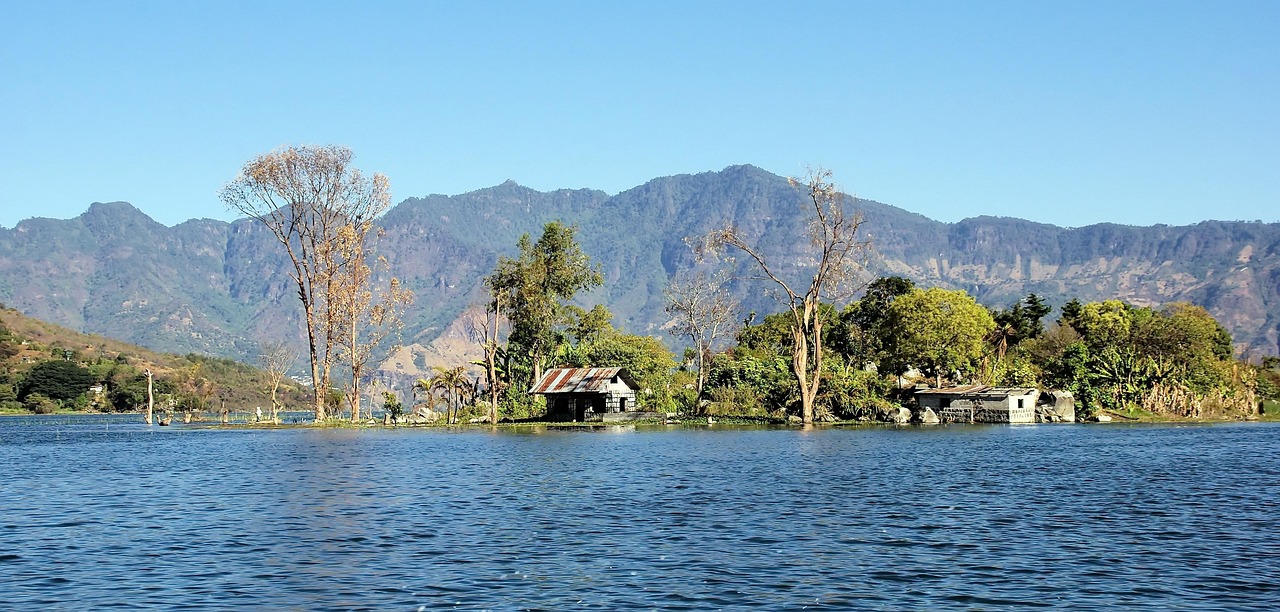
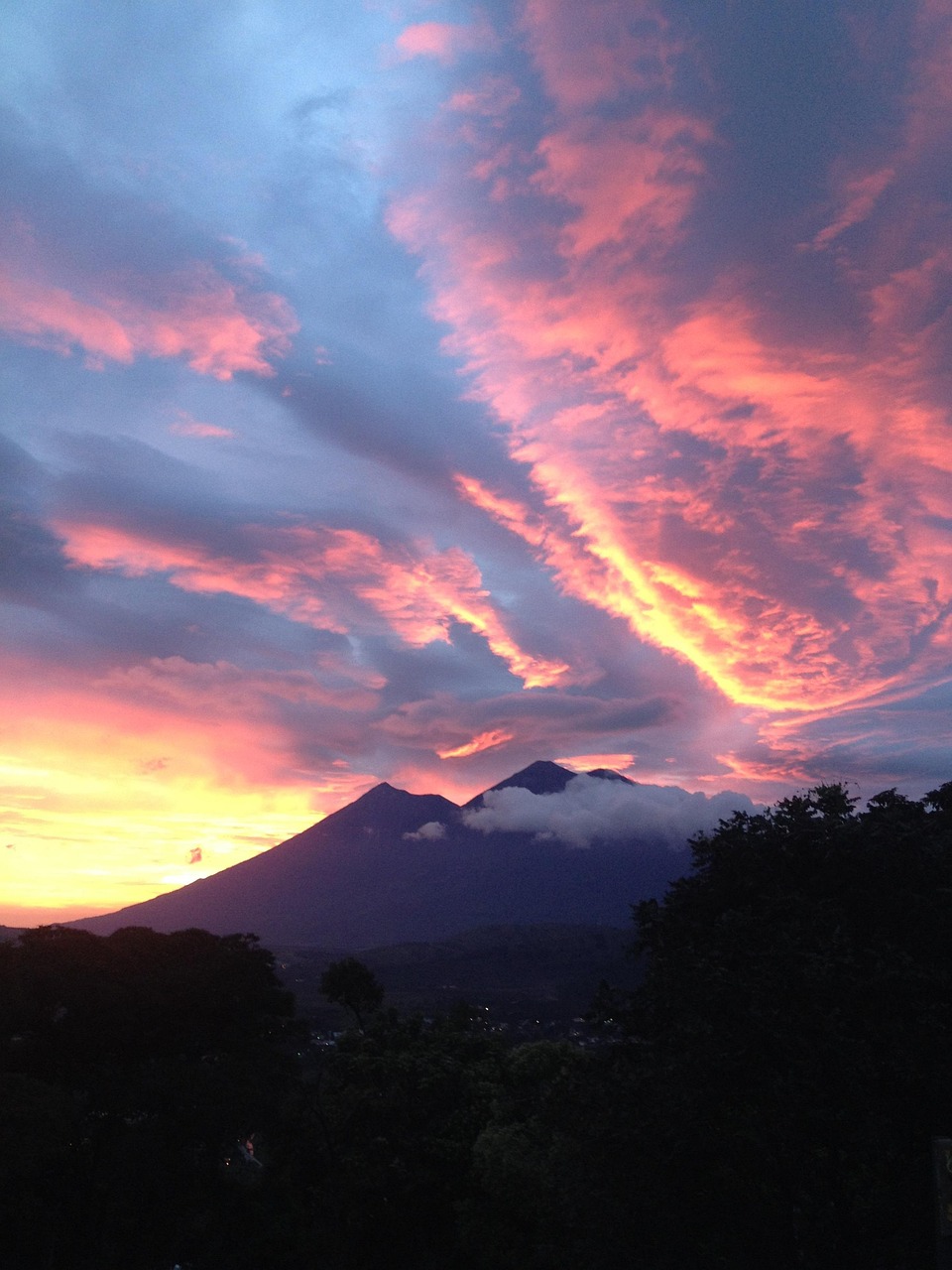
The K’iche’ homeland lies in the central and western highlands of Guatemala, a region of high plateaus broken by deep ravines and dominated on the horizon by a chain of volcanoes. Towns cluster in valleys and along ridgelines at elevations where the air is thin and the nights are cold even in the tropics. This vertical landscape has shaped everything from farming to settlement patterns, encouraging communities that are tightly knit and fiercely attached to their particular corner of the mountains.
Water and altitude define daily life. Fields of maize, beans, and squash climb the slopes, while cooler heights support wheat and vegetables introduced in later centuries. Nearby, the great lakes and volcanic peaks are not merely scenery but sacred features of the landscape, understood as living presences that must be respected. Mountains in particular are regarded as guardians and as dwelling places of powerful beings, and offerings are still made at shrines on their flanks.
Because the terrain is so rugged, the highlands were never easy to conquer or to govern from outside. Steep country protected local autonomy and allowed distinct customs to flourish from one town to the next, so that dress, dialect, and festival calendars vary noticeably across short distances. The land itself, in other words, helped preserve the diversity that makes the K’iche’ region so culturally dense.
Living in such a landscape demands a particular kind of knowledge, and the K’iche’ have accumulated it over generations. Farmers read the timing of rains, the movement of clouds around the peaks, and the signs of frost that can ruin a harvest at high altitude. This intimate familiarity with the mountains is not merely practical; it is bound up with a sense that the land is alive and attentive, and that people owe it care and respect in return for what it provides.
Life Before the Conquest
At the height of their power in the fifteenth century, the K’iche’ had built one of the most formidable states in the highlands. From their capital they extended tribute and military dominance over neighboring peoples, drawing wealth from cacao, cotton, and other lowland goods that flowed uphill through trade and conquest. Their kings claimed sacred authority and ruled through a hierarchy of noble lineages, each with its own rights, titles, and duties.
Society was sharply stratified. At the top stood ruling houses whose members monopolized the highest offices, supported by warriors, merchants, and skilled craftspeople. Below them were commoner farmers whose labor and tribute sustained the whole structure. Religion, warfare, and politics were tightly interwoven, and success in battle was understood as evidence of divine favor as much as military skill.
This ambitious expansion also sowed the seeds of later weakness. The peoples the K’iche’ had subjugated, including their close relatives the Kaqchikel, resented their dominance and were quick to seek new allies when outsiders appeared. The rivalries among highland nations, sharpened by generations of K’iche’ pressure, would prove decisive when a small band of foreign soldiers arrived with steel, horses, and a talent for exploiting local divisions.
Q’umarkaj and the Shape of Power
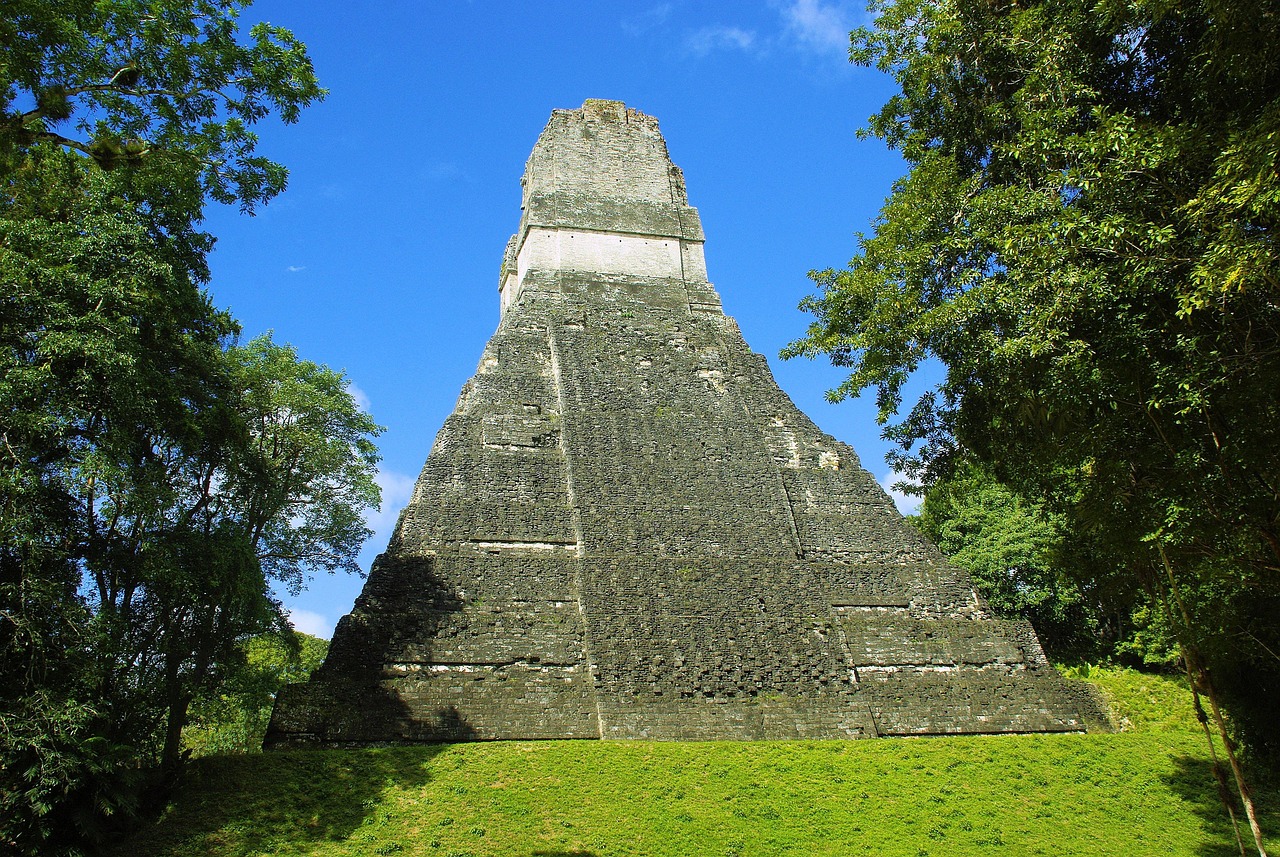
The political heart of the K’iche’ world was a fortified city set on a plateau ringed by ravines, a place remembered as Q’umarkaj and later known to the Spanish as Utatlán. Protected by its natural moat of gorges and reachable only by narrow causeways, the city concentrated the temples, palaces, and ball courts of the ruling lineages. It was both a citadel and a stage on which royal power was displayed through ceremony and monumental building.
Authority in this system was shared among a small number of great houses rather than held by a single absolute monarch. Paired rulers and councils of nobles governed together, and offices passed within specific lineages according to established rules of succession. This arrangement gave the state stability but also created rivalries, since prestige and privilege were unevenly distributed among the leading families.
When the Spanish reached the highlands in the 1520s, the K’iche’ leadership attempted to lure the invaders into Q’umarkaj and destroy them there. The plan failed; the newcomers, warned of the danger and reinforced by resentful local allies, seized the rulers and burned the city. The loss of Q’umarkaj shattered the political center of the K’iche’ state, but the memory of it endured, and the ruins remain a place of pilgrimage and ceremony for their descendants.
Sacred Books and Living Faith
No account of the K’iche’ can omit their sacred book, a narrative of creation, myth, and dynastic history written down in the sixteenth century using the alphabet the Spanish had introduced. In it the gods shape the world, attempt several times to make beings who can honor them, and finally succeed in fashioning humanity from maize. The same text recounts the deeds of hero twins who outwit the lords of the underworld, and it traces the origins of the K’iche’ ruling lineages back to their mythic founders.
This book is one of the great works of world literature and the fullest surviving expression of ancient Mesoamerican religious thought. Its survival was itself an act of quiet resistance: written by K’iche’ authors to preserve their own understanding of the cosmos at a moment when that understanding was under assault, and later copied and translated so that it could not be entirely erased.
Religion among the K’iche’ today blends this inheritance with Catholicism introduced by missionaries. Many communities practice a faith in which Maya ritual specialists, calendar keepers, and mountain shrines coexist with churches and saints. Offerings, candles, incense, and prayers in the K’iche’ language accompany rites tied to planting, healing, and the passage of the sacred days, showing how an old worldview persists within and alongside a newer one.
The calendar keepers who still practice in many towns hold a role that is at once spiritual and social. They are consulted about the timing of ceremonies, the interpretation of dreams, and the resolution of misfortune, and they carry a body of knowledge that links the present community to the ancient science of the days. That such specialists continue to work, often quietly and alongside the local church, is a striking measure of how much of the old worldview has survived beneath the surface of highland Catholicism.
Woven Identity and Everyday Custom
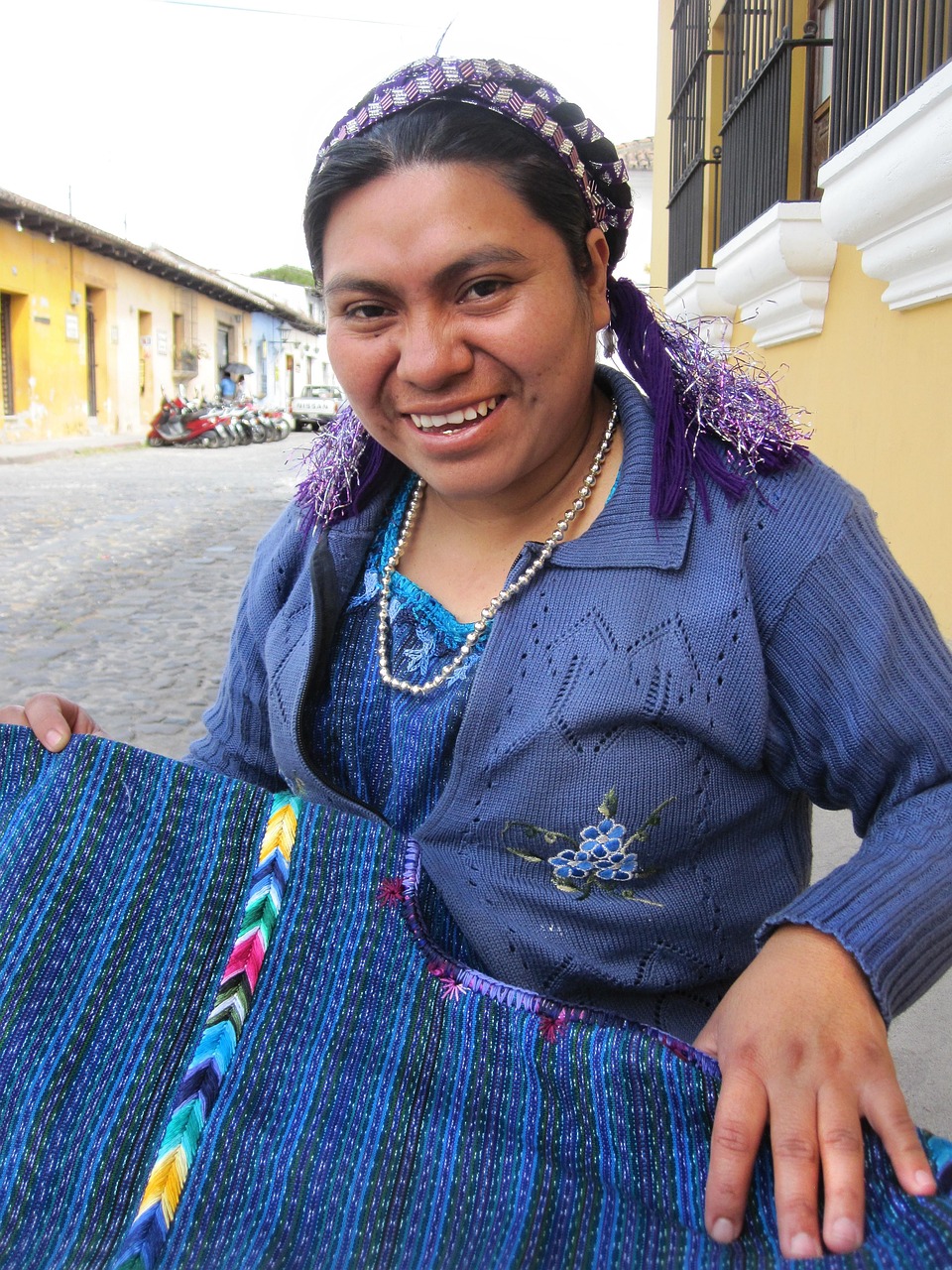
Among the most visible markers of K’iche’ identity is traje, the handwoven clothing that many women in particular still wear with pride. Each town has its own patterns, colors, and motifs, so that a knowledgeable eye can often read a person’s home community from the design of a blouse or the arrangement of a wrapped skirt. These textiles are made on the backstrap loom, a technology of great antiquity in which the weaver tensions the threads with her own body, and the finished cloth carries symbols drawn from nature, cosmology, and local history.
Beyond dress, K’iche’ life is organized around ties of family, godparenthood, and community service. Systems of shared obligation bind neighbors together, and men and women take turns carrying responsibilities for religious brotherhoods and civic duties. To fulfill these roles well is to earn respect and to move up in the informal hierarchy of the town.
Language itself is a tradition actively maintained. Parents pass K’iche’ to their children at home, elders correct and enrich the speech of the young, and storytelling keeps alive proverbs, riddles, and accounts of the ancestors. In a country where Spanish carries official prestige, choosing to speak K’iche’ is both an ordinary act of communication and a deliberate assertion of who one is.
Hands That Weave and Shape
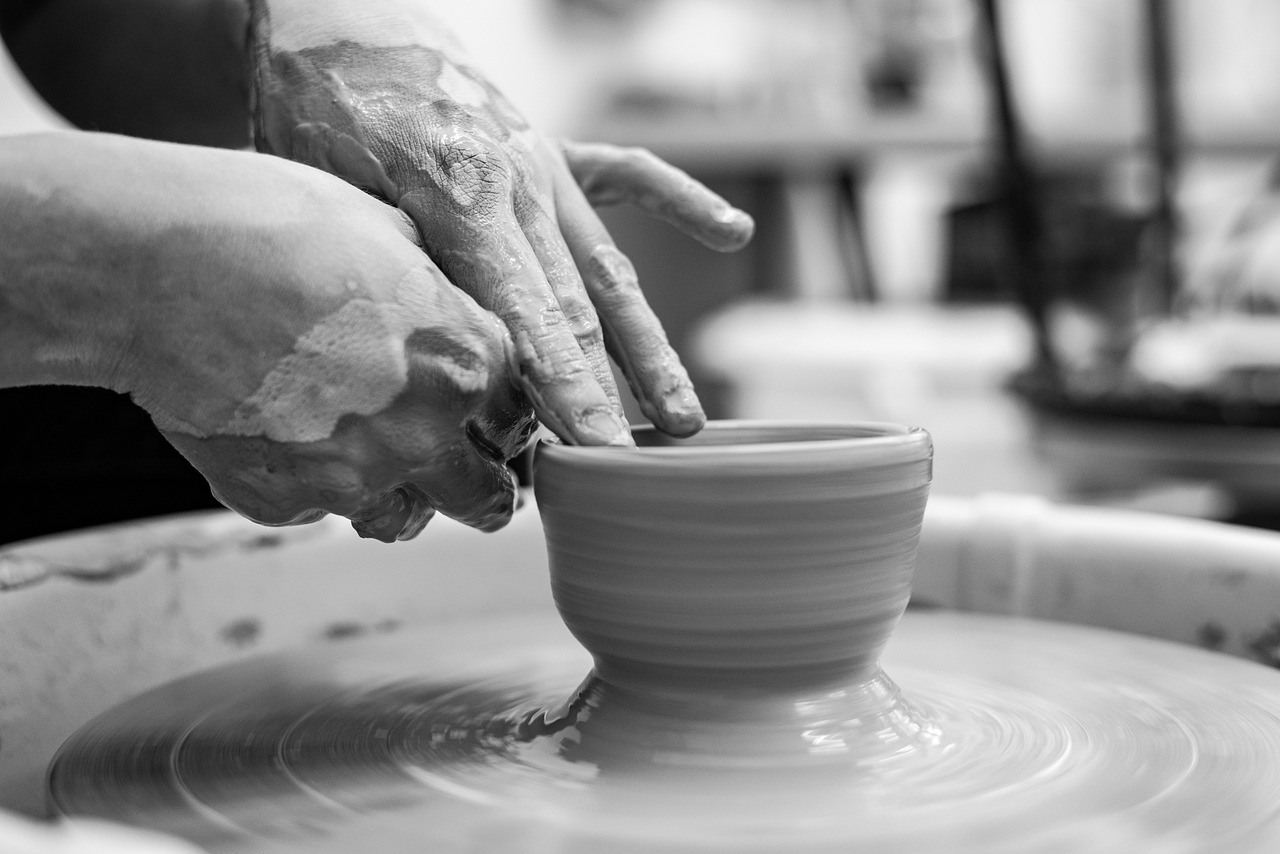
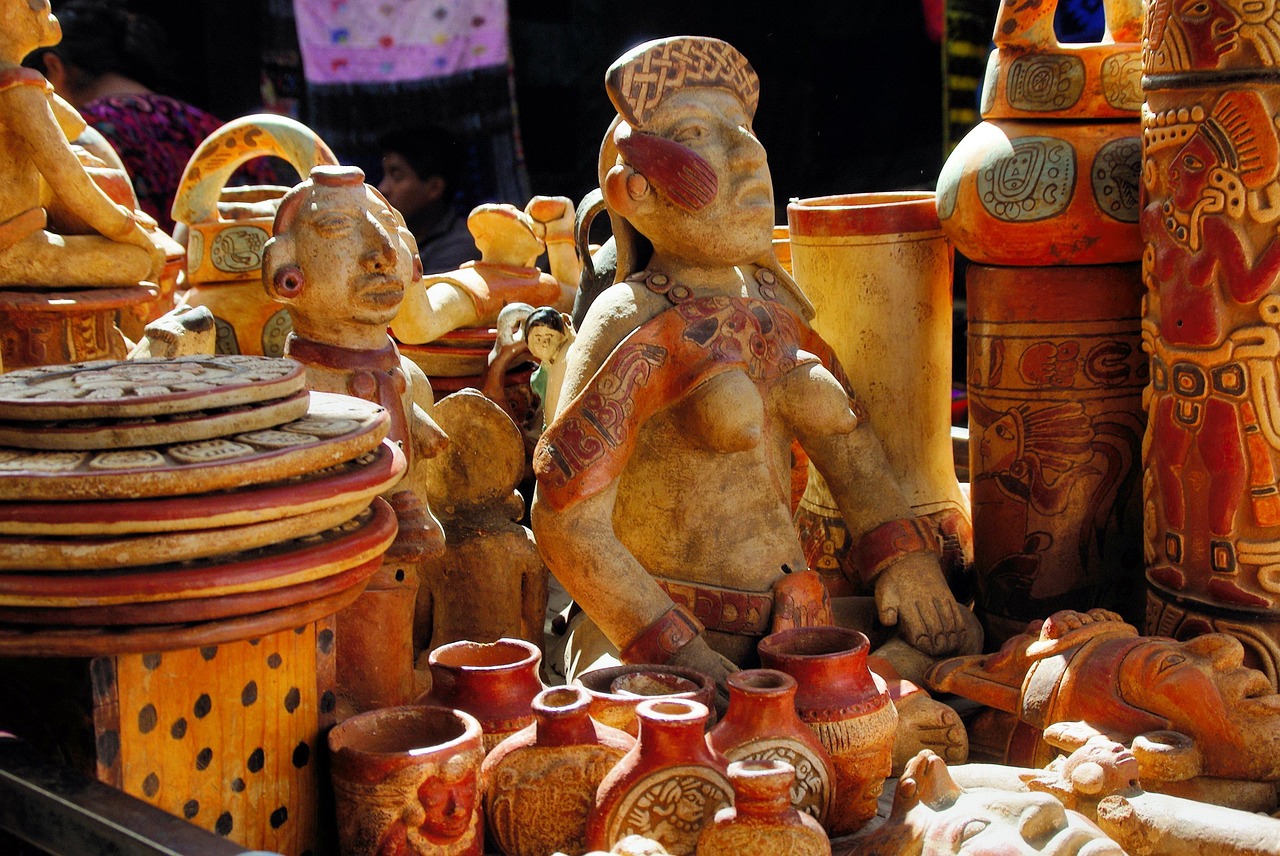
Craft production has long been a pillar of the K’iche’ economy and a vehicle for artistic expression. Weaving is the most celebrated of these skills, but it is far from the only one. Potters shape vessels for cooking and storage, woodcarvers produce masks and furniture, and specialists fashion the ceremonial items used in religious life. Many of these trades are organized by town, so that certain communities become known across the region for a particular product.
The backstrap loom deserves special mention because of the sheer complexity of what it produces. Working without a mechanical frame, weavers build up intricate brocaded designs thread by thread, memorizing patterns that can take weeks to complete. The knowledge is transmitted from mother to daughter, and mastery is a source of both income and prestige. In recent decades, cooperatives have helped weavers reach wider markets while retaining control over their work.
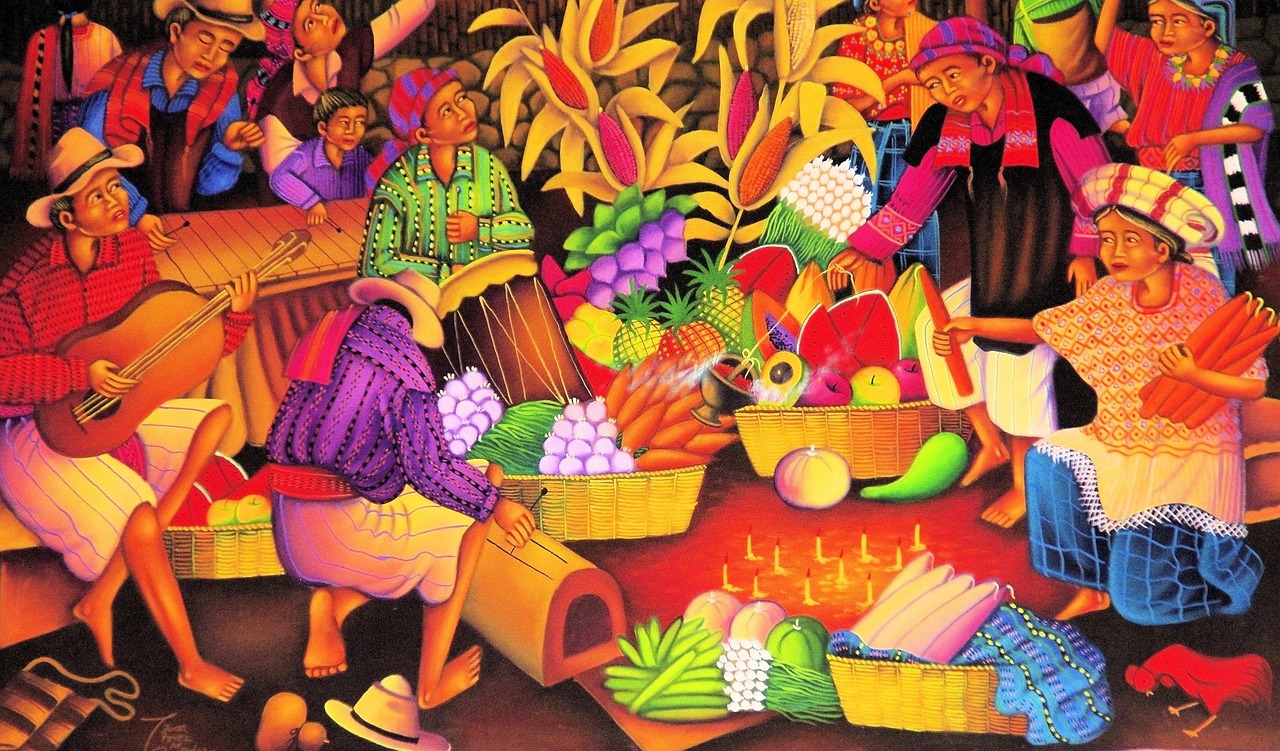
Crafts also connect the K’iche’ to the wider Guatemalan economy and to visitors from abroad. Highland markets brim with textiles, pottery, and carved goods, and tourism has created new demand even as it raises difficult questions about authenticity and fair pay. For many families, the income from a loom or a kiln is what makes it possible to stay on the land rather than migrate away in search of work.
Maize as Body and Symbol
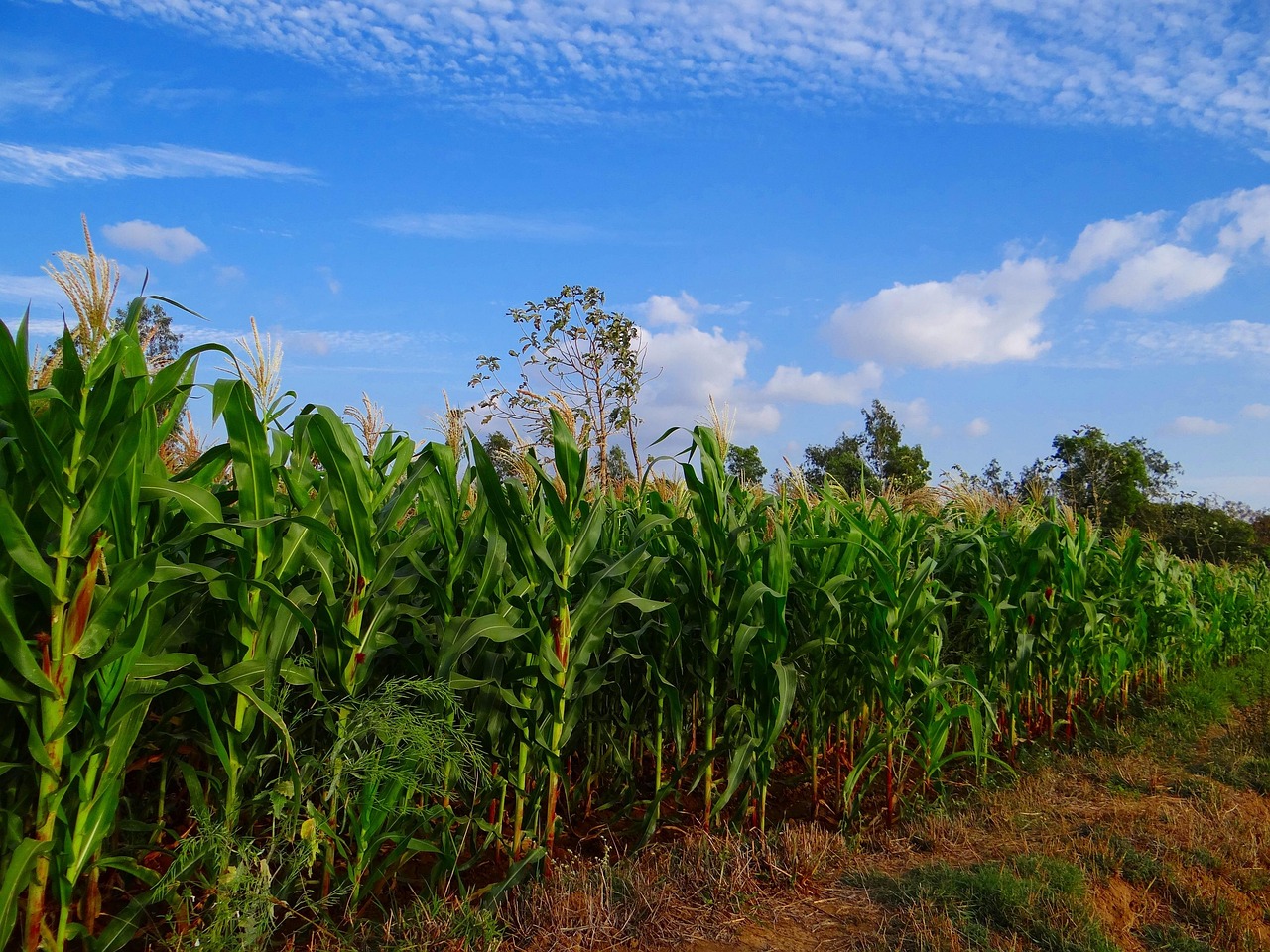
For the K’iche’, maize is far more than a crop. Their sacred narrative holds that human beings were made from corn, and this belief runs through daily life like a thread. Maize is planted, harvested, ground, and eaten in forms that have changed little over centuries, and the rhythms of the agricultural year still structure ritual, work, and family gatherings across the highlands.
The staple of the table is the tortilla, made from maize that has been treated with lime, ground into dough, and cooked on a flat griddle. Around this foundation the cuisine builds a repertoire of stews, tamales wrapped in leaves, and thick maize-based drinks that provide warmth and sustenance in the cool highland climate. Beans, chiles, squash, and greens round out meals that are simple, nourishing, and deeply rooted in local agriculture.
Food also carries social and spiritual weight. Special dishes mark weddings, funerals, and religious festivals, and the labor of preparing them is often shared among women of an extended family. Offering food to guests, to the dead, and to the sacred forces of the land is an expression of respect and reciprocity. To share maize, in this worldview, is to share the very substance from which people are believed to be made.
Festivals, Processions, and the Ritual Year
The K’iche’ festival calendar is a layered thing, combining the feast days of Catholic saints with observances rooted in the older Maya count of days. Every town honors its patron saint with an annual celebration that can last for days, filling the streets with processions, music, fireworks, and dance. These fiestas are the high points of communal life, drawing home those who have moved away and reaffirming the bonds that hold a community together.
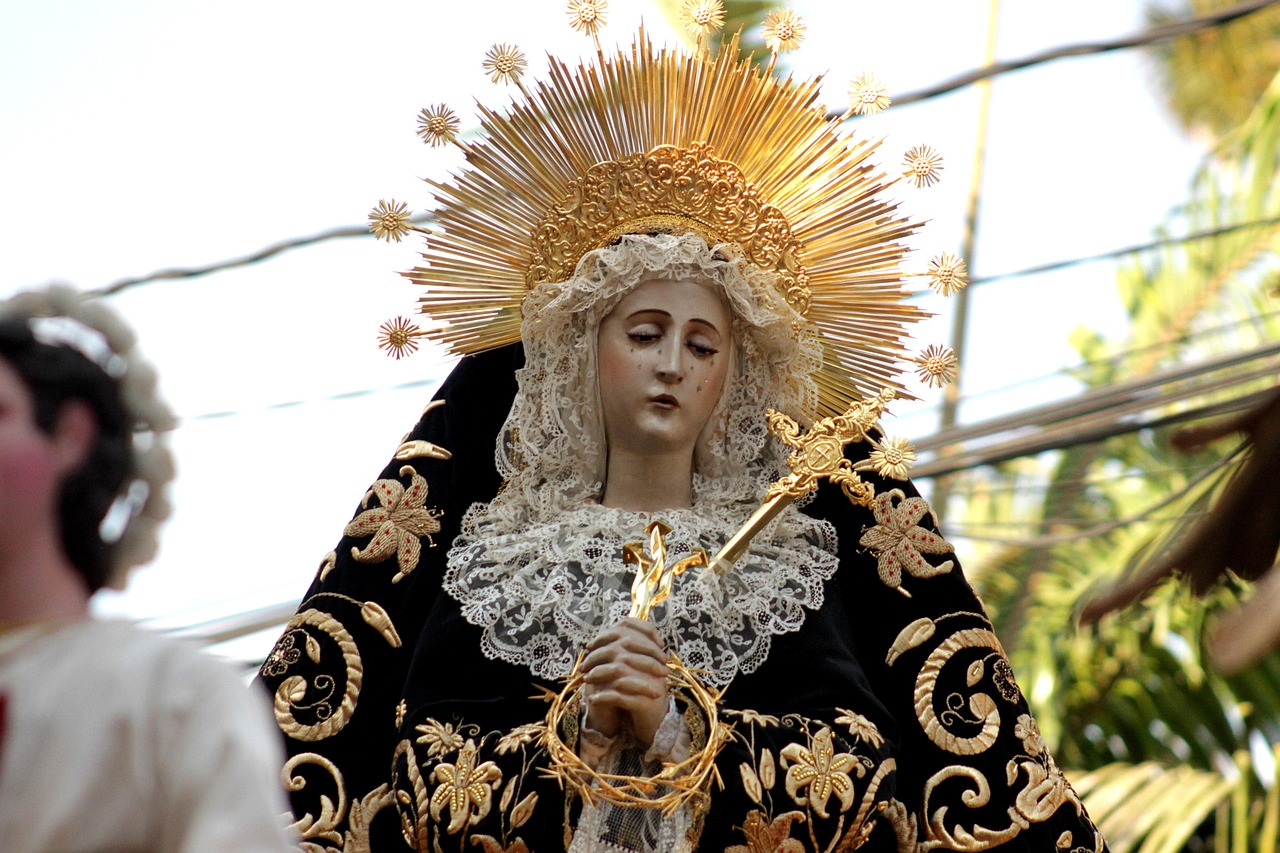
Religious brotherhoods known as cofradías play a central role, taking responsibility for the images of saints and for the elaborate ceremonies that surround them. Serving in a cofradía is costly and demanding, but it confers great honor, and the round of duties links families across generations. Processions carry sacred images through the town along routes marked by carpets of colored sawdust and flowers, blending solemn devotion with festive celebration.
Dance is another vital element, with masked performers enacting stories that recall the conquest, historical struggles, or older mythic themes. Some of these dances preserve memories of the encounter between Maya and Spanish worlds, replaying the drama of confrontation in a way that both remembers and reinterprets the past. Through all of it, the ritual year keeps time not only by the Christian calendar but by the ancient reckoning of sacred days that specialists still track.
Conquest, Colony, and Endurance
The Spanish invasion of the 1520s brought catastrophe to the K’iche’. Military defeat was followed by epidemics that swept through populations with no immunity to the new diseases, and by a colonial order that reorganized communities for the benefit of Spanish landowners and the Crown. Forced labor, tribute demands, and the resettlement of scattered families into controlled towns transformed the fabric of highland life within a single generation.
Yet the colonial centuries were also a period of adaptation rather than simple destruction. K’iche’ communities absorbed new crops, tools, and religious forms while preserving language, kinship, and much of their ritual life. The very towns created to control them became strongholds of a reshaped Maya identity, and local leaders learned to use the colonial legal system to defend land and rights. Survival became its own form of resistance.
The centuries that followed independence brought fresh pressures, as coffee estates expanded onto highland land and demanded labor from Indigenous communities. The twentieth century saw both political mobilization and terrible violence, culminating in a long armed conflict that fell with particular cruelty on Maya villages. Through dispossession, discrimination, and war, the K’iche’ endured, carrying their language and traditions into a new era while never forgetting what had been taken.
The K’icheʼ in the Present Day
Today the K’iche’ number in the millions and form one of the largest Indigenous populations in Central America. They remain concentrated in the western highlands but are also present in Guatemala City, in agricultural regions along the coast, and increasingly in communities abroad, especially in the United States, where migration for work has created new diaspora networks. Wherever they settle, many maintain ties to their home towns and to the language and customs of the highlands.
Contemporary K’iche’ life balances continuity with rapid change. Markets, mobile phones, and the pressures of a cash economy shape daily routines, while movements for Indigenous rights push for recognition, education in Maya languages, and a greater voice in national affairs. K’iche’ intellectuals, teachers, and activists have played prominent roles in efforts to document their history and to insist that Guatemala acknowledge its Maya majority as full and equal participants in the nation.
The challenges are real, from poverty and land pressure to the loss of young speakers who grow up more comfortable in Spanish. But there are also signs of vitality: bilingual schools, published literature, revived ceremonies, and a growing pride in an identity that colonial rule tried to suppress. The people whose ancestors wrote down the story of creation in their own language continue to write new chapters, adapting without dissolving, and carrying an ancient highland heritage into the future.
The younger generation faces the sharpest version of these tensions. Many grow up moving fluidly between K’iche’ and Spanish, between the values of the home town and the pull of the city or the north, and between an inherited identity and the pressures of a globalized culture. How they navigate these currents will shape what it means to be K’iche’ in the decades to come, but the sheer number of speakers and the strength of community ties give reason to believe that the language and its traditions will not simply fade away.
Related Peoples of the Region
You May Like
The Damara, an Ancient People of Namibia