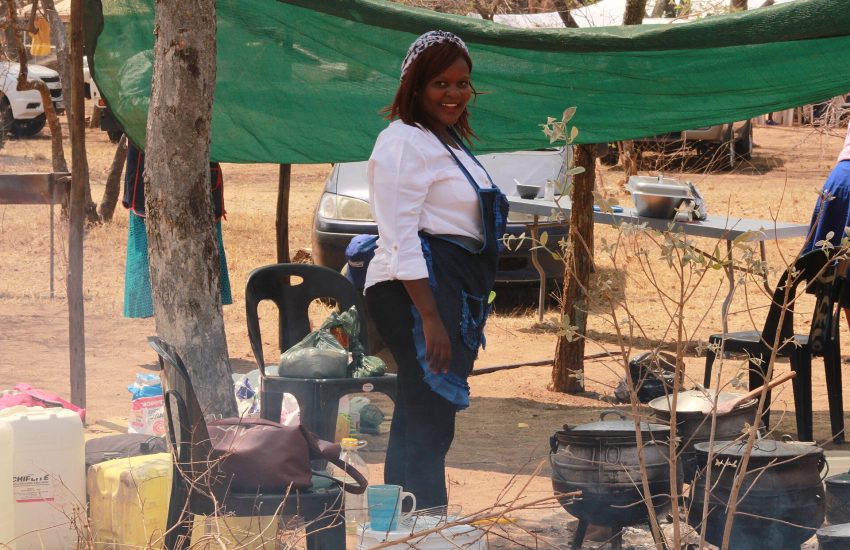
Across the vast flooded savannas of the upper Nile in South Sudan live the Nuer, who call themselves Naath, one of the largest peoples of the country and, with their kin the Dinka, among the most famous cattle-keepers of Africa. Tall, proud, and fiercely independent, they are a Nilotic people whose whole world turns upon their cattle, and whose society, famously without kings or chiefs, has become one of the best-known in all of anthropology.
Herders who follow the flood between cattle camp and village, singers of ox-songs, worshippers of the sky-god Kwoth through the sacrifice of cattle, and a people whose disputes were settled not by rulers but by the leopard-skin chiefs, the Nuer carry a proud pastoral heritage through an age of war. This article traces their origins, language, homeland, society, religion, and traditions, and the story of the free cattle-keepers of the Nile.
The Nuer on Film
Contents
- Origins
- The Name
- The Language
- The Homeland
- The Old Way of Life
- Society and Community
- Religion and Belief
- Traditions
- Crafts
- Food
- Festivals
- History
- Today
Origins
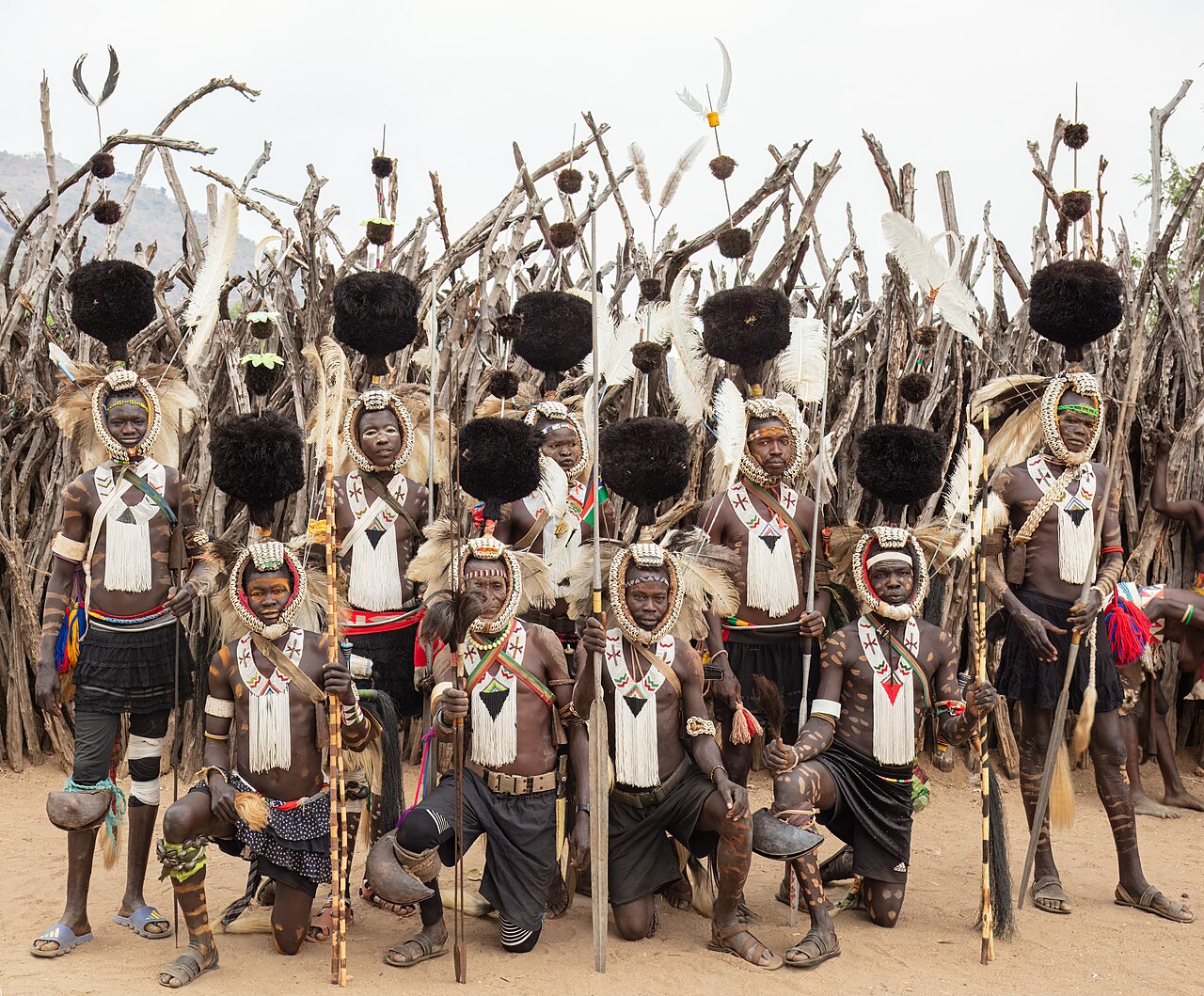
The Nuer, who call themselves Naath, are one of the largest peoples of South Sudan and, with their neighbours and kin the Dinka, among the most famous of the cattle-keeping Nilotic peoples of the upper Nile. A tall, proud, and independent people of the vast wetlands and savannas of the Nile, they number some millions and are renowned for their devotion to cattle, their fierce love of freedom, and a culture that has become, through the classic studies of anthropologists, one of the best known of Africa.
The Nuer are a Nilotic people, closely related to the Dinka, with whom they share the wetlands of the upper Nile, a common devotion to cattle, and a similar way of life, though the two peoples have long been rivals. Expanding over the centuries across the Nile floodplain, the Nuer developed a distinctive society famous for its lack of any central authority, its egalitarian and warlike spirit, and its ordering by the ties of kinship and the feud, a society made famous to the world by the writings of the anthropologist E. E. Evans-Pritchard.
The Name

The people call themselves Naath, meaning “human beings” or “the people,” their own name for the community, while Nuer is the name by which they are known to outsiders. Like the Dinka, the Nuer are divided into a number of subgroups and territorial sections spread across the Nile country, united by a common language and culture rather than by any central political authority.
As an identity, Nuer denotes this Nilotic, cattle-keeping people of the upper Nile, closely related to the Dinka but distinct, and conscious of a strong and proud identity as Naath, the people. The Nuer are famous for their independence and their disdain for outside authority, and for a fierce egalitarianism in which no man is deemed the natural master of another. This identity, rooted in the language, the cattle, the land of the Nile, and a proud tradition of freedom, binds the sections of the Nuer together as one of the great peoples of South Sudan.
The Language

The Nuer language, Thok Naath, belongs to the Nilotic branch of the Nilo-Saharan family, closely related to Dinka and to the other Nilotic languages of the upper Nile, and is spoken by several million people across the Nuer country. Like Dinka, it is rich in the vocabulary of cattle, their colours and markings, reflecting the central place of the herds in the life and thought of the people.
Traditionally an unwritten language carried in a rich oral tradition of song, above all the songs of cattle and of war, and of prayer and praise, the Nuer language has in modern times been given a written form in the Latin script and is used in church, education, and literature alongside English and Arabic. The oral literature of the Nuer, with its cattle-songs, its hymns to the sky-god, and its histories, is a treasury of the culture. The Nuer language, above all its poetry of cattle and the divine, remains a central marker of the community’s identity and pastoral world.
The Homeland

The homeland of the Nuer is the floodplain of the upper Nile in South Sudan, a vast land of savanna, grassland, and the seasonally flooded plains and swamps along the White Nile and its tributaries, sharing the great wetland of the Sudd with the Dinka. It is a flat, hot country governed by the alternation of the dry season and the rains, and by the annual flood of the Nile.
This environment of flood and savanna shaped the whole way of life of the Nuer, whose pastoral cycle follows the water: in the dry season the people and their herds move down to the riverside pastures on the receding floodplain, where grass and water remain, and in the wet season they retreat to their villages on the higher ground, above the flood, to cultivate their crops. The Nile, its flood, and the pastures it waters are the sustaining features of the Nuer world. This land of river, swamp, and savanna, governed by the flood and shared with the Dinka, is the homeland of the Nuer people.
The Old Way of Life
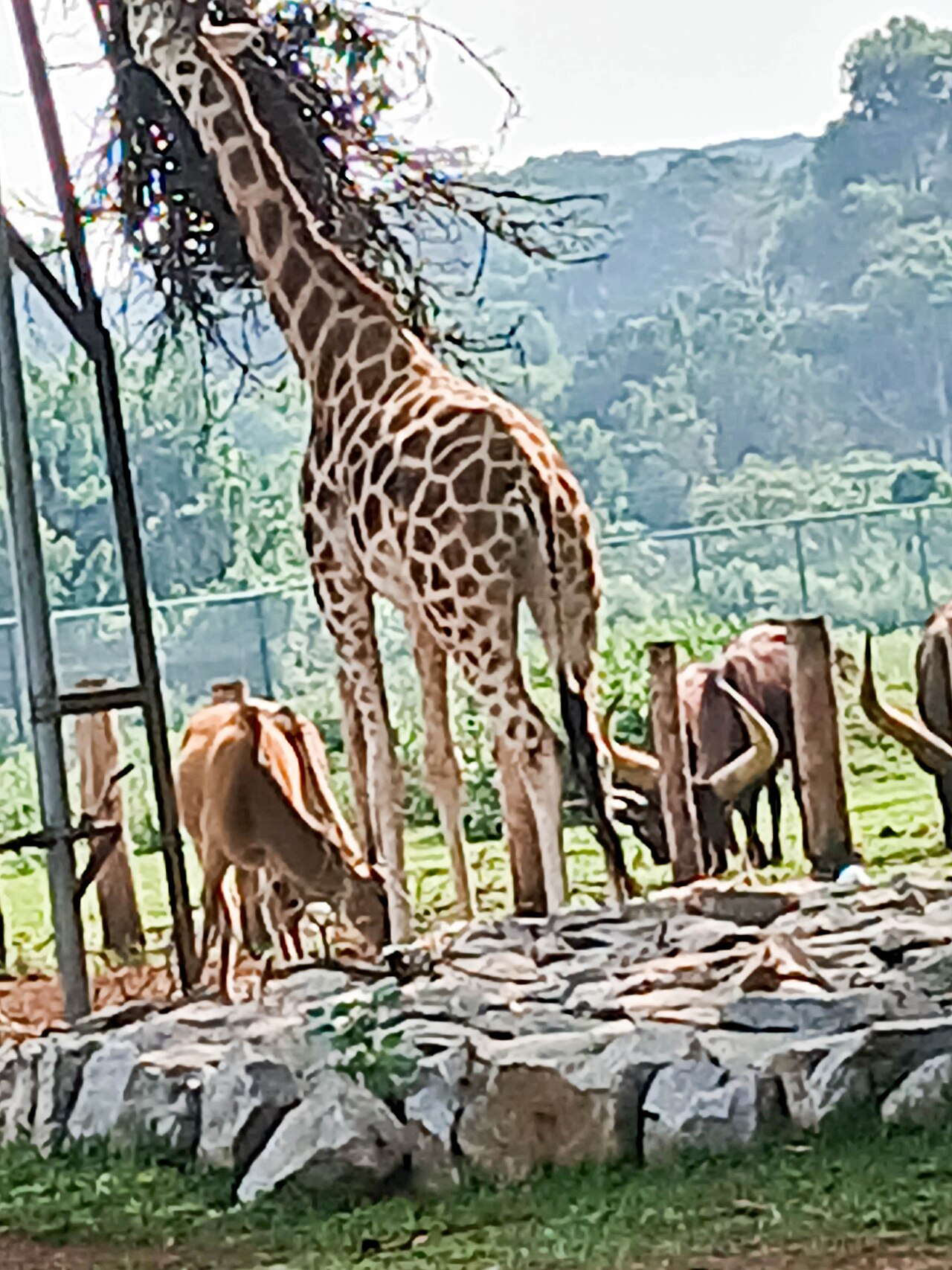
The traditional life of the Nuer is that of the transhumant cattle-keeper, wholly centred on cattle and combined with the cultivation of crops. Cattle are, for the Nuer as for the Dinka, the centre of everything: the measure of wealth and worth, the bridewealth given in marriage, the means of sacrifice and communion with the divine, and the subject of endless song and pride. The Nuer are said to have a “cattle complex,” so completely does their life revolve around their herds.
The pastoral year follows the flood: in the dry season the men and youths take the herds to the cattle camps on the floodplain, living with their beasts, while in the wet season the people gather in their villages to cultivate sorghum, millet, and other crops and to fish in the swamps. Every man has his favourite ox, whose colour and horns are celebrated in song, and by which he is often named. This life of cattle-keeping, transhumance, seasonal cultivation, and fishing, wholly bound to the herds and the flood, is the heart of traditional Nuer society.
Society and Community

Nuer society is famous, through the studies of anthropologists, as a classic example of an “ordered anarchy,” a society without any central government, chiefs, or state, ordered instead by the ties of kinship, the balance of the lineages, and the institution of the feud. The Nuer are organised in patrilineal clans and lineages and in territorial sections, and authority rests not on rulers but on the elders, the leaders of the lineages, and certain ritual figures.
Among these the most important is the “leopard-skin chief,” a priest with no political power but the sacred function of mediating in feuds and disputes, above all in cases of homicide, offering a way to settlement and the payment of cattle in compensation, and so restraining the endless cycle of vengeance. Age-sets, into which the young men were initiated, structured the society of the youth. Marriage, sealed by the transfer of cattle as bridewealth, bound the lineages. Bound by kinship, the feud, the age-sets, and the mediation of the leopard-skin chiefs, and famously without any central authority, Nuer society preserved the egalitarian and independent character of a great pastoral people.
Religion and Belief

The traditional religion of the Nuer is a profound monotheism centred on the worship of a single supreme God, Kwoth, the spirit of the sky and creator, who governs the world and the lives of human beings and who is approached through prayer and sacrifice. The Nuer conception of Kwoth, at once transcendent and intimately present, was made famous by the classic study of their religion, and it is one of the great monotheistic faiths of Africa.
Central to Nuer religion is the sacrifice of cattle to Kwoth, the supreme act of worship and the means of atonement, healing, and communion with the divine, conducted at the great occasions of life and crisis. Alongside Kwoth, the Nuer recognise lesser spirits and powers and venerate the ancestors, and the leopard-skin chiefs and other ritual figures mediate between the people and the divine. Many Nuer are now Christian, above all through the churches, yet the traditional faith, with its one God Kwoth and its sacrificial cattle, remains deep. This religion, centred on Kwoth and the sacred ox, lies at the heart of Nuer culture.
Traditions
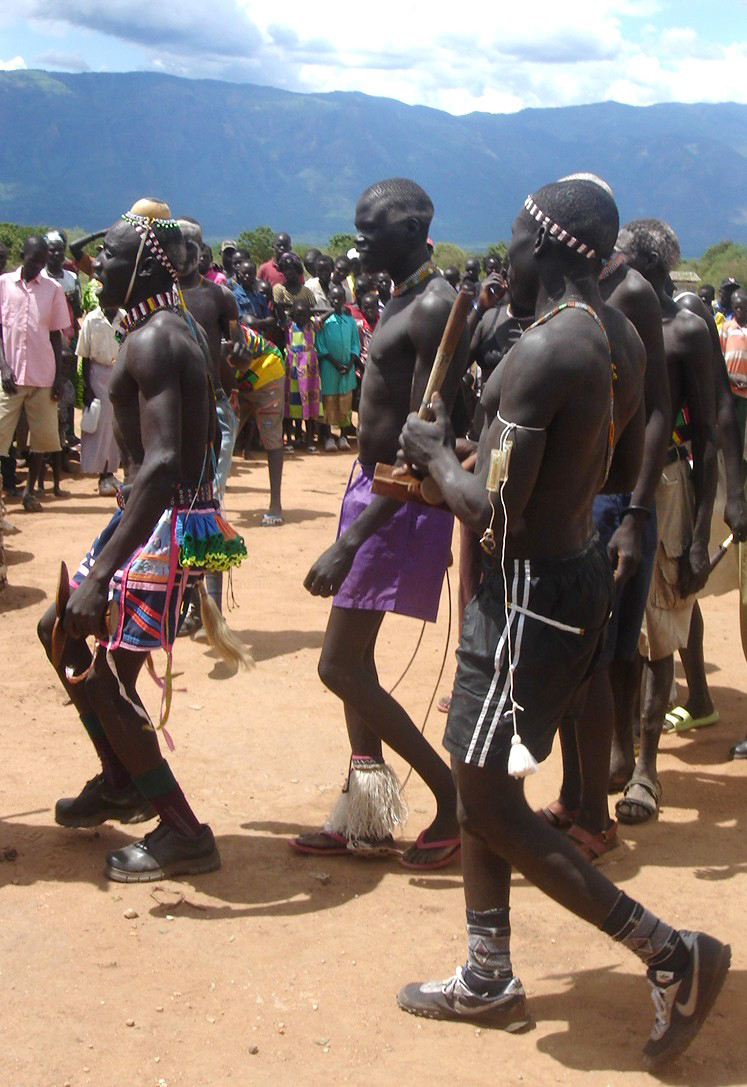
The traditions of the Nuer are expressed above all in their song of cattle and war, in dance, and in the customs of the cattle camp and the age-set. The Nuer, like the Dinka, are famed for their ox-songs, in which each man praises his favourite ox, and for songs of war, love, and the divine, composed and sung as a central expression of the culture.
The initiation of the young men into manhood, marked traditionally by the cutting of a set of deep horizontal scars across the forehead, the gar, which distinguishes the Nuer man, is a great tradition, as are the dances performed at ceremonies and celebrations by the tall Nuer, the customs of the cattle camp, and the naming of men after their favourite oxen. The decoration of the body and of the cattle, whose horns are sometimes trained, expresses the people’s aesthetic. Through these traditions of ox-song, initiation, dance, and the culture of cattle, the Nuer express their pastoral world and their proud identity.
Crafts

The material culture and crafts of the Nuer are those of a pastoral people, simple, portable, and closely tied to the cattle and the life of the camp and village. The Nuer make the implements of the pastoral and fishing life: spears, the tethering-pegs and gear of the cattle camp, the tobacco-pipes, and the containers and gourds of the household, and they build the dwellings of their villages and the byres of their cattle from the materials of the savanna.
Personal adornment, above all the ornaments of beads, ivory, and metal worn by the young men and women, and the elaborate arrangement of the hair, expresses status and beauty, and the decoration of the body with ash and ochre, above all in the cattle camps, is part of the culture. The working of iron for spears, of hides, and of horn and bone provided the tools and ornaments of daily life. This material culture, simple yet expressive and wholly suited to the pastoral and fishing life of the flooded savanna, reflects the world of the Nuer people.
Food

Nuer cuisine, like that of the Dinka, reflects the pastoral life and is centred on the produce of the cattle, milk and its products, together with the grain grown in the wet season and the fish of the rivers and swamps. Milk, fresh and soured, is a mainstay of the diet, above all in the cattle camps, and the Nuer, like other Nilotes, traditionally took blood drawn from the living cattle as a food, the beasts being killed for their meat only on sacrificial and special occasions.
Sorghum and millet, grown in the wet-season fields, are the grain staples, prepared as porridges and eaten with milk and with the produce of the land, and fish, abundant in the rivers and swamps and taken with the spear and the net, is an important food, above all when the milk of the herds runs short. The cattle, too precious to be killed lightly, gave their milk and blood in life. This cuisine, centred on milk, grain, and fish, and reflecting the value of the cattle, expresses the pastoral world of the Nuer people.
Festivals
The ceremonial and festive life of the Nuer is tied to the cattle, the age-sets, and the religion, and centres on the great occasions of sacrifice, initiation, and marriage. The sacrifice of oxen to Kwoth is the supreme religious ceremony, an occasion of prayer, invocation, and the sharing of meat, held at the great moments of life and at times of crisis, sickness, or wrongdoing.
The initiation of the young men into the age-sets, marked by the cutting of the gar scars and the passage to manhood and the right to marry and to bear the spear, is a great ceremony, as are the marriages, with their exchange of cattle as bridewealth, celebrated with dancing and feasting. The gatherings of the cattle camps in the dry season, where the youth come together with their herds, are times of courtship, song, and the celebration of cattle. Through these ceremonies and gatherings, tied to the herds, the age-sets, and the worship of Kwoth, the Nuer express their pastoral culture and communal identity.
History
The history of the Nuer is that of a proud and independent pastoral people, long expanding across the upper Nile at the expense of their neighbours, above all the Dinka, and famously resistant to all outside authority. For centuries the Nuer herded their cattle in the wetlands, organised in their sections and lineages without any central state, defending their independence and their herds, and known to their neighbours and, later, to outsiders as a fierce and freedom-loving people.
The nineteenth and twentieth centuries brought upheaval: the slave raids of the northern states, the imposition of Anglo-Egyptian colonial rule, which the Nuer resisted, and, after Sudanese independence, the long and terrible civil wars between south and north, in which the Nuer, as one of the largest peoples of the south, played a major part and suffered greatly. The struggle led to the independence of South Sudan in 2011, but the new nation was soon convulsed by a devastating civil war fought largely between forces identified with the Dinka and the Nuer, a tragedy for both peoples. This history, of pastoral independence, resistance, war, and the bitter conflicts of the new nation, is central to the Nuer experience.
Today
Today the Nuer are one of the largest peoples of South Sudan, the second most numerous after the Dinka, and are prominent, and too often tragically embroiled, in the politics and conflicts of the new nation. The cattle-keeping way of life endures across the wetlands and savannas, and the devotion to cattle, the ox-songs, the initiation scars, and the pastoral culture remain central to Nuer identity, even as war and displacement have driven many Nuer to the towns, to the refugee camps, and into a wide diaspora across Africa and the world.
The community faces grave challenges: the terrible toll of the civil wars, above all the conflict within South Sudan between forces associated with the Nuer and the Dinka, which has brought immense suffering and displacement; the pressures of poverty and the difficulties of the new and troubled nation; and the tension between the pastoral tradition and the modern world. Yet the Nuer retain a powerful sense of their identity, rooted in their cattle, their language and its songs, their religion of Kwoth, and their proud tradition of freedom. Heirs to a great pastoral heritage and one of the two leading peoples of the world’s youngest nation, the Nuer carry their distinctive culture through an age of hardship and change.
Related Peoples of the Region
- Kanak People of New Caledonia and Their Three Thousand Years on the Great Land
- Kaqchikel Maya, Guatemala’s Highland Rivals Who Reclaimed Their Freedom
- The Horsemen Who Conquered the World, the Story of the Mongols
- The Dancing Deer and the Jewelled Valley, the Story of the Meitei People of Manipur
- A Small Mountain Nation That Paid Everything for Freedom, the Story of the Chechens
- Long Before the Arabs Came, North Africa Belonged to the Amazigh
- The Fon, Heirs of the Kingdom of Dahomey
- The Dinka, Cattle-Keepers of the Nile
More Peoples of the World
- A Fifth of Humanity, the Story of the Han Chinese
- How the Maori Sailed Across the Pacific to Reach New Zealand
- Zulu of the Green Hills and Their Kingdom Forged by Shaka
- The People Who Never Vanished, the Story of the Maya
- Long Before the Arabs Came, North Africa Belonged to the Amazigh
- The People Who Emerged Into This World, the Story of the Navajo
- Meet the Ainu, an Indigenous People at Japan’s Northern Edge
You May Like
The Damara, an Ancient People of Namibia