The Riffians are a Berber people of the Rif, the mountainous region of northern Morocco along the Mediterranean coast. Numbering some millions, they are one of the major Amazigh communities of Morocco, famous for their rugged mountain homeland, their fierce independence and their heroic resistance to European colonisation in the early twentieth century.Descended from the ancient Berbers, farmers and warriors of the Rif and, in modern times, great emigrants to Europe, the Riffians are remembered above all for the Rif War, in which under Abd el-Krim they briefly established a republic and inflicted famous defeats on the colonial powers. This article traces their origins, language, homeland, mountain life and the customs that continue to define them.
The Riffians on Film
Contents
- Origins
- The Name
- The Language
- The Homeland
- The Old Way of Life
- Society and Community
- Religion and Belief
- Traditions
- Crafts
- Food
- Festivals
- History
- Today
Origins
The Riffians are a Berber people of the Rif, the mountainous region of northern Morocco along the Mediterranean coast. Numbering some millions, they are one of the major Amazigh, or Berber, communities of Morocco, famous for their rugged mountain homeland, their fierce independence and their heroic resistance to European colonisation in the early twentieth century.
Descended from the ancient Berber inhabitants of North Africa, the Riffians preserved their language and much of their culture in the fastness of the Rif mountains. Farmers and, historically, warriors, and in modern times great emigrants to Europe, they are a proud people, remembered above all for the Rif War, in which under Abd el-Krim they briefly established a republic and inflicted famous defeats on the colonial powers.
The Name
The people are called the Riffians, or Rifians, from the Rif, the name of their mountainous homeland, and they are part of the wider Amazigh, or Berber, people of North Africa. They call their language Tarifit, and themselves, in their own tongue, Irifiyen.
Their identity is bound up with the Rif mountains, with their Berber language and with the memory of their resistance and their republic. The name Riffian denotes a people proud of their ancient Berber heritage, their mountain home and their history of independence, distinct within Morocco and known throughout the world for the Rif War.
The Language
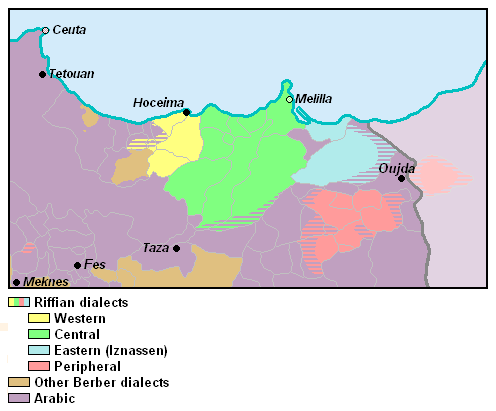
The Riffians speak Tarifit, or Riffian Berber, one of the Berber, or Amazigh, languages of the Afro-Asiatic family, descended from the ancient tongue of North Africa and distinct from the Arabic that surrounds it. It is spoken across the Rif, with a number of local dialects, by some millions of people at home and in the diaspora.
Long an oral language, Tarifit is carried in the songs, poetry and daily speech of the Rif, and has gained a growing written and cultural presence with the wider Amazigh movement in Morocco. Arabic and, through emigration, European languages are widely known, but Tarifit remains the everyday language of the mountains and a central marker of Riffian identity.
The Homeland
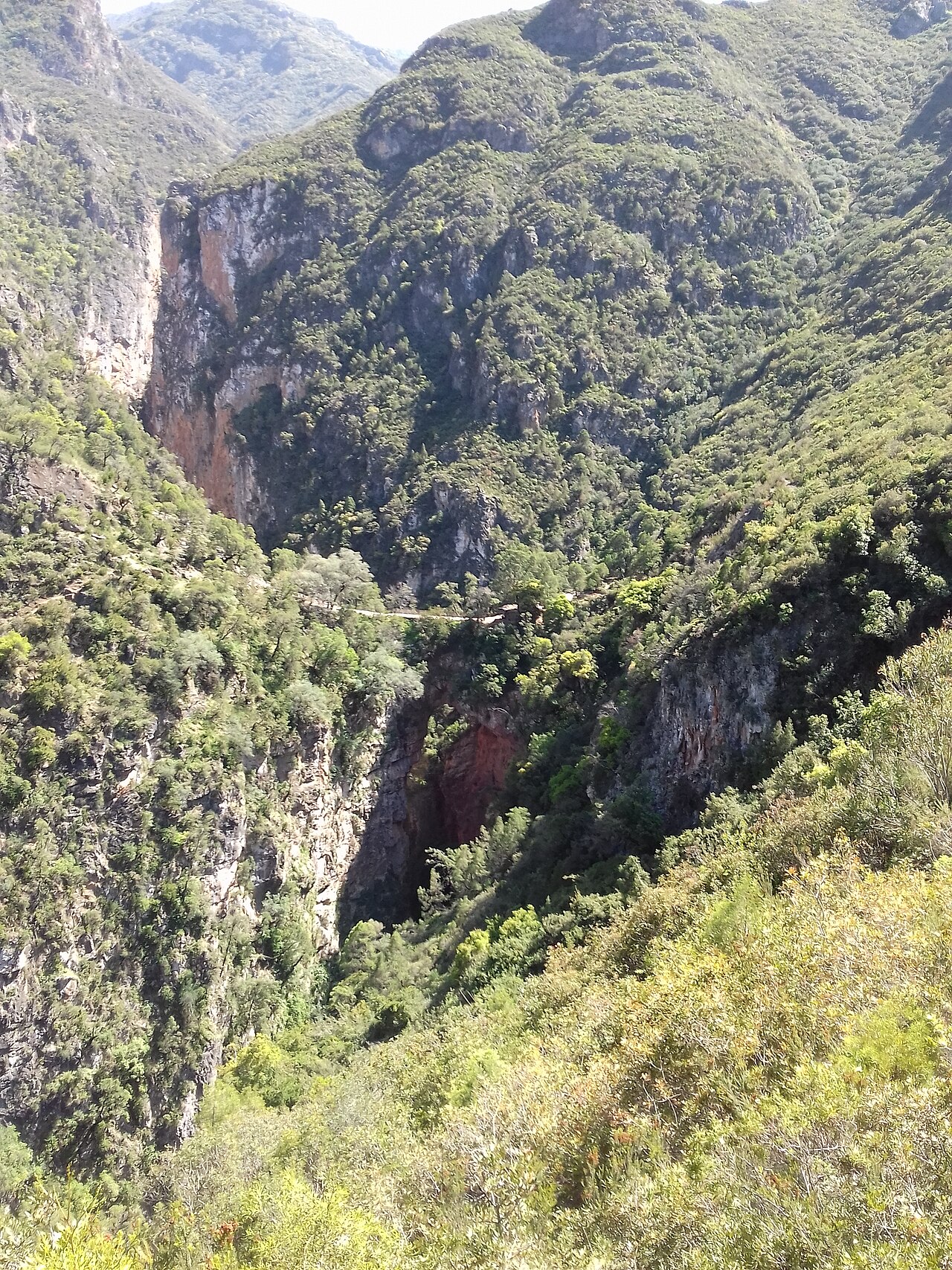
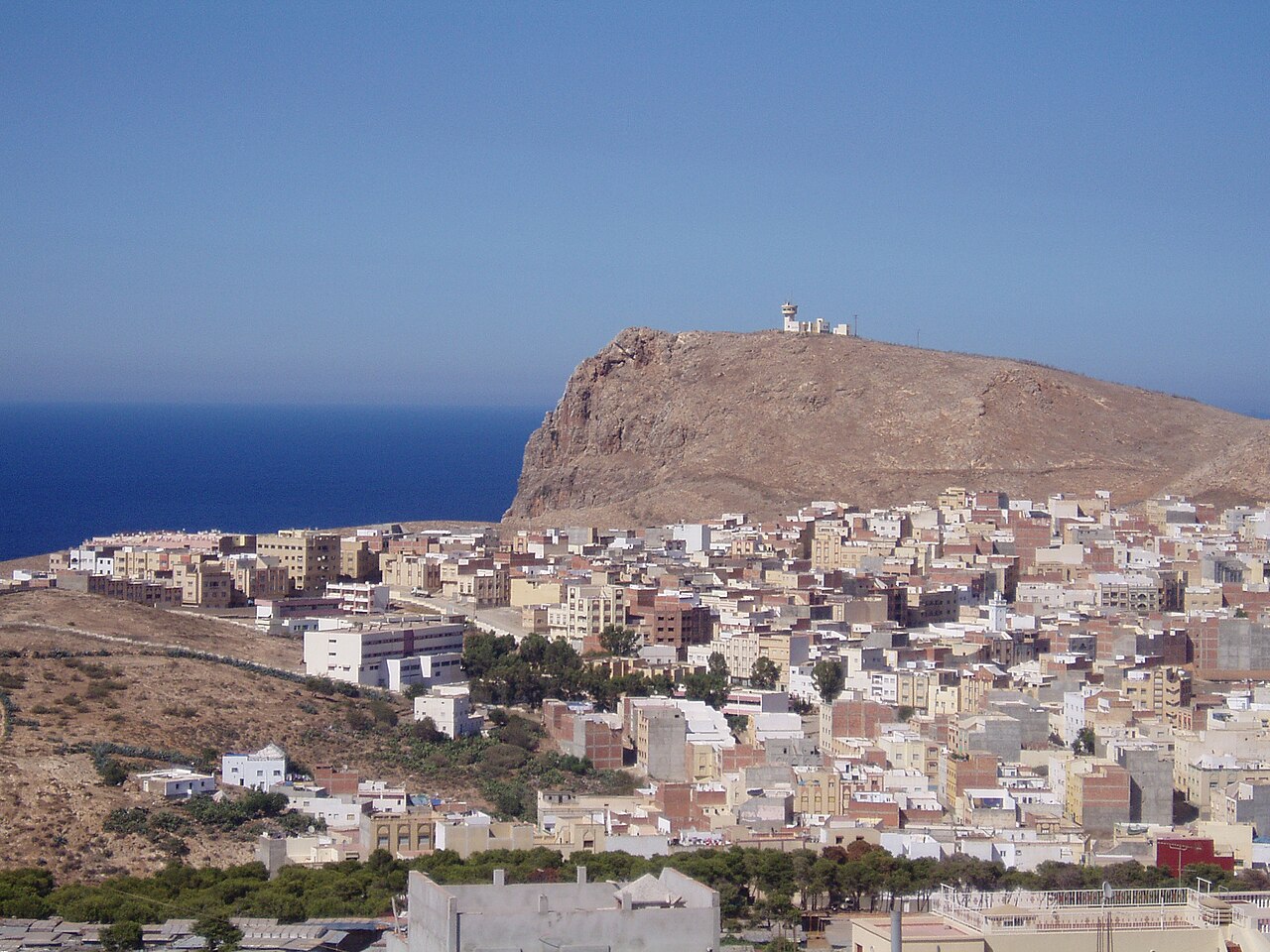
The Riffian homeland is the Rif, the arc of mountains that runs along the Mediterranean coast of northern Morocco, a rugged land of steep slopes, deep valleys, forests and a narrow coastal fringe. The mountains, difficult and defensible, were a refuge that preserved the Berber language and the independence of the people through the centuries.
The poor and broken terrain limited the land available for farming, and the density of the population long made life hard, driving many to emigrate. Centred on towns such as Al Hoceima and Nador, and fronting the sea, the Rif is a beautiful but demanding country, and its mountains are the heart of the Riffian world and the stronghold of their identity.
The Old Way of Life
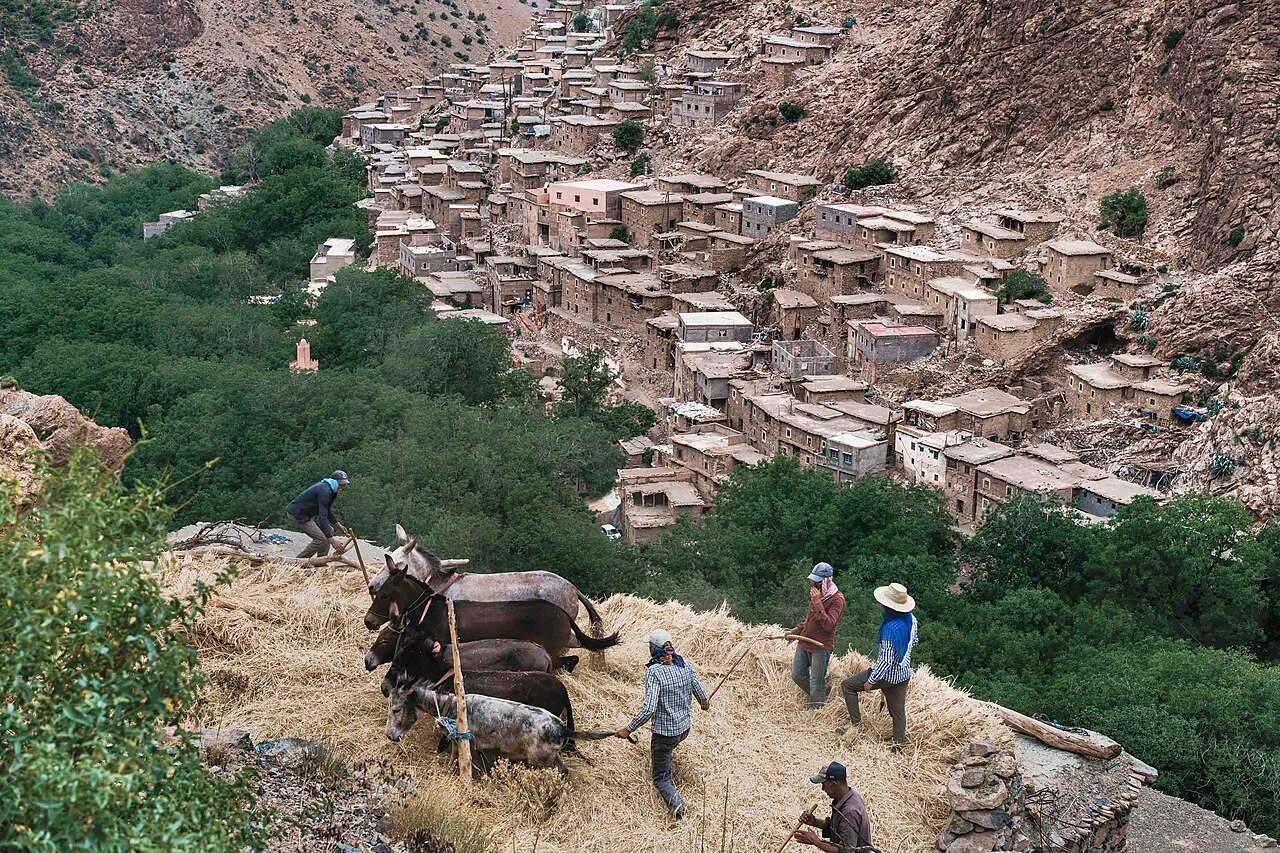
The Riffians are farmers of the mountains, cultivating grain, olives, figs, almonds and other crops on the terraced and often meagre slopes, and keeping goats and other livestock. The poverty of the mountain soils and the density of the population meant that the land could barely support the people, and life was often hard.
This poverty long drove the Riffians to emigration, first as seasonal labourers and soldiers, and from the twentieth century in very large numbers to Europe, above all to the Netherlands, Belgium, France and Germany, where great Riffian communities grew up. Farming, supplemented above all by the wages of emigrants and, in some areas, by the controversial cultivation of cannabis, sustained the Rif and its densely settled mountains.
Society and Community
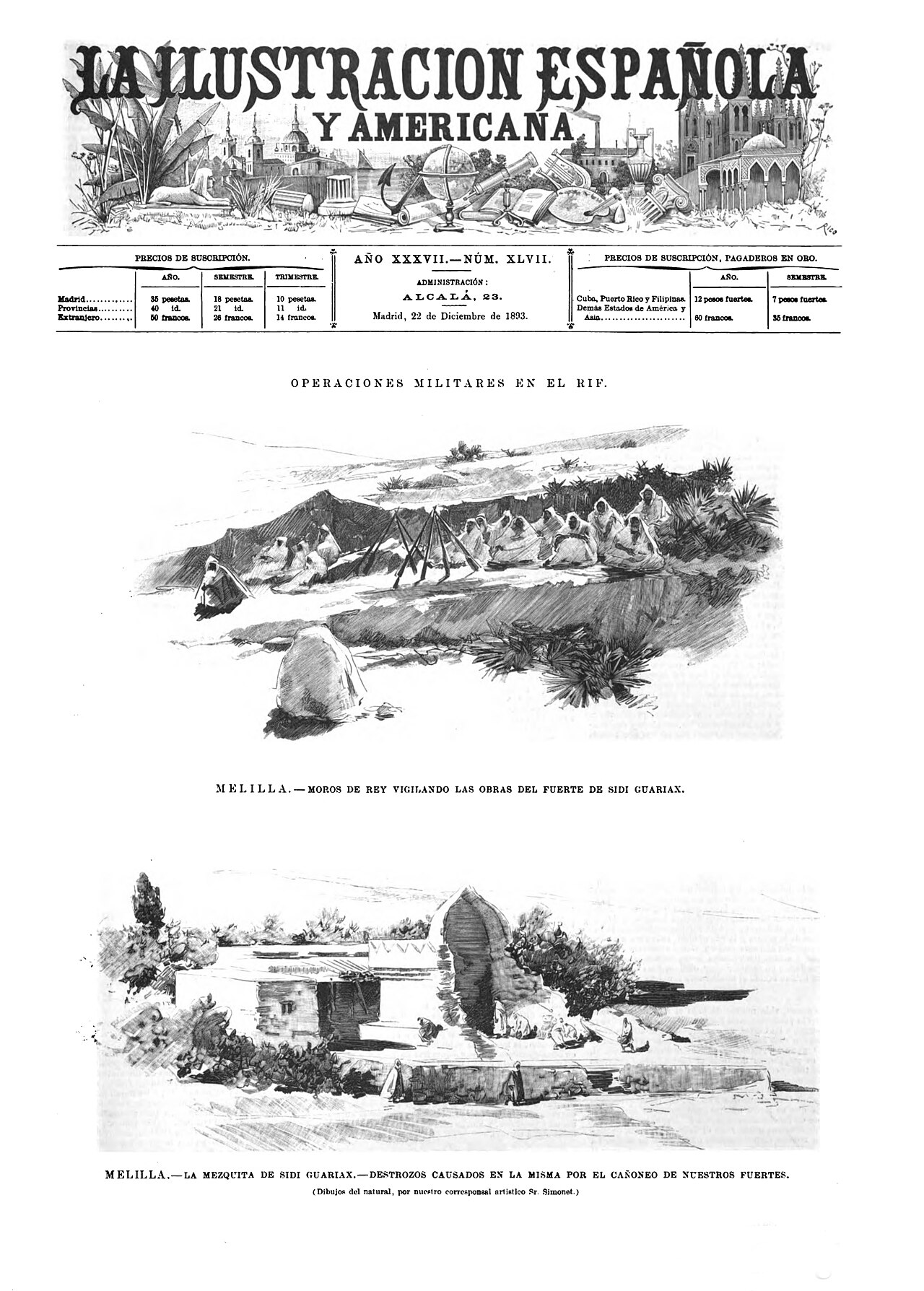
Riffian society was organised around the tribe, the clan and the village, and was famous for its fierce independence and its lack of centralised authority. The tribes of the Rif governed their own affairs, and honour, the feud and the solidarity of the family and clan were powerful forces, giving Riffian society a strongly egalitarian and warlike character.
Below the tribe, the extended family and the village ordered daily life, and cooperation in farming and defence was essential. The honour of the family, the customs of hospitality and the bonds of kinship shaped social relations, and the men were, historically, both farmers and warriors. Marriage, kinship and the customs of the tribe and village governed the life of the Riffians.
Religion and Belief
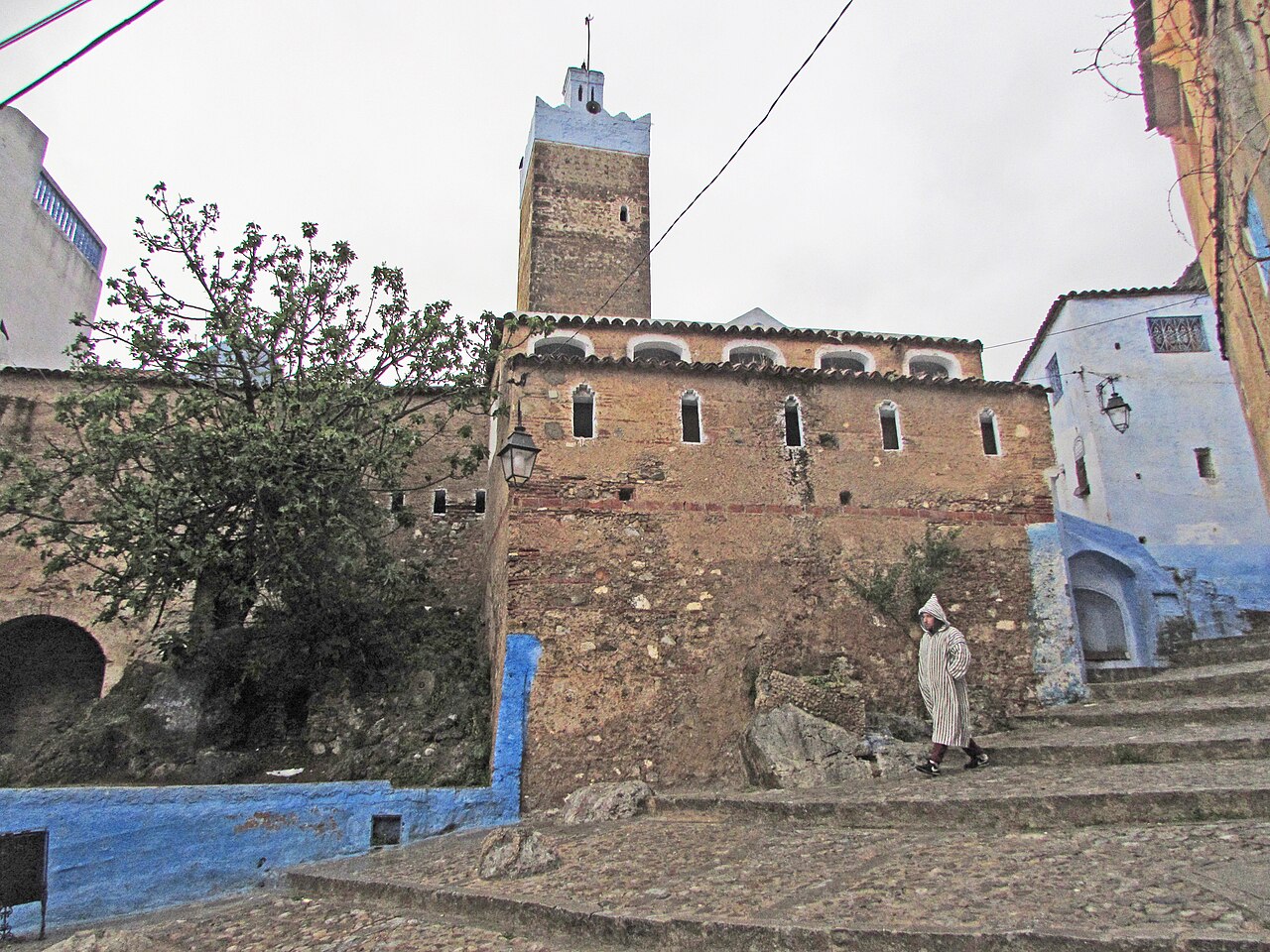
The Riffians are Muslims, Islam having long been established among them, though their practice, as among many Berber mountain peoples, had a distinctive local character, with the veneration of local saints and holy men and the survival of older customs. Islam coexisted with the strong tribal customs and the code of honour of the Rif.
Religious brotherhoods and the shrines of saints held an important place, and religious leaders sometimes played a political role, as in the resistance to colonial rule. Islam remains the faith of the Riffians, woven together with the customs and the identity of the mountains, and the mosques and the observances of the faith order the religious life of the people.
Traditions
The traditions of the Riffians are those of a proud mountain and warrior people. The code of honour, the customs of hospitality and the solidarity of the family and tribe, and the ceremonies of the life cycle, order and enrich the life of the community. Riffian poetry and song, including the songs of the women and the poetry of resistance and exile, are cherished.
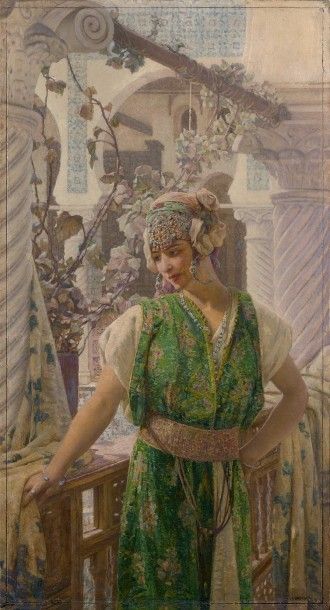
Music and dance accompany weddings and celebrations, and the Riffians share in the wider Amazigh and Moroccan traditions of festival and ceremony, including the celebration of the Berber new year. The traditional dress and jewellery of the women, and the crafts of the household, express the identity of the people. Music, poetry and the customs of honour and hospitality give Riffian culture its distinctive character.
Crafts
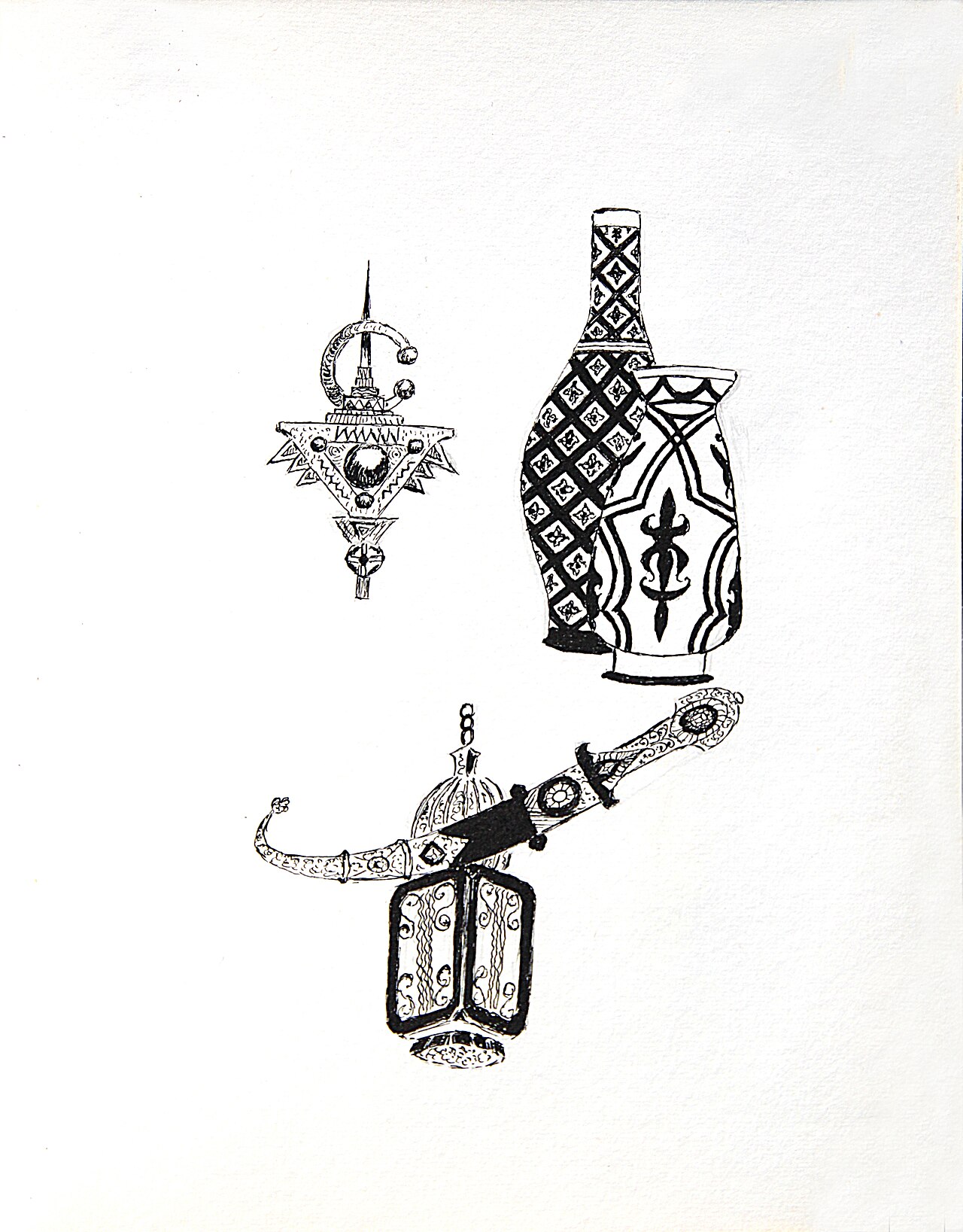
Riffian craftsmanship, as among the Berber peoples generally, is centred on the household arts of the women. They make pottery, hand-built and decorated, and weave rugs, blankets and textiles with geometric Berber designs, crafts of antiquity and beauty. The making of these household arts is central to the material culture of the mountains.
The Riffians also work in silver, making the jewellery worn by the women as adornment and wealth, and in leather, wood and the other materials of daily life. Basketry, the making of the tools of farming, and the crafts of the household add to a material culture rooted in the Berber traditions of the Rif and shared with the wider Amazigh world of Morocco.
Food
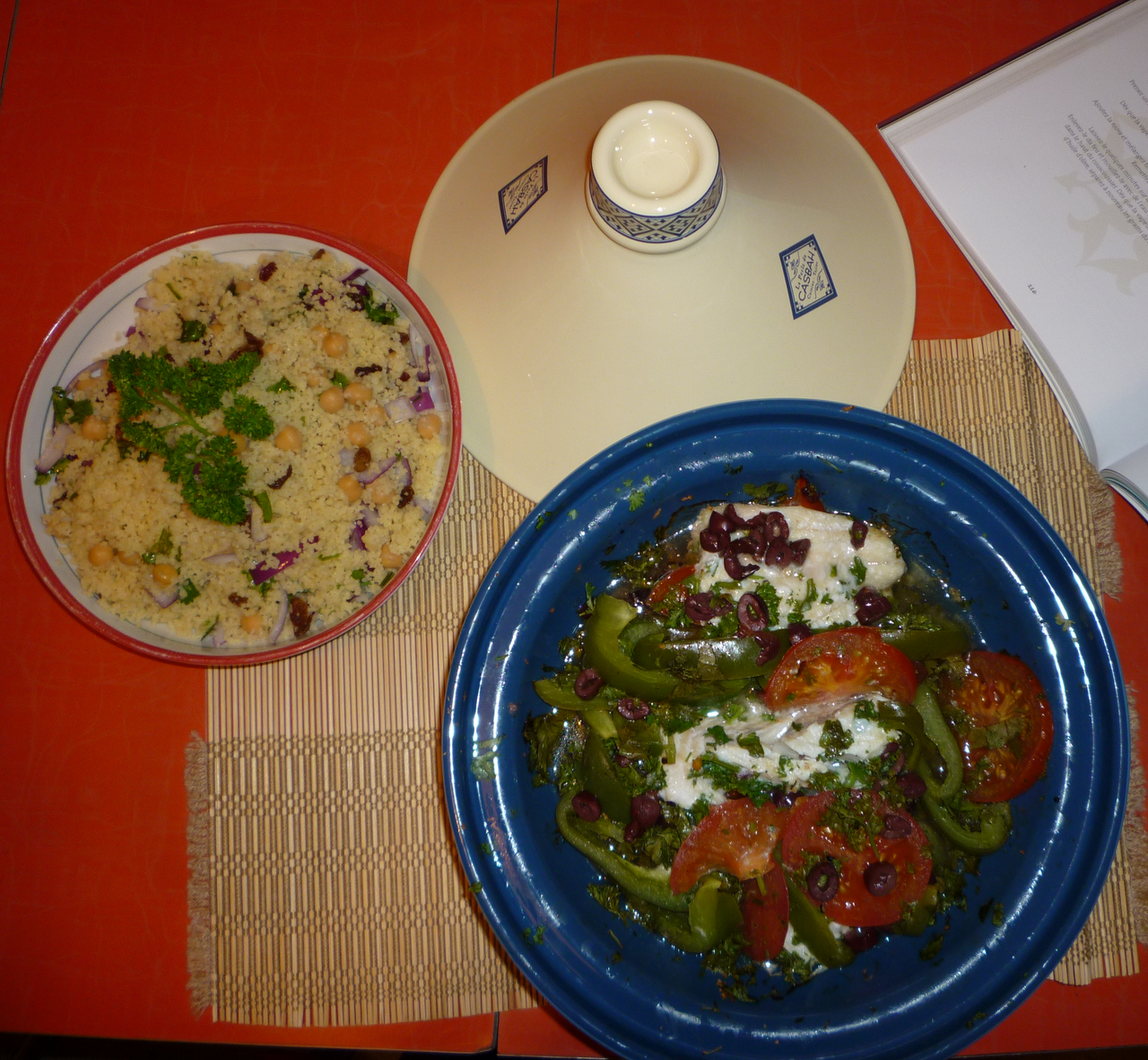
The staple foods of the Riffians are those of the Moroccan and Berber table: couscous, the great dish of steamed semolina served with vegetables, meat and sauce, and the flat breads, tajines and vegetable and pulse dishes of the region. The olives, figs, almonds and grain of their own mountains are central to the diet.
Olive oil, bread and the products of the garden and the herds fill out the food, and tajines of vegetables, fish from the coast, or meat, slow-cooked and spiced, are characteristic. The cuisine reflects the mountain and coastal economy of the Rif and the wider culinary world of Morocco, in which couscous and the tajine hold pride of place.
Festivals
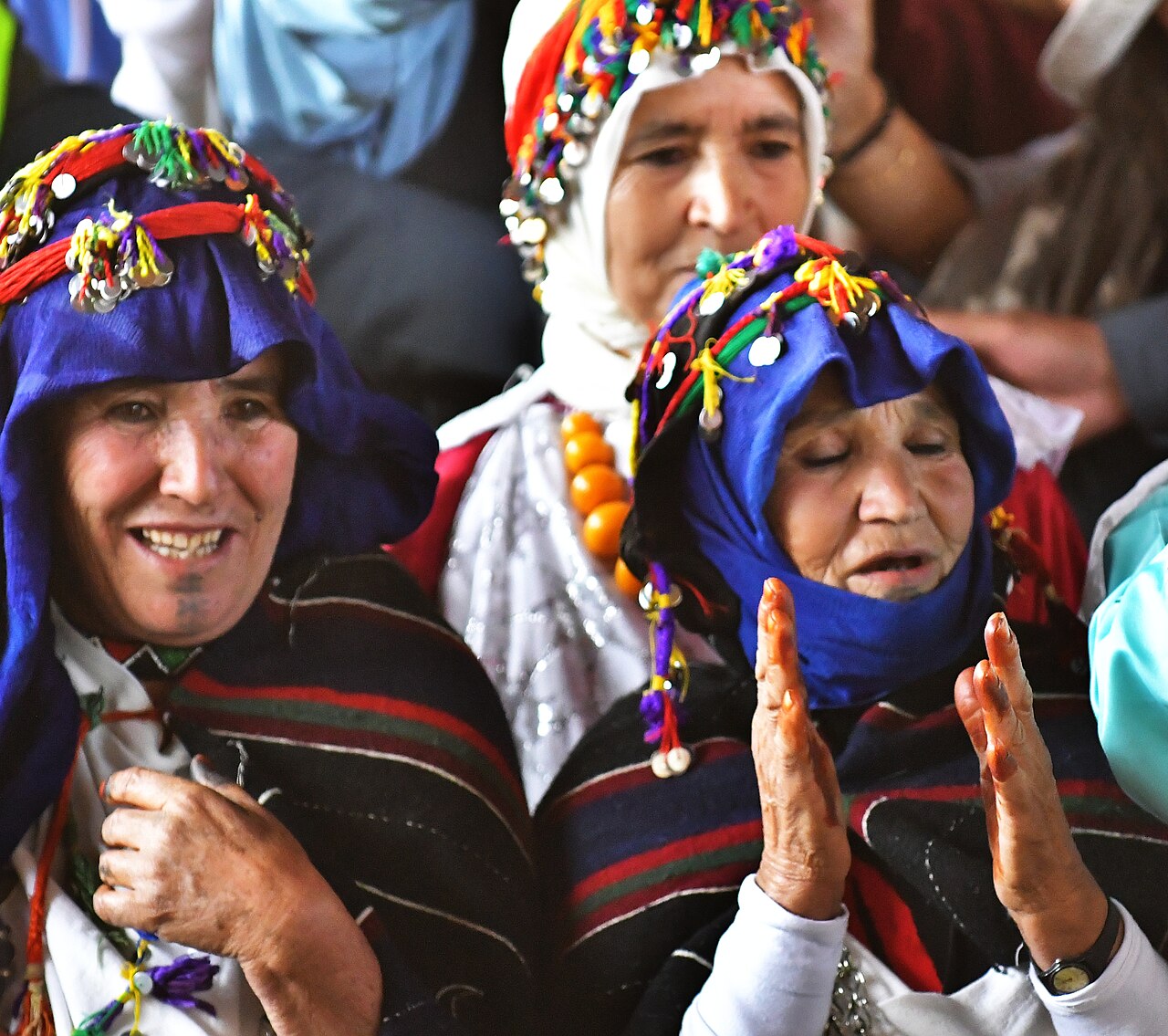
Festive life among the Riffians is shaped by the Muslim calendar, the seasons of the agricultural year and the milestones of the life cycle. The great Muslim festivals are celebrated with prayer, feasting and gathering, and weddings in particular are elaborate occasions of music, dance, feasting and the display of jewellery and dress.
The ceremonies of the saints and the shrines, the celebrations of the harvest and, increasingly, the Amazigh new year and cultural festivals bring communities together, and Riffian music and dance are central to them all. For the many Riffians in Europe, the great festivals and family ceremonies are also occasions of return and reunion. Music, dance and the customs of hospitality give Riffian festivity its character.
History
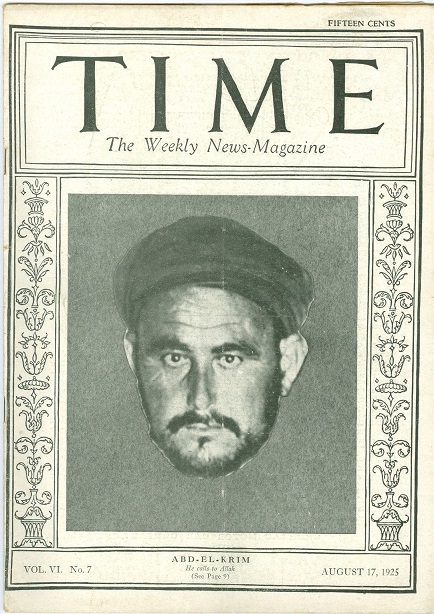
The Riffians are descended from the ancient Berbers of North Africa, and long maintained their independence in the fastness of their mountains, resisting the successive powers that ruled the plains. In the early twentieth century, as Spain and France sought to colonise Morocco, the Riffians rose in a famous resistance.
Under the leadership of Abd el-Krim, the Riffians inflicted a stunning defeat on the Spanish at Annual in 1921 and established the Republic of the Rif, holding out against Spain and France until they were crushed by a huge combined army, with the use of poison gas, in 1926. This heroic resistance made the Rif and Abd el-Krim famous throughout the colonised world. After independence the Rif remained a marginalised and restive region, and emigration to Europe became a defining feature of Riffian life.
Today
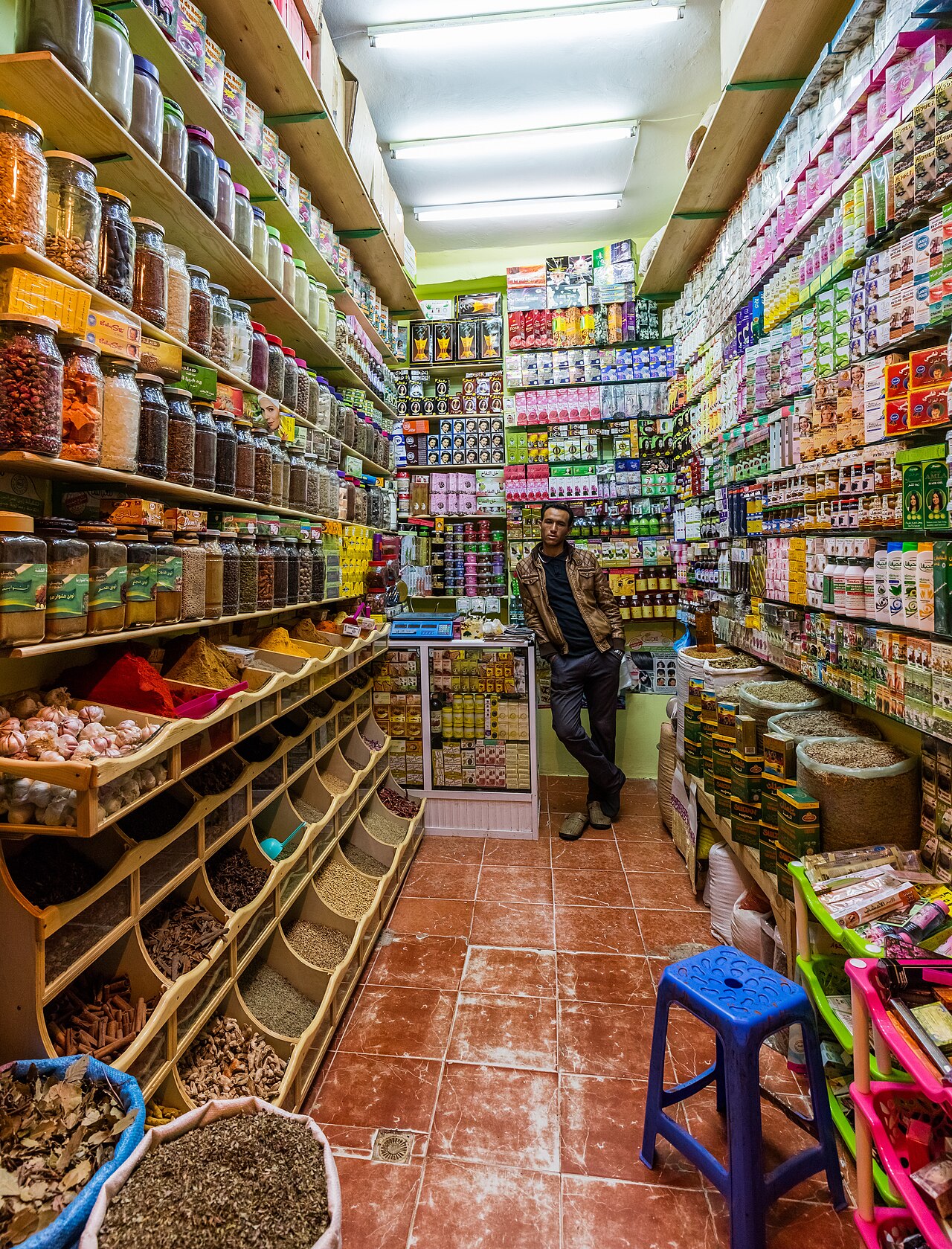
Today the Riffians number some millions in Morocco, concentrated in the Rif around Al Hoceima and Nador, with very large communities in the Netherlands, Belgium and the rest of Europe. Farming continues in the mountains, but the Rif depends heavily on emigration and remittances, and the region remains among the poorer and more marginalised parts of Morocco.
The Riffians have kept a strong sense of their identity, and the recognition of the Amazigh language and culture, and the memory of Abd el-Krim and the Republic of the Rif, remain sources of pride and, at times, of protest, as in the recent Hirak movement. Proud of their Berber heritage, their mountains and their history of resistance, the Riffians carry their distinctive identity into modern Morocco and the diaspora.
Related Peoples of the Region
- The Vai, the People Who Invented Their Own Writing
- The Senufo, the Master Carvers of the Savanna
- The Baoule, the Largest People of Cote d’Ivoire
- The Dagomba, the Kingdom of Dagbon in Northern Ghana
- The Zarma, the People of the Niger and the Songhai Heritage
- The Jola, the Rice Farmers of the Casamance
- The Susu, the Traders of the Guinean Coast
- The Kabyle, the Berbers of the Algerian Mountains
More Peoples of the World
- A Fifth of Humanity, the Story of the Han Chinese
- How the Maori Sailed Across the Pacific to Reach New Zealand
- Zulu of the Green Hills and Their Kingdom Forged by Shaka
- The People Who Never Vanished, the Story of the Maya
- Long Before the Arabs Came, North Africa Belonged to the Amazigh
- The People Who Emerged Into This World, the Story of the Navajo
- Meet the Ainu, an Indigenous People at Japan’s Northern Edge
You May Like

The Damara, an Ancient People of Namibia



