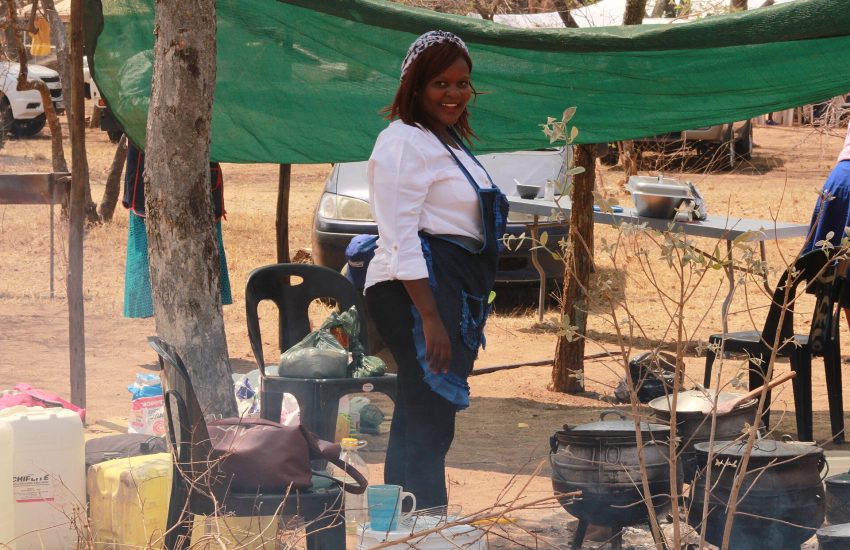
The Senufo are a large group of related peoples of the West African savanna, living across the borderlands of northern Côte d’Ivoire, southern Mali and southwestern Burkina Faso. Numbering some three million or more, they are settled farmers of the wooded grassland, famous throughout the world for their remarkable art and their masks.A Gur-speaking cluster of communities united by a common culture and by the Poro society that orders their lives, the Senufo are celebrated for their carved masks and rhythm-pounder figures, their painted Korhogo cloth and their balafon music. This article traces their origins, language, homeland, farming life and the customs that continue to define them.
The Senufo on Film
Contents
- Origins
- The Name
- The Language
- The Homeland
- The Old Way of Life
- Society and Community
- Religion and Belief
- Traditions
- Crafts
- Food
- Festivals
- History
- Today
Origins
The Senufo are a large group of related peoples of the West African savanna, living across the borderlands of northern Côte d’Ivoire, southern Mali and southwestern Burkina Faso. Numbering some three million or more, they are settled farmers of the wooded grassland, famous throughout the world for their remarkable art and their masks.
A Gur-speaking people, the Senufo are not a single unified group but a cluster of related communities sharing a common culture, language family and, above all, the institutions of the Poro society that orders their lives. Centred on the region of Korhogo, they are celebrated as one of the great art-producing peoples of Africa, their masks, figures and cloth admired and collected around the world.
The Name
The people are called the Senufo, a name also written Senoufo or Siena, and their languages belong to the Senufo group. They are made up of many subgroups spread across the three countries, each with its own name and dialect, but sharing a common identity as Senufo.
What unites them above all is their common culture and the Poro society, the institution of initiation and authority that binds their communities. The name Senufo denotes both this cluster of related peoples and, to the wider world, a great tradition of savanna art, centred on the region around Korhogo in northern Côte d’Ivoire.
The Language

The Senufo speak a group of related languages belonging to the Gur, or Voltaic, branch of the Niger-Congo family, spoken across their homeland in the three countries. The various Senufo languages and dialects reflect the division of the people into many subgroups.
Rich in the lore of the Poro society, in proverb, tale and the traditions of the savanna, the Senufo languages remain vigorous in daily life. French, the official language of the three countries, and the trade languages of the region are widely used, but the Senufo languages remain the everyday speech of the people and a central marker of their identity.
The Homeland

The Senufo homeland is the wooded savanna of the West African interior, where northern Côte d’Ivoire meets southern Mali and Burkina Faso, a land of grassland, scattered trees, farmland and sacred groves, centred on the region of Korhogo. The savanna, with its single rainy season, shaped a way of life based on the farming of grain and other crops.
This country, at the meeting of the forest to the south and the drier Sahel to the north, and astride old trade routes, supported a dense farming population and gave rise to the towns and the art of the Senufo. The savanna, with its farmland and its sacred forests where the Poro societies meet, remains the heart of the Senufo world.
The Old Way of Life

The Senufo are farmers, cultivating millet, sorghum, maize, yams, rice and, since the colonial period, cotton and other cash crops in the savanna. Skilled and industrious cultivators, they made the grassland productive, and the agricultural year, with its demanding work of clearing, planting and harvest, ordered the round of life.
Cattle and other livestock are kept, and the Senufo are also known for their blacksmiths and other craftsmen, organised into distinct groups. Farming, supplemented by craft, trade and, in modern times, cotton growing, sustained the Senufo economy, and the ideal of the industrious farmer, celebrated in the ceremonies of the Poro, was central to their culture.
Society and Community

Senufo society is ordered above all by the Poro society, the institution of initiation into which men are inducted over long years of instruction in the sacred grove, and which holds religious, educational and political authority. The Poro shapes the passage to adulthood, controls sacred knowledge, and orders the relations of the generations. A corresponding institution, the Sandogo, is associated with women and divination.
Politically the Senufo were organised into villages and chiefdoms, governed by chiefs, elders and the elders of the Poro, and society included distinct groups of farmers, blacksmiths, artisans and others. Descent, often traced through the maternal line, kinship and the initiations of the Poro structured social life, in a society famous for the depth of its ritual and artistic culture.
Religion and Belief
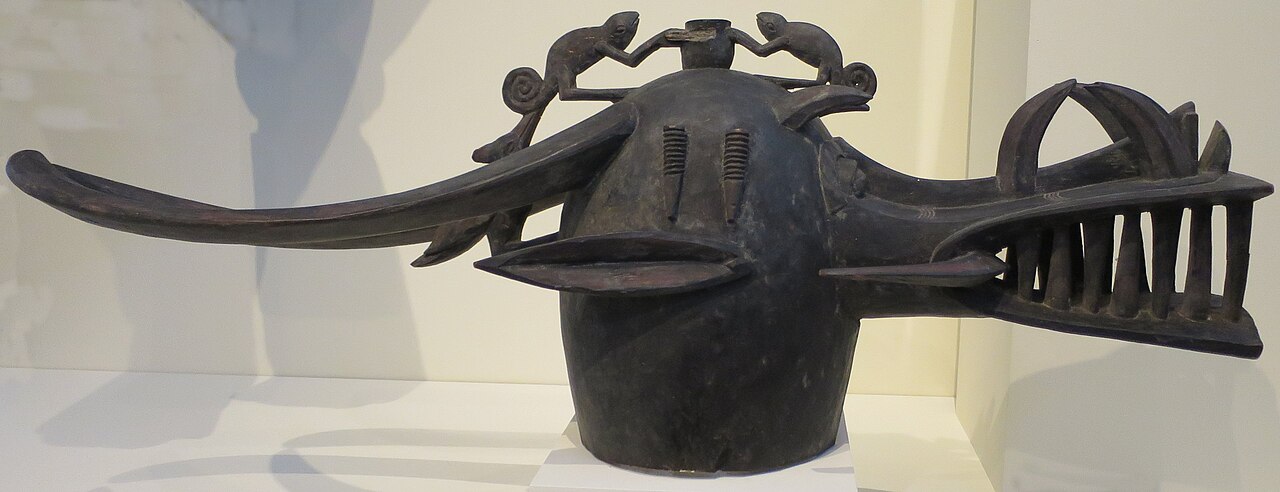
Traditional Senufo religion centres on a creator god, often conceived as having both a masculine and a feminine aspect, and on a world of ancestors and bush spirits, and it is bound up above all with the Poro society and its sacred grove. Much of religious life is expressed through the masks and figures of the Poro, which embody the spirits and the ancestors.
The great masks, including the fearsome firespitter and the beautiful face masks, appear at initiations and funerals, mediating between the community and the unseen. Divination, through the Sandogo, and the veneration of the ancestors order the religious world. Islam has spread among some Senufo, and Christianity among others, but the Poro and the traditional religion remain deeply important.
Traditions

The traditions of the Senufo are inseparable from the Poro society and its art. The long initiations of the Poro, culminating in the great ceremonies and funerals at which the masks appear, are the central rites of Senufo life. The rhythm pounder, a tall carved figure, and the many masks are brought out at these occasions, embodying the spirits and the ancestors.
The Senufo are famous for their music, above all the balafon, the wooden xylophone, and for the drumming and song that accompany the masked dances and the work of the fields. Storytelling, proverb and the customs of the Poro preserve the values and knowledge of the people, and masking, music and ritual give Senufo culture its extraordinary artistic richness.
Crafts
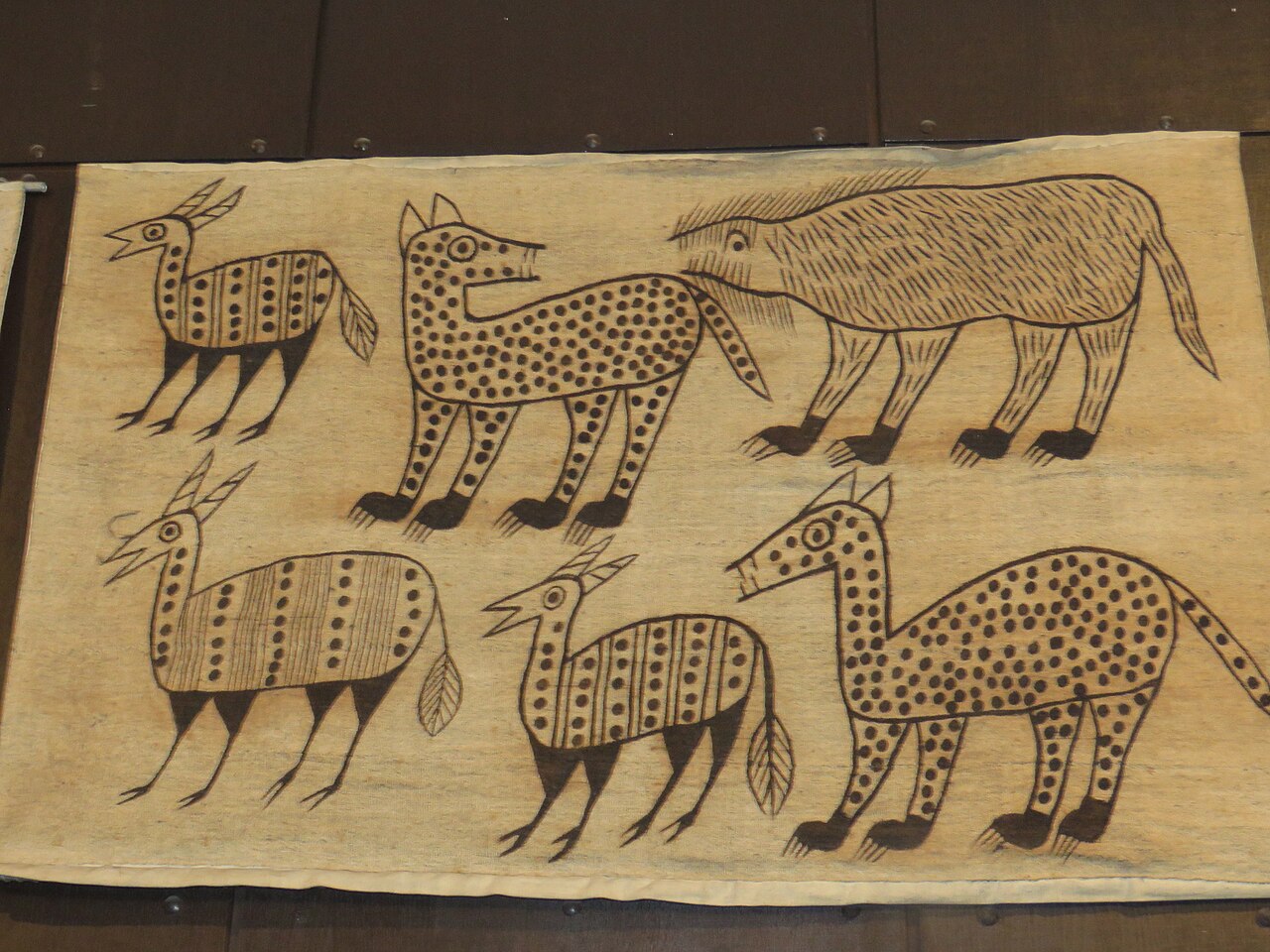
The Senufo are among the greatest artists of Africa, and their craftsmanship is world-famous. The carvers produce the celebrated masks, the fearsome firespitter and the graceful face masks, and the tall rhythm-pounder figures and other sculptures of the Poro society, works admired and collected around the world. The blacksmiths, an honoured and somewhat feared group, forge tools and ritual objects.
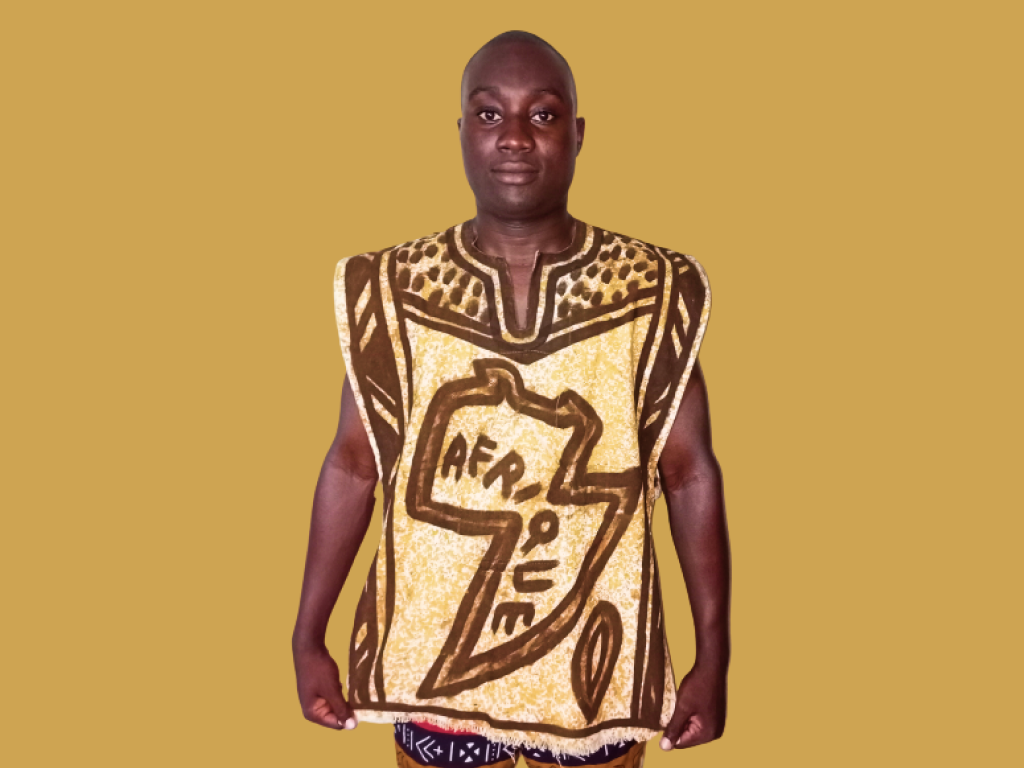
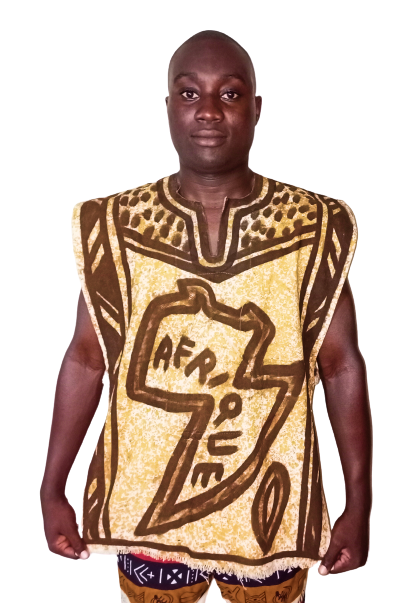
The Senufo are also famous for the painted Korhogo cloth, cotton cloth decorated with figures and symbols in earth pigments, and for weaving, pottery and brass-casting. This wealth of specialised craft, from the masks and figures of the Poro to the painted cloth and the ironwork, represents one of the supreme artistic traditions of the West African savanna.
Food
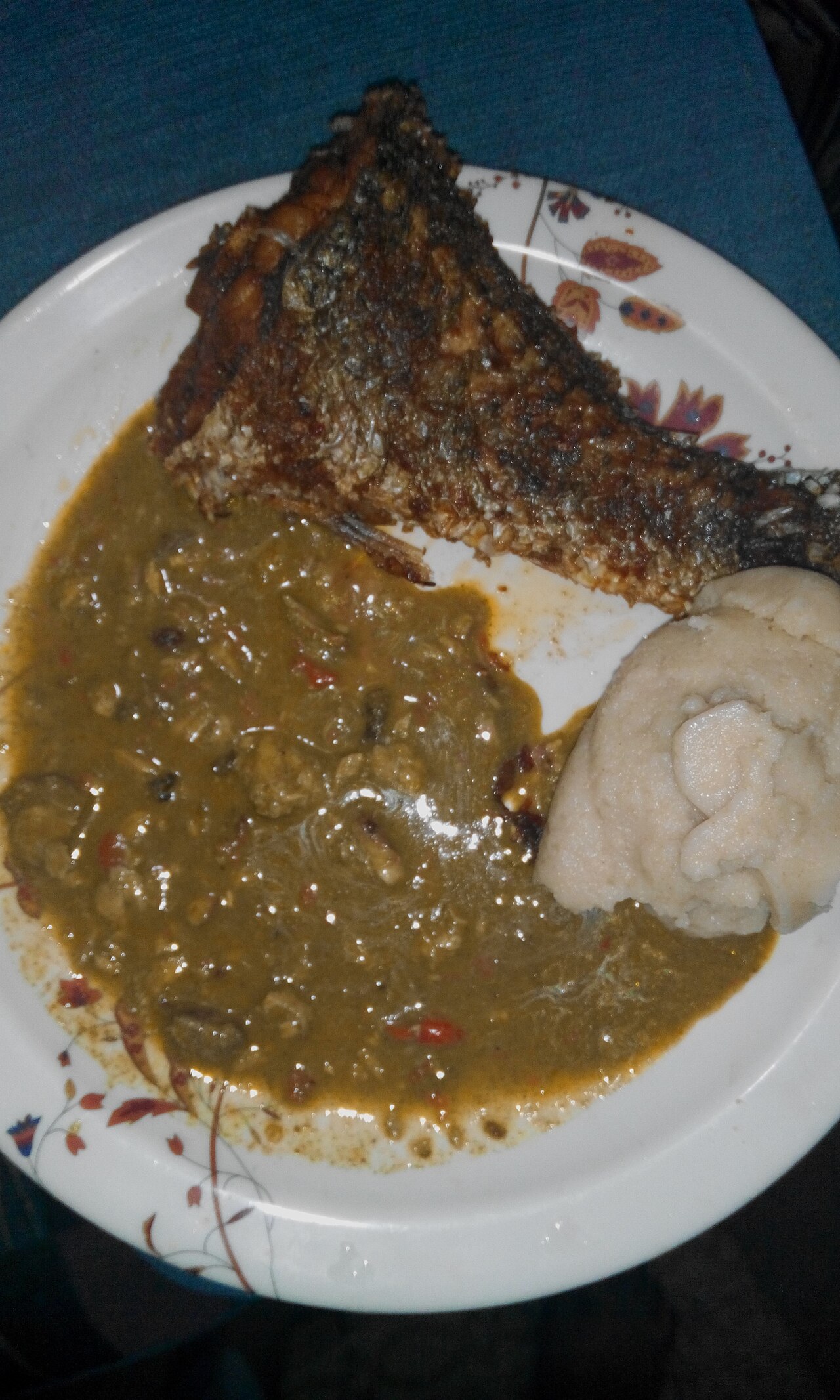
The staple foods of the Senufo come from their savanna farming: millet and sorghum, ground and cooked into the stiff porridge known as tuwo or to, eaten with sauces of vegetables, meat or the leaves of the baobab and other plants. Maize, yams, rice and a variety of other crops and pulses add to the diet.
Sauces and stews, often based on greens, groundnut or okra and flavoured with the ingredients of the savanna, accompany the porridge, and millet beer is important in hospitality and ritual. Meat and, near the rivers, fish provide protein on occasion. Drawn from the grains of the savanna, Senufo cooking reflects the farming life of the people and the demands of a single rainy season.
Festivals
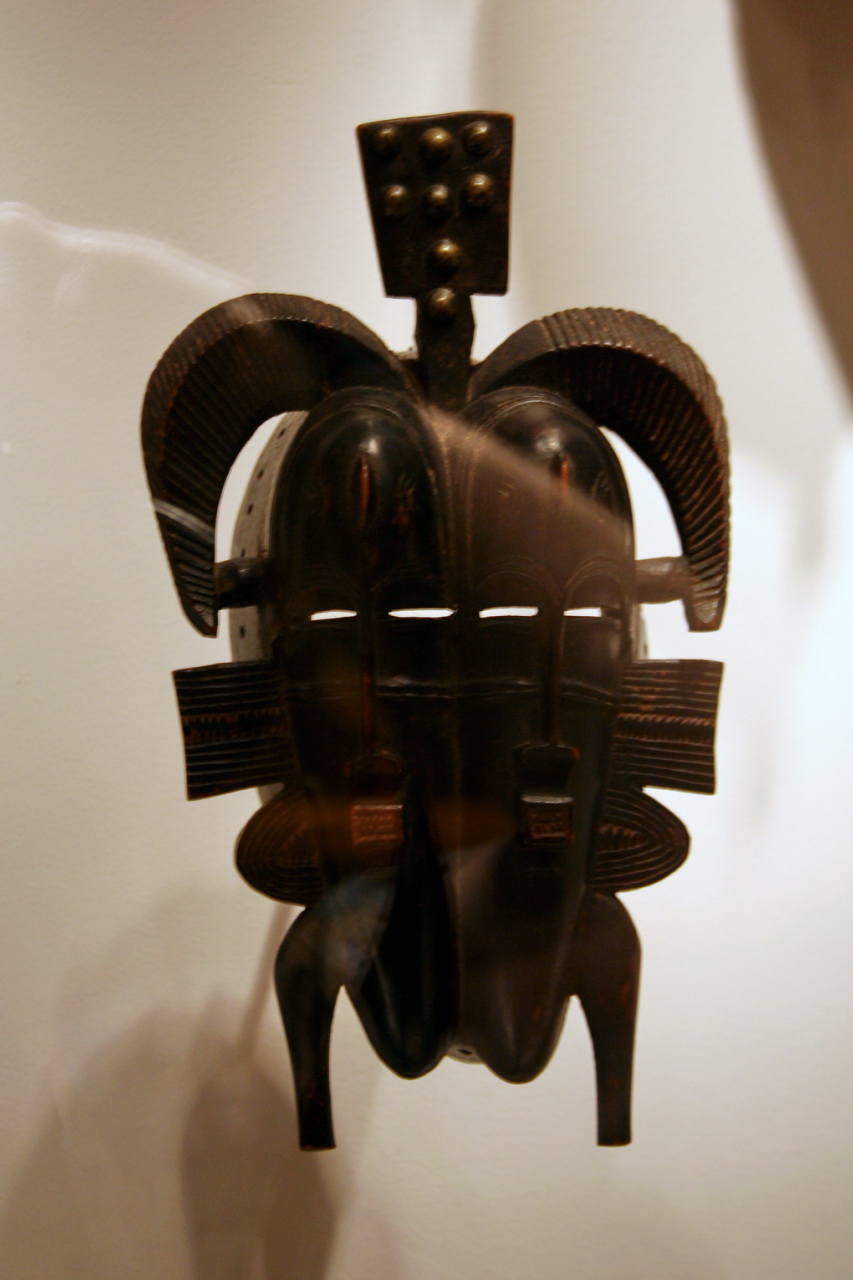
Festive life among the Senufo centres on the ceremonies of the Poro society and the milestones of the life cycle, above all funerals, which are great occasions bringing out the masks and the rhythm pounders and gathering the community for days of masked dance, music and feasting. The initiations and graduations of the Poro are also major celebrations.
The balafon, drumming and song accompany these events, and the appearance of the masked spirits is their unforgettable centre. Harvests and the ceremonies of the farming year, weddings and other family events also bring people together. Today Muslim and Christian festivals join the older celebrations, but the masked ceremonies of the Poro remain the heart of Senufo festivity.
History

The Senufo have inhabited their savanna homeland for many centuries, organising into villages and chiefdoms and developing their Poro society and their great art. From the interior they were drawn into the trade routes of the western Sudan, and their region felt the influence of the trading state of Kong and, in the nineteenth century, the wars of Samori Ture’s empire, which brought much destruction.
Under French colonial rule the Senufo lands were divided among the territories that became Côte d’Ivoire, Mali and Burkina Faso, and cotton growing was expanded across the savanna. Through the colonial and modern periods the Senufo preserved their Poro, their art and their identity, and their homeland became part of the three independent nations, with Korhogo as its principal centre.
Today

Today the Senufo number some three million or more, spread across northern Côte d’Ivoire, southern Mali and southwestern Burkina Faso, with the city of Korhogo as their principal centre. Farming, above all of grain and cotton, remains the basis of rural life, and the Poro society and its ceremonies endure in the villages and sacred groves.
The art of the Senufo, their masks, figures and painted Korhogo cloth, has made their name famous throughout the world and is sought after by collectors and museums, while their balafon music is admired far beyond Africa. Proud of their Poro, their art and their savanna heritage, the Senufo carry a remarkable artistic and ritual tradition into the modern life of the three nations.
Related Peoples of the Region
- The Ijaw, the Water People of the Niger Delta
- The Edo, the People of Benin and the Bronze Casters
- The Nupe, the Craftsmen of the Niger Valley
- The Mende, the Rice Farmers and Mask Dancers of Sierra Leone
- The Temne, the Rice Farmers of Northern Sierra Leone
- The Kru, the Seafarers of the West African Coast
- The Kpelle, the Rice Farmers of the Liberian Forest
- The Vai, the People Who Invented Their Own Writing
More Peoples of the World
- A Fifth of Humanity, the Story of the Han Chinese
- How the Maori Sailed Across the Pacific to Reach New Zealand
- Zulu of the Green Hills and Their Kingdom Forged by Shaka
- The People Who Never Vanished, the Story of the Maya
- Long Before the Arabs Came, North Africa Belonged to the Amazigh
- The People Who Emerged Into This World, the Story of the Navajo
- Meet the Ainu, an Indigenous People at Japan’s Northern Edge
You May Like
The Damara, an Ancient People of Namibia