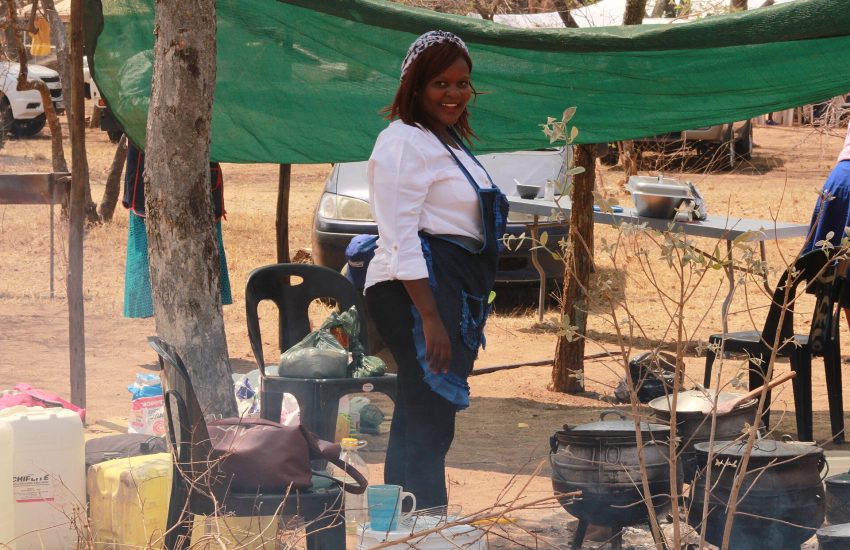
The Ijaw, or Izon, are one of the major peoples of the Niger Delta in southern Nigeria, a great population of fishermen and traders scattered across the creeks, mangroves and islands of the delta. Numbering some millions, they are among the most numerous peoples of Nigeria, spread across Bayelsa, Rivers, Delta and neighbouring states.Ancient inhabitants of the delta and a people wholly of the water, the Ijaw live by fishing and trade, worship the water-spirits in elaborate masquerades, and celebrate their maritime world in spectacular boat regattas. In the Atlantic era their coastal communities became powerful city-states, and today their homeland is the heart of Nigeria’s oil industry. This article traces their origins, language, homeland, maritime life and the customs that continue to define them.
The Ijaw on Film
Contents
- Origins
- The Name
- The Language
- The Homeland
- The Old Way of Life
- Society and Community
- Religion and Belief
- Traditions
- Crafts
- Food
- Festivals
- History
- Today
Origins

The Ijaw, or Izon, are one of the major peoples of the Niger Delta in southern Nigeria, a great population of fishermen and traders scattered across the creeks, mangroves and islands of the delta. Numbering some millions, they are among the most numerous peoples of Nigeria and are spread across several delta states, from Bayelsa and Rivers to Delta and beyond.
Ancient inhabitants of the delta, thought to be among the earliest settlers of the region, the Ijaw adapted wholly to a world of water, living by fishing, salt-making and trade along the maze of waterways. In the era of the Atlantic trade their coastal communities grew into powerful city-states, and in modern times their homeland has become the centre of Nigeria’s oil industry, with all the wealth and conflict that this has brought.
The Name
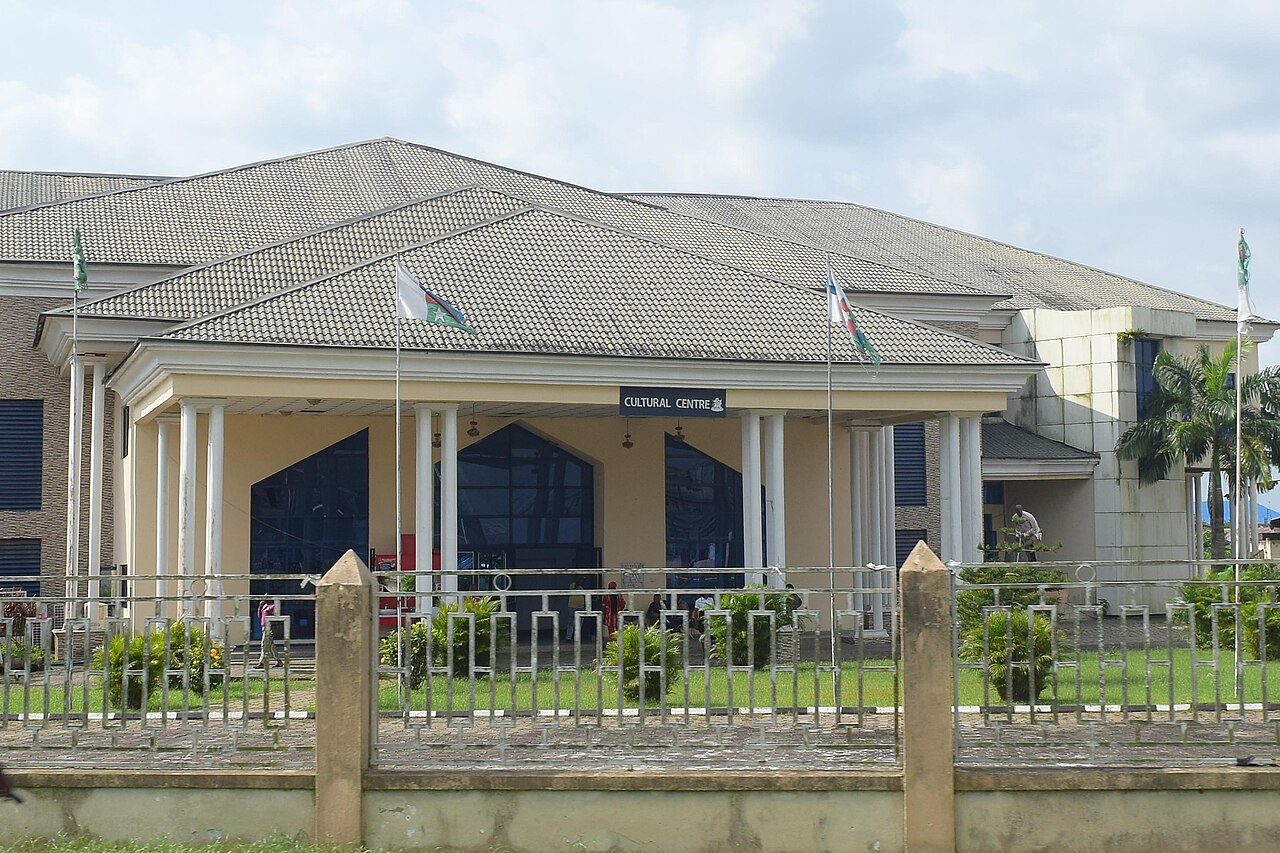
The people call themselves the Ijaw, or in their own language the Izon or Ijo, and the name covers a number of related groups spread across the delta, including the Kalabari, Nembe, Okrika, Bonny, Bassan and many others. These groups share a common origin, language family and way of life, though they are divided into distinct communities and, historically, city-states.
The name Ijaw thus denotes both a specific people and a broad cluster of related delta communities united by their watery homeland and their maritime culture. Ancient in the delta and proud of their identity as people of the creeks, the Ijaw are one of the founding peoples of the southern Nigerian coast.
The Language

The Ijaw speak the Ijoid languages, a distinct branch of the Niger-Congo family made up of several related tongues and dialects, reflecting the division of the people into many communities across the delta. The differences between some of these can be considerable, though they share a common origin.
The antiquity and distinctiveness of the Ijoid languages, set somewhat apart within the Niger-Congo family, point to the long presence of the Ijaw in the delta. English and Nigerian Pidgin are widely used for communication across the region, but the Ijaw languages remain the everyday speech of the creeks and a central marker of the identity of the people.
The Homeland
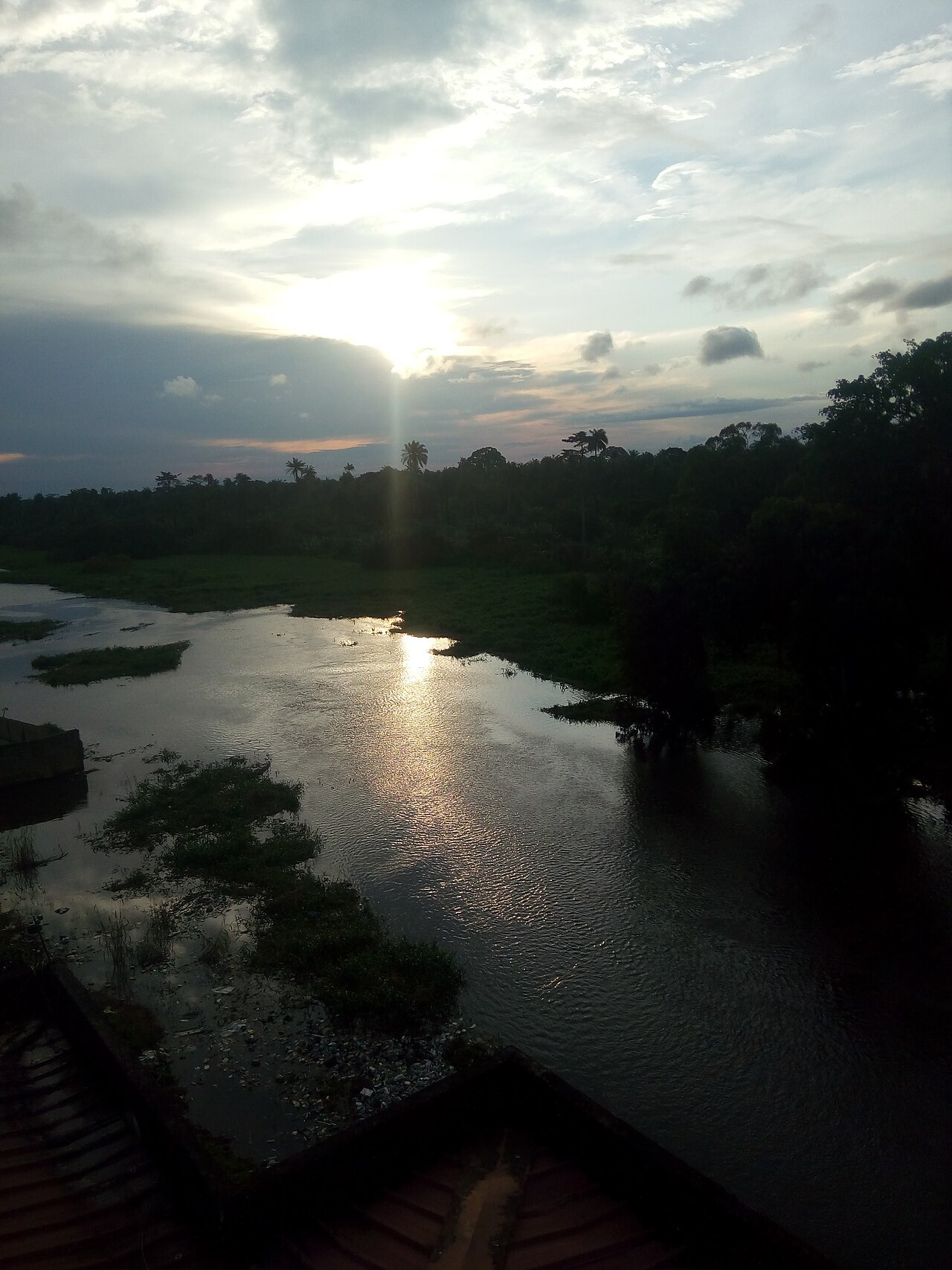
The Ijaw homeland is the Niger Delta, the vast wetland where the Niger river breaks into a maze of creeks, rivers and channels before reaching the Atlantic, a world of mangrove swamp, freshwater forest, sandbars and islands. It is one of the largest deltas in the world, a watery landscape where land and water interpenetrate and the canoe is the essential means of travel.
This amphibious environment shaped every aspect of Ijaw life, from settlement on the higher ground amid the swamps to a livelihood drawn from the water. Rich in fish and, latterly, in oil, the delta has been both the sustaining home and, in recent times, the contested prize of the Ijaw, whose whole culture is bound to its creeks and tides.
The Old Way of Life
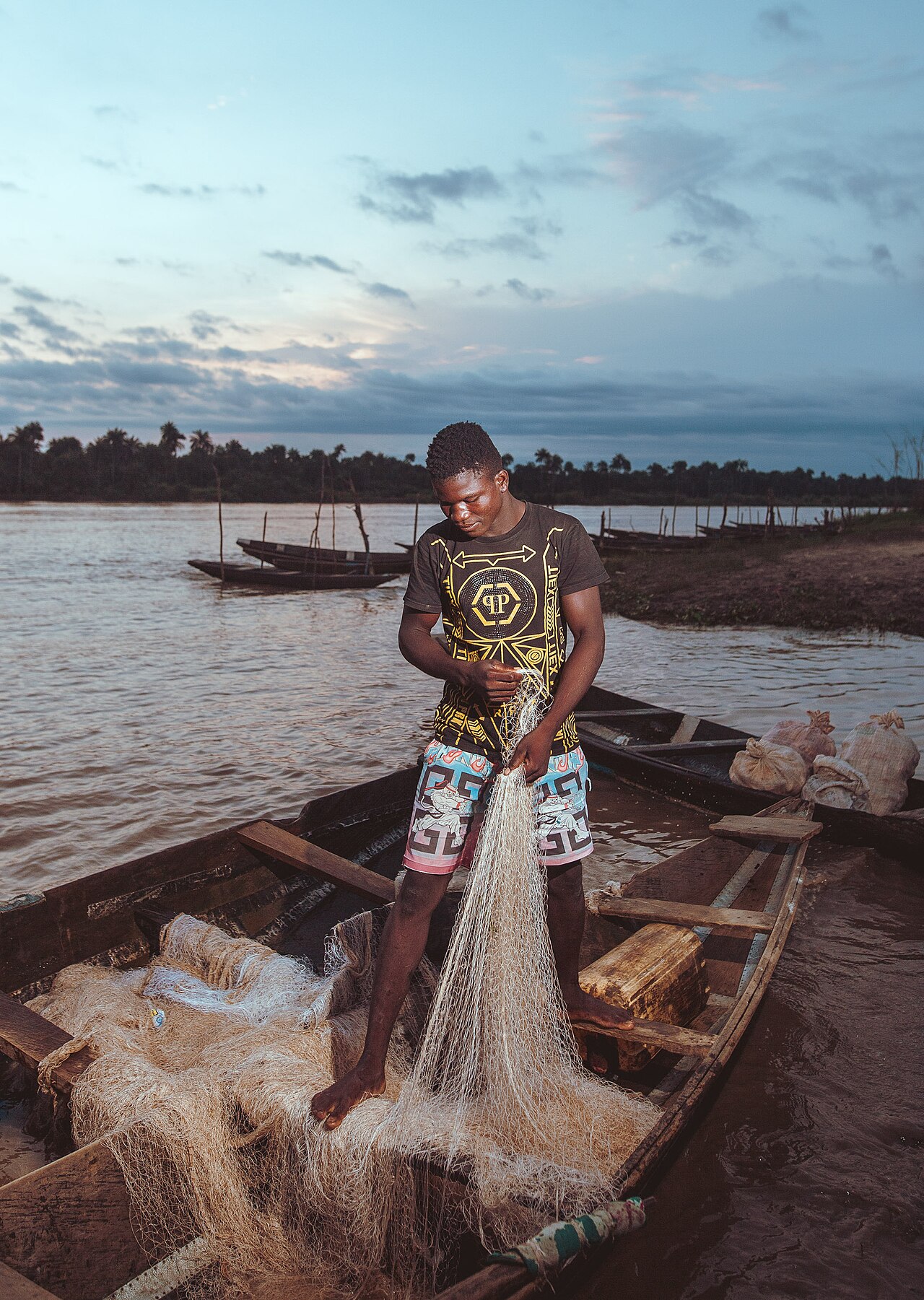
The Ijaw are above all a people of the water, and fishing is the foundation of their traditional life. They fish the creeks, rivers and coastal waters with nets, traps and lines, both for food and for trade, and the making of salt from the mangrove environment was historically important. The canoe, dug out from great logs, is central to travel, fishing and trade.
Farming is limited by the watery terrain, though plantains, cassava and other crops are grown on the higher ground, and the delta yields palm produce and other resources. In the era of the Atlantic trade the coastal Ijaw became great middlemen, and in modern times fishing continues alongside the oil industry that has transformed, and troubled, their homeland.
Society and Community
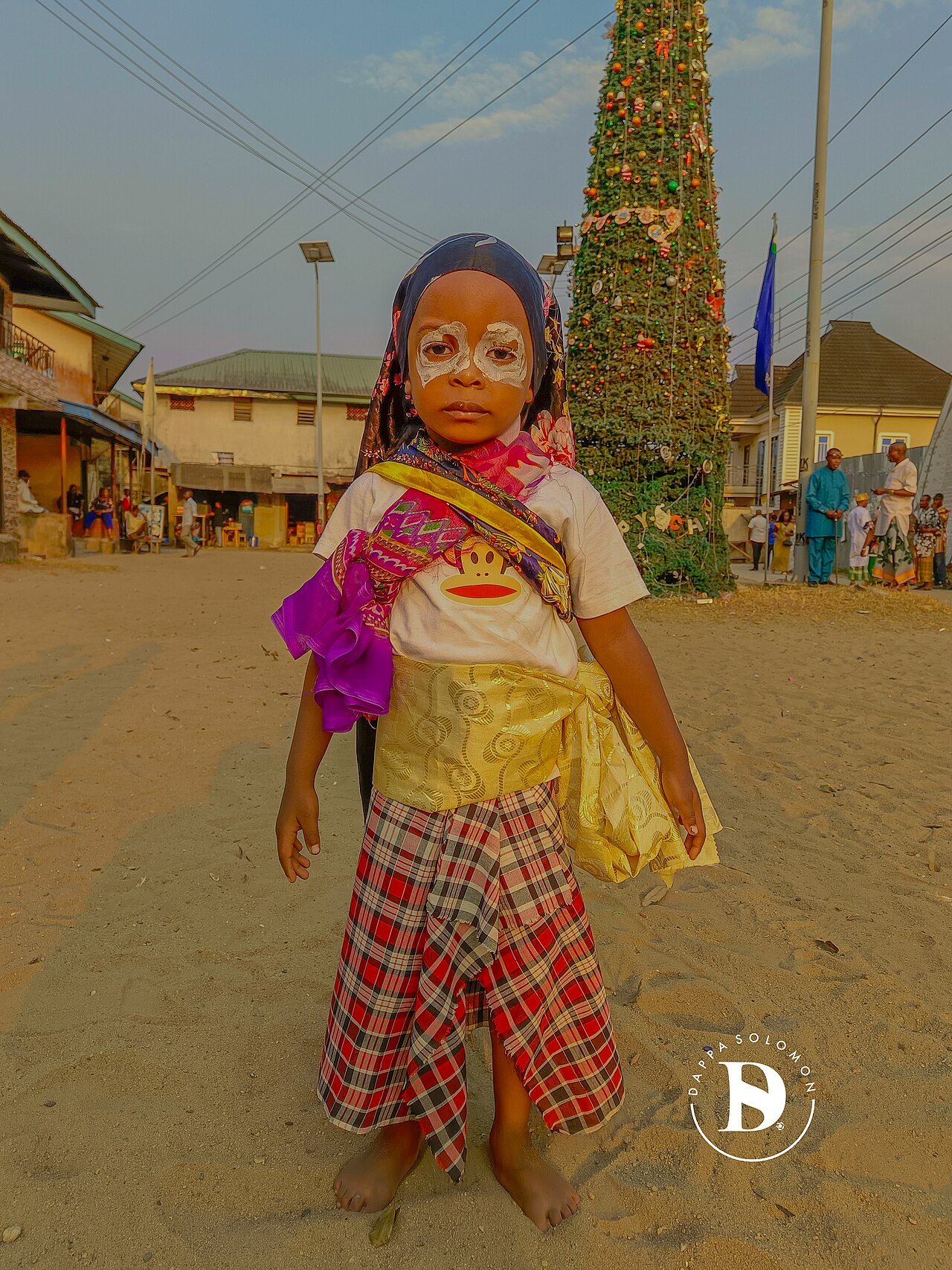
Ijaw society was organised around the community and, historically, the city-state, and around lineage, age-grades and the associations that ordered communal life. In the trading states of the coast, such as Bonny, Kalabari and Nembe, powerful kings and merchant houses arose, organised around the canoe house, a corporation combining kinship, trade and, in the days of the slave trade, the incorporation of outsiders.
Elsewhere in the delta, society was more egalitarian, ordered by lineage, age-grades and the councils of elders and title-holders. Masquerade societies and cults held an important place in social and religious life. Marriage, kinship and the bonds of the community structured daily life across the creeks, in a society shaped by water, trade and the demands of the delta.
Religion and Belief

Traditional Ijaw religion is bound up with the water, centred on the worship of water-spirits, the owuamapu or water people, believed to inhabit the creeks and to influence fishing, fertility and fortune, alongside a distant creator and the ancestors. The cults of these water-spirits, and the masquerades that embody them, are the heart of Ijaw religious life.
Elaborate masquerades, in which masked dancers represent the water-spirits, are performed at festivals and are among the most striking expressions of Ijaw culture. Shrines, priests and the veneration of local and ancestral deities, including the war deity Egbesu, order the religious world. Christianity has since spread widely in the delta, and many Ijaw are Christian, but the cults of the water-spirits and the masquerades remain deeply important.
Traditions

The traditions of the Ijaw are those of a maritime people of the delta. Masquerades, above all those honouring the water-spirits, are the great tradition, performed with elaborate costumes, carved headdresses and vigorous dancing at festivals and ceremonies. The making and performance of these masquerades is a central expression of Ijaw identity and belief.
Canoe-racing and boat regattas, in which decorated war-canoes and boats compete and display on the water, are spectacular traditions of the delta. Music, drumming and dance accompany celebration, and the ceremonies of the life cycle, marriage and the honouring of the ancestors order the round of life. These traditions of masquerade, regatta and dance give Ijaw culture its distinctive maritime splendour.
Crafts

Ijaw craftsmanship is shaped by the delta and its water. The building of canoes, dug out from great tree trunks, was a vital and skilled craft, essential to a people whose life moved on the water. Fishing gear, nets and traps were made with skill, and salt was extracted from the mangrove environment.
The Ijaw are known for the carving of the masks and headdresses of their water-spirit masquerades, and, among the Kalabari, for the distinctive carved ancestral screens and for a rich tradition of textile art, cutting and appliqueing imported cloths into elaborate designs. Pottery, basketry and the crafts of the household added to a material culture centred on the water and on the splendour of the masquerade.
Food
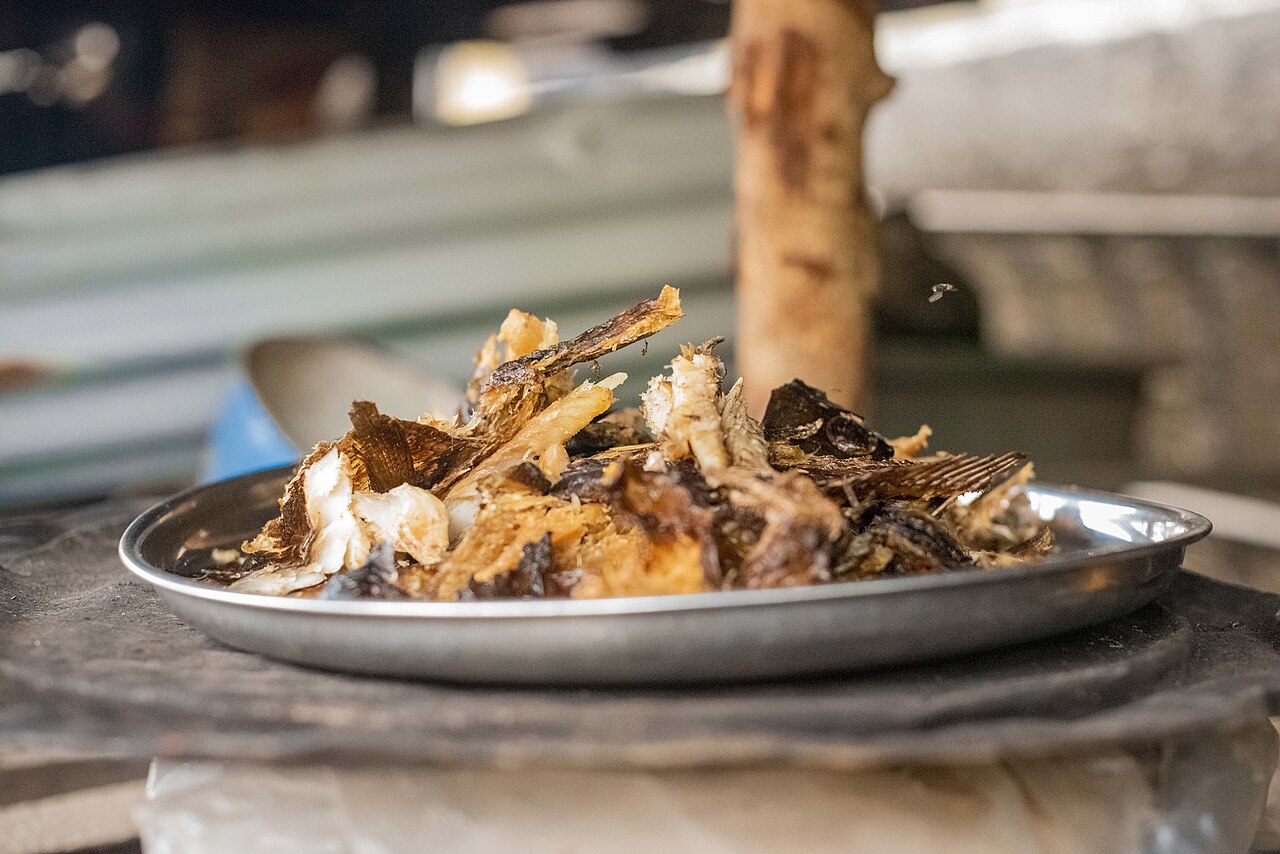
The staple foods of the Ijaw come from the water and the delta: fish above all, fresh, dried or smoked, together with other creatures of the creeks and coast, and the plantains, cassava and yams grown on the higher ground. Rich, thick soups and stews, often based on fish and seafood and flavoured with palm oil and local ingredients, are central to the cuisine.
Dried and smoked fish, so important in a fishing society, feature in many dishes, and the abundance of the waters gives the Ijaw a diet rich in fish and seafood. Palm produce, plantains and the soups and staples of southern Nigerian cooking round out the food, which reflects above all the maritime life of a people of the delta.
Festivals
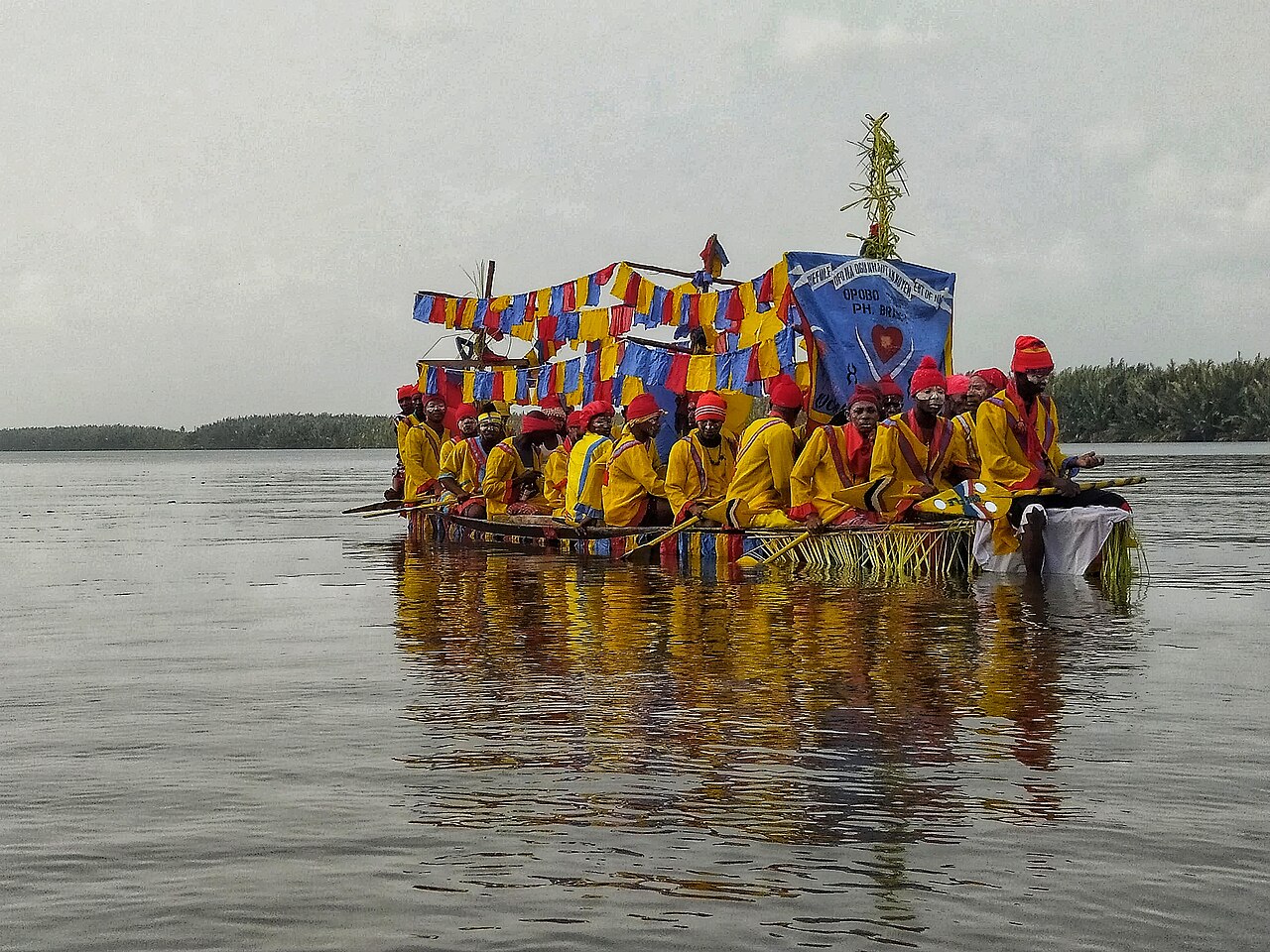
Festive life among the Ijaw centres on the masquerades and the water. The great festivals honouring the water-spirits, with their elaborate masked performances, and the boat regattas, in which decorated canoes and boats compete and display on the creeks, are the high points of the year, drawing whole communities to the waterside.
Drumming, song and dance accompany these celebrations, and the ceremonies of the life cycle, weddings and the honouring of the ancestors are also occasions for feasting and display. Today Christian festivals and national holidays join the older celebrations, but the masquerades and the regattas, bound up with the water-spirits and the life of the creeks, remain the unmistakable heart of Ijaw festivity.
History
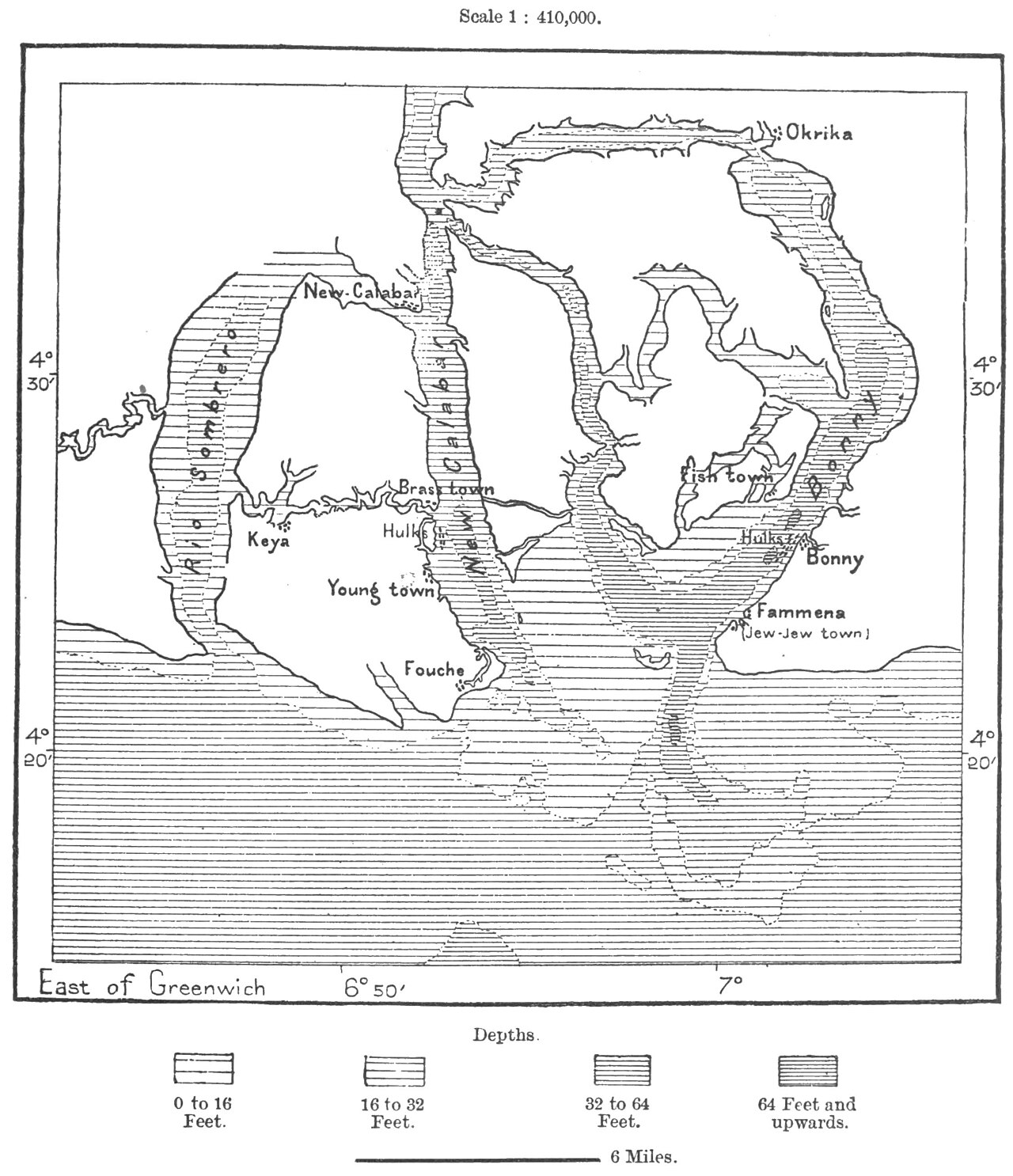
The Ijaw are among the most ancient inhabitants of the Niger Delta, and their communities long lived by fishing and trade in the creeks. From the fifteenth and sixteenth centuries, contact with European traders on the coast transformed the eastern delta states, such as Bonny, Kalabari and Nembe, into powerful city-states that grew rich as middlemen, first in the slave trade and later in palm oil.
British intervention in the nineteenth century, the fall of figures such as King Jaja of Opobo, and the imposition of colonial rule ended the independence of the delta states. In the modern era the discovery of oil in the Ijaw homeland brought great wealth to Nigeria but pollution, neglect and conflict to the delta, and the Ijaw have been at the centre of the struggles over the resources and environment of the region.
Today

Today the Ijaw number some millions and remain concentrated in the Niger Delta, across Bayelsa, Rivers, Delta and neighbouring states, still living in large part by fishing and trade in the creeks, with the city of Yenagoa as a major centre. The oil industry that dominates their homeland has brought wealth to the nation but also pollution, dispute and, at times, armed conflict to the delta.
Prominent in the politics of Nigeria and in the long struggle over the oil and environment of the delta, the Ijaw have preserved their maritime culture, their masquerades and their regattas. Proud of their antiquity in the delta and their identity as people of the water, the Ijaw carry their distinctive heritage through the opportunities and troubles of the oil age.
Related Peoples of the Region
- The Shilluk, the Divine Kingdom of the White Nile
- The Nuba, the Wrestlers of the Sudanese Mountains
- The Fur, the People of Darfur and Their Sultanate
- The Zaghawa, the Desert Herders of Chad and Darfur
- The Serer, the Ancient Farmers of Senegal
- The Mandinka, the Heirs of the Mali Empire
- The Soninke, the Founders of Ancient Ghana
- The Tiv, the Yam Farmers of the Benue Valley
More Peoples of the World
- A Fifth of Humanity, the Story of the Han Chinese
- How the Maori Sailed Across the Pacific to Reach New Zealand
- Zulu of the Green Hills and Their Kingdom Forged by Shaka
- The People Who Never Vanished, the Story of the Maya
- Long Before the Arabs Came, North Africa Belonged to the Amazigh
- The People Who Emerged Into This World, the Story of the Navajo
- Meet the Ainu, an Indigenous People at Japan’s Northern Edge
You May Like
The Damara, an Ancient People of Namibia