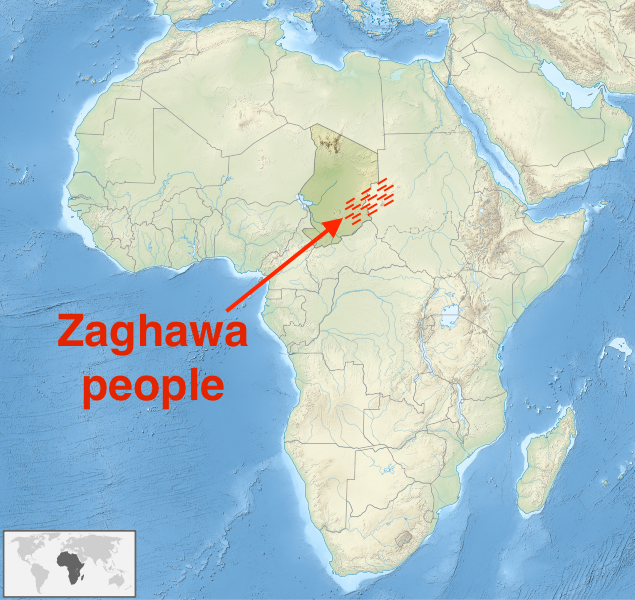
The Zaghawa, who call themselves the Beri, are a Saharan people of the Sahel, living across the border between eastern Chad and the northern part of Darfur in western Sudan. Numbering several hundred thousand, they are semi-nomadic herders of camels, cattle and goats and cultivators of millet on the harsh southern edge of the Sahara.A Nilo-Saharan-speaking people of the desert margin, divided among clans and straddling an international border, the Zaghawa have a reputation for hardiness, mobility and fierce independence, and have produced notable leaders in the politics of Chad and the conflict in Darfur. This article traces their origins, language, homeland, herding life and the customs that continue to define them.
The Zaghawa on Film
Contents
- Origins
- The Name
- The Language
- The Homeland
- The Old Way of Life
- Society and Community
- Religion and Belief
- Traditions
- Crafts
- Food
- Festivals
- History
- Today
Origins

The Zaghawa, who call themselves the Beri, are a Saharan people of the Sahel, living across the border between eastern Chad and the northern part of Darfur in western Sudan. Numbering several hundred thousand, they are semi-nomadic herders and farmers of a harsh, dry land on the southern edge of the Sahara.
A Nilo-Saharan-speaking people long established in this arid frontier, the Zaghawa adapted to a demanding environment of thorn scrub and desert margin, herding camels, cattle and goats and cultivating millet where the rains allowed. Divided among clans and straddling an international border, they have a reputation for hardiness, mobility and a fierce independence, and have produced notable political and military leaders in both countries.
The Name

The people call themselves the Beri, but they are widely known, from an old name, as the Zaghawa, and it is by this name that they appear in history and in the modern world. They are divided into a number of clans and sections, spread across Chad and Sudan.
Whether called Beri or Zaghawa, they share a common language, a common way of life and a strong sense of identity as a people of the desert margin. The name Zaghawa has become known internationally through the role of the people in the politics of Chad and in the conflict in Darfur, but it denotes above all a proud herding people of the Sahel.
The Language
The Zaghawa speak the Beri language, a member of the Saharan branch of the Nilo-Saharan family, related to the languages of the Kanuri and other peoples of the central Sahara and Sahel. It is spoken on both sides of the Chad-Sudan border and, unusually for the region, has its own indigenous script devised in modern times.
Arabic, the language of religion and of the wider Sahel, is widely known among the Zaghawa, many of whom are bilingual, but the Beri language remains the core of their identity. It carries the oral traditions, poetry and genealogies of a people whose networks of kinship stretch across the desert frontier.
The Homeland

The Zaghawa homeland is the semi-arid Sahel on the southern fringe of the Sahara, a land of sparse grassland, thorn scrub, sandy plains and scattered wells, straddling the border of eastern Chad and northern Darfur. Rainfall is low and unreliable, and drought is a recurring danger in this exposed and demanding country.
Across this frontier the Zaghawa move with their herds in search of pasture and water, and cultivate millet in the brief rainy season. Their homeland, lying athwart an international border and at the meeting of desert and savanna, shaped a mobile, resilient way of life and a network of clans and kin that pays little heed to the frontier drawn across it.
The Old Way of Life

The Zaghawa are semi-nomadic agropastoralists, herding camels, cattle, goats and sheep across the Sahel and cultivating millet and other hardy crops during the short rains. The mix of animals is a strategy for survival, camels and goats enduring where cattle cannot, and the herds provide milk, meat and the means of transport and trade.
Mobility is central to their life, as families and herds move between seasonal pastures and wells, and trade in livestock and desert goods links them to the markets of the Sahel. Millet farming, where the land and rains permit, supplements the pastoral economy. This combination of herding, farming and trade, finely tuned to a dry and uncertain land, has long defined the Zaghawa way of life.
Society and Community

Zaghawa society is organised around clans and lineages traced through the male line, and around the ties of kinship that bind families across the desert frontier. Historically there were chiefs and, in places, small sultanates and states influenced by the Islamic kingdoms of the region, but authority tended to rest with clan leaders and the councils of elders.
The demands of a mobile pastoral life fostered strong bonds of kinship and mutual aid, and the sharing of animals and resources spread risk across the community. Marriage linked clans, and the networks of kin, reaching across the Chad-Sudan border, have been important in trade, in migration and, in modern times, in the politics and conflicts of both countries.
Religion and Belief
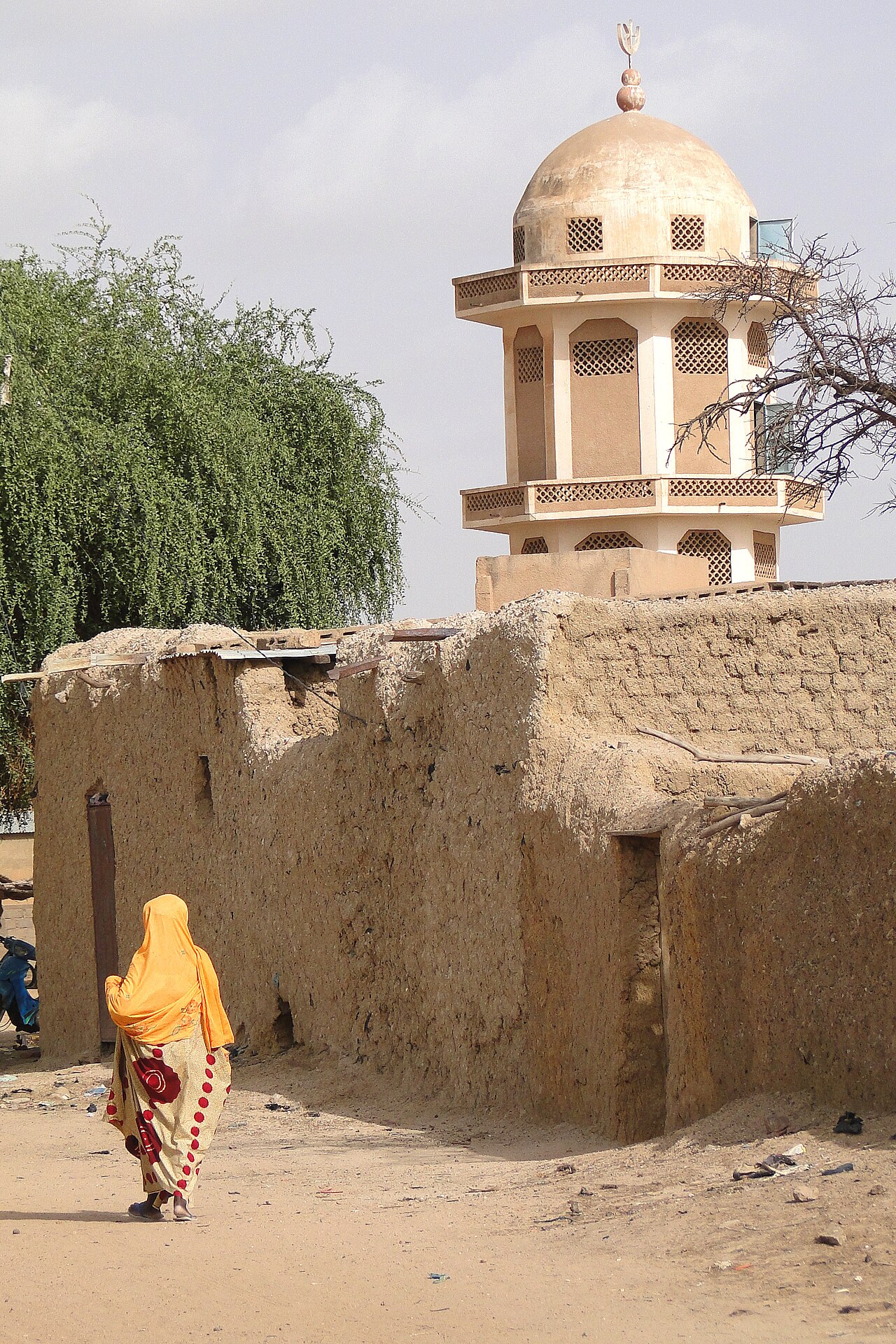
The Zaghawa are Muslims, having adopted Islam centuries ago through contact with the Islamic states and trade routes of the Sahel, and the faith is central to their identity and daily life. Mosques, Quranic learning and the observance of Islamic law and festivals mark the religious round even among the mobile herding families.
As among many Sahelian peoples, older customs and the veneration of holy men and Sufi traditions colour the practice of Islam. Islam links the Zaghawa to the wider Muslim world of the Sahara and Sahel and has long been woven into their social and political life, and it remains a defining element of their culture and identity.
Traditions

The traditions of the Zaghawa are those of a mobile, Muslim herding people of the desert margin. Personal honour, endurance, hospitality and the bonds of kinship are highly valued, and custom governs marriage, the settlement of disputes and the sharing of scarce pasture and water. Distinctive dress and adornment express identity and status.
Music, poetry and dance accompany weddings, celebrations and the great festivals of Islam, and the oral traditions of the people preserve genealogy, history and the values of desert life. Hospitality to travellers and kin, in a land where survival can depend on it, is a sacred duty, and the customs of the herd and the caravan order the traditional life of the Zaghawa.
Crafts

Zaghawa craftsmanship is spare and practical, suited to a mobile life in the Sahel. The women make and decorate the mats, leather goods and containers of the household, and craft the beadwork and ornament worn as adornment, while leatherwork in particular is a valued skill, seen in the workshops of the region’s towns.
Men make the wooden and leather gear of the herder and caravaneer, the saddles, ropes and vessels of the mobile life, and metalwork obtained through trade supplied knives, spears and tools. The markets of towns such as Abéché, where the crafts and produce of the Sahel are exchanged, are important centres of this material culture, tied to herding, trade and the desert.
Food
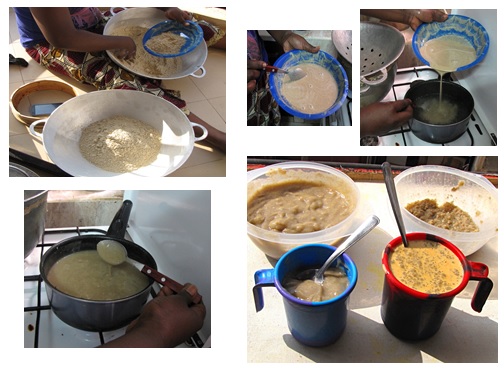
The staple food of the Zaghawa is millet, the hardy grain of the Sahel, ground and cooked into porridge and flat cakes and eaten with sauces of meat, dried vegetables or milk. Sorghum and other crops add to the diet where they can be grown, and dates and other goods come through trade with the wider region.
Milk from the camels, cattle and goats is a mainstay of the pastoral diet, drunk fresh or soured, and meat is eaten above all at ceremonies and times of plenty. Lean and resourceful, drawn from the herds and the millet fields, Zaghawa cooking reflects the constraints of life on the arid southern edge of the Sahara.
Festivals

Festive life among the Zaghawa is shaped by the Islamic calendar, the milestones of the life cycle and the events of pastoral society. The great Muslim festivals, weddings and the celebrations of birth and circumcision bring families and clans together for feasting, poetry, music and dance across the Sahel.
These occasions, gathering a mobile and dispersed people, are important social events, renewing the bonds of kinship and community. Dance, song and the display of dress and adornment mark the celebrations, and the coming together of scattered families for a wedding or a festival is a significant moment in the life of a people spread thinly across a hard land.
History

The Zaghawa have inhabited the desert frontier of Chad and Sudan for many centuries, herding and trading across the Sahel and taking part in the commerce and politics of the region’s Islamic states. Long marginal to the centres of power, they nonetheless controlled important stretches of the trade routes and maintained their independence in a harsh land.
In the modern era the Zaghawa have risen to prominence in the politics of Chad, where they have produced presidents and powerful leaders, and they became deeply involved in the conflict in Darfur from 2003, both as victims of the violence and as the backbone of some of the rebel movements. War and drought have driven many into camps and exile, and the fortunes of the Zaghawa have been closely tied to the turbulent history of both their countries.
Today

Today the Zaghawa number several hundred thousand, spread across eastern Chad and northern Darfur, and remain in large part a herding and farming people of the Sahel, though many have moved into the towns, into politics and into the diaspora. In Chad they have wielded considerable political power, while in Darfur they have suffered gravely in the long conflict.
Drought, war and the drawing of an international border across their lands pose continuing challenges to their way of life, yet the Zaghawa have held to their language, their faith and their networks of kinship across the frontier. Hardy, mobile and enduring, they carry a proud heritage of the desert margin through the troubled history of the central Sahel.
Related Peoples of the Region
- The Gurage, the Enset Farmers and Traders of Ethiopia
- The Wolayta, the Kingdom Farmers of Southern Ethiopia
- The Hamar, the Bull-Jumpers of the Omo Valley
- The Mursi, the Lip-Plate People of the Omo Valley
- The Konso, the Terrace Builders of Southern Ethiopia
- The Shilluk, the Divine Kingdom of the White Nile
- The Nuba, the Wrestlers of the Sudanese Mountains
- The Fur, the People of Darfur and Their Sultanate
More Peoples of the World
- A Fifth of Humanity, the Story of the Han Chinese
- How the Maori Sailed Across the Pacific to Reach New Zealand
- Zulu of the Green Hills and Their Kingdom Forged by Shaka
- The People Who Never Vanished, the Story of the Maya
- Long Before the Arabs Came, North Africa Belonged to the Amazigh
- The People Who Emerged Into This World, the Story of the Navajo
- Meet the Ainu, an Indigenous People at Japan’s Northern Edge
You May Like

The Damara, an Ancient People of Namibia



