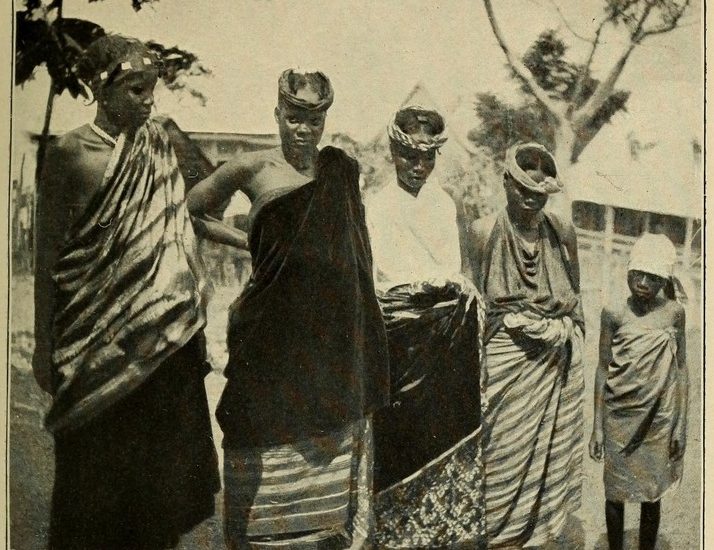
The Serer, or Sérère, are one of the largest peoples of Senegal, the third most numerous after the Wolof and the Fula, and are found also in the Gambia and Mauritania. Numbering around two million, they are settled farmers and herders of west-central Senegal, above all the historic kingdoms of Sine and Saloum.Among the oldest inhabitants of the region, the Serer are famous for their sophisticated agriculture, their long resistance to Islam and their rich traditional religion centred on the god Roog, and for the great burial mounds and megaliths of their country. This article traces their origins, language, homeland, farming life and the customs that continue to define them.
The Serer on Film
Contents
- Origins
- The Name
- The Language
- The Homeland
- The Old Way of Life
- Society and Community
- Religion and Belief
- Traditions
- Crafts
- Food
- Festivals
- History
- Today
Origins
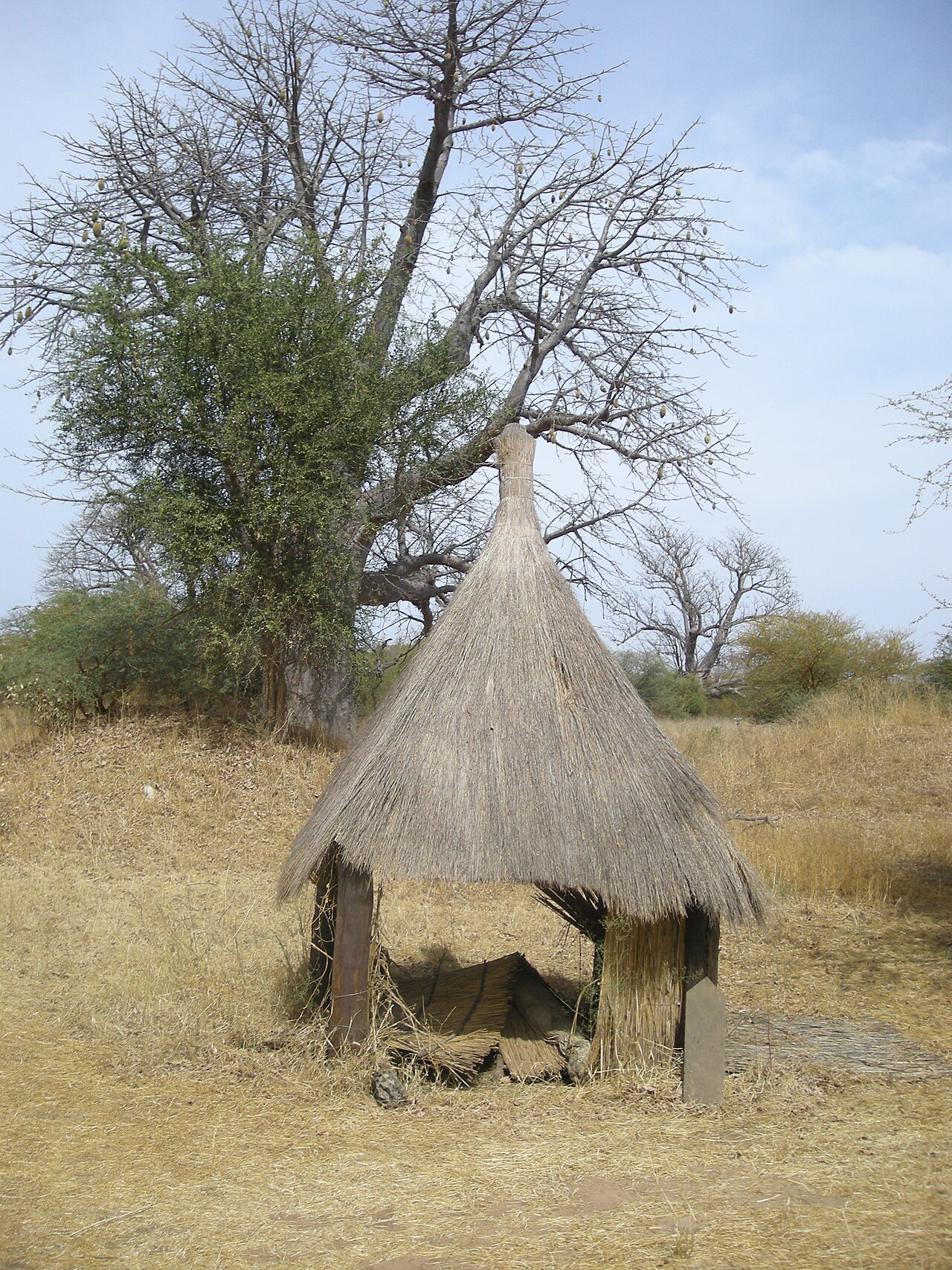
The Serer, or Sérère, are one of the largest peoples of Senegal, the third most numerous after the Wolof and the Fula, and are found also in the Gambia and Mauritania. Numbering around two million, they are settled farmers and herders of the west-central regions of Senegal, above all the historic kingdoms of Sine and Saloum.
Among the oldest inhabitants of the region, the Serer are famous for their skilled agriculture, their long resistance to Islam and their rich traditional religion, and for the great burial mounds and megaliths of their country. Though many are now Muslim or Catholic, the Serer have preserved a strong sense of a distinct and ancient identity, and have given Senegal some of its most notable figures.
The Name
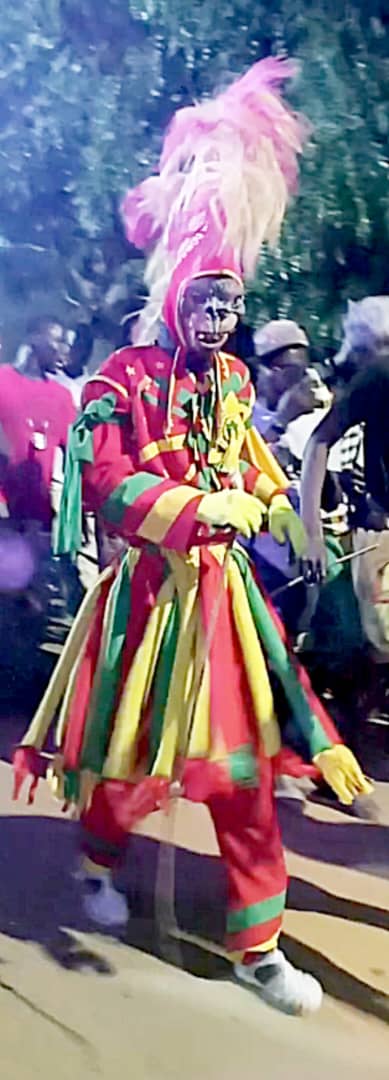
The people are called the Serer, also written Sérère or Seereer, and their language by the same name. They are made up of several groups, including the Serer-Sine of the old kingdom of Sine and the Serer-Noon and others, united by a common identity though not entirely by a single language.
Their name is bound up with the ancient kingdoms of Sine and Saloum and with their reputation as farmers and as keepers of an old religion. The name Serer denotes a people proud of their antiquity in Senegal, of their distinct culture and of a heritage that reaches back long before the coming of Islam to the region.
The Language
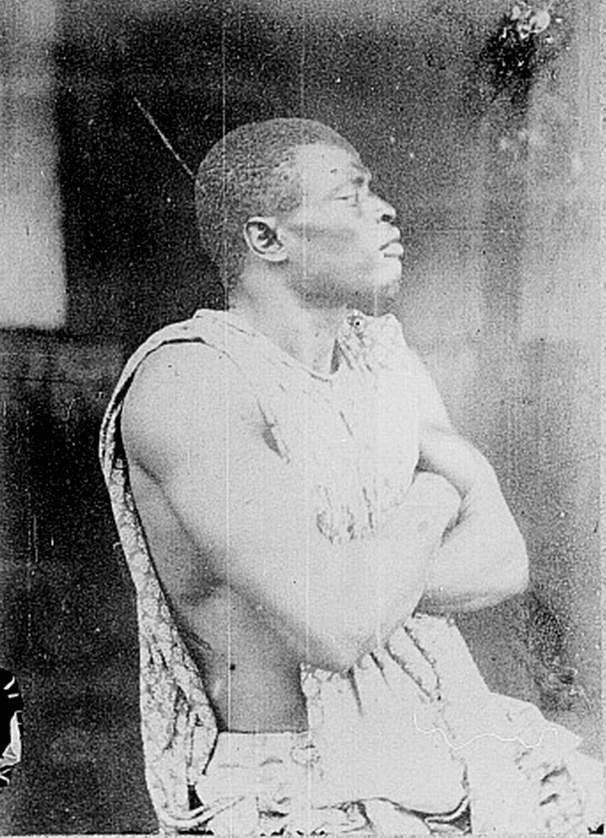
The Serer speak Serer, or Seereer-Siin, a language of the Atlantic branch of the Niger-Congo family, related to Wolof and Fula but distinct from them. Several related Serer languages or dialects are spoken by the different groups, the language of the old kingdom of Sine being the most widely used.
Rich in the oral traditions of the kingdoms, in poetry, proverb and the lore of the old religion, the Serer language remains strong in its homeland. Wolof and French are widely used in Senegal for wider communication, but Serer continues to carry the culture and memory of the people, and it has been an object of study for its archaic features.
The Homeland
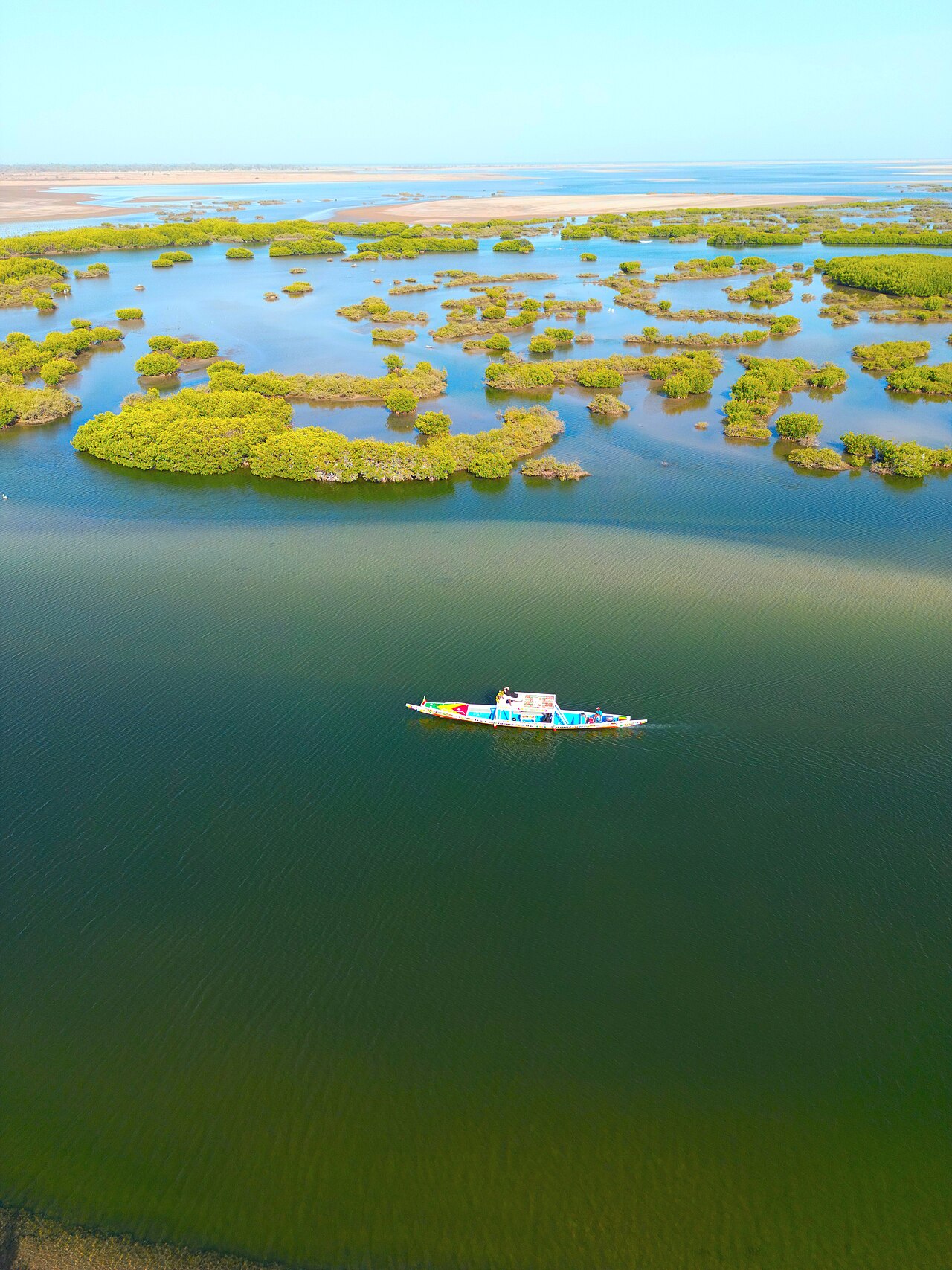
The Serer homeland lies in west-central Senegal, in the regions of Thiès, Fatick, Kaolack and Diourbel, above all in the area of the old kingdoms of Sine and Saloum around the delta of the Saloum and Sine rivers. It is a land of savanna, farmland and, along the coast, the mangroves, creeks and islands of the Sine-Saloum delta.
The fertile, well-farmed country of the Serer, with its fields of millet and groundnuts and its scattered villages, supported a dense agricultural population. The Sine-Saloum delta, with its fishing, salt and mangroves, added its own resources, and this landscape of farm, savanna and delta shaped the settled life of the Serer people.
The Old Way of Life
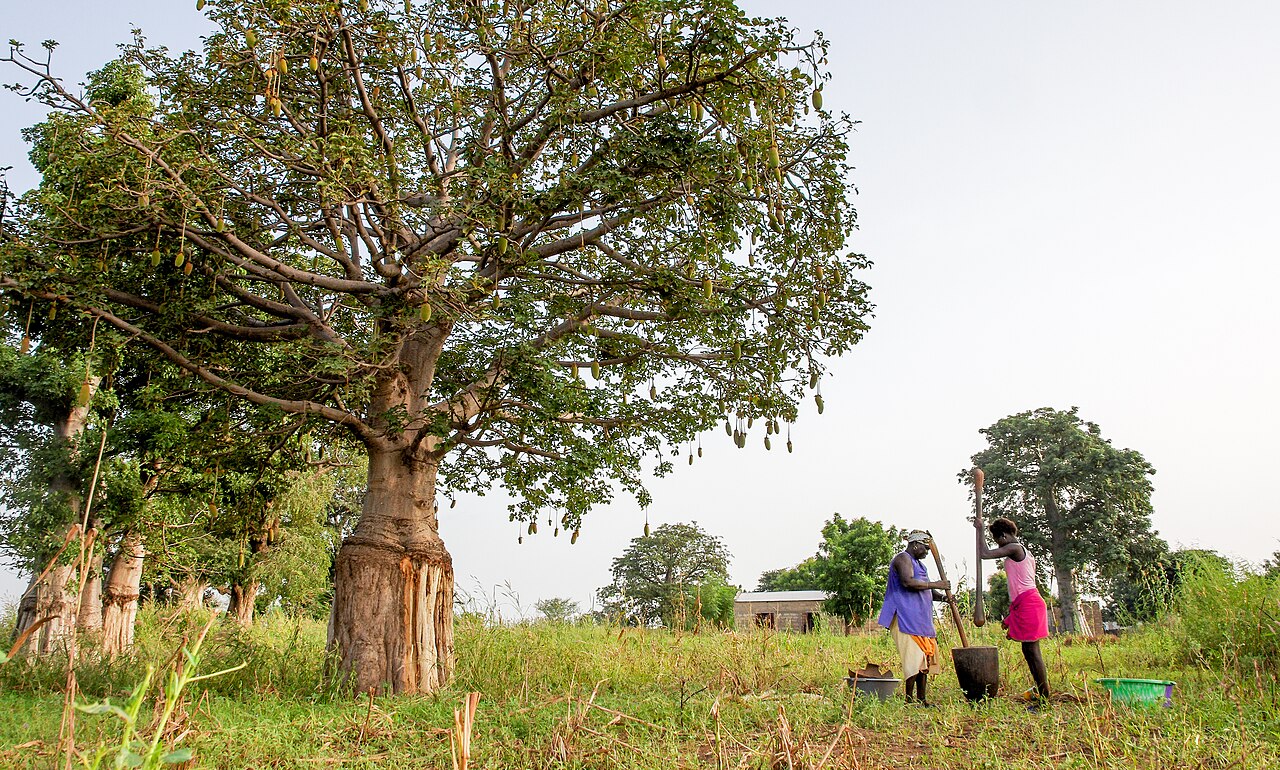
The Serer are renowned as skilled and industrious farmers, and their agriculture is admired for its sophistication. They cultivate millet, sorghum and, since the colonial period, groundnuts, and are famous for an agroforestry system in which the acacia tree Faidherbia albida is protected in the fields to enrich the soil, a practice much studied for its sustainability.
Cattle, valued for milk, manure and wealth, are integrated with the farming, and the Serer manage their land with care, combining crops, trees and livestock. This intensive and sustainable agriculture supported a dense population and gave the Serer a reputation, throughout Senegal, as master farmers of the savanna.
Society and Community
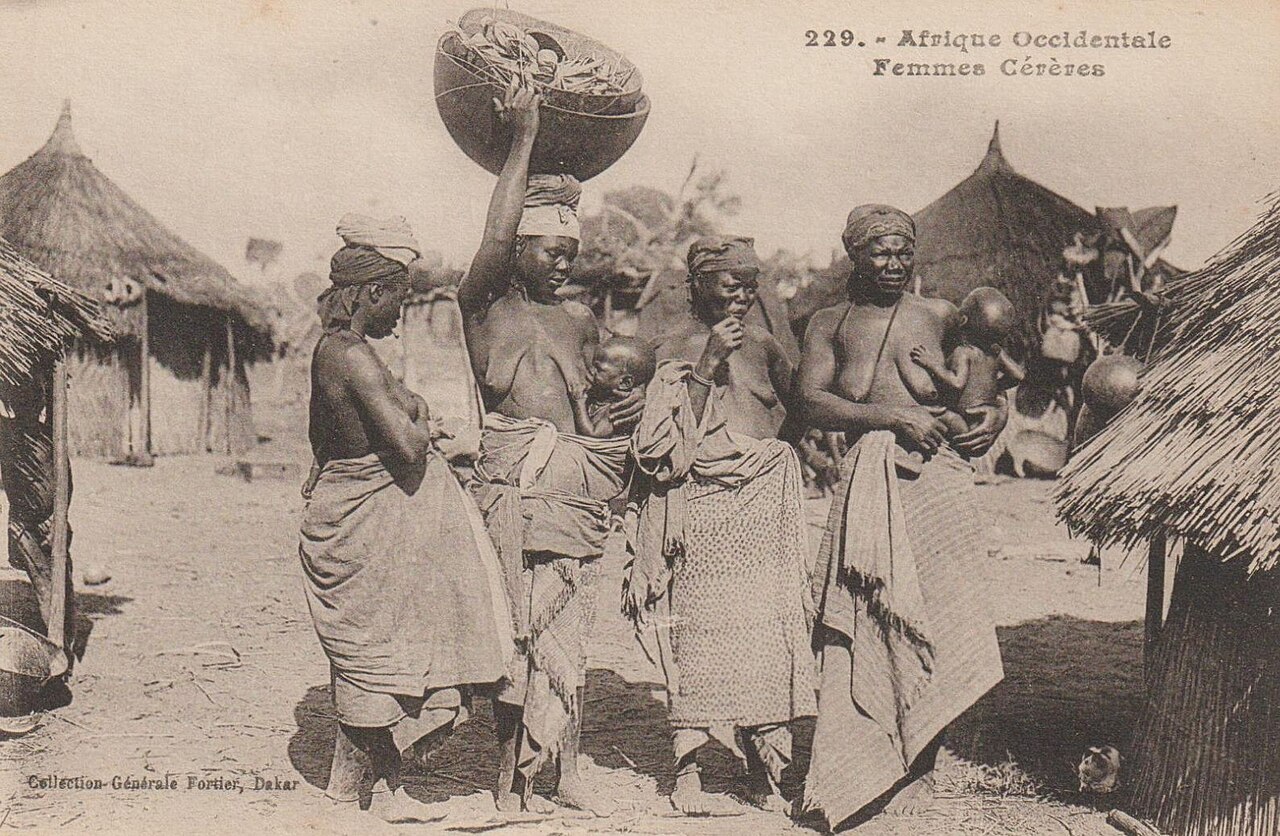
Serer society was organised into the kingdoms of Sine and Saloum, ruled by kings and a nobility, with an elaborate social order of nobles, free commoners, occupational castes and, historically, those of servile status. Below the level of the state, society rested on clans and lineages, and descent was traced in part through the maternal line, an unusual feature in the region.
The kings and nobility, the councils and the matrilineal lineages ordered social and political life, and the ceremonies of the kingdoms and the rituals of the old religion bound the people together. Marriage, the bonds of kinship, and the customs of the village governed daily life, in a society proud of its kingdoms and its ancient order.
Religion and Belief
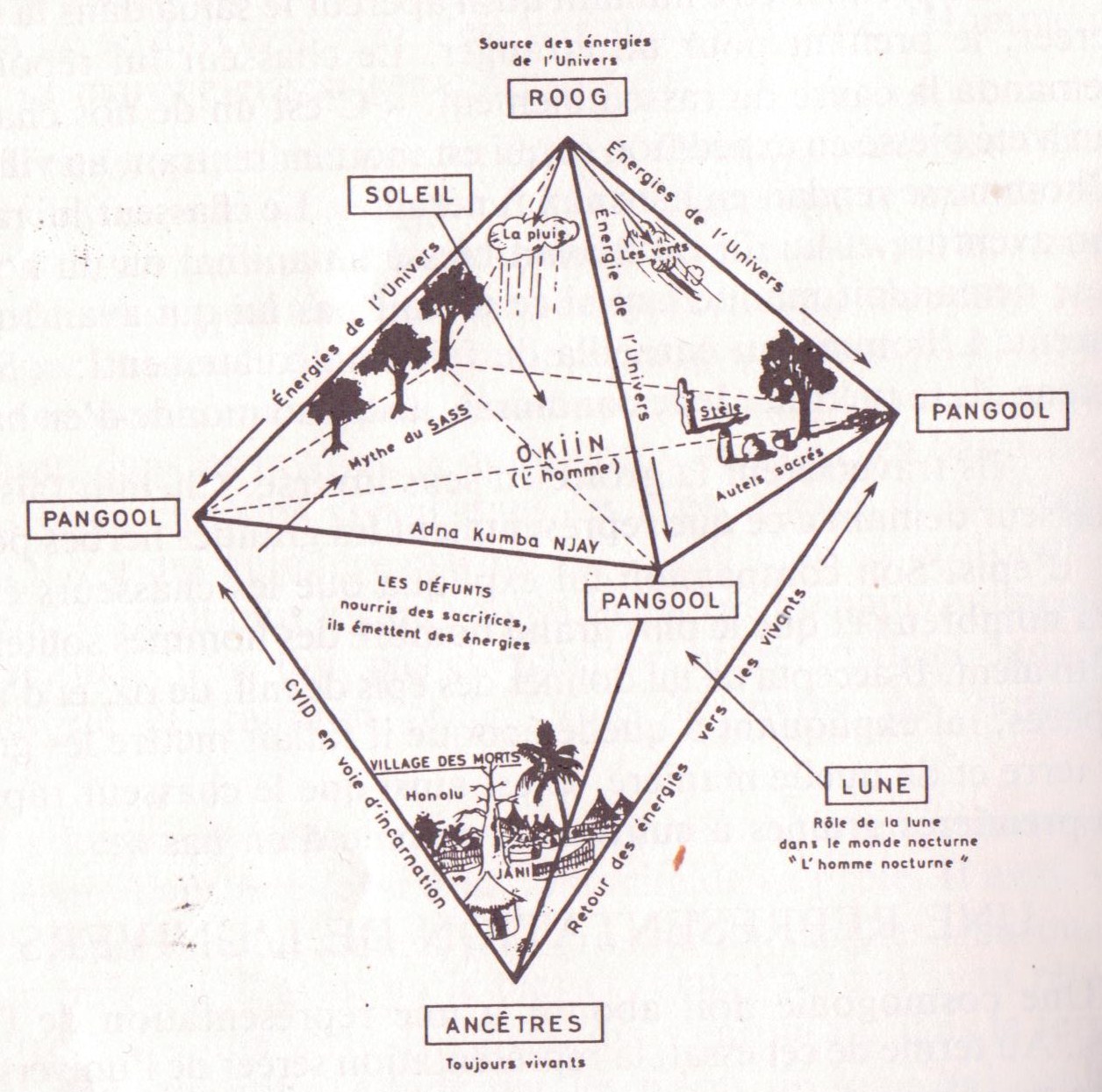
The Serer are famous for their traditional religion, one of the most fully documented of the region, centred on a supreme god, Roog, the creator and source of life, and on a complex cosmology, the veneration of ancestors and the pangool, protective ancestral and nature spirits. The great tumuli and standing stones of the Serer country are bound up with this religion and with the burial of the dead.
Rituals, divination and the cult of the pangool sought the favour of Roog and the ancestors for rain, fertility and protection, and the Serer long resisted the spread of Islam, holding to their old faith. Today many Serer are Muslim or, notably, Catholic, but the traditional religion survives, and its cosmology and rituals remain a celebrated part of the heritage of the people.
Traditions
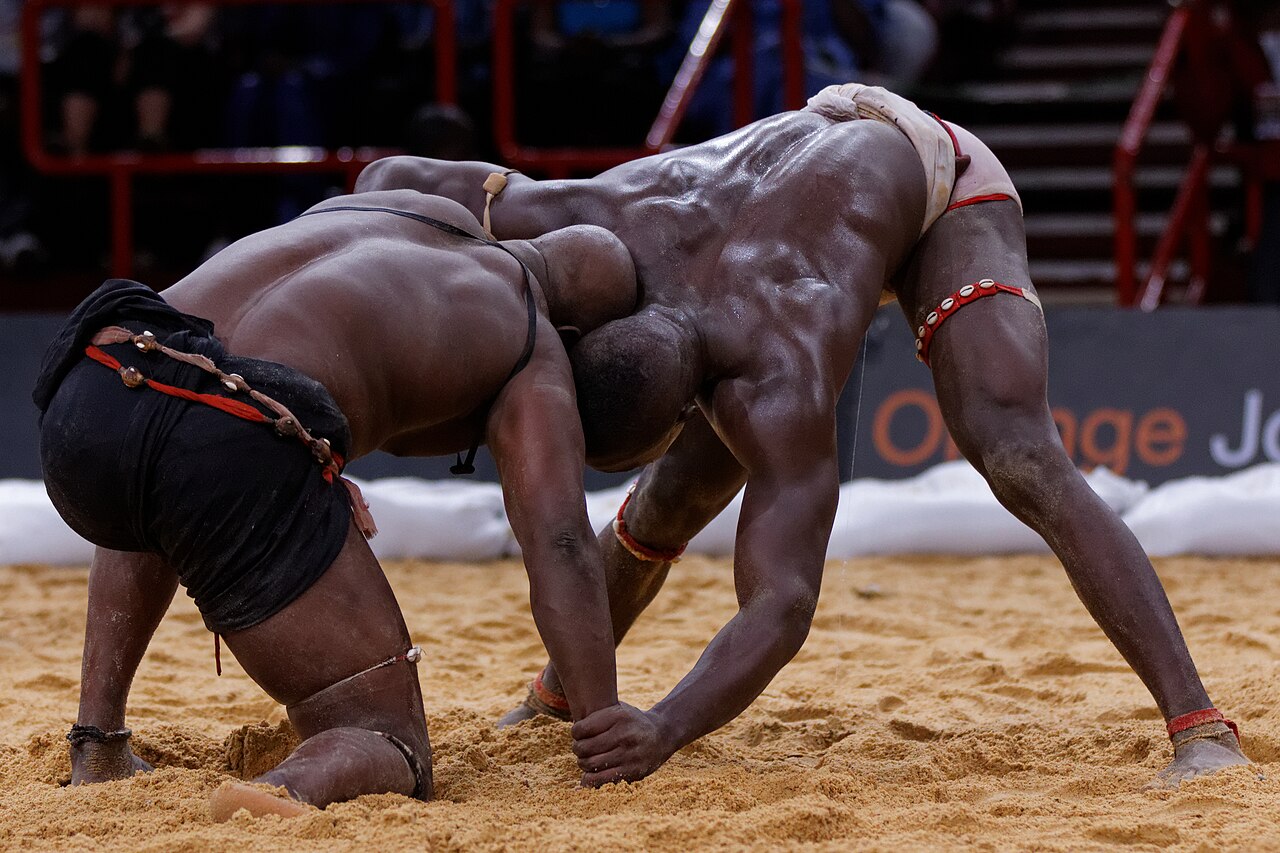
The traditions of the Serer are bound up with the old religion, the kingdoms and the land. The rituals of Roog and the pangool, the ceremonies of the royal courts, and the rites of passage marking birth, initiation, marriage and death ordered the traditional year. The raising of tumuli and megaliths for the dead was a striking expression of their beliefs.
Wrestling, the laamb, is a great Serer tradition, and the people are famous throughout Senegal as wrestlers; the sport, bound up with village pride and ritual, remains hugely popular. Music, drumming, including the royal drums, and dance accompanied celebration and ceremony, and oral tradition preserved the history of the kingdoms and the lore of the old religion.
Crafts
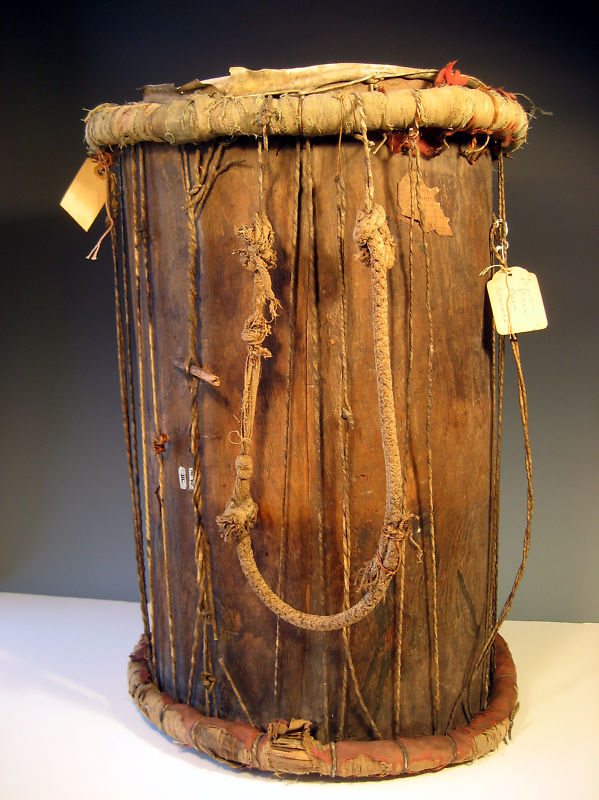
Serer craftsmanship served a farming society and the courts of the kingdoms. Occupational groups of smiths, leatherworkers, weavers and griots, each with their own place in society, produced the tools, cloth, ornaments and music of the people. Ironworkers forged the hoes and implements of the celebrated Serer agriculture, and the making of the royal drums and regalia called for special skill.
Households made pottery, wove baskets and mats, and worked the gourds and wood of daily life, while weaving and dyeing produced cloth for dress and display. Along the coast, the working of salt and the crafts of fishing added to the material culture. These crafts, tied to farming, the court and the delta, reflect the varied life of the Serer.
Food
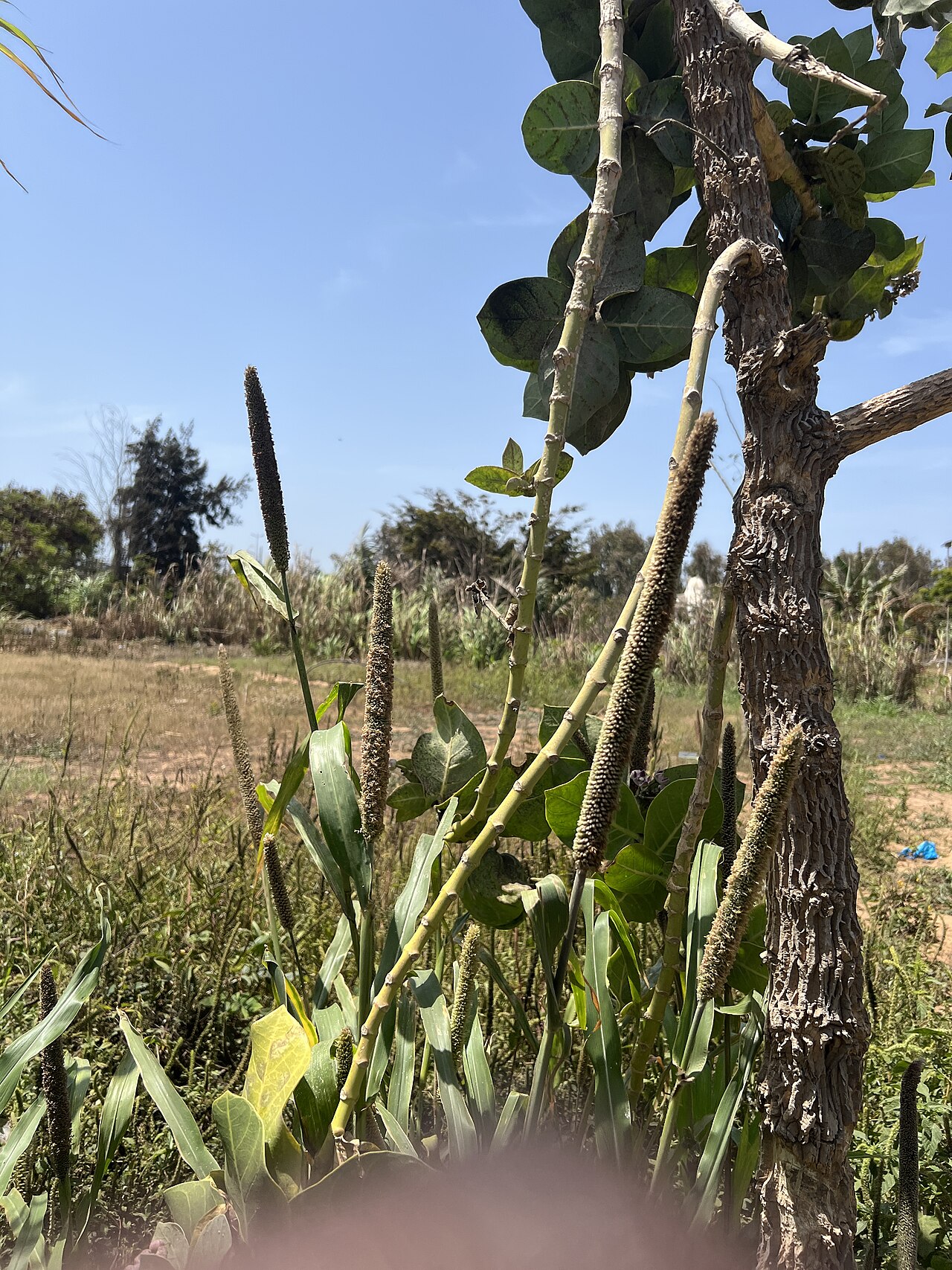
The staple food of the Serer is millet, the grain of their celebrated agriculture, ground and cooked into couscous and porridge and eaten with sauces of vegetables, meat, fish or groundnut. Sorghum, groundnuts and, along the coast, the abundant fish and shellfish of the Sine-Saloum delta add to the diet.
Milk and meat from the herds, and the produce of the gardens, fill out the food, and millet couscous in particular is central to Serer cooking and hospitality. Drawn from the grains, herds and waters of their fertile country, and reflecting the skill of the Serer farmer and fisherman, their cuisine is rooted in the abundance of the savanna and the delta.
Festivals
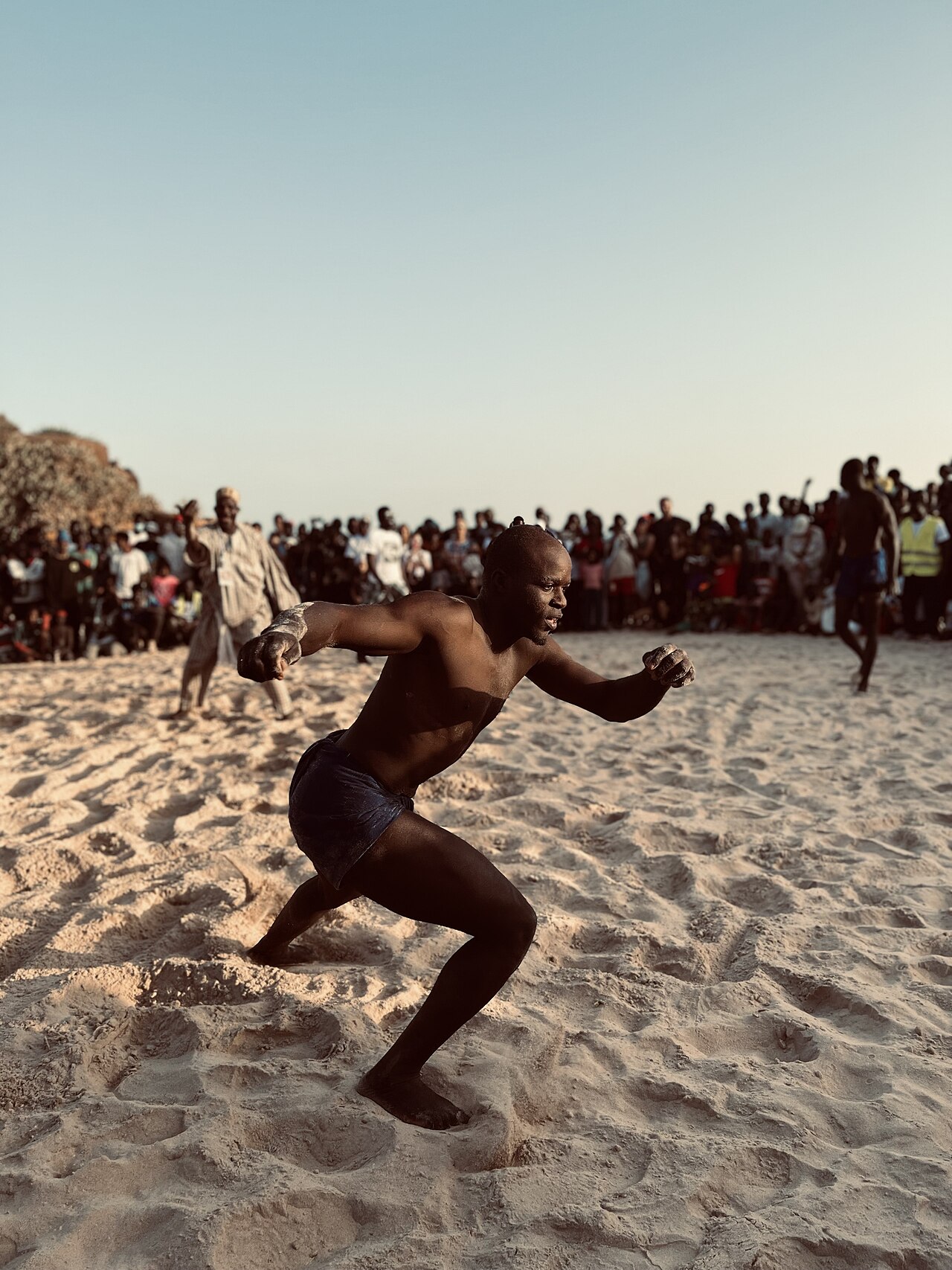
Festive life among the Serer is tied to the agricultural year, the ceremonies of the old religion and the kingdoms, and the milestones of the life cycle. Harvests, the rituals of the pangool, weddings and the rites of passage brought communities together for feasting, music and dance, and the wrestling matches of the laamb were, and remain, great popular festivals.
Drumming, song and dance, and the excitement of the wrestling arena, gave these gatherings their spirit, and the coming together of villages for a great match or a religious ceremony renewed the bonds of the community. Today Muslim and Christian festivals and national holidays join the older celebrations, but wrestling and the traditions of the old religion remain central to Serer festivity.
History
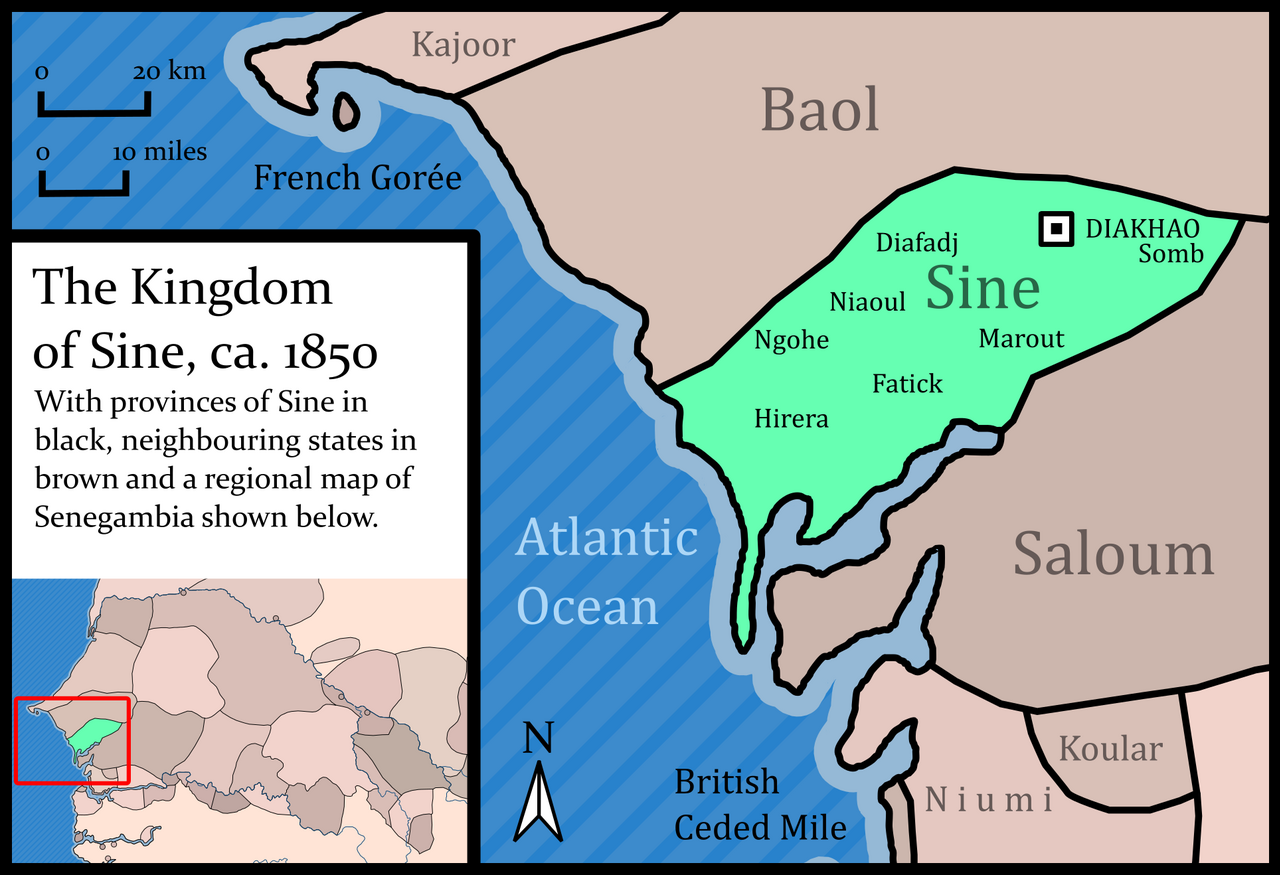
The Serer are among the most ancient peoples of Senegal, and their kingdoms of Sine and Saloum endured for centuries as some of the most stable states of the region, ruled by their kings and nobility and resisting the spread of Islam longer than most of their neighbours. The great tumuli and megaliths of their country testify to a long and rich history.
Under French colonial rule the Serer kingdoms were absorbed into Senegal, and groundnut cultivation was expanded across their land. The Serer took a prominent part in the life of colonial and independent Senegal, and the country’s first president, the poet Léopold Sédar Senghor, was a Serer, a mark of the people’s influence in the modern nation.
Today
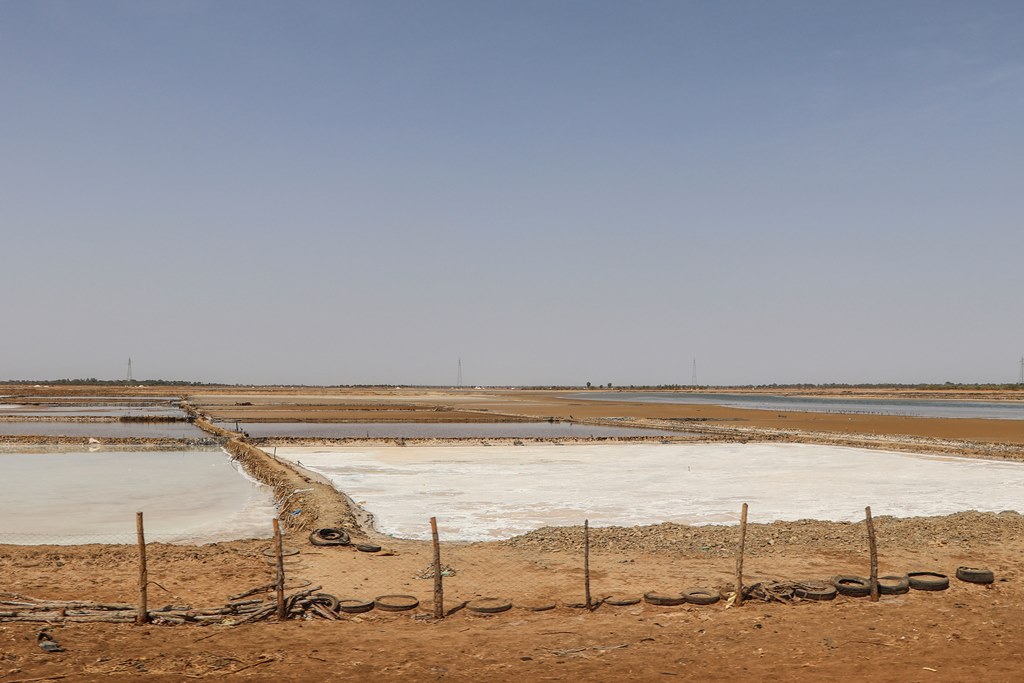
Today the Serer number around two million and remain one of the major peoples of Senegal, prominent in farming, in the professions and in national life. Their homeland in the Sine-Saloum region remains a centre of millet and groundnut cultivation, and the delta supports fishing and salt production, while many Serer have moved to Dakar and the other cities.
Proud of their ancient identity, their celebrated agriculture, their wrestling and their traditional religion, the Serer have given Senegal notable leaders and thinkers, from President Senghor onwards. Balancing the traditions of the kingdoms and the old faith with life in a modern, largely Muslim nation, the Serer carry their distinctive and ancient heritage into contemporary Senegal.
Related Peoples of the Region
- The Wolayta, the Kingdom Farmers of Southern Ethiopia
- The Hamar, the Bull-Jumpers of the Omo Valley
- The Mursi, the Lip-Plate People of the Omo Valley
- The Konso, the Terrace Builders of Southern Ethiopia
- The Shilluk, the Divine Kingdom of the White Nile
- The Nuba, the Wrestlers of the Sudanese Mountains
- The Fur, the People of Darfur and Their Sultanate
- The Zaghawa, the Desert Herders of Chad and Darfur
More Peoples of the World
- A Fifth of Humanity, the Story of the Han Chinese
- How the Maori Sailed Across the Pacific to Reach New Zealand
- Zulu of the Green Hills and Their Kingdom Forged by Shaka
- The People Who Never Vanished, the Story of the Maya
- Long Before the Arabs Came, North Africa Belonged to the Amazigh
- The People Who Emerged Into This World, the Story of the Navajo
- Meet the Ainu, an Indigenous People at Japan’s Northern Edge
You May Like
The Senufo, the Master Carvers of the Savanna