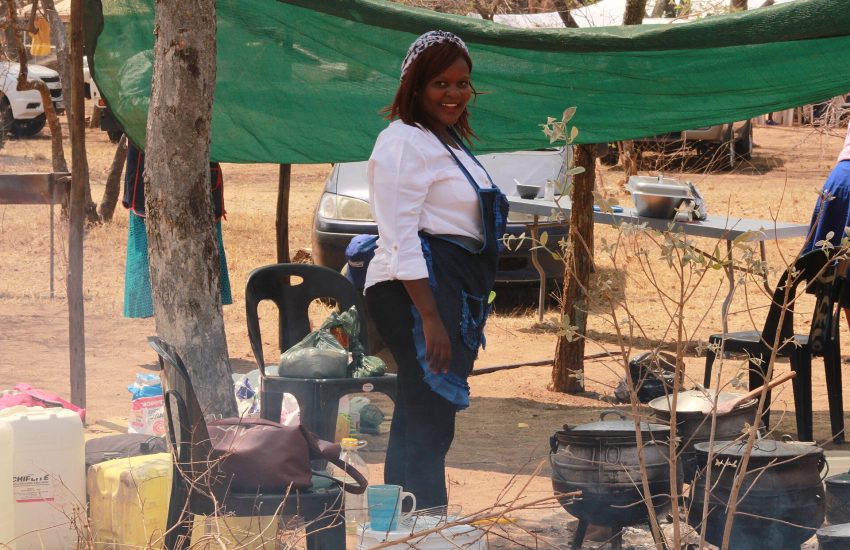
The Kru, or Kroo, are a people of the coast of Liberia and southwestern Côte d’Ivoire, one of the great seafaring peoples of West Africa. Numbering some hundreds of thousands, they are famous throughout the history of the coast as canoemen, fishermen and sailors, whose skill on the water made them indispensable to the trade and shipping of the region.Handling the dangerous Atlantic surf in their dugout canoes, and serving as the crews and labourers known as Krumen on ships and in ports along the whole West African coast, the Kru were a proudly independent people famous for resisting enslavement. This article traces their origins, language, homeland, maritime life and the customs that continue to define them.
The Kru on Film
Contents
- Origins
- The Name
- The Language
- The Homeland
- The Old Way of Life
- Society and Community
- Religion and Belief
- Traditions
- Crafts
- Food
- Festivals
- History
- Today
Origins

The Kru, or Kroo, are a people of the coast of Liberia and southwestern Côte d’Ivoire, one of the great seafaring peoples of West Africa. Numbering some hundreds of thousands, they are famous throughout the history of the West African coast as canoemen, fishermen and sailors, whose skill on the water made them indispensable to the trade and shipping of the region.
Living along the surf-beaten shore and the rivers behind it, the Kru built a way of life centred on the sea. From the era of European contact they served as crewmen and labourers on the ships and in the ports of the coast, and the Krumen, as these workers were known, became a familiar presence in the maritime world of West Africa and beyond.
The Name

The people call themselves the Kru, a name also written Kroo or Krao, and their language belongs to the Kru group to which it gives its name. They are related to neighbouring peoples such as the Grebo and Bassa, and form part of the wider Kru-speaking family of the Liberian and Ivorian coast.
Their identity is bound up above all with the sea and with their reputation as canoemen and sailors. The name Kru has become almost synonymous, in the history of the coast, with the skilled African seamen who worked the surf and the ships, and it denotes a proud maritime people of the West African shore.
The Language

The Kru speak a Kru language, part of the Kru branch of the Niger-Congo family, a group of related tongues spoken along the coast of Liberia and Côte d’Ivoire. Several dialects and closely related languages make up the Kru cluster, reflecting the division of the people into distinct communities along the shore.
English, in Liberia, and French, in Côte d’Ivoire, together with the pidgin and trade languages of the coast, are widely used, and the Kru, as sailors and travellers, were often multilingual. But the Kru languages remain the everyday speech of the people and a marker of their identity as a distinct maritime community.
The Homeland
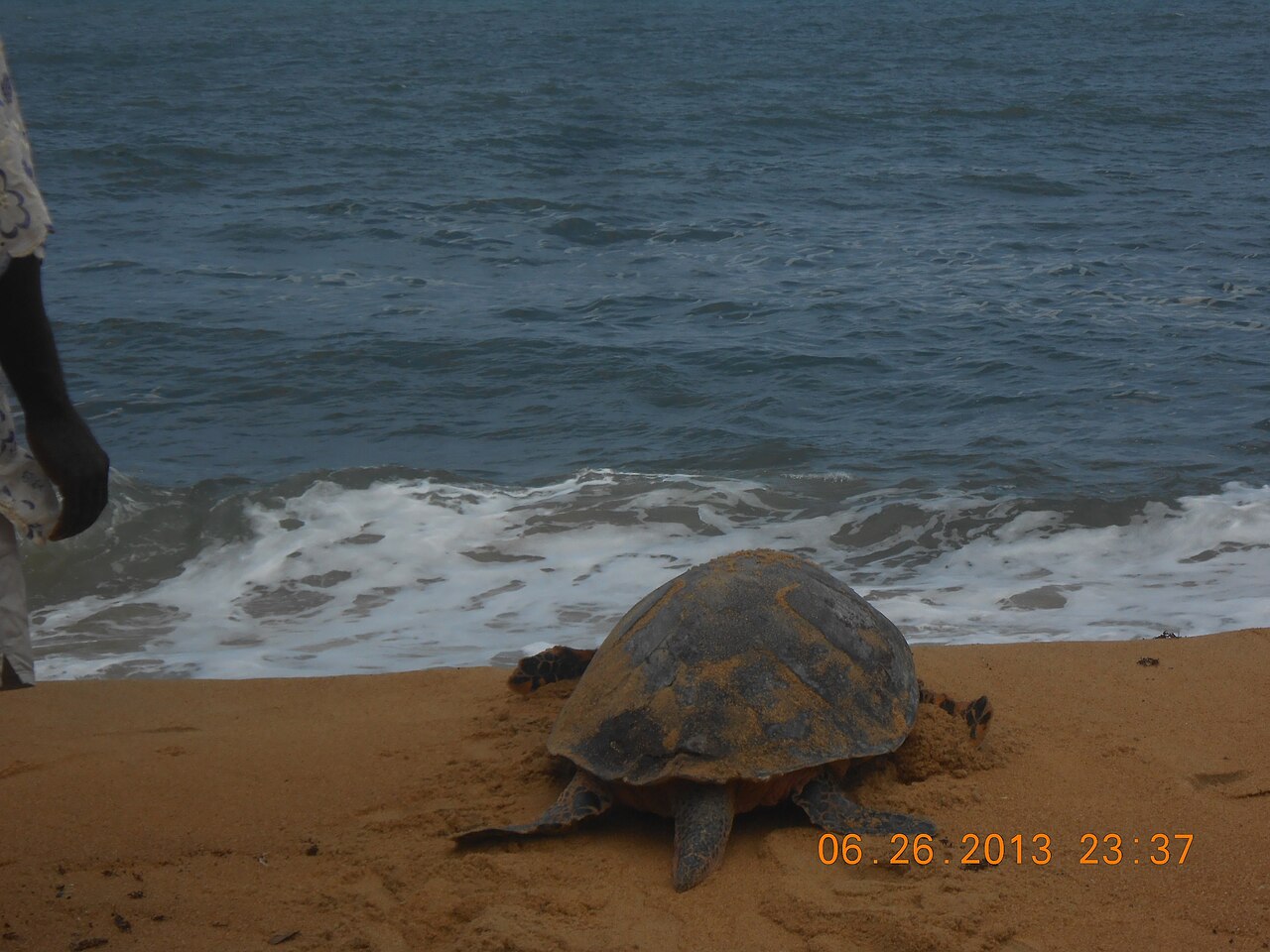
The Kru homeland is the coast of southeastern Liberia, the historic Kru Coast, and the neighbouring shore of southwestern Côte d’Ivoire, a land of surf-beaten beaches, lagoons, rivers and the rainforest behind them. The heavy Atlantic surf, difficult and dangerous, shaped a people uniquely skilled in handling canoes through the breakers.
Behind the shore lay the forest, with its farmland and resources, but it was the sea and the rivers that defined Kru life. The position of the Kru on the open coast, at the edge of the Atlantic shipping routes, made them the natural intermediaries between the ships and the shore, and their homeland the cradle of a great maritime tradition.
The Old Way of Life
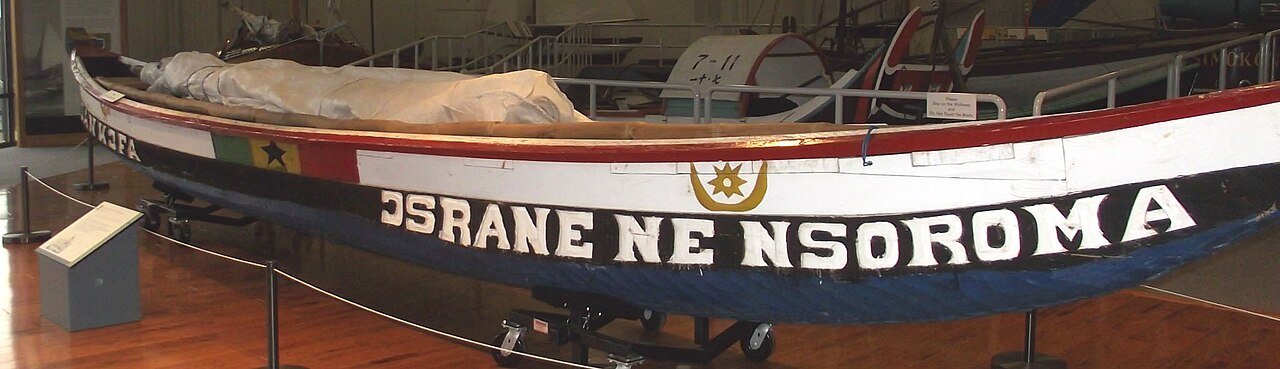
The Kru lived by fishing, farming and, above all, by their work on the water. They fished the sea and the rivers from their dugout canoes, handling the dangerous surf with a skill that astonished observers, and they farmed rice, cassava and other crops in the forest behind the shore.
But the Kru are famous above all as canoemen and sailors. From the era of European trade they served as the crews who carried goods and people through the surf between ship and shore, and as labourers and seamen on the ships themselves, ranging along the whole West African coast and beyond. This work as Krumen, paid in goods and money, became central to the Kru economy and their way of life.
Society and Community

Kru society was organised into a number of independent communities and towns along the coast, each governed by its own councils, elders and title-holders rather than by any overarching kingdom. The Kru were known for a strong spirit of independence and a lack of centralised authority, decisions being reached by discussion among the men.
Within the communities, society rested on lineages and on the associations and age-grades that ordered communal life, and the organisation of the canoe crews and the work gangs of the Krumen was itself an important social institution. Marriage, kinship and the bonds of the town governed daily life, in a society shaped by the sea and by the migratory work of its men.
Religion and Belief

Traditional Kru religion recognised a creator and a world of spirits and ancestors, with the spirits of the sea and the water holding a natural importance for so maritime a people. Ritual, sacrifice and divination sought the favour of these powers for success in fishing, safety on the dangerous surf and the wellbeing of the community.
Diviners and ritual specialists dealt with misfortune and the forces of the world. From the nineteenth century, and especially through the influence of the American-founded colony of Liberia and its missions, Christianity spread among the Kru, and many are now Christian, though older beliefs about the ancestors and the spirits of the sea persist in the culture.
Traditions

The traditions of the Kru are those of a maritime and independent people. The skills of the canoe and the surf, passed from father to son, were the heart of Kru culture, and the life of the Kruman, working far from home on the ships and in the ports, shaped the experience of the people. Distinctive facial tattooing, a blue stripe down the forehead, once marked the Kru and, it was said, protected them from enslavement.
Ceremonies of the life cycle, the customs of the canoe crews, and the songs and stories of the sea and of distant ports ordered and enriched Kru life. Music, drumming and dance accompanied celebration, and the oral traditions of the people preserved the memory of their voyages, their independence and their maritime skill.
Crafts
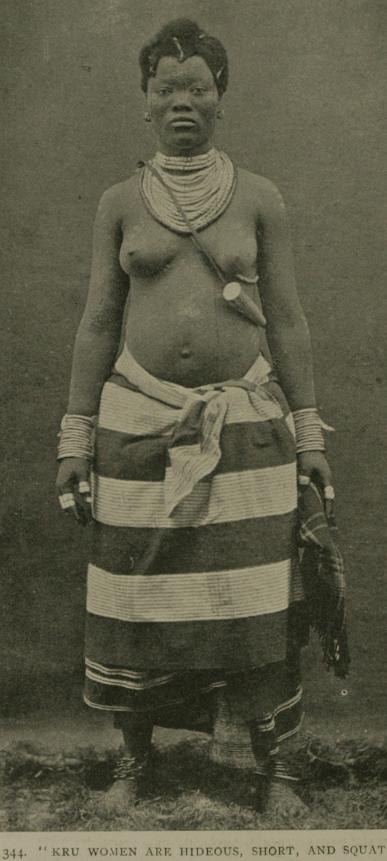
Kru craftsmanship centred on the sea. The building of the dugout canoes, hollowed from great trees and shaped to ride the surf, was the essential and most valued craft, on which the whole way of life depended, and the making of paddles, nets, traps and fishing gear was equally important.
On land the Kru made the tools of farming, pottery, baskets and the wooden and household goods of daily life, and the women wove and made cloth and ornament. But it was the canoe, and the gear of fishing and seafaring, that represented the distinctive craftsmanship of the Kru, a people whose skill was measured above all on the water.
Food
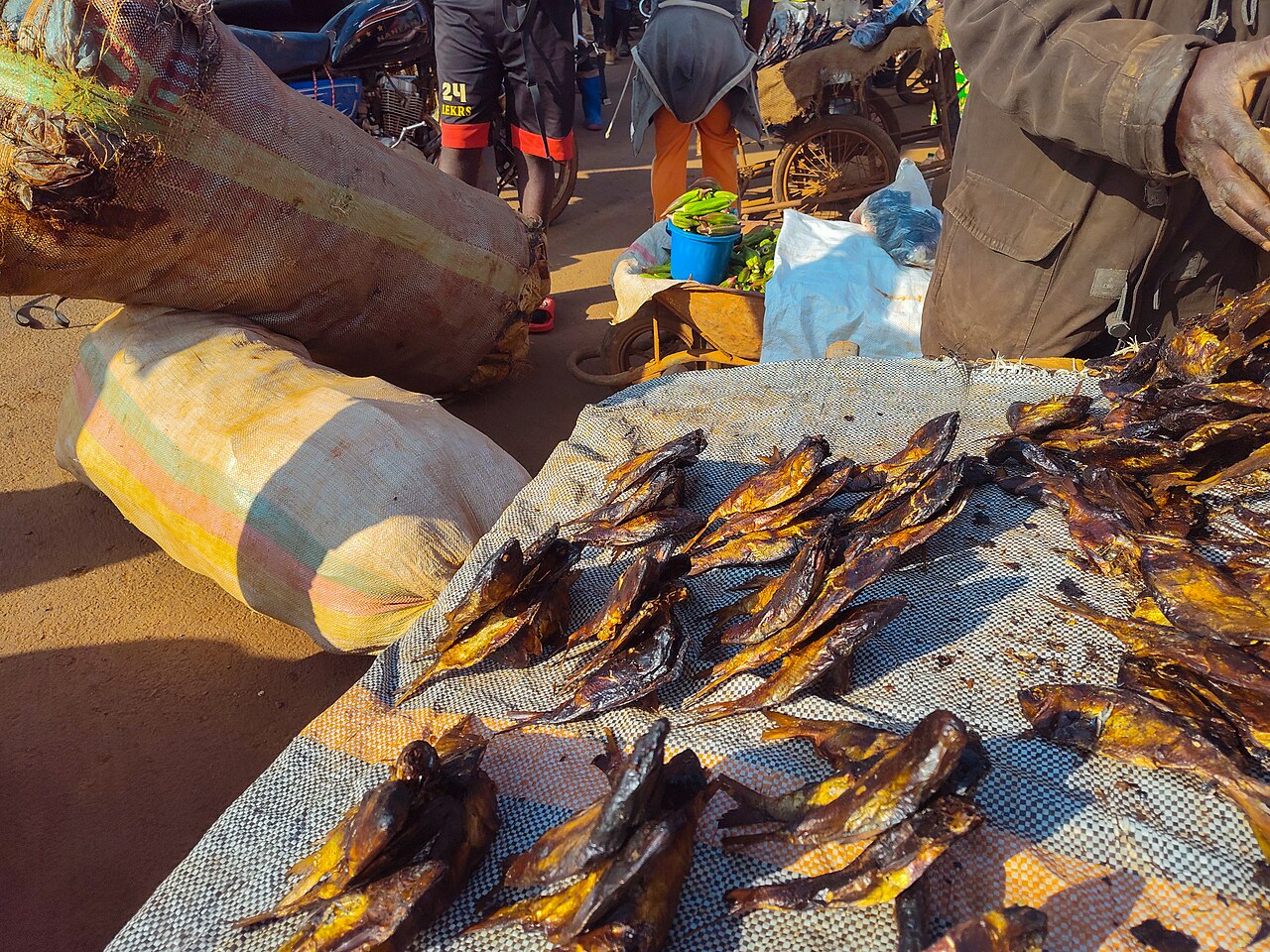
The diet of the Kru is that of the coast, built on rice, the staple of the region, and above all on fish, fresh, dried or smoked, drawn in abundance from the sea and the rivers. Cassava, plantains and the produce of the oil palm and the forest add to the diet, and smoked fish in particular is central to the cooking and the trade of the coast.
Rich soups and stews of fish, palm oil and vegetables accompany the rice, and the abundance of the sea gives the Kru a diet rich in fish and seafood. Drawn from the ocean and the forest, and shared with the wider cuisine of the Liberian and Ivorian coast, Kru food reflects above all the maritime life of the people.
Festivals

Festive life among the Kru is tied to the sea, the milestones of the life cycle and, today, the festivals of Christianity. The return of the Krumen from their voyages and labours, bringing wealth and stories from distant ports, was itself an occasion for celebration, and weddings, namings and the ceremonies of the community brought people together for music, dance and feasting.
Drumming, song and dance, and the recounting of the adventures of the sea, marked these occasions. Today Christian festivals and national holidays join the older celebrations, and cultural events keep the music and dance of the coast alive. Whatever the occasion, the sea and the life of the sailor are never far from the heart of Kru festivity.
History

The Kru have lived on their coast for many centuries, and from the arrival of European ships in the fifteenth and sixteenth centuries they became indispensable to the trade of the shore, working the surf and crewing the vessels. Fiercely resistant to enslavement, and valued as free labourers, the Kru spread along the whole West African coast as Krumen, and their communities grew up in ports far from home.
In the nineteenth century their coast became part of Liberia, the state founded by freed slaves from America, and the Kru had a difficult relationship with the Americo-Liberian settlers who came to rule the country, at times rising in revolt. Through the colonial and modern periods the Kru continued their maritime work, and their homeland became part of independent Liberia and Côte d’Ivoire.
Today

Today the Kru number some hundreds of thousands, living along the coast of Liberia and Côte d’Ivoire and in the port cities, above all Monrovia, where many have long settled as sailors, dockworkers and traders. Fishing and seafaring continue, though the age of the Krumen crewing the great sailing ships has passed, and many Kru now work in the modern economy of the coast.
The long civil wars of Liberia and Côte d’Ivoire brought suffering to the Kru as to their neighbours, but the people have preserved their maritime identity and their traditions. Proud of their history as the great canoemen and sailors of West Africa, the Kru carry their seafaring heritage into the modern life of the Liberian and Ivorian coast.
Related Peoples of the Region
- The Mandinka, the Heirs of the Mali Empire
- The Soninke, the Founders of Ancient Ghana
- The Tiv, the Yam Farmers of the Benue Valley
- The Ijaw, the Water People of the Niger Delta
- The Edo, the People of Benin and the Bronze Casters
- The Nupe, the Craftsmen of the Niger Valley
- The Mende, the Rice Farmers and Mask Dancers of Sierra Leone
- The Temne, the Rice Farmers of Northern Sierra Leone
More Peoples of the World
- A Fifth of Humanity, the Story of the Han Chinese
- How the Maori Sailed Across the Pacific to Reach New Zealand
- Zulu of the Green Hills and Their Kingdom Forged by Shaka
- The People Who Never Vanished, the Story of the Maya
- Long Before the Arabs Came, North Africa Belonged to the Amazigh
- The People Who Emerged Into This World, the Story of the Navajo
- Meet the Ainu, an Indigenous People at Japan’s Northern Edge
You May Like
The Damara, an Ancient People of Namibia