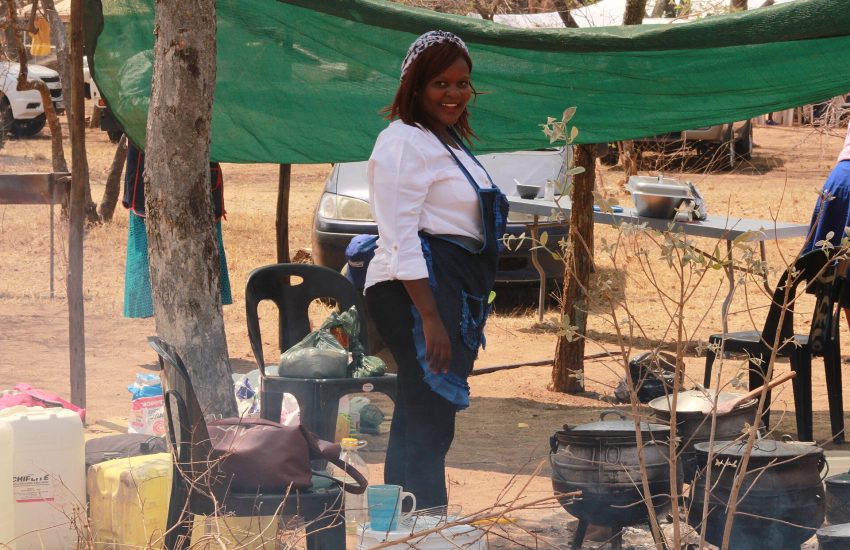
The Edo, also called the Bini, are the people of Benin City and the surrounding region of Edo State in southern Nigeria, the heart of the historic Kingdom of Benin. Numbering several million, they are heirs to one of the most powerful and artistically accomplished states of pre-colonial West Africa, ruled by a divine king, the Oba.Above all the Edo are famous for the extraordinary art of Benin, the brass and bronze plaques, heads and figures known worldwide as the Benin Bronzes, cast by the hereditary guild of the brass-casters for the altars of the Oba. This kingdom, sacked by a British expedition in 1897, remains a source of great pride. This article traces the origins, language, homeland, kingdom and customs of the Edo. (This is the Benin of Nigeria, not the modern Republic of Benin.)
The Edo on Film
Contents
- Origins
- The Name
- The Language
- The Homeland
- The Old Way of Life
- Society and Community
- Religion and Belief
- Traditions
- Crafts
- Food
- Festivals
- History
- Today
Origins
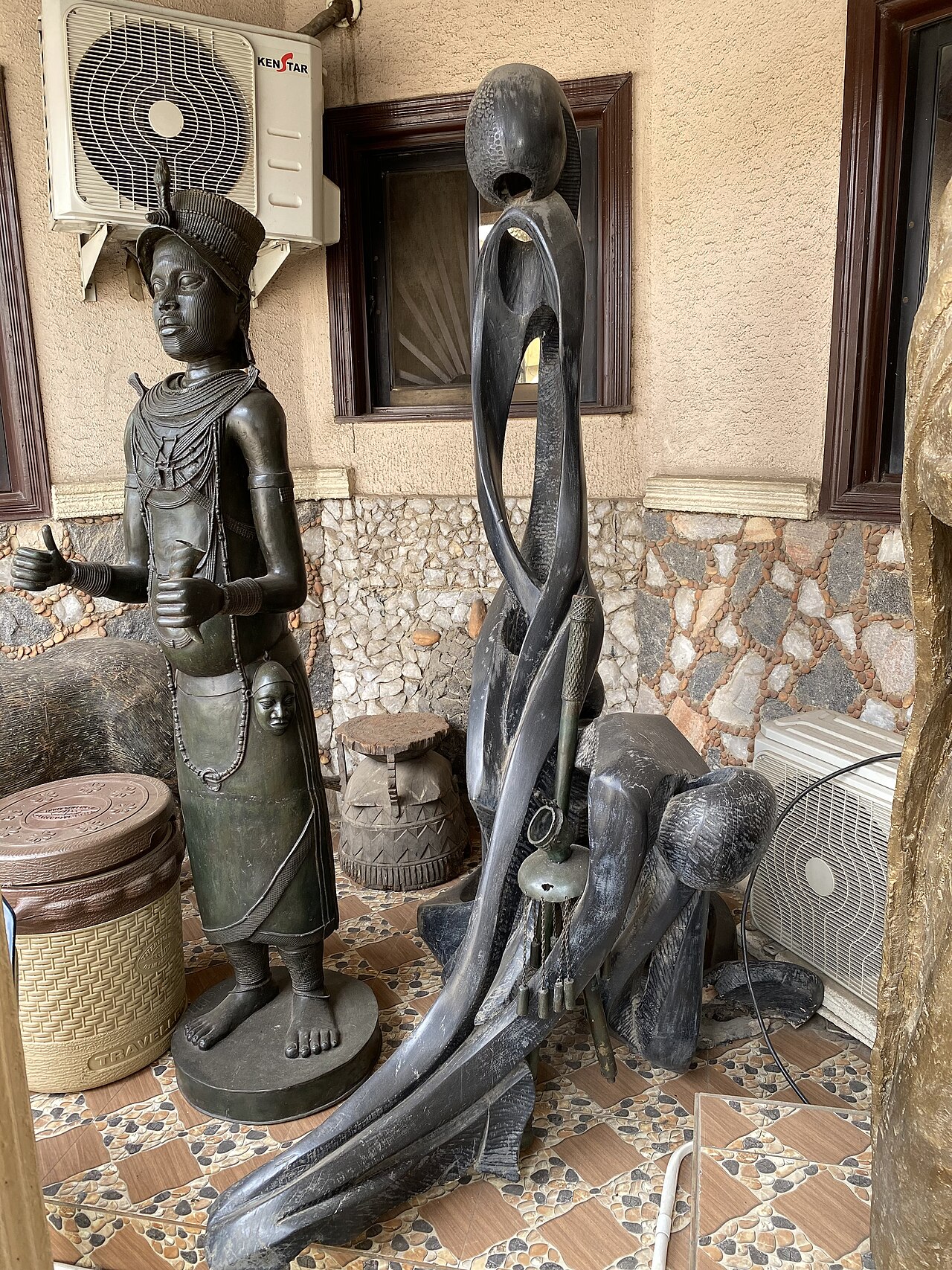
The Edo, also called the Bini, are the people of Benin City and the surrounding region of Edo State in southern Nigeria, the heart of the historic Kingdom of Benin. Numbering several million, they are one of the notable peoples of Nigeria, heirs to one of the most powerful and artistically accomplished states of pre-colonial West Africa.
The Edo built, over many centuries, the Kingdom of Benin, ruled by a divine king, the Oba, whose court, guilds and armies made it a great power of the forest region. Above all the Edo are famous for the extraordinary art of Benin, the brass and bronze plaques, heads and figures known worldwide as the Benin Bronzes, among the supreme artistic achievements of Africa.
The Name

The people call themselves the Edo, or Bini, and their kingdom and its capital are known as Benin, a name that should not be confused with the modern Republic of Benin to the west, a separate country. The Edo are the core people of the old kingdom, distinct from their many neighbours in southern Nigeria.
The name Edo denotes both the people and, in their own usage, Benin City itself. Bound up with the ancient kingdom and its divine kingship, and with the incomparable art of Benin, the name Edo stands for a people proud of a long and glorious history at the heart of the Nigerian forest.
The Language

The Edo speak the Edo language, also called Bini, a member of the Edoid group within the Benue-Congo branch of the Niger-Congo family, related to the languages of neighbouring peoples such as the Esan and Urhobo. It is spoken by the whole people in and around Benin City.
Rich in the traditions, titles and history of the kingdom, the Edo language carries the memory of the Oba and his court and the lore of a great state. English is widely used in Nigeria for education and communication, but Edo remains the everyday language of the people and a central marker of their identity as the heirs of Benin.
The Homeland

The Edo homeland lies in the forest country of southern Nigeria, in Edo State, centred on Benin City, an area of tropical rainforest, farmland and rivers in the interior behind the Niger Delta. The rich soils and abundant rainfall of the forest supported a dense population and the agriculture that fed the kingdom.
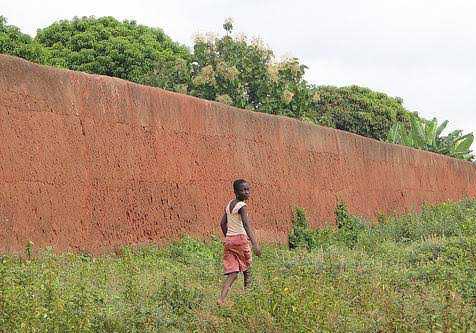
Benin City itself, ancient and once famous for its great earthen walls and moats among the largest earthworks in the world, was the heart of this homeland and of the kingdom. This forest country, productive and strategically placed between the coast and the interior, shaped the farming and trading life of the Edo and gave their kingdom its base and its capital.
The Old Way of Life
The Edo were farmers of the forest, cultivating yams, the prestigious staple, together with plantains, cassava, cocoyams and a variety of other crops in the rich soil, and gathering the produce of the oil palm and the forest. Farming supported the dense population of the kingdom and the great city at its heart.
Alongside farming, trade was of great importance, for Benin lay at the meeting of routes between the coast and the interior, and in the era of Atlantic commerce the kingdom traded in pepper, ivory, cloth and other goods with European merchants. The guilds of Benin City, of casters, carvers and other craftsmen, gave the capital a specialised economy, and farming, trade and craft together sustained the wealth and power of the Edo state.
Society and Community

Edo society was organised as a kingdom of remarkable elaboration, ruled by the Oba, a sacred and powerful king at the summit of a complex hierarchy of title-holders, chiefs, palace societies and guilds. The Oba, regarded as semi-divine, governed with the palace chiefs and the town chiefs, and an intricate system of titles and offices ordered the political life of the kingdom.
Benin City was organised into wards, many associated with particular guilds and crafts, and the guilds, such as the famous brass-casters, held hereditary and honoured places in the service of the Oba. Below the capital, villages and lineages ordered rural life. This sophisticated and centralised order, focused on the divine kingship, made Benin one of the most highly organised states of pre-colonial Africa.
Religion and Belief

Traditional Edo religion centred on a supreme creator god, Osanobua, and on a pantheon of deities, including Olokun, the god of the waters and of wealth and fertility, together with the veneration of the ancestors, above all the royal ancestors of the Oba’s line. The kingship itself had a deeply sacred character, and the Oba was central to the religious as well as the political order.
Ancestral altars, adorned with the famous cast-bronze heads, were central to the cult of the royal and family ancestors, and shrines, priests and elaborate rituals ordered the religious world. Christianity has since spread widely among the Edo, and many are Christian, but the worship of Osanobua, Olokun and the ancestors, and the sacred role of the Oba, remain important in Edo culture.
Traditions
The traditions of the Edo are inseparable from the kingdom and its court. The ceremonies of the Oba, the rituals of the royal ancestors, and the great annual festivals, above all the Igue festival that renews the mystical powers of the king, are the high traditions of the people. The elaborate court art, and the honouring of the ancestors on bronze-adorned altars, express the sacred kingship.
Guild traditions, the wearing of coral beads as a mark of rank and royal favour, and the ceremonies of the life cycle order the round of life. Music, dance and masquerade accompany celebration and ritual, and the oral traditions preserve the history of the Obas and the deeds of the kingdom. These traditions of court, art and ancestor give Edo culture its distinctive splendour.
Crafts
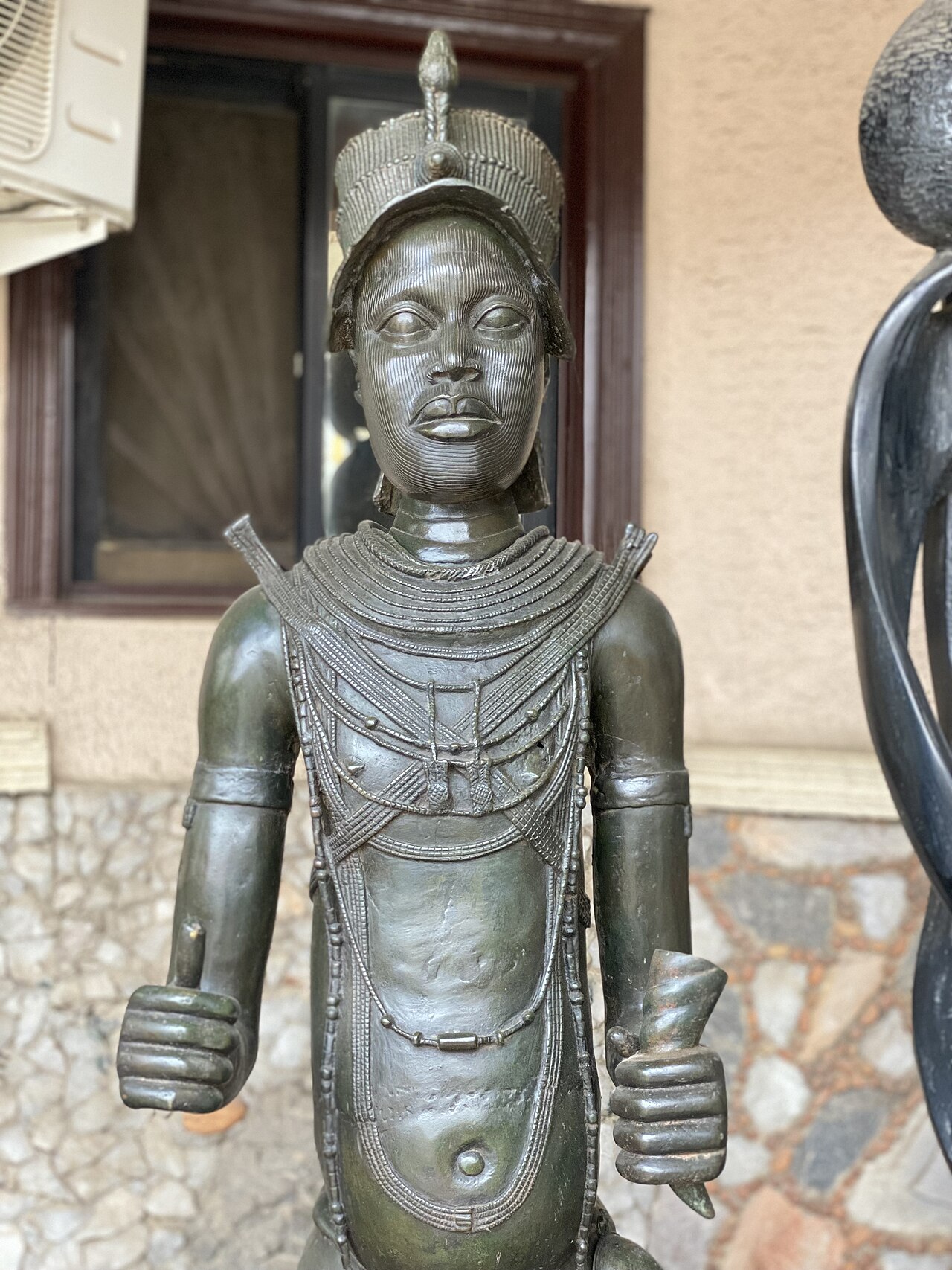
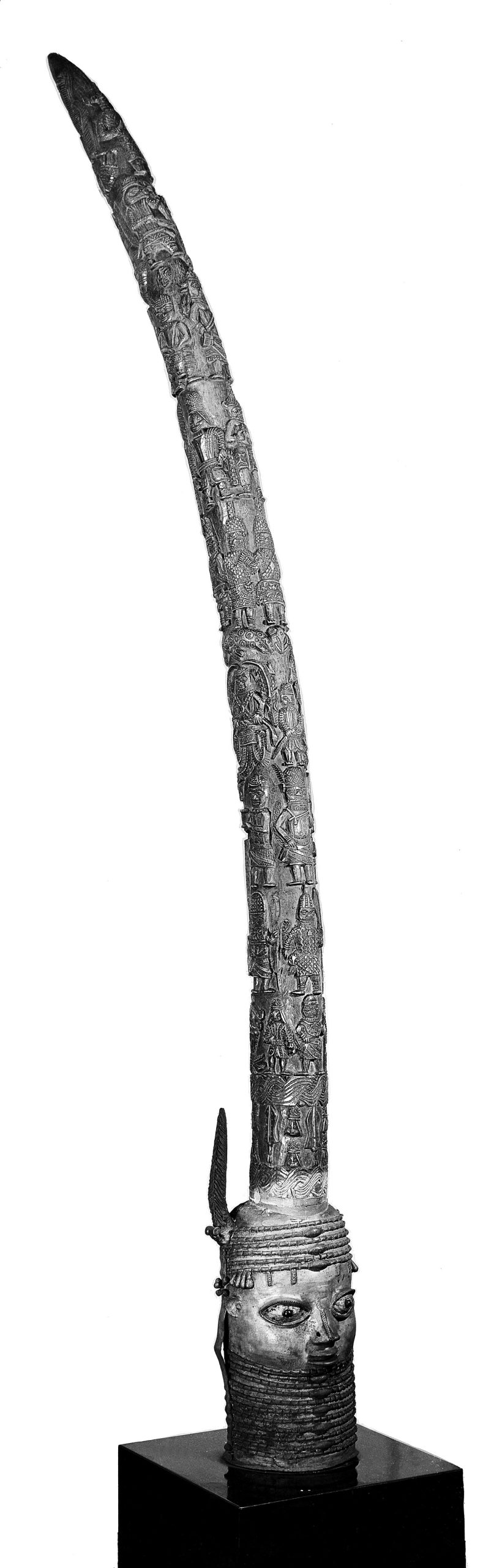
The Edo are among the greatest artists of Africa, and the craft of Benin, above all the casting of brass and bronze, is world-famous. The hereditary guild of the brass-casters, the Igun-Eronmwon, working in the lost-wax technique, produced the plaques, heads, figures and ornaments known as the Benin Bronzes, made for the Oba and his altars, works of astonishing skill and beauty.
Alongside the casters, the guilds of Benin produced fine carving in ivory and wood, leatherwork, weaving and the coral regalia of the court. The art of Benin, created over centuries for the divine kingship, represents one of the supreme traditions of African craftsmanship, and the guild of the casters continues its ancient work in Benin City to this day.
Food

The staple food of the Edo is the yam, the prestigious crop of the forest, boiled and pounded into pounded yam and eaten with rich soups, together with plantain, cassava, cocoyam and the produce of the oil palm. The cuisine is that of southern Nigeria, built on starchy staples and thick, richly flavoured soups.
Among the characteristic dishes is the white soup, and a variety of soups made with vegetables, meat, fish and the ingredients of the forest and rivers accompany the pounded yam and other staples. Palm oil, pepper and local seasonings give the food its character. Drawn from the yam and the forest, Edo cooking reflects the agricultural richness of the Benin homeland.
Festivals

Festive life among the Edo is dominated by the ceremonies of the Oba and the kingdom. The Igue festival, the great annual rite that renews the powers of the king and blesses the land, is the high point of the year, celebrated with ritual, procession, dance and the display of the splendour of the court. Other royal ceremonies and the festivals of the deities punctuate the calendar.
Masquerades, drumming, dance and the wearing of coral regalia mark these occasions, and the ceremonies of the life cycle bring families together for celebration. Today Christian festivals and national holidays join the older ceremonies, but the Igue and the rituals of the Oba, bound up with the sacred kingship, remain the unmistakable heart of Edo festivity.
History

The Kingdom of Benin arose in the forest of southern Nigeria and, under a line of powerful Obas, grew from perhaps the thirteenth century into a great state, reaching its height between the fifteenth and seventeenth centuries when it controlled a wide territory and traded with Portuguese and other European merchants from the coast. Its capital, with its great walls and its art, astonished European visitors.
In 1897 a British punitive expedition sacked Benin City, exiled the Oba and looted thousands of the bronzes and ivories, which were dispersed to museums and collections around the world, where the question of their return is now much debated. The kingdom was absorbed into colonial Nigeria, but the Oba and the traditions of Benin survived, and the Edo remained proud of their glorious history.
Today

Today the Edo number several million, centred on Benin City, now the capital of Edo State and a large and busy city, and on the surrounding forest region. The Oba of Benin remains a revered traditional ruler, and the ceremonies of the court, above all the Igue festival, continue, while the guild of the brass-casters still practises its ancient art.
The Benin Bronzes, scattered by the events of 1897, have made the art of the Edo famous throughout the world, and the campaign for their return has focused new attention on the kingdom. Proud of their history, their art and their surviving kingship, the Edo carry the heritage of Benin, one of Africa’s greatest kingdoms, into modern Nigeria.
Related Peoples of the Region
- The Nuba, the Wrestlers of the Sudanese Mountains
- The Fur, the People of Darfur and Their Sultanate
- The Zaghawa, the Desert Herders of Chad and Darfur
- The Serer, the Ancient Farmers of Senegal
- The Mandinka, the Heirs of the Mali Empire
- The Soninke, the Founders of Ancient Ghana
- The Tiv, the Yam Farmers of the Benue Valley
- The Ijaw, the Water People of the Niger Delta
More Peoples of the World
- A Fifth of Humanity, the Story of the Han Chinese
- How the Maori Sailed Across the Pacific to Reach New Zealand
- Zulu of the Green Hills and Their Kingdom Forged by Shaka
- The People Who Never Vanished, the Story of the Maya
- Long Before the Arabs Came, North Africa Belonged to the Amazigh
- The People Who Emerged Into This World, the Story of the Navajo
- Meet the Ainu, an Indigenous People at Japan’s Northern Edge
You May Like
The Damara, an Ancient People of Namibia