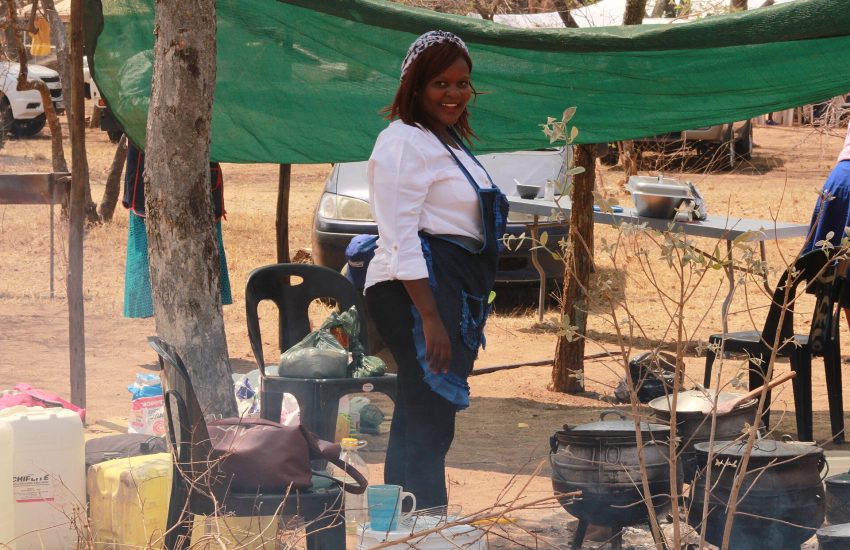
The Soninke, also called Sarakole or Serahuli, are a Mande people of the western Sahel, spread across Mali, Mauritania, Senegal, the Gambia and neighbouring countries. Numbering some two million or more, they are among the most ancient and historically important peoples of West Africa, for they founded the Empire of Ghana, the first of the great empires of the western Sudan.Traders, farmers and among the earliest West African Muslims, the Soninke built the empire of Wagadou that grew rich on the trans-Saharan gold trade, and from it they spread across the region as merchants and travellers, famous for their commercial enterprise and their far-flung diaspora. This article traces their origins, language, homeland, trading life and the customs that continue to define them.
The Soninke on Film
Contents
- Origins
- The Name
- The Language
- The Homeland
- The Old Way of Life
- Society and Community
- Religion and Belief
- Traditions
- Crafts
- Food
- Festivals
- History
- Today
Origins

The Soninke, also called Sarakole, Serahuli or Marka, are a Mande people of the western Sahel, spread across Mali, Mauritania, Senegal, the Gambia and neighbouring countries. Numbering some two million or more, they are among the most ancient and historically important peoples of West Africa, for they were the founders of the Empire of Ghana, the first of the great empires of the western Sudan.
Traders, farmers and early Muslims, the Soninke built the empire of Wagadou, known to the Arab world as Ghana, which flourished from perhaps the fourth or fifth century and grew rich on the trans-Saharan trade in gold and salt. From this ancient heritage the Soninke spread widely as merchants and travellers, and they remain famous throughout West Africa for their commercial enterprise and their far-flung diaspora.
The Name

The people call themselves the Soninke, but they are known by many names: Sarakole or Sarakhole, especially in the west; Serahuli in the Gambia; Marka in the Mali interior; and others. These various names all refer to the same Mande people, heirs of ancient Ghana.
Their identity is bound up with the empire of Wagadou and with their long history as traders and Muslims of the Sahel. The name Soninke denotes a people proud of their antiquity, of their role in founding the first great empire of West Africa, and of a commercial tradition that has carried them across the region and, in modern times, far beyond it.
The Language

The Soninke speak Soninke, a language of the Mande branch of the Niger-Congo family, related to Mandinka, Bambara and the other Mande tongues but distinct from them. It is spoken across their scattered homeland in the western Sahel and, increasingly, in the cities and the diaspora.
Rich in the oral traditions of the empire of Wagadou, in the epic of its founding and in the lore of trade and Islam, the Soninke language carries the memory of an ancient people. French and Arabic are widely used in the countries the Soninke inhabit, but the Soninke language remains a strong marker of identity, sustained by the close-knit communities and trading networks of the people.
The Homeland
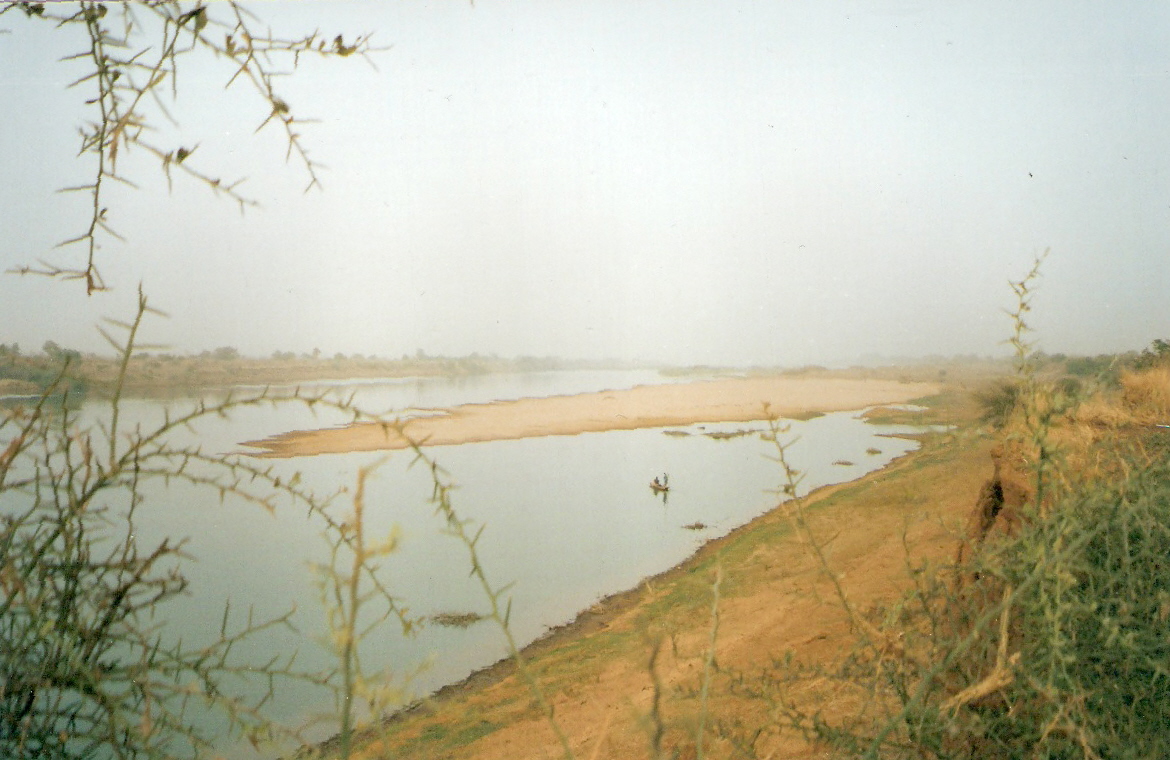
The Soninke homeland lies in the western Sahel, above all in the valleys of the upper Senegal and Niger rivers and the semi-arid lands between them, straddling the borders of Mali, Mauritania and Senegal. It is a dry country of savanna and desert margin, where farming depends on the rivers and the uncertain rains.
This was the land of ancient Ghana, whose capital, Koumbi Saleh, lay in what is now southern Mauritania, at the meeting point of the Sahara and the Sudan, where the trans-Saharan caravans arrived. The position of the Soninke homeland on the desert edge, astride the trade routes, made it the natural cradle of an empire built on commerce, and it remains the heart of the Soninke world.
The Old Way of Life
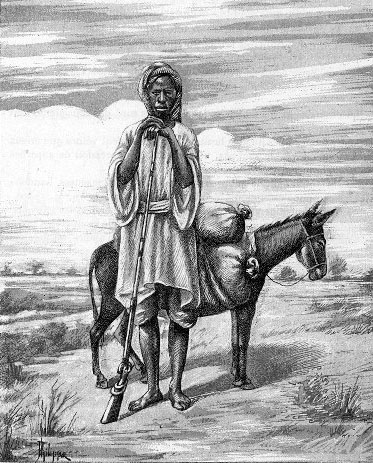
The Soninke are farmers and, above all, traders. In their Sahelian homeland they cultivate millet, sorghum and other hardy crops along the rivers and in the fields watered by the seasonal rains, and they keep cattle, sheep and goats. But it is as merchants that the Soninke have always been most famous.
Heirs to the commercial traditions of ancient Ghana, the Soninke ranged across the Sahel and Sahara as traders in gold, salt, kola and other goods, and their networks of kinsmen and correspondents spanned the region. In modern times this trading and travelling tradition has made the Soninke one of the great migrant peoples of West Africa, with large communities of workers and traders in the cities and, famously, in France and elsewhere abroad.
Society and Community

Soninke society is traditionally ordered by a system of ranks and castes inherited from the age of the empire: the freeborn nobles and warriors, the various occupational castes of smiths, leatherworkers, weavers and griots, and, historically, those of servile descent. This hierarchical order, though softened, still shapes social relations.
Below the level of the old chiefdoms and the empire, society rested on clans and extended families, often large and closely bound, and on the strong ties of kinship that underpinned the trading networks. The griots preserved history and genealogy, and elders and clan heads held authority. Marriage, kinship and the customs of the village and the trading community ordered the life of the Soninke.
Religion and Belief

The Soninke are Muslims, and were among the very first peoples of West Africa to embrace Islam, for the rulers and traders of ancient Ghana were in contact with the Muslim world across the Sahara from an early date, and Islam spread among the Soninke well over a thousand years ago. The faith is central to their identity and to their role as traders and scholars.
Mosques, Quranic learning and the observance of Islamic law and festivals mark the religious life of the Soninke, and the people have produced many notable clerics and scholars. As among other long-Islamised Sahelian peoples, older customs and the veneration of holy men colour the practice of Islam, but the Soninke are known for the depth and antiquity of their Muslim faith.
Traditions
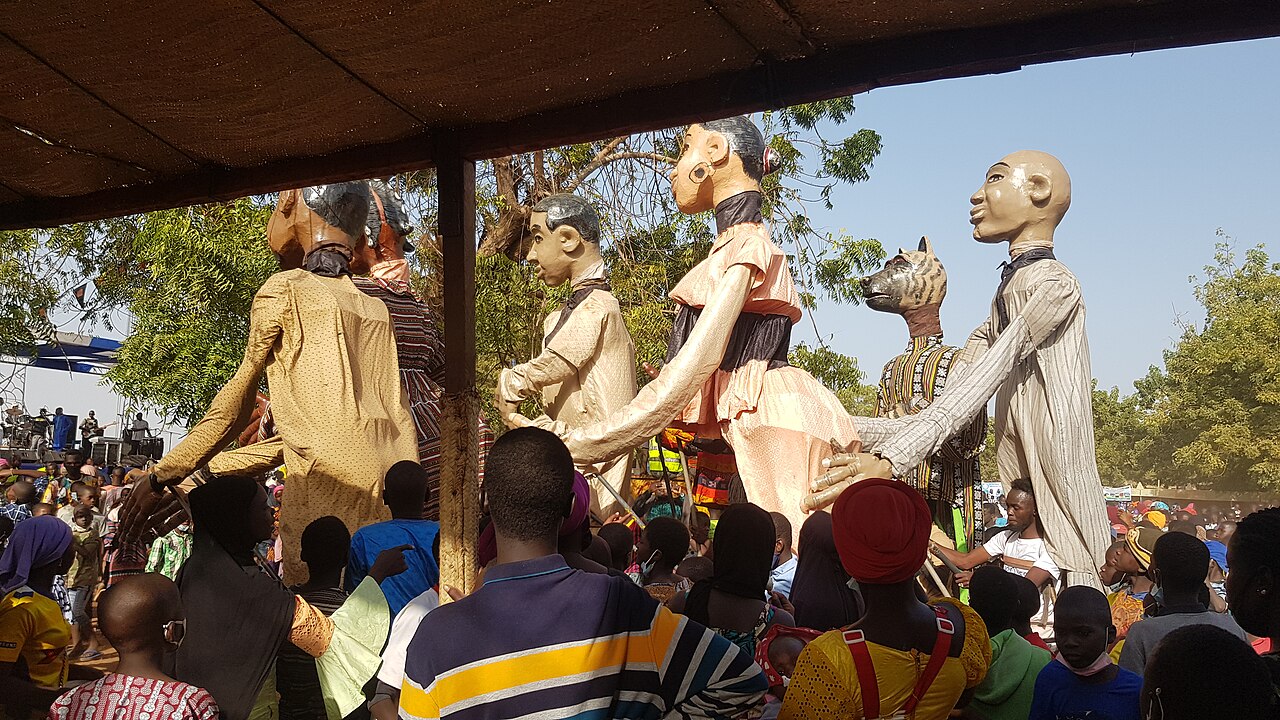
The traditions of the Soninke are those of an ancient trading and Muslim people of the Sahel. The oral traditions of the empire of Wagadou, above all the legend of the founding of Ghana and the serpent Bida, are preserved by the griots and remain central to Soninke identity. Islam, learning and the ethic of trade shape the values of the people.
Ceremonies of the life cycle, weddings, namings and the festivals of Islam are marked by feasting, music and the performances of the griots, and the customs of hospitality, kinship and honour order social life. Music and dance, and the recitation of history and genealogy, accompany celebration, and the traditions of the trading diaspora bind the scattered communities of the people together.
Crafts

Soninke craftsmanship, as among other Mande peoples, is bound up with the caste system that assigns particular crafts to hereditary groups. The smiths work iron and, traditionally, carve wood, making tools, weapons and ritual objects; the leatherworkers fashion the sandals, bags and amulet-cases of a fine leather art; and the weavers produce the cotton cloth of the region.
The griots make and play the instruments of Mande music, and the ancient art of the Middle Niger, including the celebrated terracotta figures of the region, testifies to a long tradition of sculpture. Pottery, dyeing and the crafts of the household serve everyday needs. These specialised crafts reflect the ordered and accomplished material culture of an ancient Sahelian people.
Food

The staple food of the Soninke is millet, the grain of the Sahel, ground and cooked into couscous and porridge and eaten with sauces of vegetables, meat, fish or the baobab leaf. Sorghum, rice along the rivers, and beans and other crops add to the diet, and milk and meat from the herds provide their share.
The cuisine of the Soninke is that of the western Sahel, built on millet and sorghum and enriched by the sauces and stews of the region, and shaped by the requirements of Islam. Hospitality, central to a trading and travelling people, is expressed above all in the sharing of food, and the millet couscous of the Soninke is at the heart of their table.
Festivals

Festive life among the Soninke is shaped by the Islamic calendar, the milestones of the life cycle and the traditions of the trading community. The great Muslim festivals, weddings, namings and the return of migrants bring families and communities together for feasting, music and the performances of the griots, who recount the history and genealogy of the people.
Drumming, song and dance mark these occasions, and the coming together of the close-knit and often dispersed Soninke families is an important social event. For a people so given to trade and migration, the great festivals and family ceremonies are also times of homecoming, when those who have travelled far return to their villages to celebrate with their kin.
History
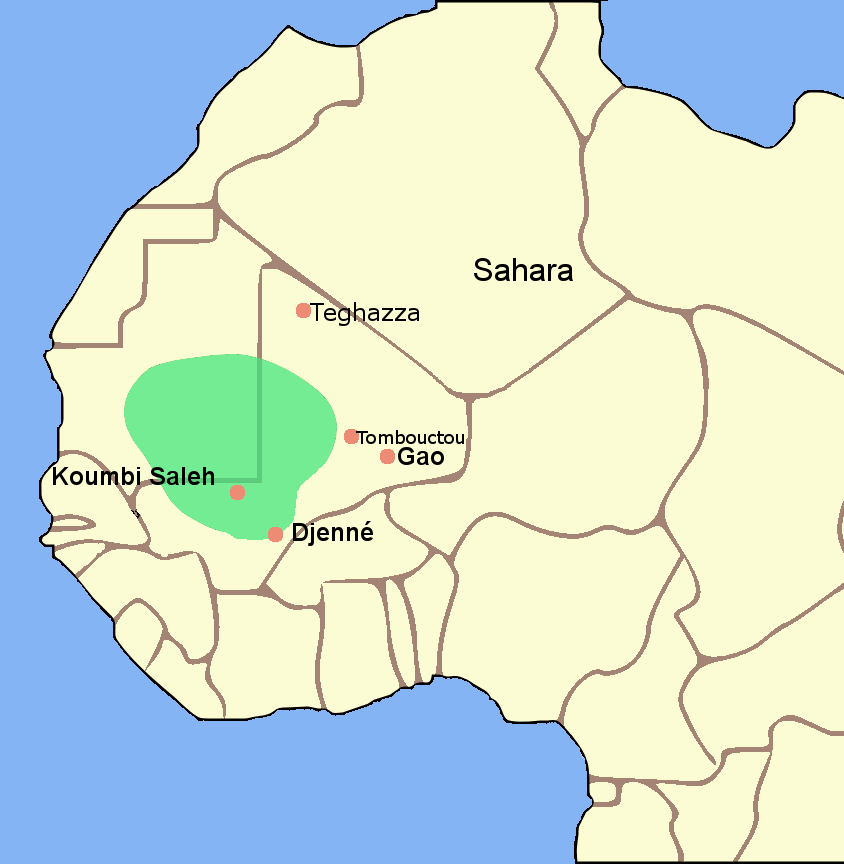
The Soninke founded the Empire of Ghana, or Wagadou, the earliest of the great West African empires, which by the ninth and tenth centuries was a wealthy and powerful state controlling the southern end of the trans-Saharan gold trade from its capital at Koumbi Saleh. Arab writers marvelled at its riches, and its rulers were among the first in the region to deal with the Muslim world.
Ghana declined from the eleventh and twelfth centuries, and its place was taken by the empire of Mali, but the Soninke continued as traders and Muslims across the Sahel, founding trading towns and spreading Islam. Under colonial rule their lands were divided among French territories, and in the modern era the Soninke have become famous for large-scale migration, first within Africa and then to France and beyond.
Today
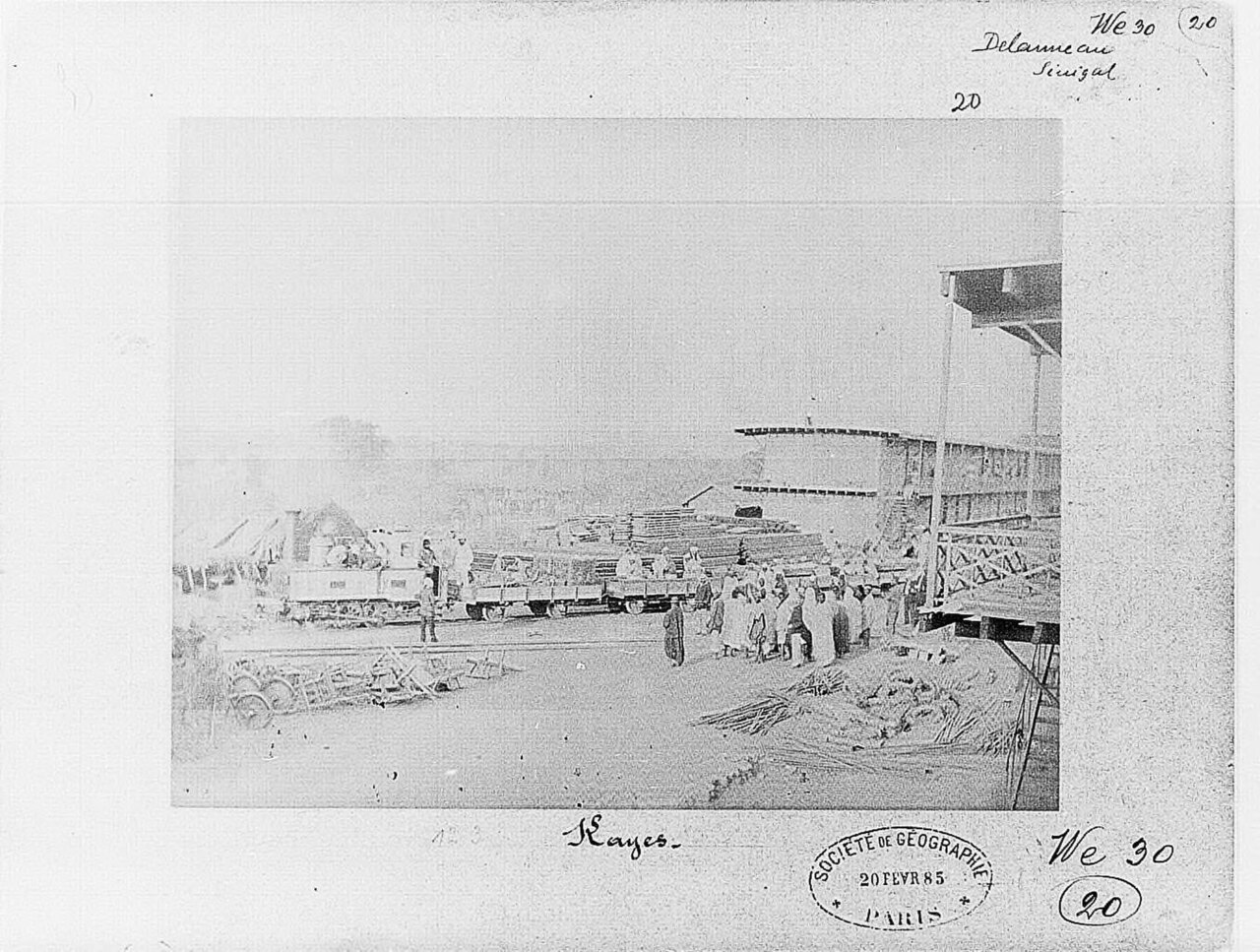
Today the Soninke number some two million or more, spread across Mali, Mauritania, Senegal, the Gambia and neighbouring states, and increasingly living in the cities and in a large diaspora abroad, above all in France. Farming and herding continue in their Sahelian homeland, sustained in part by the wealth sent home by migrants.
Famous throughout West Africa for their commercial enterprise, their early and deep Islam, and their role as founders of ancient Ghana, the Soninke maintain strong communal ties across great distances. Proud of their antiquity and their imperial heritage, and prominent in the migration that links West Africa to the wider world, the Soninke carry a distinctive and historic identity into the present day.
Related Peoples of the Region
- The Mursi, the Lip-Plate People of the Omo Valley
- The Konso, the Terrace Builders of Southern Ethiopia
- The Shilluk, the Divine Kingdom of the White Nile
- The Nuba, the Wrestlers of the Sudanese Mountains
- The Fur, the People of Darfur and Their Sultanate
- The Zaghawa, the Desert Herders of Chad and Darfur
- The Serer, the Ancient Farmers of Senegal
- The Mandinka, the Heirs of the Mali Empire
More Peoples of the World
- A Fifth of Humanity, the Story of the Han Chinese
- How the Maori Sailed Across the Pacific to Reach New Zealand
- Zulu of the Green Hills and Their Kingdom Forged by Shaka
- The People Who Never Vanished, the Story of the Maya
- Long Before the Arabs Came, North Africa Belonged to the Amazigh
- The People Who Emerged Into This World, the Story of the Navajo
- Meet the Ainu, an Indigenous People at Japan’s Northern Edge
You May Like
The Damara, an Ancient People of Namibia