The Mandinka, also called Malinke or Mandingo, are one of the largest peoples of West Africa, spread across the Gambia, Senegal, Guinea, Mali, Guinea-Bissau and beyond. Numbering many millions, they are the core of the wider Mande family and the direct heirs of the medieval Empire of Mali, one of the greatest states in African history.Founded by the hero Sundiata Keita in the thirteenth century, the empire of the Mandinka controlled the gold trade and patronised Islamic learning at Timbuktu, and from it the people spread across West Africa as traders, warriors and settlers, carrying their language, their Islam and the great tradition of the griots. This article traces their origins, language, homeland, farming life and the customs that continue to define them.
The Mandinka on Film
Contents
- Origins
- The Name
- The Language
- The Homeland
- The Old Way of Life
- Society and Community
- Religion and Belief
- Traditions
- Crafts
- Food
- Festivals
- History
- Today
Origins

The Mandinka, also called Malinke or Mandingo, are one of the largest peoples of West Africa, spread across the Gambia, Senegal, Guinea, Mali, Guinea-Bissau, Côte d’Ivoire and beyond. Numbering many millions, they are the core of the wider Mande family of peoples and the direct heirs of one of the greatest empires in African history.
The Mandinka trace their origins and identity to the medieval Empire of Mali, founded in the thirteenth century by the hero Sundiata Keita, which for centuries dominated the western Sudan and controlled the trade in gold and salt. From this imperial heritage the Mandinka spread widely as traders, warriors and settlers, carrying their language, their Islam and their culture across a great swathe of West Africa.
The Name

The people are known by several related names: Mandinka, especially in the Gambia and Senegal; Malinke, especially in Guinea and Mali; and Mandingo, an older and broader term. They call themselves and their language by forms of the name Manding, and they are the central people of the Mande group.
These names all point back to Manden, the heartland of the old Mali Empire on the upper Niger, from which the people take their identity. Whether called Mandinka, Malinke or Mandingo, they are one people in language and heritage, bound together by their common descent from the empire of Sundiata and by a shared culture spread across many modern states.
The Language
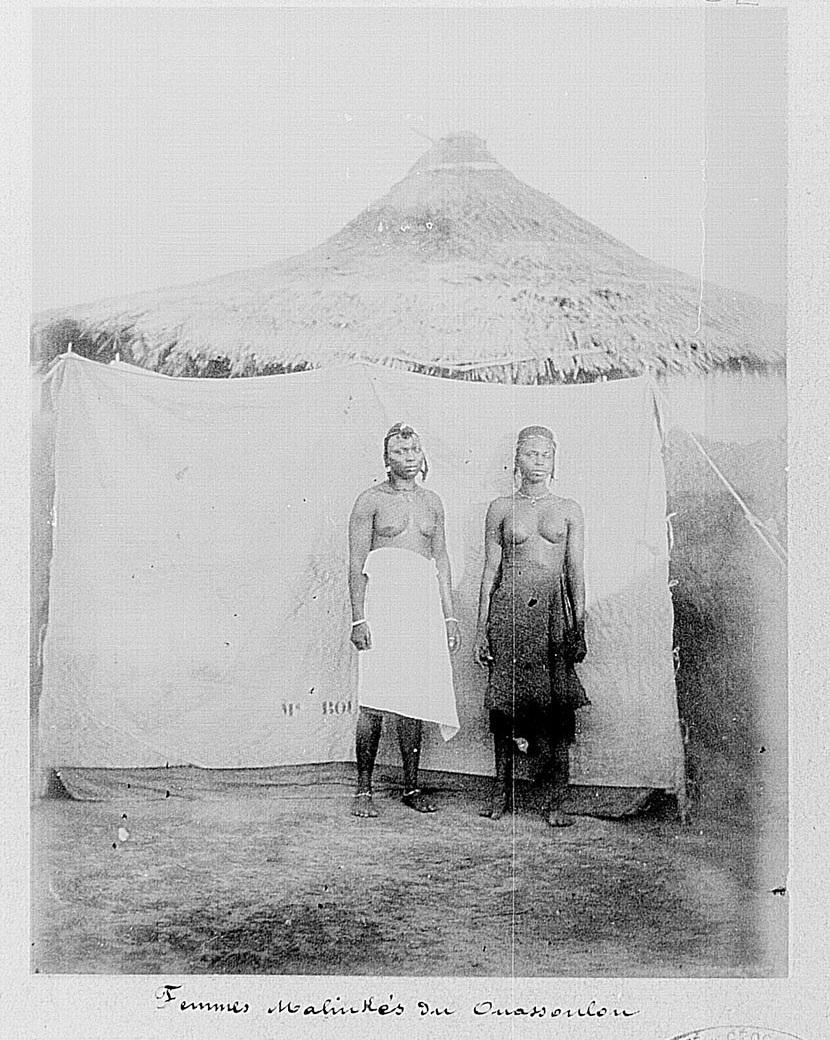
The Mandinka speak Mandinka, or Manding, one of the Mande languages of the Niger-Congo family, closely related to Bambara and Dyula, with which it forms a great dialect continuum understood by tens of millions across West Africa. It is a major language of trade and communication throughout the region.
Rich in the epic, praise-poetry and history preserved by the griots, the language carries the memory of the Mali Empire and the deeds of its heroes. French, English, Portuguese and Arabic are used in the various states the Mandinka inhabit, but the Manding language remains a powerful bond among the people and one of the great languages of West Africa.
The Homeland

The Mandinka homeland stretches across a vast area of West Africa, from the upper Niger in Mali and Guinea, the ancient Manden, westward along the Gambia and Casamance rivers to the Atlantic. It is a land of savanna, wooded grassland and river valley, well suited to the farming and herding on which the people live.
From the imperial heartland on the Niger the Mandinka spread west and south over the centuries, settling the valleys of the Gambia and its neighbours, so that today they are found across many countries. This wide homeland, united by language and heritage rather than by modern borders, reflects the great expansion of the Mande peoples from the centre of the old empire.
The Old Way of Life
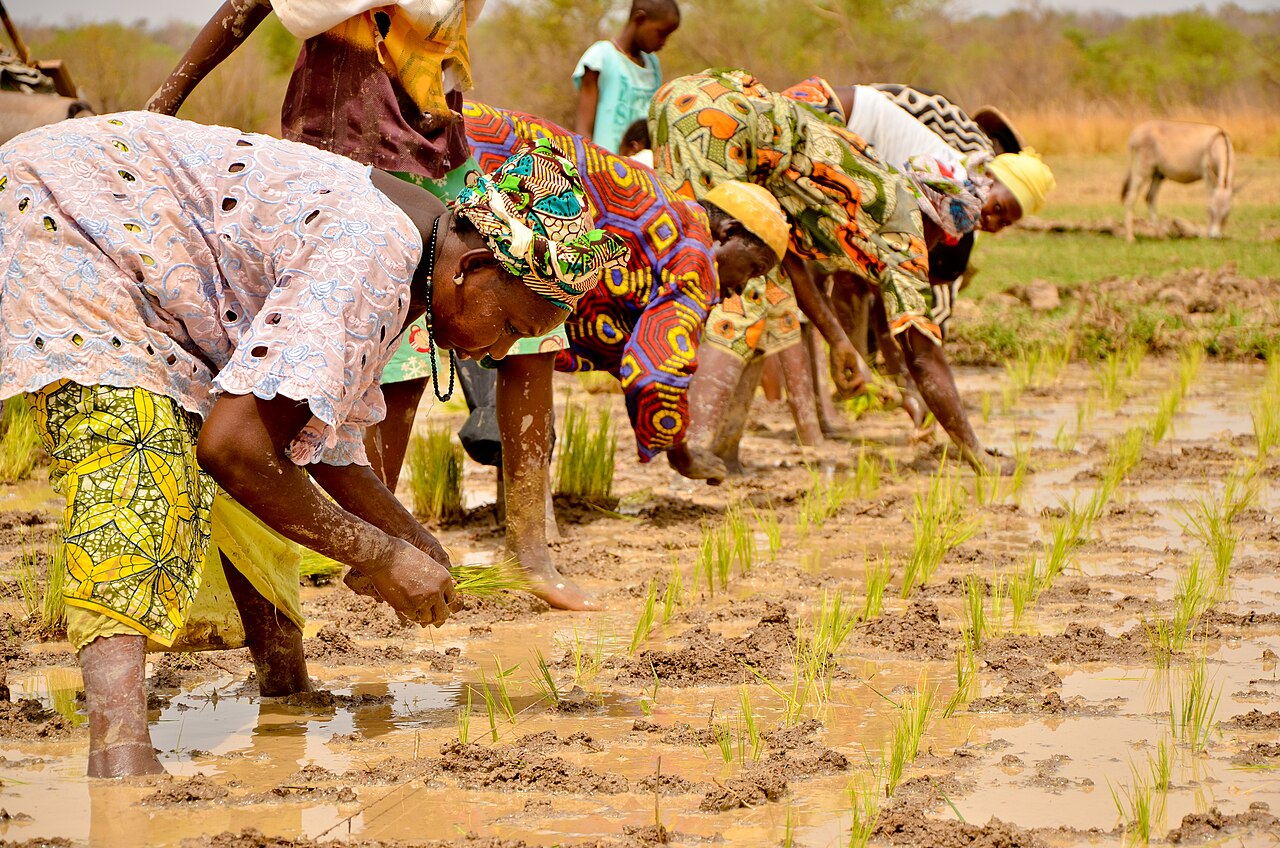
The Mandinka are chiefly farmers, cultivating rice, especially along the rivers, together with millet, sorghum, maize and, since the colonial period, groundnuts as a major cash crop. Rice farming, much of it the work of women, is central to life in the Gambia and Casamance, while millet and sorghum are staples of the drier interior.
Cattle and other livestock are kept, and trade has always been important to the Mandinka, heirs to the commercial traditions of the Mali Empire. The combination of river-valley rice, savanna grain, groundnuts and trade supported a dense population and a prosperous agricultural society across the wide Mandinka lands.
Society and Community

Mandinka society is famously ordered by a system of social categories inherited from the age of the empire: the freeborn nobles and farmers, the occupational castes of smiths, leatherworkers and above all the griots or jali, and, historically, those of servile descent. Each group had its recognised place and role, and the system, though softened, still shapes social life.
The griots, the hereditary bards and historians, held a special and honoured role as keepers of history, genealogy and music, and as counsellors and spokesmen. Below the level of the old kingdoms and chiefdoms, society rested on clans and extended families, and marriage, kinship and the bonds of the village ordered daily life across the Mandinka lands.
Religion and Belief

The Mandinka are overwhelmingly Muslim, and have been for centuries, Islam having spread among them in the age of the Mali Empire and after, carried by traders and scholars. The faith is central to their identity and daily life, and mosques, Quranic learning and the observance of Islamic law and festivals mark the religious round.
As among many long-Islamised West African peoples, older customs and beliefs, and the veneration of holy men and marabouts, colour the practice of Islam, and pre-Islamic elements survive in ritual and society. Islam links the Mandinka to the wider Muslim world and has been woven, since the days of the empire, into the fabric of their culture and their sense of themselves.
Traditions
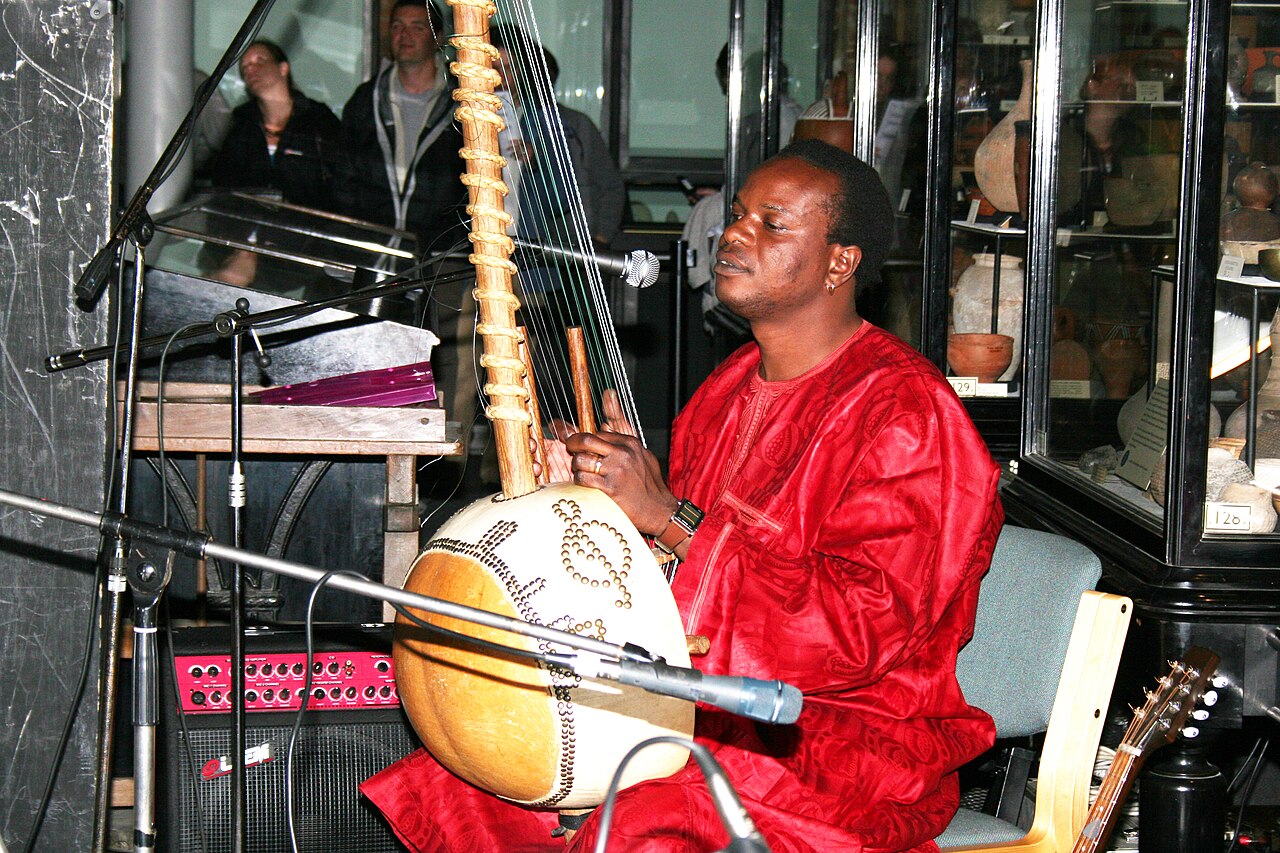
The great tradition of the Mandinka is the art of the griots, the jali, who preserve and perform the history, genealogy and praise-poetry of the people, above all the epic of Sundiata and the founding of the Mali Empire. Accompanying themselves on the kora, the balafon and other instruments, the griots are the living memory of the nation.
Music, of which the Mande peoples are among the great masters of Africa, is central to Mandinka tradition, and their kora music in particular has become known throughout the world. Ceremonies of the life cycle, weddings, namings and initiations, and the customs of hospitality, kinship and honour, together with wrestling and other sports, order the traditional life of the people.
Crafts
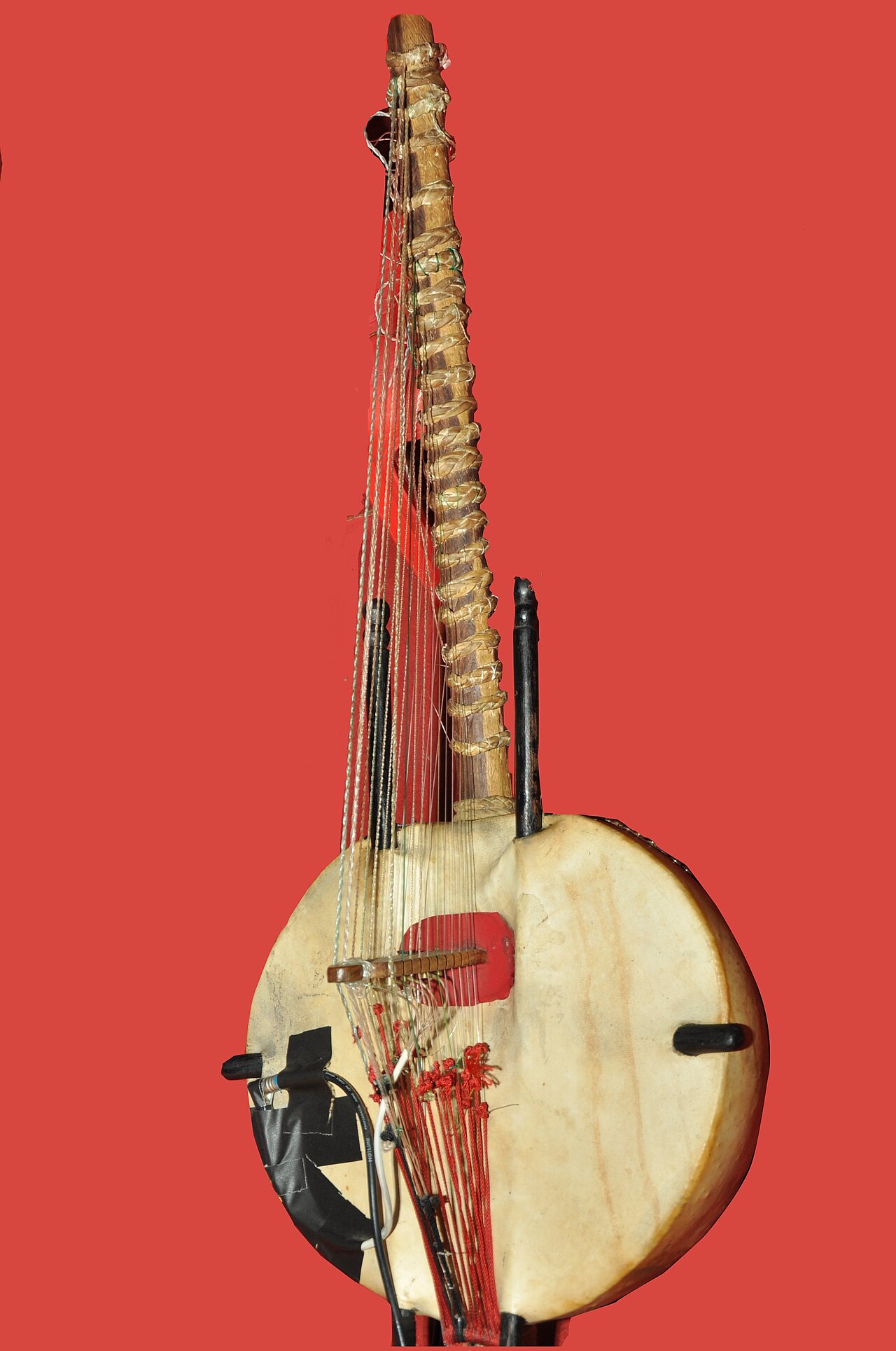
Mandinka craftsmanship is bound up with the caste system that assigns skilled crafts to particular groups. The smiths, a respected and somewhat feared caste, work iron and, traditionally, carve wood, making the tools, weapons and masks of the people, while leatherworkers fashion the sandals, bags, amulet-cases and ornaments of a distinctive leather art.
The griots make and play the kora, the twenty-one-stringed harp-lute, and the balafon, the wooden xylophone, instruments of great sophistication. Weaving of cotton cloth, dyeing, pottery and basketry serve everyday needs, and the making of the instruments and regalia of music and ceremony reflects the refined and specialised material culture of the Mandinka.
Food
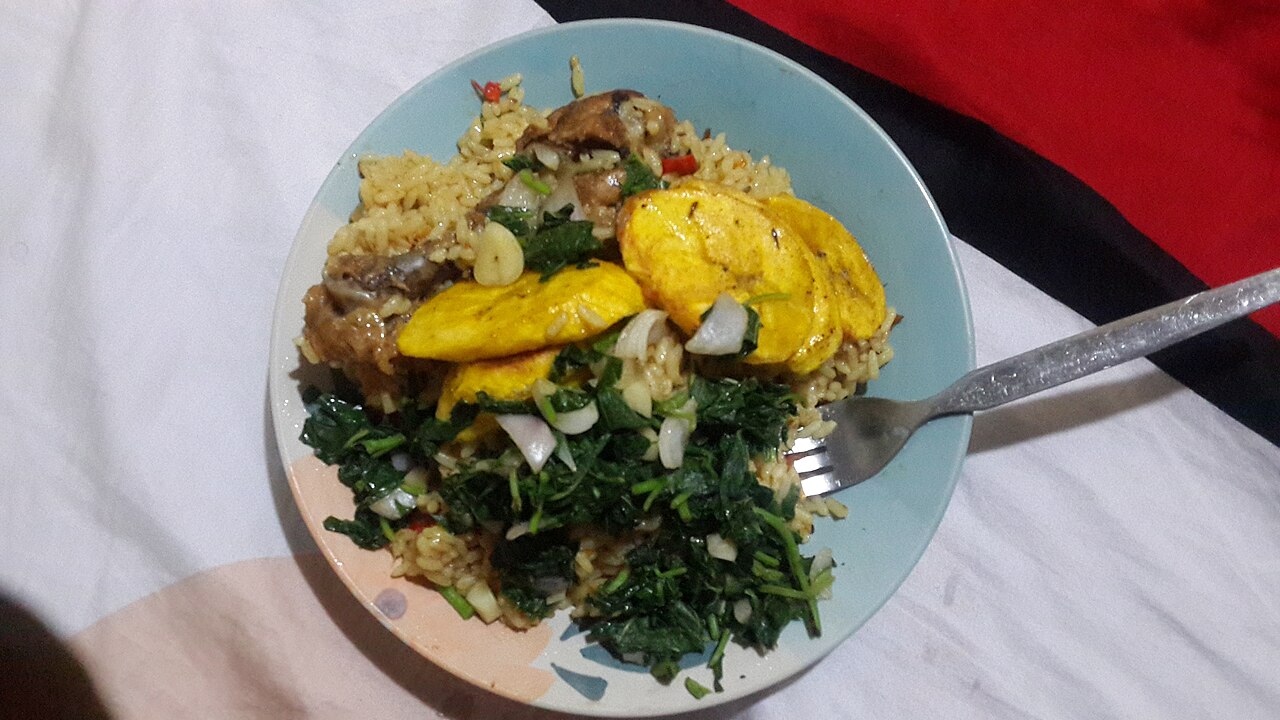
The staple foods of the Mandinka reflect their farming: rice, above all, especially in the western river valleys, together with millet and sorghum couscous and porridge in the drier interior. These are eaten with rich sauces of groundnut, vegetables, fish or meat, and the famous jollof rice, cooked with tomato and spices, is a favourite throughout the region.
Fish from the rivers and coast, and meat and milk from the herds, add to the diet, and groundnuts feature both as food and as a major crop. Drawn from the rice and grain of their wide lands and enriched by the sauces and stews of West African cooking, Mandinka food is central to the hospitality for which the people are known.
Festivals

Festive life among the Mandinka is shaped by the Islamic calendar, the agricultural year and the milestones of the life cycle. The great Muslim festivals, weddings, namings and initiations bring communities together for feasting, and above all for the music and praise-poetry of the griots, whose performances are the heart of every celebration.
Drumming, the kora and the balafon, song and dance mark these occasions, and wrestling matches draw crowds and champions. The coming together of families and villages for a wedding or a festival, with the griots recounting genealogy and history, renews the bonds of the community and the memory of the people’s heritage.
History
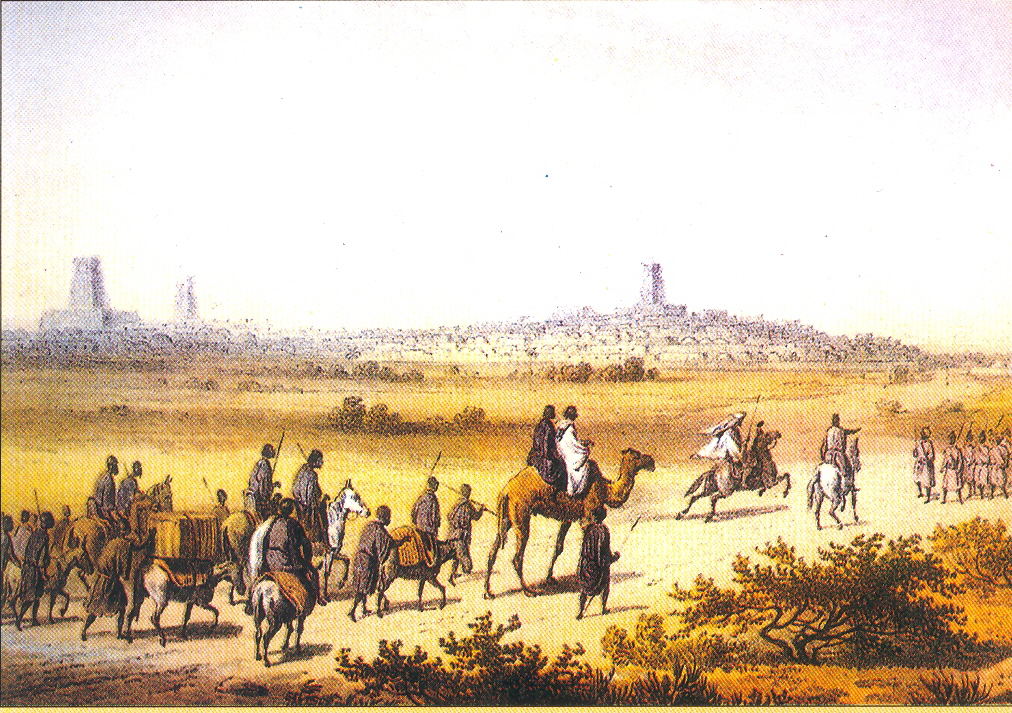
The Mandinka rose to greatness with the Empire of Mali, founded by Sundiata Keita around 1235, which under rulers such as Mansa Musa became one of the richest and most powerful states in the medieval world, controlling the gold trade and patronising Islamic learning at Timbuktu. From this heartland the Mandinka spread across West Africa as traders, warriors and settlers.
After the decline of Mali, Mandinka states and the Kaabu federation continued in the west, until the nineteenth century brought the jihad states, the wars of Samori Touré’s empire, and finally French, British and Portuguese colonial conquest. Divided among several colonies and now several independent states, the Mandinka have nonetheless preserved their language, their Islam and the proud memory of their imperial past.
Today

Today the Mandinka number many millions and remain one of the major peoples of West Africa, prominent in farming, trade, religion and politics across the Gambia, Senegal, Guinea, Mali and neighbouring states. In the Gambia in particular they are the largest group, and their language and culture are central to the life of the region.
The kora music of the Mande griots has won admirers around the world, and the epic of Sundiata and the memory of the Mali Empire remain a living source of pride. Muslim, enterprising and heirs to a great imperial and musical heritage, the Mandinka carry their language, their traditions and their history across the modern states of West Africa.
Related Peoples of the Region
- The Hamar, the Bull-Jumpers of the Omo Valley
- The Mursi, the Lip-Plate People of the Omo Valley
- The Konso, the Terrace Builders of Southern Ethiopia
- The Shilluk, the Divine Kingdom of the White Nile
- The Nuba, the Wrestlers of the Sudanese Mountains
- The Fur, the People of Darfur and Their Sultanate
- The Zaghawa, the Desert Herders of Chad and Darfur
- The Serer, the Ancient Farmers of Senegal
More Peoples of the World
- A Fifth of Humanity, the Story of the Han Chinese
- How the Maori Sailed Across the Pacific to Reach New Zealand
- Zulu of the Green Hills and Their Kingdom Forged by Shaka
- The People Who Never Vanished, the Story of the Maya
- Long Before the Arabs Came, North Africa Belonged to the Amazigh
- The People Who Emerged Into This World, the Story of the Navajo
- Meet the Ainu, an Indigenous People at Japan’s Northern Edge
You May Like
The Damara, an Ancient People of Namibia