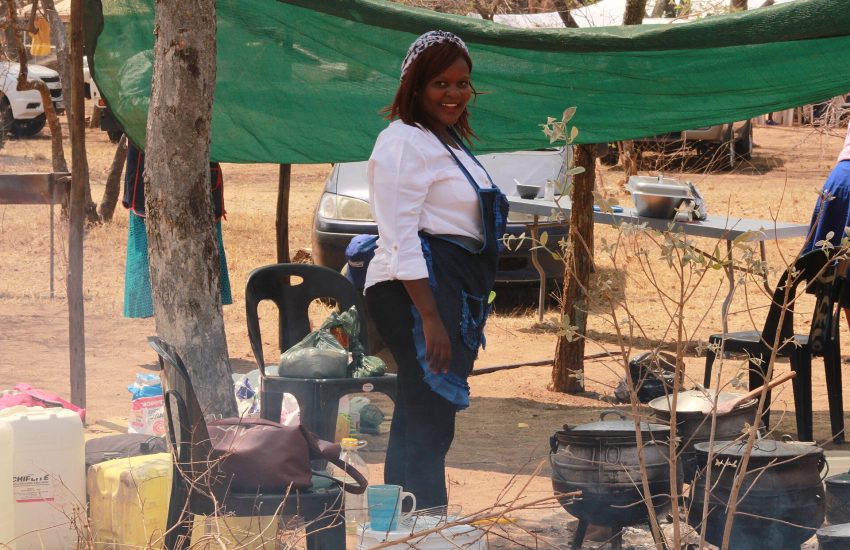
The Shilluk, who call themselves the Chollo, are a Luo people of South Sudan, living along the west bank of the White Nile in the Upper Nile region around the town of Malakal. Numbering several hundred thousand, they are one of the major Nilotic peoples of the region and are remarkable among them for having built a centralised kingdom under a sacred king, the Reth.Farmers, herders and fishermen of the riverbank, the Shilluk trace their kingdom to the semi-divine founder-hero Nyikang, who lives on in each king. This divine monarchy, unusual among the Nilotic peoples, gives Shilluk society its distinctive character. This article traces their origins, language, homeland, riverine life and the customs that continue to define them.
The Shilluk on Film
Contents
- Origins
- The Name
- The Language
- The Homeland
- The Old Way of Life
- Society and Community
- Religion and Belief
- Traditions
- Crafts
- Food
- Festivals
- History
- Today
Origins

The Shilluk, who call themselves the Chollo, are a Luo people of South Sudan, living along the west bank of the White Nile in the Upper Nile region, around the town of Malakal. Numbering several hundred thousand, they are one of the major Nilotic peoples of the region and are remarkable among them for having built a centralised kingdom under a sacred king.
Settled farmers, herders and fishermen of the riverbank, the Shilluk developed, unusually for the Nilotic peoples, a unified state with a divine monarchy, tracing its origin to the semi-divine hero Nyikang. This kingdom, and the sacred kingship at its heart, gives Shilluk society a distinctive character among the cattle-keeping peoples of the Nile.
The Name

The people call themselves the Chollo, and are known to outsiders as the Shilluk, the name by which they appear in history and literature. They are a Luo people, part of the widespread family of Nilotic peoples of the Nile valley and East Africa.
Their identity is bound up with their kingdom and their sacred king, the Reth, and with their homeland along the White Nile. The name Shilluk has come to stand, in the history of the Sudan, for a proud riverine people and for one of the few Nilotic peoples to have created a lasting centralised state.
The Language

The Shilluk speak a Luo language of the Western Nilotic group, related to the tongues of the Anuak, the Acholi and the Luo of Uganda and Kenya, and more distantly to those of the Dinka and Nuer among whom they live. It is the everyday language of the people along the White Nile.
Rich in the oral traditions of the kingdom, in the praise and legend of Nyikang and the Reth, and in the lore of cattle, fishing and the river, the language carries the distinctive culture of the Shilluk. Arabic and English are used more widely in the Sudan and South Sudan, but the Shilluk language remains the core of the people’s identity.
The Homeland

The Shilluk homeland is a narrow strip of country along the west bank of the White Nile in the Upper Nile region of South Sudan, one of the most densely settled parts of the southern Sudan. It is a land of river, floodplain and savanna, where the annual rise and fall of the Nile shapes the round of farming, herding and fishing.
Unlike the more scattered settlements of the Dinka and Nuer, the Shilluk live in a continuous line of villages strung along the river, giving their country a distinctive concentration. The White Nile, with its fish, its floodplain pastures and its water, is the axis of Shilluk life, and the kingdom took its shape from this riverine geography.
The Old Way of Life

The Shilluk combine several ways of making a living along the river. They cultivate sorghum and other crops on the floodplain, keep cattle, goats and sheep, and fish the waters of the White Nile, which are rich and important to the diet. This mixed economy of farming, herding and fishing sets them somewhat apart from the more purely pastoral Dinka and Nuer.
Cattle are valued for milk, for wealth and for marriage, but the river and its fish give the Shilluk a resource that the drier interior peoples lack. The rhythm of the Nile flood governs the movement between riverbank and higher ground, and the combination of grain, cattle and fish supports the dense villages along the water.
Society and Community

The defining feature of Shilluk society is the sacred kingship. The Reth, the king, is regarded as the embodiment of the divine hero Nyikang, the founder of the nation, and his person and wellbeing are held to be bound up with the fertility and fortune of the whole people. This divine kingship, famous in the study of African societies, unites the Shilluk into a single state.
Below the king lay a structure of chiefs, settlements and lineages, and the many villages along the Nile were bound together by their common allegiance to the Reth. Ritual, ceremony and the cult of Nyikang expressed and sustained the unity of the kingdom, making the Shilluk state one of the most remarkable political creations of the Nilotic world.
Religion and Belief

Shilluk religion centres on a supreme god, Juok, the creator and pervading spirit of the world, and above all on the cult of Nyikang, the semi-divine founder-hero who led the Shilluk to their land and who lives on in each Reth. The king is the living link between the people and Nyikang, and shrines to Nyikang are places of great sanctity.
Ritual and sacrifice sought the favour of Juok and Nyikang for rain, fertility, health and the wellbeing of the kingdom, and the installation and person of the Reth were surrounded by sacred ceremony. Christianity and Islam have since made inroads, but the cult of Nyikang and the sacred kingship remain central to the traditional religion and identity of the Shilluk.
Traditions

The traditions of the Shilluk are bound up with the kingship, the river and the cattle. The ceremonies surrounding the Reth, above all his installation and the rituals of Nyikang, are the great occasions of the people, expressing the unity and continuity of the nation. Rites of passage mark the stages of life, and marriage, sealed by cattle, links families.
Song, dance and the recitation of the legends of Nyikang and the deeds of past kings preserve the history and values of the people, and music, including the playing of lyres and drums, accompanies celebration and ceremony. The customs of cattle, fishing and the river, and the honouring of the sacred king, order the traditional life of the Shilluk.
Crafts

Shilluk craftsmanship serves a life of farming, herding and fishing along the Nile. The people make the spears, nets, traps and canoes used in fishing, and the tools of cultivation, and they work the hides, gourds and wood of daily use. Ironworking supplied spears and implements for farming, war and the hunt.
Music being important to their culture, the making of lyres, drums and other instruments was a valued craft, and beadwork and ornament adorned dress and person. The regalia of the sacred kingship, and the objects of its ritual, called for special care. These crafts, tied to the river, the herd and the court, reflect the distinctive riverine life of the Shilluk.
Food

The diet of the Shilluk draws on the three pillars of their economy: grain, cattle and fish. Sorghum, grown on the floodplain, is the staple, ground and cooked into porridge and brewed into beer, while milk from the herds and, above all, fish from the White Nile provide protein and variety that the drier interior peoples lack.
Fish, fresh or dried, is central to Shilluk cooking and gives their diet its distinctive character, and meat is eaten on occasions of ceremony. The abundance of the river, combined with the produce of the fields and the herds, gave the Shilluk a secure subsistence and supported the dense villages along the Nile.
Festivals

Festive life among the Shilluk centres on the ceremonies of the kingship and the cult of Nyikang, above all the installation of a new Reth, a great national event surrounded by ritual and celebration. The ceremonies of the sacred king, and the rites at the shrines of Nyikang, gather the people in affirmation of their unity and their traditions.
Weddings, the ceremonies of cattle, and the rites of the life cycle are also occasions for feasting, music and dance, and the coming together of the riverbank villages for a royal or religious ceremony is a significant event. Song, dance and the celebration of the kingdom give Shilluk festivity its distinctive character.
History

The Shilluk kingdom took shape several centuries ago under the founding hero Nyikang, and by the seventeenth and eighteenth centuries it was a powerful state controlling the White Nile and its trade, raiding and trading with its neighbours. Its sacred kingship and centralised organisation made it exceptional among the Nilotic peoples.
In the nineteenth century the Shilluk came under pressure from the Turco-Egyptian conquest of the Sudan and the slave trade, and later from Mahdist and colonial forces; the town of Fashoda in their country gave its name to a famous international crisis in 1898. Incorporated into the Anglo-Egyptian Sudan and later independent Sudan and South Sudan, the Shilluk preserved their kingship, though their homeland has suffered gravely in the civil wars of recent decades.
Today
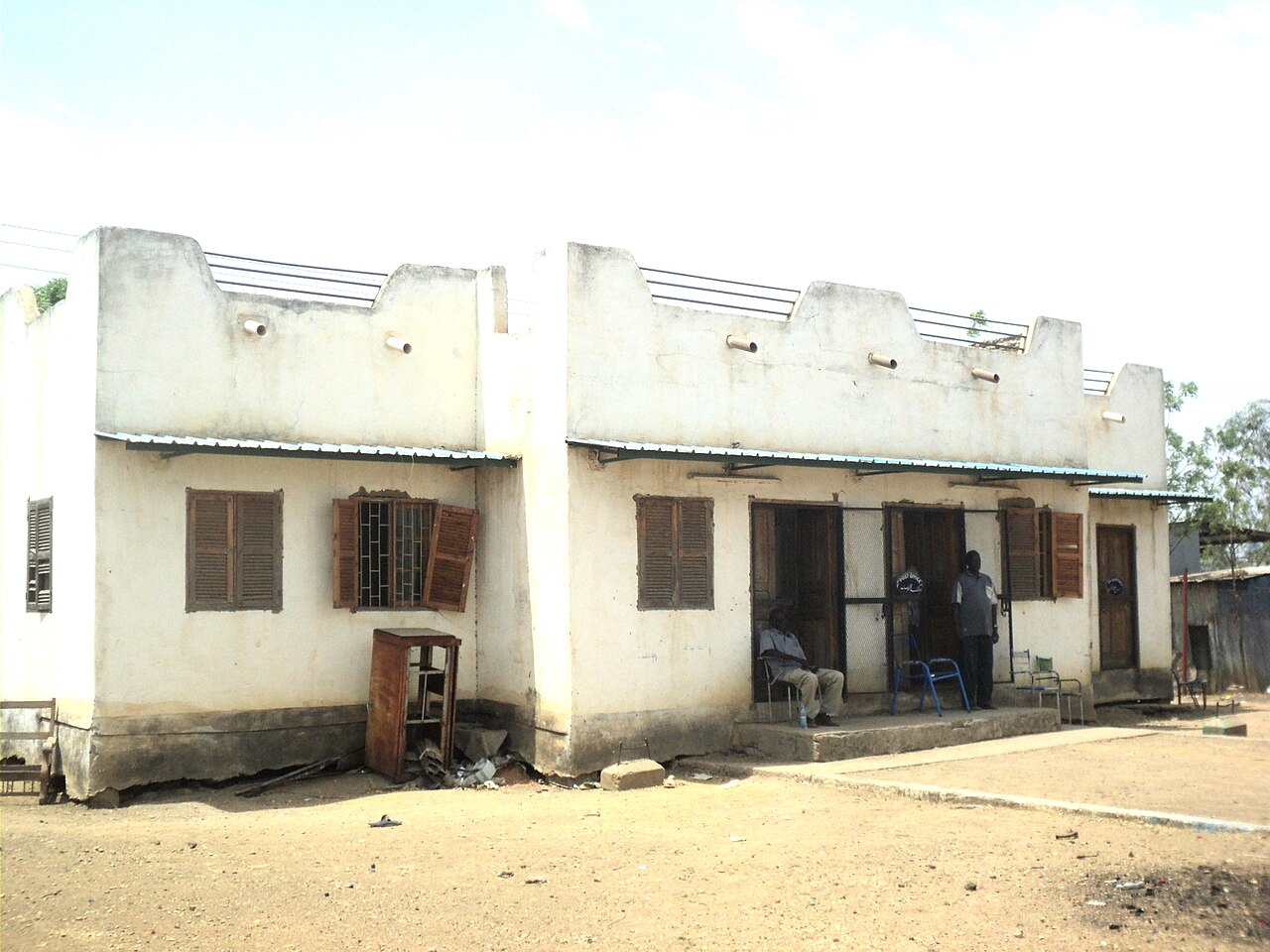
Today the Shilluk number several hundred thousand and remain concentrated along the White Nile in the Upper Nile region of South Sudan, still farming, herding and fishing the river as their ancestors did, and still honouring the sacred kingship of the Reth. The long civil wars of Sudan and South Sudan, however, have brought terrible suffering, displacement and destruction to their homeland.
Amid conflict and upheaval, the Shilluk have held to their identity, their kingship and the cult of Nyikang. Proud of their unique history as builders of a Nilotic kingdom, and attached to their river, their cattle and their traditions, the Shilluk carry a distinctive heritage through one of the most troubled regions of contemporary Africa.
Related Peoples of the Region
- The Tutsi, the Cattle Aristocracy of the Great Lakes
- The Afar, the Salt Caravaneers of the Danakil
- The Sidama, the Ensete Farmers of Southern Ethiopia
- The Gurage, the Enset Farmers and Traders of Ethiopia
- The Wolayta, the Kingdom Farmers of Southern Ethiopia
- The Hamar, the Bull-Jumpers of the Omo Valley
- The Mursi, the Lip-Plate People of the Omo Valley
- The Konso, the Terrace Builders of Southern Ethiopia
More Peoples of the World
- A Fifth of Humanity, the Story of the Han Chinese
- How the Maori Sailed Across the Pacific to Reach New Zealand
- Zulu of the Green Hills and Their Kingdom Forged by Shaka
- The People Who Never Vanished, the Story of the Maya
- Long Before the Arabs Came, North Africa Belonged to the Amazigh
- The People Who Emerged Into This World, the Story of the Navajo
- Meet the Ainu, an Indigenous People at Japan’s Northern Edge
You May Like
The Damara, an Ancient People of Namibia