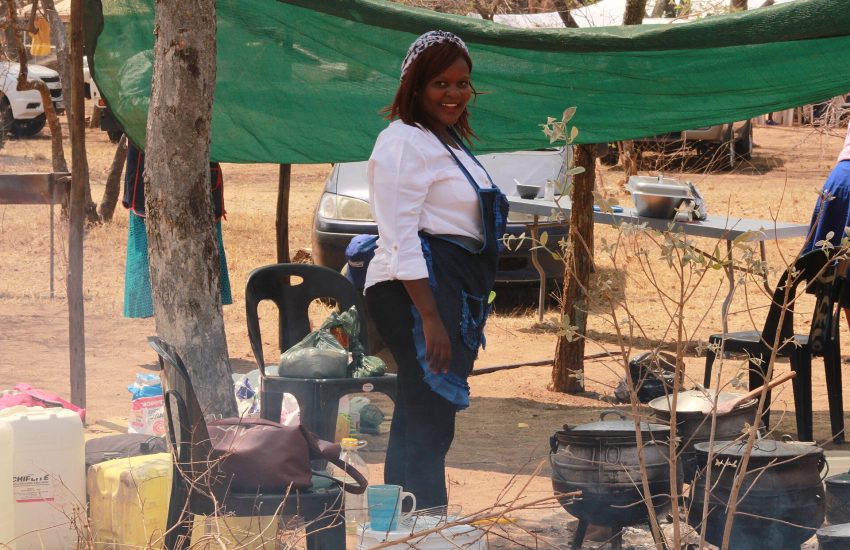
The Wolayta, or Wolaitta, are an Omotic-speaking people of southern Ethiopia, one of the larger and most densely settled communities of the region, centred on the Wolayta Zone and its capital, Wolaita Sodo. Numbering some two to three million, they are famous for the intensity of their farming and for the historic kingdom that once flourished in their highlands.Heirs to the long-lived kingdom of Wolaita, conquered by Emperor Menelik in 1894, the Wolayta have kept a strong sense of their distinct language, history and Christian faith. This article traces their origins, language, homeland, intensive enset farming and the customs that continue to define them.
The Wolayta on Film
Contents
- Origins
- The Name
- The Language
- The Homeland
- The Old Way of Life
- Society and Community
- Religion and Belief
- Traditions
- Crafts
- Food
- Festivals
- History
- Today
Origins

The Wolayta, or Wolaitta, are an Omotic-speaking people of southern Ethiopia, one of the larger and most densely settled communities of the region, centred on the Wolayta Zone and its capital, Wolaita Sodo. Numbering some two to three million, they are famous for the intensity of their farming and for the historic kingdom that once flourished in their highlands.
The Wolayta trace their identity to the kingdom of Wolaita, a powerful and long-lived state of the Ethiopian south, ruled by kings and organised around an elaborate court and social order. Conquered and incorporated into the Ethiopian empire in the late nineteenth century, the Wolayta have retained a strong sense of their distinct language, history and culture.
The Name
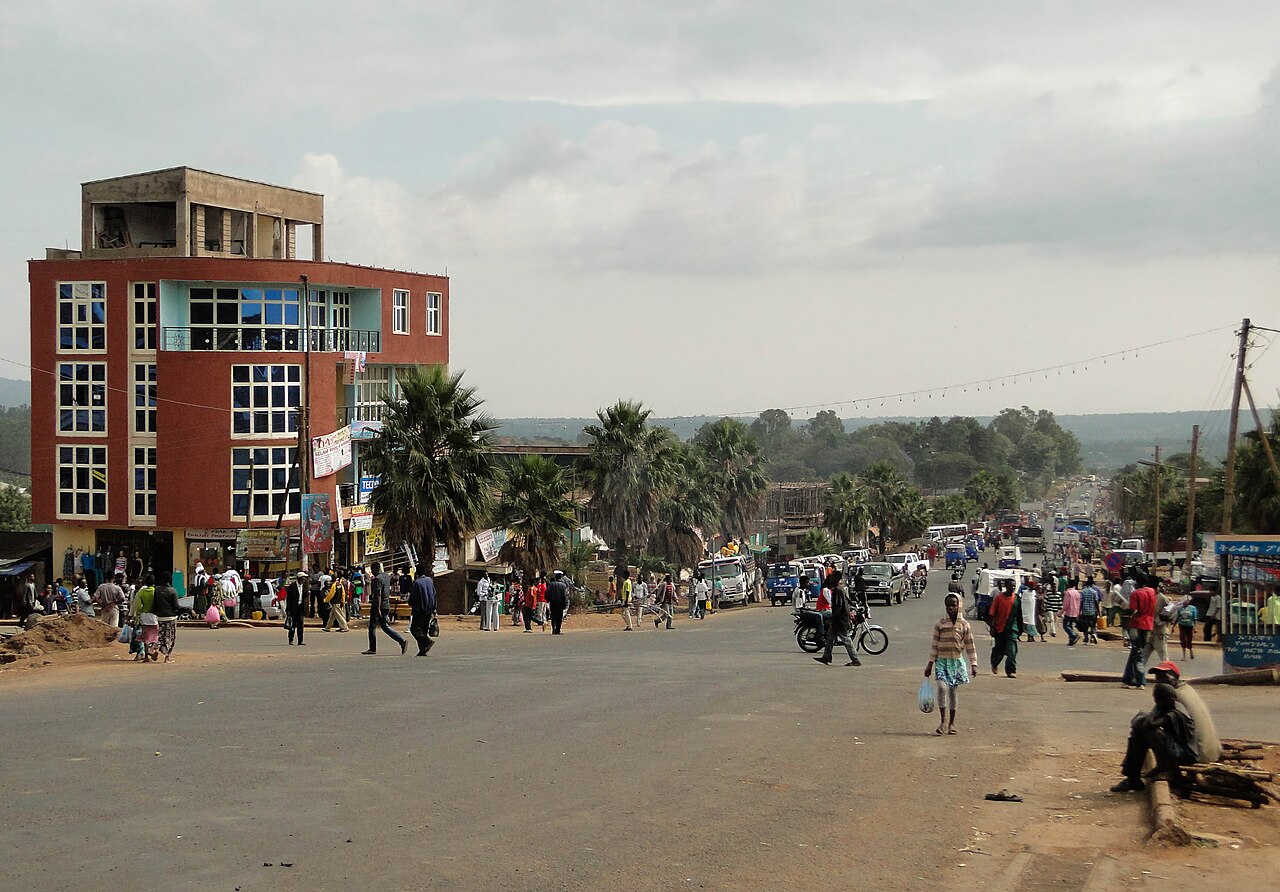
The people call themselves the Wolayta, and their language Wolayttatto, the name variously written Wolaita, Wolaitta or Welayta. It denotes both the people and their historic kingdom and homeland in the southern highlands of Ethiopia.
Proud of their long history as an independent kingdom, the Wolayta maintain a firm common identity rooted in their language and their densely populated home country. The name Wolayta stands, in the mosaic of southern Ethiopia, for a numerous, industrious and historically important people of the highlands.
The Language
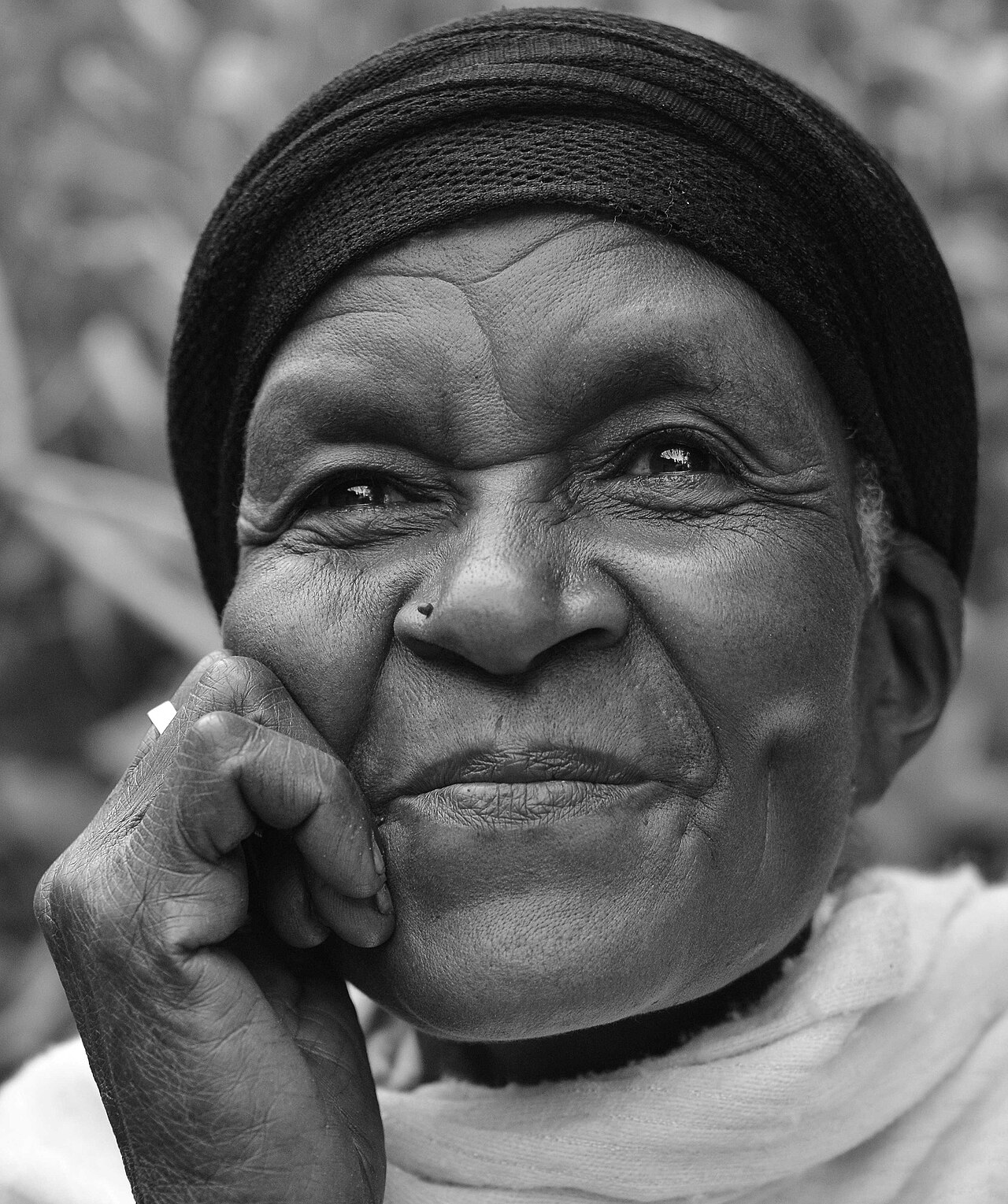
The Wolayta speak Wolayttatto, a North Omotic language of the Afro-Asiatic family, related to the other Omotic tongues of southern Ethiopia and quite distinct from the Semitic and Cushitic languages of the north and east. It is spoken by millions and remains vigorous in daily life, education and local media.
The language carries a rich oral tradition of song, proverb and the history of the old kingdom. Amharic serves as the national language, but Wolayttatto is a central marker of identity, and its use in schools and broadcasting reflects the size and cohesion of the Wolayta people.
The Homeland

The Wolayta homeland is the fertile, well-watered highland country of southern Ethiopia, lying between the Rift Valley lakes and the Omo basin, centred on Wolaita Sodo. It is a green and intensively cultivated land of hills and valleys, with good soils and reliable rainfall well suited to enset and grain farming.
This productive country supports one of the densest rural populations in Ethiopia, its hillsides worked from valley floor to ridge-top. The pressure of a large population on a limited land has long been a defining feature of Wolayta life, and the crowded, carefully farmed highlands remain the heart of the people’s home.
The Old Way of Life
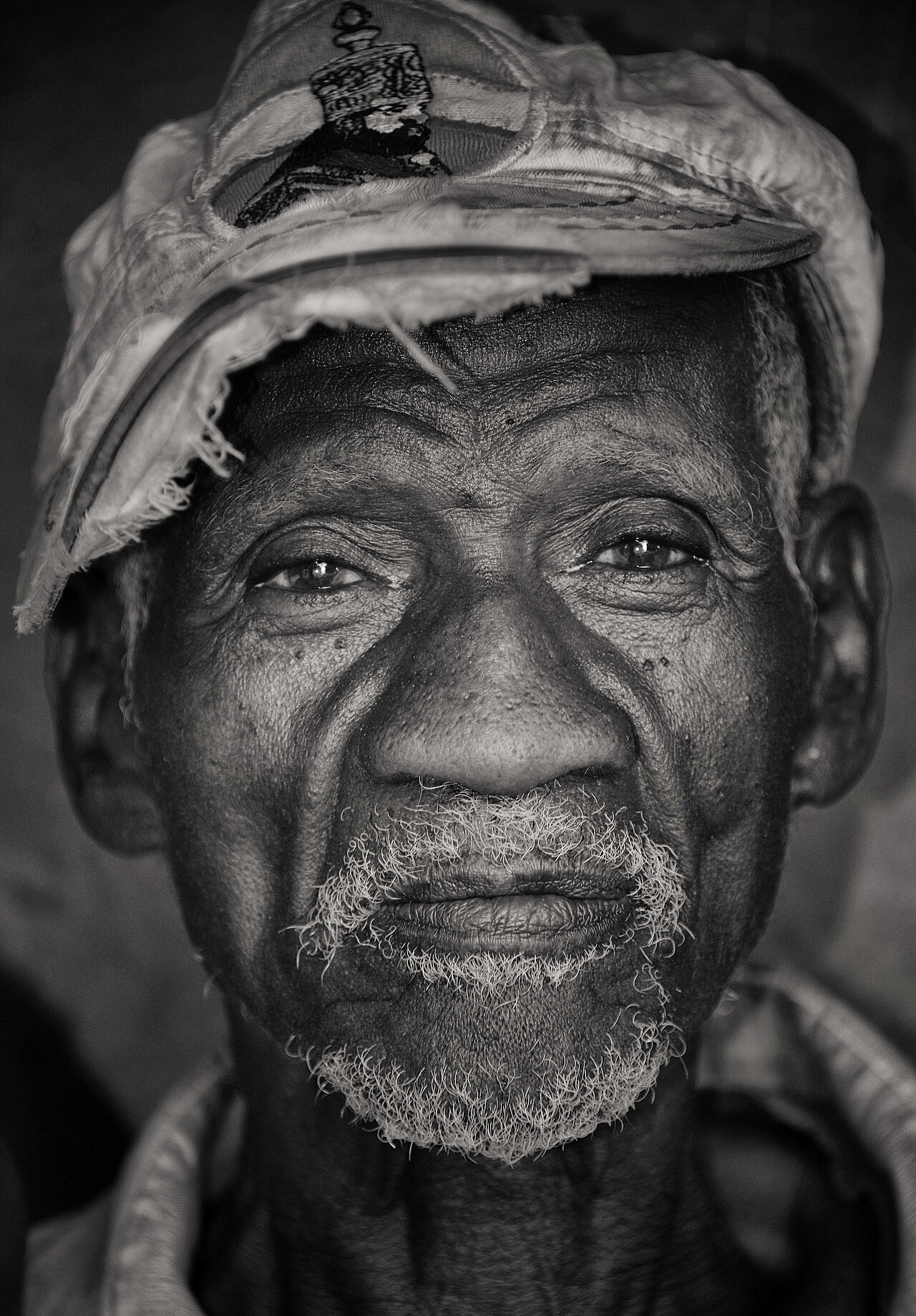
The Wolayta are intensive farmers, cultivating enset, the false banana, together with grains such as teff, maize and sorghum, and a variety of root crops, vegetables and pulses on their densely settled hillsides. Enset provides a storable staple and security against famine, while cattle are kept for milk, manure and wealth.
The fertility of the land and the skill of the farmers allowed a large population to be supported, and Wolayta agriculture has long been admired for its productivity. In modern times cash crops and market gardening have grown in importance, and many Wolayta, like other southern peoples, have migrated in search of work, but farming remains the foundation of their way of life.
Society and Community

Traditional Wolayta society was organised as a kingdom, ruled by a king, the kawo, whose court, officials and elaborate hierarchy governed the state. Below the king lay a complex social order of nobles, commoners and occupational groups, and society was structured by clan, lineage and rank in a way more centralised than among many neighbouring peoples.
The kingship carried a sacred character, and the kawo stood at the summit of an ordered and ceremonious society. Beneath the level of the state, clans and lineages traced through the male line, and the ties of neighbourhood among the dense farming homesteads, ordered daily life. Marriage, sealed by bridewealth, linked families across the crowded highlands.
Religion and Belief

The Wolayta had their own traditional religion before the coming of the great faiths, centred on a sky god and on spirits and the ancestors, with rituals tied to the kingship, the fertility of the land and the wellbeing of the community. The sacred character of the kawo linked the political and the religious order.
From the incorporation into the Ethiopian empire, and especially in the twentieth century, Christianity spread widely and deeply among the Wolayta, both Orthodox and, very strongly, Protestant, so that the Wolayta are today one of the more thoroughly Christian peoples of the south. Older beliefs about spirits, blessing and the ancestors survive within and alongside the Christian faith.
Traditions

The traditions of the Wolayta were bound up with the kingdom, the land and the life of the densely settled highlands. The ceremonies of the court and the kingship, rites of passage marking the stages of life, and the rituals of farming and fertility ordered the traditional year. Rank, custom and elaborate etiquette governed a society proud of its ordered hierarchy.
Music, dance and song were central to celebration, and the Wolayta are known for their lively dances and for instruments such as the krar, the lyre of the highlands. Oral literature, praise and the memory of the old kingdom preserved the history and values of the people, and hospitality and communal cooperation marked the life of the crowded villages.
Crafts

Wolayta craftsmanship served an intensive farming society and an ordered kingdom. Weaving of cotton cloth was an important craft, and households made pottery, baskets and the wooden and gourd vessels of daily life, while ironworkers, often a distinct occupational group, forged the hoes, knives and weapons on which farming and the state depended.
The processing of enset was a considerable domestic art, and the building of the round thatched houses and their enset gardens called for its own skills. The making of musical instruments such as the krar, and of the ornaments and regalia of the court and the dance, added to a material culture reflecting both the farming life and the traditions of the old kingdom.
Food

The staple foods of the Wolayta come from their intensive highland farming: enset, processed into a dense bread and porridge, together with the grains teff, maize and sorghum, and a range of root crops, pulses and vegetables. Injera, the sourdough flatbread of Ethiopia, is eaten with spiced stews, and enset foods provide a reliable mainstay.
Cattle supply milk and, on occasion, meat, and the productive gardens yield an abundance of vegetables and pulses. Rich in enset and grain, and shared with the wider cuisine of the Ethiopian highlands, Wolayta cooking reflects the intensive agriculture and the crowded, well-fed country of the people.
Festivals

Festive life among the Wolayta was tied to the ceremonies of the old kingdom, the calendar of the harvest and the milestones of the life cycle. Royal ceremonies, harvest celebrations, weddings and the rites of passage brought communities together for feasting, music and dance, when rank and custom were displayed and the bonds of kin and neighbourhood renewed.
Today the great Christian festivals, above all Meskel and the Protestant celebrations, together with national holidays, are the main occasions of public festivity, joined by cultural events that celebrate the dance, music and heritage of the people. Song, dance and the sound of the krar continue to give Wolayta celebration its distinctive energy.
History

The kingdom of Wolaita was one of the powerful and long-lived states of the Ethiopian south, with its own dynasty, court and army, and a densely populated and productive territory. It resisted incorporation into the expanding Ethiopian empire until, in 1894, the forces of Emperor Menelik II conquered the kingdom in a hard-fought and destructive campaign.
Brought under imperial rule, the Wolayta lost their independence but retained their identity, and through the twentieth century their homeland remained one of the most densely populated and intensively farmed parts of Ethiopia. Christianity spread widely, and in the modern federal system the Wolayta have sought recognition and self-government within the Ethiopian state.
Today
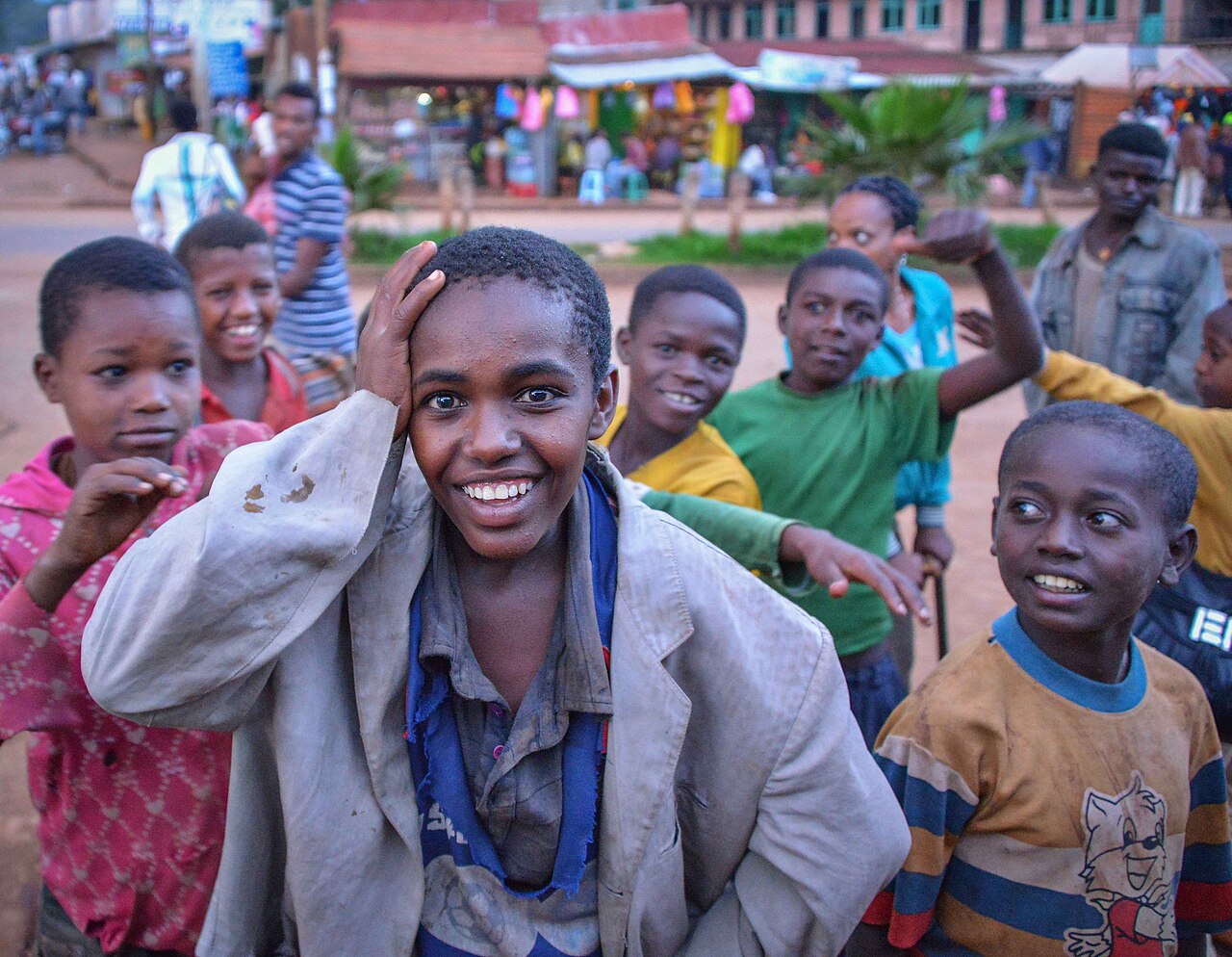
Today the Wolayta number some two to three million and are one of the larger peoples of southern Ethiopia, with their densely populated homeland centred on the growing town of Wolaita Sodo. Intensive enset and grain farming sustains the rural economy, though land shortage drives many to migrate in search of work in the towns and cities.
Proud of their language, their history as a kingdom and their strong Christian faith, the Wolayta are prominent in the farming, trade and public life of the region. Balancing the pressures of a crowded land with the opportunities of modern Ethiopia, they carry the heritage of their old kingdom and their industrious highland culture into the present day.
Related Peoples of the Region
- The Banyankole, the Cattle Kingdom of Ankole
- The Acholi, the Luo People of Northern Uganda
- The Karamojong, the Cattle Herders of Karamoja
- The Hutu, the Farmers of the Land of a Thousand Hills
- The Tutsi, the Cattle Aristocracy of the Great Lakes
- The Afar, the Salt Caravaneers of the Danakil
- The Sidama, the Ensete Farmers of Southern Ethiopia
- The Gurage, the Enset Farmers and Traders of Ethiopia
More Peoples of the World
- A Fifth of Humanity, the Story of the Han Chinese
- How the Maori Sailed Across the Pacific to Reach New Zealand
- Zulu of the Green Hills and Their Kingdom Forged by Shaka
- The People Who Never Vanished, the Story of the Maya
- Long Before the Arabs Came, North Africa Belonged to the Amazigh
- The People Who Emerged Into This World, the Story of the Navajo
- Meet the Ainu, an Indigenous People at Japan’s Northern Edge
You May Like
The Damara, an Ancient People of Namibia