The Hutu, or Bahutu, are the largest population group of Rwanda and Burundi, two small, densely populated countries in the highlands of the Great Lakes region of Central Africa, where they form some four in five of the people. A Bantu-speaking people traditionally described as the farmers of the hills, they share their land, language and much of their culture with the Tutsi and the smaller Twa.The relationship between Hutu and Tutsi, once a flexible matter of status and occupation, was hardened into rigid ethnic categories under colonial rule, with tragic consequences that culminated in the Rwandan genocide of 1994. This article traces the origins, language, homeland and farming life of the Hutu, and the difficult shared history of the land of a thousand hills.
The Hutu on Film
Contents
- Origins
- The Name
- The Language
- The Homeland
- The Old Way of Life
- Society and Community
- Religion and Belief
- Traditions
- Crafts
- Food
- Festivals
- History
- Today
Origins

The Hutu, or Bahutu, are the largest population group of Rwanda and Burundi, two small, densely populated countries in the highlands of the Great Lakes region of Central Africa. They form the great majority, some four in five people, in each country, and are also found in neighbouring parts of the Democratic Republic of the Congo, Tanzania and Uganda.
A Bantu-speaking people, the Hutu are traditionally described as the farmers of the hills, and their ancestors are thought to have settled the region over many centuries as part of the wider Bantu expansion. They share their land, their language and much of their culture with the Tutsi and the smaller group of the Twa, in a society whose divisions have a long and much-debated history.
The Name

The people are called the Hutu, or Bahutu in the local languages, a single person being a Muhutu. The name has long distinguished the majority farming population from the Tutsi, historically associated with cattle-keeping, and from the Twa, a small group of forest origin.
Scholars continue to debate the exact nature of these categories, which functioned partly as markers of occupation and status and partly as descent groups, and which hardened into rigid ethnic labels under colonial rule. Whatever their origin, the name Hutu came to denote the great majority of the people of Rwanda and Burundi, sharing one language and culture with their neighbours.
The Language

The Hutu speak the same languages as their Tutsi and Twa neighbours: Kinyarwanda in Rwanda and the closely related Kirundi in Burundi, both Bantu languages of the wider group of the region. This shared language, spoken by the whole population of each country, is one of the strongest expressions of a common culture that unites the groups despite their historic divisions.
Kinyarwanda and Kirundi are rich in proverbs, poetry and oral tradition, including the elaborate praise-poetry of the old courts. French, English and Swahili also play a part in national life, but it is the shared mother tongue that binds Hutu, Tutsi and Twa as peoples of a single language and heritage.
The Homeland

The homeland of the Hutu is the highland country of Rwanda and Burundi, famously known as the land of a thousand hills, a region of steep, green ridges, volcanic mountains and deep valleys lying near the source of the Nile and the shores of Lake Kivu and Lake Tanganyika. The cool, well-watered highlands are among the most fertile and densely populated lands in Africa.
This intensely cultivated country, its hillsides terraced and planted from valley floor to ridge-top, shaped the farming life of the Hutu. The pressure of a large population on a limited and much-loved land has long been a defining feature of the region, and the hills of Rwanda and Burundi remain the crowded heart of Hutu life.
The Old Way of Life

The Hutu were traditionally cultivators, working the fertile hillsides to grow bananas, sorghum, beans, peas and, later, maize, sweet potatoes and other crops. Farming was the foundation of their economy and identity, and the careful terracing and intensive cultivation of the hills reflected generations of agricultural skill.
In the old social order, cattle, owned above all by the Tutsi, carried the highest prestige, and many Hutu entered into relationships of clientship with cattle-owning patrons, receiving the use of animals in return for service. Yet the great majority of the people lived by the hoe, and it was as farmers of the hills that the Hutu made and fed the society of the region.
Society and Community

Traditional society in Rwanda and Burundi was organised into kingdoms under a king, the mwami, with a court, chiefs and an elaborate hierarchy, in which the Hutu, Tutsi and Twa occupied different but interwoven places. Below the level of the state, society rested on clans, lineages and the ties of neighbourhood and clientship among the hills.
Clans in fact cut across the Hutu, Tutsi and Twa categories, and the groups shared language, religion and residence, intermarrying and living side by side. The relationship between the farming Hutu and the cattle-keeping Tutsi, structured by patronage and by the authority of the court, was complex and varied from place to place, and it lay at the heart of the social order that colonial rule would later transform.
Religion and Belief

Traditional religion in the region centred on a supreme creator god, called Imana, regarded as the source of life, fertility and blessing, together with a concern for the spirits of the ancestors and, in Rwanda, the important cult of Ryangombe and the spirits known as the imandwa. These beliefs were shared by Hutu, Tutsi and Twa alike.
Rituals sought the favour of Imana and the ancestors for the fertility of the fields, the health of families and protection from misfortune, and diviners interpreted the causes of illness and trouble. From the colonial period Christianity spread rapidly and deeply, and today the great majority of Hutu are Christian, chiefly Catholic, though older ideas about Imana and the ancestors still colour belief.
Traditions

The traditions of the Hutu are largely those shared by the whole society of Rwanda and Burundi, expressed in a common language, a rich oral literature and the ceremonies of the life cycle. Births, marriages and funerals were marked by ritual, feasting and the giving of gifts, and marriage linked families through the exchange of bridewealth.
Music, dance and poetry were central to the culture, from the drumming of Burundi to the graceful dances of Rwanda, and were shared across the groups. Proverbs, storytelling and praise-poetry carried the values and history of the people, and the traditions of hospitality, cooperation in farming and respect for elders shaped the daily life of the hills.
Crafts
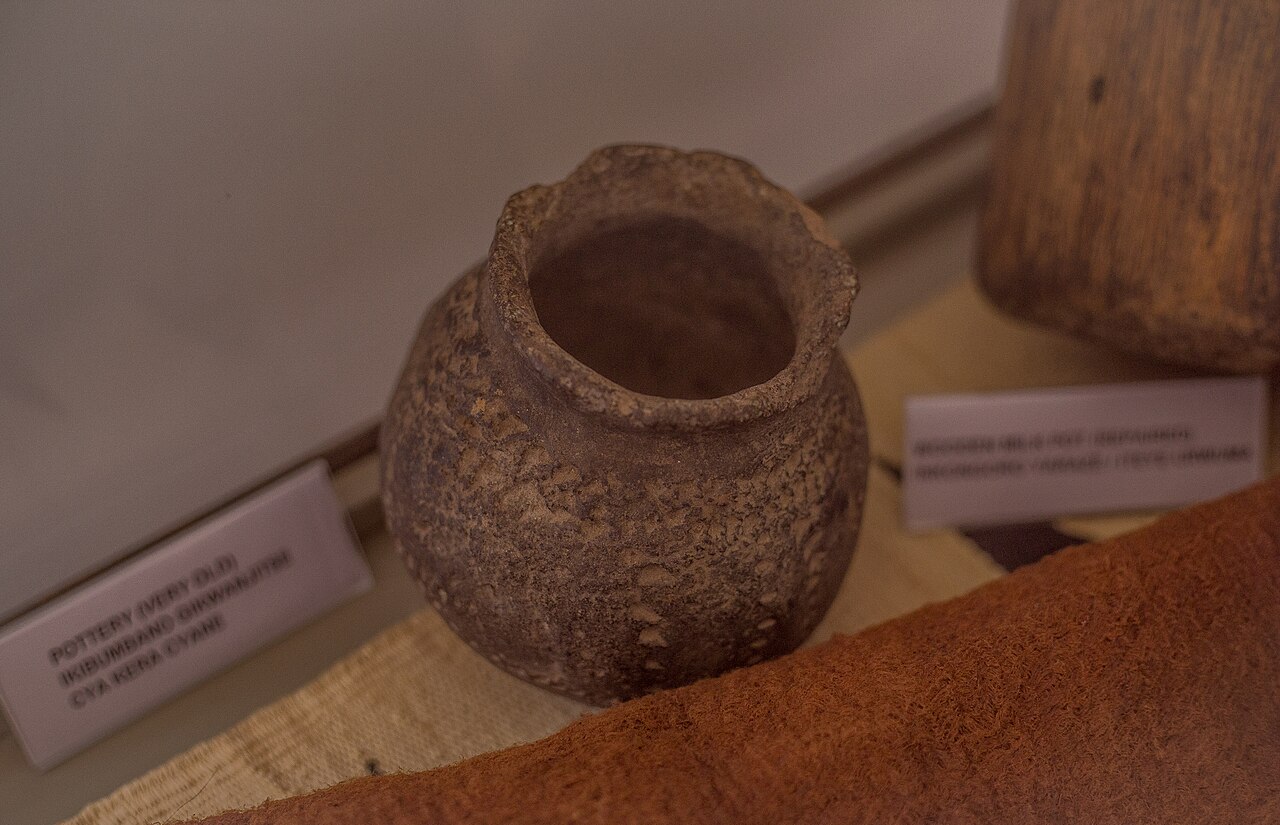
Hutu craftsmanship served an intensively farming society. Households made pottery, wove baskets and mats, and fashioned the wooden and gourd vessels of daily life, while ironworkers, historically important, forged the hoes and tools on which cultivation depended. The famous woven baskets of Rwanda, with their tightly coiled patterns, are among the best-known crafts of the region.
Weaving, basketry and pottery were valued household skills, and the decoration of vessels, mats and dwellings expressed a refined aesthetic sense. As in much of the region these traditional crafts now stand alongside manufactured goods, but the basketry of the hills in particular has become a celebrated symbol of the culture.
Food
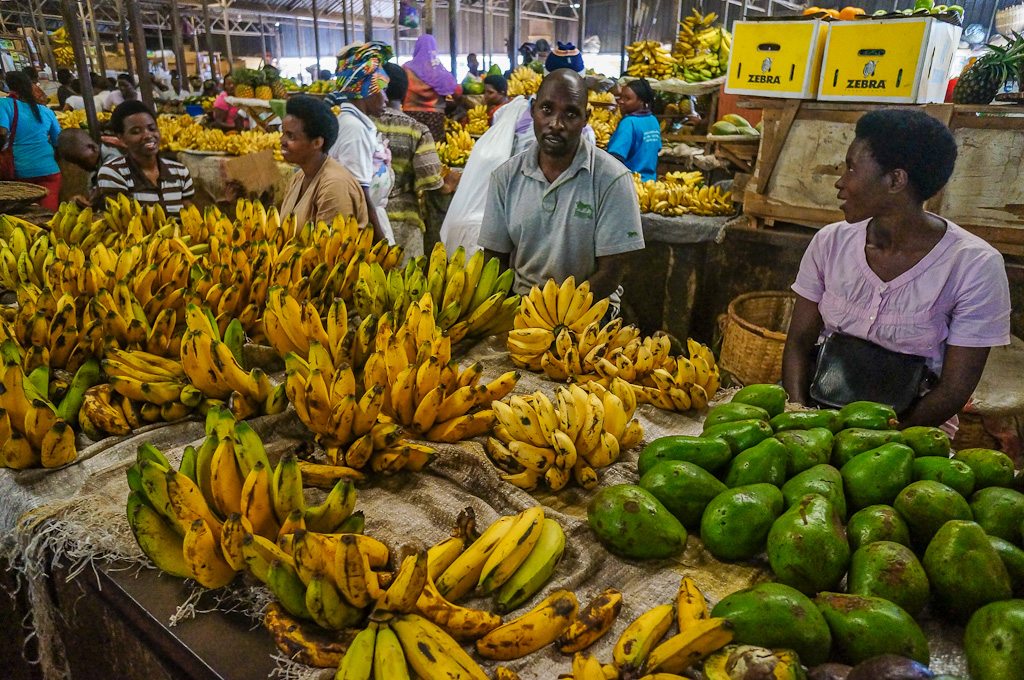
The staple foods of the Hutu are drawn from the crops of the fertile hills: bananas, both for eating and for brewing beer, together with beans, peas, sorghum, sweet potatoes, cassava and, more recently, maize. A stiff porridge and dishes of beans and plantains are everyday fare, and the banana beer of the region is important in hospitality and ceremony.
Milk and meat, historically associated with cattle-wealth, were more occasional in the diet of the farming population, though valued. The abundant produce of the terraced hillsides gave the region its dense population, and the cooking of the Hutu reflects a people long rooted in the intensive cultivation of a generous but crowded land.
Festivals
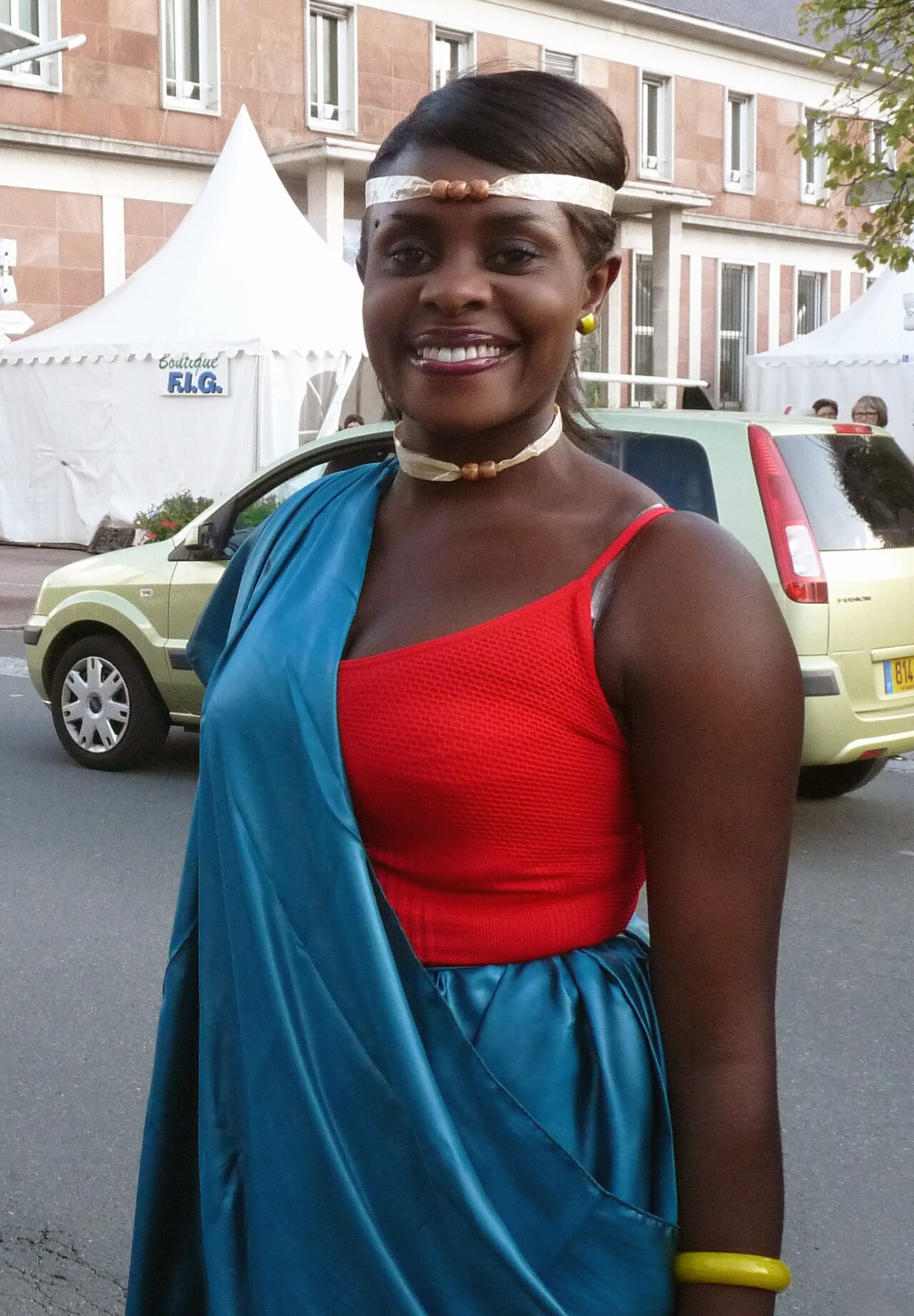
Festive life among the Hutu was tied to the farming year and to the milestones of the life cycle, shared with the whole society of the hills. Harvests, weddings, births and the ceremonies of the old kingdoms were occasions for feasting, the drinking of banana beer, music and dance, when the bonds of family and neighbourhood were renewed.
Drumming, song and dance lay at the heart of celebration, from the renowned drummers of Burundi to the dance traditions of Rwanda, performed by all the groups together. Today Christian festivals, national holidays and the commemoration of the nation’s history join the older celebrations, and cultural performance remains a valued expression of a shared heritage.
History
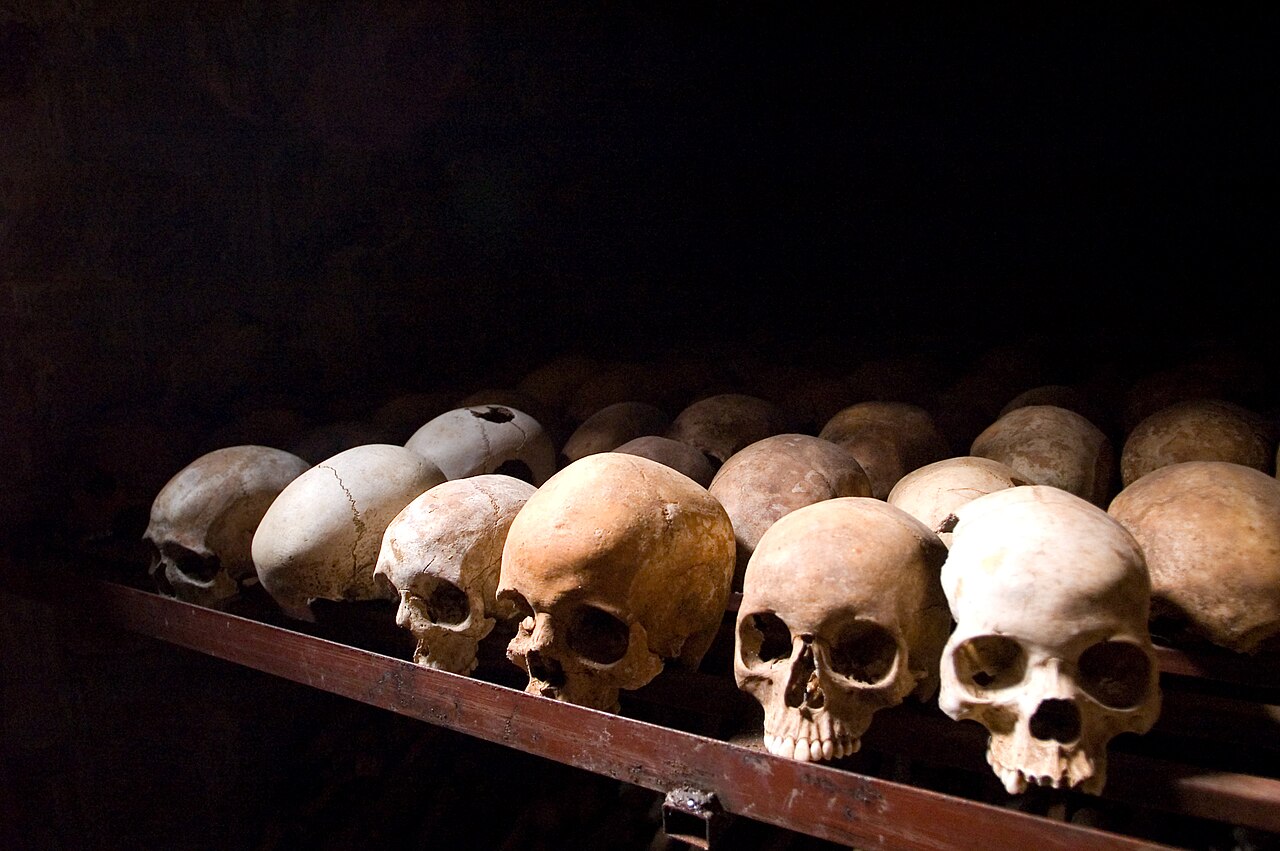
For centuries the Hutu, Tutsi and Twa lived together in the kingdoms of Rwanda and Burundi, sharing language and culture, with the categories functioning as flexible markers of status and occupation. Under German and then Belgian colonial rule these distinctions were hardened into rigid racial classifications, recorded on identity cards, and the Tutsi were favoured as intermediaries, deepening division and resentment.
In Rwanda a Hutu-led movement overturned the old order around independence in the late 1950s and early 1960s, and cycles of violence followed in both countries. This history culminated in the catastrophe of 1994, when extremist Hutu leaders in Rwanda organised the genocide against the Tutsi, in which some eight hundred thousand people, mostly Tutsi and also moderate Hutu, were killed in a few months, one of the gravest crimes of the twentieth century.
Today

Today the Hutu remain the great majority in both Rwanda and Burundi, living for the most part as farmers on the crowded hills, while many have moved into the towns and into national life. In the aftermath of the genocide and the wars of the region, the government of Rwanda has officially discouraged the use of ethnic labels, emphasising instead a single national identity and the work of reconciliation.
The peoples of Rwanda and Burundi have faced the immense task of rebuilding their societies, seeking justice, healing and coexistence after terrible violence. Sharing a language, a land and a culture with their neighbours, the Hutu carry both the rich heritage and the painful history of the land of a thousand hills into a future that both countries hope will be one of peace.
Related Peoples of the Region
- The Sukuma, Tanzania’s Largest People and Their Dancing Societies
- The Nyamwezi, the Caravan Traders of Central Tanzania
- The Makonde, the Blackwood Sculptors of the Ruvuma
- The Hadza, the Last Hunter-Gatherers of Lake Eyasi
- The Iraqw, the Cushitic Highlanders of Northern Tanzania
- The Banyankole, the Cattle Kingdom of Ankole
- The Acholi, the Luo People of Northern Uganda
- The Karamojong, the Cattle Herders of Karamoja
More Peoples of the World
- A Fifth of Humanity, the Story of the Han Chinese
- How the Maori Sailed Across the Pacific to Reach New Zealand
- Zulu of the Green Hills and Their Kingdom Forged by Shaka
- The People Who Never Vanished, the Story of the Maya
- Long Before the Arabs Came, North Africa Belonged to the Amazigh
- The People Who Emerged Into This World, the Story of the Navajo
- Meet the Ainu, an Indigenous People at Japan’s Northern Edge
You May Like

The Damara, an Ancient People of Namibia



