The Iraqw are a Cushitic-speaking people of the highlands of north-central Tanzania, centred on the districts of Mbulu and Karatu. Numbering several hundred thousand, they form a remarkable cultural island, for they speak an Afro-Asiatic language of Cushitic stock surrounded on every side by Bantu and Nilotic peoples, a living relic of ancient migrations from the north.Settled in a defensible, fertile highland that they terraced and farmed with unusual skill, the Iraqw preserved their distinct language, dress and religion through long centuries among very different neighbours. This article traces their origins, their rare Cushitic language, their homeland, their farming life and the customs that continue to define them.
The Iraqw on Film
Contents
- Origins
- The Name
- The Language
- The Homeland
- The Old Way of Life
- Society and Community
- Religion and Belief
- Traditions
- Crafts
- Food
- Festivals
- History
- Today
Origins
The Iraqw are a Cushitic-speaking people of the highlands of north-central Tanzania, centred on the districts of Mbulu and Karatu in the Manyara region. Numbering several hundred thousand, they form a striking cultural island, for they speak an Afro-Asiatic language of Cushitic stock surrounded on all sides by Bantu and Nilotic peoples.
Their presence so far south is a relic of ancient migrations, for the Iraqw and their few Southern Cushitic relatives descend from herders and farmers who moved into East Africa from the north in the distant past. Settled in their defensible highlands, the Iraqw preserved a distinct language and identity through long centuries of contact with very different neighbours.
The Name

The people call themselves the Iraqw, and their language by the same name, though they are sometimes known to outsiders as the Mbulu, after the district that is one of their heartlands. A single community with a strong sense of itself, they are distinguished above all by their Cushitic speech.
The name Iraqw thus marks not only a people but a rare linguistic survival in the region, a reminder of the ancient Cushitic presence in East Africa. Whether called Iraqw or Mbulu, they regard themselves as one people of the northern Tanzanian highlands.
The Language

The Iraqw speak a Cushitic language of the Afro-Asiatic family, related distantly to the languages of the Horn of Africa and quite unlike the Bantu and Nilotic tongues that surround it. It is the largest of the small group of Southern Cushitic languages still spoken in Tanzania, and it remains vigorous among the Iraqw.
Swahili serves as the national language and the medium of education, but Iraqw continues to be the everyday speech of the highlands, carrying the proverbs, songs and oral traditions of the people. The survival of this Cushitic language, far from its northern relatives, is of great interest to scholars of African history and linguistics.
The Homeland

The Iraqw homeland is the cool, fertile highland country of north-central Tanzania, a land of rolling hills, escarpments and volcanic soils lying between the Rift Valley lakes and the plains. Centred on Mbulu and Karatu, it enjoys reliable rainfall and good soils, making it one of the more productive farming regions of the north.
This highland setting, defensible and well-watered, shaped Iraqw life and helped preserve their distinct identity. Surrounded historically by cattle-raiding Maasai and other neighbours, the Iraqw made their highlands a stronghold, terracing the slopes and building compact settlements from which they worked the land.
The Old Way of Life

The Iraqw are agropastoralists, combining intensive cultivation with the keeping of livestock. They are notable farmers, growing maize, sorghum, millet, beans and other crops on the fertile highland soils, and in places they built terraces and managed manure and fallow with care to sustain the land under dense settlement.
Cattle, along with goats and sheep, are important for milk, meat, manure and as a store of wealth central to marriage and status. The combination of skilled farming and herding allowed the Iraqw to support a substantial population in their highlands, and their agricultural industry has long been remarked upon by observers.
Society and Community

Iraqw society was organised around the homestead and the lineage, with descent traced through the male line, and without any centralised chiefship over the whole people. Authority lay with elders and with the councils that governed local affairs, settling disputes and overseeing the rituals on which the wellbeing of the community was thought to depend.
Ritual experts and diviners held an important place, and the community acted together in the great ceremonies meant to protect the land and the people from misfortune. Marriage, sealed by the transfer of cattle, linked lineages, and cooperation among kin and neighbours underpinned the intensive farming of the highlands.
Religion and Belief

Traditional Iraqw religion centred on a divinity called Looaa, conceived as a benevolent power associated with the sun and, strikingly, with a feminine character, the source of life and blessing, set against a destructive force associated with the earth and misfortune. Prayer, sacrifice and ritual sought to keep the community in right relation with these powers.
Ritual specialists led the great communal ceremonies, such as the marmo, performed to cleanse the land and avert danger, and diviners interpreted misfortune and prescribed remedies. Christianity has since spread widely among the Iraqw, but the old beliefs about Looaa, the ancestors and the protection of the land have left a deep mark on their culture.
Traditions

The traditions of the Iraqw were tied to the farming year and to the rituals that protected the land and the people. Rites of passage marked the stages of life, and communal ceremonies, led by ritual experts, gathered the people to cleanse the country and secure its fertility and safety.
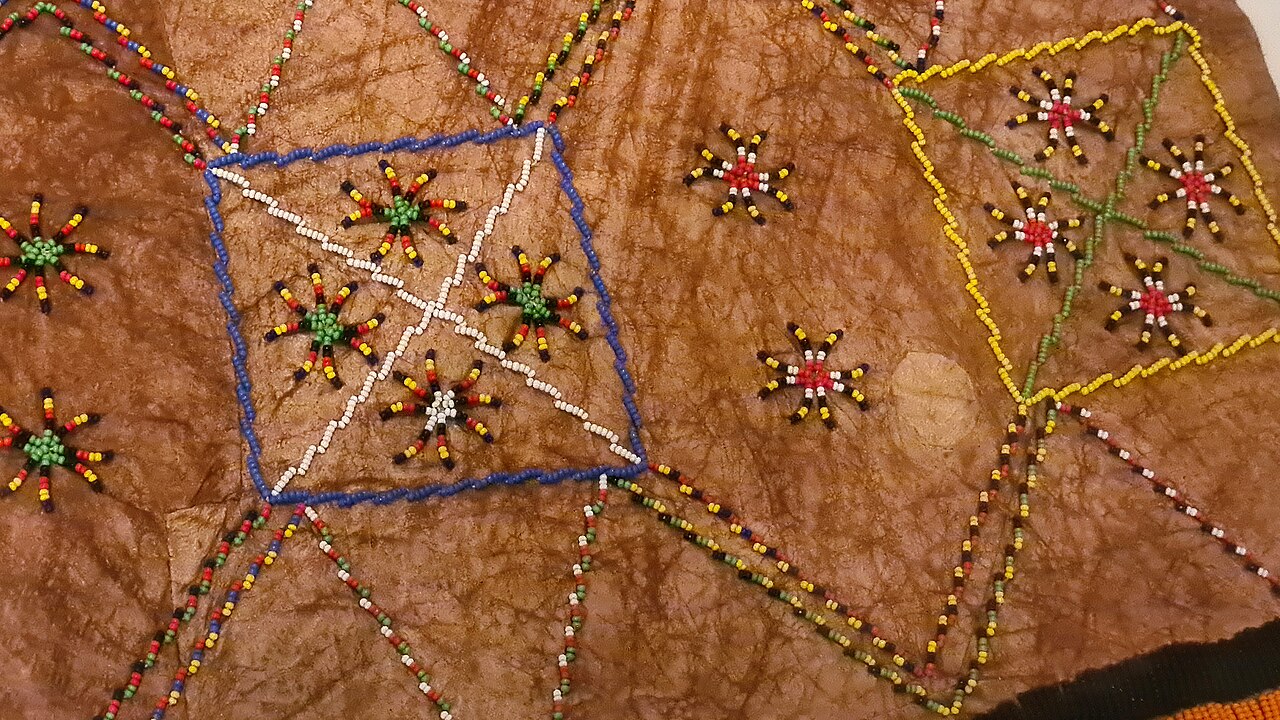
Distinctive dress, including the beaded leather garments worn by women, and the ornaments of hide and beadwork, expressed identity and status. Music, dance and oral literature accompanied celebration and ritual alike, and storytelling and proverb carried the values, history and practical wisdom of a people proud of their distinct heritage.
Crafts

Iraqw craftsmanship served an industrious farming and herding society. Women were skilled in leatherwork and beadwork, fashioning the decorated skirts, aprons and ornaments that formed part of traditional dress, while households made baskets, pottery and the wooden and gourd vessels of daily life.
Ironworking supplied the hoes, knives and spears needed for cultivation and defence, and the building of terraced fields and compact homesteads called for its own practical skills. These crafts, tied to the demands of intensive highland agriculture and a distinctive material culture, reflect a people long admired for their industry.
Food

The staple food of the Iraqw is a stiff porridge of maize, sorghum or millet flour, the ugali of the wider region, eaten with vegetables, beans, meat or sour milk. The productive highland farms yield an abundance of grain and pulses, and leafy greens and other vegetables fill out the daily meal.
Milk and meat from the herds add richness to the diet, and the good soils and reliable rains of the highlands have long given the Iraqw a reputation for productive farming and a well-fed population. Simple and hearty, their cooking reflects the agricultural plenty of their well-watered country.
Festivals

Festive life among the Iraqw was bound up with the farming year and with the communal rituals that protected the land. Harvests, weddings, initiations and the great cleansing ceremonies were occasions for gathering, feasting, music and dance, when the bonds of lineage and neighbourhood were renewed.
Song, drumming and dance gave these gatherings their spirit, and the display of fine dress and ornament marked the standing of families and individuals. Today Christian festivals and national holidays join the older celebrations, but the rhythms of farming and the traditions of communal ritual continue to shape the festive life of the highlands.
History

The Iraqw represent an ancient Cushitic migration into East Africa, their ancestors having moved south from the region of the Horn long before the Bantu and Nilotic peoples who now surround them became dominant. Settled in their highland stronghold, they long defended themselves against Maasai raids and preserved their distinct language and customs.
Under German and then British colonial rule the Mbulu highlands were drawn into the wider economy and administration of Tanganyika, and mission Christianity and schooling spread. Through the colonial period and into independent Tanzania the Iraqw remained a numerous and industrious people, expanding their farming and gradually spreading into neighbouring areas.
Today

Today the Iraqw number several hundred thousand and remain concentrated in the highlands of Mbulu and Karatu, though their reputation as able farmers has carried many into new farming areas across northern Tanzania. Maize, wheat and other crops, together with cattle, sustain a busy rural economy in their fertile country.
Proud of their distinct Cushitic language and heritage, the Iraqw balance the traditions of the highlands with participation in the education, commerce and public life of modern Tanzania. As a rare island of Cushitic speech and culture in East Africa, they carry an ancient and distinctive identity into the present day.
Related Peoples of the Region
- The Turkana, the Herders of the Jade Sea
- The Samburu, the Butterfly People of Northern Kenya
- The Chagga, the Coffee Farmers of Kilimanjaro
- The Sukuma, Tanzania’s Largest People and Their Dancing Societies
- The Sukuma, Tanzania’s Largest People and Their Dancing Societies
- The Nyamwezi, the Caravan Traders of Central Tanzania
- The Makonde, the Blackwood Sculptors of the Ruvuma
- The Hadza, the Last Hunter-Gatherers of Lake Eyasi
More Peoples of the World
- A Fifth of Humanity, the Story of the Han Chinese
- How the Maori Sailed Across the Pacific to Reach New Zealand
- Zulu of the Green Hills and Their Kingdom Forged by Shaka
- The People Who Never Vanished, the Story of the Maya
- Long Before the Arabs Came, North Africa Belonged to the Amazigh
- The People Who Emerged Into This World, the Story of the Navajo
- Meet the Ainu, an Indigenous People at Japan’s Northern Edge
You May Like
The Konso, the Terrace Builders of Southern Ethiopia