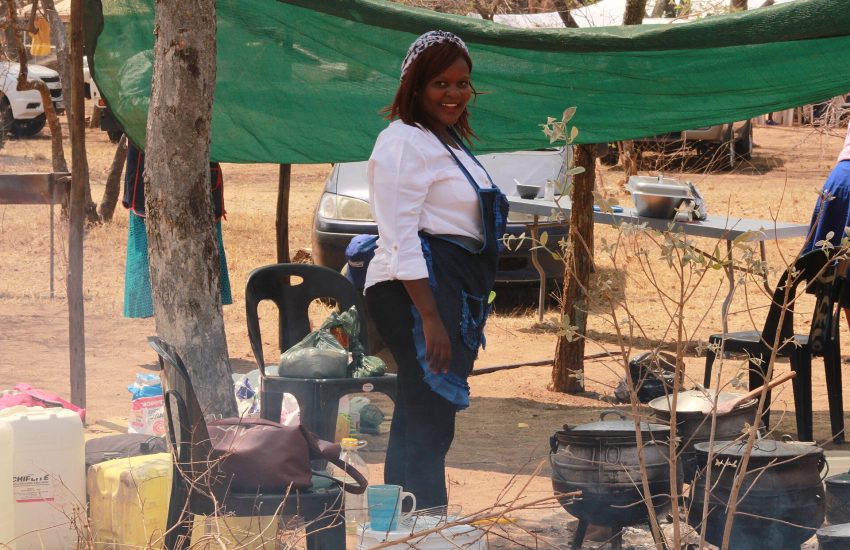
The Gurage are a Semitic-speaking people of central-southern Ethiopia, living in the fertile highlands southwest of Addis Ababa in the region known as the Gurage Zone. Numbering some two million or more, they are set apart by their cluster of related languages, their mastery of enset farming and a remarkable reputation, throughout Ethiopia, for enterprise and hard work.A diverse cluster of communities united by language and culture, the Gurage are famous both for the tight-knit, self-governing villages of their highland home and for the traders and migrants who have carried their commercial energy across the country. This article traces their origins, languages, homeland, enset-farming life and the customs that continue to define them.
The Gurage on Film
Contents
- Origins
- The Name
- The Language
- The Homeland
- The Old Way of Life
- Society and Community
- Religion and Belief
- Traditions
- Crafts
- Food
- Festivals
- History
- Today
Origins
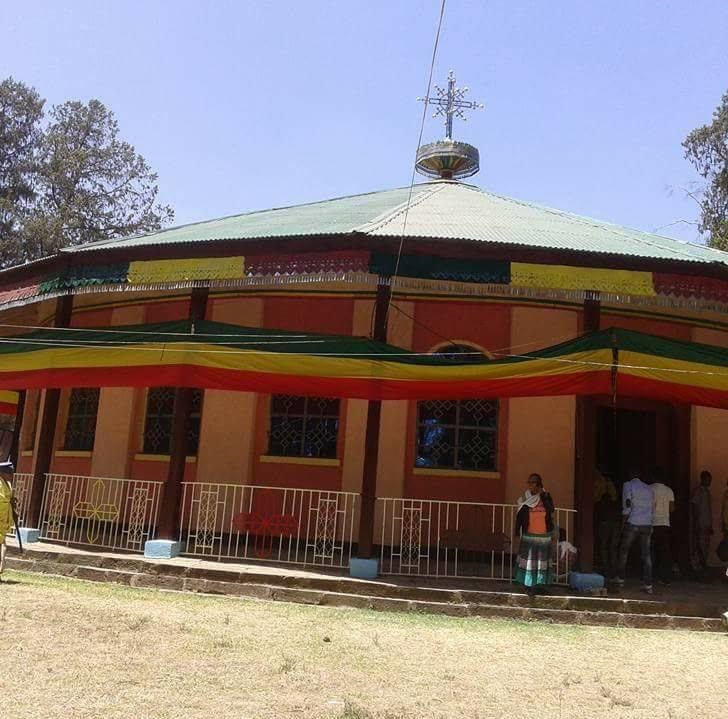
The Gurage are a Semitic-speaking people of central-southern Ethiopia, living in the fertile highlands southwest of the capital, Addis Ababa, in the region known as the Gurage Zone. Numbering some two million or more, they are one of the distinctive peoples of the Ethiopian south, set apart by their language, their intensive enset farming and their remarkable reputation for enterprise.
The Gurage are not a single unified group but a cluster of related communities speaking closely related tongues, traditionally grouped into divisions such as the Sebat Bet, or seven houses. Settled in their highland home, they developed an industrious farming culture, and in modern times they have become famous throughout Ethiopia as hardworking traders and migrants.
The Name

The people are called the Gurage, and the name covers a number of related groups united by language and culture and by their highland homeland, the Gurage Zone. A single people in the broad sense, they are internally diverse, and their communities are often grouped into clusters such as the Sebat Bet and the Kistane.
The name Gurage denotes both the people and their region, and it has come to stand, across Ethiopia, for a reputation of industry, thrift and commercial success. Whatever their internal divisions, the Gurage share a strong sense of common identity rooted in their language, their enset gardens and their distinctive way of life.
The Language

The Gurage speak a cluster of Ethiopian Semitic languages, related to Amharic and Tigrinya and ultimately to the ancient Geez, though divided into several distinct tongues that are not always mutually intelligible. These languages form one of the more complex parts of the Semitic language map of Ethiopia.
Amharic, the national language, is widely used, especially by the many Gurage who have migrated to the towns and cities, but the Gurage languages remain strong in their home communities. Rich in the vocabulary of enset cultivation and of a tightly organised social life, they carry the oral traditions and the distinct identity of the people.
The Homeland

The Gurage homeland is the fertile, well-watered highland country of central-southern Ethiopia, a land of rolling hills, good soils and reliable rainfall lying to the southwest of Addis Ababa. The mild highland climate and rich earth are ideally suited to the intensive cultivation of enset, the false banana, on which Gurage agriculture is based.
This productive country supported a dense rural population living in compact settlements amid their enset gardens. The abundance of the highlands, and their nearness to the great markets of the Ethiopian centre, shaped both the settled farming life of the Gurage and the commercial energy that has carried so many of them out into the wider country.
The Old Way of Life
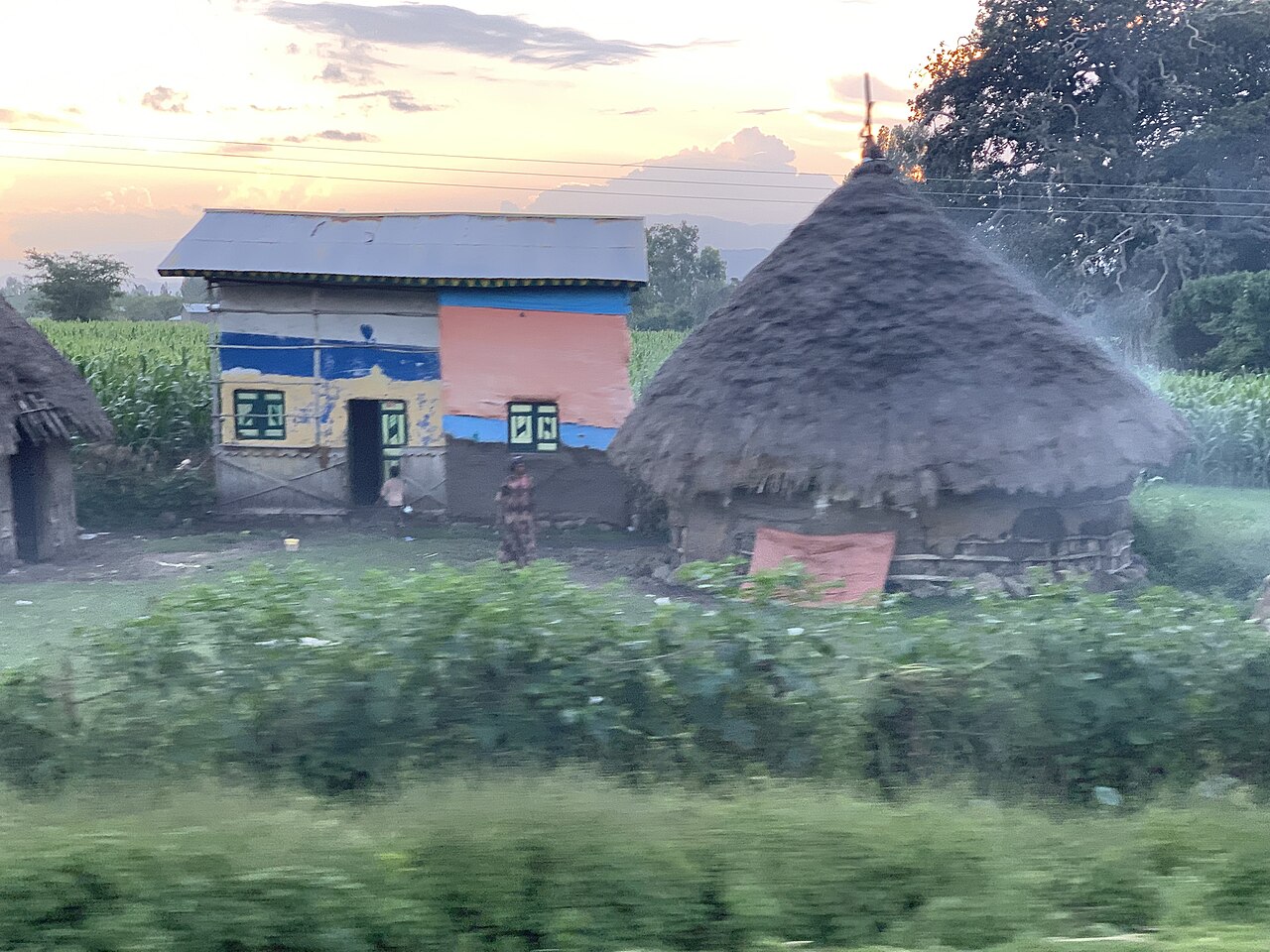
The foundation of Gurage life is the enset, the false banana, of which the Gurage are among the most skilled cultivators in Ethiopia. The starchy stem and root of the plant are processed into food that can be stored for long periods, giving security against famine, and the dense enset gardens around each homestead are the heart of the traditional economy.
Alongside enset the Gurage keep cattle, valued for milk, manure and wealth, and grow other crops and, in places, coffee and chat as cash crops. Above all, the Gurage are famous throughout Ethiopia for their commercial enterprise, and for centuries many have travelled far from home as traders, labourers and businessmen, sending wealth back to their highland villages.
Society and Community
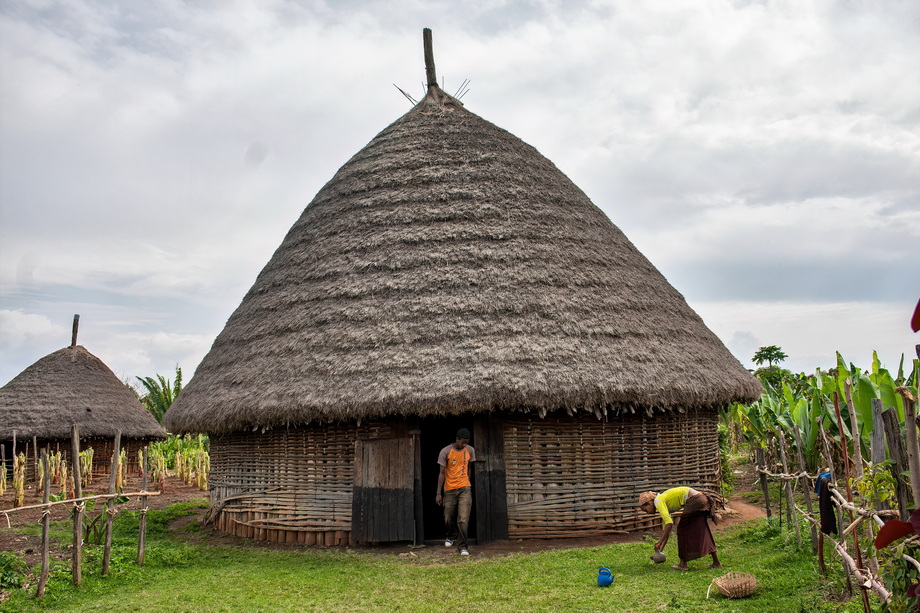
Gurage society was traditionally organised around clans and lineages and around a strong tradition of communal self-government, most famously the customary legal and political assembly known among some groups as the Yajoka Qicha, which governed by consensus and customary law. This egalitarian and consultative tradition is much remarked upon.
The compact villages, with their enset gardens and communal institutions, fostered close-knit communities and strong bonds of cooperation and mutual aid. Marriage linked families and clans, and elders and the customary councils upheld order and settled disputes. The same tight social organisation that ordered village life also supported the networks of kin and community on which the famous Gurage trading enterprise depended.
Religion and Belief

The Gurage are religiously diverse, and their communities include Ethiopian Orthodox Christians, Muslims and, in the past, followers of traditional religion centred on deities such as Waq, the sky god, and on cults tied to enset, fertility and the ancestors. This mix reflects the position of the Gurage at a crossroads of Ethiopia’s religious traditions.
Traditional beliefs, with their rituals for the fertility of the enset gardens and the wellbeing of the community, long coexisted with the great scriptural faiths, and elements of the older religion survive in custom and ceremony. Today most Gurage are Christian or Muslim, and the festivals of both faiths, above all the Christian Meskel, are important occasions in the highland calendar.
Traditions

The traditions of the Gurage are bound up with enset, community and enterprise. The cultivation and processing of enset, largely the work of women, followed cherished custom, and the compact villages maintained strong traditions of cooperation, mutual aid and customary law. Rites of passage marked the stages of life, and hospitality was highly valued.
Music, dance and song accompanied celebration and ceremony, and the Gurage share in the wider festive culture of the Ethiopian highlands, above all the great festival of Meskel. Their reputation for hard work, thrift and commercial acumen is itself a kind of cultural ideal, celebrated in the success of Gurage traders across Ethiopia and beyond.
Crafts

Gurage craftsmanship served an intensive farming and trading society. The processing of enset was a considerable domestic art, and households made the tools, containers and vessels needed for cultivation and for the preparation and storage of enset foods. Basketry, pottery and the working of wood and hide supplied daily needs.
Weaving, leatherwork and the making of ornaments, dress and the shields and implements of the past added to the material culture. The building of the distinctive round thatched houses, set within their enset gardens, called for its own skills. These crafts, tied to enset farming and village life, reflect a settled and industrious highland people.
Food
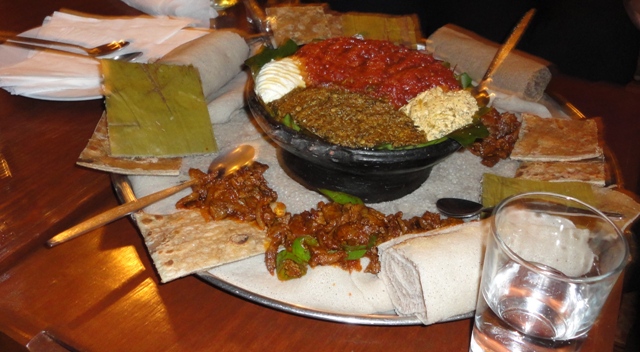
The staple food of the Gurage is derived from the enset, whose processed stem and root are made into a dense bread and into porridges that form the foundation of the diet. Enset foods, storable and reliable, are eaten with vegetables, spiced butter and, on occasion, meat.
The Gurage are especially associated, throughout Ethiopia, with kitfo, a dish of minced raw or lightly cooked beef seasoned with spiced butter and chilli, regarded as a Gurage speciality and enjoyed across the country. Rich in enset and celebrated for kitfo, Gurage cooking reflects both the intensive agriculture of their highlands and their prominent place in the wider food culture of Ethiopia.
Festivals

Festive life among the Gurage is tied to the calendars of their religions and to the milestones of the life cycle. The great Christian festival of Meskel, celebrating the finding of the True Cross, is marked with bonfires and gatherings, and the Muslim festivals are observed by the Muslim Gurage, while weddings and other family events bring communities together.
These occasions are marked by feasting, above all on kitfo and enset foods, and by music, dance and the renewal of the bonds of kin and village. For the many Gurage who live and work far from home, the great festivals are also times of return, when migrants come back to their highland villages to celebrate with their families.
History

The Gurage have inhabited their highlands for many centuries, developing their enset agriculture and their distinctive social institutions at a meeting point of Ethiopia’s peoples and religions. Their communities long maintained a measure of self-government under their customary assemblies before being incorporated into the expanding Ethiopian empire in the late nineteenth century.
Through the twentieth century the Gurage became famous for migration and enterprise, moving in large numbers to Addis Ababa and other towns, where they came to dominate much of the trade and commerce. This reputation for industry and success, together with their strong village institutions and networks of mutual aid, has made the Gurage one of the most economically prominent peoples of modern Ethiopia.
Today

Today the Gurage number some two million or more, with large communities in their highland homeland and many others living and working in Addis Ababa and towns across Ethiopia and abroad. Their villages remain centres of intensive enset farming, sustained in part by the wealth sent home by migrant traders and workers.
Famous throughout Ethiopia for their commercial energy, their strong communal institutions and their contribution to the national cuisine, the Gurage combine a deep attachment to their enset gardens and highland traditions with a remarkable record of enterprise in the wider world. They carry their distinctive language, culture and reputation for industry into modern Ethiopian life.
Related Peoples of the Region
- The Iraqw, the Cushitic Highlanders of Northern Tanzania
- The Banyankole, the Cattle Kingdom of Ankole
- The Acholi, the Luo People of Northern Uganda
- The Karamojong, the Cattle Herders of Karamoja
- The Hutu, the Farmers of the Land of a Thousand Hills
- The Tutsi, the Cattle Aristocracy of the Great Lakes
- The Afar, the Salt Caravaneers of the Danakil
- The Sidama, the Ensete Farmers of Southern Ethiopia
More Peoples of the World
- A Fifth of Humanity, the Story of the Han Chinese
- How the Maori Sailed Across the Pacific to Reach New Zealand
- Zulu of the Green Hills and Their Kingdom Forged by Shaka
- The People Who Never Vanished, the Story of the Maya
- Long Before the Arabs Came, North Africa Belonged to the Amazigh
- The People Who Emerged Into This World, the Story of the Navajo
- Meet the Ainu, an Indigenous People at Japan’s Northern Edge
You May Like
The Damara, an Ancient People of Namibia