The Mende are one of the two largest peoples of Sierra Leone, dominant in the south and east of the country, where they number some two million or more. A Mande people and settled rice farmers of the forest, they are famous throughout Africa for their powerful secret societies and for a unique tradition of the masked dance.Their lives are ordered by the Poro society of the men and the Sande, or Bundu, society of the women, whose sowei helmet mask, danced by a woman, makes the Mende one of the very few peoples in Africa where women wear and dance the mask. This article traces their origins, language, homeland, rice-farming life and the customs that continue to define them.
The Mende on Film
Contents
- Origins
- The Name
- The Language
- The Homeland
- The Old Way of Life
- Society and Community
- Religion and Belief
- Traditions
- Crafts
- Food
- Festivals
- History
- Today
Origins

The Mende are one of the two largest peoples of Sierra Leone, dominant in the south and east of the country, where they number some two million or more. A Mande people, they are settled farmers of the forest and savanna, famous throughout Africa for their secret societies and for the unique tradition of the women’s masked dance.
The Mende are thought to have moved into the region from the interior over past centuries, spreading through the forests of the south and organising themselves into a patchwork of chiefdoms. Rice farmers and members of the powerful Poro and Sande societies that order their lives, the Mende developed a rich culture that has made them one of the most studied and distinctive peoples of West Africa.
The Name
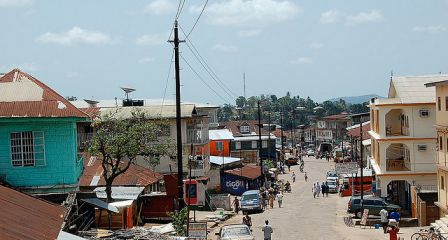
The people call themselves the Mende, and their language by the same name; they are sometimes grouped with related peoples as part of the wider Mande world. They are the largest people of the interior of Sierra Leone and share the country above all with the Temne of the north.
Their identity is bound up with their chiefdoms, their rice farming and, most distinctively, their secret societies, the Poro for men and the Sande for women. The name Mende denotes a people proud of their traditions and their place as one of the founding peoples of modern Sierra Leone.
The Language
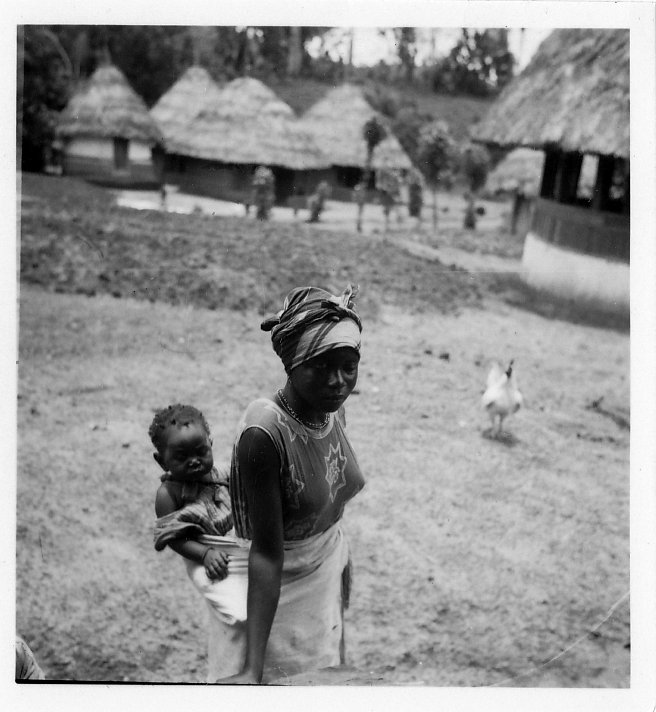
The Mende speak Mende, a language of the Mande branch of the Niger-Congo family, related to the great Mande languages of the interior such as Mandinka and Bambara but distinct from them. It is spoken across the south and east of Sierra Leone and serves as a lingua franca for many of their neighbours.
The language has its own indigenous script, the Kikakui syllabary, devised in the early twentieth century, a rare achievement in West Africa. English and Krio are widely used in Sierra Leone, but Mende remains the strong everyday language of the interior and a central marker of the identity of the people.
The Homeland
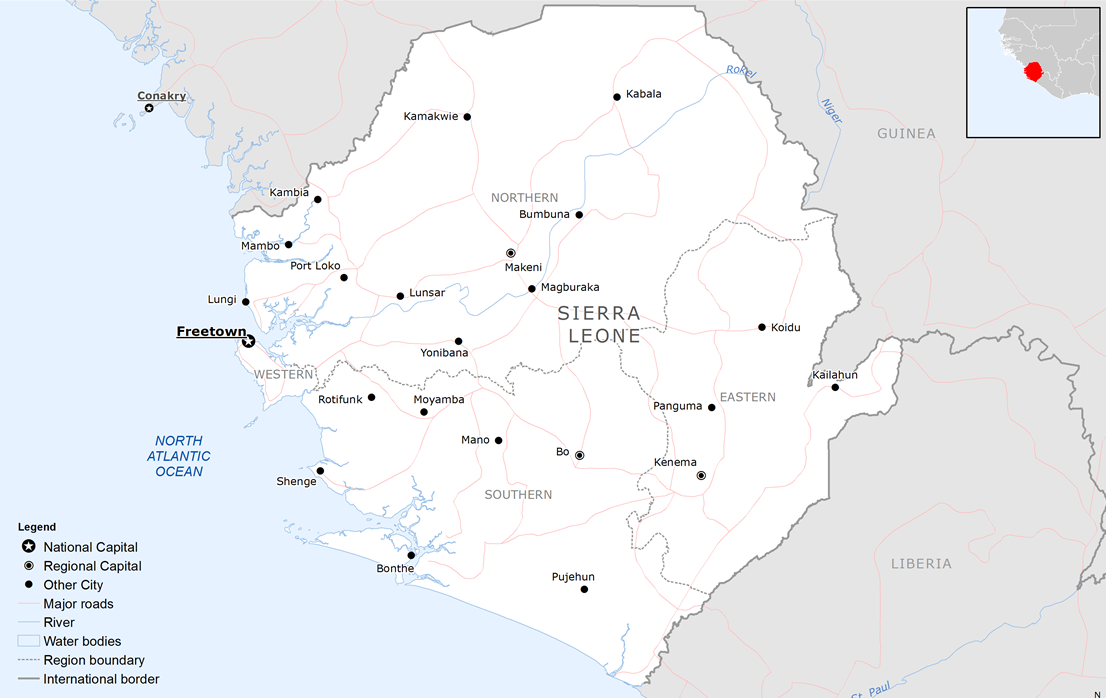
The Mende homeland is the south and east of Sierra Leone, a land of tropical rainforest, wooded savanna, hills and rivers in the interior behind the coast. The warm, wet climate and the forest environment shaped a way of life based on the farming of upland and swamp rice and the resources of the forest.
This forested country, watered by many rivers and rich in the diamonds later found in the east, supported a dense farming population living in villages scattered through the bush. The forest, with its farmland, its game and its materials, and the rivers that crossed it, formed the setting for the chiefdoms and the secret societies of the Mende.
The Old Way of Life
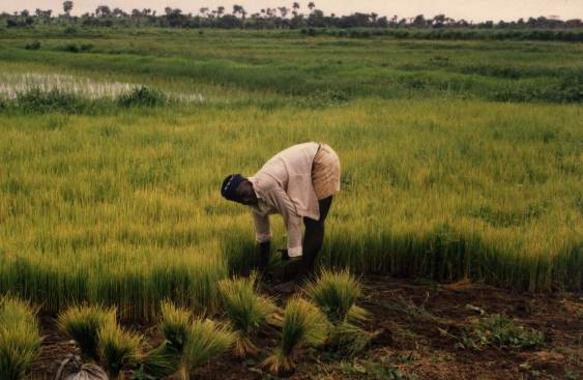
The Mende are farmers, and rice is the foundation of their agriculture and their diet, grown both on the uplands, by shifting cultivation, and in the swamps. Around this staple they cultivate cassava, yams, groundnuts, oil palm and a variety of other crops, and they gather the produce of the forest.
Farming was traditionally organised around the household and the village, with cooperative labour important in the demanding work of clearing and cultivation. Trade, and in modern times the mining of diamonds in the east, added to the economy, but rice farming remained the basis of life. The rhythm of the rice year, from clearing to planting to harvest, ordered the round of Mende life.
Society and Community

Mende society is famously organised around the secret societies, above all the Poro for men and the Sande, or Bundu, for women, which initiate the young, order the passage to adulthood, and hold great authority in social, political and religious life. Membership of these societies is a defining feature of Mende identity, and their influence pervades the community.
Politically the Mende were organised into chiefdoms, headed by chiefs, later formalised as paramount chiefs, who ruled with councils of elders and title-holders. Below the chiefdoms, villages and lineages ordered daily life, and the secret societies cut across and bound the community together. Marriage, kinship and the initiations of the Poro and Sande structured the life of the Mende.
Religion and Belief

Traditional Mende religion recognised a supreme creator, Ngewo, and a world of ancestors and spirits, and much of religious life was bound up with the secret societies and their masked spirits. The Poro and Sande societies had a deeply religious character, mediating between the community and the unseen powers and controlling sacred knowledge.
The masked spirits of the societies, embodied by masked dancers, appeared at initiations and important occasions, and shrines, medicines and diviners dealt with misfortune and the forces of the world. Christianity and Islam have both spread widely among the Mende, and many are now Christian or Muslim, but the secret societies and the older beliefs remain powerful in Mende life.
Traditions

The great tradition of the Mende is that of the secret societies and their masks. Most remarkable is the Sande society of the women, whose masked spirit, the sowei, is embodied by a woman wearing the famous black helmet mask, making the Mende Sande one of the very few traditions in Africa in which women wear and dance the mask.
The initiations of the Poro and Sande, in which the young are secluded, taught and brought to adulthood, are the central rites of Mende life. Masked dances, music and the ceremonies of the societies mark these and other occasions. Storytelling, song and the customs of the chiefdoms and the societies preserve the values and the identity of the people.
Crafts
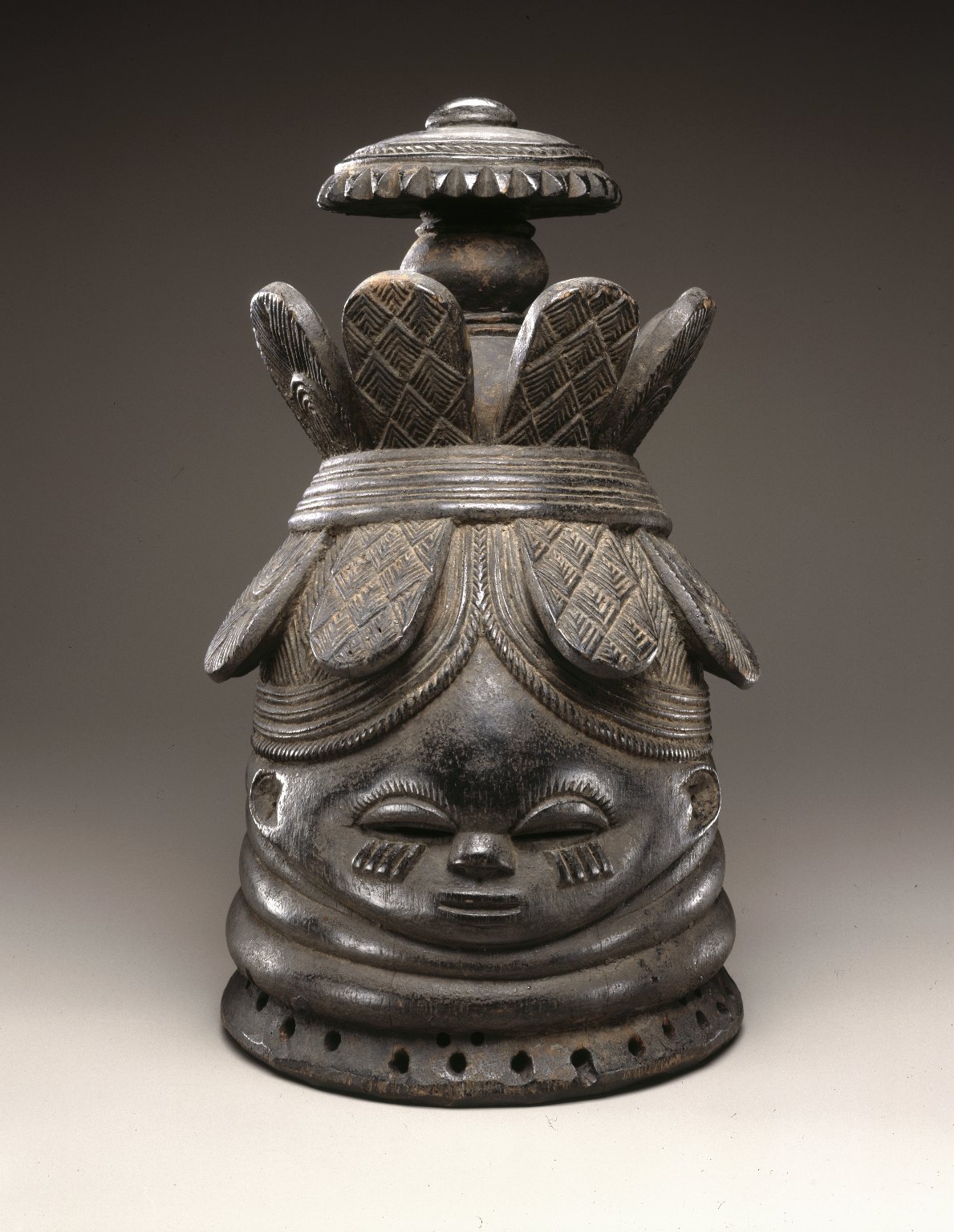
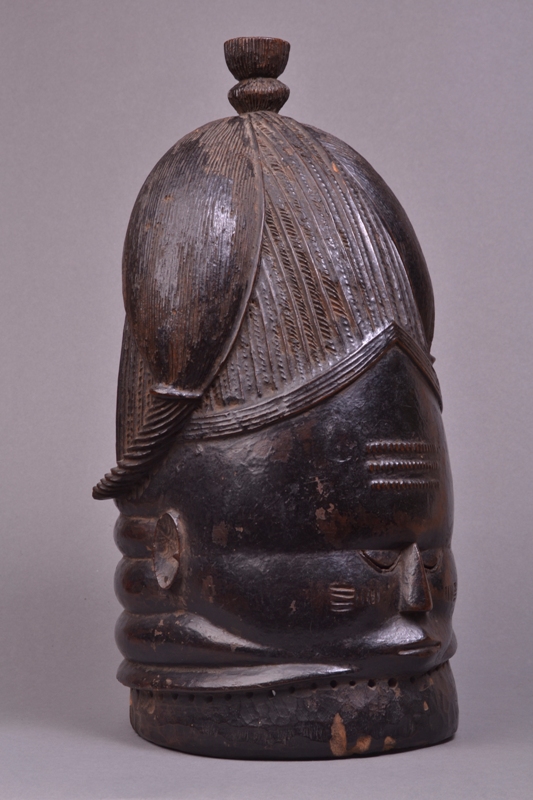
The Mende are celebrated for their wood-carving, above all the carving of the sowei helmet masks of the Sande society, sculptures of great refinement depicting an idealised female beauty, with elaborate hairstyles and rings at the neck, blackened and glossy. These masks are among the treasures of African art.
Beyond the masks, the Mende carve figures and the objects of the secret societies, and they weave cotton cloth, make pottery and baskets, and work the tools and implements of farming. Blacksmiths held an honoured and somewhat feared place. The carving of the sowei masks in particular represents one of the great sculptural traditions of West Africa.
Food
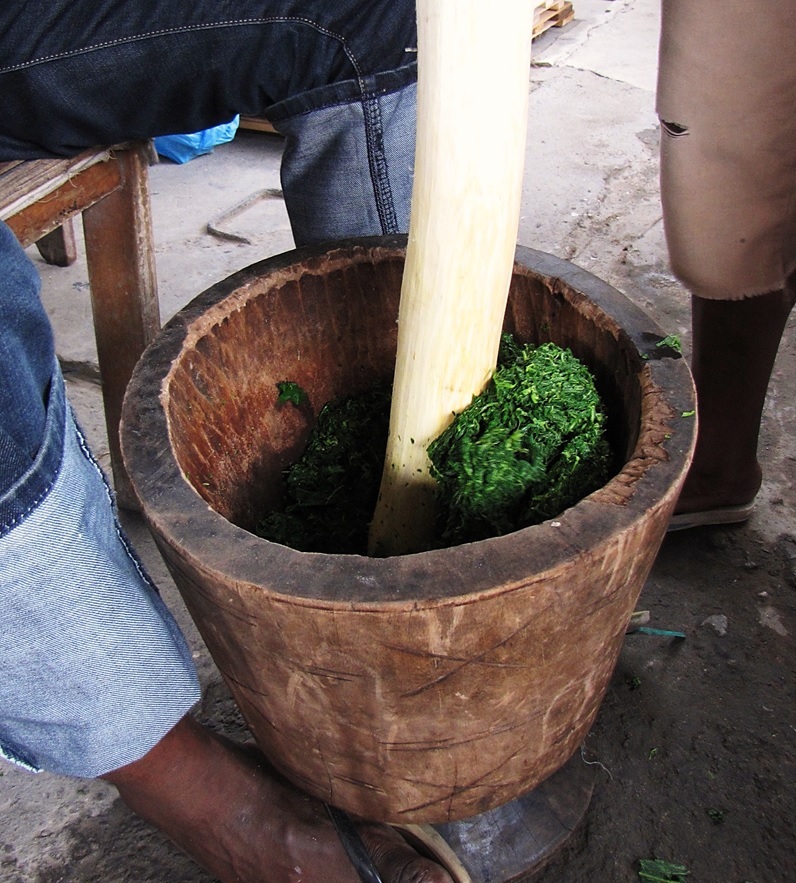
The staple food of the Mende is rice, grown on the uplands and in the swamps and eaten at the heart of nearly every meal, accompanied by rich sauces and stews. Among the most characteristic is cassava-leaf sauce, made from pounded cassava leaves cooked with palm oil, fish or meat, and a variety of other soups and stews.
Cassava, yams, groundnuts and the produce of the oil palm and the forest add to the diet, and fish and, less often, meat provide protein. The abundance of rice and the rich sauces of the forest give Mende cooking its character, and rice in particular is so central that a meal without it is scarcely considered a meal at all.
Festivals
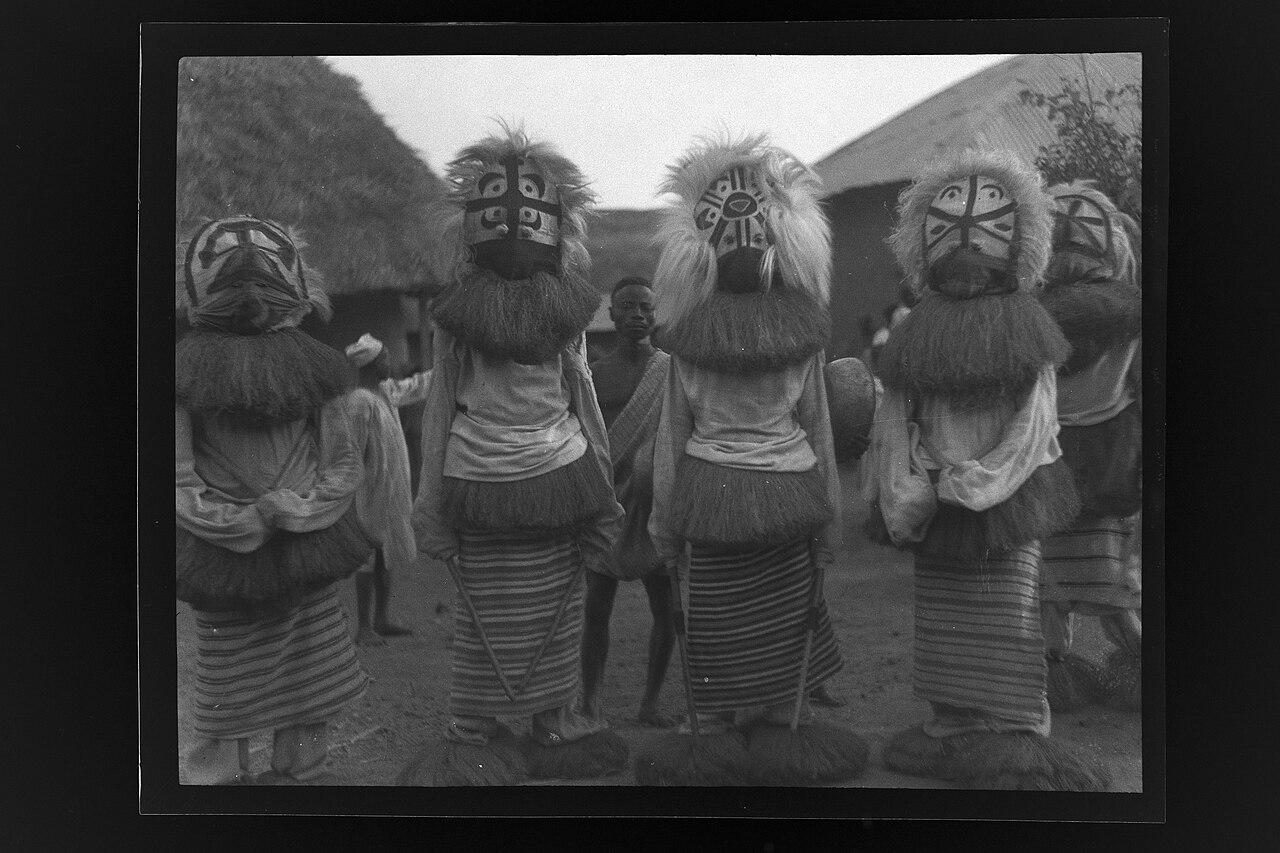
Festive life among the Mende centres on the initiations and ceremonies of the secret societies, above all the great occasions when the young emerge from the Poro and Sande as adults, celebrated with masked dance, music and feasting. The appearance of the sowei and other masked spirits is a high point of these celebrations.
The ceremonies of the chiefdoms, weddings, and the festivals of the farming year also bring communities together for music, drumming, dance and feasting. Today Christian and Muslim festivals join the older celebrations, but the initiations and masked dances of the secret societies, with their music and their spirits, remain the unmistakable heart of Mende festivity.
History
The Mende spread through the forests of what is now southern Sierra Leone over past centuries, organising into chiefdoms and developing their distinctive secret societies. In the eighteenth and nineteenth centuries the region was drawn into the Atlantic trade, and the founding of the colony of Freetown for freed slaves brought new influences to the coast.
British rule was extended over the Mende interior as a protectorate in 1896, provoking the Hut Tax War of 1898, a major rising in which the Mende took a leading part. Through the colonial period and after independence in 1961 the Mende became one of the dominant peoples of Sierra Leone, prominent in politics and national life, though the country later suffered a devastating civil war in the 1990s in which their homeland was gravely affected.
Today

Today the Mende number some two million or more and remain the largest people of southern and eastern Sierra Leone, prominent in the farming, mining, politics and public life of the nation. Rice farming continues as the basis of rural life, and the diamond fields of the east draw many, while the secret societies and their traditions endure.
Sierra Leone’s long civil war brought terrible suffering to the Mende country, but the people have rebuilt, and their culture, above all the carving of the sowei masks and the traditions of the Poro and Sande, remains a source of pride and identity. The Mende carry their rich heritage of rice, chiefdom and secret society into the life of modern Sierra Leone.
Related Peoples of the Region
- The Zaghawa, the Desert Herders of Chad and Darfur
- The Serer, the Ancient Farmers of Senegal
- The Mandinka, the Heirs of the Mali Empire
- The Soninke, the Founders of Ancient Ghana
- The Tiv, the Yam Farmers of the Benue Valley
- The Ijaw, the Water People of the Niger Delta
- The Edo, the People of Benin and the Bronze Casters
- The Nupe, the Craftsmen of the Niger Valley
More Peoples of the World
- A Fifth of Humanity, the Story of the Han Chinese
- How the Maori Sailed Across the Pacific to Reach New Zealand
- Zulu of the Green Hills and Their Kingdom Forged by Shaka
- The People Who Never Vanished, the Story of the Maya
- Long Before the Arabs Came, North Africa Belonged to the Amazigh
- The People Who Emerged Into This World, the Story of the Navajo
- Meet the Ainu, an Indigenous People at Japan’s Northern Edge
You May Like

The Damara, an Ancient People of Namibia



