The Temne are one of the two largest peoples of Sierra Leone, dominant in the north and northwest of the country, where they number some two million or more. Settled rice farmers of the savanna and forest, they share the nation above all with the Mende of the south, and together the two peoples form the majority of Sierra Leone.Distinct from the Mande Mende in language and origin, the Temne are, for the most part, Muslims, ordered by their chiefdoms and by the powerful Poro and Bondo secret societies, and famous for their leadership of the resistance to colonial rule under the warrior Bai Bureh. This article traces their origins, language, homeland, rice-farming life and the customs that continue to define them.
The Temne on Film
Contents
- Origins
- The Name
- The Language
- The Homeland
- The Old Way of Life
- Society and Community
- Religion and Belief
- Traditions
- Crafts
- Food
- Festivals
- History
- Today
Origins

The Temne are one of the two largest peoples of Sierra Leone, dominant in the north and northwest of the country, where they number some two million or more. Settled farmers of the savanna and forest, they share the country above all with the Mende of the south, and together the two peoples form the majority of the nation.
Thought to have migrated into the region from the interior over past centuries, the Temne settled the northern lands and organised themselves into chiefdoms. Rice farmers, members of powerful secret societies, and, for the most part, Muslims, the Temne played a leading role in the resistance to colonial rule and remain one of the founding and most influential peoples of modern Sierra Leone.
The Name
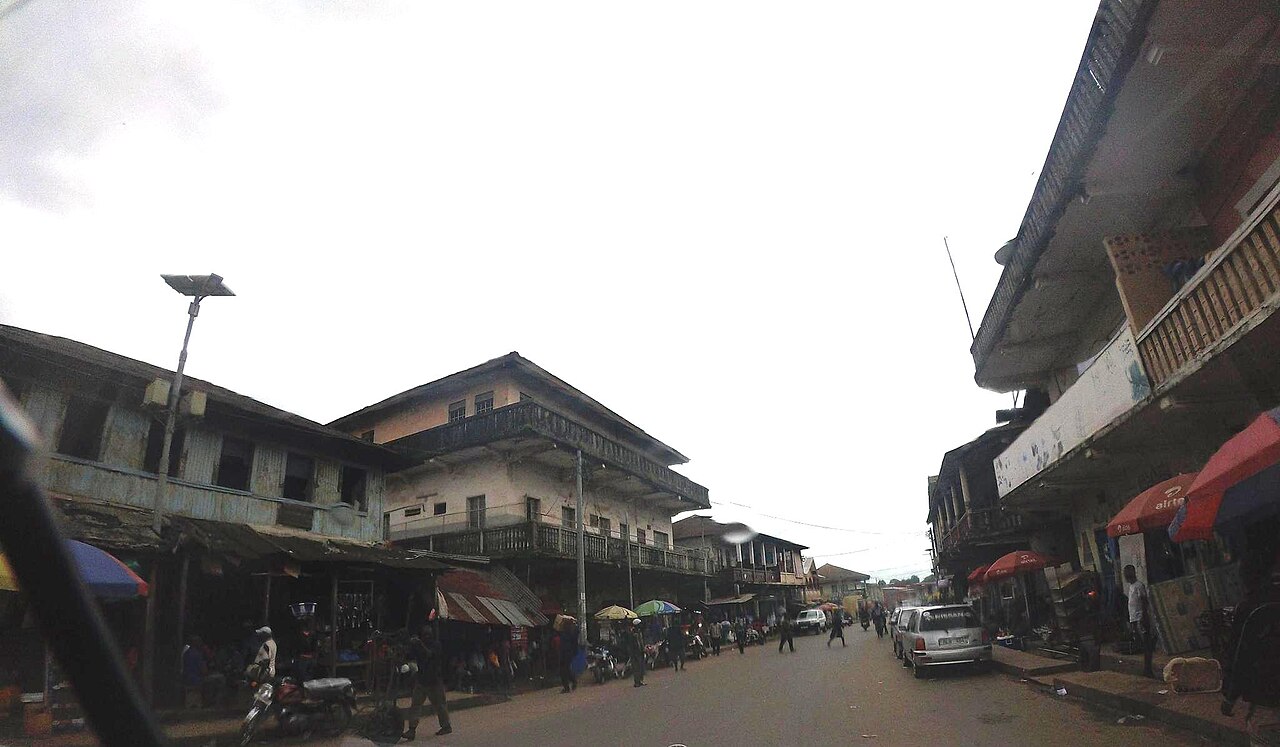
The people call themselves the Temne, and their language by the same name. They are distinct from their Mende neighbours in language and origin, for while the Mende are a Mande people, the Temne belong to a different language family altogether.
Their identity is bound up with their chiefdoms, their rice farming, their secret societies and their Islam. The name Temne denotes a people proud of their history in the north of Sierra Leone, of their leadership in the struggle against colonial rule, and of their place as one of the great peoples of the country.
The Language
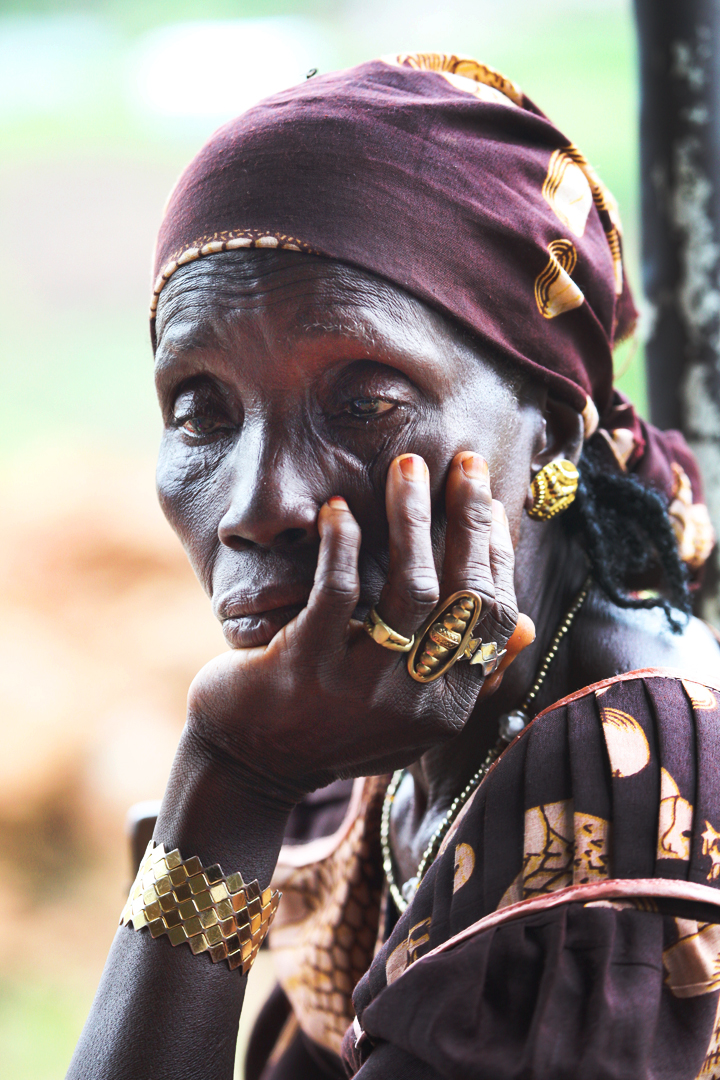
The Temne speak Temne, a language of the Mel branch of the Atlantic group within the Niger-Congo family, quite distinct from the Mande language of the neighbouring Mende. It is spoken across the north of Sierra Leone and is one of the major languages of the country, widely used as a lingua franca in the region.
The language carries the traditions, titles and lore of the Temne chiefdoms and secret societies. English and Krio are widely used in Sierra Leone, especially in Freetown and the coast, but Temne remains the strong everyday language of the north and a central marker of the identity of the people.
The Homeland

The Temne homeland is the north and northwest of Sierra Leone, a land of wooded savanna, hills, forest and rivers stretching inland from the coast and the Freetown peninsula. The warm, wet climate suits the farming of rice and other crops, and the rivers and, near the coast, the mangroves and estuaries add their resources.
This country, drier and more open than the forests of the Mende south, supported a dense farming population in villages scattered through the bush. Its position between the coast, with its trade and the colony of Freetown, and the interior, shaped the history of the Temne, and the north remains the heartland of the people, centred on towns such as Makeni and Port Loko.
The Old Way of Life

The Temne are farmers, and rice is the foundation of their agriculture and their diet, grown on the uplands by shifting cultivation and in the swamps and river valleys. Around this staple they cultivate cassava, millet, groundnuts, oil palm and a range of other crops, and they keep some livestock and fish the rivers and coast.
Farming was traditionally organised around the household and the village, with cooperative labour important in the demanding work of rice cultivation. Trade, both with the interior and through the coast, was long important, and in modern times mining and other activities have been added. But rice farming remained the basis of Temne life, and its yearly round ordered the life of the people.
Society and Community

Temne society is organised around chiefdoms and around powerful secret societies. Politically the people were divided into chiefdoms headed by chiefs, later formalised as paramount chiefs, who ruled with councils of sub-chiefs, elders and title-holders, their authority surrounded by ritual and by the sacred regalia of office.
The secret societies, above all the Poro for men and the Bondo, or Sande, for women, initiate the young, order the passage to adulthood and hold great authority in social and religious life, their influence pervading the community. Below the chiefdoms, villages and lineages ordered daily life, and marriage, kinship and the initiations of the societies structured the life of the Temne.
Religion and Belief
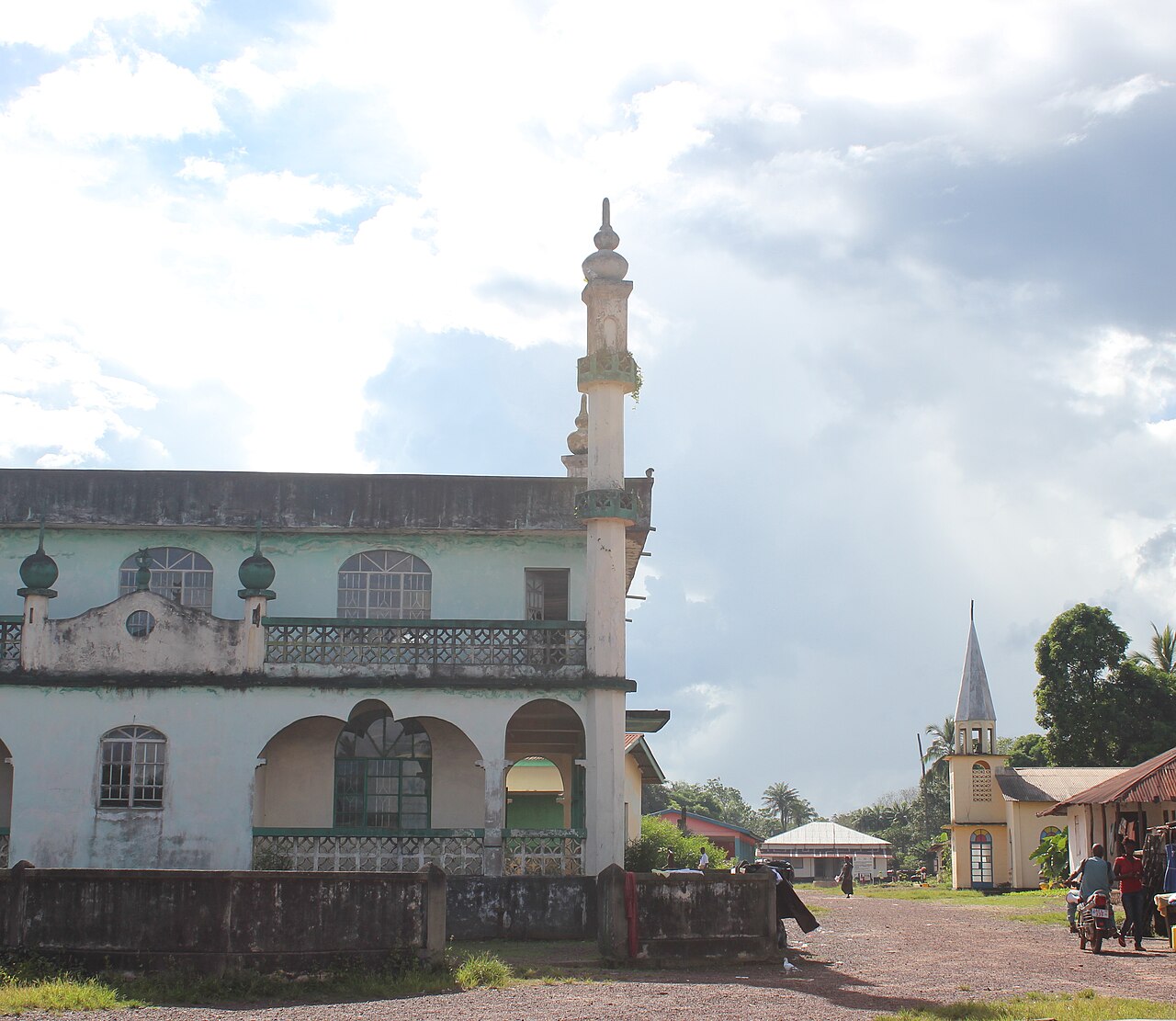
The Temne are today overwhelmingly Muslim, Islam having spread among them, especially in the north, over the past centuries, and the faith is central to the identity and daily life of most of the people, with mosques, Quranic learning and the Islamic festivals ordering the religious round. A minority are Christian, and traditional beliefs persist beneath the great faiths.
Older Temne religion recognised a supreme creator and a world of ancestors and spirits, and much of its life was bound up with the secret societies and their masked spirits, which retain their power even among Muslims and Christians. The Bondo and Poro societies, with their initiations and their sacred knowledge, remain a central part of Temne religious and social life alongside Islam.
Traditions

The traditions of the Temne are bound up with the chiefdoms and the secret societies. The initiations of the Poro and the Bondo, in which the young are secluded, taught and brought to adulthood, are the central rites of Temne life, and the emergence of the initiates is celebrated with masked dance, music and feasting. The masked spirits of the societies appear at these and other occasions.
The ceremonies of the chiefdoms, the installation of chiefs, and the festivals of the farming year and of Islam order the round of life. Music, drumming and dance accompany celebration, and storytelling, song and the customs of the societies and the chiefdoms preserve the values and identity of the people.
Crafts
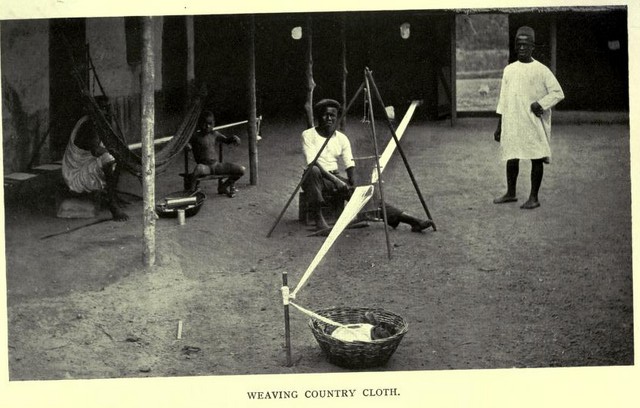
Temne craftsmanship served a farming society and a rich ceremonial life. The Temne are known for their weaving of country cloth, the strip-woven cotton cloth of the region, and for dyeing, and households made pottery, baskets and the wooden vessels and tools of daily life. Blacksmiths held an honoured place, forging the implements of farming and the objects of ritual.
The carving of the masks and objects of the secret societies, and the making of the regalia of the chiefs, called for special skill, and leatherwork, including the making of Islamic amulets, was important. These crafts, tied to farming, the chiefdoms and the secret societies, reflect the material culture of a people of the northern savanna and forest.
Food

The staple food of the Temne is rice, grown on the uplands and in the swamps and eaten at the heart of nearly every meal, accompanied by rich sauces and stews. Cassava-leaf and potato-leaf sauces, groundnut stews and a variety of soups made with palm oil, fish and meat are characteristic, and the communal jollof rice is a favourite for gatherings.
Cassava, millet, groundnuts and the produce of the oil palm and the forest add to the diet, and fish from the rivers and coast provides much of the protein. The centrality of rice, so complete that a meal without it is scarcely counted, and the rich sauces of the region give Temne cooking its character, shared with the wider cuisine of Sierra Leone.
Festivals

Festive life among the Temne centres on the initiations and ceremonies of the secret societies, above all the great occasions when the young emerge from the Poro and Bondo as adults, celebrated with masked dance, music and feasting. The final celebrations of the Bondo, when the initiated girls return to the community, are especially joyous.
The Muslim festivals, the ceremonies of the chiefdoms, weddings and the festivals of the farming year also bring communities together for music, drumming, dance and feasting. Today the Islamic festivals and the celebrations of the secret societies together form the great occasions of Temne life, joined by Christian festivals and national holidays.
History

The Temne spread through the north of what is now Sierra Leone over past centuries, organising into chiefdoms and adopting Islam and the secret societies. From the eighteenth century the region was drawn into the Atlantic trade, and the founding of Freetown in Temne country for freed slaves brought new influences and, in time, conflict over land and authority.
When British rule was extended over the interior as a protectorate in 1896, the Temne rose in the Hut Tax War of 1898 under the celebrated warrior Bai Bureh, whose skilled resistance made him a national hero. Through the colonial period and after independence in 1961 the Temne became one of the dominant peoples of Sierra Leone, prominent in politics and national life, and their homeland was among those affected by the civil war of the 1990s.
Today

Today the Temne number some two million or more and remain the largest people of northern Sierra Leone, prominent in the farming, trade, politics and public life of the nation, with the city of Makeni as a major centre and a strong presence in the capital, Freetown. Rice farming continues as the basis of rural life, alongside trade and other activities.
Sierra Leone’s long civil war brought suffering to the Temne country, but the people have rebuilt, and their culture, their secret societies, their Islam and the memory of Bai Bureh remain sources of pride and identity. The Temne carry their heritage of rice, chiefdom and society into the life of modern Sierra Leone.
Related Peoples of the Region
- The Serer, the Ancient Farmers of Senegal
- The Mandinka, the Heirs of the Mali Empire
- The Soninke, the Founders of Ancient Ghana
- The Tiv, the Yam Farmers of the Benue Valley
- The Ijaw, the Water People of the Niger Delta
- The Edo, the People of Benin and the Bronze Casters
- The Nupe, the Craftsmen of the Niger Valley
- The Mende, the Rice Farmers and Mask Dancers of Sierra Leone
More Peoples of the World
- A Fifth of Humanity, the Story of the Han Chinese
- How the Maori Sailed Across the Pacific to Reach New Zealand
- Zulu of the Green Hills and Their Kingdom Forged by Shaka
- The People Who Never Vanished, the Story of the Maya
- Long Before the Arabs Came, North Africa Belonged to the Amazigh
- The People Who Emerged Into This World, the Story of the Navajo
- Meet the Ainu, an Indigenous People at Japan’s Northern Edge
You May Like

The Damara, an Ancient People of Namibia



