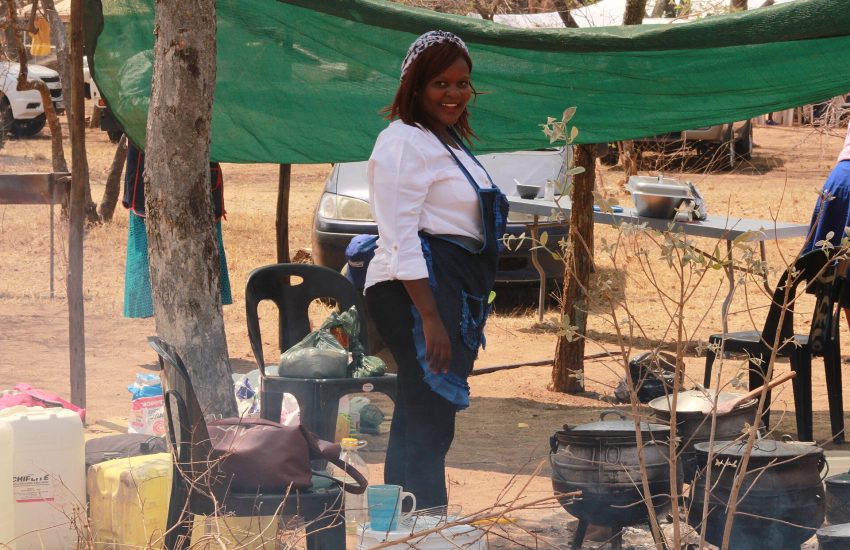
The Kpelle, known in Guinea as the Guerze, are the largest ethnic group in Liberia and a substantial people in neighbouring Guinea, numbering some two million across the two countries. A Mande people of the forest interior, they are settled rice farmers whose lives are ordered by the powerful Poro and Sande secret societies of the region.Settling the forests of central Liberia and the Guinea highlands, the Kpelle developed a rich culture of upland rice farming, masked initiation and celebrated music, and are famous among anthropologists for their traditions of dispute settlement. This article traces their origins, language, homeland, farming life and the customs that continue to define them.
The Kpelle on Film
Contents
- Origins
- The Name
- The Language
- The Homeland
- The Old Way of Life
- Society and Community
- Religion and Belief
- Traditions
- Crafts
- Food
- Festivals
- History
- Today
Origins

The Kpelle, known in Guinea as the Guerze, are the largest ethnic group in Liberia and a substantial people in neighbouring Guinea, numbering some two million across the two countries. A Mande people of the forest interior, they are settled rice farmers whose lives are ordered by the powerful secret societies of the region.
Settling the forests of central Liberia and the Guinea highlands over past centuries, the Kpelle organised into chiefdoms and developed a rich culture of farming, masking and secret-society initiation. Rice farmers of the upland forest, and famous among anthropologists for their traditions of dispute settlement and their music, the Kpelle are one of the founding peoples of modern Liberia.
The Name
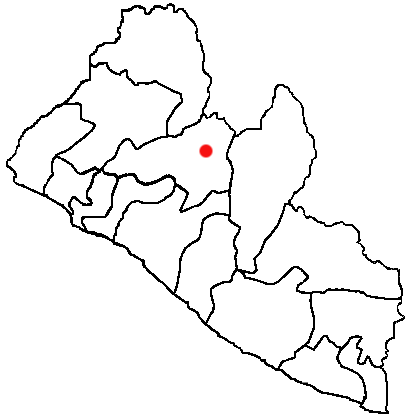
The people call themselves the Kpelle, and are known in Guinea, where they are also numerous, as the Guerze. Their language belongs to the Mande group, linking them to the wider Mande world of the interior, though their forest home and their secret societies give them much in common with their coastal neighbours.
Their identity is bound up with rice farming, the forest and the Poro and Sande societies. The name Kpelle, or Guerze, denotes a people proud of their place as the largest group in Liberia and a significant community in Guinea, spread across the forested borderlands of the two countries.
The Language

The Kpelle speak Kpelle, a language of the Mande branch of the Niger-Congo family, related to the great Mande languages of the interior. It is spoken by the whole people across central Liberia and the forest region of Guinea, and is one of the major languages of Liberia.
Rich in the songs, tales and lore of the forest and the secret societies, and studied by scholars for its distinctive features, the Kpelle language remains vigorous in daily life. English, in Liberia, and French, in Guinea, are the official languages, but Kpelle is the everyday tongue of the people and a central marker of their identity.
The Homeland
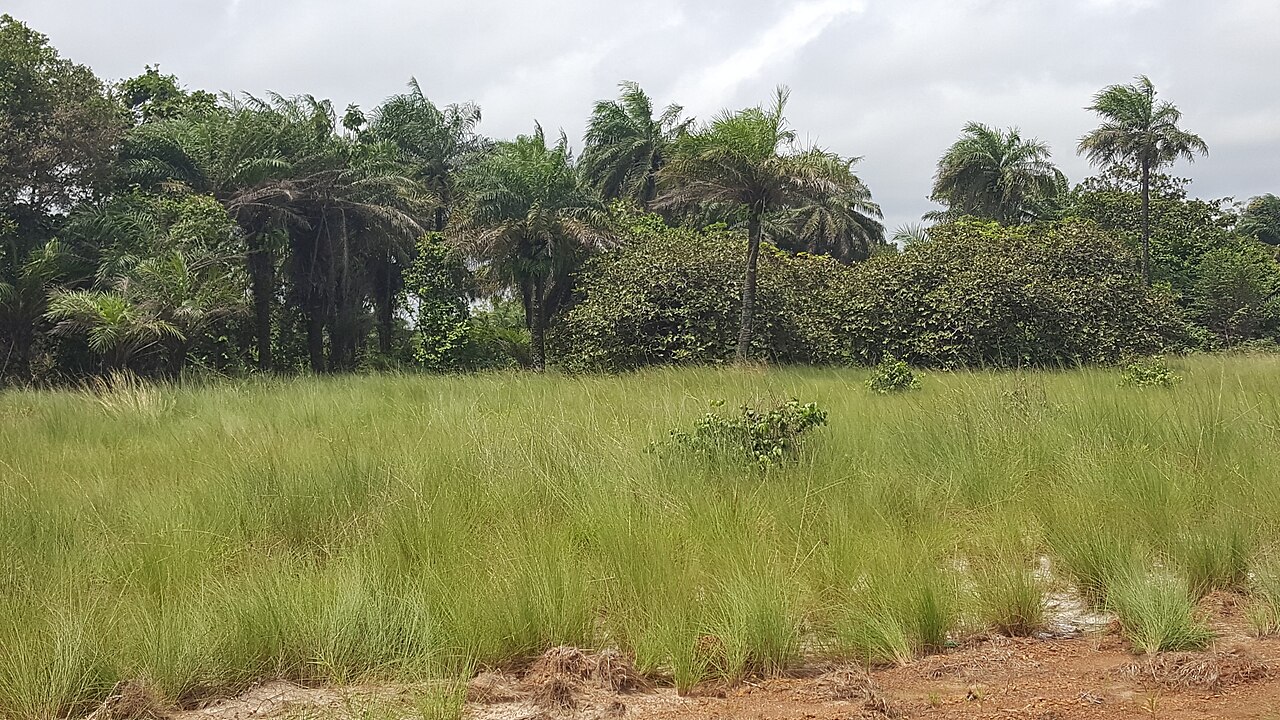
The Kpelle homeland is the forested interior of central Liberia, above all Bong County around the town of Gbarnga, and the neighbouring forest region of Guinea. It is a land of tropical rainforest, wooded grassland, hills and rivers, warm and wet, well suited to the farming of upland rice and the resources of the forest.
This forested country supported a dense farming population living in villages scattered through the bush, and its rivers and, later, its rubber and other resources drew outside interest. The forest, with its farmland, game and materials, and the rivers that crossed it, formed the setting for the chiefdoms, the rice farming and the secret societies of the Kpelle.
The Old Way of Life
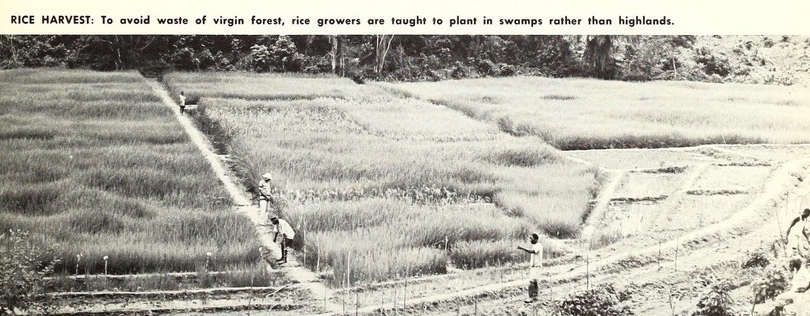
The Kpelle are farmers, and rice is the foundation of their agriculture and their diet, grown chiefly on the uplands by shifting cultivation, the forest cleared and burned and the rice planted in the ash. Around this staple they cultivate cassava, yams, plantains, oil palm and a range of other crops, and they gather the produce of the forest.
Farming was traditionally organised around the household and the village, with cooperative labour important in the demanding work of clearing and cultivation, and the rhythm of the rice year ordered the round of life. Hunting, gathering and, in modern times, work on the rubber plantations and in the mines added to the economy, but rice farming remained the basis of Kpelle life.
Society and Community

Kpelle society is organised around chiefdoms and around the secret societies, above all the Poro for men and the Sande for women, which initiate the young, order the passage to adulthood and hold great authority in social and religious life. Membership of these societies is central to Kpelle identity, and their masked spirits and sacred knowledge pervade the community.
Politically the Kpelle were divided into chiefdoms headed by chiefs, later formalised under the Liberian state, who ruled with councils of elders and title-holders. Disputes were often settled in the informal gatherings, the moots, much studied by anthropologists as a model of reconciliation. Below the chiefdoms, villages and lineages ordered daily life, bound together by the secret societies.
Religion and Belief

Traditional Kpelle religion recognised a creator and a world of ancestors and forest spirits, and much of religious life was bound up with the secret societies and their masked spirits, which embodied the powers of the bush and the ancestors. The Poro and Sande societies had a deeply religious character, controlling sacred knowledge and mediating with the unseen.
The masked spirits, embodied by masked dancers, appeared at initiations and important occasions, and shrines, medicines and diviners dealt with misfortune. Christianity, spread through the missions of the Liberian state, and Islam, from the interior, have both gained ground among the Kpelle, but the secret societies and the older beliefs remain powerful in their life.
Traditions

The traditions of the Kpelle are bound up with the secret societies, rice farming and a rich musical life. The initiations of the Poro and Sande, in which the young are secluded, taught and brought to adulthood in the sacred bush, are the central rites, and the emergence of the initiates is celebrated with masked dance and feasting.
The Kpelle are famous for their music, including a sophisticated tradition of song, drumming and the playing of instruments, and for the masked performances of the secret societies. Storytelling, proverb and the customs of the chiefdoms and societies preserve the values and identity of the people, and music and masking give Kpelle culture its distinctive vitality.
Crafts
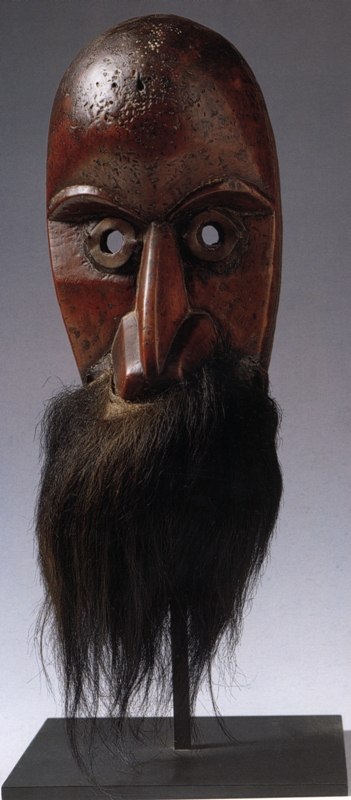
Kpelle craftsmanship served a farming society and a rich ceremonial life. The Kpelle are known for their wood-carving, above all the masks of the secret societies, and for the making of the objects, figures and regalia of ritual. Blacksmiths, an honoured group, forged the tools of farming and the objects of ceremony.
Households made pottery, wove baskets and mats, and fashioned the wooden vessels and household goods of daily life, and the making of the drums and instruments of the famous Kpelle music was a valued skill. These crafts, from the carving of the masks to the making of the instruments, reflect the artistic and ceremonial richness of the Kpelle.
Food
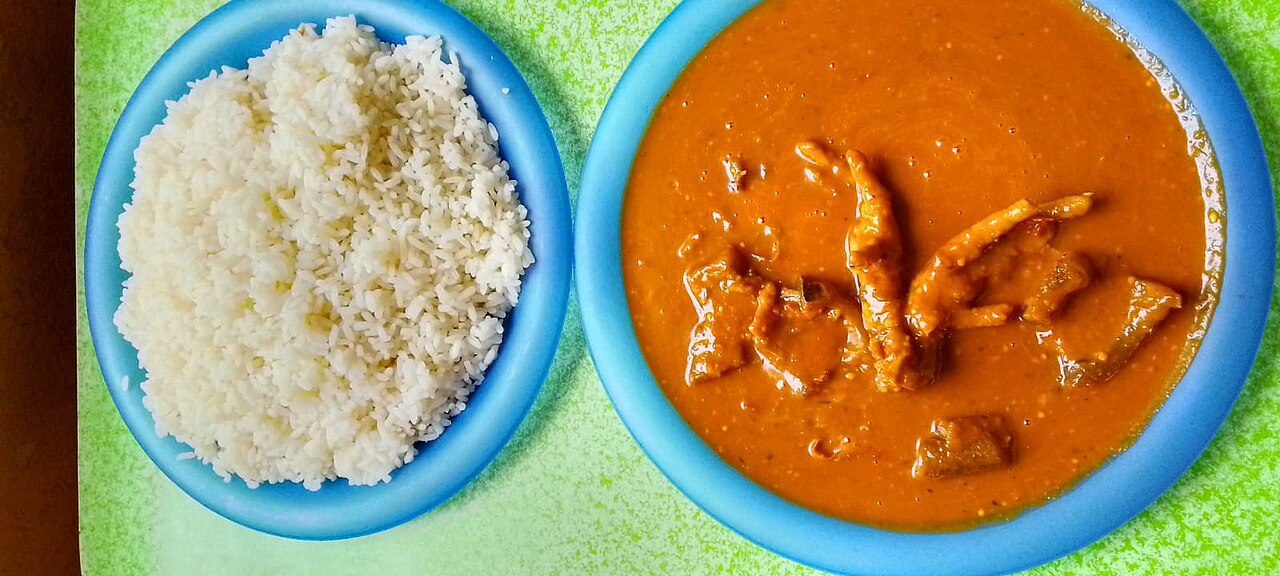
The staple food of the Kpelle is rice, grown on the uplands and eaten at the heart of nearly every meal, accompanied by rich sauces and stews. Cassava-leaf and potato-leaf sauces, palm-butter soups and a variety of stews made with palm oil, fish, meat and forest ingredients are characteristic of the Liberian table.
Cassava, plantains, yams and the produce of the oil palm and the forest add to the diet, and fish and bushmeat provide much of the protein. The centrality of rice, so complete that a meal without it is scarcely counted, and the rich sauces of the forest give Kpelle cooking its character, shared with the wider cuisine of Liberia.
Festivals
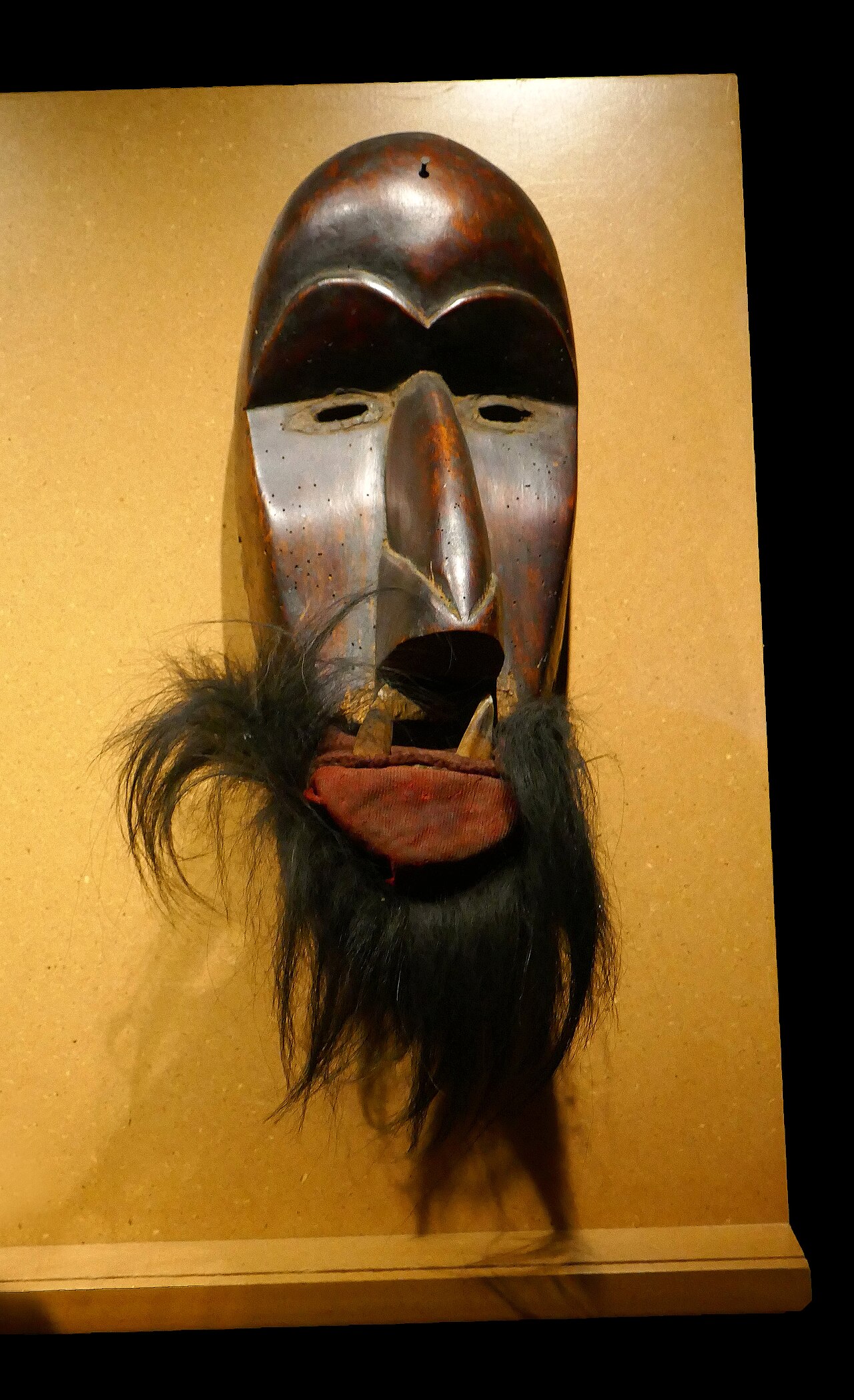
Festive life among the Kpelle centres on the initiations and ceremonies of the secret societies, above all the great occasions when the young emerge from the Poro and Sande as adults, celebrated with masked dance, music and feasting. The appearance of the masked spirits of the societies is a high point of these celebrations.
The ceremonies of the chiefdoms, weddings and the festivals of the farming year also bring communities together for music, drumming and dance, in which the Kpelle excel. Today Christian and Muslim festivals join the older celebrations, but the initiations and masked dances of the secret societies, with their music and their spirits, remain the unmistakable heart of Kpelle festivity.
History

The Kpelle spread through the forests of central Liberia and the Guinea highlands over past centuries, organising into chiefdoms and developing their secret societies. In the nineteenth century the coast of Liberia became the state founded by freed slaves from America, and over the following decades the Americo-Liberian government extended its authority over the Kpelle and the other peoples of the interior.
Through the colonial-style rule of the settler state, and the spread of rubber plantations and missions, the Kpelle were drawn into the wider economy and society of Liberia, while in Guinea they came under French colonial rule. In the late twentieth century the Kpelle homeland was gravely affected by the civil wars that devastated Liberia, but the people endured and rebuilt.
Today

Today the Kpelle number some two million and remain the largest people of Liberia, concentrated in the central forest region around Gbarnga, with a substantial community in Guinea. Rice farming continues as the basis of rural life, alongside work on the plantations and in the towns, and the secret societies and their traditions endure.
Liberia’s long civil wars brought terrible suffering to the Kpelle country, but the people have rebuilt, and their culture, above all their music and the traditions of the Poro and Sande, remains a source of pride and identity. The Kpelle carry their heritage of rice, chiefdom and secret society into the life of modern Liberia and Guinea.
Related Peoples of the Region
- The Soninke, the Founders of Ancient Ghana
- The Tiv, the Yam Farmers of the Benue Valley
- The Ijaw, the Water People of the Niger Delta
- The Edo, the People of Benin and the Bronze Casters
- The Nupe, the Craftsmen of the Niger Valley
- The Mende, the Rice Farmers and Mask Dancers of Sierra Leone
- The Temne, the Rice Farmers of Northern Sierra Leone
- The Kru, the Seafarers of the West African Coast
More Peoples of the World
- A Fifth of Humanity, the Story of the Han Chinese
- How the Maori Sailed Across the Pacific to Reach New Zealand
- Zulu of the Green Hills and Their Kingdom Forged by Shaka
- The People Who Never Vanished, the Story of the Maya
- Long Before the Arabs Came, North Africa Belonged to the Amazigh
- The People Who Emerged Into This World, the Story of the Navajo
- Meet the Ainu, an Indigenous People at Japan’s Northern Edge
You May Like
The Damara, an Ancient People of Namibia