The Kabyle are a Berber people of northern Algeria, the largest of the Amazigh communities of the country, living in the mountainous region of Kabylia east of Algiers. Numbering some millions, they are one of the great surviving Berber peoples of North Africa, famous for their mountain villages, their strong sense of identity and their vigorous cultural and political life.Descended from the ancient Berber inhabitants of North Africa, the Kabyle preserved their language in the fastness of their mountains, farming olives and figs, governing themselves through fiercely independent village assemblies, and leading the modern movement for the recognition of Amazigh identity. This article traces their origins, language, homeland, mountain life and the customs that continue to define them.
The Kabyle on Film
Contents
- Origins
- The Name
- The Language
- The Homeland
- The Old Way of Life
- Society and Community
- Religion and Belief
- Traditions
- Crafts
- Food
- Festivals
- History
- Today
Origins

The Kabyle are a Berber people of northern Algeria, the largest of the Amazigh, or Berber, communities of the country, living in the mountainous region of Kabylia east of Algiers. Numbering some millions, they are one of the great surviving Berber peoples of North Africa, famous for their mountain villages, their strong sense of identity and their vigorous cultural and political life.
Descended from the ancient Berber inhabitants of North Africa, who preceded the Arab conquest, the Kabyle preserved their language and much of their culture in the fastness of their mountains. Farmers of olives and figs, organised into fiercely independent self-governing villages, and increasingly active in the movement for the recognition of Amazigh identity, the Kabyle are a proud and distinctive people of the Algerian highlands.
The Name
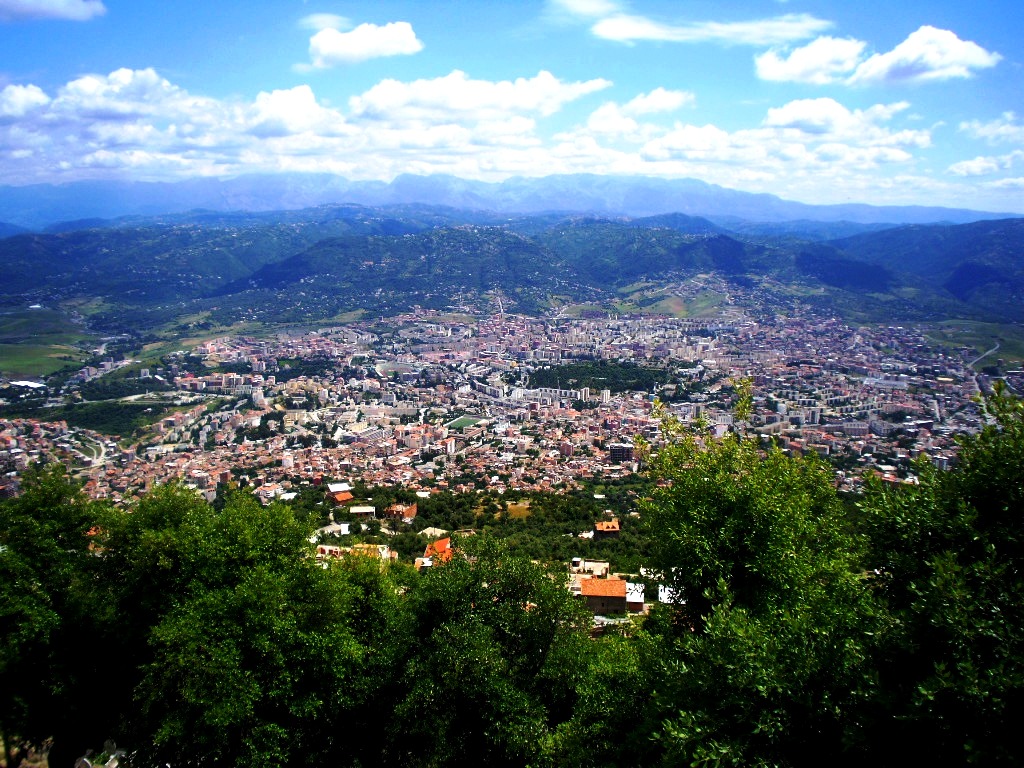
The people call themselves Iqbayliyen, and are known as the Kabyle, from an Arabic word for tribes. They are part of the wider Amazigh, or Berber, people of North Africa, and their region is called Kabylia, or Tamurt n Leqbayel, the land of the Kabyle.
Their identity is bound up with their Berber language, their mountains and their tradition of village self-government, and in modern times with the movement for the recognition of the Amazigh language and culture. The name Kabyle denotes a people proud of their ancient Berber heritage and their distinct identity within Algeria.
The Language

The Kabyle speak Kabyle, or Taqbaylit, one of the Berber, or Amazigh, languages of the Afro-Asiatic family, descended from the ancient tongue of North Africa and quite distinct from the Arabic that surrounds it. It is the most widely spoken of the Berber languages of Algeria, with millions of speakers.
Long an oral language, Kabyle has in modern times developed a written literature and a vigorous presence in music, media and education, and the struggle for its recognition has been at the heart of the Amazigh movement. Arabic and French are widely known in Algeria, but Kabyle remains the everyday language of the mountains and a powerful marker of the identity of the people.
The Homeland
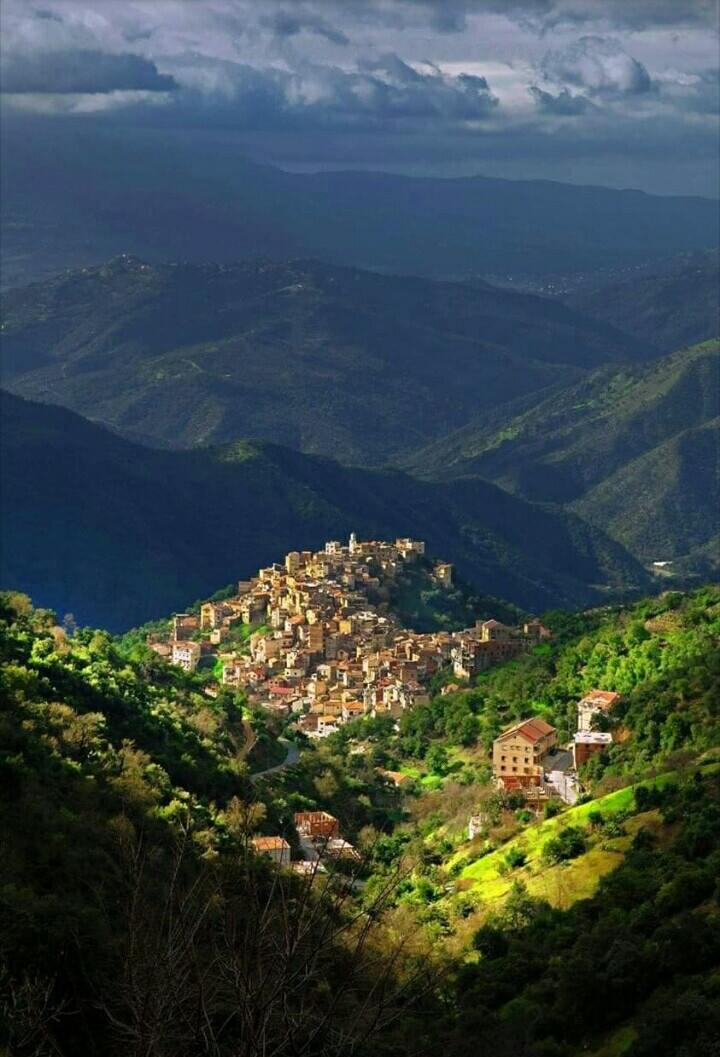
The Kabyle homeland is Kabylia, the mountainous region of northern Algeria east of Algiers, dominated by the ranges of the Djurdjura and their foothills, a land of steep slopes, deep valleys, forests and villages perched on the ridges. The rugged, defensible terrain, difficult of access, was a refuge that preserved the Berber language and culture through the centuries.
The mountains, with their poorer soils and their terraces, shaped a way of life based on the careful cultivation of olives, figs and gardens, and on the tight-knit village communities clinging to the heights. Centred on towns such as Tizi Ouzou and Béjaïa, and densely populated, Kabylia is the heart of the Kabyle world and a stronghold of Berber identity.
The Old Way of Life
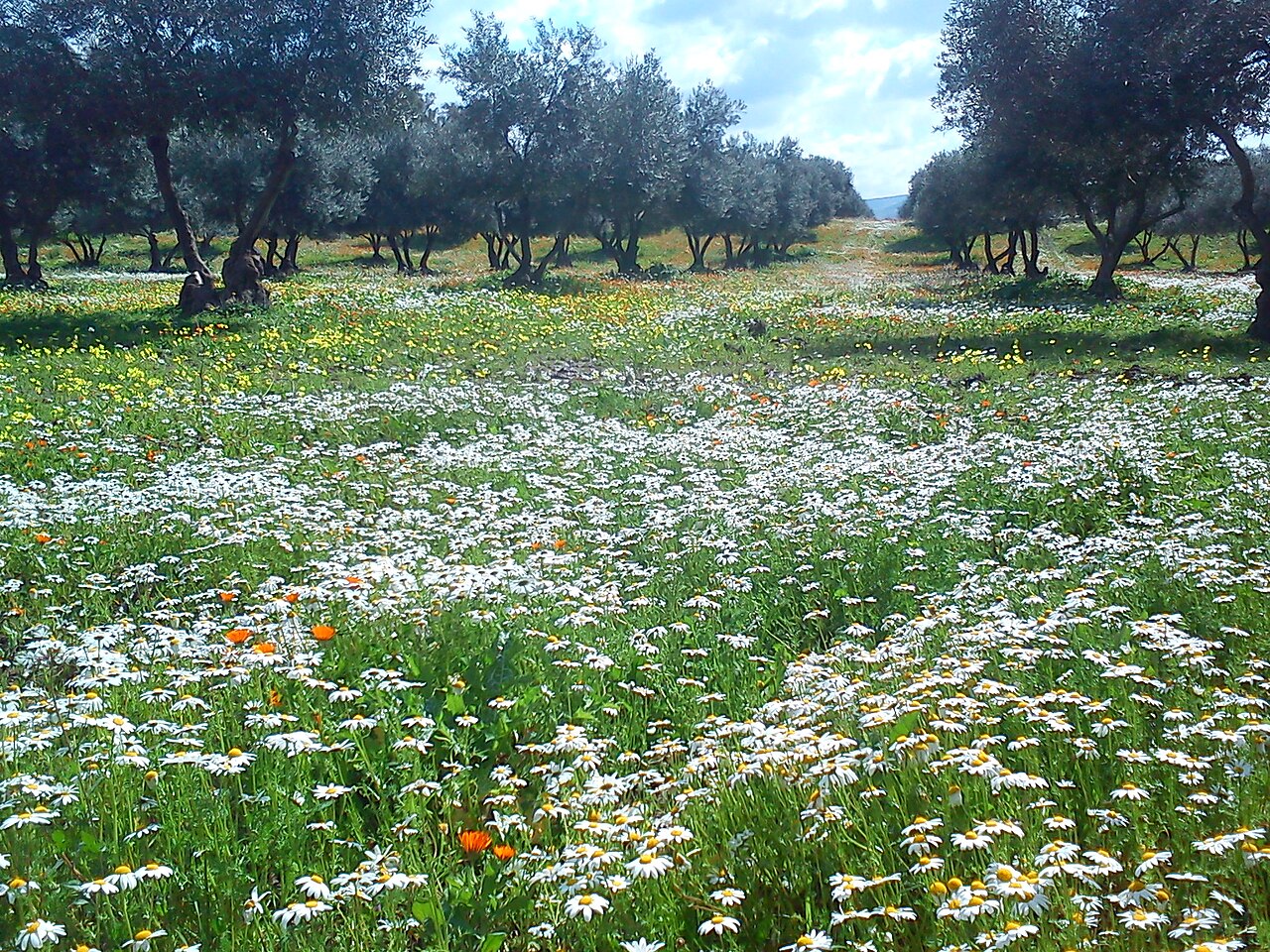
The Kabyle are farmers of the mountains, and their agriculture is centred on the olive and the fig, the great trees of Kabylia, whose oil and fruit are staples of the diet and the economy. On the terraced slopes and in the gardens they grow vegetables, grain and other fruits, and they keep some livestock, though the poor mountain soils limit what the land can yield.
The limits of the mountain economy, and the density of the population, long drove the Kabyle to emigration, first to the towns and farms of Algeria and, from the colonial period, in large numbers to France, where a great Kabyle community grew up. Farming of olives and figs, supplemented by craft, trade and, above all, the wages of emigrants, sustained the Kabyle economy and their densely settled mountains.
Society and Community
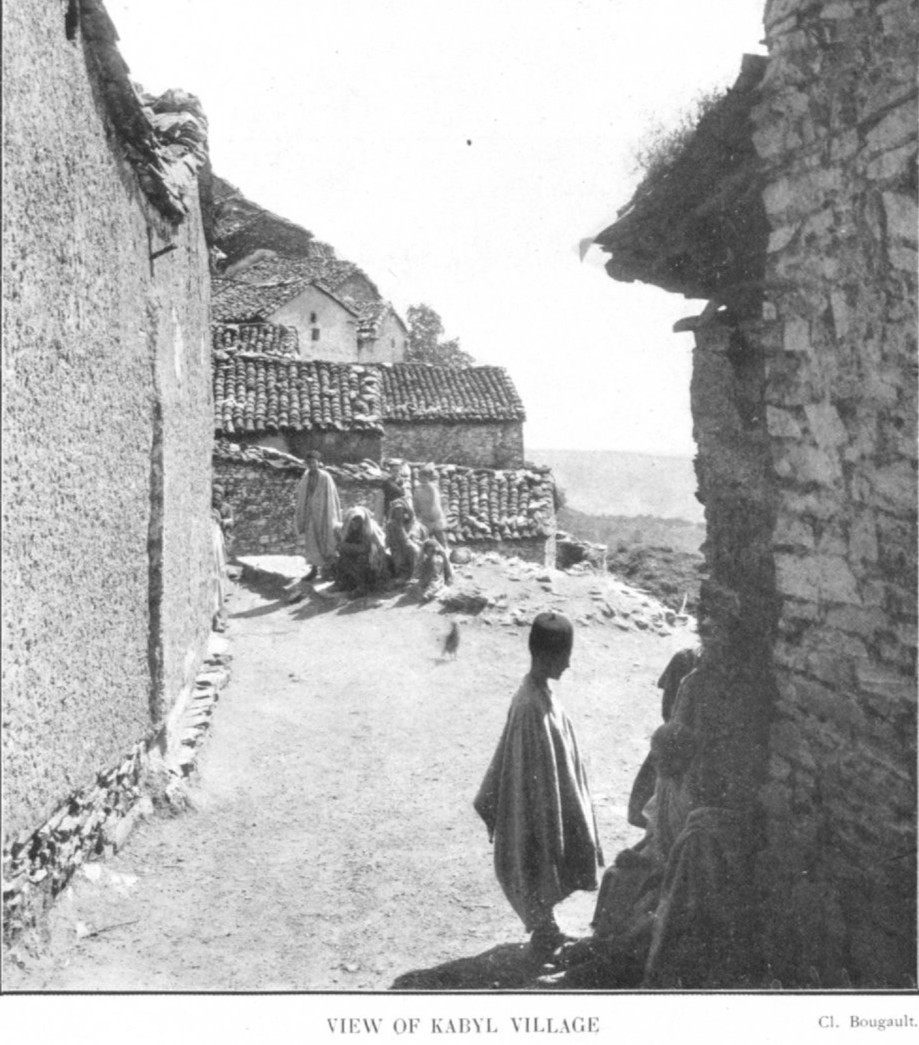
Kabyle society is famous for its tradition of village self-government. Each village governs its own affairs through an assembly of all its men, the tajmaɛt, which makes decisions by discussion and consensus and enforces the customary law, the qanun, of the community. This direct village democracy, without chiefs or nobles over it, is a celebrated feature of Kabyle life.
Below the village, society rested on the extended family and the lineage, and the honour and solidarity of the family were highly valued. The tight-knit mountain villages, their assemblies and their customary law bound the community together, and cooperation in the demanding work of the terraces was essential. Marriage, kinship and the customs of the village governed daily life, in a society proud of its independence and equality.
Religion and Belief
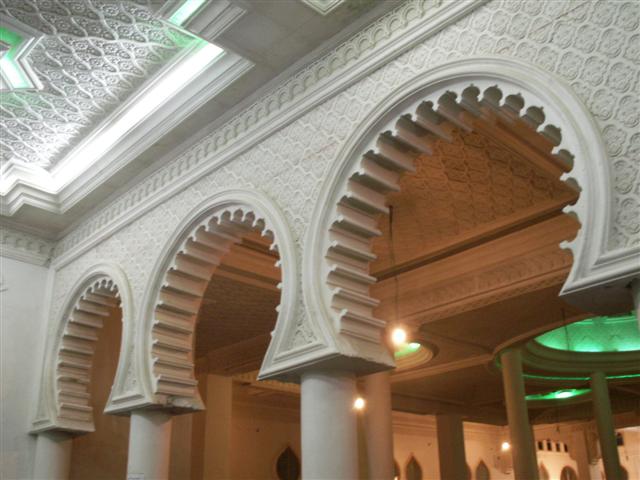
The Kabyle are, in the main, Muslims, Islam having been established among them long ago, though their practice has often had a distinctive local character, with the veneration of local saints and the marabouts and their shrines, and the survival of older customs and beliefs. Islam coexisted with the strong customary law and the village institutions of the Kabyle.
In modern times Kabylia has become known for a degree of religious diversity and secularism unusual in Algeria, with a notable movement of conversion to Christianity and a strong current of secular and identity-based thought, bound up with the Amazigh movement. Yet Islam, in its Kabyle forms, remains the faith of most of the people, woven together with the customs and the identity of the mountains.
Traditions
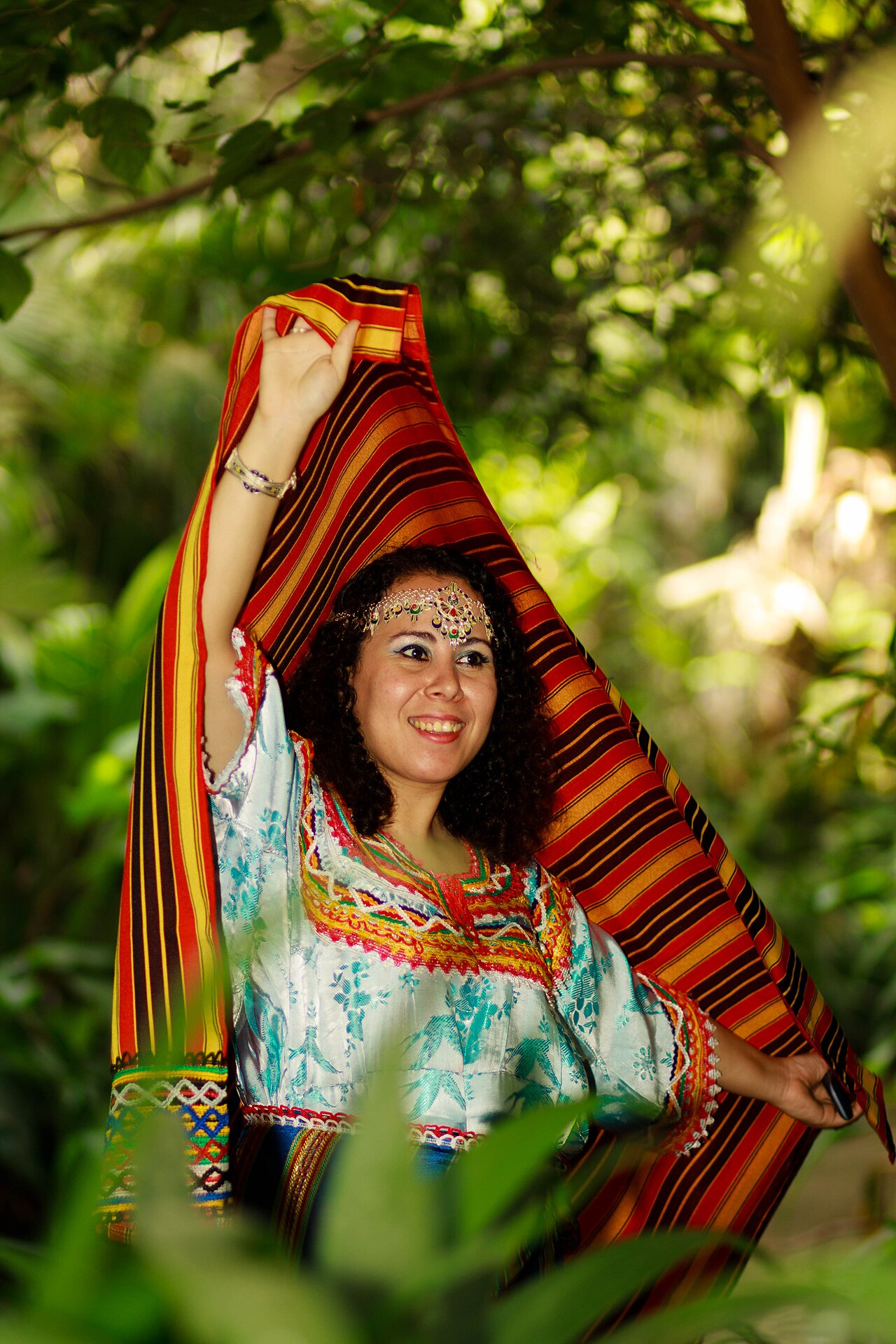
The traditions of the Kabyle are those of a proud mountain people with a strong sense of identity. The institutions of the village assembly and the customary law, the code of honour and hospitality, and the ceremonies of the life cycle order and enrich the life of the community. Kabyle poetry and song, above all the poetry of exile and of resistance, are cherished.
The Kabyle are famous for their music, from the traditional village songs to the modern Kabyle song that carries the themes of identity, love and politics, and for their dances and their festivals. The traditional dress, jewellery and pottery, and the celebration of the Amazigh new year, Yennayer, express and sustain the identity of the people. Music, poetry and the customs of the village give Kabyle culture its distinctive vitality.
Crafts

Kabyle craftsmanship is celebrated throughout North Africa. The women make the distinctive Kabyle pottery, hand-built and painted with geometric motifs in red, black and white, a craft of great antiquity and beauty, and they weave rugs and textiles with similar designs. The making of these household arts is central to the material culture of the mountains.
The Kabyle are also famous for their silver jewellery, made by the smiths of villages such as Beni Yenni, enamelled in blue, green and yellow and set with coral, worn by the women as adornment and as wealth. Woodwork, the carving of the great olive-wood chests and doors, and the crafts of the household add to a material culture of exceptional artistry, rooted in the villages of Kabylia.
Food

The staple foods of the Kabyle are couscous, the great dish of North Africa, made from steamed wheat semolina and served with vegetables, meat and sauce, and the olive oil and figs of their own trees. Barley and wheat breads, vegetable and pulse dishes, and the products of the garden fill out the diet.
Olive oil, central to Kabyle cooking, dresses and enriches the food, and figs, fresh and dried, are a cherished fruit and a store against winter. Tajines, couscous and hearty vegetable dishes, flavoured with the herbs of the mountains, are characteristic, and the cuisine reflects the olive-and-fig economy of Kabylia and the wider culinary world of the Maghreb.
Festivals
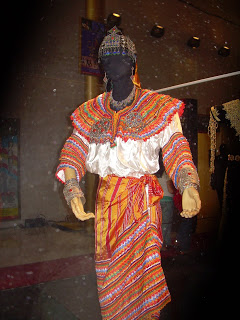
Festive life among the Kabyle is shaped by the Muslim calendar, the seasons of the agricultural year and the milestones of the life cycle, and, distinctively, by the celebration of the Amazigh new year, Yennayer, which marks the Berber agrarian calendar and has become a great festival of identity. Weddings, in particular, are elaborate occasions of music, dance, feasting and the display of jewellery and dress.
The Muslim festivals, the ceremonies of the saints and the shrines, and the family celebrations bring communities together, and Kabyle music and dance are central to them all. Today the celebration of Yennayer and of Kabyle culture, alongside the Muslim festivals, expresses the strong identity of the people, and cultural events and the Kabyle song carry the traditions of the mountains to the wider world.
History

The Kabyle are descended from the ancient Berber inhabitants of North Africa, who preceded the Phoenicians, Romans and Arabs, and who preserved their language and culture in the mountains through the successive conquests. Kabylia long maintained a fierce independence, its villages resisting outside control, and it was among the last regions of Algeria to be subdued.
The French conquered Kabylia only after hard fighting in the 1850s, and later crushed a great Kabyle revolt in 1871. Under colonial rule the Kabyle emigrated in large numbers to France, and they took a leading part in the Algerian war of independence. Since independence, tension with the Arab-nationalist state over the recognition of the Berber language and identity has made Kabylia a centre of the Amazigh movement, with periodic protest and unrest.
Today
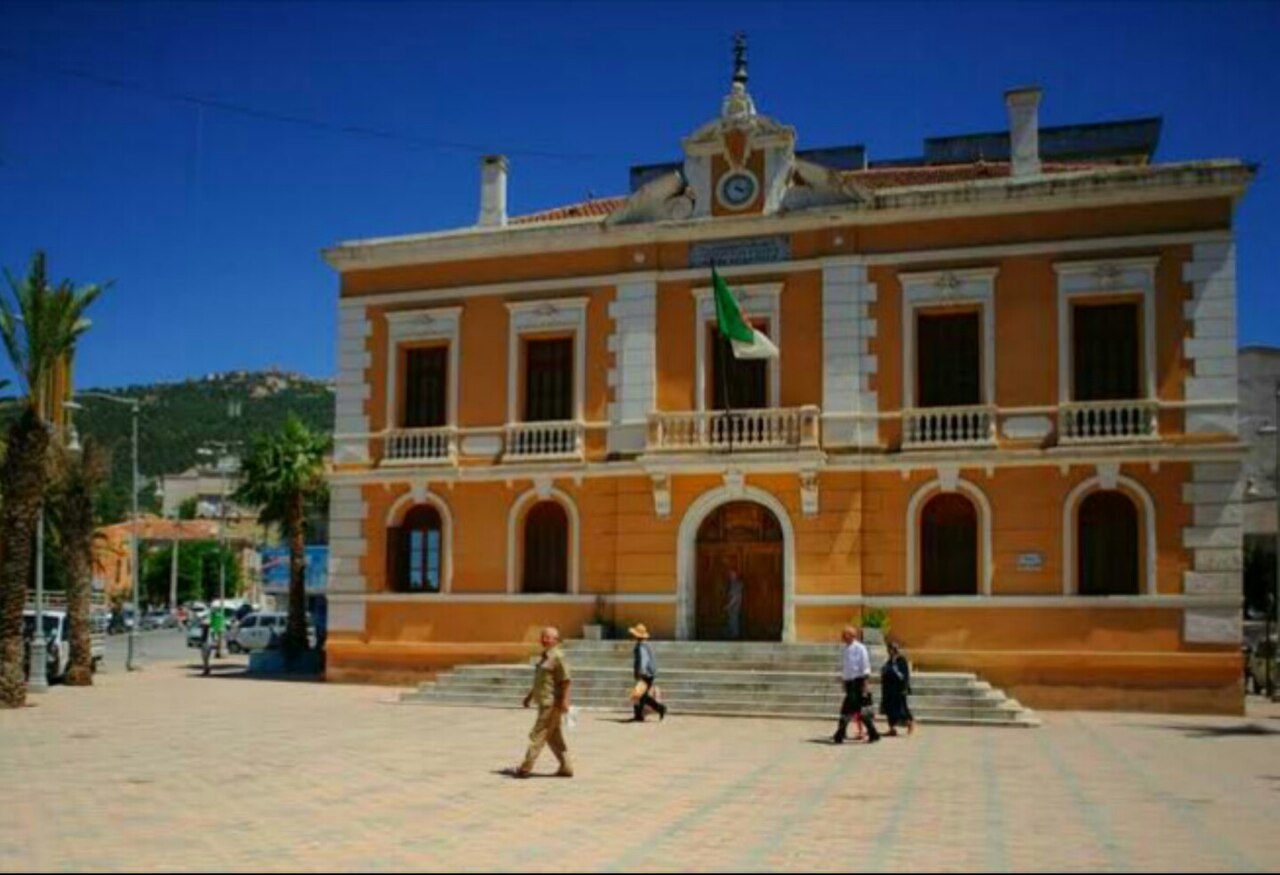
Today the Kabyle number some millions in Algeria, concentrated in Kabylia around Tizi Ouzou and Béjaïa, with a very large community in France and the wider diaspora. Farming of olives and figs continues in the mountains, but the region depends heavily on emigration, remittances and the towns, and Kabylia remains densely populated and strongly attached to its identity.
The Kabyle have been at the forefront of the movement for the recognition of the Amazigh language and culture, which has won important gains, and their music, poetry and cultural life flourish at home and abroad. Proud of their ancient Berber heritage, their mountain villages and their tradition of independence, the Kabyle carry their distinctive identity into modern Algeria and the world.
Related Peoples of the Region
- The Kpelle, the Rice Farmers of the Liberian Forest
- The Vai, the People Who Invented Their Own Writing
- The Senufo, the Master Carvers of the Savanna
- The Baoule, the Largest People of Cote d’Ivoire
- The Dagomba, the Kingdom of Dagbon in Northern Ghana
- The Zarma, the People of the Niger and the Songhai Heritage
- The Jola, the Rice Farmers of the Casamance
- The Susu, the Traders of the Guinean Coast
More Peoples of the World
- A Fifth of Humanity, the Story of the Han Chinese
- How the Maori Sailed Across the Pacific to Reach New Zealand
- Zulu of the Green Hills and Their Kingdom Forged by Shaka
- The People Who Never Vanished, the Story of the Maya
- Long Before the Arabs Came, North Africa Belonged to the Amazigh
- The People Who Emerged Into This World, the Story of the Navajo
- Meet the Ainu, an Indigenous People at Japan’s Northern Edge
You May Like

The Damara, an Ancient People of Namibia



