The Zarma, also called Djerma, are a major people of western Niger, the second largest ethnic group after the Hausa and dominant in the region around the capital, Niamey. Numbering some three million or more, they are settled millet farmers of the Niger river valley and the Sahel, closely related to the Songhai and heirs, with them, to the great Songhai Empire.Muslim, industrious and prominent in the modern state of Niger, the Zarma are famous also for the spirit-possession ceremonies of the holey cult, coexisting with Islam, and for their music and dance. This article traces their origins, language, homeland, farming life and the customs that continue to define them.
The Zarma on Film
Contents
- Origins
- The Name
- The Language
- The Homeland
- The Old Way of Life
- Society and Community
- Religion and Belief
- Traditions
- Crafts
- Food
- Festivals
- History
- Today
Origins
The Zarma, also called Djerma, are a major people of western Niger, where they are the second largest ethnic group after the Hausa and dominate the region around the capital, Niamey. Numbering some three million or more, with communities also in Nigeria, Benin and beyond, they are settled farmers of the Niger river valley and the savanna, closely related to the Songhai.
The Zarma are part of the wider Songhai-Zarma family and heirs, with the Songhai, to the great medieval Songhai Empire that once dominated the Niger bend. Muslim, industrious millet farmers, and prominent in the modern state of Niger, the Zarma are one of the founding peoples of the country and a central presence in its capital and its national life.
The Name
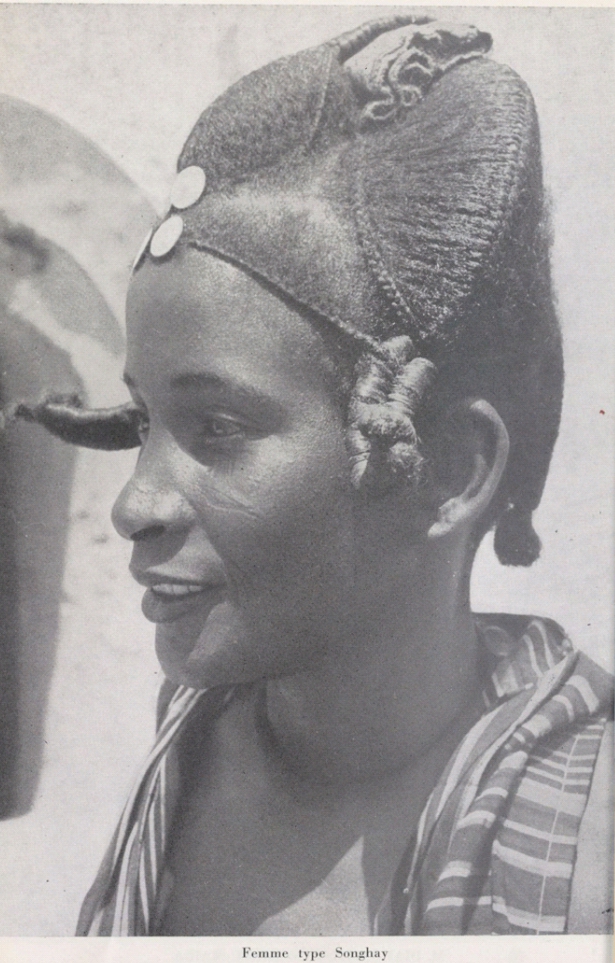
The people call themselves the Zarma, a name also written Djerma or Zerma, and their language by the same name. They are very closely related to the Songhai, so much so that the two are often grouped together as the Zarma-Songhai, sharing a common language and heritage.
Their identity is bound up with the Niger valley, with Islam and with their descent from the Songhai world. The name Zarma denotes a people proud of their heritage as heirs of the Songhai Empire and of their prominent place in western Niger and its capital, Niamey.
The Language
The Zarma speak Zarma, a Songhai language of the Nilo-Saharan family, very closely related to the Songhai proper, with which it forms a dialect continuum. It is one of the major languages of Niger and serves as a lingua franca in the west of the country, including the capital.
Rich in the oral traditions of the Songhai world and in the lore of the Niger valley, the Zarma language remains vigorous in daily life and in the life of Niamey. French is the official language of Niger and Hausa a great language of trade, but Zarma remains the strong everyday language of the west and a central marker of the identity of the people.
The Homeland

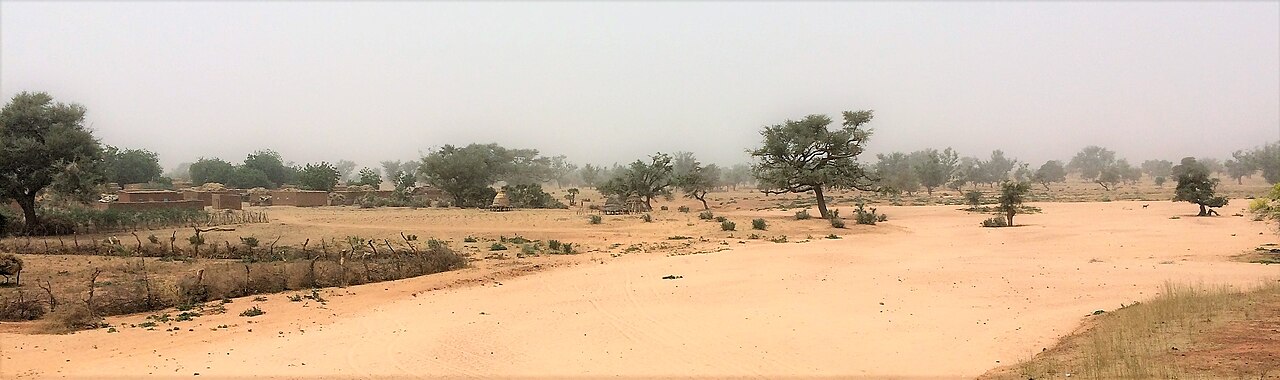
The Zarma homeland is the west of Niger, in the valley of the Niger river and the savanna and dune country around it, centred on the capital, Niamey, and the region stretching south and east towards Dosso. It is a land of Sahel and savanna, of the great river and its floodplain, of dunes, seasonal watercourses and farmland.
The Niger river, one of the great rivers of Africa, waters the region and gives it life, and the surrounding land, though dry, is farmed for millet and other crops. This country, at the meeting of the river and the Sahel and astride old routes, supported a substantial population and gave rise to the towns and the political prominence of the Zarma, above all Niamey.
The Old Way of Life

The Zarma are farmers, and millet is the foundation of their agriculture and their diet, grown across the savanna and the dune country in the single rainy season, together with sorghum, cowpeas, groundnuts and other crops. Along the Niger river, rice and irrigated crops are grown, and gardening flourishes on the riverbanks.
Cattle and other livestock are kept, and trade along the river and the Sahel routes was long important. Millet farming, demanding and central, ordered the round of Zarma life, and the storage of grain against the lean season was a constant concern. Farming, supplemented by herding, trade and, in modern times, work in the towns, sustained the Zarma economy.
Society and Community
Zarma society was traditionally organised into chiefdoms and, in places, small states such as the kingdom of Dosso, headed by chiefs and, at Dosso, by the Zarmakoy, and ordered by lineage and by a system of social ranks inherited from the Songhai world, including nobles, free commoners and, historically, those of servile descent.
The chiefs, elders and nobles ordered political life, and Islam added a further dimension of authority and learning. Below the level of the chiefdoms, villages and lineages ordered daily life, and the bonds of kinship were strong. Marriage, kinship and the customs of the village and the chiefship governed the life of the Zarma, in a society shaped by the river, the Sahel and the Songhai heritage.
Religion and Belief

The Zarma are Muslims, Islam having spread among them over past centuries through the Songhai world and the trade of the Sahel, and the faith is central to their identity and daily life, with mosques, Quranic learning and the Islamic festivals ordering the religious round. The great mosque of Niamey is a landmark of the Zarma capital.
Alongside orthodox Islam, older beliefs and practices survived, above all the famous spirit-possession cults of the Songhai-Zarma world, the holey or bori, in which spirits are called down in ceremonies of music, dance and trance to heal and to guide. These cults, coexisting with Islam, are a distinctive feature of Zarma religious life, and older ideas about spirits and the ancestors persist beneath the practice of the faith.
Traditions

The traditions of the Zarma are bound up with Islam, the river and the Songhai heritage. The ceremonies of Islam and of the chiefship, the rites of passage marking birth, marriage and death, and the customs of hospitality and kinship order the round of life. The oral traditions, preserving the history of the Songhai and the deeds of the past, are cherished.
Most distinctive are the spirit-possession ceremonies of the holey cult, with their music, drumming and dance, in which spirits are summoned to possess their mediums, a tradition of great power and beauty. Music and dance, including the celebrated dances of the Zarma, accompany celebration and ceremony, and give Zarma culture, alongside its Islam, a distinctive richness.
Crafts

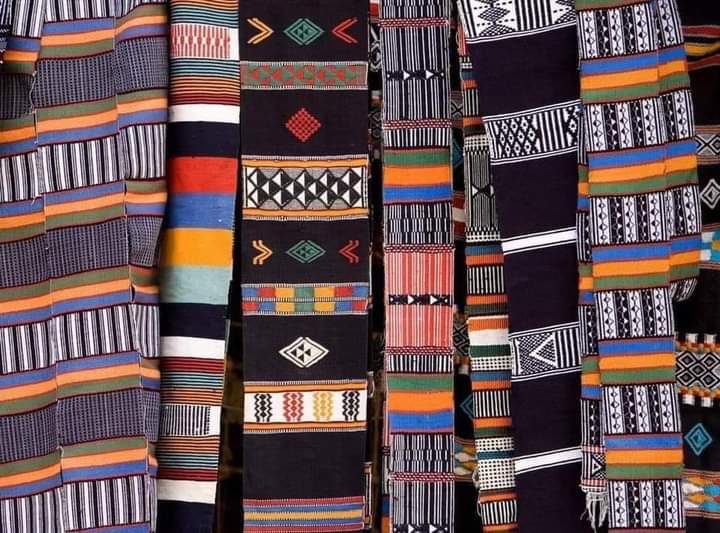
Zarma craftsmanship served a farming and trading society of the Sahel. Households made pottery, wove and dyed cloth, including striped cotton cloth, and worked leather, gourd and wood for daily use, while blacksmiths, an honoured group, forged the tools of farming and the objects of ritual and the spirit cults.
Weaving, dyeing and the making of clothing and ornament served both everyday needs and the display of status, and the making of the drums and instruments of the music and the possession cults was a valued skill. Basketry, the working of calabashes and the crafts of the household added to a material culture reflecting the farming and riverine life of the Zarma.
Food
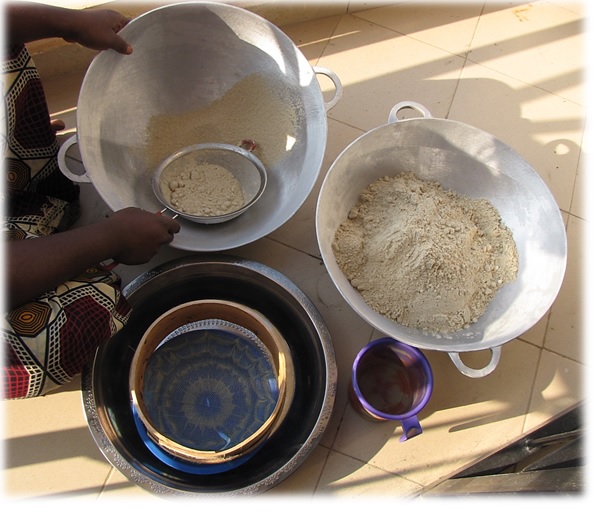
The staple food of the Zarma is millet, the grain of the Sahel, ground and cooked into a stiff porridge or into the light millet balls and gruels of the region, and eaten with sauces of vegetables, baobab leaf, meat or the ingredients of the savanna. Sorghum, cowpeas, groundnuts and, along the river, rice add to the diet.
A characteristic preparation is the millet ball or paste mixed with milk or sauce, and millet couscous and porridge are everyday fare. Milk from the herds, meat on occasion, and fish from the Niger river enrich the food. Drawn above all from millet, and shaped by the requirements of Islam, Zarma cooking reflects the farming life of the western Nigerien savanna.
Festivals
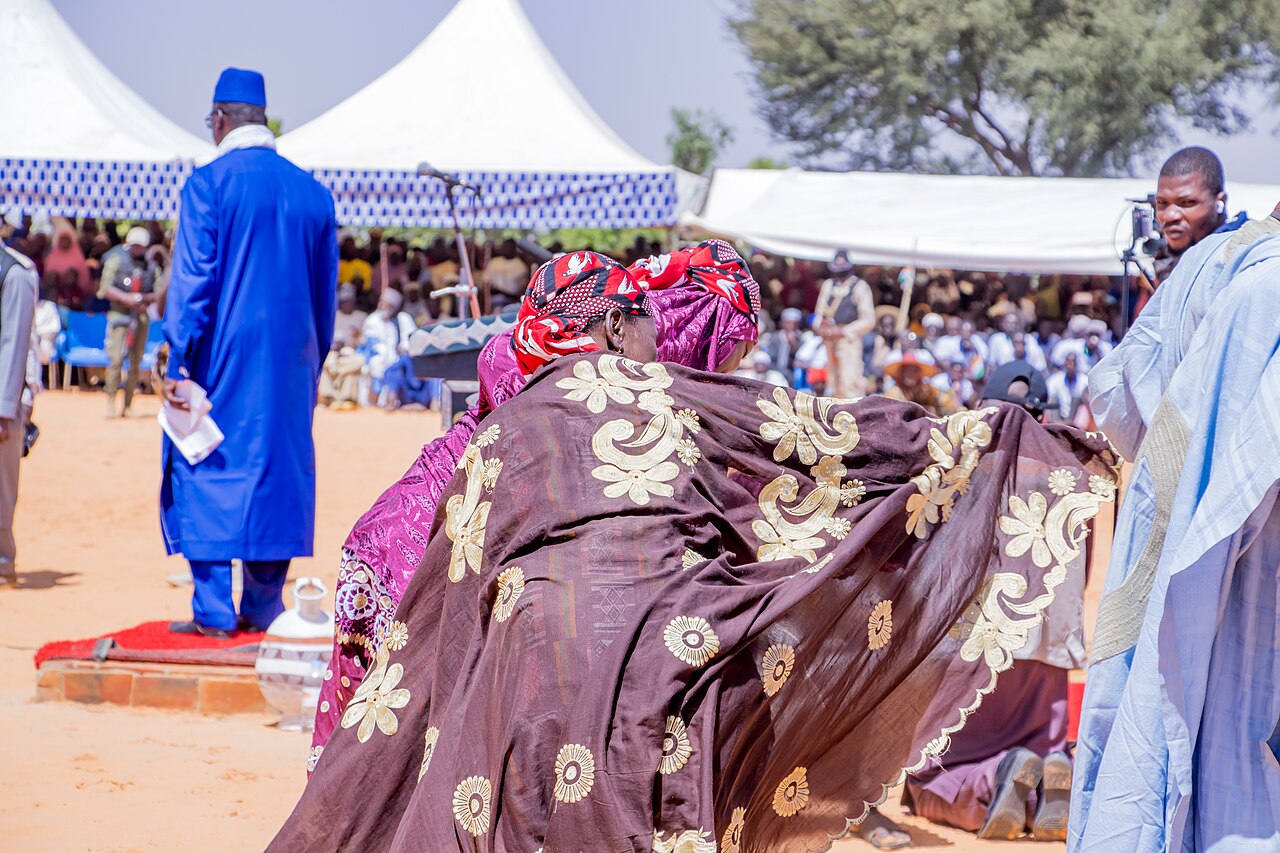
Festive life among the Zarma is shaped by Islam, the ceremonies of the chiefship and the milestones of the life cycle, and, distinctively, by the spirit-possession ceremonies of the holey cult. The great Muslim festivals, weddings, namings and the celebrations of the chiefs bring communities together for feasting, music and dance.
The possession ceremonies, with their drumming, music and dance calling down the spirits, are among the most striking occasions of Zarma life, coexisting with the festivals of Islam. Drumming, song and the celebrated dances of the Zarma mark celebration, and the coming together of families and villages renews the bonds of the community. Today the Muslim festivals and the possession ceremonies together form the great occasions of Zarma festivity.
History

The Zarma are heirs, with the Songhai, to the great Songhai Empire, which in the fifteenth and sixteenth centuries dominated the Niger bend and the western Sudan from its capital at Gao, controlling the trade in gold and salt and patronising Islamic learning at Timbuktu. After the fall of the empire to a Moroccan invasion in 1591, the Zarma settled and consolidated in their present homeland in western Niger.
In the pre-colonial period the Zarma formed chiefdoms and small states such as Dosso, and resisted the raids of the Tuareg and others. Under French colonial rule their lands became part of the colony of Niger, and Niamey, in Zarma country, grew into the capital. At independence in 1960 the Zarma, along with the Hausa, became one of the dominant peoples of Niger, prominent in its politics and administration.
Today

Today the Zarma number some three million or more and remain one of the major peoples of Niger, dominant in the west of the country and in the capital, Niamey, and prominent in the politics, administration and public life of the nation. Millet farming continues as the basis of rural life, alongside trade, gardening along the river and work in the towns.
The Zarma have provided many of the leaders of Niger, and their language and culture are central to the life of the capital. Proud of their Songhai heritage, their Islam and their distinctive spirit-possession traditions, the Zarma balance the demands of a harsh Sahelian environment with a prominent place in the modern state, carrying their heritage into contemporary Niger.
Related Peoples of the Region
- The Mende, the Rice Farmers and Mask Dancers of Sierra Leone
- The Temne, the Rice Farmers of Northern Sierra Leone
- The Kru, the Seafarers of the West African Coast
- The Kpelle, the Rice Farmers of the Liberian Forest
- The Vai, the People Who Invented Their Own Writing
- The Senufo, the Master Carvers of the Savanna
- The Baoule, the Largest People of Cote d’Ivoire
- The Dagomba, the Kingdom of Dagbon in Northern Ghana
More Peoples of the World
- A Fifth of Humanity, the Story of the Han Chinese
- How the Maori Sailed Across the Pacific to Reach New Zealand
- Zulu of the Green Hills and Their Kingdom Forged by Shaka
- The People Who Never Vanished, the Story of the Maya
- Long Before the Arabs Came, North Africa Belonged to the Amazigh
- The People Who Emerged Into This World, the Story of the Navajo
- Meet the Ainu, an Indigenous People at Japan’s Northern Edge
You May Like
The Damara, an Ancient People of Namibia