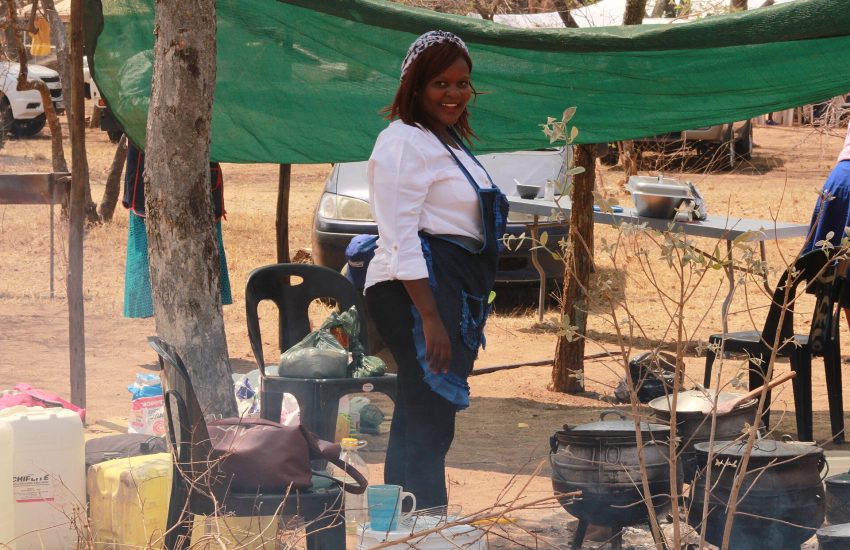
The Susu, or Soso, are a Mande people of the coast of Guinea, the dominant group of the country’s maritime region around the capital, Conakry, with communities also in Sierra Leone and Guinea-Bissau. Numbering some two million or more, they are farmers, fishers and, above all, traders, whose language has become the lingua franca of the whole Guinean coast.Muslim, enterprising and long established on the shore, the Susu are linked in tradition to the ancient Sosso kingdom that briefly dominated the western Sudan under Sumanguru Kanté before its defeat by the founders of the Mali Empire. This article traces their origins, language, homeland, commercial life and the customs that continue to define them.
The Susu on Film
Contents
- Origins
- The Name
- The Language
- The Homeland
- The Old Way of Life
- Society and Community
- Religion and Belief
- Traditions
- Crafts
- Food
- Festivals
- History
- Today
Origins

The Susu, or Soso, are a Mande people of the coast of Guinea, the dominant group of the country’s maritime region around the capital, Conakry, with communities also in Sierra Leone and Guinea-Bissau. Numbering some two million or more, they are farmers, fishers and, above all, traders, whose language has become the lingua franca of the whole Guinean coast.
Heirs to an old and turbulent history, the Susu are linked in tradition to the ancient Sosso kingdom that briefly dominated the western Sudan before its defeat by the founders of the Mali Empire. Muslim, enterprising and commercially minded, and long established on the coast, the Susu are one of the major peoples of Guinea and a central presence in its capital and its commerce.
The Name

The people call themselves the Susu, a name also written Soso or Sousou, and their language by the same name. They are a Mande people, related to the great Mande groups of the interior, though their long life on the coast and their commercial character give them a distinctive place among them.
Their identity is bound up with the Guinean coast, with Islam and with trade, and with the memory of the old Sosso kingdom. The name Susu denotes a people proud of their heritage, their enterprise and their dominance of the Guinean maritime region, whose language has spread far beyond their own numbers as the common tongue of the coast.
The Language

The Susu speak Susu, a language of the Mande branch of the Niger-Congo family, related to the other Mande languages but distinct from them. Its importance far exceeds the numbers of the Susu themselves, for it has become the lingua franca of the whole coastal region of Guinea, spoken and understood by peoples of many different origins.
Rich in the traditions of trade, Islam and the coast, the Susu language is vigorous in daily life and in the commerce of Conakry and the maritime towns. French is the official language of Guinea, but Susu is the great everyday language of the coast, a marker of identity and a vital instrument of the trade for which the people are known.
The Homeland

The Susu homeland is the maritime region of Guinea, the coastal plain and its hinterland around Conakry, a land of mangrove, estuary, coastal forest and farmland fronting the Atlantic. The warm, wet climate and the coastal environment suited the farming of rice and other crops and the fishing and trade of the shore.
This coastal country, with its harbours, its rivers and its position on the Atlantic, made the Susu intermediaries in trade between the interior and the sea, and gave rise to the towns and the commerce for which they are known, above all Conakry, which grew into the capital of Guinea. The maritime region, fronting the ocean, is the heart of the Susu world.
The Old Way of Life
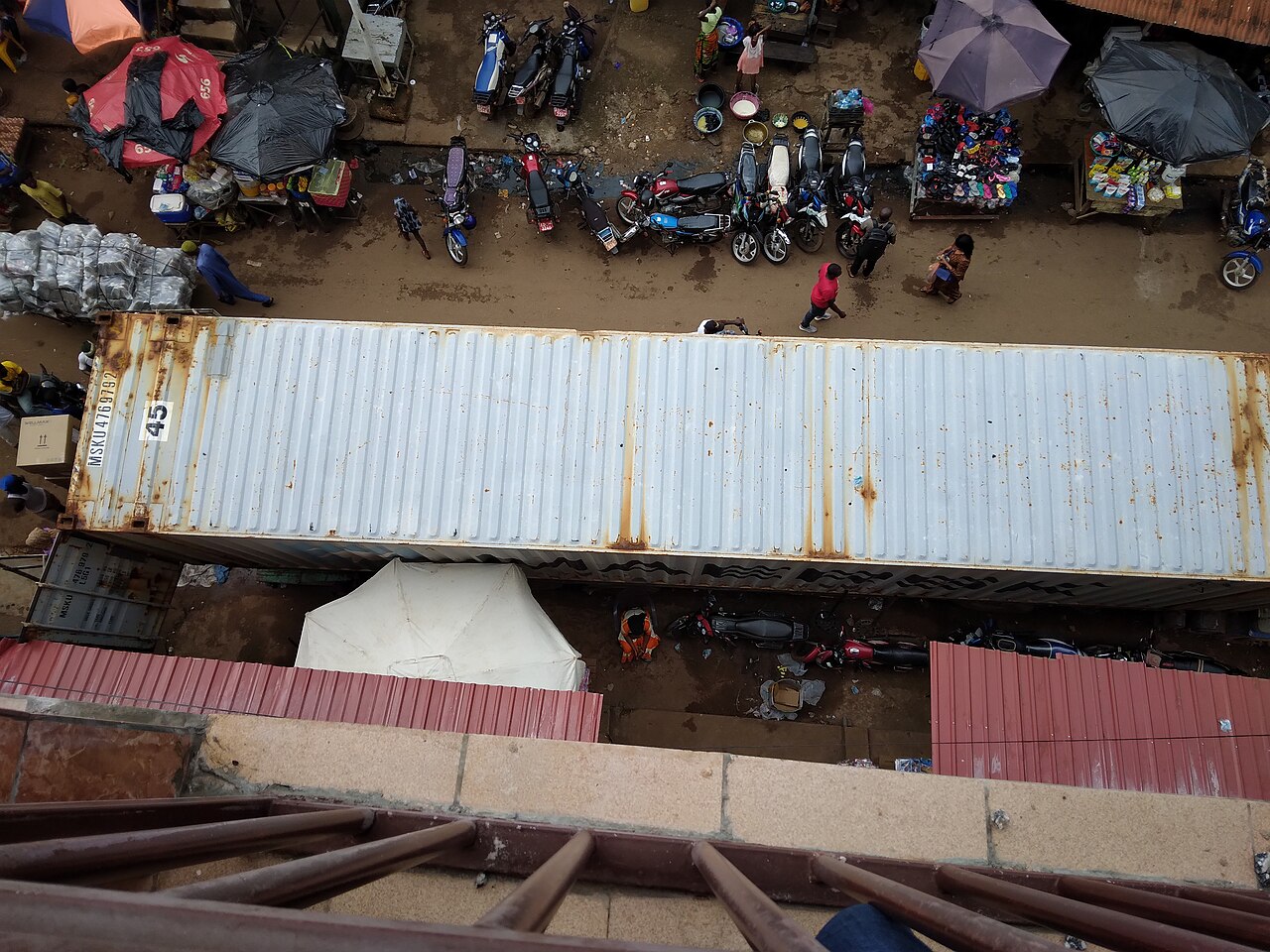
The Susu are farmers, fishers and traders. They cultivate rice, the staple of the region, together with cassava, groundnuts, oil palm and a range of other crops of the coast and forest, and they fish the sea, the estuaries and the rivers. But it is as traders that the Susu have always been most prominent.
Long established on the coast at the meeting of the interior and the sea, the Susu became active as merchants and middlemen, and their commercial energy and their language spread along the whole coast. Farming and fishing, supplemented above all by trade, sustained the Susu economy, and the ideal of the enterprising trader is central to their culture and their prominent place in the commerce of Guinea.
Society and Community

Susu society is ordered by lineage, by Islam and, historically, by the ranks and categories inherited from the Mande world, including the occupational groups of smiths, leatherworkers and griots. Traditionally there were chiefs and, in places, small states, but much of Susu life was organised around the town, the lineage and the trading community.
Islam and its learning added a dimension of authority and organisation, and the griots preserved history and genealogy. Below the level of the chiefs and towns, lineages and families ordered daily life, and the bonds of kinship underpinned the networks of trade. Marriage, kinship and the customs of the town and the trading community governed the life of the Susu.
Religion and Belief

The Susu are Muslims, Islam having spread among them over past centuries through the Mande world and the trade of the coast, and the faith is central to their identity and daily life. Mosques, Quranic learning and the observance of Islamic law and festivals order the religious round, and the Grand Mosque of Conakry is a landmark of the Susu capital.
As among other long-Islamised Mande peoples, older customs and beliefs, and the veneration of holy men and marabouts, colour the practice of Islam, and pre-Islamic elements survive in ritual and society. Islam links the Susu to the wider Muslim world and has been woven into their commerce, their learning and their culture, and it remains the defining religious tradition of the people.
Traditions
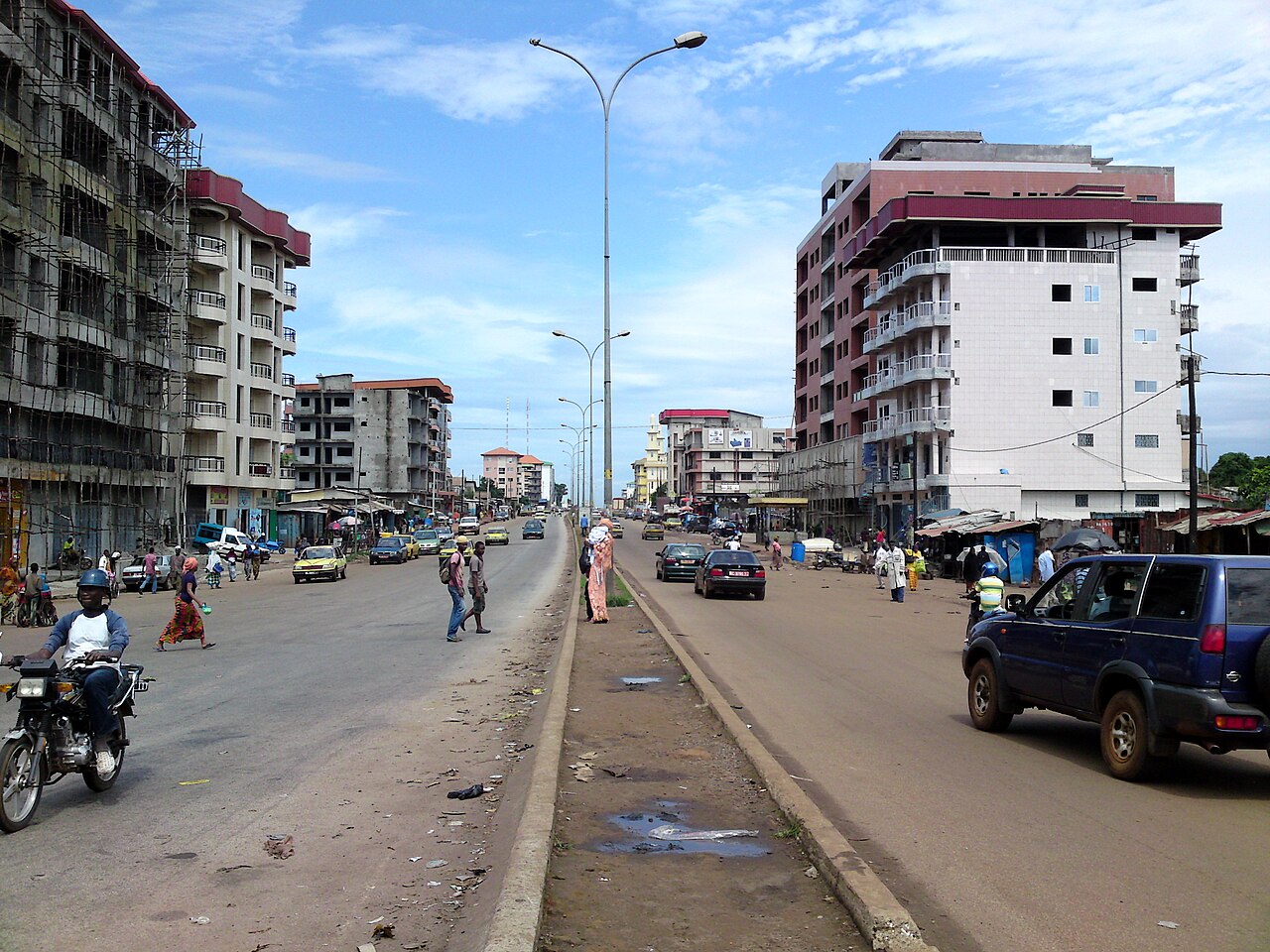
The traditions of the Susu are those of a Muslim, Mande and commercial people of the coast. The ceremonies of Islam and of the life cycle, the customs of hospitality, kinship and trade, and the oral traditions preserved by the griots order and enrich the life of the people. Islam, learning and the ethic of commerce shape their values.
Music and dance accompany celebration, weddings and the festivals of Islam, and the Susu share in the rich musical culture of Guinea, famous for its griots and its instruments. Storytelling, praise-poetry and the customs of the trading community preserve the history and identity of the people, and the traditions of Islam and enterprise give Susu culture its distinctive character.
Crafts
Susu craftsmanship, as among other Mande peoples, is bound up with the occupational groups. The smiths work iron, the leatherworkers fashion sandals, bags and amulet-cases, and the griots make and play the instruments of Mande music. Households make pottery, weave and dye cloth, and work the materials of daily life.
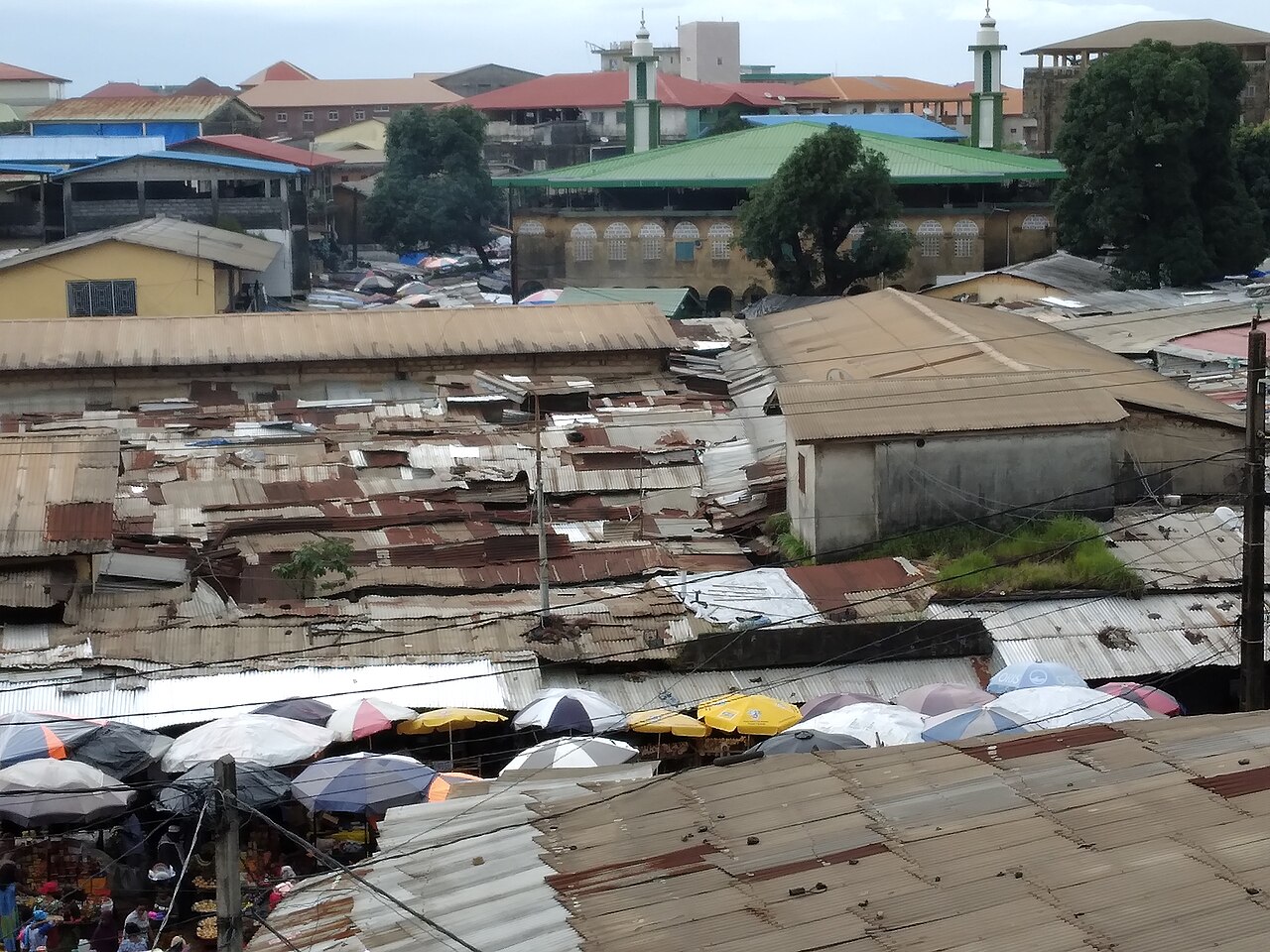
On the coast, the building of canoes and the making of nets, traps and the gear of fishing were important, and weaving, dyeing and the making of clothing and ornament served both everyday needs and the display of status. The markets of Conakry and the coastal towns, where the crafts and produce of the region are exchanged, are important centres of this material culture, tied to farming, fishing and, above all, trade.
Food
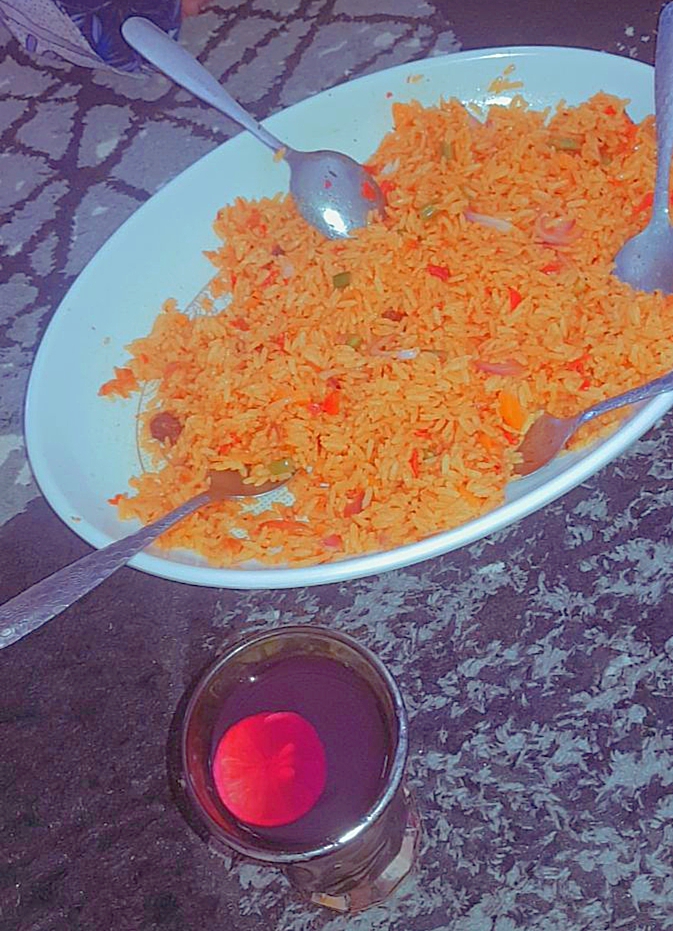
The staple food of the Susu is rice, the crop and food at the centre of coastal life, eaten at the heart of nearly every meal with rich sauces and stews of fish, meat, groundnut, palm oil and vegetables. The rice-and-sauce dishes of the coast, including the jollof rice enjoyed across the region, are characteristic of the Susu table.
Fish and seafood from the sea and estuaries, abundant on the Guinean coast, provide much of the protein, and cassava, plantains and the produce of the oil palm and the forest add to the diet. The centrality of rice, and the abundance of fish, give Susu cooking its character, shared with the wider cuisine of the Guinean coast and shaped by the requirements of Islam.
Festivals
Festive life among the Susu is shaped by Islam, the milestones of the life cycle and the traditions of the trading community. The great Muslim festivals are celebrated with prayer, feasting and gathering, and weddings, namings and other family ceremonies bring communities together for music, dance and the performances of the griots.
Drumming, song and dance, in which Guinea is rich, mark these occasions, and the coming together of families and the trading community renews the bonds of kinship. For a people so given to commerce and travel, the great festivals and family ceremonies are also occasions of reunion and hospitality. Today the Muslim festivals form the great occasions of Susu life, joined by national holidays and cultural events.
History

The Susu are linked in tradition to the ancient Sosso kingdom, which in the early thirteenth century, under its ruler Sumanguru Kanté, briefly dominated the western Sudan after the fall of ancient Ghana, before being defeated by Sundiata Keita at the battle of Kirina, which founded the Mali Empire. After this defeat the Susu are said to have migrated south and west towards the coast.
Settling the Guinean coast, the Susu grew into the dominant people of the maritime region, active in trade with the interior and, from the era of European contact, with the ships of the coast. Under French colonial rule their coast became the centre of the colony of Guinea, with Conakry as its capital, and at independence in 1958 the Susu became one of the major peoples of the new nation.
Today

Today the Susu number some two million or more and remain the dominant people of coastal Guinea, above all in and around the capital, Conakry, and prominent in the trade, commerce and public life of the nation. Their language, spread as the lingua franca of the coast, is spoken far beyond their own numbers, and Conakry is a great Susu city.
Farming, fishing and, above all, trade continue as the basis of Susu life, and Islam remains central to their culture. Proud of their Mande heritage, their commercial enterprise and their dominance of the Guinean coast, and heirs to the memory of the old Sosso kingdom, the Susu carry their distinctive identity into the modern life of Guinea.
Related Peoples of the Region
- The Kru, the Seafarers of the West African Coast
- The Kpelle, the Rice Farmers of the Liberian Forest
- The Vai, the People Who Invented Their Own Writing
- The Senufo, the Master Carvers of the Savanna
- The Baoule, the Largest People of Cote d’Ivoire
- The Dagomba, the Kingdom of Dagbon in Northern Ghana
- The Zarma, the People of the Niger and the Songhai Heritage
- The Jola, the Rice Farmers of the Casamance
More Peoples of the World
- A Fifth of Humanity, the Story of the Han Chinese
- How the Maori Sailed Across the Pacific to Reach New Zealand
- Zulu of the Green Hills and Their Kingdom Forged by Shaka
- The People Who Never Vanished, the Story of the Maya
- Long Before the Arabs Came, North Africa Belonged to the Amazigh
- The People Who Emerged Into This World, the Story of the Navajo
- Meet the Ainu, an Indigenous People at Japan’s Northern Edge
You May Like
The Damara, an Ancient People of Namibia