The Venda, who call themselves the Vhavenda, are a Bantu people of the far north of South Africa, in Limpopo province, with communities also in Zimbabwe. Numbering some millions, they inhabit the green Soutpansberg mountains, and are famous for their distinctive culture, their sacred lakes and forests, and their rich tradition of ceremony and dance.Somewhat apart from South Africa’s other peoples in language and custom, the Venda kept a strong tradition of sacred chiefship and a religious life centred on holy sites such as Lake Fundudzi, and they are celebrated for the domba python dance and the royal tshikona reed-pipe dance. This article traces their origins, language, homeland, farming life and the customs that continue to define them.
The Venda on Film
Contents
- Origins
- The Name
- The Language
- The Homeland
- The Old Way of Life
- Society and Community
- Religion and Belief
- Traditions
- Crafts
- Food
- Festivals
- History
- Today
Origins
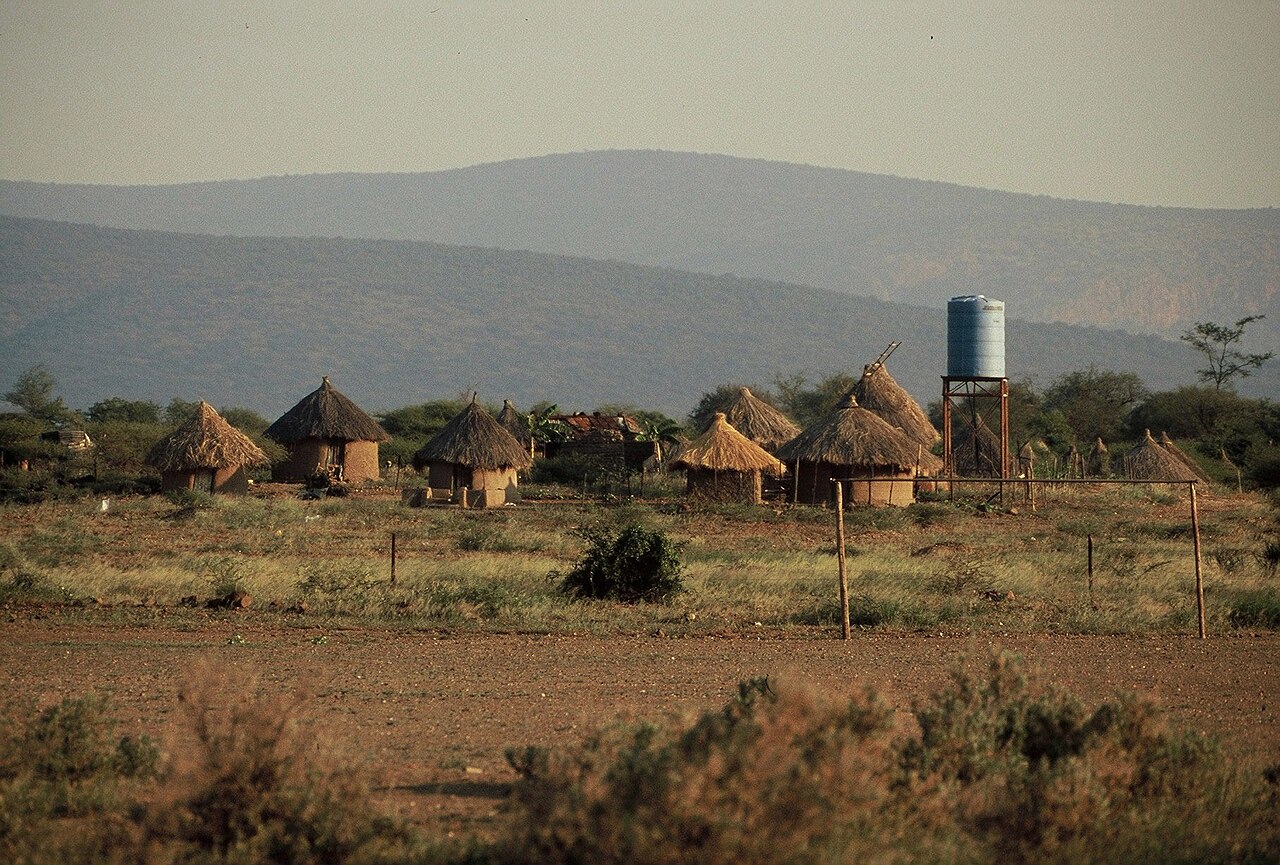
The Venda, who call themselves the Vhavenda, are a Bantu people of the far north of South Africa, in the province of Limpopo, with communities also across the border in Zimbabwe. Numbering some millions, they inhabit the well-watered Soutpansberg mountains and the country around them, and are famous for their distinctive culture, their sacred sites and their rich tradition of ceremony and dance.
Somewhat apart from the other African peoples of South Africa in language and custom, the Venda have a culture that blends Bantu, Shona and other influences, drawn from their position in the north near the Limpopo river. Farmers and cattle-keepers, organised under sacred chiefs, and famous for the great initiation dance of the domba, the Venda are one of the most distinctive of South Africa’s peoples.
The Name

The people call themselves the Vhavenda, or Venda, and their language Tshivenda. They are one of the officially recognised peoples of South Africa, the smallest of the major groups, concentrated in the former homeland of Venda in the north of Limpopo.
Their identity is bound up with the Soutpansberg mountains, with their sacred lakes and forests, and with their distinctive ceremonies. The name Venda denotes a people proud of their unique culture and their deep roots in the northern mountains, set somewhat apart from their neighbours by their language and their rich ritual tradition.
The Language
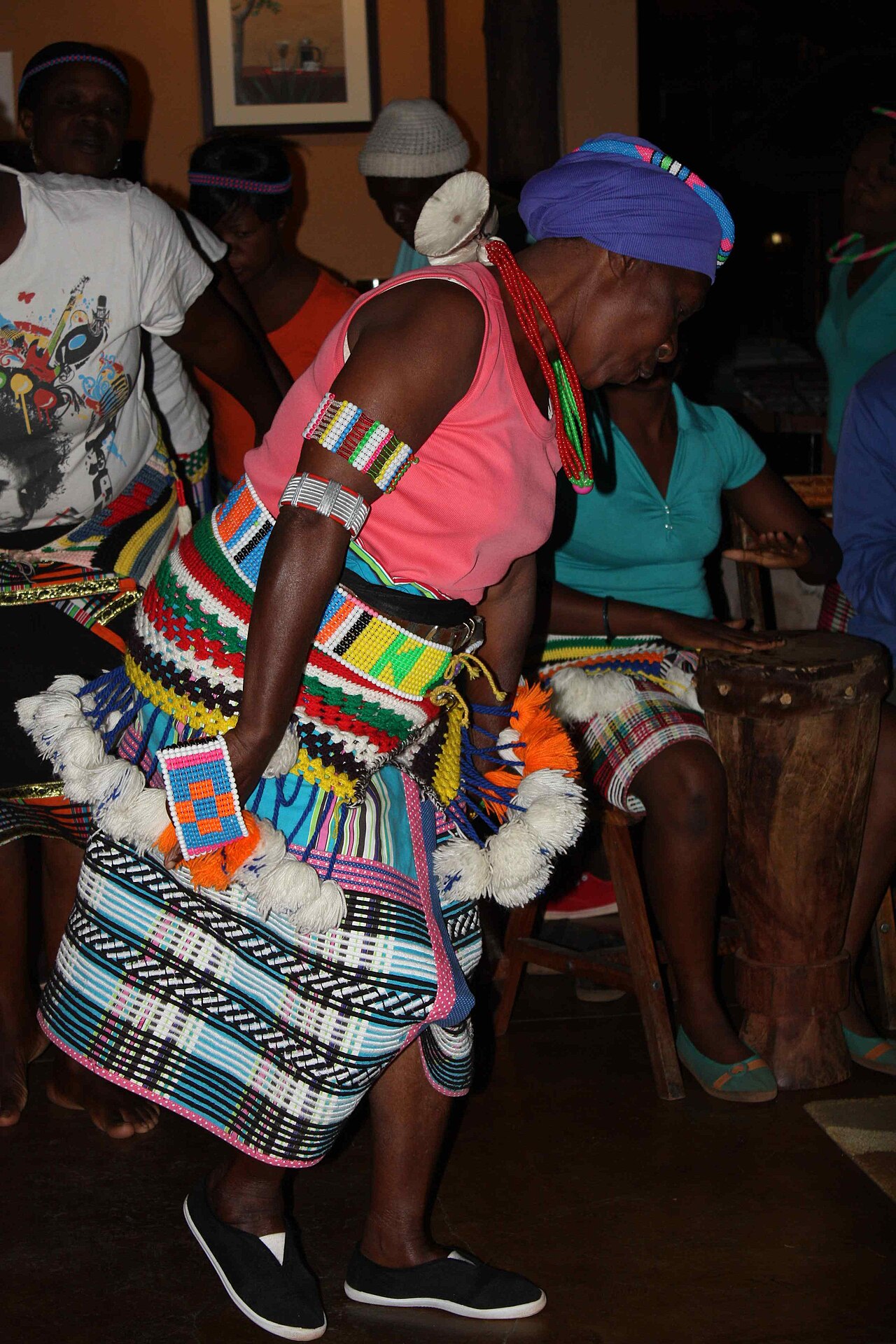
The Venda speak Tshivenda, a Bantu language of the Niger-Congo family, distinct from the other South African languages and showing links to the Shona languages of Zimbabwe to the north, reflecting the mingled origins of the people. It is one of the eleven official languages of South Africa, spoken by well over a million people.
Rich in the praise-poetry, songs and lore of the chiefs, the sacred sites and the ceremonies, Tshivenda remains vigorous in the north of Limpopo. English, Afrikaans and other South African languages are widely known, but Tshivenda is the everyday language of the Venda and a central marker of their distinctive identity.
The Homeland
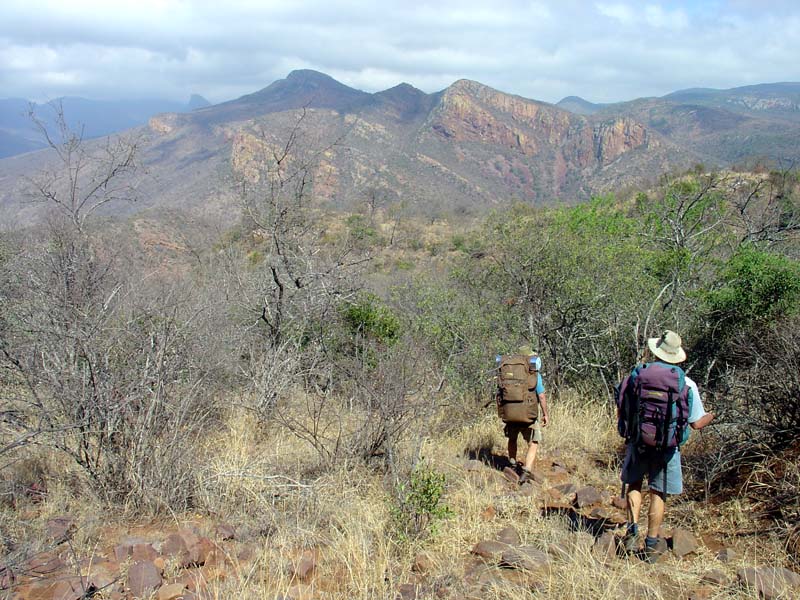
The Venda homeland is the far north of South Africa, in Limpopo province, centred on the Soutpansberg, a range of well-watered mountains rising green and forested from the surrounding bushveld, and the country between them and the Limpopo river. The mountains, with their higher rainfall, mists and forests, are unusually lush for the region.
This green and mountainous country, dotted with sacred lakes, forests and pools, shaped the farming life and the rich religious imagination of the Venda. The Soutpansberg and its surroundings, centred on the town of Thohoyandou, are the heart of the Venda world, a land whose beauty and abundance set it apart from the drier country around.
The Old Way of Life

The Venda are farmers and cattle-keepers, cultivating maize, millet, sorghum and a range of other crops on the well-watered slopes and valleys, and keeping cattle, which are valued for milk, wealth and marriage. The relative abundance of the mountains supported a settled farming population living in villages under their chiefs.
Cattle were central to wealth and to the bridewealth that sealed marriage, and the farming of grain provided the staple food. The Venda also worked iron and, in the past, traded and mined, and their country lay near the ancient centres of gold and trade of the Limpopo. Farming and cattle-keeping, supplemented by craft and, in modern times, migrant labour, sustained the Venda economy.
Society and Community

Venda society was organised under sacred chiefs and a king, whose authority combined the political and the religious, and who were surrounded by ritual and by the symbols of a divine kingship, including the sacred drum and the royal ceremonies. Below the chiefs, society rested on lineages and villages, and on the age-grades and initiation schools through which the young passed.
The chiefs and their courts, the councils of elders and the ritual specialists ordered social and political life, and the sacred character of the kingship and the reverence for the ancestors bound the community. Marriage, sealed by cattle, linked families, and the initiations, above all the domba, marked the passage to adulthood. This was a society of deep ritual and strong chiefship.
Religion and Belief

Venda religion is famous for its richness, centred on a creator, on the powerful cult of the ancestors, and on a landscape filled with sacred sites, above all Lake Fundudzi, the holy lake into which no one may intrude without permission, and the sacred forests where the ancestors and the spirits dwell. The python and the crocodile, and the great sacred drum, held deep symbolic meaning.
Diviners and ritual specialists mediated with the ancestors and the spirits, and the ceremonies of the chiefs and the initiation schools had a profoundly religious character. Christianity has since spread widely among the Venda, and many are Christian, but the reverence for the sacred lakes and forests, the ancestors and the old ceremonies remains strong, giving Venda religion its distinctive depth.
Traditions

The traditions of the Venda are among the richest in South Africa. The most famous is the domba, the great initiation dance of the young women, the python dance, in which the initiates move in a long, sinuous chain imitating the sacred python, a ceremony of profound significance. The tshikona, the royal reed-pipe dance, performed by men with pipes and drums, is the great dance of the chiefs and the nation.
The sacred drums, the ceremonies of the chiefship and the initiation schools, and the reverence for the sacred sites order and enrich the ritual life of the people. Music, dance and the ceremonies of the ancestors and the chiefs are central to Venda tradition, and the domba and the tshikona have made the Venda famous for the beauty and depth of their ceremonial life.
Crafts
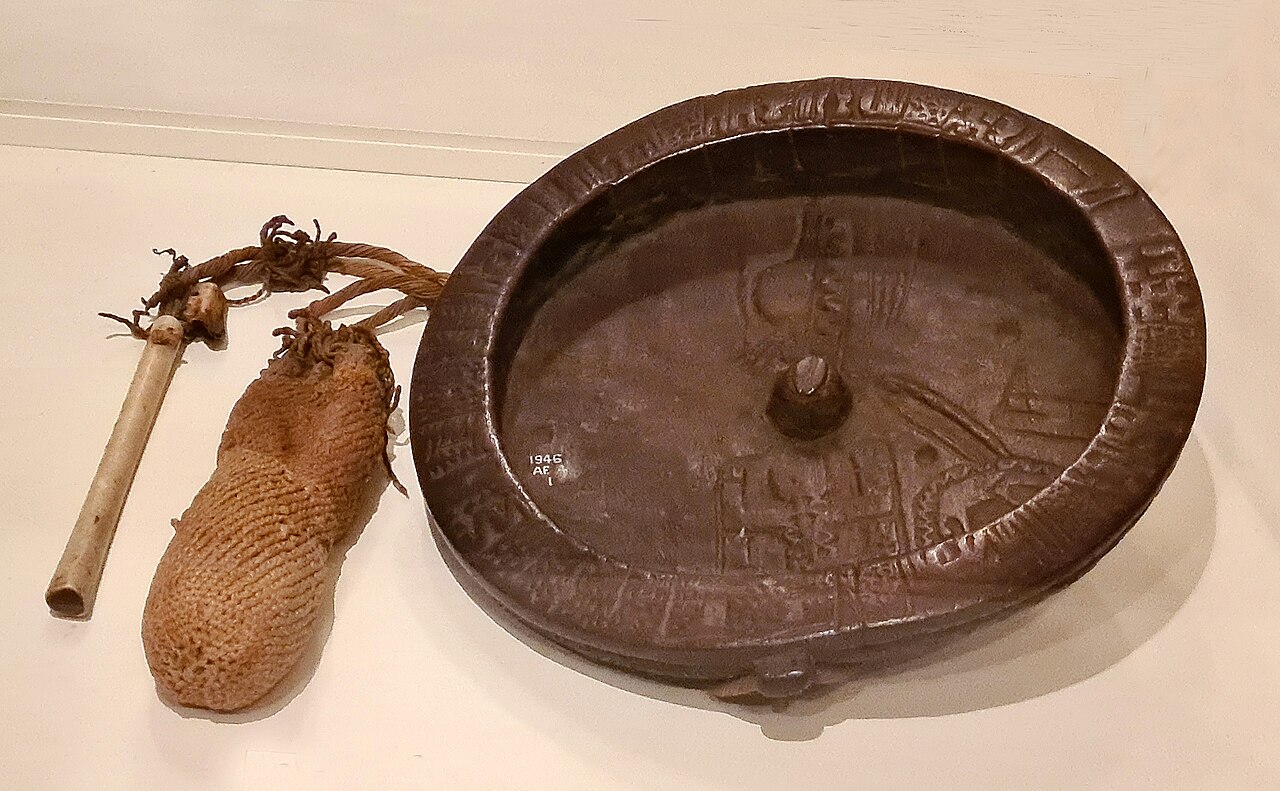
Venda craftsmanship is celebrated. The people are known for their pottery, made and decorated by the women, and for their woodcarving, including the carved bowls, drums and objects of ritual and the chiefship, and in modern times Venda artists have won fame in the wider art world. The making of the sacred drums was a craft of special importance.
The Venda also work in iron, forging tools and objects of ritual, and make baskets, mats and the goods of the household. Divination bowls, carved and used by the diviners, and the regalia of the chiefs, reflect the ritual richness of the culture. These crafts, from pottery and carving to the making of the sacred drums, express the artistic and ceremonial depth of the Venda.
Food
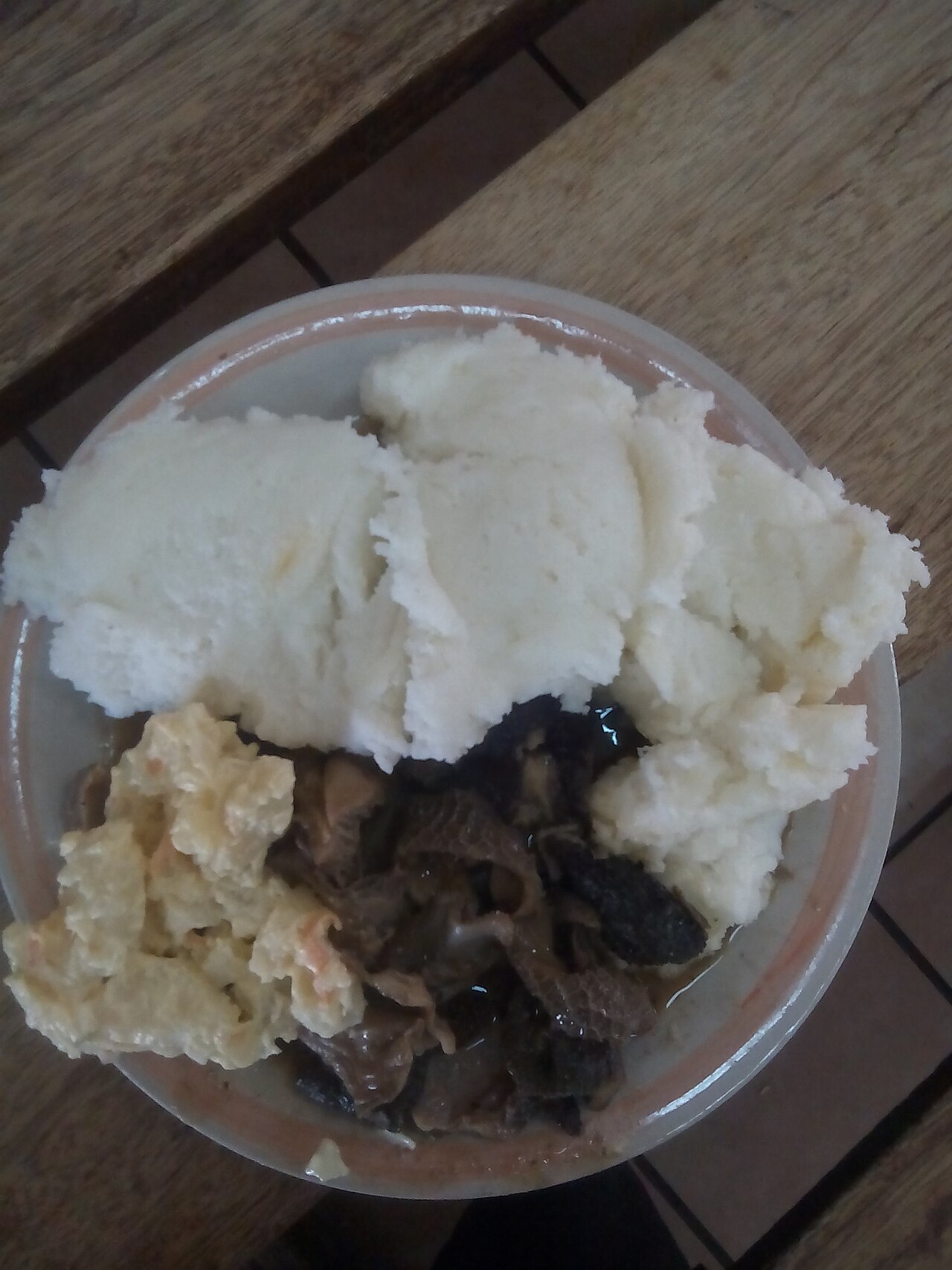
The staple food of the Venda is maize, ground and cooked into the stiff porridge known across southern Africa as pap or vhuswa, eaten with relishes and stews of vegetables, meat or the leaves and greens of the region. Millet and sorghum, the older grains, remain in use, especially for beer and ceremony.
Vegetables, beans, wild greens and, on occasion, meat and milk from the cattle accompany the porridge, and sorghum beer is important in hospitality and ritual. The relative abundance of the well-watered mountains gave the Venda a varied diet, and their cooking, based on maize porridge and its relishes, reflects the farming life of the northern highlands and the wider food culture of South Africa.
Festivals

Festive life among the Venda centres on the ceremonies of the chiefship and the great initiation dances. The domba and the other initiation ceremonies, held when a school of young people is ready to be brought to adulthood, are major occasions, gathering the community for days of dance, ritual and feasting. The tshikona, the royal reed-pipe dance, marks the great events of the chiefs and the nation.
The ceremonies of the ancestors and the sacred sites, weddings and the celebrations of the farming year also bring communities together for music, dance and feasting. Today Christian festivals and national holidays join the older ceremonies, but the domba and the tshikona, with their deep ritual meaning, remain the unmistakable heart of Venda festivity.
History

The Venda emerged in the Soutpansberg from a mingling of Bantu peoples with influences from the Shona kingdoms to the north, and their traditions link them to the ancient states of the Limpopo, including Mapungubwe and, later, Thulamela, centres of gold and trade. Under their chiefs and kings they built a strong and distinctive society in their mountain fastness.
The Venda were among the last peoples of South Africa to lose their independence, resisting the Boers and holding out in their mountains until the 1890s. Under apartheid the Venda country was made a nominally independent homeland, or bantustan, in 1979, which was reincorporated into South Africa in 1994. Since then the Venda have taken their place as one of the recognised peoples of the democratic nation.
Today

Today the Venda number some millions and remain concentrated in the far north of Limpopo around Thohoyandou and the Soutpansberg, with communities in the cities and across the border in Zimbabwe. Farming and cattle-keeping continue in the mountains, alongside work in the towns and mines and the growth of the northern towns.
The Venda have preserved their distinctive culture, their sacred sites, their language and their ceremonies, and their artists, musicians and traditions have won wide fame. Proud of their unique heritage, their sacred lakes and forests, and their great dances of the domba and the tshikona, the Venda carry their rich and distinctive identity into the life of modern South Africa.
Related Peoples of the Region
- The Dagomba, the Kingdom of Dagbon in Northern Ghana
- The Zarma, the People of the Niger and the Songhai Heritage
- The Jola, the Rice Farmers of the Casamance
- The Susu, the Traders of the Guinean Coast
- The Kabyle, the Berbers of the Algerian Mountains
- The Riffians, the Berber Warriors of the Rif
- The Shilha, the Berbers of the Souss and the Atlas
- The Sahrawi, the People of the Western Sahara
More Peoples of the World
- A Fifth of Humanity, the Story of the Han Chinese
- How the Maori Sailed Across the Pacific to Reach New Zealand
- Zulu of the Green Hills and Their Kingdom Forged by Shaka
- The People Who Never Vanished, the Story of the Maya
- Long Before the Arabs Came, North Africa Belonged to the Amazigh
- The People Who Emerged Into This World, the Story of the Navajo
- Meet the Ainu, an Indigenous People at Japan’s Northern Edge
You May Like

The Damara, an Ancient People of Namibia



