In the tropical rainforests of Xishuangbanna, in the far south of Yunnan, live the Jino, known in Chinese as the Jinuo, one of the smallest of China’s peoples and famous as the very last of its fifty-five official ethnic minorities to be recognised, in 1979. A Tibeto-Burman people of the Jinuo Mountain, one of the six great Pu’er tea mountains, they entered the modern world within living memory from a near-isolated forest life.
Cultivators of tea and clearers of the forest, keepers of a sacred great drum around which their origin myths and their famous sun-drum dance revolve, and governed until recently by their village elders, the Jino preserve a distinctive culture of the tropical mountains. This article traces their origins, language, homeland, society, religion, and traditions, and the story of the last-recognised people of China.
The Jino on Film
Contents
- Origins
- The Name
- The Language
- The Homeland
- The Old Way of Life
- Society and Community
- Religion and Belief
- Traditions
- Crafts
- Food
- Festivals
- History
- Today
Origins

The Jino, known in Chinese as the Jinuo, are one of the smaller ethnic minorities of China, and famous as the last of the country’s fifty-five official minorities to be recognised, in 1979. They are a people of the tropical mountains of Xishuangbanna in the far south of Yunnan, concentrated above all in the Jinuo Mountain (Youle Mountain) district, a land of rainforest and tea. Numbering only around twenty thousand, they are among the least numerous of China’s peoples, yet possess a rich and distinctive culture of their own.
The Jino are a Tibeto-Burman people of the Loloish branch, related to the Yi, the Hani, and the other peoples of that group, and long dwelt in near-isolation in their forested mountains, cultivating tea and rice and living by a traditional round of agriculture, hunting, and gathering. Recognised as a distinct minority only in 1979, later than any other, they entered the modern Chinese world from a way of life that had remained little changed, and their culture, centred on the tea mountain, the great drum, and the traditions of the forest, is one of the most distinctive among the peoples of Yunnan.
The Name

The name Jino, or Jinuo, is the people’s own name for themselves, sometimes explained as meaning “descendants of the mother’s brother” or connected to their traditions of kinship and respect for the maternal uncle, and it is the official designation of the community. The Jinuo Mountain, or Youle Mountain, which is their heartland, bears their name.
As an identity, Jino denotes this small Loloish-speaking people of the Xishuangbanna mountains, distinct from the neighbouring Dai of the valleys, the Hani, and the other peoples of the region, and united by a common language, a common homeland on the Jinuo Mountain, and a distinctive body of tradition. The Jino are keenly conscious of their identity as a distinct people, and, remarkably, as the last of China’s minorities to be formally recognised, an event that marked a turning-point in the community’s modern history. This identity, rooted in their language, their mountain, and their traditions, binds the small community together.
The Language

The Jino language is a Tibeto-Burman language of the Loloish, or Yi, branch, related to the languages of the Yi, the Hani, the Lahu, and the Lisu, and is spoken by the community in the Xishuangbanna mountains. A small language of a small people, it is the everyday tongue of the Jino, while Chinese serves as the language of education, administration, and wider communication, and many Jino know the languages of their neighbours as well.
Traditionally an unwritten language preserved in a rich oral tradition of song, myth, and legend, Jino has no old written form of its own, and the community’s history, beliefs, and knowledge were carried in the memory and the spoken word, in the epics and songs of the elders. This oral literature, including the myths of the origins of the Jino and the songs of the tea mountain and the seasons, is a treasury of the community’s culture. The Jino language, small and unwritten yet rich in oral tradition, is a central marker of the community’s distinct identity.
The Homeland

The homeland of the Jino is the Jinuo Mountain, also called Youle Mountain, and the surrounding hills of Xishuangbanna in the far south of Yunnan, close to the borders of Laos and Myanmar, a land of tropical rainforest, steep forested slopes, and mountain streams in a hot and humid climate. It is a country of great biological richness, clothed in dense forest, and long remote and little touched by the outside world.
This tropical mountain environment shaped the whole way of life of the Jino, who lived amid the rainforest, clearing patches for cultivation, gathering the abundant produce of the forest, and, above all, tending the tea that grows so well on their mountain, for the Jinuo Mountain is one of the six famous tea mountains of Xishuangbanna, renowned for its Pu’er tea. The forest gave food, materials, and the setting of religion, and the village, set amid the trees and the tea, was the heart of the Jino world. This land of rainforest, mountain, and tea is the ancestral homeland of the Jino people.
The Old Way of Life

The traditional life of the Jino combined shifting cultivation with the tending of tea, hunting, and the gathering of the abundant produce of the rainforest. On the forested slopes the Jino practised swidden agriculture, clearing and burning patches of forest to grow rice, maize, and other crops for a season or two before moving on, and they cultivated cotton and, above all, the tea for which their mountain is famous, the Jinuo Mountain being one of the six great Pu’er tea mountains of Xishuangbanna.
Hunting in the forest, with crossbow and trap, and the gathering of wild plants, fruits, and other forest produce, supplemented cultivation, and the Jino possessed a deep knowledge of the rainforest and its resources. The village, set amid the forest, was the centre of a communal life in which cooperation, above all in the labour of the swiddens and the tea, was essential. This life of shifting cultivation, tea-growing, hunting, and gathering, wholly bound to the tropical forest and the tea mountain, formed the traditional basis of Jino society.
Society and Community

Jino society was traditionally organised around the village, the clan, and the family, and was governed by a distinctive system of village elders led by the zhuoba, the village head, and the zhuose, his assistant, the senior men who directed the affairs of the community, the agricultural round, and the festivals. This gerontocratic order, in which authority rested with the eldest and most respected, was a notable feature of traditional Jino society.
The community was marked by strong traditions of communal cooperation, essential to the labour of the forest swiddens and the tea, and by the institution of the youth house and the customs surrounding the coming of age, marriage, and the family, in which the maternal uncle held an honoured place. Kinship and clan structured identity and marriage, and the village, bound by these ties and by the shared labour of the forest, was the fundamental community. Bound by village, clan, and the authority of the elders, Jino society preserved, into recent times, the character of a small, cohesive, and self-governing forest people.
Religion and Belief

The traditional religion of the Jino is an animist and ancestor-venerating faith centred on the spirits of nature, the forest, and the ancestors, and bound intimately to the agricultural cycle and the sustaining rainforest. The Jino revere a host of spirits inhabiting the forest, the mountains, the streams, and the fields, along with the spirits of the ancestors, propitiated through offerings, sacrifice, and the rituals conducted by the village priests and elders.
Central to Jino belief is the reverence for the great drum, the sun-drum, which holds a sacred as well as a festive significance, connected in the community’s mythology to the origins of the people, who, in one tradition, are said to have survived a great flood in a drum. The rituals of the agricultural year, above all those surrounding the swiddens and the harvest, and the veneration of the ancestors and the forest spirits, fill the religious calendar. This animist and ancestral religion, bound to the forest, the sacred drum, and the cycle of cultivation, lies at the heart of Jino culture.
Traditions
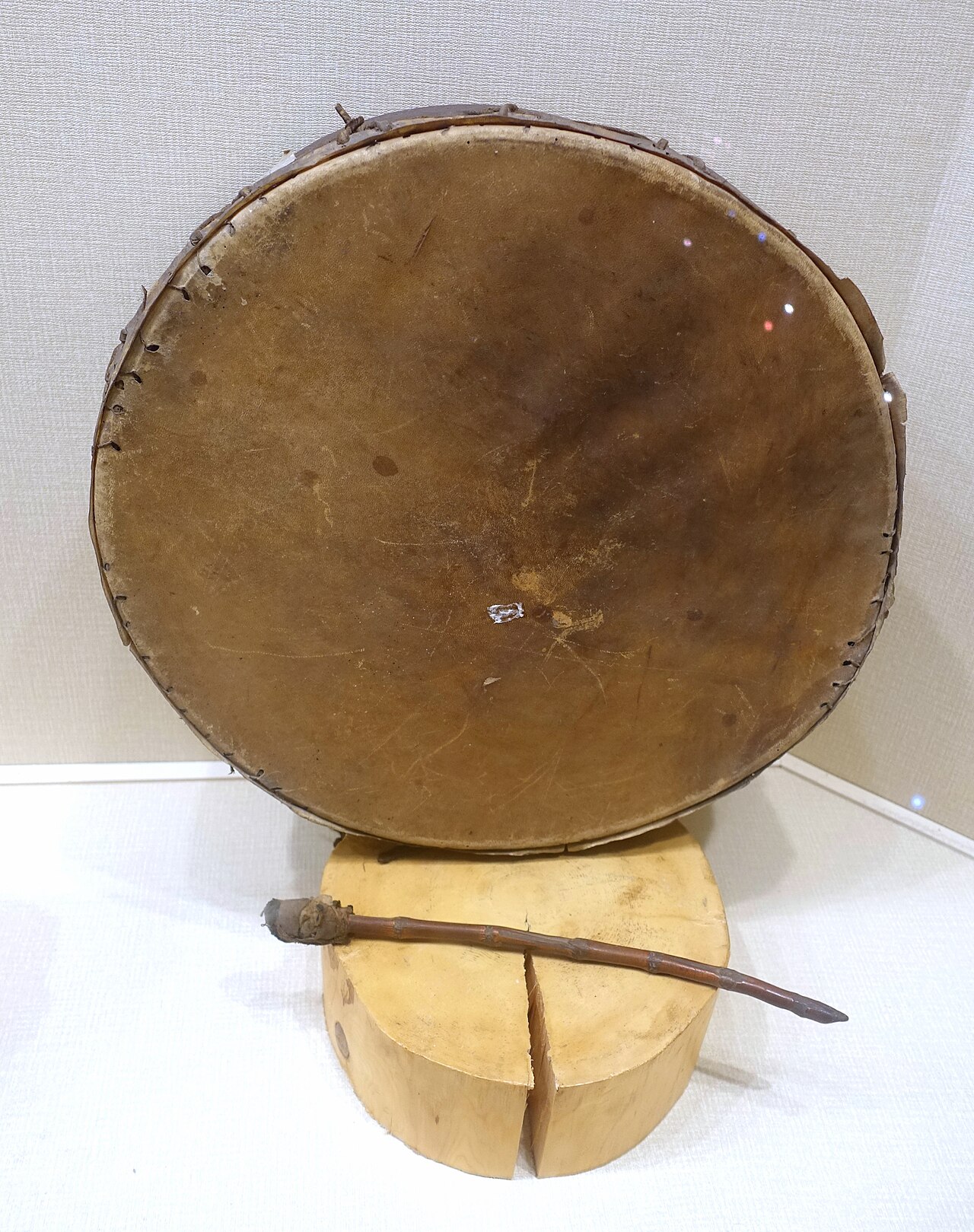
The traditions of the Jino are expressed above all in their festivals, their music, and their dance, and centre on the great drum that is the emblem of the community. The Jino are famous for their sun-drum dance, the taiyanggu, performed to the beat of the great two-headed drum, an ancient and sacred tradition connected to the community’s origin myths and to the propitiation of the spirits, and one of the most distinctive dances among the peoples of Yunnan.
A rich tradition of folk song, including the epics and myths recited by the elders and the songs of the tea, the forest, and the seasons, accompanies the festivals and daily life, and the community’s music, above all the drumming, is central to its culture. The distinctive dress of the Jino, above all the women’s costume with its characteristic pointed hood and its woven and embroidered garments, marks festive occasions. Through these traditions of drumming, dance, and song, above all the sacred sun-drum dance, the Jino express their culture and their bond with the forest and the ancestors.
Crafts

The crafts and material culture of the Jino reflect their forest and tea-growing life and are seen above all in their weaving, their distinctive dress, and the making of the great drum. The women of the Jino are skilled in weaving and in the making of the community’s traditional costume, above all the women’s garments with their characteristic white pointed hood and their bands of woven and embroidered decoration, dyed with the plants of the forest, which are among the most distinctive expressions of the culture.
The making of the great sun-drum, sacred to the community, is a craft of special importance, and the Jino also work in bamboo and cane, abundant in their forest home, making baskets, mats, containers, and the implements of daily life, and craft the crossbows and gear of the hunt and the tools of the swidden and the tea. The building of the forest houses and the objects of ritual and household life complete their material culture. These crafts, above all the weaving of the distinctive costume and the making of the sacred drum, reflect the artistry and forest heritage of the Jino people.
Food

Jino cuisine is a forest food culture of the tropical mountains, built on the rice and maize of the swiddens, the produce of the rainforest, and the tea for which the community is famous. Rice is the staple, accompanied by maize and the vegetables of the fields, and by a great variety of wild plants, shoots, mushrooms, herbs, and fruits gathered from the forest, of which the Jino have an intimate knowledge, along with the meat of hunted game and of pigs and poultry.
The cuisine makes much use of the fresh and pungent flavours of the tropical forest, with its wild herbs, sour and spicy preparations, and dishes of game, fish, insects, and forest produce, in the manner of the peoples of the Xishuangbanna mountains. Tea, above all the famous Pu’er tea of the Jinuo Mountain, is central to daily life and hospitality, drunk and also eaten in the manner of the region. This cuisine, rooted in the rice, forest produce, and tea of the tropical mountains, reflects the environment and traditions of the Jino people.
Festivals
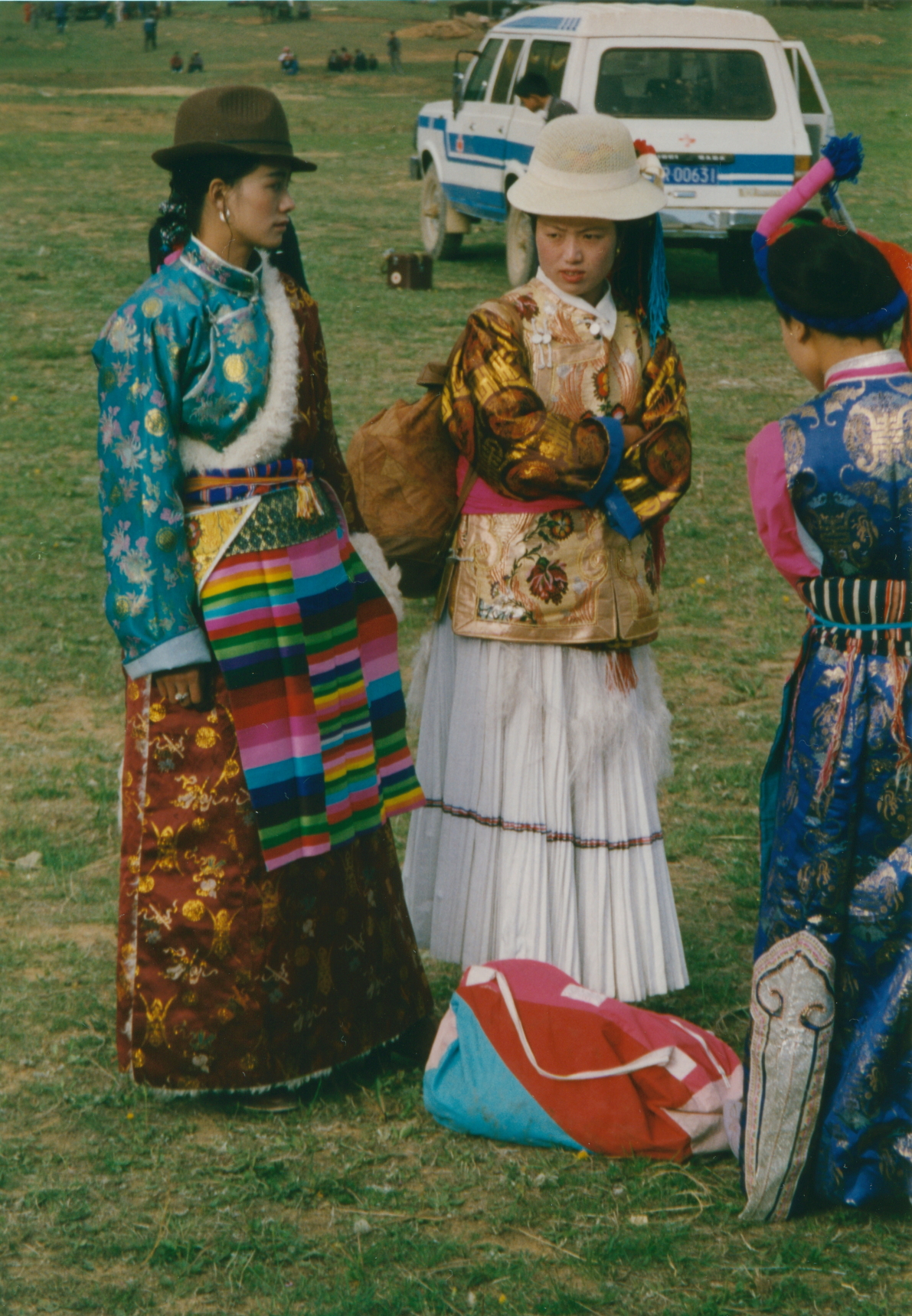
Festivals fill the Jino year, tied to the cycle of the swiddens and the tea and to the propitiation of the spirits and ancestors, and marked by ritual, feasting, and above all the drumming and dance for which the community is known. The greatest festival is Temaoke, the celebration often called the Jino New Year or the iron-forging festival, held early in the year, when the community gathers for days of feasting, singing, and the sacred sun-drum dance, and the elders lead the rituals marking the new agricultural year.
Other festivals mark the stages of the swidden cycle, the sowing and the harvest, and the propitiation of the forest and field spirits, each with its rituals, feasting, and dancing. The great drum, sacred to the community, is central to these celebrations, and the festivals are occasions of communal solidarity and the renewal of tradition. Through this calendar of festival, above all Temaoke with its sun-drum dance, the Jino express their agricultural heritage, their reverence for the ancestors and the drum, and their communal culture.
History

The history of the Jino is that of a small forest people who lived in near-isolation on their tea mountain until very recent times. Dwelling amid the rainforest of the Jinuo Mountain, the Jino long lived by swidden agriculture, tea-growing, hunting, and gathering, under the authority of their village elders and in loose relation to the Dai principalities of the Xishuangbanna valleys and, beyond, the Chinese empire, largely governing their own affairs and preserving their distinct way of life.
The great transformation came in the modern era. After the founding of the People’s Republic, the Jino, whose distinct identity had not before been formally acknowledged, were the subject of study, and in 1979 they were officially recognised as the fifty-fifth and last of China’s ethnic minorities, a landmark event in the community’s history that brought them into the framework of the modern Chinese state, with its programmes of development, education, and change. This entry, from a little-changed forest life into the modern world within living memory, and the distinction of being the last-recognised minority, is central to the Jino experience.
Today

Today the Jino are a small recognised minority of China, numbering only around twenty thousand, concentrated on the Jinuo Mountain and in the surrounding districts of Xishuangbanna, and are a people who have passed, within a few decades, from a near-isolated forest life into the modern Chinese world. The tea of the Jinuo Mountain, one of the famous Pu’er tea mountains, remains a mainstay of the community and, with the growth of the tea trade and of tourism, a source of new prosperity and attention.
Like other small minorities, the Jino face the challenges of rapid change: the pressures on the traditional language, the swidden way of life, and the forest environment, the pull of the Chinese-language world, and the balance between development and the preservation of their heritage. Yet the community retains a strong sense of its distinct identity, rooted in its language, its tea mountain, its sacred drum and sun-drum dance, and its distinctive costume, and the fame of its tea and the interest in its culture have brought new pride. Heirs to an ancient forest way of life and famous as the last of China’s recognised peoples, the Jino carry their distinctive heritage into the modern age.
Related Peoples of the Region
- The Forest Nomads of the Endless Taiga, the Story of the Evenki
- People of the Volga and the Golden Horde, the Story of the Tatars of Russia
- The Persians of the East, the Story of the Tajik People of Central Asia
- People of the Silk Road Cities, the Story of the Uzbeks of Central Asia
- People of the High Mountains, the Story of the Kyrgyz of the Tian Shan
- Free People of the Steppe, the Story of the Kazakhs of Central Asia
- The Hani, Masters of the Yunnan Rice Terraces
- The Tu (Monguor), a Frontier People of the Qinghai Highlands
More Peoples of the World
- A Fifth of Humanity, the Story of the Han Chinese
- How the Maori Sailed Across the Pacific to Reach New Zealand
- Zulu of the Green Hills and Their Kingdom Forged by Shaka
- The People Who Never Vanished, the Story of the Maya
- Long Before the Arabs Came, North Africa Belonged to the Amazigh
- The People Who Emerged Into This World, the Story of the Navajo
- Meet the Ainu, an Indigenous People at Japan’s Northern Edge
You May Like
The Zaza, a Mountain People of Eastern Anatolia