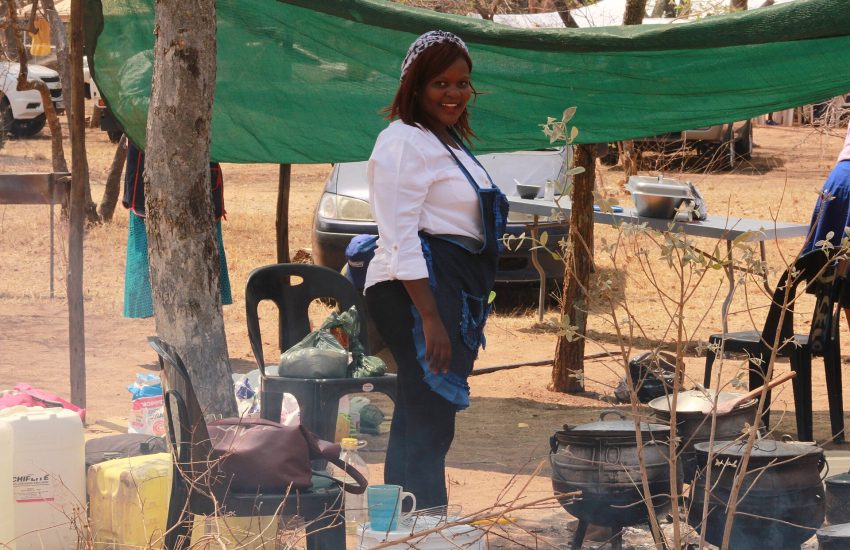
In the misty mountains of southern Yunnan, between the Red River and the Mekong, live the Hani, one of the fifty-five recognised ethnic minorities of China and the creators of one of the great agricultural landscapes of the world. Over more than a thousand years, this Tibeto-Burman people carved the spectacular Honghe rice terraces into the steep mountainsides, in a sustainable masterwork of forest, water, and field now honoured as a UNESCO World Heritage Site.
Master farmers of the terraces, keepers of migration epics and long-table feasts, dwellers in mushroom-roofed houses among their sacred groves, the Hani have built a whole culture around the rice fields that cascade down their mountains. This article traces their origins, language, homeland, society, religion, and traditions, and the story of the people who carved the mountains of Yunnan into terraces of water and light.
The Hani Terraces on Film
Contents
- Origins
- The Name
- The Language
- The Homeland
- The Old Way of Life
- Society and Community
- Religion and Belief
- Traditions
- Crafts
- Food
- Festivals
- History
- Today
Origins

The Hani are one of the fifty-five officially recognised ethnic minorities of China, a people of the mountains of southern Yunnan, concentrated above all in the Honghe and Xishuangbanna prefectures between the Red River and the Mekong. Numbering some millions, and famed above all as the creators of the spectacular Honghe rice terraces, one of the great agricultural landscapes of the world, they are a Tibeto-Burman people whose whole culture is bound to the mountains, the forests, and the terraced fields they have carved over more than a thousand years.
The Hani, together with the closely related Akha and other groups found across the borders in Laos, Myanmar, Thailand, and Vietnam, belong to the Loloish (Yi) branch of the Tibeto-Burman languages, and are believed to have migrated southward over the centuries from the north, from the direction of the Tibetan plateau and the upper Yangtze, into their present mountain home. There, on the steep slopes of the Ailao mountains, they developed the extraordinary system of terraced rice agriculture and the rich culture of festival, ritual, and craft for which they are known, and which has made their homeland a UNESCO World Heritage site.
The Name

The name Hani is the official Chinese designation for the people, who include a number of subgroups with their own names, and across the borders to the south the closely related people are widely known as the Akha. The Hani call themselves by names of their own in their various branches, and the great terraced landscape they created gives its name, Honghe or “Red River,” to their heartland prefecture.
As an identity, Hani denotes this Loloish-speaking people of the southern Yunnan mountains, distinct from the neighbouring Yi, Dai, and other peoples of the region, and united by a common language, a shared culture of terraced rice agriculture, and a rich body of tradition. The Hani are conscious of their identity as the people of the terraces, the master farmers of the steep Yunnan slopes, and this identity, rooted in descent, language, and above all their extraordinary agricultural achievement, binds the community together.
The Language
The Hani language belongs to the Loloish, or Yi, branch of the Tibeto-Burman family, closely related to the languages of the Yi, the Lahu, and the Lisu, and to the Akha spoken by their kin across the southern borders. Spoken in a number of dialects across the various Hani subgroups, it is the everyday tongue of the community, while Mandarin Chinese serves as the language of education, administration, and wider communication.
Traditionally an unwritten language preserved in a rich oral tradition of song, myth, and ritual chant, Hani has in modern times been given written forms using the Latin script, developed in China and among the Akha across the borders. The community possesses a great treasury of oral literature, including the migration legends recounting the Hani’s journey to their mountain home, the ritual texts of the priests, and the songs of the terraces and the seasons. This oral heritage, and the language that carries it, are central to Hani identity and to the transmission of the community’s culture and knowledge.
The Homeland

The homeland of the Hani is the mountainous country of southern Yunnan, above all the Ailao and neighbouring ranges between the Red River and the Mekong, a land of steep forested slopes, deep valleys, and high ridges, warm and wet, cloaked in cloud and mist. It is here, on these precipitous mountainsides, that the Hani carved the terraced fields that are their glory, above all in the Honghe prefecture around Yuanyang, where the terraces cascade down the slopes in their thousands.
This mountain environment shaped the whole Hani way of life, for the steep terrain, unsuited to flat-field agriculture, called forth the extraordinary system of terracing, in which the Hani channelled the abundant water from the forested heights down through the villages to the flooded terraces below, in a sustainable system integrating forest, village, and field perfected over centuries. The village, set on the mid-slopes between the forest above and the terraces below, and surrounded by its sacred groves, is the heart of the Hani world. This landscape of mountain, forest, and terrace is the ancestral homeland of the Hani, and their supreme cultural creation.
The Old Way of Life

The traditional life of the Hani is bound wholly to the cultivation of the terraced rice fields, the supreme achievement of the community and the foundation of its economy, its society, and its culture. Over more than a thousand years the Hani carved the terraces into the steep mountainsides, developing a sophisticated and sustainable system in which the forests of the heights capture and store water, which is led down through channels to the villages and then to the flooded terraces, watering the rice and returning, in an integrated cycle of forest, village, and field.
Rice, grown in the terraces, is the staple and the centre of Hani life, and the agricultural year, governed by the water and the seasons, sets the rhythm of the community, with its round of ploughing, transplanting, and harvest, and its many rituals to ensure the fertility of the fields. The Hani also raise buffalo, essential for the terraces, and pigs and poultry, cultivate the forest and its produce, and fish in the terraces. This life of terraced rice agriculture, ingeniously adapted to the steep mountains and integrating forest, village, and field, is the very heart of traditional Hani society.
Society and Community
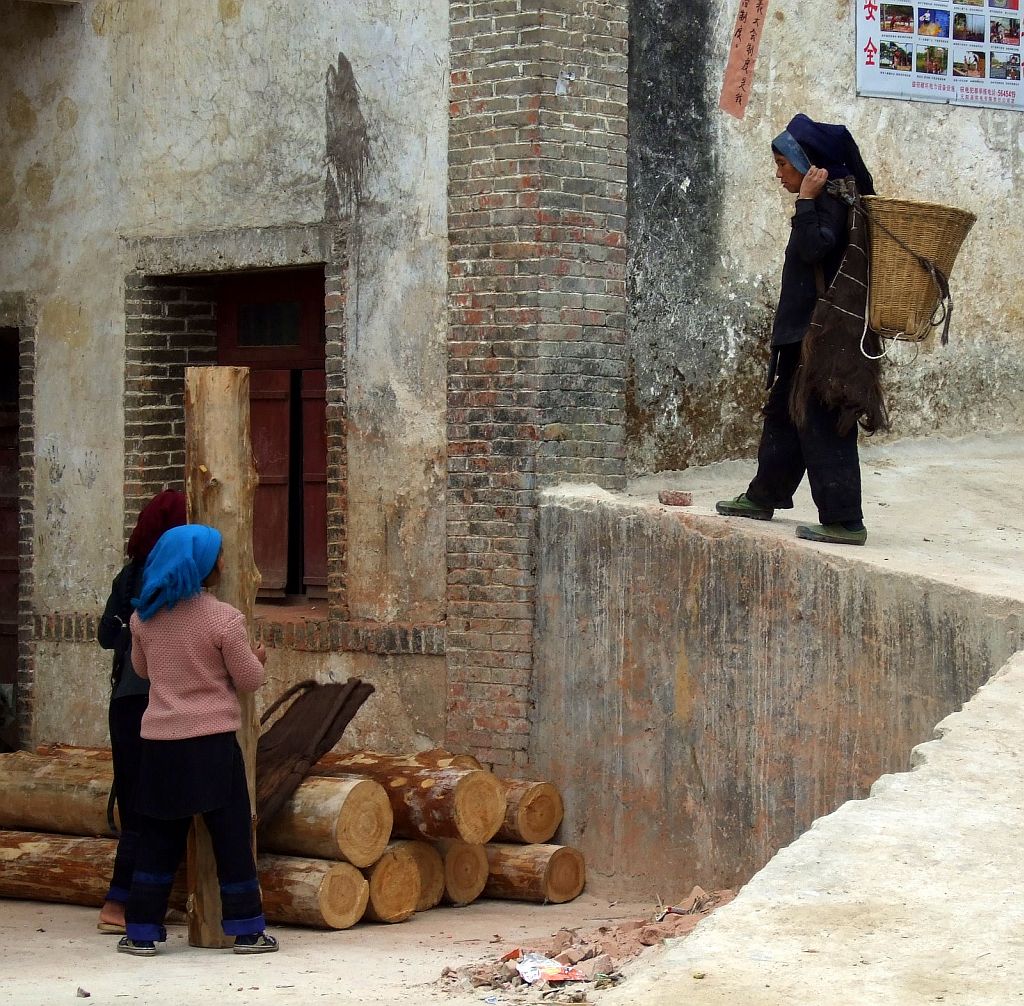
Hani society is organised around the village, the clan, and the family, and is bound together by kinship, by the shared labour of the terraces, and by the rituals of the agricultural cycle. The village, set on the mountain slope between the forest and the terraces, is the fundamental community, and its affairs, above all the management of the water and the coordination of the agricultural round, were traditionally governed by village elders and by ritual specialists.
Central to Hani society are the religious leaders and the systems of clan and lineage that order marriage and identity, and the community is marked by strong traditions of cooperation, essential to the maintenance of the terraces and the water system on which all depend. The genealogical recitation, in which the Hani trace their descent through long lines of ancestors, is a distinctive feature of the culture. Women play an important role in the agricultural and domestic economy. Bound by village, clan, and the shared labour and ritual of the terraces, Hani society preserves the cohesive and cooperative character of a mountain farming people.
Religion and Belief
The traditional religion of the Hani is an animist and ancestor-venerating faith centred on the spirits of nature, the village, and the ancestors, and bound intimately to the agricultural cycle and the sustaining landscape of forest, water, and terrace. The Hani revere the spirits of the forests, above all the sacred groves preserved above each village as the abode of the deities and the source of the precious water, and the propitiation of these spirits, along with the veneration of the ancestors, is central to religious life.
Religious life is led by priests and ritual specialists, the beima and others, who conduct the ceremonies of the agricultural year, recite the ritual and genealogical texts, and mediate between the community and the spirit world, and the year is filled with rituals to ensure the fertility of the fields, the flow of the water, and the well-being of the village. The sacred grove, the village gate, and the terraces themselves are woven into this sacred geography. This animist and ancestral religion, bound to the forest, the water, and the terraces, lies at the heart of Hani culture and of the sustainable landscape they created.
Traditions

The traditions of the Hani are expressed in their festivals, their music, their song, and above all in the great collective rituals of the terraced landscape and the agricultural year. The Hani possess a rich tradition of song, including the migration epics that recount the people’s journey to their mountain home, the ritual chants of the priests, and the folk songs of the terraces, love, and the seasons, sung at festivals and in daily life.
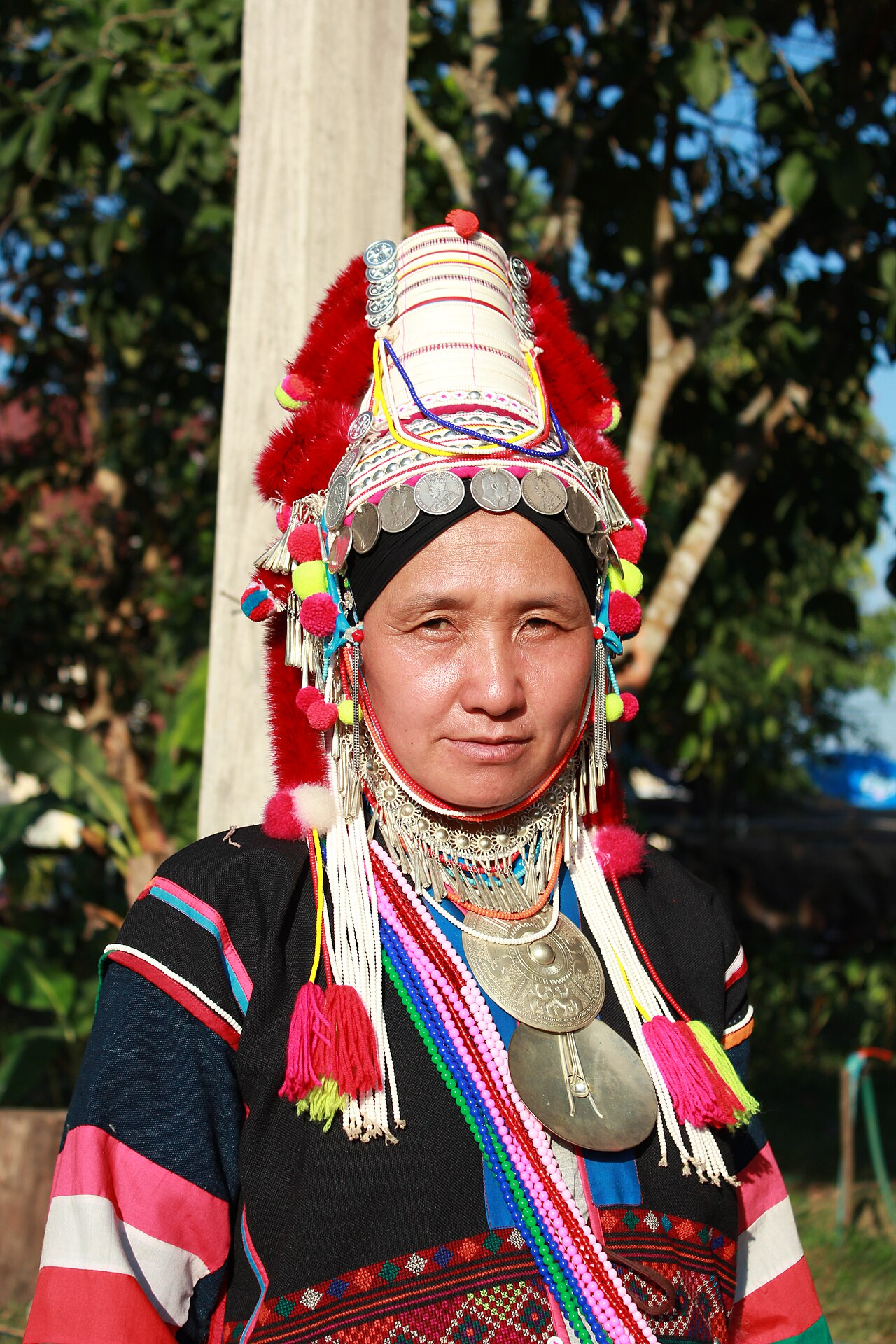
The great festivals, tied to the cycle of the rice and the propitiation of the spirits, are the high points of Hani tradition, marked by feasting, dancing, and ritual, and above all by the famous long-table banquets, in which the whole village gathers to share a communal feast set out on tables joined the length of the village street. The distinctive dress and elaborate silver ornaments of the women, above all their headdresses, mark festive occasions. Through these traditions of song, festival, communal feast, and ritual, the Hani express their culture and their profound bond with the terraced landscape they created.
Crafts

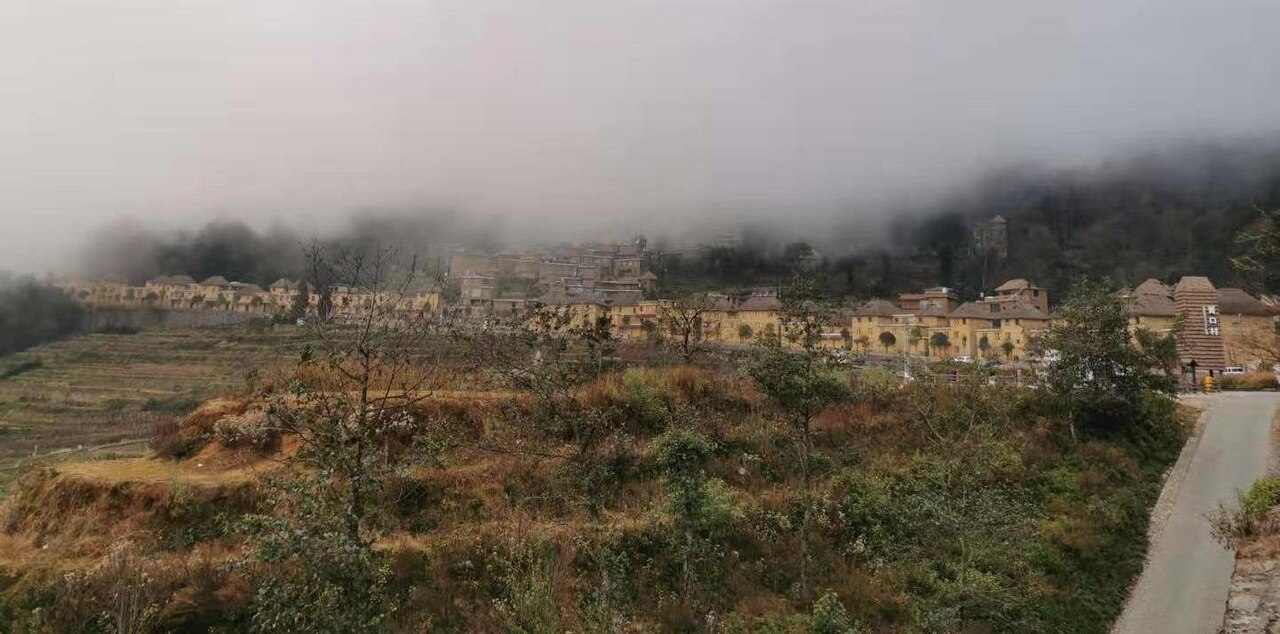
The crafts and material culture of the Hani reflect their mountain and terrace life, and are seen above all in their distinctive architecture, their textiles, and their silverwork. The traditional Hani village is famous for its “mushroom houses,” dwellings with thick earthen walls and high, rounded thatched roofs resembling mushrooms, ingeniously suited to the mountain climate, which cluster on the slopes between the forest and the terraces and are among the most distinctive expressions of Hani culture.
The Hani are also skilled in weaving and in the making of their traditional dress, above all the elaborate costumes and the profusion of silver ornaments, headdresses, and jewellery worn by the women, which are among the treasures of the culture and vary richly among the subgroups. The making of the tools of terraced agriculture, work in bamboo and wood, and the crafts of a mountain farming community complete their material culture. These crafts, above all the mushroom houses and the silver-adorned costumes, reflect the artistry and the mountain heritage of the Hani people.
Food
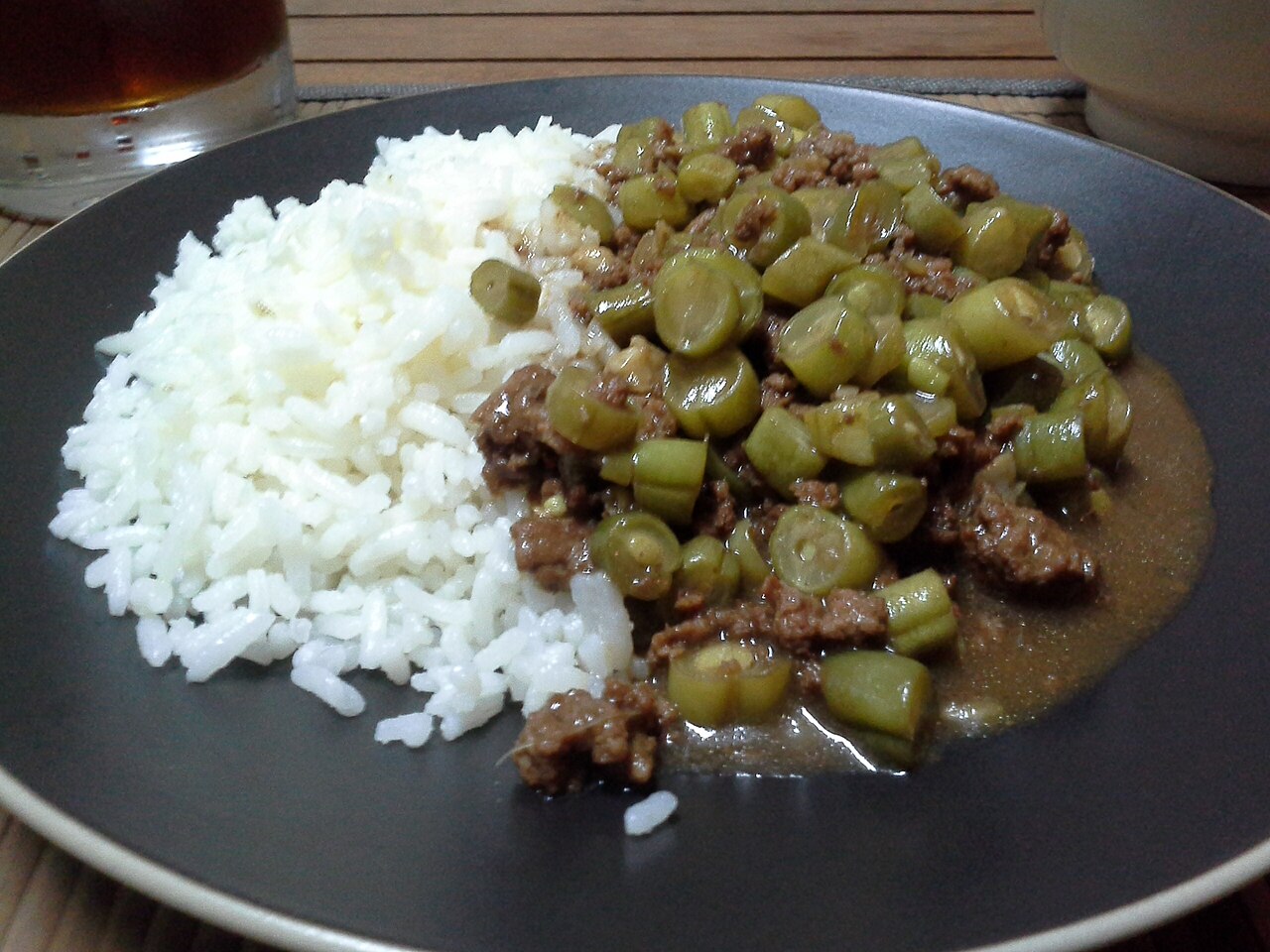
Hani cuisine is a mountain food culture built above all on the red rice of the terraces, the staple and the pride of the community, along with the produce of the forests, gardens, and the terraces themselves. Rice is the centre of every meal, accompanied by vegetables, wild greens and herbs gathered from the forest, and the meat of pigs, poultry, and buffalo, along with fish and other creatures raised in the flooded terraces.
The terraces yield not only rice but fish, snails, and other foods, and the forests contribute a wealth of wild vegetables, mushrooms, and herbs known to the community, giving the cuisine a strong flavour of the mountains. The great long-table banquets, at which the whole village shares an array of dishes, are the supreme expression of Hani food culture, occasions of feasting and community. This cuisine, rooted in the red rice of the terraces and the produce of the mountains, reflects the environment and the agricultural achievement of the Hani people.
Festivals

Festivals fill the Hani year, tied closely to the cycle of the terraced rice and the propitiation of the spirits, and marked by ritual, feasting, song, and the famous communal banquets. Among the most important is the festival often called Kuzhazha or the June festival, a great summer celebration of feasting, swinging, and merrymaking held to pray for good harvests and to honour the ancestors and spirits, one of the high points of the Hani year.
Another great festival is the Hani New Year, held in the tenth lunar month after the harvest, a time of thanksgiving, feasting, and the long-table banquets for which the community is famous, when the villages celebrate the gathering of the rice and honour their ancestors. Other festivals mark the sowing, the flow of the water, and the stages of the agricultural year, each with its rituals and celebrations. Through this calendar of festival, tied to the rice and the spirits and crowned by the communal long-table feasts, the Hani express their agricultural heritage and their bond with the terraced landscape.
History
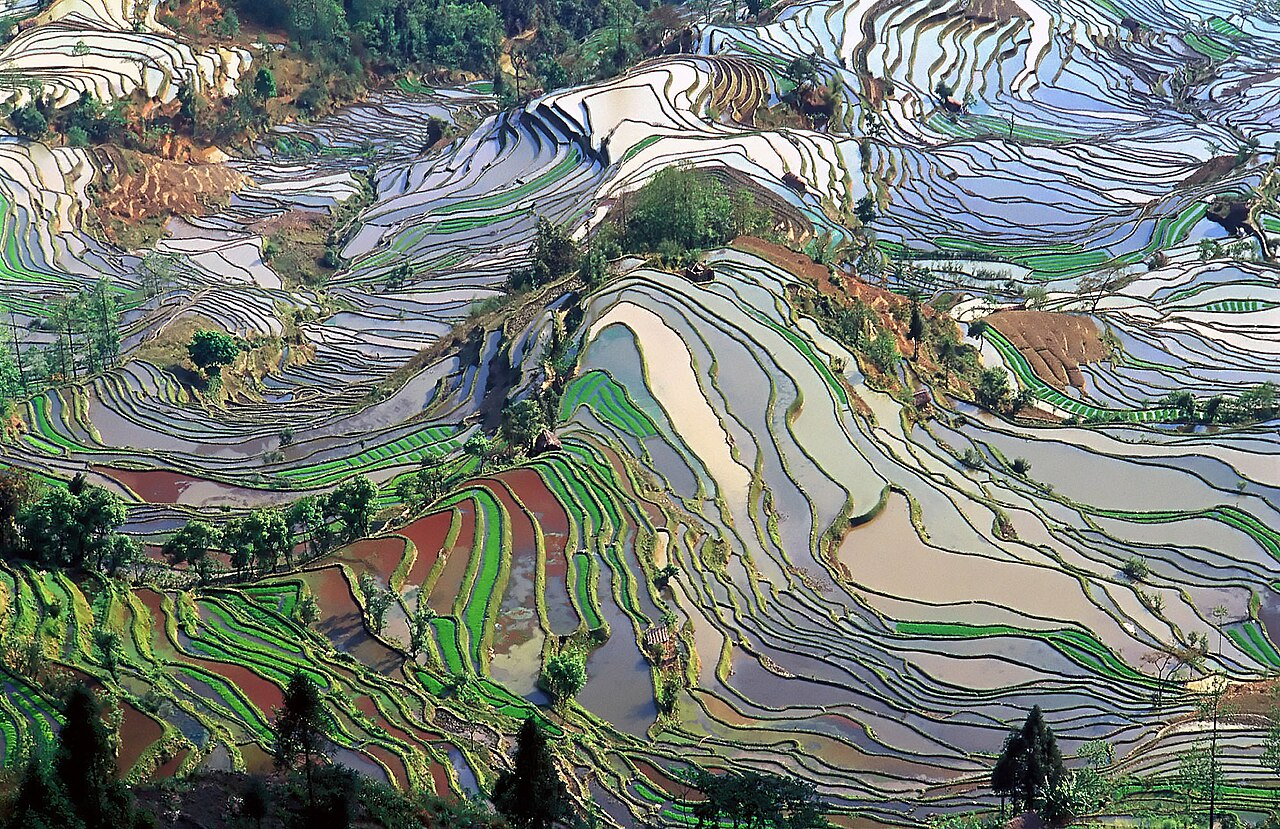
The history of the Hani is one of long migration and of the extraordinary creation of the terraced landscape. The Hani are believed to have migrated southward over many centuries from the north, from the region of the upper Yangtze and the eastern edge of the Tibetan plateau, moving gradually into the mountains of southern Yunnan, a journey preserved in the migration epics that are central to their oral tradition. Settling in the Ailao mountains, they began, more than a thousand years ago, the patient work of terracing the steep slopes.
Over the centuries the Hani perfected their system of terraced agriculture, integrating forest, water, village, and field into a sustainable landscape of remarkable beauty and ingenuity, while living under the loose authority of the Chinese empire and the local Dai and other lords, and largely governing their own villages by custom. In the modern era, under the People’s Republic, the Hani were recognised as one of China’s official ethnic minorities, and in 2013 their great terraced landscape at Honghe was inscribed as a UNESCO World Heritage Site, bringing world recognition to their achievement. This history, of migration and the millennial creation of the terraces, is central to Hani identity.
Today

Today the Hani are a recognised ethnic minority of China, numbering some millions in the mountains of southern Yunnan, and are famous throughout China and the world for the spectacular terraced landscape their ancestors created, now a UNESCO World Heritage Site and a major destination for visitors drawn by the beauty of the terraces, above all at Yuanyang, where the flooded fields mirror the sky in a shifting play of light and colour.
The Hani face the challenges of the modern era, including the pull of migration to the cities, the pressures of tourism and modernisation on the traditional way of life, and the difficulty of maintaining the labour-intensive terraces and their intricate water system in a changing world. Yet the community retains a strong sense of its identity, rooted in the terraces, the villages and their mushroom houses, the festivals and long-table feasts, and the profound agricultural knowledge passed down through generations, and the recognition of their landscape as a world heritage has brought new pride and support. Heirs to one of the great agricultural achievements of humankind, the Hani people carry their distinctive mountain heritage into the modern age.
Related Peoples of the Region
- The Giants China Overlooks, the Story of the Zhuang People
- A Civilization of the Silk Road Oases, the Story of the Uyghurs
- The Forest Nomads of the Endless Taiga, the Story of the Evenki
- People of the Volga and the Golden Horde, the Story of the Tatars of Russia
- The Persians of the East, the Story of the Tajik People of Central Asia
- People of the Silk Road Cities, the Story of the Uzbeks of Central Asia
- People of the High Mountains, the Story of the Kyrgyz of the Tian Shan
- Free People of the Steppe, the Story of the Kazakhs of Central Asia
More Peoples of the World
- A Fifth of Humanity, the Story of the Han Chinese
- How the Maori Sailed Across the Pacific to Reach New Zealand
- Zulu of the Green Hills and Their Kingdom Forged by Shaka
- The People Who Never Vanished, the Story of the Maya
- Long Before the Arabs Came, North Africa Belonged to the Amazigh
- The People Who Emerged Into This World, the Story of the Navajo
- Meet the Ainu, an Indigenous People at Japan’s Northern Edge
You May Like
The Damara, an Ancient People of Namibia