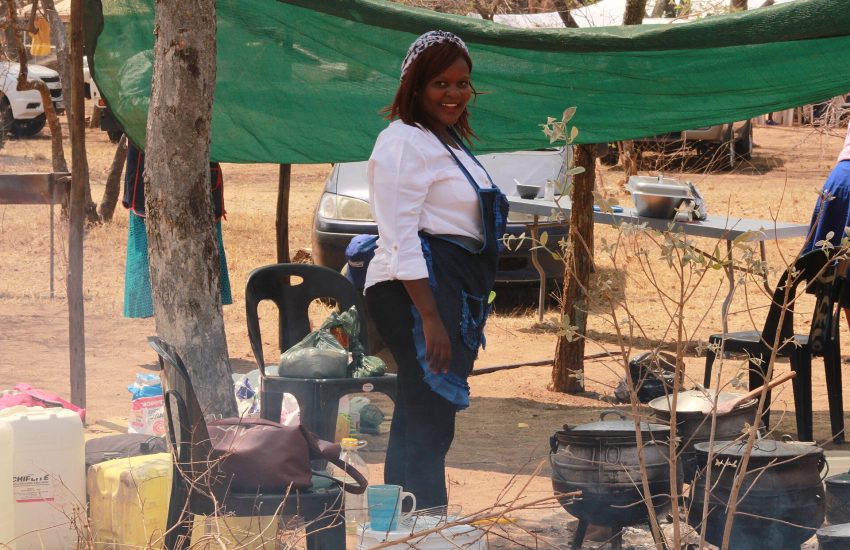
In the forested hills of the Kolhan region of Jharkhand live the Ho, one of the great tribal communities of eastern India and among its most ancient peoples. Speakers of the Austroasiatic Ho language, cultivators and once-famed iron-workers, and heirs to a fierce tradition of independence and resistance, they are a Munda people, closely kin to the Munda and Santhal, yet possessing a strong and distinct identity of their own.
From the sacred groves of their Sarna religion and the great festival of Mage Parab to the manki-munda councils that governed the Kolhan and the Warang Chiti script created for their tongue, the Ho carry a distinctive and cohesive Adivasi culture. This article traces their origins, language, homeland, society, religion, and traditions, and the story of a proud and independent people of the eastern plateau.
The Ho on Film
Contents
- Origins
- The Name
- The Language
- The Homeland
- The Old Way of Life
- Society and Community
- Religion and Belief
- Traditions
- Crafts
- Food
- Festivals
- History
- Today
Origins

The Ho are an Adivasi people of eastern India, one of the major tribal communities of the Chota Nagpur plateau, concentrated above all in the Kolhan region of the West Singhbhum district of Jharkhand, with populations in the neighbouring parts of Odisha and West Bengal. Speakers of the Ho language and heirs to an ancient culture of village, forest, and clan, they are one of the Munda-speaking peoples, closely related to the Munda and Santhal, yet possessing a strong and distinct identity of their own.
The Ho are of Austroasiatic stock, part of the ancient Munda-speaking population believed to be among the earliest inhabitants of eastern India, and their traditions and language link them closely to the other Munda peoples of the region. Settled as cultivators and forest-dwellers in the hills and valleys of the Kolhan, they developed a distinctive society built on the village and the clan, a rich tradition of song and festival, and a fierce attachment to their land and independence, which marked their history in the colonial period. Renowned for their strong identity and their martial resistance, the Ho occupy a proud place among the Adivasi peoples of India.
The Name
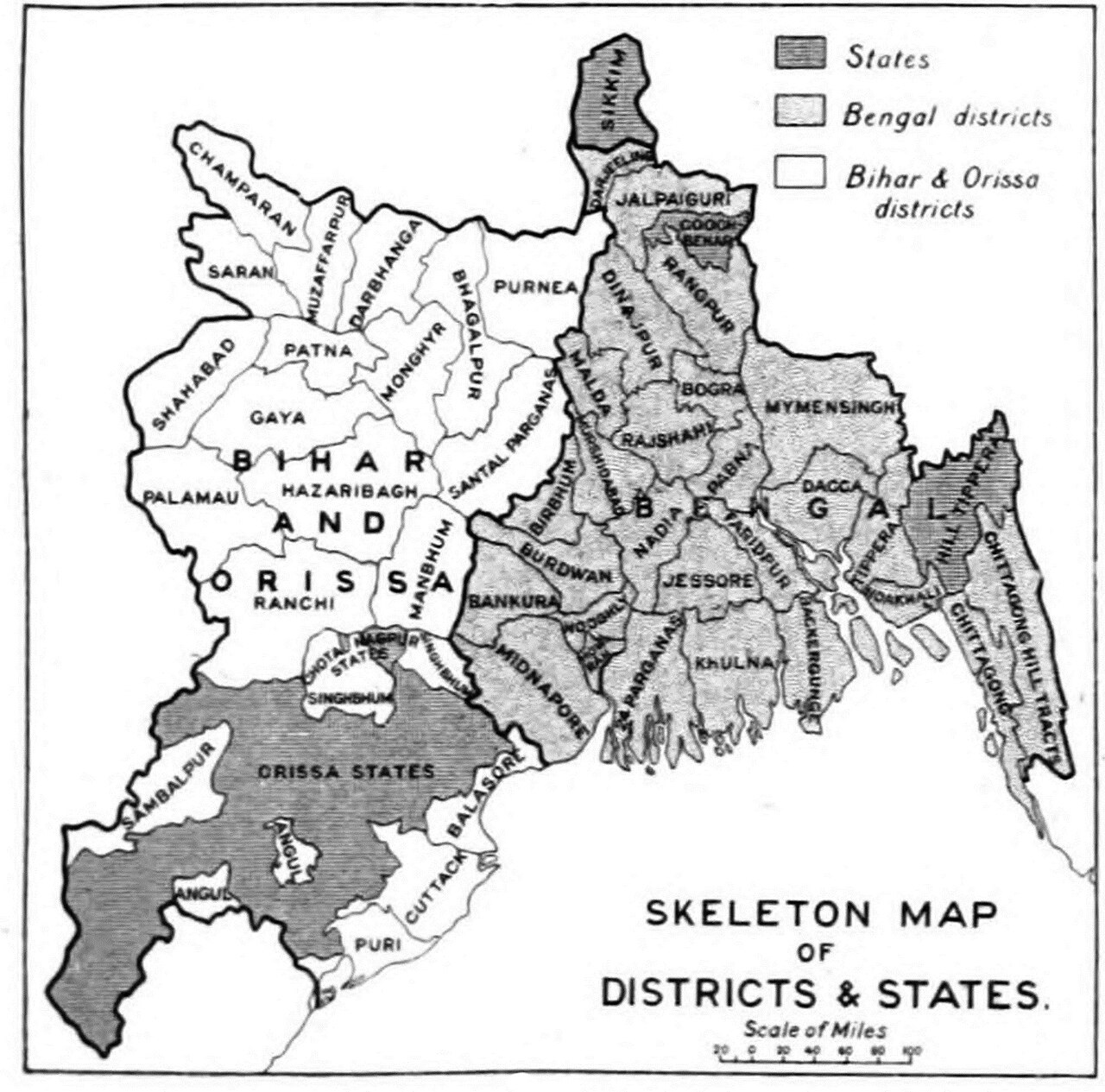
The people call themselves Ho, which in their own language means simply “human being” or “man,” a self-designation shared in various forms by several of the Munda peoples, and their language too is called Ho. They are also known, from the region they inhabit, as the people of the Kolhan, and were sometimes referred to in the colonial period as Larka Kol or Kol, though these terms are now generally avoided.
As an identity, Ho denotes this Munda-speaking Adivasi people of the Kolhan and the surrounding country, distinct from but closely related to the neighbouring Munda, Santhal, and other Munda peoples, with whom they share a common linguistic and cultural heritage, and from the Hindu castes among whom they live. The Ho are intensely conscious of their distinct identity, their language, and their history of resistance, and this identity, rooted in descent, in the Ho tongue, and in a proud tradition, binds the community together.
The Language
The Ho language is an Austroasiatic language of the Munda branch, closely related to Mundari and Santali and to the other Munda tongues, and quite distinct from the Indo-Aryan and Dravidian languages that surround it. Spoken by well over a million people, above all in the Kolhan region, it is one of the significant tribal languages of eastern India and possesses a rich oral tradition of song, myth, and legend central to the community’s cultural life.
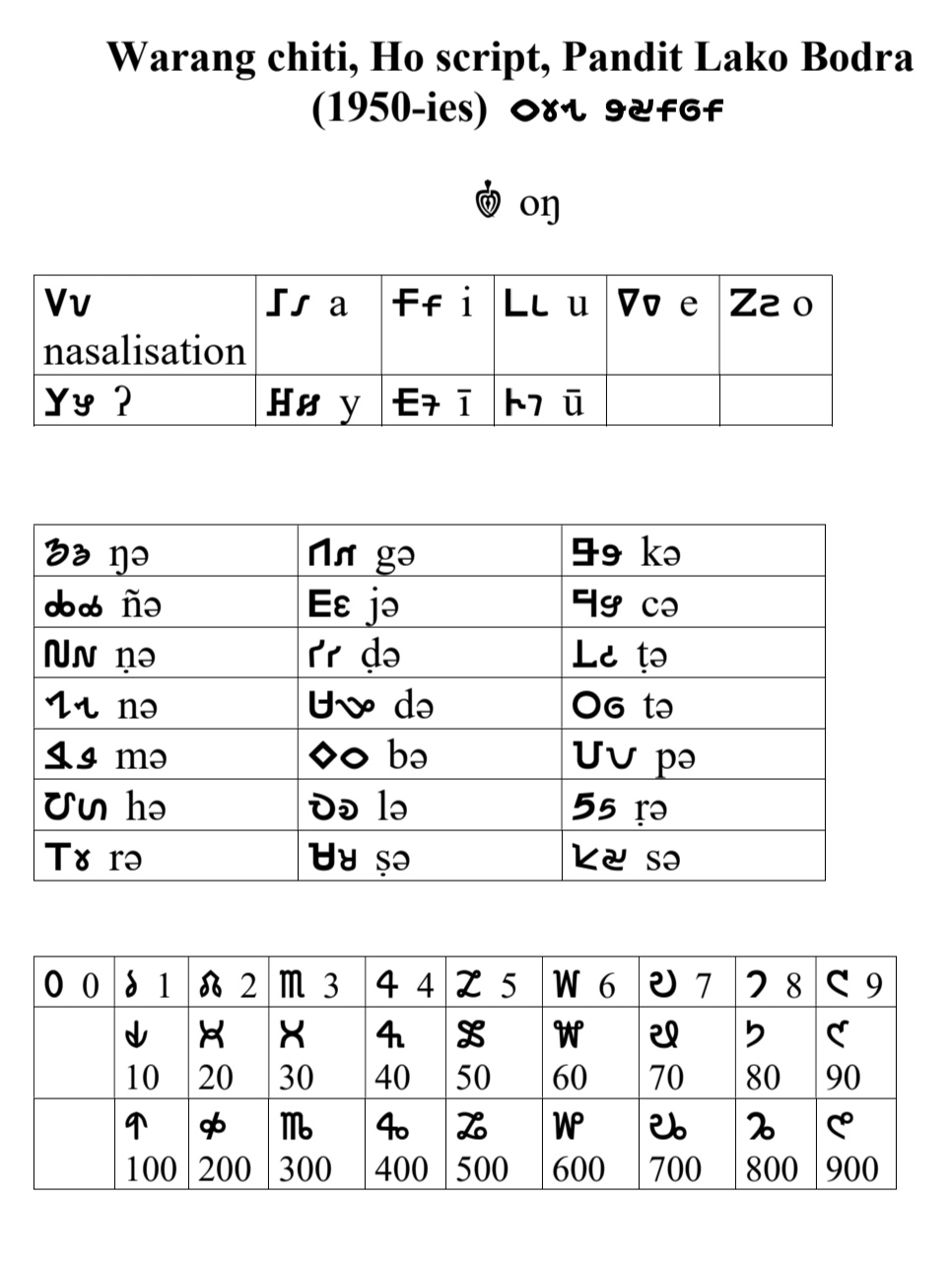
A remarkable achievement of the Ho is the creation of their own script, the Warang Chiti, devised in the twentieth century, which is used to write the Ho language and has become a proud marker of the community’s identity, part of a wider movement to preserve and promote the language and culture. The community’s oral literature, including its origin myths and the songs of its festivals, is a treasury of Ho heritage. The Ho language, with its own script and its wealth of oral tradition, remains a central marker of the community’s distinct identity and of its ancient roots in the plateau.
The Homeland

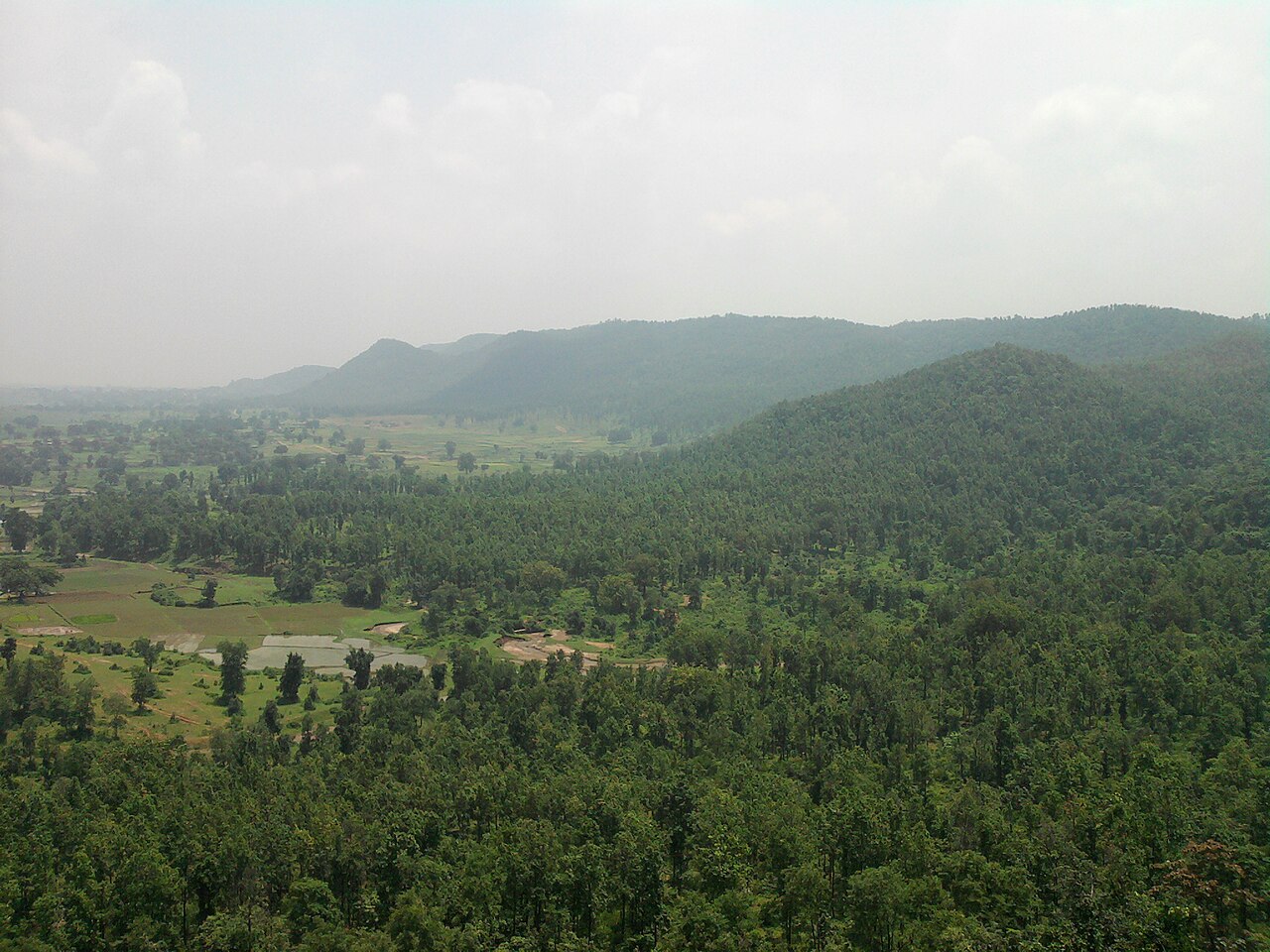
The homeland of the Ho is the Kolhan region of the Chota Nagpur plateau, above all the West Singhbhum district of Jharkhand, a country of forested hills, plateaus, and river valleys, of sal forests and red earth, rich in minerals, above all iron ore. It is a land long inhabited by the Ho and other Adivasi peoples, who cleared and cultivated the forest for their villages and fields amid the hills and woods.
This environment of forest and cultivable land shaped the Ho way of life, combining agriculture with the use of the forest, and the sal tree and the sacred groves hold a central place in Ho belief. The region’s great wealth of iron ore, worked by the Ho in earlier times and, in the modern era, the basis of a major mining and steel industry, has brought both development and immense pressure on tribal land, a central theme of Ho history. Yet the plateau country of the Kolhan, with its villages, sacred groves, and fields, remains the enduring homeland of the Ho people, the setting of their culture and traditional life.
The Old Way of Life
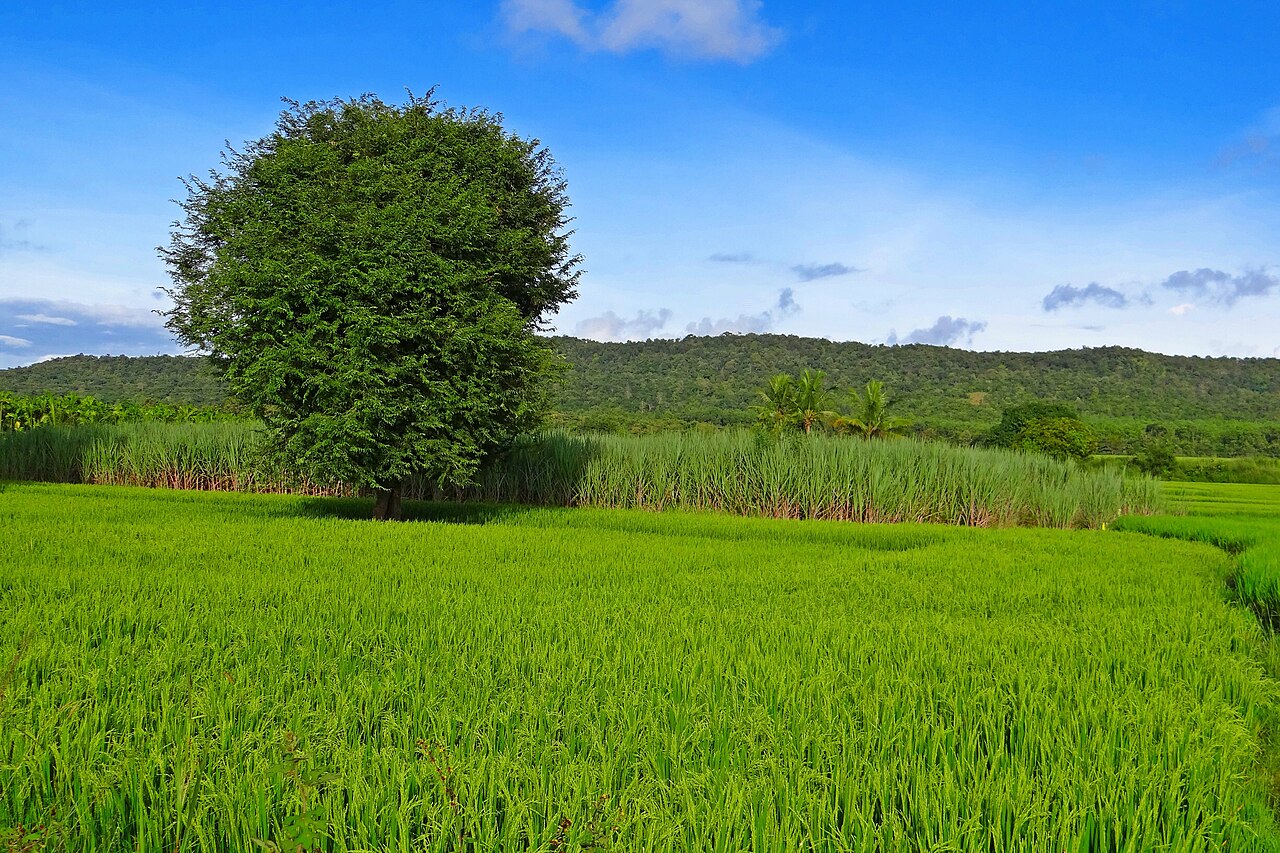
The traditional life of the Ho is that of the settled cultivator, combined with the use of the forest, and is bound up with a strong village community and clan structure. The Ho are above all farmers, growing rice as their staple along with millets, pulses, and vegetables on land cleared and cultivated over generations, their year governed by the agricultural seasons, and they supplement cultivation with the produce of the forest, hunting, and the keeping of livestock.
The Ho were also, in earlier times, skilled workers of iron, smelting and forging the abundant ore of their hills, a craft that gave them their tools and weapons and a place in the economy of the region. Village life, organised around the clan and led by traditional headmen, centred on farming, the communal hunt, and the festivals of the year, with the village dancing-ground, the akhara, at its heart. This settled agriculture, combined with the working of iron, the use of the forest, and the solidary village, formed the traditional basis of Ho society.
Society and Community

Ho society is organised around the clan, the village, and the family, and is famous for the strength of its village communities and its fierce attachment to clan and land. Society is divided into a number of exogamous clans, the kili, which regulate marriage and identity, membership traced through the male line, each associated with particular villages and lands. The village, governed by traditional headmen, the munda and the manki (a leader over several villages), and bound by clan ties and cooperation, is the basic community.
Ho society is relatively egalitarian, without the caste hierarchy of Hindu society, and marked by strong traditions of communal solidarity, cooperation, and a proud independence. The traditional system of village and inter-village leadership, the manki-munda system, governed the affairs of the Kolhan and was, remarkably, given a degree of recognition even under British rule. Women play an important role in economic and social life. Bound by clan, village, and a strong sense of Adivasi identity and independence, Ho society preserves the cohesive and self-reliant character of an ancient tribal people.
Religion and Belief

The traditional religion of the Ho is Sarnaism, an indigenous faith centred on the worship of a supreme deity, Sing Bonga, the sun-god and creator, and a host of spirits and deities, the bongas, associated with nature, the village, and the ancestors. Central to this religion is the sacred grove, the sarna, a patch of forest preserved as the abode of the deities, where the village priest, the deuri, conducts the communal rituals and sacrifices, above all those tied to the agricultural cycle and the well-being of the village.
Worship is closely bound to the fertility of the fields, the seasons, and the propitiation of the bongas, and the ancestors are venerated. While the great majority of Ho follow the Sarna religion, some have adopted Christianity through missionary activity, and the demand for the official recognition of the Sarna religion has been an important cause, shared with the other Adivasi peoples of the region. This nature-and-ancestor religion, with its sacred groves, its Sing Bonga, and its bongas, remains at the heart of Ho culture and identity.
Traditions
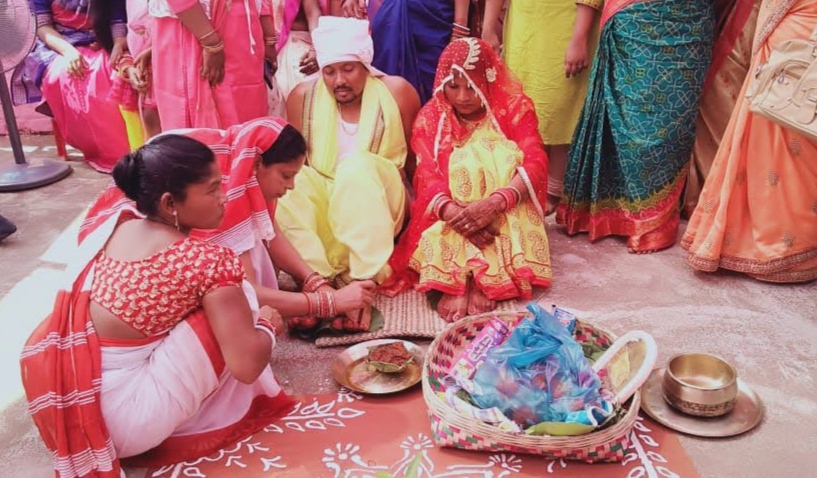
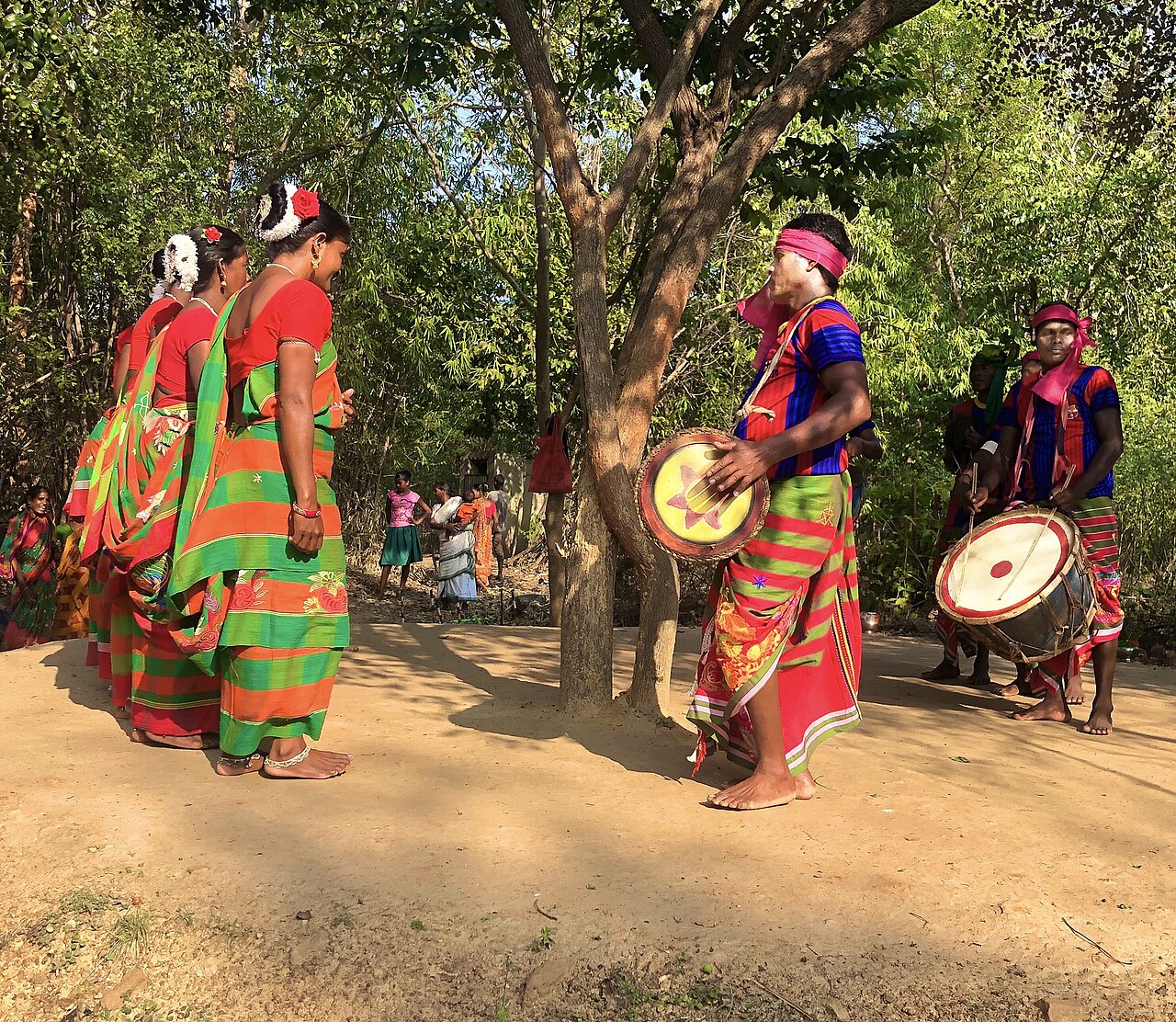
The traditions of the Ho are expressed above all in their music and dance, which are central to community life and the great festivals. The Ho gather at the akhara, the village dancing-ground, to dance in lines and circles, especially at the seasonal festivals, moving to the beat of drums such as the dumeng and the sound of other instruments, in communal celebrations that are among the most cherished expressions of their culture.
A rich body of song accompanies the dances and the seasons, and a treasury of oral literature, myth, and legend, including the stories of Sing Bonga and the origins of the people, is preserved and recited. The customs surrounding the clan, marriage, and the life-cycle, with the distinctive Ho wedding rituals, and the celebration of the seasonal festivals enrich community life. Traditional dress and ornament, above all the dress of the women, mark festive occasions. Through these traditions of communal music and dance, and the rituals of the village and the clan, the Ho people express their vibrant and cohesive culture.
Crafts
The material culture and crafts of the Ho reflect their agricultural, forest, and, historically, iron-working life. The Ho were once renowned as workers of iron, smelting the ore of their hills and forging tools, implements, and weapons, a craft of great importance in earlier times, though largely displaced in the modern era by industrial production. The making of agricultural implements and the tools of daily life was tied to this metal-working skill.
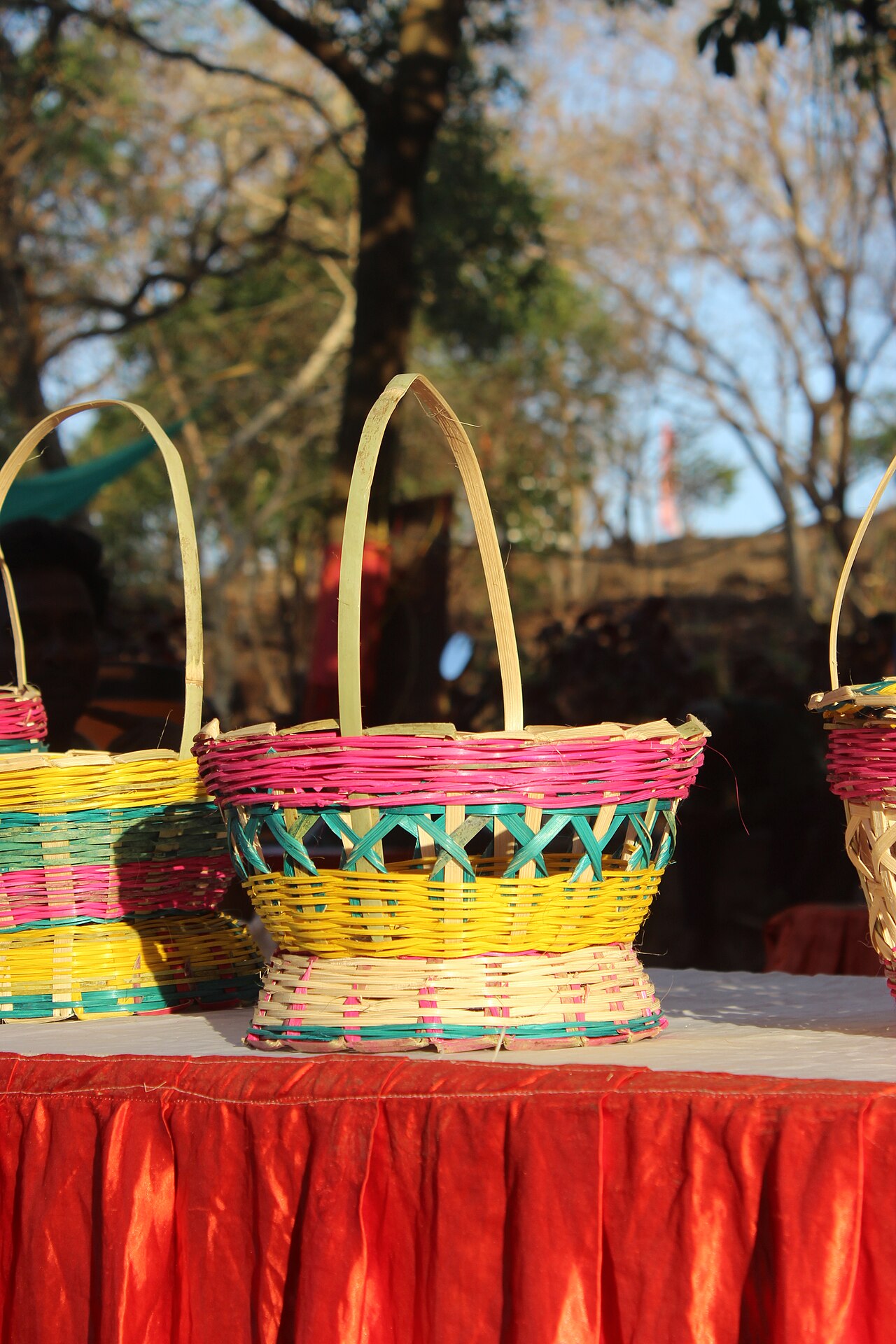
The Ho also work in bamboo and cane, making baskets, mats, and household implements, weave cloth, make ornaments, and craft the drums and musical instruments so central to their dances, and the objects of their festivals and rituals. The building and adorning of the village houses, and the making of the everyday goods of a farming and forest community, complete their material culture. These crafts, rooted in the materials of forest and field and including the ancient tradition of iron-working, reflect the practical skills and the heritage of the Ho people.
Food

Ho cuisine is a simple, rice-based food culture of the Chota Nagpur plateau, making use of the produce of field and forest and reflecting a tribal way of life. Rice is the staple of every meal, accompanied by pulses, vegetables, leafy greens, and a variety of forest produce, along with fish and meat, generally prepared in a plain and wholesome style.
The forest contributes greens, tubers, mushrooms, and other wild foods well known to the community, and the flowers and fruit of the mahua tree are important, both as food and for liquor. Handia, or diang, a traditional rice beer brewed in the household, has an important place in Ho social, festive, and ritual life, offered to guests and to the deities alike. Dishes of rice, forest greens, and locally raised or hunted meat and fish make up the table. This cuisine, rooted in the produce of field and forest, reflects the environment and traditions of the Ho people.
Festivals
Festivals fill the Ho year, tied closely to the agricultural cycle and the Sarna religion, and celebrated with the music and dance for which the community is known. Among the most important is Mage Parab (or Maghe), a great festival held in the cold season after the harvest, a time of thanksgiving, feasting, and days of dancing at the akhara, marking a period of rest and celebration and among the most cherished occasions of the Ho year.
Other important festivals include Baa Parab (or Baha), the flower festival held in spring to welcome the blossoming of the sal trees, marked by rituals at the sacred grove and by dancing, and the festivals tied to the sowing and harvest and to the worship of the village deities and the ancestors. Each is marked by ritual, feasting, the brewing of rice beer, and above all by music and dance. Through this calendar of festival, above all Mage Parab and Baa Parab, with their worship, feasting, and dancing at the akhara, the Ho people express their agricultural heritage and their traditional faith.
History
The history of the Ho is marked above all by their fierce resistance to outside domination and their tenacious defence of their land and independence. Long settled as cultivators and iron-workers in the Kolhan, the Ho lived under their own manki-munda system of village and inter-village leadership, largely independent and jealous of their autonomy, in the forested hills of Singhbhum. Their independence brought them into conflict with the powers that sought to control the region.
In the early nineteenth century the Ho resisted the encroachment of outside rulers and then the British in a series of fierce risings, above all the Kol uprising and the Ho rebellions, defending their land and freedom, until the British eventually established control, but in a form that recognised the Ho manki-munda system and gave the Kolhan a distinct administration, the Kolhan Government Estate, a notable acknowledgment of the community’s institutions. Later the discovery and exploitation of the region’s vast iron ore, and the growth of mining and the steel industry, brought immense pressure on Ho land. Recognised as a scheduled tribe in independent India, the Ho have continued to assert their identity, land rights, and culture, and contributed to the movement that created Jharkhand. This history, of a proud and independent people and their resistance, is central to Ho identity.
Today

Today the Ho are one of the major tribal communities of eastern India, numbering well over a million, concentrated in the Kolhan region of Jharkhand and the neighbouring areas of Odisha and West Bengal, and a people of enduring cultural vitality and strong identity. The creation of their own Warang Chiti script, the promotion of the Ho language, and the flourishing of Ho song, music, and cultural life testify to a vigorous heritage, and the community maintains its distinctive traditions and its proud sense of self.
Like other Adivasi peoples, the Ho face the challenges of the modern era, above all the immense pressure on their land and forests from the mining and steel industries of their mineral-rich homeland, questions of displacement and rights, and the preservation of their language, religion, and traditions. The demand for the recognition of the Sarna religion and for the protection of tribal land remains active. Yet the community retains a powerful sense of itself, rooted in its villages and sacred groves, its Ho tongue and Warang Chiti script, its Mage Parab and its music and dance, and its proud history of independence and resistance. Heirs to an ancient Munda culture and a fierce tradition of freedom, the Ho people carry their distinctive heritage into the modern age.
Related Peoples of the Region
- The Siddi, India’s People of African Descent
- The Andamanese, Ancient Islanders of the Bay of Bengal
- The Nicobarese, Island People of the Bay of Bengal
- The Sikhs, the Disciples of the Gurus
- The Parsis, Zoroastrians of India
- The Anglo-Indians, a People Between Two Worlds
- The Jats, Farmers and Warriors of the Northwest
- The Gujjars, the Herders of Northern India
More Peoples of the World
- A Fifth of Humanity, the Story of the Han Chinese
- How the Maori Sailed Across the Pacific to Reach New Zealand
- Zulu of the Green Hills and Their Kingdom Forged by Shaka
- The People Who Never Vanished, the Story of the Maya
- Long Before the Arabs Came, North Africa Belonged to the Amazigh
- The People Who Emerged Into This World, the Story of the Navajo
- Meet the Ainu, an Indigenous People at Japan’s Northern Edge
You May Like
The Damara, an Ancient People of Namibia