Among the most distinctive of India’s communities are the Anglo-Indians, a people defined by their mixed British and Indian ancestry, their English mother tongue, and their Christian faith. Once the backbone of the railways and the services of British India, and prominent in its schools, music, and sport, they are a community that blends East and West in a way found nowhere else, and whose story is bound up with the whole era of the European presence in India.
Neither fully British nor fully Indian, famous for their railwaymen and their dance bands, their schools and their Christmas, and for one of the most delicious fusion cuisines in the world, the Anglo-Indians occupied a unique place in the society of the Raj. This article traces their origins, language, homeland, society, religion, and traditions, and the story of a community forged at the meeting of two worlds.
The Anglo-Indians on Film
Contents
- Origins
- The Name
- The Language
- The Homeland
- The Old Way of Life
- Society and Community
- Religion and Belief
- Traditions
- Crafts
- Food
- Festivals
- History
- Today
Origins
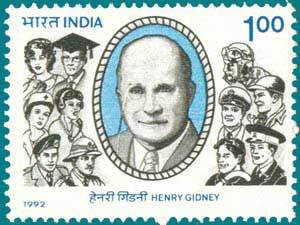
The Anglo-Indians are a distinctive community of India, defined by their mixed British (or other European) and Indian ancestry, their English mother tongue, their Christian faith, and a culture that blends East and West. Once numbering in the hundreds of thousands and prominent in the railways, the telegraph, education, and the armed forces of British India, they are today a small and dwindling community, scattered across India and, through emigration, across the English-speaking world.
The Anglo-Indians arose from the unions of European men, above all British but also Portuguese, Dutch, and others, with Indian women, over the long centuries of European presence in India, from the age of the early traders and the East India Company onward. Neither fully British nor fully Indian, they came to form a distinct community with its own identity, occupations, and way of life, occupying a particular and often difficult place between the rulers and the ruled in the society of British India, and forging a culture that is one of the most unusual products of the colonial encounter.
The Name
The term Anglo-Indian was historically used in more than one sense: in the nineteenth century it often meant simply the British who lived and worked in India, but it came to denote, and is now legally defined in India as, a person whose father or male ancestor in the male line is or was of European descent but who is domiciled in India, that is, the community of mixed European and Indian descent. Earlier terms such as Eurasian were also used, and are now generally considered outdated.
As an identity, Anglo-Indian denotes this community of mixed European and Indian ancestry, English-speaking and Christian, distinct both from the British and from the various Indian communities, and defined by descent, language, religion, and a shared culture and history. The community is recognised in the Constitution of India, which historically provided for its representation. Conscious of their unique heritage between two worlds, the Anglo-Indians are a small but distinctive people, and their identity, rooted in this dual ancestry and a Western-inflected culture, sets them apart in the mosaic of India.
The Language
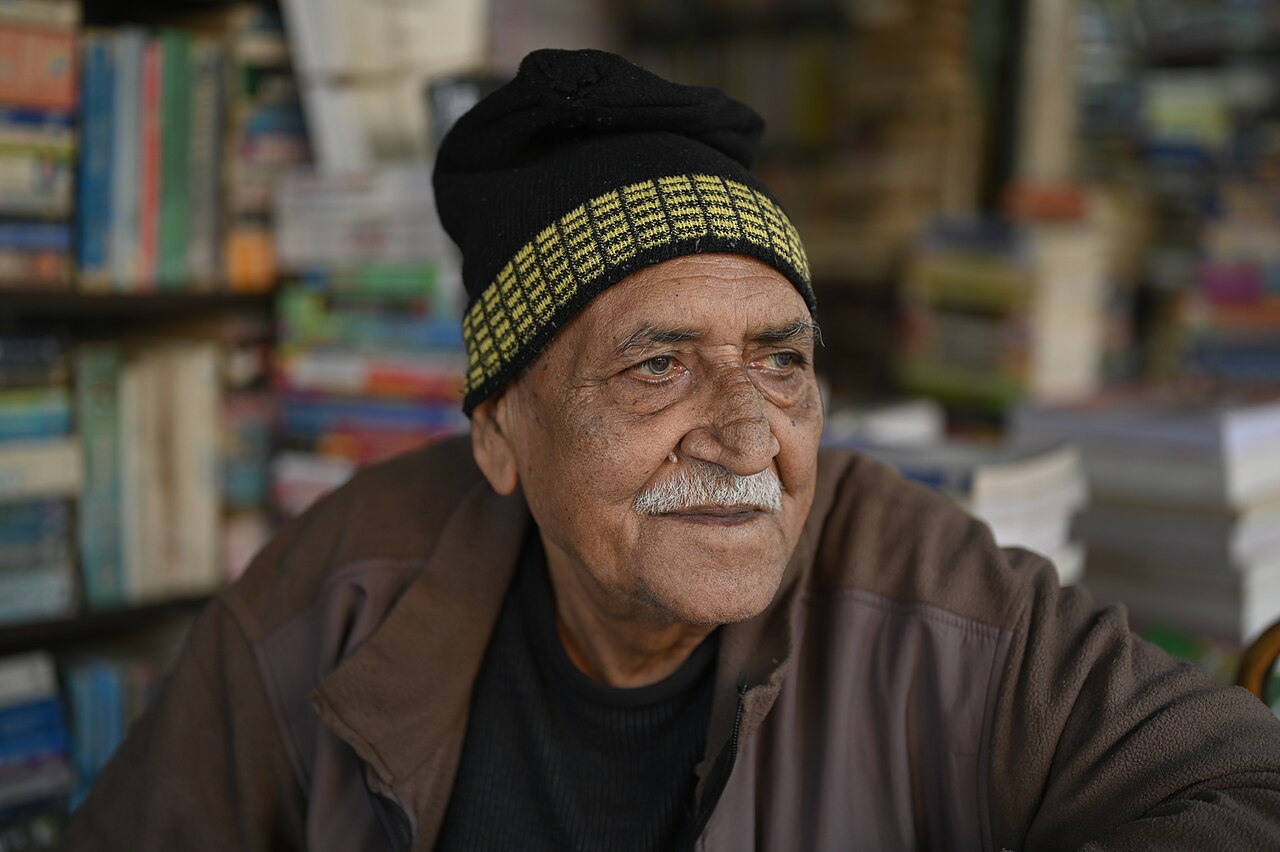
The mother tongue of the Anglo-Indians is English, a defining feature of the community, for while most Indians of the colonial era spoke Indian languages and learned English as a second tongue, the Anglo-Indians grew up with English as their first language, spoken in the home and the community, often in a distinctive Anglo-Indian idiom. This command of English was central to the community’s identity and to the occupations it filled.
Many Anglo-Indians also knew Indian languages, above all those of the regions in which they lived, such as Hindi, Tamil, or Bengali, and the community’s speech absorbed Indian words and expressions, producing a characteristic Anglo-Indian English rich in local colour. But it was English, above all, that marked the community, giving it access to Western education, to employment in the colonial services, and to a place in the English-speaking world to which many would later emigrate. The English language, spoken as a mother tongue, thus lies at the heart of Anglo-Indian identity and has shaped the community’s character and history.
The Homeland
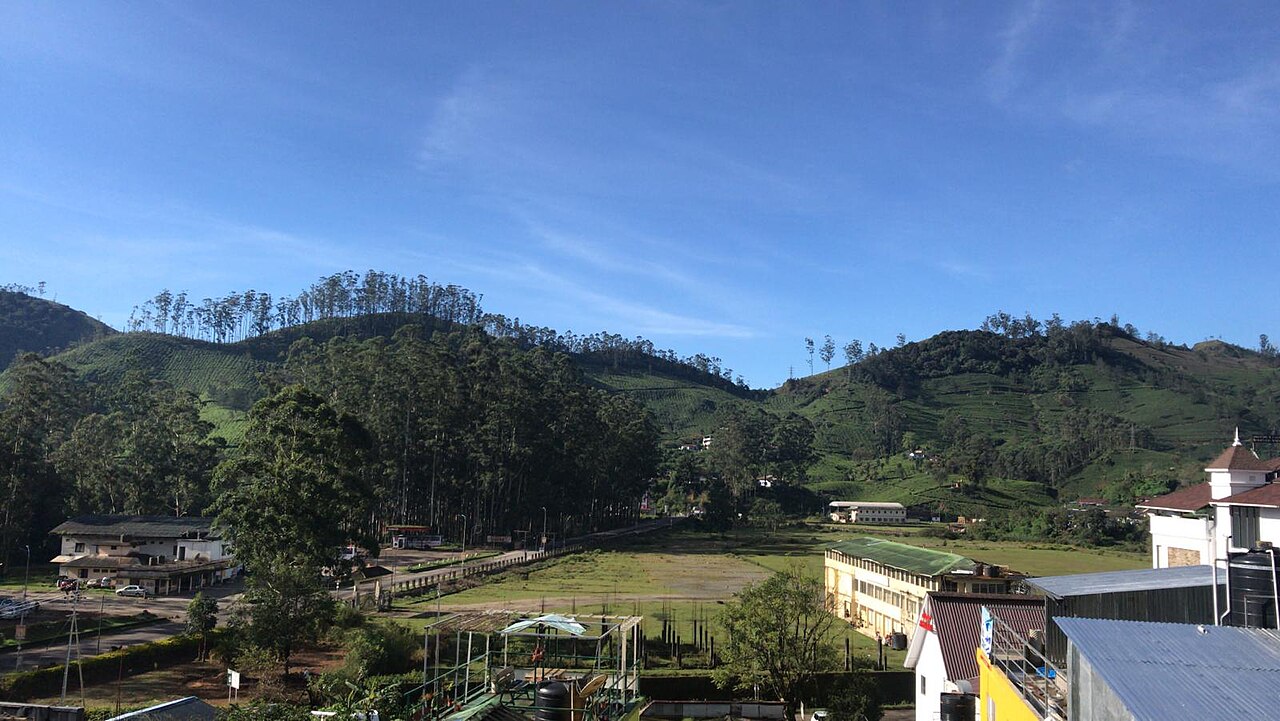
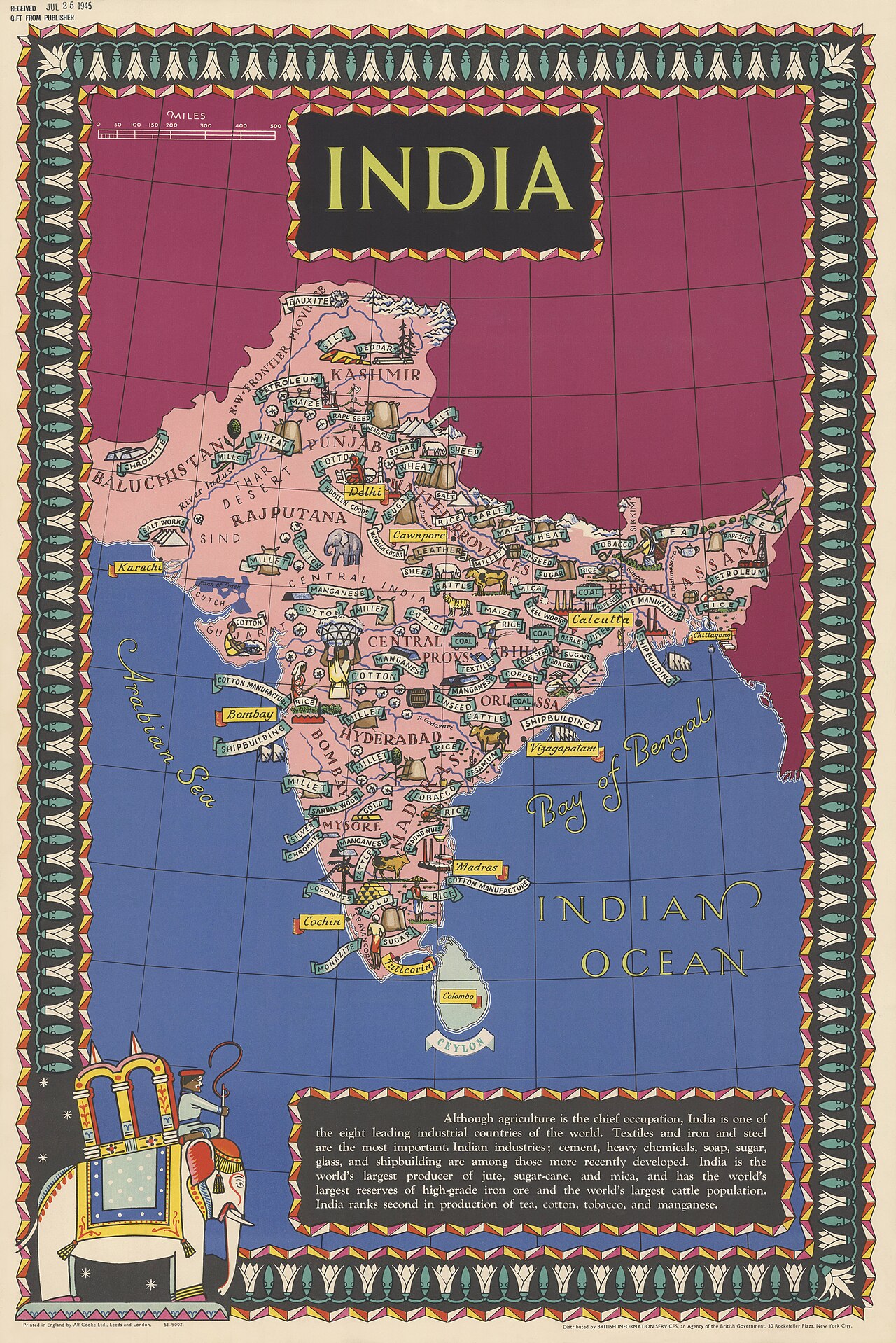
The Anglo-Indians have no single ancestral homeland in the manner of a regional community, for they arose and lived wherever the European presence and its institutions brought together the peoples of Europe and India, and they are found across India, above all in the great cities and the towns that grew up around the railways, the cantonments, and the colonial administration. Kolkata (Calcutta), Chennai (Madras), Mumbai, and the railway towns were, and remain, centres of Anglo-Indian life.
The community was associated above all with the institutions of British India: the railways, along whose lines Anglo-Indian communities clustered in the railway colonies; the hill stations, to which they, like the British, were drawn; and the cities and cantonments. A distinctive attempt to create an Anglo-Indian homeland was the settlement of McCluskieganj in what is now Jharkhand, founded in the 1930s as a place for the community, though it did not flourish as hoped. Thus the Anglo-Indian homeland is less a region than the urban and institutional world of British India, above all its cities and railway towns, in which the community made its home.
The Old Way of Life
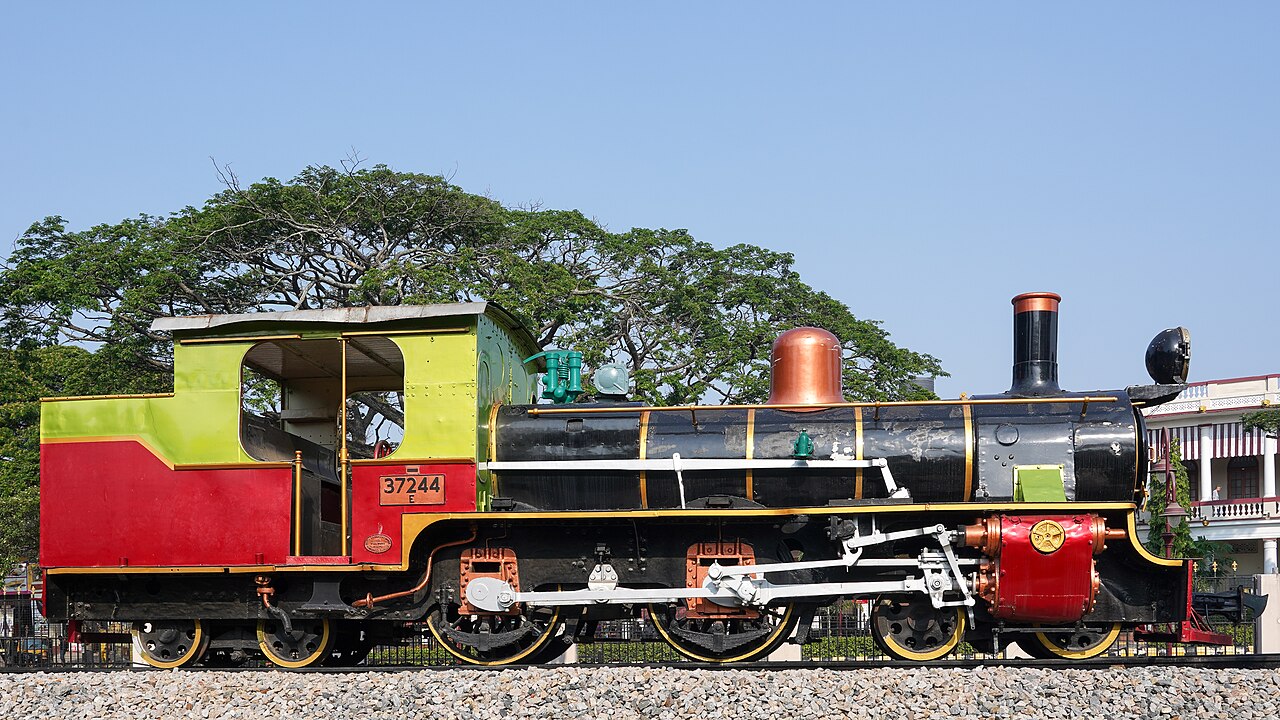
The traditional life of the Anglo-Indians was bound up above all with the institutions and services of British India, in which the community found its characteristic occupations and a secure, if modest, place. The Anglo-Indians were, most famously, the men of the railways, forming the backbone of the railway workforce as engine-drivers, guards, station-masters, and mechanics, and clustering in the railway colonies along the lines, so that the railways became almost synonymous with the community.
Beyond the railways, Anglo-Indians filled the ranks of the telegraph and postal services, the customs, the police, and the armed forces, and Anglo-Indian women were prominent as teachers and nurses, the community valuing education and the professions open to it. Their command of English and their Western education fitted them for these occupations in the colonial order, in which they occupied an intermediate position between the British and the wider Indian population. This life, centred on the railways and the services of British India and on a respectable urban and professional existence, was the traditional world of the Anglo-Indians.
Society and Community
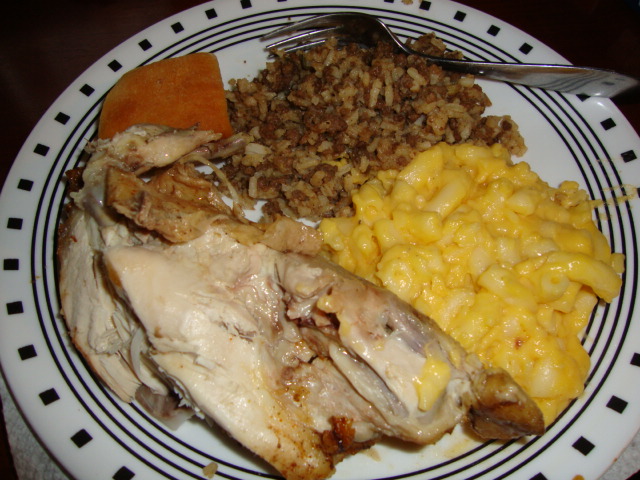
Anglo-Indian society was a close-knit, urban, English-speaking, and Christian community, organised around the family, the church, the school, and the club, and marked by a strong sense of its distinct identity and a culture that looked in many ways to Britain while being rooted in India. The community’s social life centred on its institutions, above all its churches and its famous schools, and on the clubs, dances, and social gatherings that were a beloved feature of Anglo-Indian life.
The community occupied a particular and sometimes precarious social position, between the British, to whom it looked and by whom it was often kept at a distance, and the wider Indian society, from which it was distinguished by language, religion, and culture. This intermediate position gave the Anglo-Indians both a certain security in the colonial order and a certain vulnerability, above all as independence approached. Bound by family, church, school, and a shared identity, and marked by a warm, sociable, and music-loving culture, Anglo-Indian society was a distinctive and cohesive community within British and independent India.
Religion and Belief
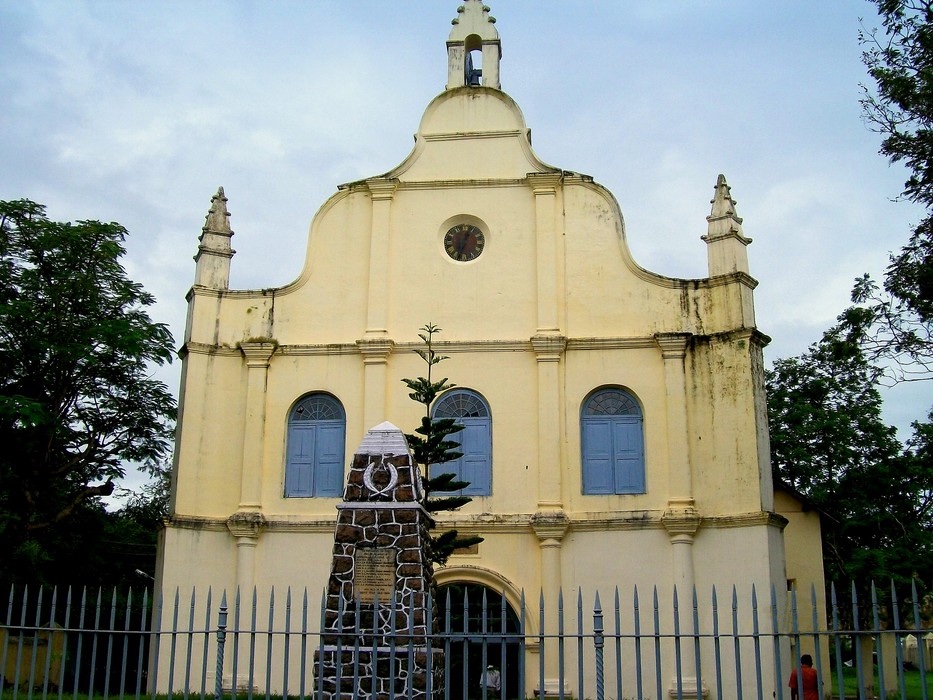
The Anglo-Indians are a Christian community, and the church has been central to their identity and communal life, distinguishing them from the great majority of Indians and linking them to the wider Christian and Western world. The community includes Roman Catholics and Protestants of various denominations, above all Anglicans, reflecting the varied European origins and the missionary influences of its history, and the church, its services, and its festivals have been at the heart of Anglo-Indian life.
Baptism, marriage, and the other rites of the Christian faith marked the life of the Anglo-Indian, and the great Christian festivals, above all Christmas, were, and remain, the high points of the community’s year. The church was not only a place of worship but a centre of community, education, and social life, and the Anglo-Indian schools, many run by Christian missions, combined religious with academic education. This Christian faith, expressed through the church and its festivals and interwoven with the community’s Western-inflected culture, is a defining feature of the Anglo-Indians.
Traditions
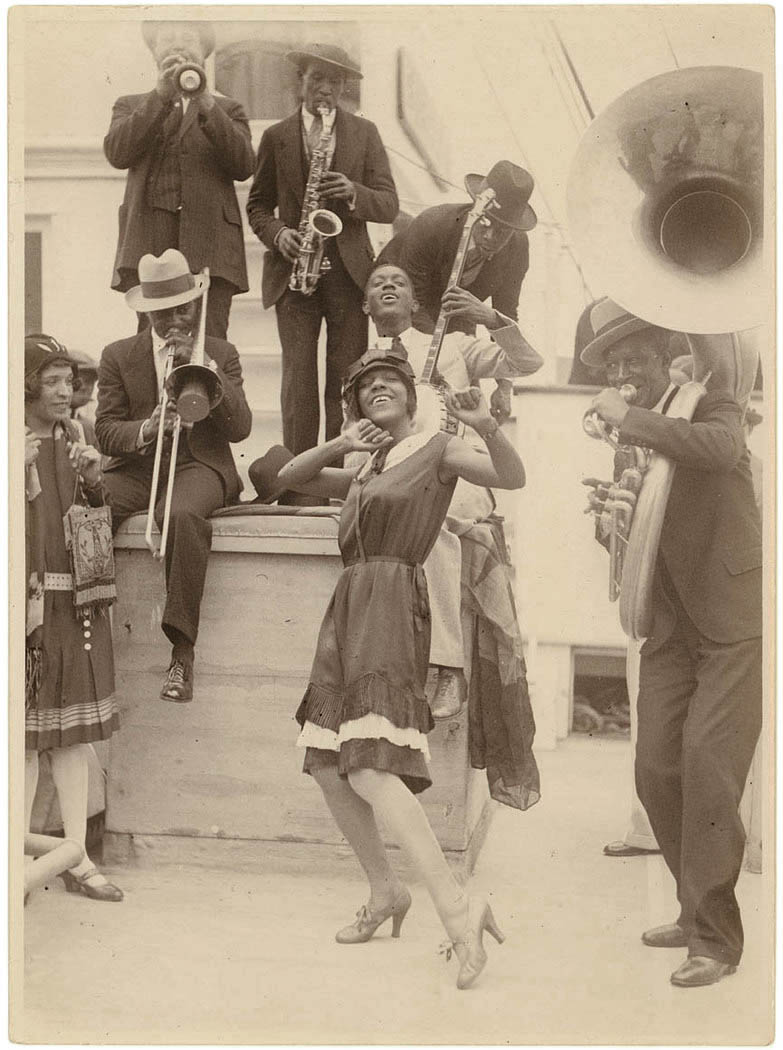
The traditions of the Anglo-Indians blend Western and Indian elements into a distinctive culture, expressed above all in their love of music, dance, and sociability, and in the observances of their Christian faith. The community is famous for its music-loving character: Anglo-Indians were prominent as musicians and dance-band players, and the dances, socials, and musical evenings of the community, with their Western popular music, were a beloved and characteristic tradition.
The great festivals of the Christian year, above all Christmas, with its carols, feasting, and family gatherings, were celebrated with warmth and were central to Anglo-Indian tradition, and the customs surrounding marriage, with its church wedding and reception, and the other passages of life followed Western Christian forms adapted to Indian life. The community’s culture, sociable, musical, and Western in orientation yet Indian in setting, produced a distinctive way of life. Through these traditions of music, dance, festivity, and Christian observance, the Anglo-Indians expressed their unique blend of East and West.
Crafts
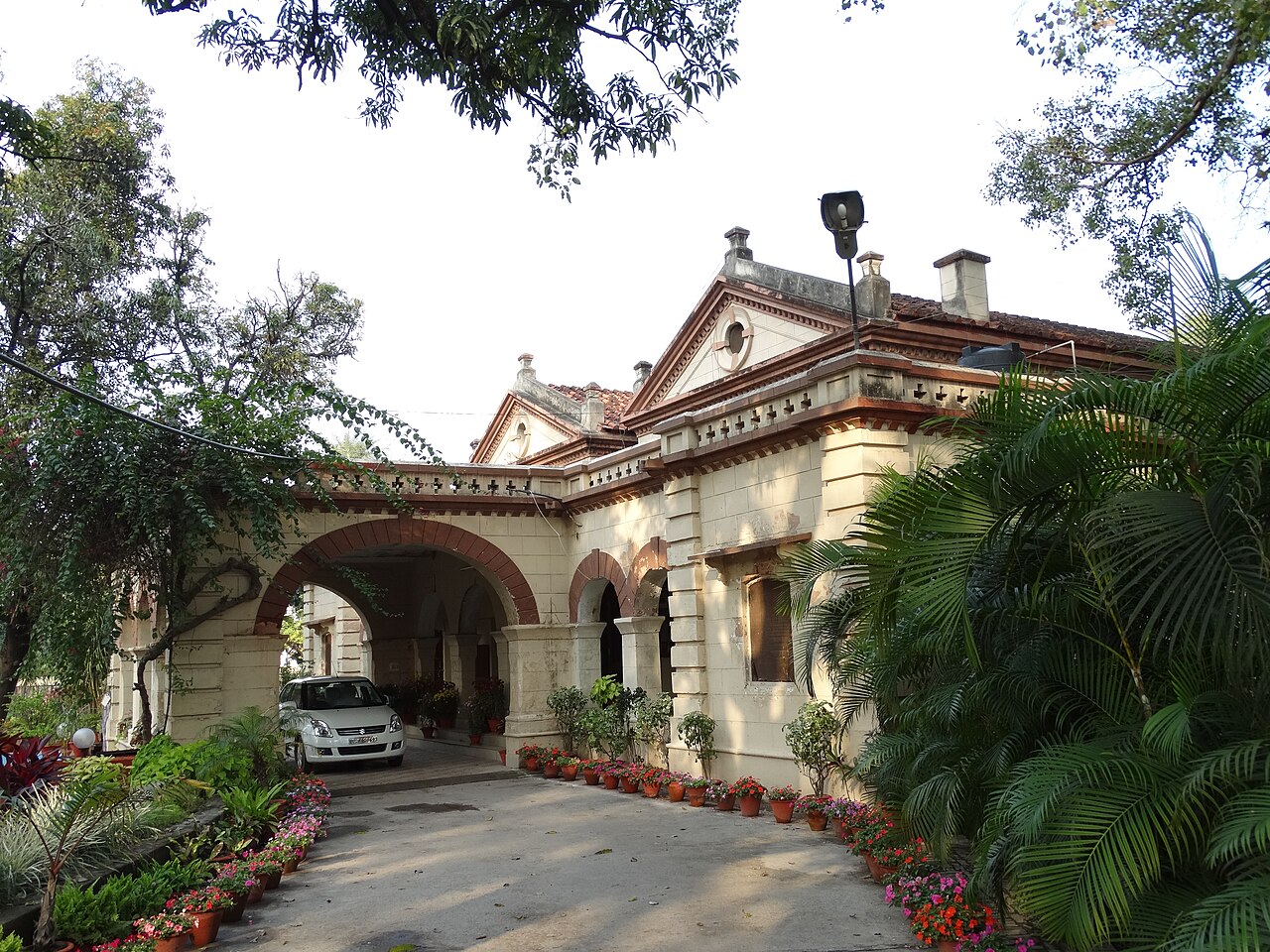
The Anglo-Indians, being an urban and English-speaking community rather than a traditional artisan people, are not associated with a distinctive craft tradition in the manner of India’s regional and tribal communities, and their material culture reflected rather the Western-inflected domestic life of a colonial-era community. The Anglo-Indian home, with its European-style furnishings, its music, and its observance of Western domestic customs adapted to India, expressed the community’s characteristic blending of cultures.
The architecture of the community’s world, the bungalows of the railway colonies and the hill stations, the churches and schools, reflected the styles of British India, and the Anglo-Indian home, often a modest bungalow, was kept in a manner that combined Western and Indian elements. The community’s contribution lay less in the making of crafts than in the skills of its members as railwaymen, mechanics, teachers, nurses, musicians, and professionals. Thus the material world of the Anglo-Indians was that of a colonial-era urban community, its bungalows and institutions expressing its distinctive culture between East and West.
Food

Anglo-Indian cuisine is one of the most distinctive and delicious legacies of the community, a genuine fusion of British and Indian cooking developed over generations, in which Indian ingredients and spices were combined with Western techniques and tastes to produce dishes found nowhere else. It is a cuisine that reflects, more vividly than almost anything else, the community’s blending of two worlds.
Famous Anglo-Indian dishes include the various “railway” curries developed for the dining cars of the trains, above all the mild railway mutton curry; ball curry (kofta curry); jhal frezi; vindaloo in its Anglo-Indian form; devilled dishes; pish-pash and other rice dishes; and a range of chutneys, pickles, and preserves. The community was also known for its cakes, sweets, and Christmas fare, above all the rich Christmas cake and kal kals and other festive treats. This cuisine, blending British and Indian traditions into something uniquely Anglo-Indian, is a cherished part of the community’s heritage and a distinctive contribution to the food of India.
Festivals

Festivals in the Anglo-Indian community follow the Christian calendar, and the greatest of all is Christmas, celebrated with a warmth, festivity, and attention to tradition that is legendary among the community and central to its identity. The Anglo-Indian Christmas, with its church services and carols, its decorated tree, its rich Christmas cake and festive sweets, its dances and socials, and its family gatherings, is the high point of the community’s year and a beloved expression of its culture.
Easter and the other festivals of the Christian year are also observed, and the community’s calendar of dances, socials, and gatherings, above all around Christmas and the New Year, has long been a characteristic feature of Anglo-Indian life. In modern times, community associations hold reunions and events that bring together Anglo-Indians from India and the diaspora. Through these festivals, above all the celebrated Anglo-Indian Christmas with its unique blend of Western and Indian festive traditions, the community expresses its Christian faith and its warm, sociable culture.
History
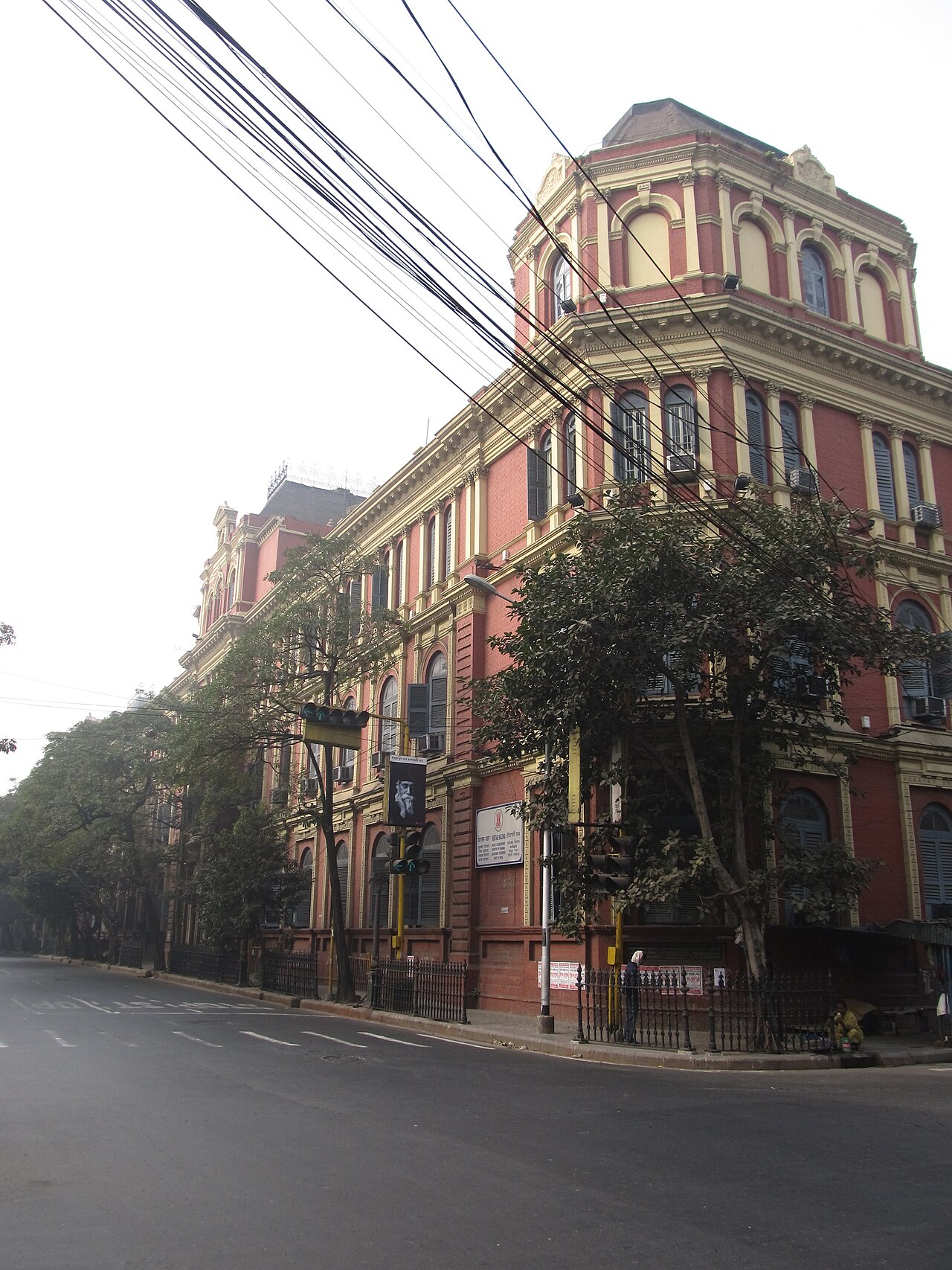
The history of the Anglo-Indians spans the whole era of European presence in India, from the unions of the early Portuguese, Dutch, and British with Indian women to the formation of a distinct community under British rule. Under the East India Company and the British Raj, the Anglo-Indians came to occupy a particular niche, valued for their English and their loyalty and employed in the railways, the services, and the lower ranks of administration, yet also subject to discrimination and kept at a distance by the British, an ambiguous position between rulers and ruled.
The community’s leaders, above all Frank Anthony in the twentieth century, worked to secure its position and identity, and the Constitution of independent India recognised the Anglo-Indians and provided for their representation in the legislatures. But Indian independence in 1947 was a watershed: with the departure of the British and the transformation of the institutions in which the community had found its place, many Anglo-Indians, uncertain of their future, emigrated in large numbers to Britain, Australia, Canada, and elsewhere, and the community in India declined. This history, from the colonial encounter to a post-independence dispersal, is central to the Anglo-Indian experience.
Today
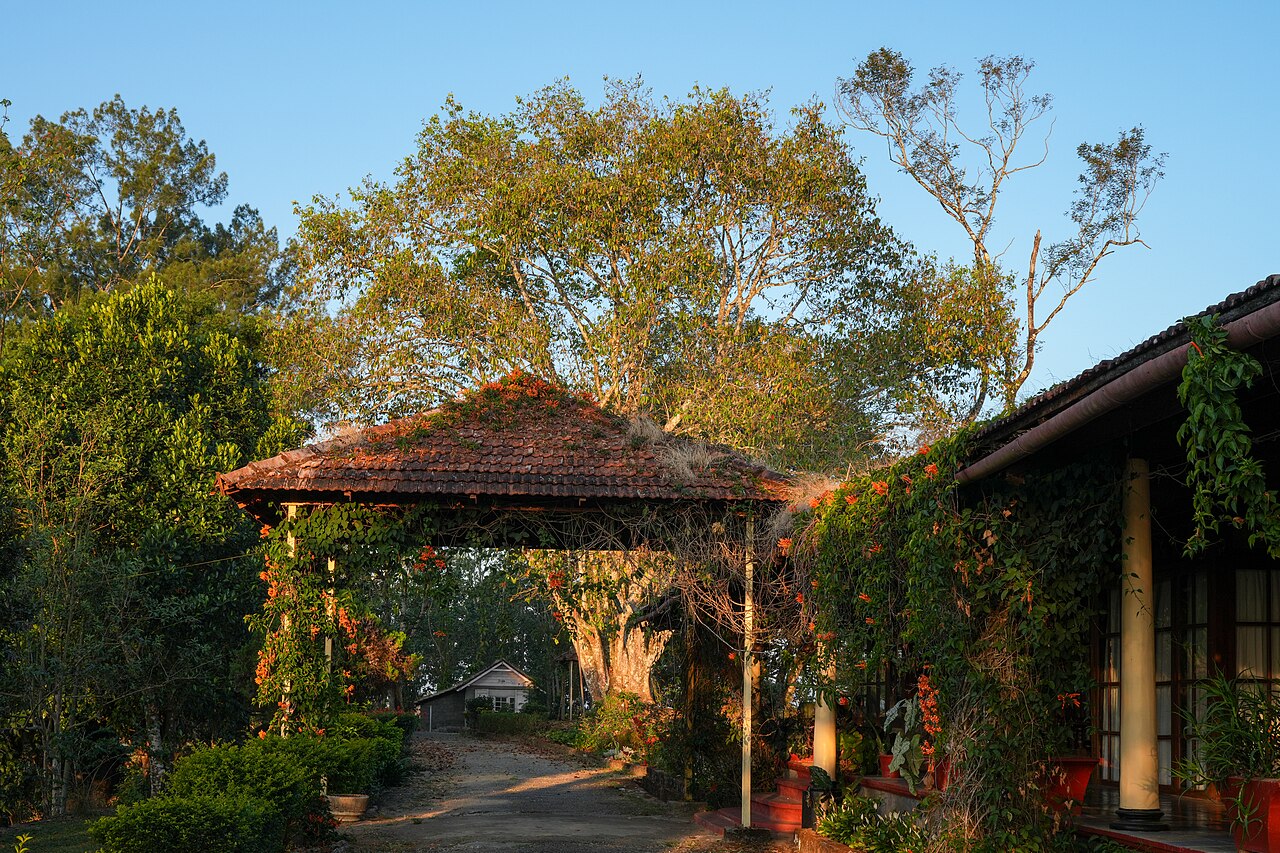
Today the Anglo-Indians are a small and dwindling community in India, numbering perhaps a few tens of thousands, greatly reduced from their strength in the colonial era by the large-scale emigration that followed independence, which carried many to Britain, Australia, Canada, New Zealand, and the United States, where substantial Anglo-Indian communities now live. In India, the community remains concentrated in the cities and former railway towns, above all Kolkata and Chennai, and continues its traditions of church, school, and social life.
The community faces the challenges of small and declining numbers, of intermarriage and assimilation, and of the preservation of its distinctive identity and heritage, and the constitutional provision for its representation in the legislatures was discontinued in recent years, a change the community regretted. Yet the Anglo-Indians retain a strong sense of themselves, sustained by their churches, schools, associations, and reunions, which link the community in India with its far-flung diaspora, and by the celebration of their distinctive culture, above all their cuisine and their Christmas. Heirs to a unique blend of East and West and to a remarkable chapter of India’s colonial history, the Anglo-Indians carry their distinctive heritage into the modern age.
Related Peoples of the Region
- The Chenchu, Forest Foragers of the Nallamala
- The Irula, the Snake-Catchers of the Tamil Forests
- The Banjara, the Caravan People of India
- The Siddi, India’s People of African Descent
- The Andamanese, Ancient Islanders of the Bay of Bengal
- The Nicobarese, Island People of the Bay of Bengal
- The Sikhs, the Disciples of the Gurus
- The Parsis, Zoroastrians of India
More Peoples of the World
- A Fifth of Humanity, the Story of the Han Chinese
- How the Maori Sailed Across the Pacific to Reach New Zealand
- Zulu of the Green Hills and Their Kingdom Forged by Shaka
- The People Who Never Vanished, the Story of the Maya
- Long Before the Arabs Came, North Africa Belonged to the Amazigh
- The People Who Emerged Into This World, the Story of the Navajo
- Meet the Ainu, an Indigenous People at Japan’s Northern Edge
You May Like
The Damara, an Ancient People of Namibia