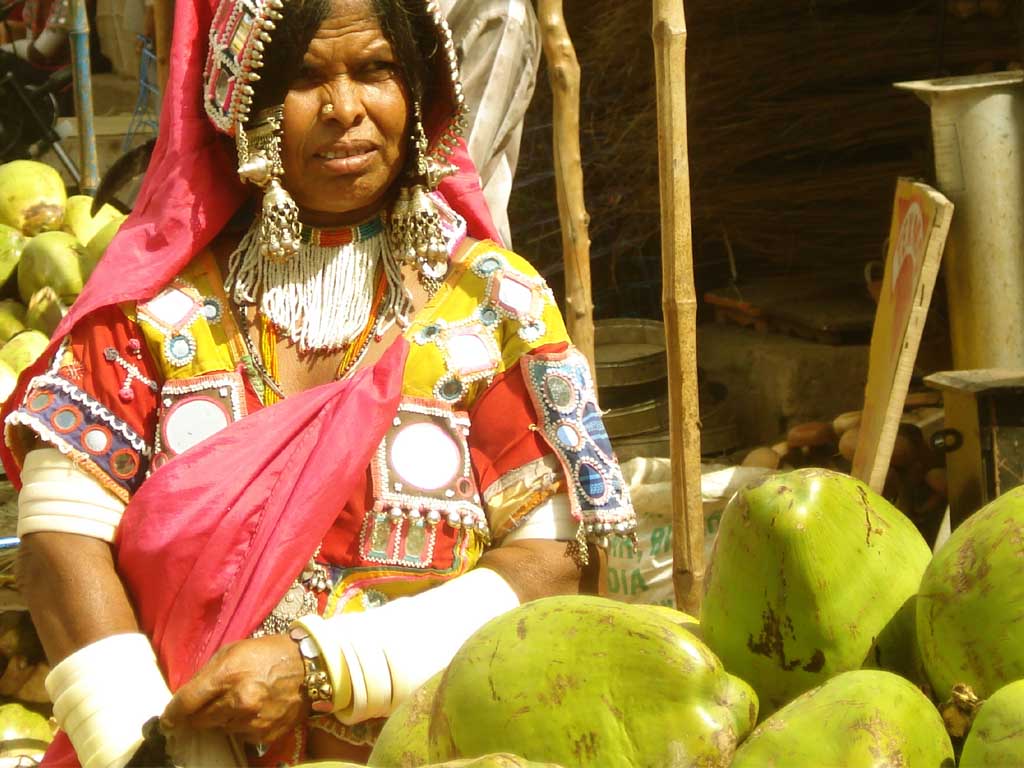
Spread across the length of the Indian subcontinent, from Rajasthan to the Deccan, live the Banjara, known in the south as the Lambadi or Lambani and to themselves as Gor. Once the great caravan-carriers of India, whose long trains of pack-bullocks moved grain and salt across a roadless land, they are famed today for the dazzling colour of their dress and the brilliance of their mirror-worked embroidery.
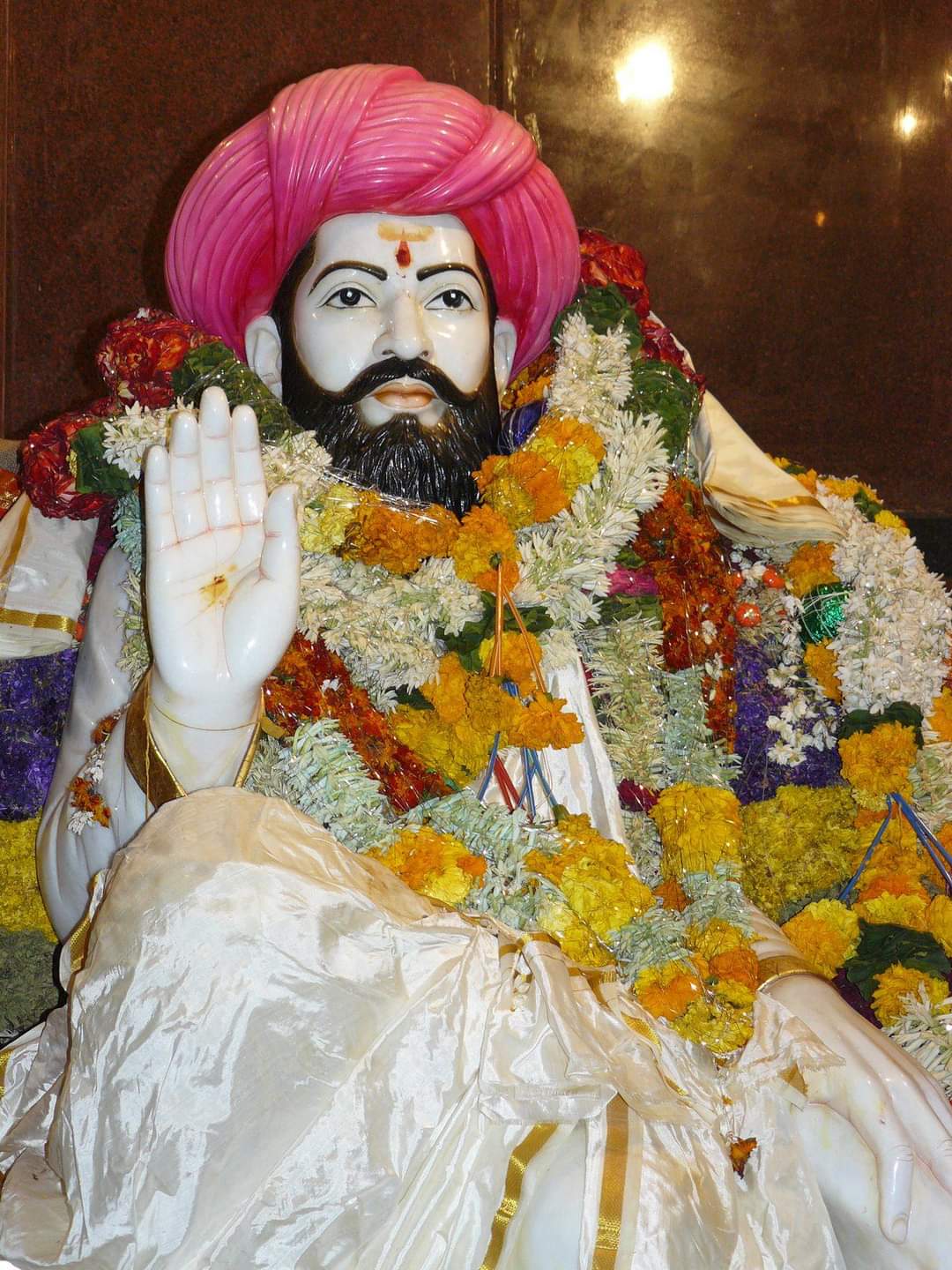
Heirs to the caravans that supplied the armies and markets of old India, devotees of the saint Sant Sevalal Maharaj, and keepers of one of the most vivid material cultures on the subcontinent, the Banjara have reasserted their identity after a history of forced settlement and stigmatisation. This article traces their origins, language, homeland, society, religion, and traditions, and the story of the great nomadic carriers of India.
The Banjara on Film
Contents
- Origins
- The Name
- The Language
- The Homeland
- The Old Way of Life
- Society and Community
- Religion and Belief
- Traditions
- Crafts
- Food
- Festivals
- History
- Today
Origins

The Name
The Language

The Homeland
The Old Way of Life

Society and Community
Religion and Belief
Traditions
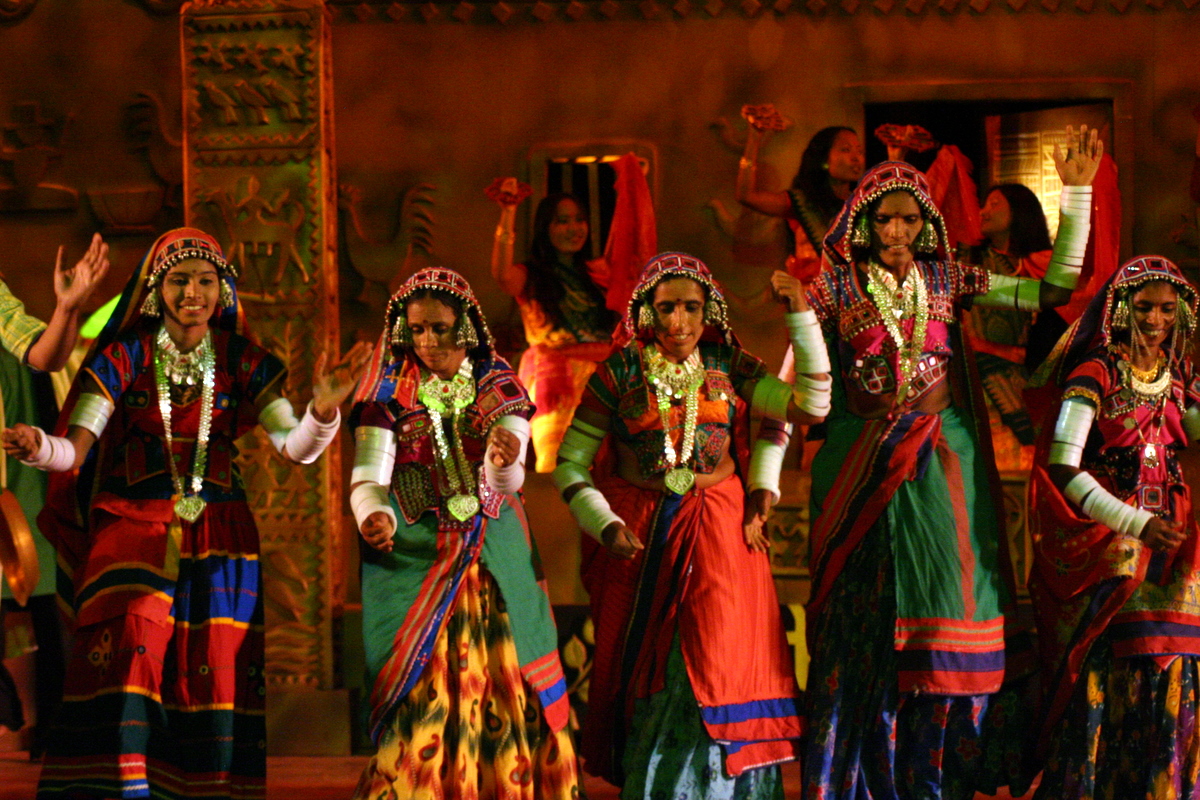
Crafts
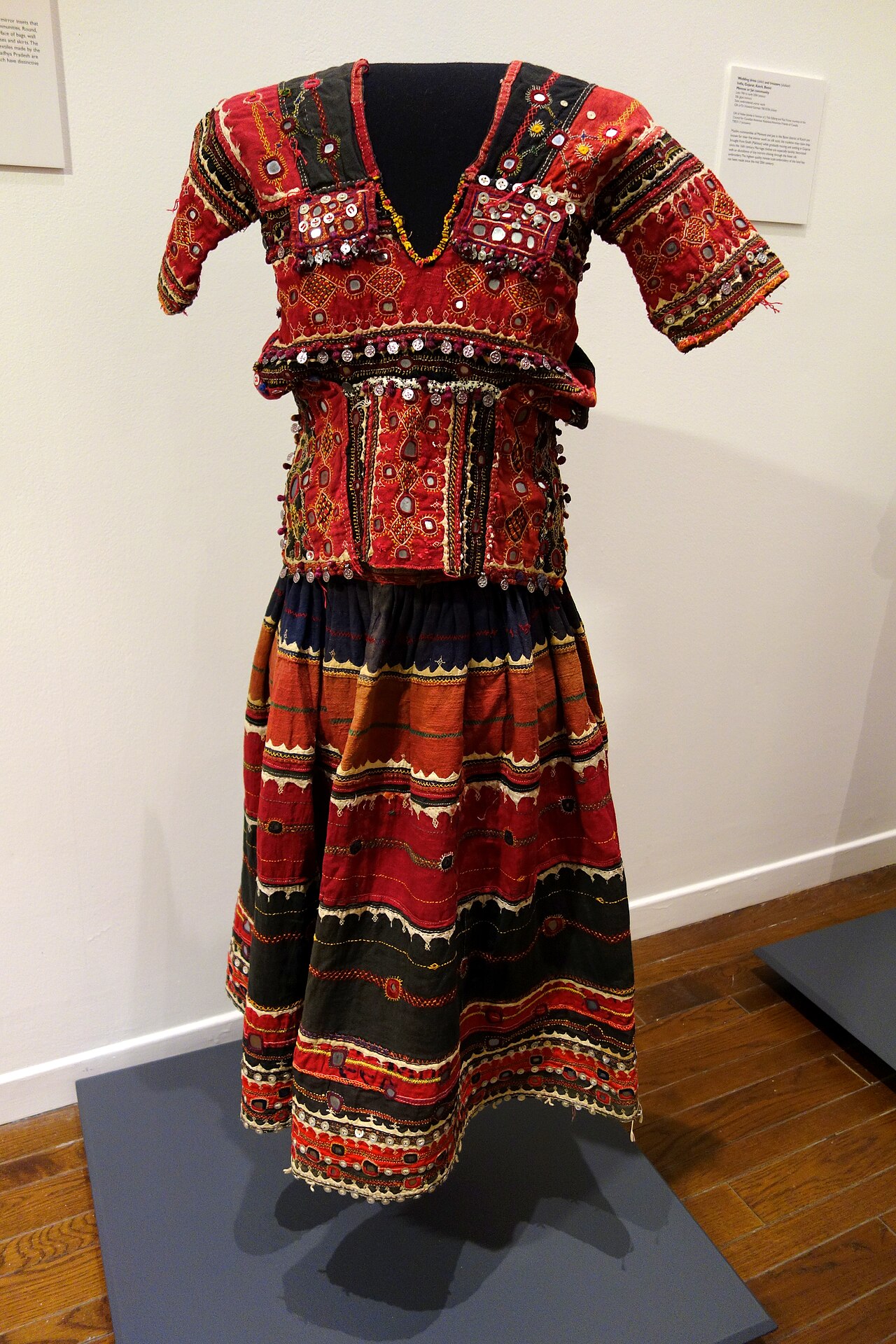
Food

Festivals

History

Today
Related Peoples of the Region
More Peoples of the World
You May Like

The Parsis, Zoroastrians of India


