In the dry north and east of Sri Lanka, amid palmyra palms and colourful Hindu temples, live the Sri Lankan Tamils, an ancient community distinct from the island’s Sinhalese majority. Speakers of a classical Dravidian tongue and mostly Hindu in faith, they built their own kingdom around the northern city of Jaffna.
Theirs is a heritage of temple festivals and classical dance, of a fierce devotion to learning, and, in recent decades, of a long and painful civil war that scattered them across the world. To know the Sri Lankan Tamils is to meet one of the island’s oldest and most resilient peoples.
Jaffna on Film
Contents
- Origins
- The Name
- The Language
- The Homeland
- The Old Way of Life
- Society and Community
- Religion and Belief
- Traditions
- Crafts
- Food
- Festivals
- History
- Today
Origins
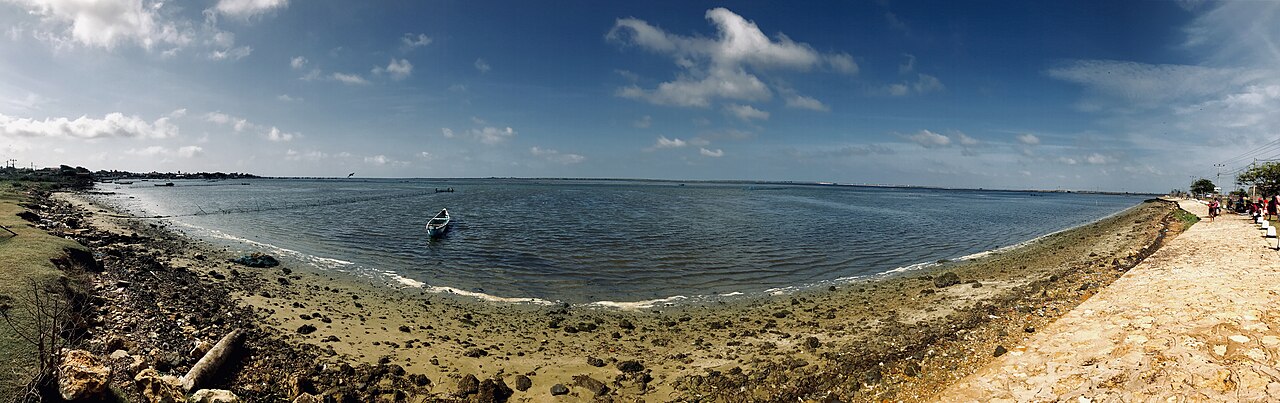
The Sri Lankan Tamils are a Tamil-speaking people of the island of Sri Lanka, concentrated in the north and east, and distinct from the Sinhalese majority in language, religion, and history. They form one of the island’s oldest communities, with roots reaching deep into antiquity.
Tamil settlement in Sri Lanka goes back more than two thousand years, sustained by close ties to the Tamil country of southern India just across the narrow strait. Over the centuries the Tamils of the north built their own kingdom around Jaffna and developed a distinct island-Tamil identity, separate both from the Sinhalese and from the Tamils of India.
The Name

The Sri Lankan Tamils take their name from the Tamil language they speak, and they are careful to distinguish themselves from the Indian-origin Tamils brought later to work the tea plantations of the central highlands. The northern Tamils are sometimes called Jaffna Tamils after their cultural capital, and the eastern Tamils form a related community.
Their heartland is the Jaffna peninsula and the northern and eastern coasts, and it is with this land, its temples, and its palmyra palms that their identity is bound. They regard themselves as an ancient and settled people of the island, not newcomers.
The Language

The Sri Lankan Tamils speak Tamil, a Dravidian language with one of the longest literary histories in the world, distinct from the Indo-Aryan Sinhala of the island’s majority. The Jaffna dialect is noted for its conservatism, preserving old forms of the language.
Tamil is a classical language with a vast heritage of poetry, devotional literature, and scholarship stretching back over two millennia. Learning and education have always been prized among the Sri Lankan Tamils, and the great library of Jaffna stood as a proud symbol of this devotion to the written word.
The Homeland

The homeland of the Sri Lankan Tamils is the dry north and east of the island, above all the flat, sun-baked Jaffna peninsula and the coasts and lagoons of the Eastern Province. It is a land of palmyra palms, coral wells, and small farms wrested from a harsh, dry landscape.
Fishing along the coasts and lagoons and farming with carefully managed water shaped life in this drier region, so different from the lush southwest of the Sinhalese. The palmyra palm, yielding food, timber, and fibre, is the great emblem of the Tamil north.
The Old Way of Life

Traditionally the Sri Lankan Tamils were farmers and fishermen. In the dry north they cultivated rice, tobacco, onions, and chillies with the help of wells and careful irrigation, and made use of every part of the hardy palmyra palm. Along the coasts and lagoons, fishing was a central livelihood.
Society was organised around the village, the extended family, and the Hindu temple, with a strong emphasis on caste, land, and education. Hard work in a difficult environment and a deep respect for learning marked the traditional way of life.
Society and Community

Sri Lankan Tamil society has traditionally been organised around the family, the caste, and the temple, with strong customs governing marriage, kinship, and inheritance. Caste distinctions have historically been important, though they have weakened in modern times.
Education has long held an exceptionally high place among the Tamils, and the community produced many of the island’s teachers, professionals, and administrators. Close family ties, respect for elders, and pride in learning and achievement remain central values.
Religion and Belief
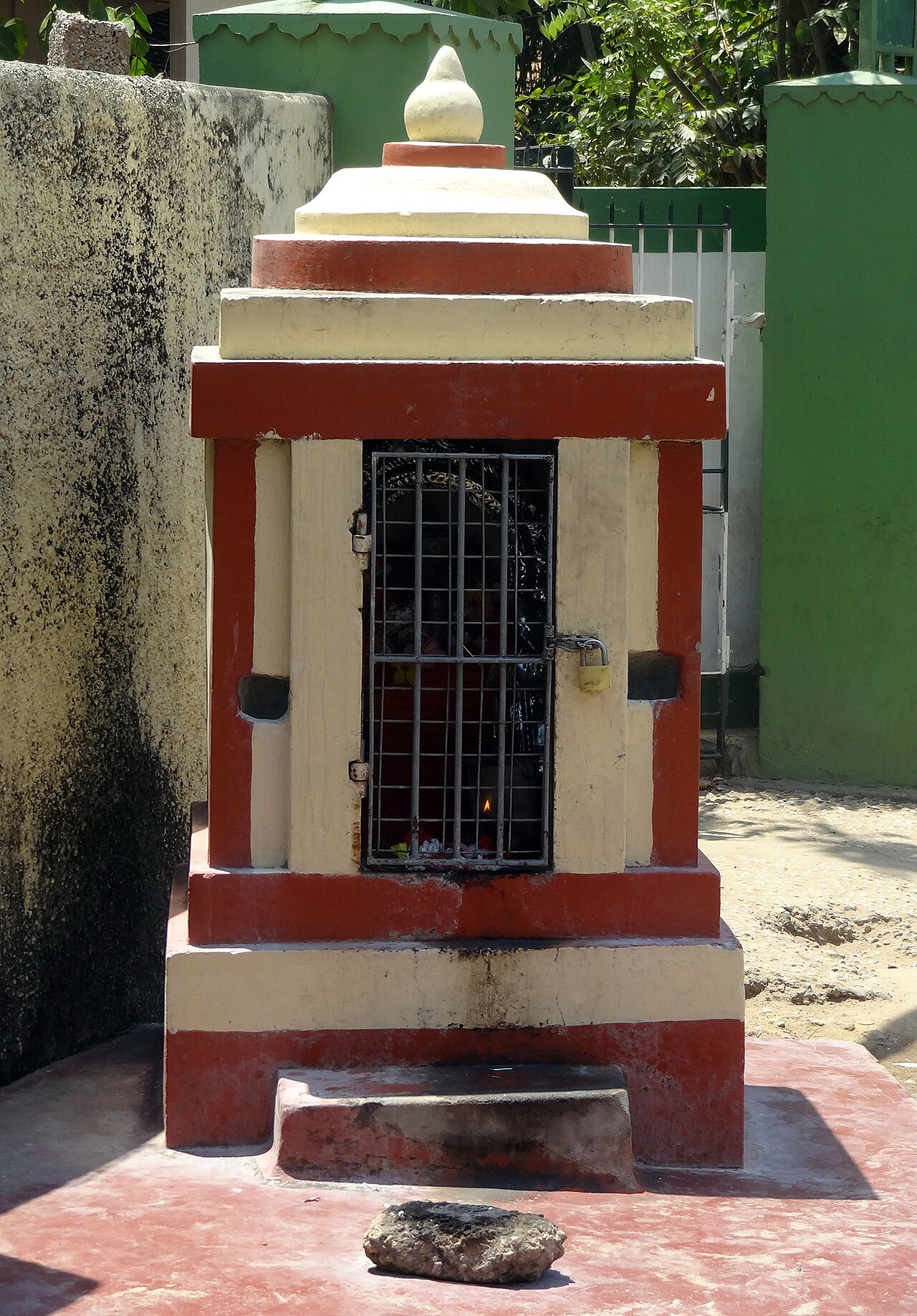
The great majority of Sri Lankan Tamils are Hindus, above all followers of Saivism, the worship of Shiva, and their homeland is dotted with colourful Hindu temples that form the centre of community life. The Nallur Kandaswamy temple in Jaffna, dedicated to the god Murugan, is the most important shrine of the northern Tamils.
A significant minority of Sri Lankan Tamils are Christians, especially Catholics, a legacy of European missionary activity along the coasts. Hindu festivals, temple worship, and devotional traditions nonetheless remain at the heart of Tamil culture on the island.
Traditions

Sri Lankan Tamil tradition is rich in classical and devotional arts. Carnatic music and the classical dance of Bharatanatyam are cherished and taught to the young, and temple festivals fill the calendar with music, processions, and ritual. Devotional acts of penance and fire-walking mark some of the great temple feasts.
Life-cycle ceremonies, from birth and coming-of-age to marriage and death, are observed with elaborate Hindu ritual. Through these traditions, at home and in a far-flung diaspora, the Sri Lankan Tamils maintain a strong and distinct cultural identity.
Crafts

The crafts of the Sri Lankan Tamils reflect the resources of their homeland, above all the versatile palmyra palm, whose leaves and fibre were woven into mats, baskets, fences, and roofing. Weaving, pottery, and jewellery-making were long-established village arts.
Fine handloom textiles, gold and silver jewellery worn especially by women, and the making of ritual objects for the temples all belonged to Tamil material culture. These crafts, tied to daily life and to worship, remain part of the community’s heritage.
Food
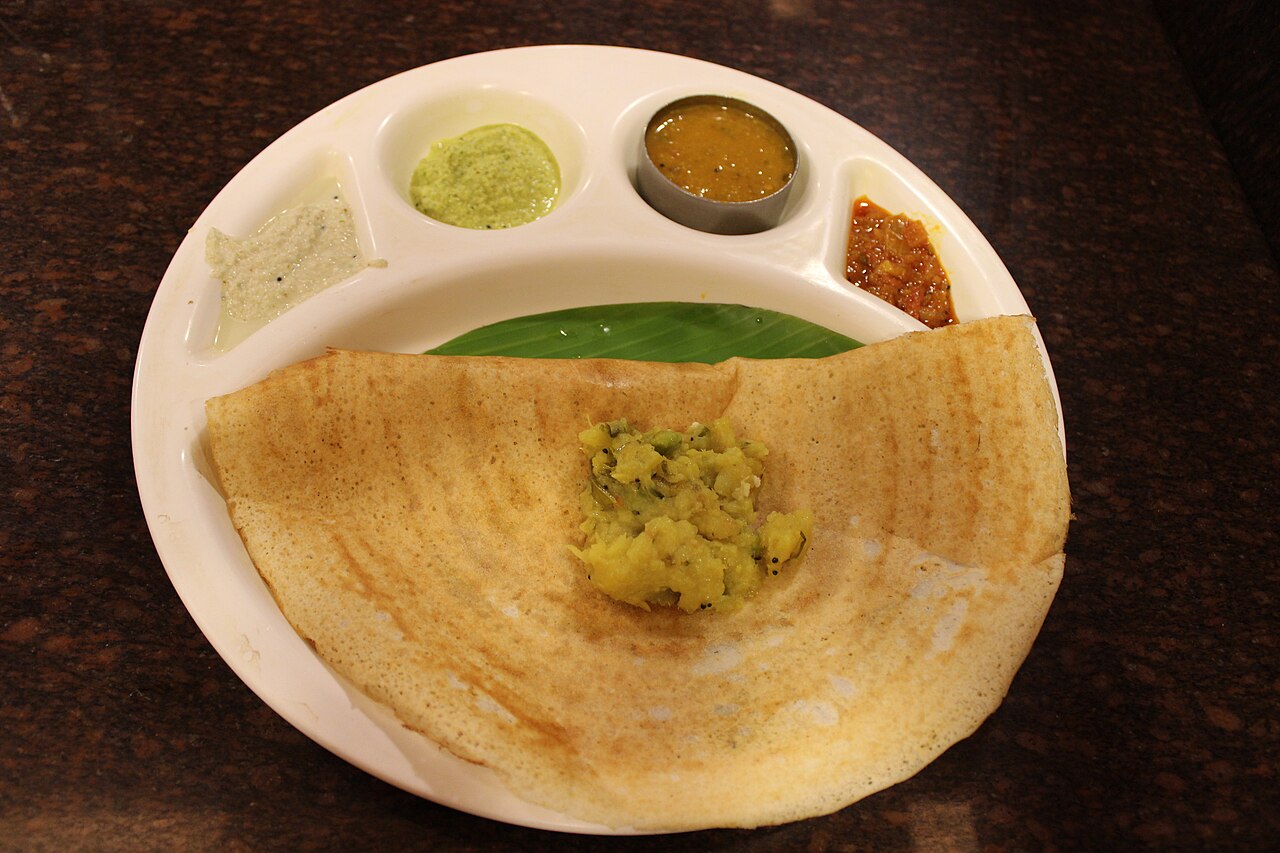
Sri Lankan Tamil cuisine is a distinctive branch of South Indian cooking, built on rice, lentils, coconut, and an array of spices. Dosa and idli, string hoppers, and rice served with fiery curries of fish, crab, vegetables, and lentils are everyday fare, and Jaffna cuisine is famed for its bold, pungent flavours.
Seafood from the northern coasts, dishes made from the palmyra palm, and vegetarian temple food all feature strongly. Fragrant, spicy, and varied, Tamil food is central to hospitality and to the celebration of festivals.
Festivals

The great festival of the Sri Lankan Tamils is Thai Pongal, the harvest thanksgiving in January, when families cook the first rice of the season in the sun and give thanks. Temple festivals, above all the spectacular annual festival of the Nallur temple in Jaffna, draw huge crowds for weeks of processions and devotion.
Deepavali, the festival of lights, and the many local temple feasts fill the Tamil year with colour and ritual. These celebrations, kept alive at home and in the diaspora, express the deep bond between the Tamils and their Hindu faith.
History

The medieval Jaffna kingdom made the northern Tamils a distinct political power on the island before it fell to the Portuguese, the Dutch, and finally the British, who governed the whole island as a single colony. Under British rule the well-educated Tamils were prominent in administration and the professions.
After independence in 1948, tensions grew between the Tamil minority and the Sinhalese-dominated state over language, land, and rights, erupting into a long and devastating civil war from 1983 to 2009. The conflict, fought by Tamil separatists seeking an independent homeland, brought immense suffering and scattered many Tamils abroad.
Today
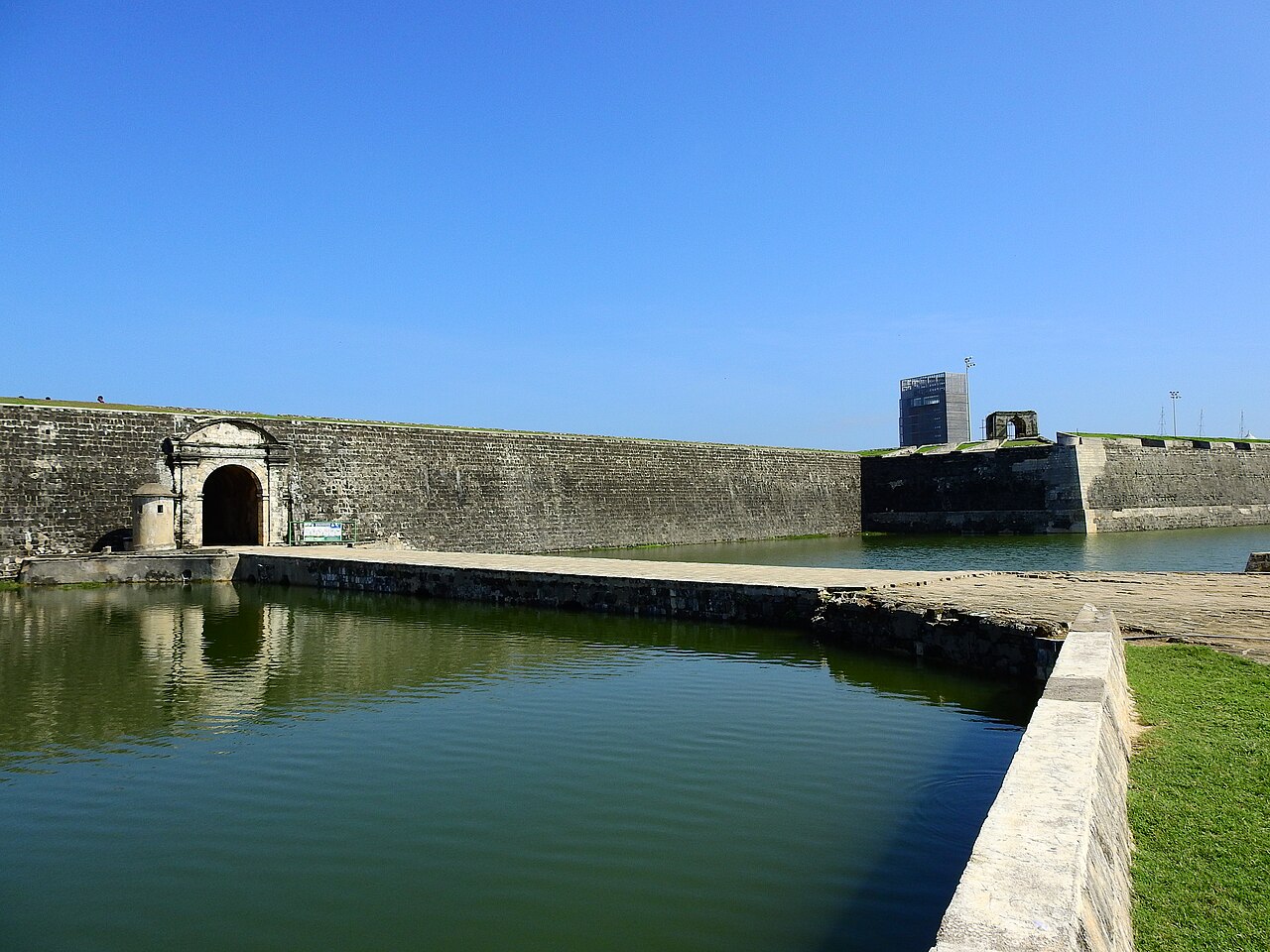
Today the Sri Lankan Tamils number around two million on the island, with a very large diaspora spread across Canada, Britain, Europe, and Australia, formed largely by those who fled the war. In the north and east they continue to rebuild their communities after decades of conflict.
Modern Sri Lankan Tamils balance the rebuilding of their homeland with the challenges of reconciliation and the preservation of their heritage. Their language, their Hindu faith, their reverence for education, and their classical arts remain the enduring pillars of one of the island’s most distinctive peoples.
Related Peoples of the Region
- The Omanis
- The Yazidis
- The Lurs
- The Lezgins
- The Kumyks
- The Kabardians
- The Karachay-Balkars
- The Sinhalese
More Peoples of the World
You May Like
The Damara, an Ancient People of Namibia


One thought on “The Sri Lankan Tamils, a Hindu People of the Island North”