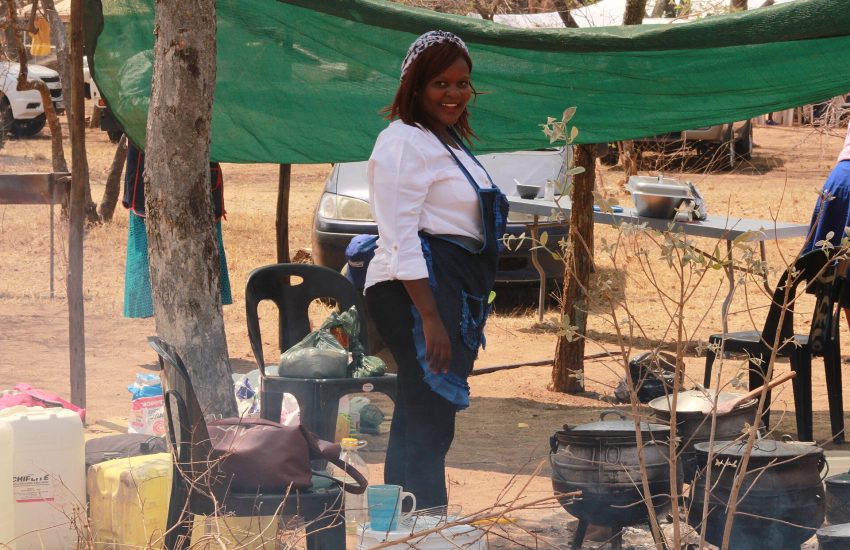
On the warm plains of Dagestan, between the peaks of the Caucasus and the shores of the Caspian, live the Kumyks, the largest Turkic people of the North Caucasus. Settled farmers and traders in a region famous for its mountain highlanders, they long stood at the crossroads of the eastern Caucasus.
For centuries their Turkic tongue was the shared language of the whole region, and their shamkhals of Tarki ranked among its greatest rulers. To know the Kumyks is to discover the people of the Dagestani lowlands, whose plains linked the steppe, the mountains, and the sea.
The Kumyks on Film
Contents
- Origins
- The Name
- The Language
- The Homeland
- The Old Way of Life
- Society and Community
- Religion and Belief
- Traditions
- Crafts
- Food
- Festivals
- History
- Today
Origins

The Kumyks are a Turkic people of the eastern Caucasus, living mainly on the plains and foothills of Dagestan in southern Russia along the Caspian Sea. Unlike most of their mountain neighbours, who speak Northeast Caucasian languages, the Kumyks speak a Turkic tongue, and they are the largest Turkic people of the North Caucasus.
Their origins blend the ancient inhabitants of the Caspian lowlands with the Turkic nomads, above all the Kipchaks, who swept across the steppes in the medieval centuries. Out of this mixture the Kumyks emerged as a settled, agricultural people occupying the fertile plains between the mountains and the sea.
The Name

The name Kumyk has been connected by scholars to the medieval Turkic peoples of the region, and possibly to the ancient Kimaks or to a word for sand. The Kumyks themselves have long identified with their homeland on the Dagestani plains.
For centuries the Kumyk language served as a lingua franca across the North Caucasus, the common tongue of trade and communication among the region’s many peoples. This gave the Kumyks an importance out of proportion to their numbers and cemented their identity as a people of the crossroads.
The Language

The Kumyk language belongs to the Kipchak branch of the Turkic family, related to Karachay-Balkar, Nogai, and more distantly to Tatar and Kazakh. For generations it was the shared language of the eastern North Caucasus, understood far beyond the Kumyk community itself.
Kumyk has a rich literary tradition, with celebrated poets and a written literature that flourished in the nineteenth and twentieth centuries. Today it is taught in schools in Dagestan and remains an important marker of Kumyk identity, alongside Russian.
The Homeland
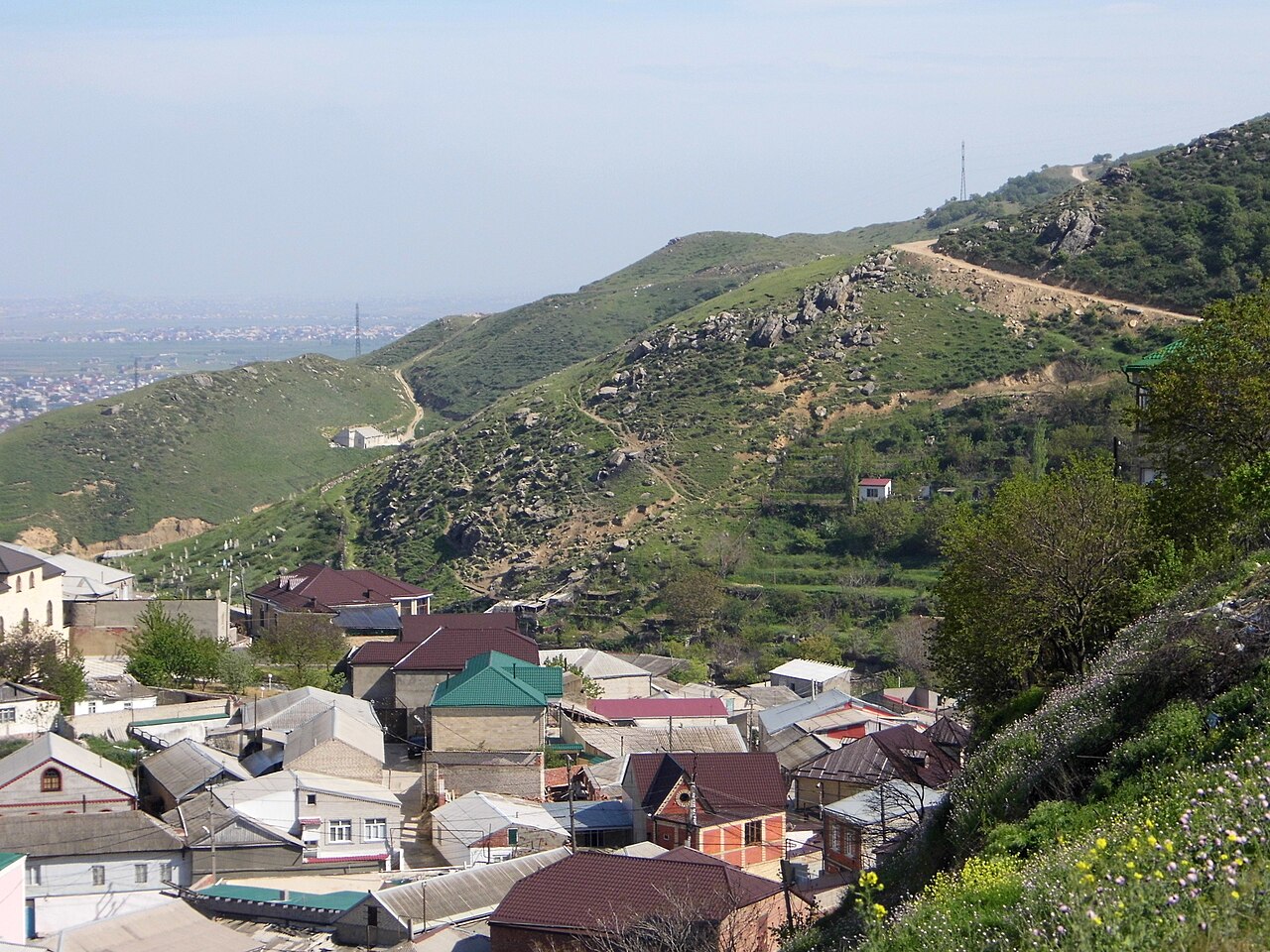
The Kumyk homeland is the Kumyk Plain, the broad lowland of northern and central Dagestan that runs between the Caucasus mountains and the Caspian Sea. It is a fertile land of farmland, orchards, and vineyards, warmer and more open than the harsh highlands to the west.
Historic centres such as Tarki, once the seat of the powerful Kumyk shamkhals, and the modern Dagestani capital of Makhachkala lie in Kumyk country. This position on the plains, astride the routes along the Caspian, made the Kumyk lands a hub of trade and power.
The Old Way of Life
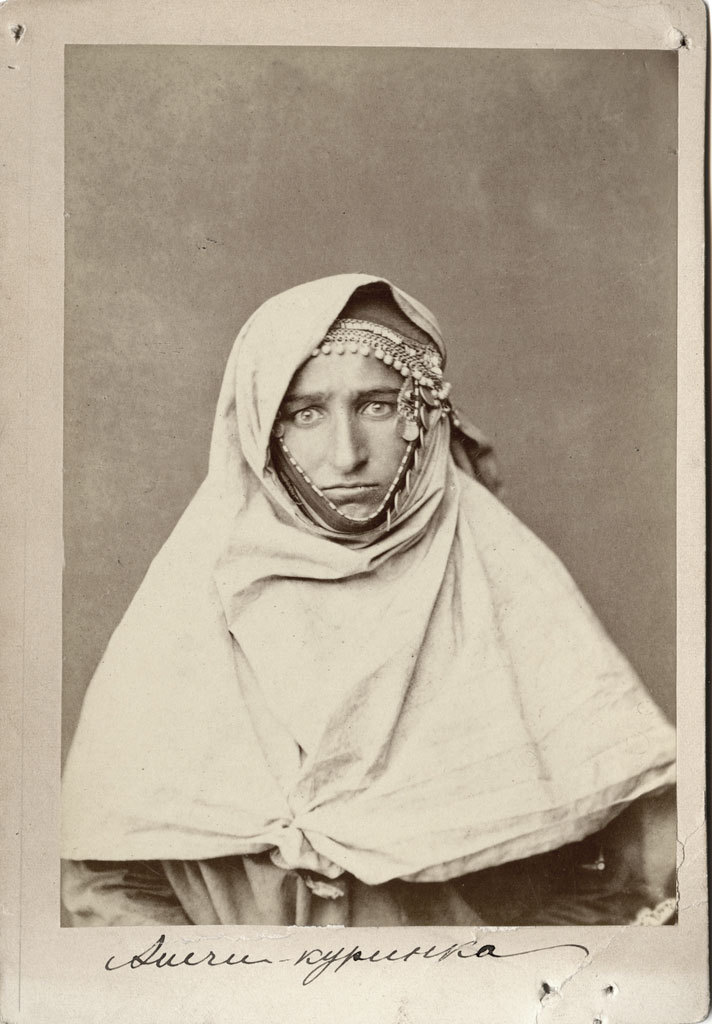
Unlike the pastoral highlanders, the Kumyks were traditionally settled farmers, growing grain, fruit, and grapes on the fertile plains and raising cattle and horses. Their villages were larger and more prosperous than those of the mountains, and they engaged actively in trade.
The Kumyk lands, lying on the routes between the steppe, the mountains, and the Caspian ports, made their people merchants and middlemen as well as farmers. This settled, commercial way of life set them apart from many of their nomadic and highland neighbours.
Society and Community

Kumyk society was historically more stratified than that of the mountain peoples, with princely families, nobles, free commoners, and dependents. The shamkhals of Tarki were among the most powerful rulers of the North Caucasus, and Kumyk nobility played a leading role in regional affairs.
Bonds of family, custom, and hospitality remained strong, governed by both Islamic law and traditional custom. Respect for elders and the codes of honour common to the Caucasus shaped Kumyk social life.
Religion and Belief
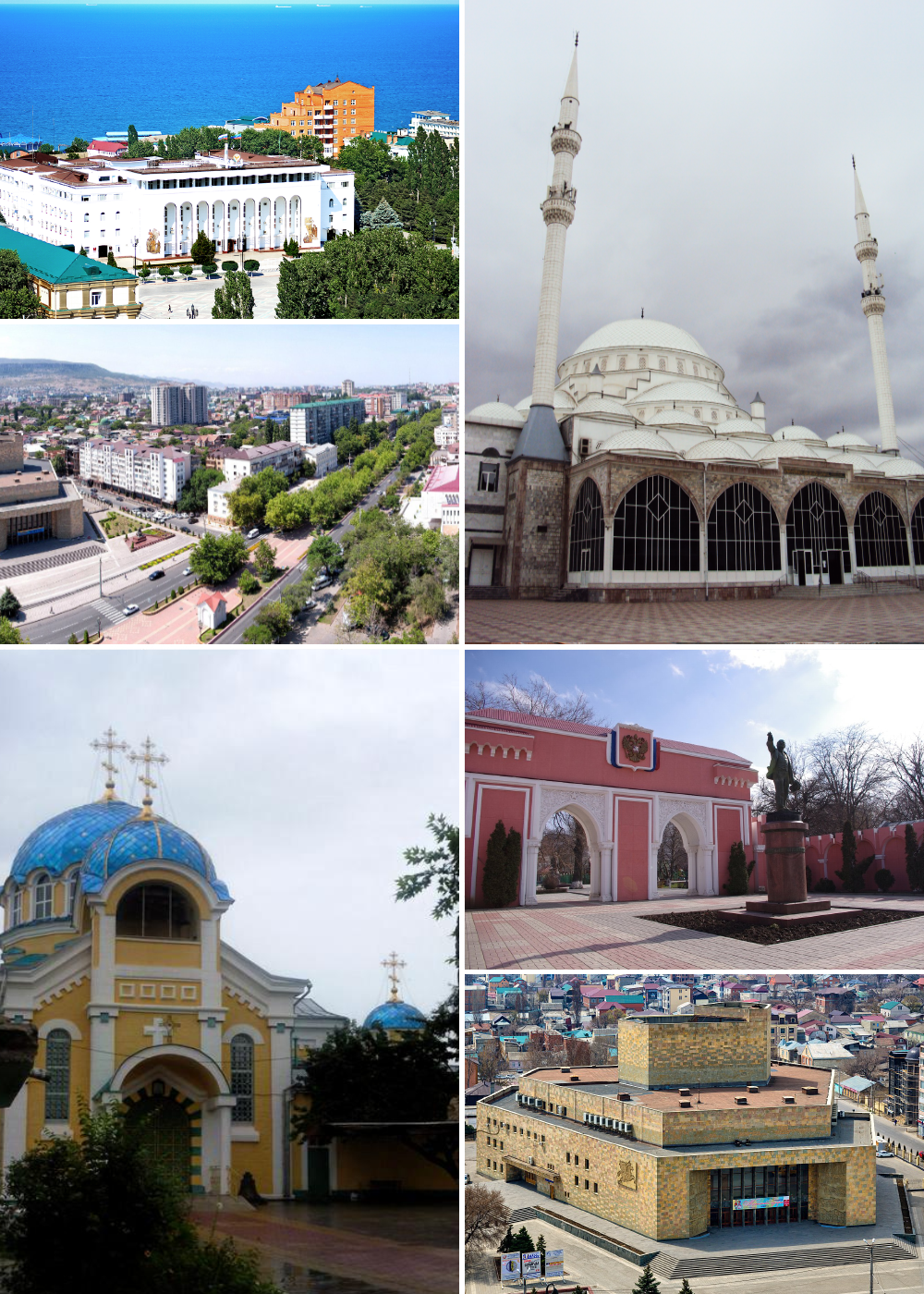
The Kumyks are Sunni Muslims, and Islam has deep roots among them, with Dagestan long a centre of Islamic learning in the region. Mosques and religious schools were central to Kumyk towns and villages, and Islamic scholarship flourished in the Kumyk lands.
Faith blended with the customary law and traditions of the Caucasus to shape Kumyk life. Islam remains an important part of Kumyk identity in modern Dagestan, one of the most devoutly Muslim regions of Russia.
Traditions

Kumyk tradition shares much with the wider culture of the Caucasus, above all a love of music, dance, and poetry. The lezginka, danced across the whole region, is performed with fire and grace at Kumyk weddings and festivals, accompanied by the drum and the shrill zurna.
The Kumyks have a strong tradition of oral and written poetry, and famous Kumyk poets are honoured across Dagestan. Weddings, with their music, feasting, and dancing, remain among the most important occasions in Kumyk life.
Crafts

The Kumyks share in the celebrated craft traditions of Dagestan, a region famous throughout the Caucasus for its carpets, metalwork, and jewellery. Kumyk women wove rugs and textiles, and the settled towns supported skilled artisans of many kinds.
Fine costume, embroidery, and the silverwork and weaponry for which Dagestan was renowned all featured in Kumyk material culture. These crafts, tied to both everyday life and celebration, remain a source of regional pride.
Food

Kumyk cuisine is the hearty fare of Dagestan, and its signature dish is khinkal, pieces of boiled dough served with meat, broth, and a garlicky sauce. Fed by the fertile plains, the Kumyk table is richer in grain, fruit, and vegetables than that of the mountains.
Stuffed pastries, grilled and stewed meats, dairy, and the grapes and fruit of the lowland orchards feature strongly. As throughout the Caucasus, food and generous hospitality are central to Kumyk social life.
Festivals

The Kumyks celebrate the Muslim festivals of Eid al-Fitr and Eid al-Adha with prayer, feasting, and family gatherings, and, like other peoples of the region, they mark the spring festival of the new year with rejoicing. Seasonal celebrations tied to the farming year were also important on the plains.
Weddings are the great celebrations of Kumyk life, filled with music, the lezginka, and days of feasting. Through these festivals the Kumyks reaffirm the bonds of family and community and display the richness of their heritage.
History
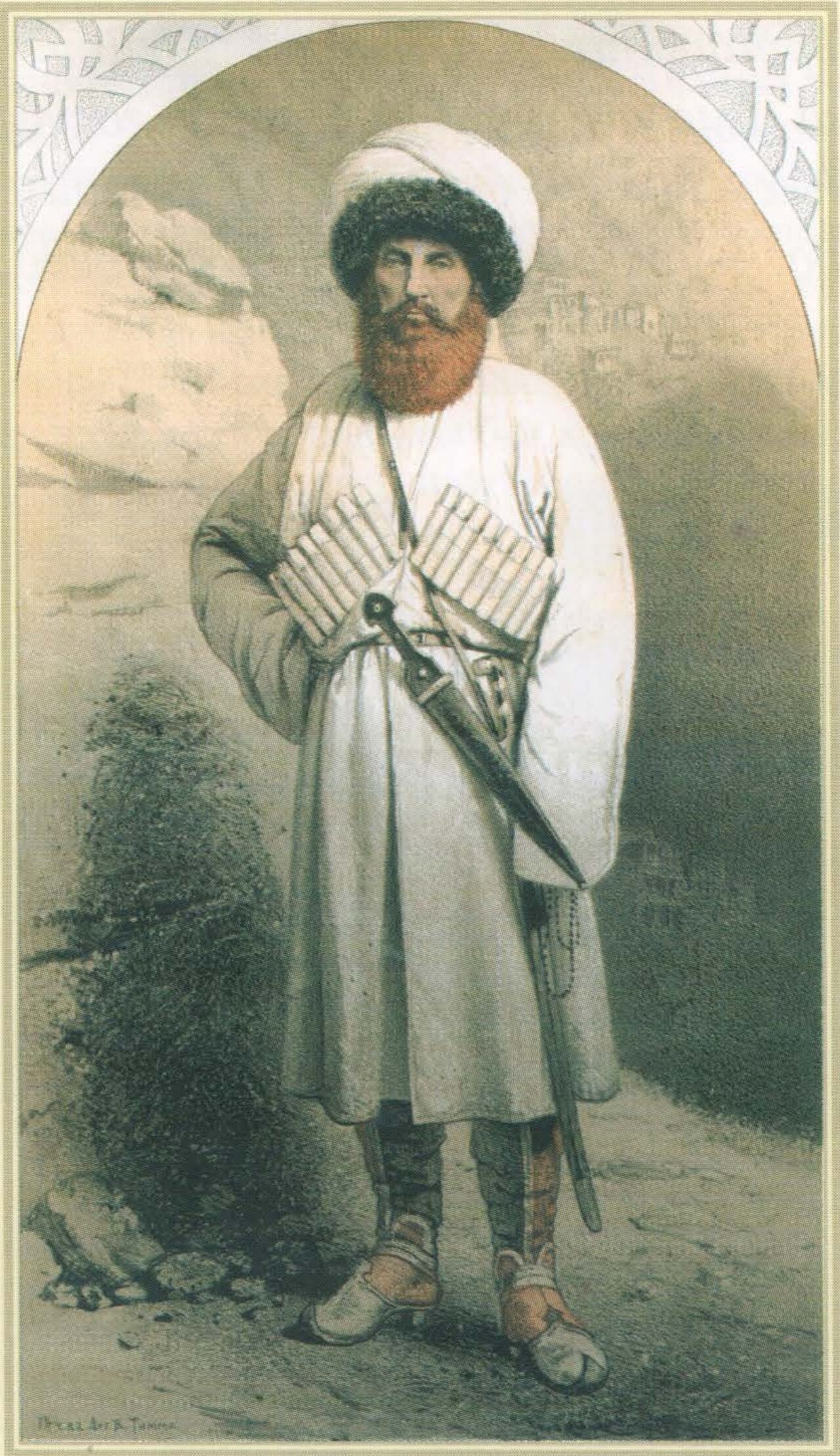
From the late medieval period the Kumyk shamkhals of Tarki were among the most powerful rulers of the North Caucasus, their state a major force between the Persian, Ottoman, and Russian empires. Kumyk was the diplomatic and trading language of the whole eastern Caucasus.
In the eighteenth and nineteenth centuries the Kumyk lands were absorbed into the Russian Empire as the Caucasus was conquered, and Kumyks took part in the long mountain resistance. Under Soviet rule the Kumyks became one of the constituent peoples of the Dagestan republic, and the upheavals of the twentieth century reshaped their society.
Today
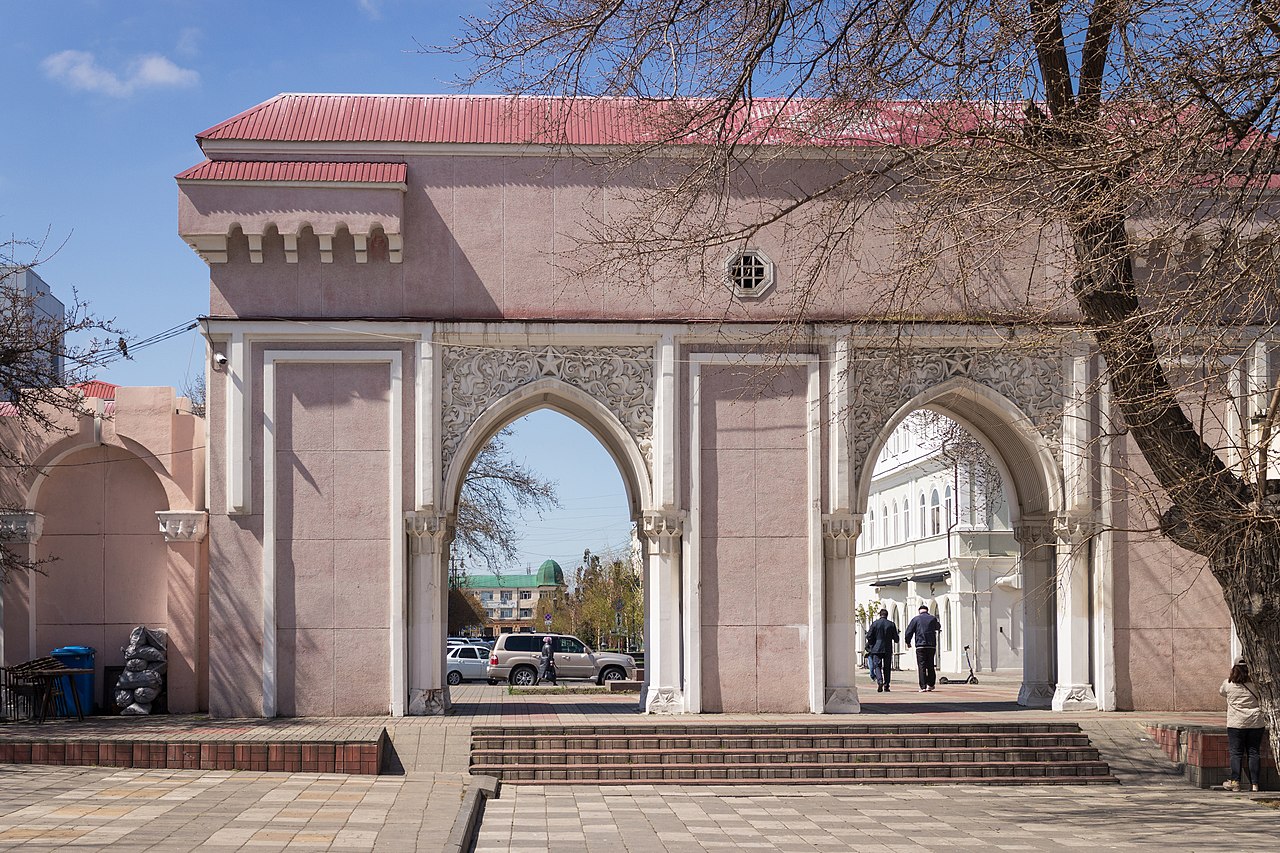
Today the Kumyks number around half a million, most of them in Dagestan, where they are one of the republic’s largest peoples, concentrated on the plains around Makhachkala and the Caspian coast. They remain an important community in the political and cultural life of the region.
Modern Kumyks work to preserve their Turkic language and literary heritage amid the pressures of a crowded and diverse republic. Their poetry, their music, and their long history as a people of the Caspian plains keep alive the distinctive identity of the Kumyks within the mosaic of Dagestan.
Related Peoples of the Region
More Peoples of the World
You May Like
The Damara, an Ancient People of Namibia